NATURAL HOME CURES · NOPAL SCIENCE
Vitamin C
& Nopal
Collagen, antioxidant chemistry and the importance of handling the whole cactus with care.
Explore the science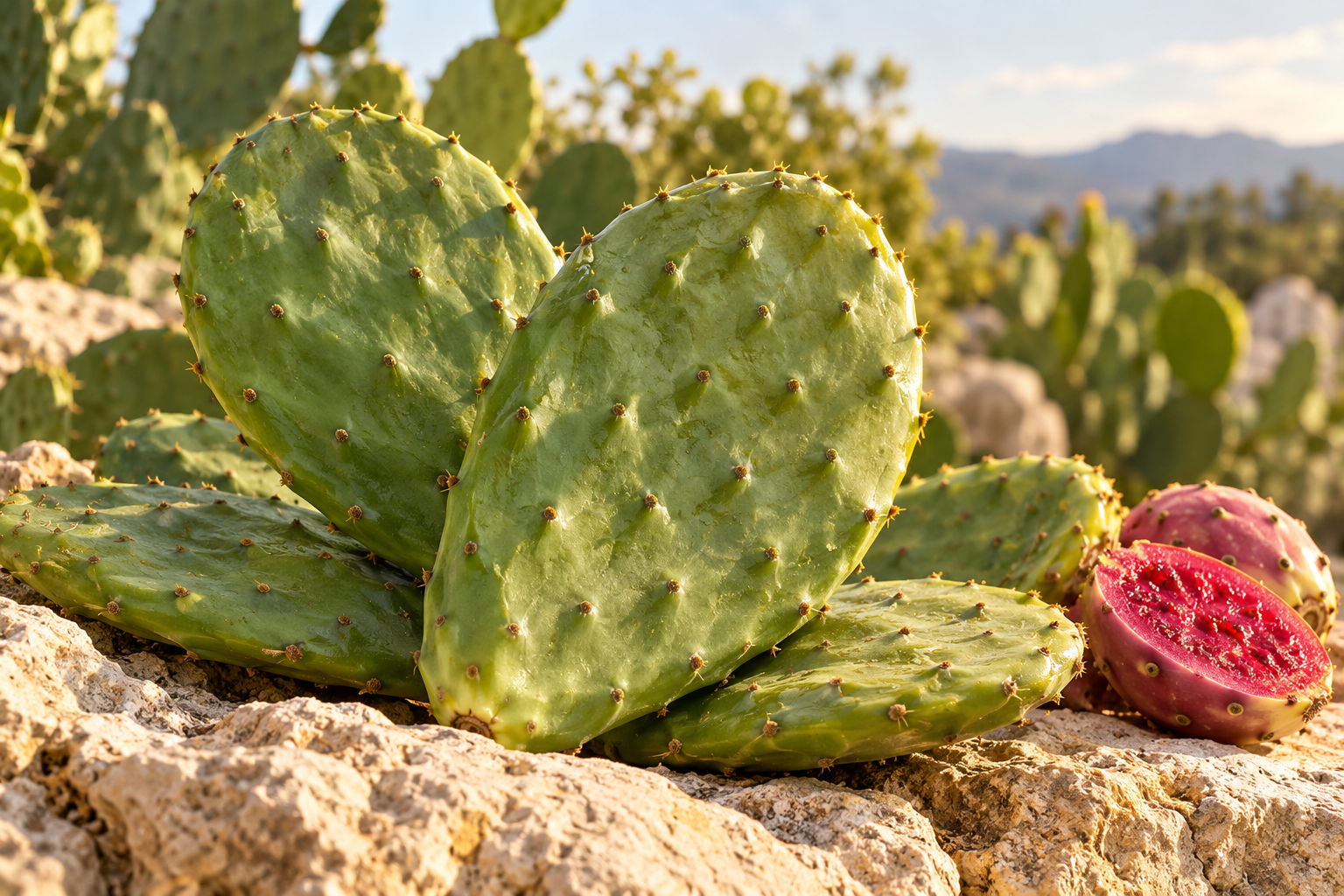
Vitamin C is one of the most familiar vitamins, but there’s much more to it than the glass of orange juice many of us associate with it.
Also known as ascorbic acid, vitamin C is an essential nutrient. Humans cannot make vitamin C on their own, so we need to obtain it through our diet.(1)
Vitamin C participates in several important processes, including collagen production, antioxidant protection, iron absorption and normal immune function.(1), (2)
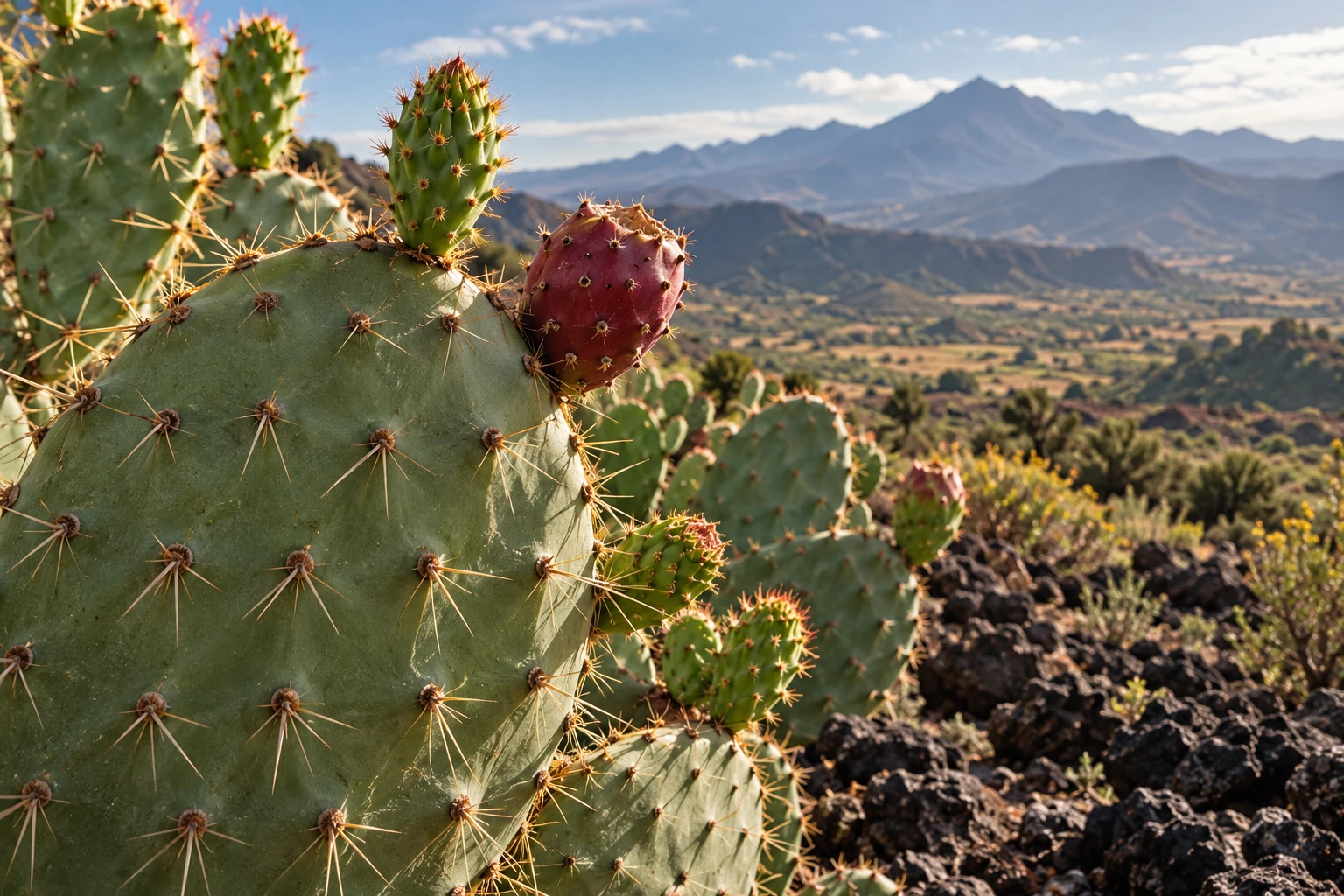
Vitamin C also has a direct and natural connection with Nopal cactus and prickly pear.
What Does Vitamin C Do?
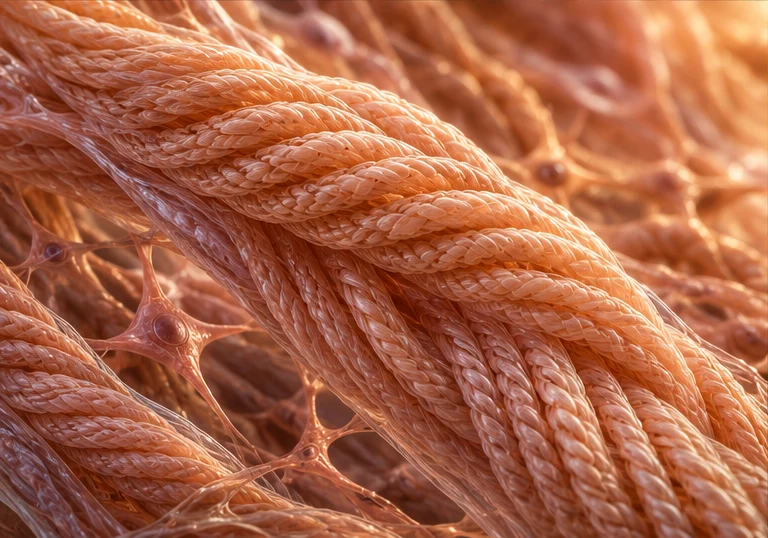
One of vitamin C’s most important jobs involves collagen.
Collagen is the major structural protein found throughout our skin, bones, cartilage, blood vessels, tendons and other connective tissues.(1), (3)
The body needs vitamin C during the process used to build and stabilize collagen.(3)
Without enough vitamin C, normal collagen formation is disrupted.
That’s why vitamin C has such an important connection with the body’s structural tissues.
Vitamin C and Antioxidant Protection
PART OF A LARGER NETWORK
Antioxidant chemistry
Vitamin C participates in the body’s defenses against oxidation, alongside other nutrients and enzymes.
Vitamin C also acts as an antioxidant.(1), (2)
Every day, normal metabolism and exposure to our environment produce reactive molecules commonly called free radicals.
Antioxidants can interact with these molecules and help limit the cellular damage they may cause.(2)
Vitamin C is one part of the body’s much larger antioxidant defense system.
It doesn’t work alone.
Other nutrients, enzymes and naturally occurring compounds all participate.
And that idea becomes particularly interesting when we look at Nopal, because vitamin C exists within a plant containing numerous other naturally occurring compounds.
Vitamin C Helps With Iron Absorption
NUTRIENTS INTERACT
Vitamin C + Iron
Vitamin C helps the intestine absorb non-heme iron, the form commonly found in plant foods.
Vitamin C has another useful nutritional relationship.
It can help the body absorb non-heme iron, the form of iron commonly found in plant foods.(1), (4)
Vitamin C can change iron into a form that’s easier for the intestine to absorb.
That’s a good example of why nutrients shouldn’t always be considered separately.
One nutrient can influence what happens to another.
Our food is full of these relationships.
Where Does Vitamin C Come From?
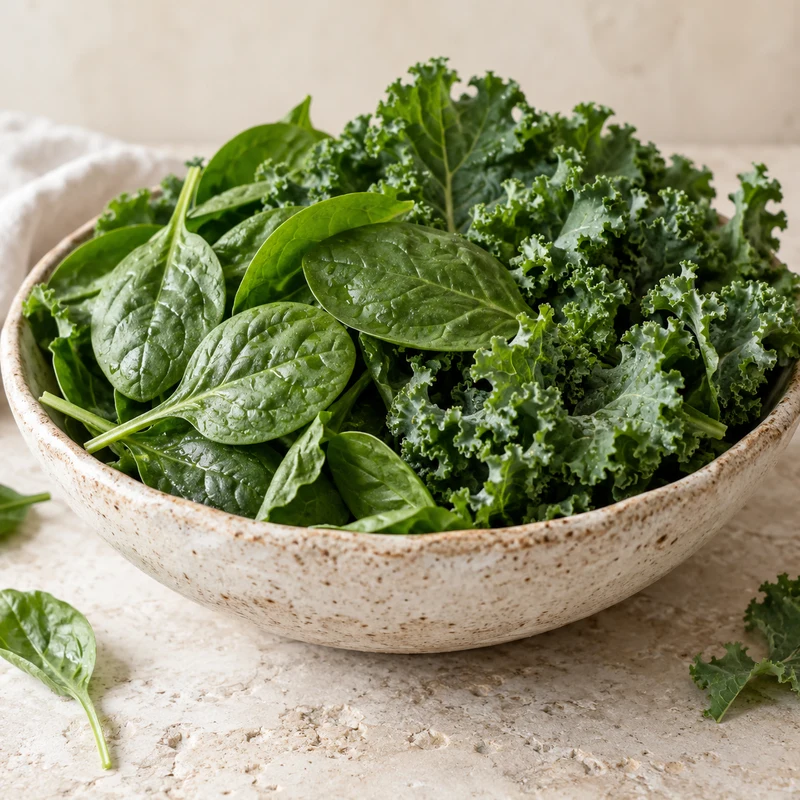
Vitamin C occurs naturally in many fruits and vegetables, including:
- Citrus fruits
- Strawberries
- Kiwi
- Bell peppers
- Tomatoes
- Broccoli
- Brussels sprouts
- Certain leafy vegetables
- Nopal cactus
- Prickly pear fruit
Nopal cactus and prickly pear are documented sources of naturally occurring vitamin C.(5), (6)
Here, we’re talking about a vitamin that researchers have identified as part of the cactus and its fruit.
Vitamin C in Nopal Cactus and Prickly Pear
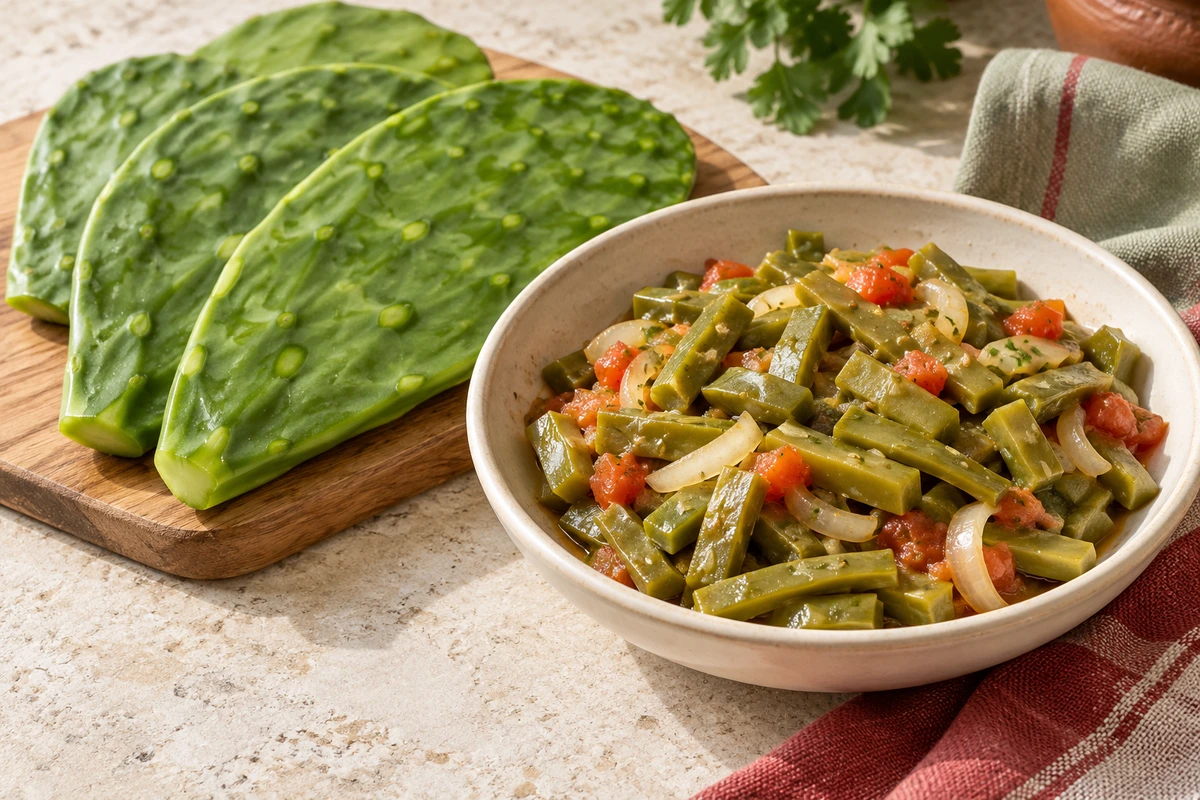
Scientific analyses of Nopal cactus and prickly pear have reported vitamin C in different parts of the plant.(5), (6)
Both the cactus pads and prickly pear fruit have attracted nutritional interest.
And vitamin C doesn’t exist there by itself.
Nopal and prickly pear materials also contain fiber, minerals, amino acids and colorful plant compounds including carotenoids and betalains.(5), (6)
So vitamin C becomes part of a much broader nutritional picture.
That’s one of the reasons we keep returning to the idea of the whole plant.
Why Freshness and Processing Matter
AFTER HARVEST
Heat · Oxygen · Light · Time
Processing and storage conditions can influence how much vitamin C remains in plant material.
Vitamin C is somewhat sensitive.
Heat, oxygen, light and storage can contribute to vitamin C losses in foods over time.(1), (7)
That’s one reason processing methods can matter when working with plant foods.
Freeze-drying removes water at low temperatures rather than relying on the high heat used in some conventional drying methods.
From Our Farms to the Nopal Family
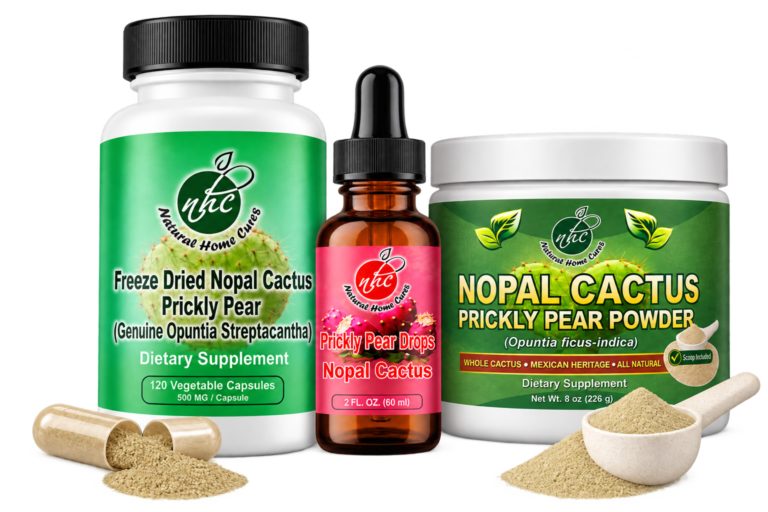
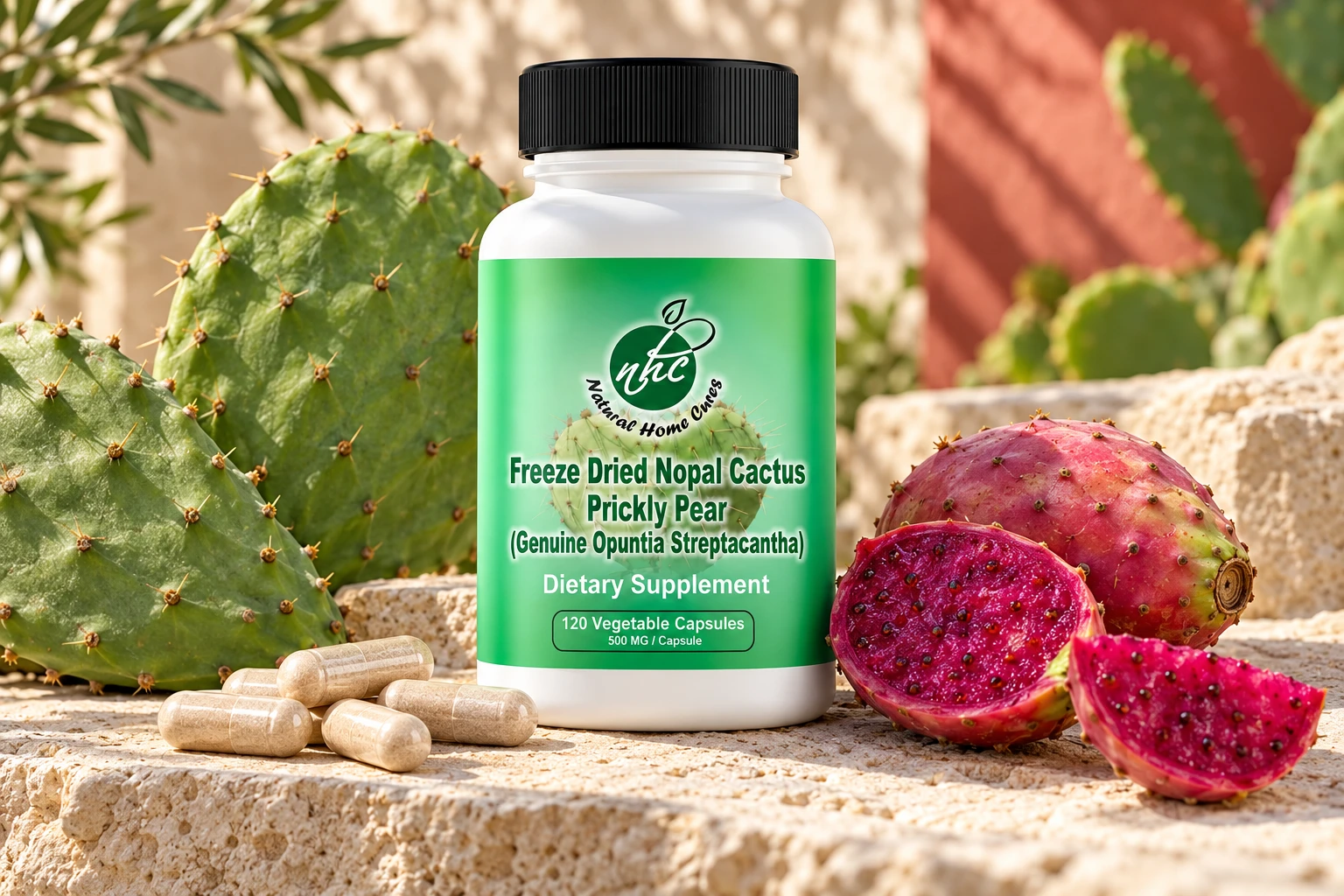
The Nopal behind our flagship Natural Home Cures Freeze-Dried Nopal Powder Capsules begins on our own farms. Our relationship with the cactus starts while it is still growing.
After harvest, we freeze-dry the Nopal, mill it into powder and prepare it for our capsules.
Our goal is to preserve the character of the cactus we grow as closely as practical while creating a convenient finished product.
Our Nopal family also includes Nopal Powder and Prickly Pear Drops, giving customers several ways to explore Nopal cactus and prickly pear.
Vitamin C Is One Piece of the Nopal Story
Vitamin C may be familiar.
Nopal may be familiar.
Put the two together, however, and we begin to see the cactus in a different way.
Vitamin C participates in collagen formation, antioxidant protection and iron absorption.(1), (2), (3), (4)
And Nopal cactus and prickly pear provide vitamin C alongside a much larger collection of naturally occurring plant compounds.(5), (6)
That’s what makes the plant interesting to us.
Not one isolated nutrient.
Not one fashionable ingredient.
But the much larger nutritional picture found inside Nopal cactus and prickly pear.
And at Natural Home Cures, that story begins with the cactus itself and continues into the Nopal products we offer our customers.
FROM CACTUS TO PRODUCT
Keep the botanical
in the story.
Freeze-dried Nopal cactus capsules.
Explore our Nopal →The research behind this articleSource References
- 01Nutrition referenceVitamin C — Fact Sheet for Health Professionals.View source
Full citation
National Institutes of Health, Office of Dietary Supplements. “Vitamin C — Fact Sheet for Health Professionals.” - 02Research referenceVitamin C and Immune Function.View source
Full citation
Carr AC, Maggini S. “Vitamin C and Immune Function.” Nutrients. 2017;9(11):1211. - 03Research referenceThe Roles of Vitamin C in Skin Health.View source
Full citation
Pullar JM, Carr AC, Vissers MCM. “The Roles of Vitamin C in Skin Health.” Nutrients. 2017;9(8):866. - 04Research referenceThe Active Role of Vitamin C in Mammalian Iron Metabolism: Much More Than Just Enhanced Iron Absorption!View source
Full citation
Lane DJR, Richardson DR. “The Active Role of Vitamin C in Mammalian Iron Metabolism: Much More Than Just Enhanced Iron Absorption!” Free Radical Biology and Medicine. 2014;75:69–83. - 05Research referenceNopal Cactus (Opuntia ficus-indica) as a Source of Bioactive Compounds for Nutrition, Health and Disease.View source
Full citation
El-Mostafa K, El Kharrassi Y, Badreddine A, et al. “Nopal Cactus (Opuntia ficus-indica) as a Source of Bioactive Compounds for Nutrition, Health and Disease.” Molecules. 2014;19(9):14879–14901. - 06Research referencePhytochemical and Nutritional Significance of Cactus Pear.View source
Full citation
Stintzing FC, Schieber A, Carle R. “Phytochemical and Nutritional Significance of Cactus Pear.” European Food Research and Technology. 2001;212:396–407. - 07Research referencePreharvest and Postharvest Factors Influencing Vitamin C Content of Horticultural Crops.View source
Full citation
Lee SK, Kader AA. “Preharvest and Postharvest Factors Influencing Vitamin C Content of Horticultural Crops.” Postharvest Biology and Technology. 2000;20(3):207–220.