NATURAL HOME CURES · NOPAL SCIENCE
Calcium
& Nopal
A familiar mineral. A story inside the living plant.
Explore the science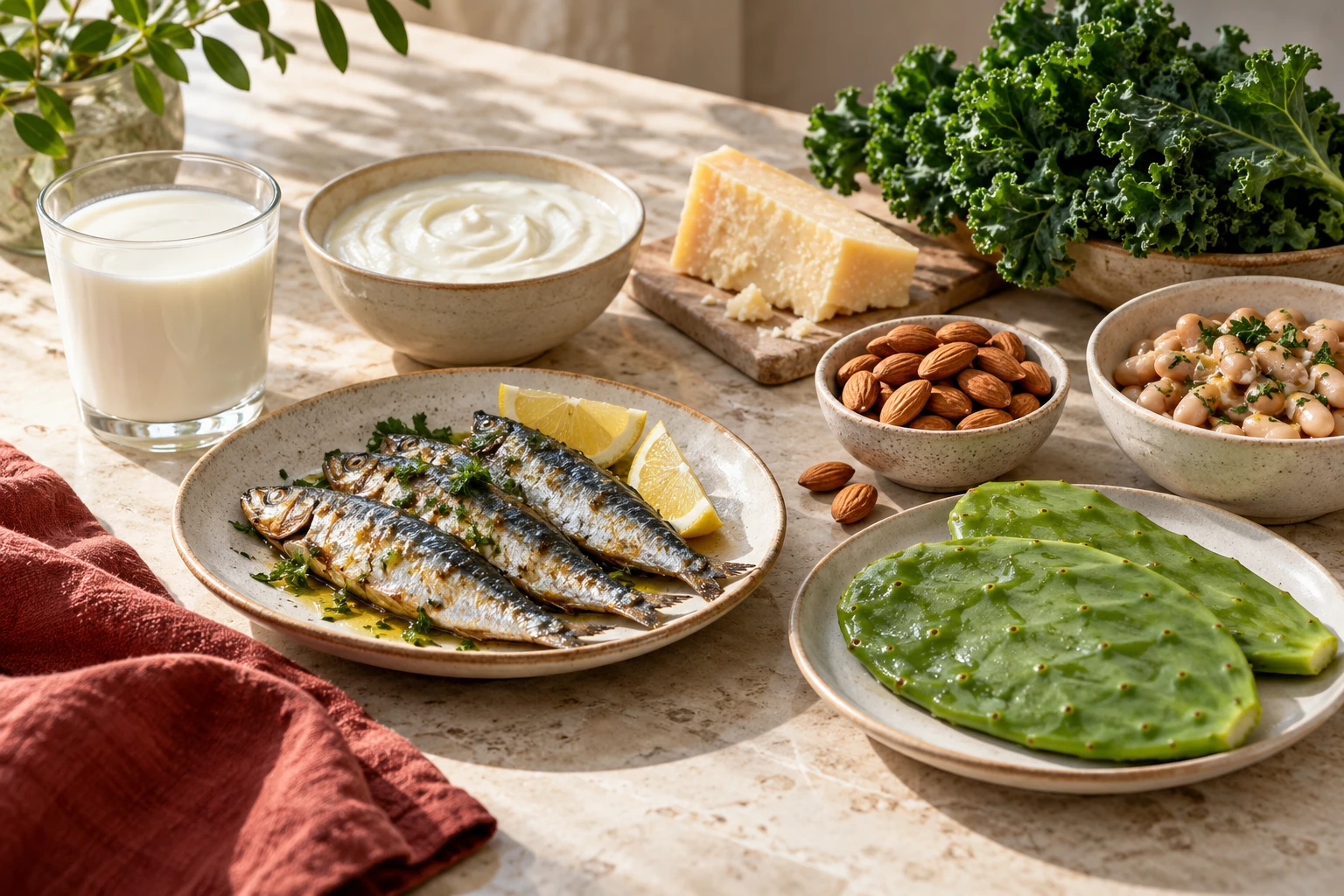
Most people hear the word calcium and immediately think of bones.
There's a good reason for that.
About 99% of the calcium in the human body is stored in bones and teeth.(1)
But calcium isn't simply building material for our skeleton.
The remaining calcium participates in some remarkably important processes, including muscle contraction, nerve signaling, blood clotting and normal cellular communication.(1), (2)
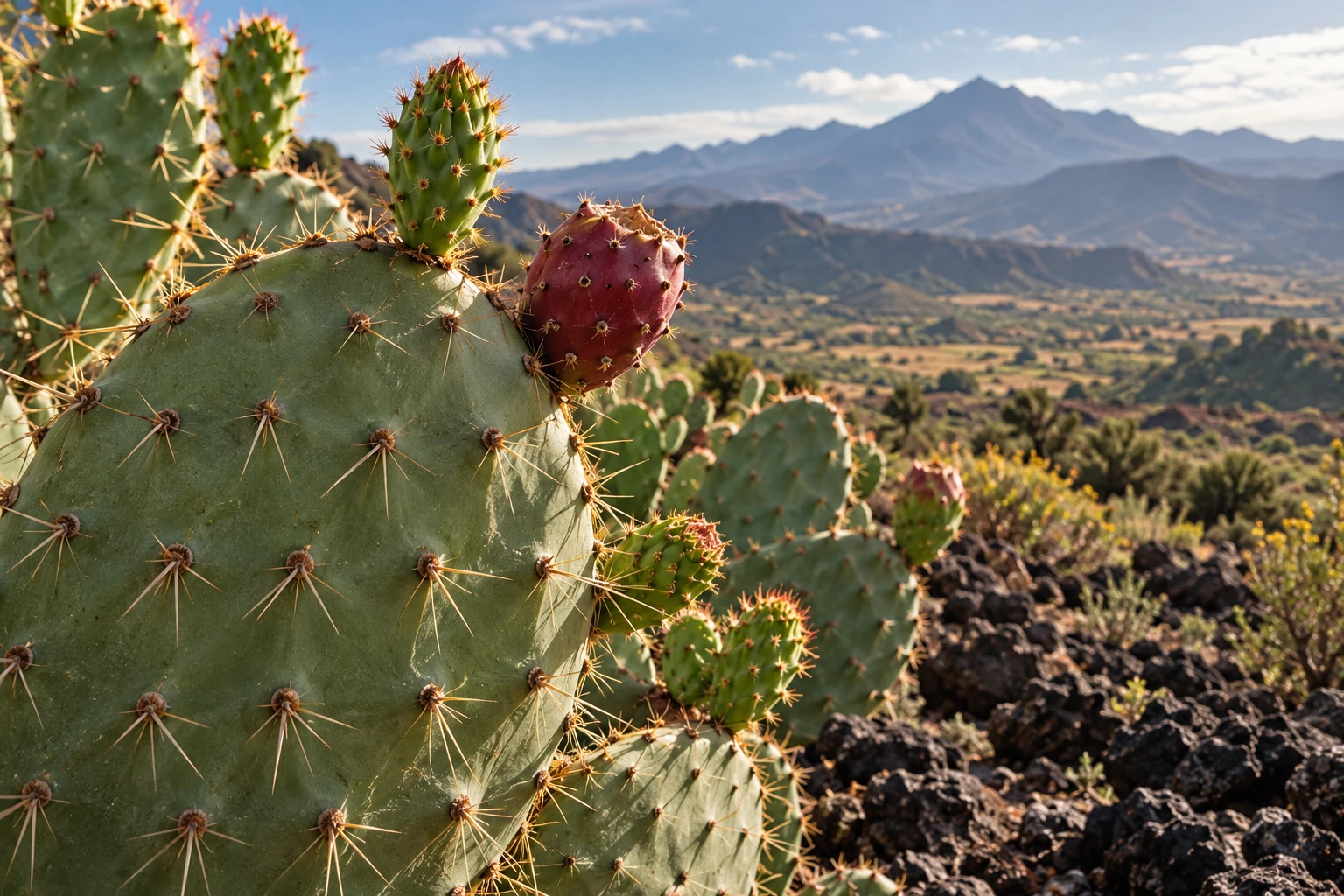
And calcium has a natural connection with Nopal cactus and prickly pear.
What Does Calcium Do?
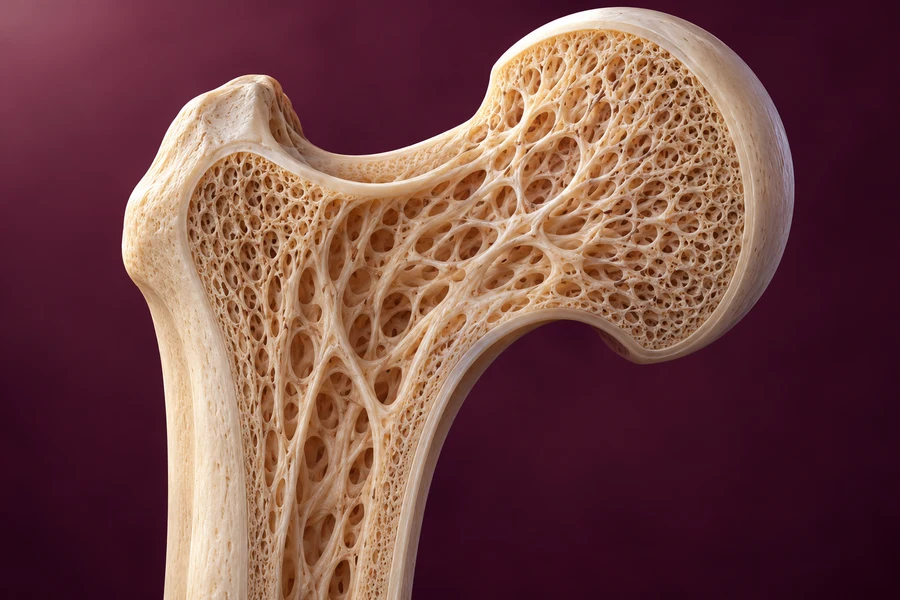
Bones provide our bodies with structure, but they're not lifeless pieces of mineral.
Bone is living tissue.
Throughout our lives, old bone is continually being broken down while new bone is being formed.
Calcium becomes part of the mineral structure that gives bones and teeth much of their strength.(1), (2)
But the body also needs calcium circulating outside the skeleton.
Because calcium is so important, the body carefully regulates the amount present in the blood.
In a sense, our skeleton serves not only as structure but also as the body's enormous calcium reservoir.
Calcium Makes Muscles Move
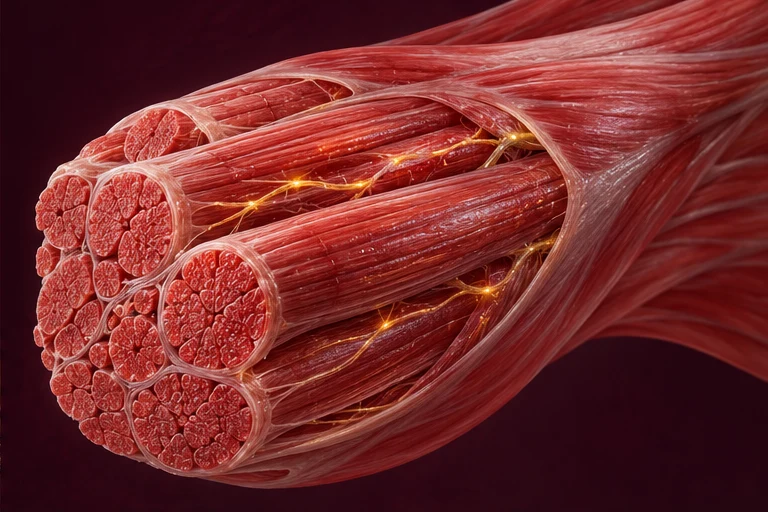
Every time you move your hand, stand from a chair or take a step, calcium is involved.
Muscle contraction depends on carefully controlled movements of calcium inside muscle cells.(2), (3)
A nerve signal reaches the muscle.
Calcium is released inside the cell.
That calcium helps activate the machinery that allows muscle fibers to contract.
Then calcium is moved again so the muscle can relax.
It's happening throughout our bodies constantly, usually without us ever thinking about it.
Calcium Helps Nerves Communicate
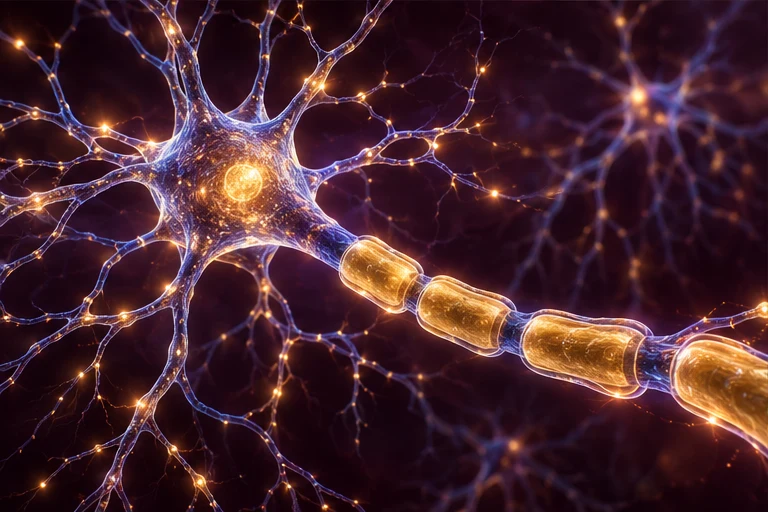
Calcium also participates in communication between nerve cells.
When an electrical signal reaches the end of a nerve, calcium helps trigger the release of chemical messengers called neurotransmitters.(3), (4)
Those messengers can then carry information to another nerve, a muscle or another type of cell.
So calcium isn't simply sitting inside bones.
Some of it is helping our nervous system communicate moment by moment.
Where Does Calcium Come From?
Foods that provide calcium, either naturally or through fortification, include:
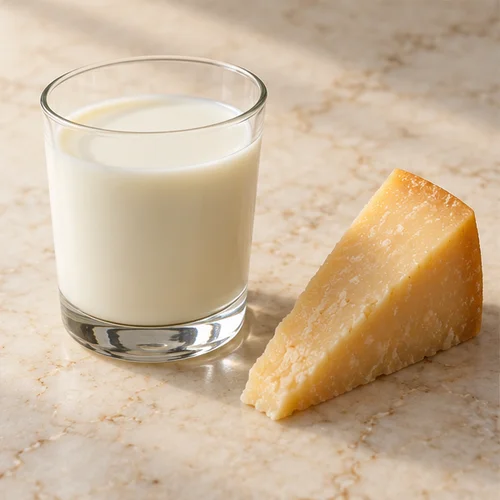 Milk, yogurt and cheese
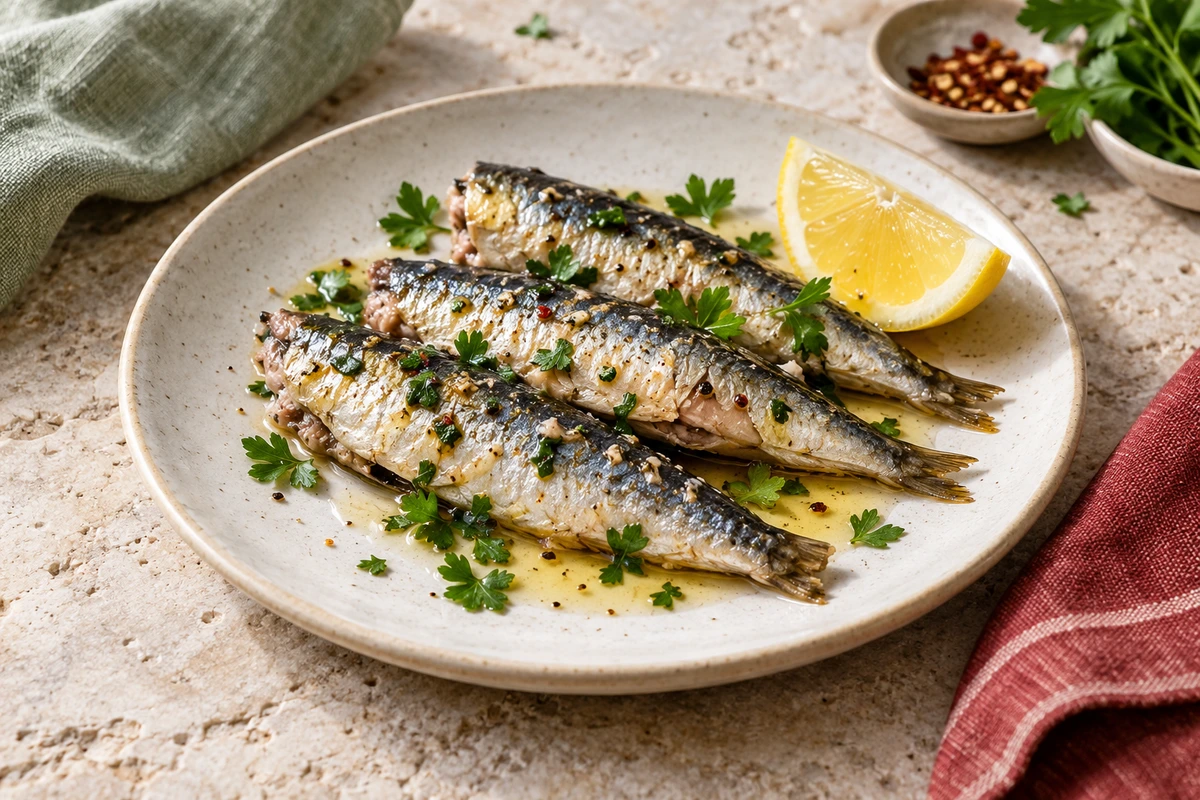 Sardines and canned salmon with bones
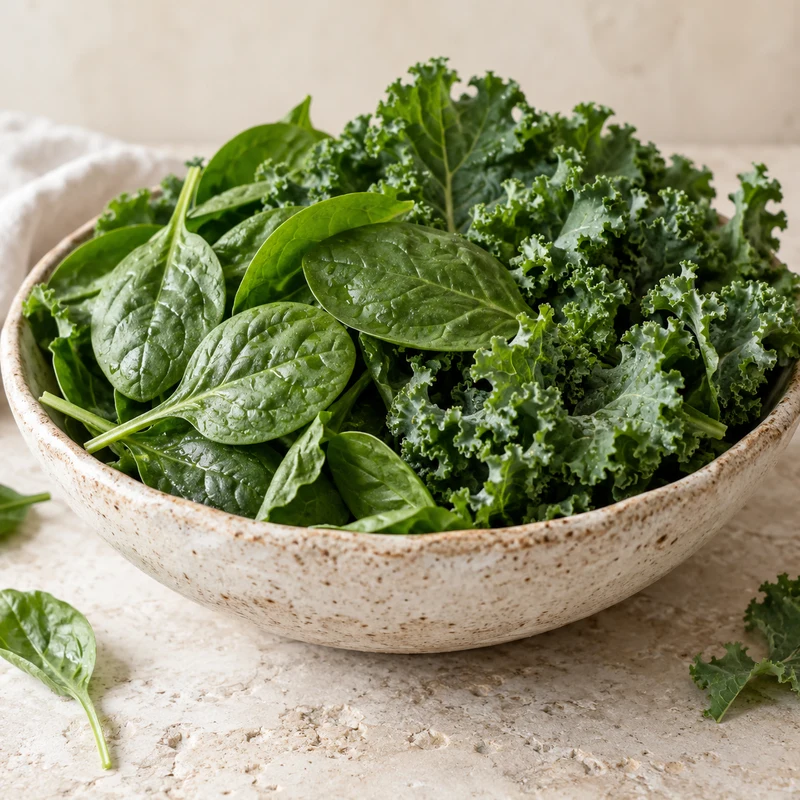 Certain leafy green vegetables
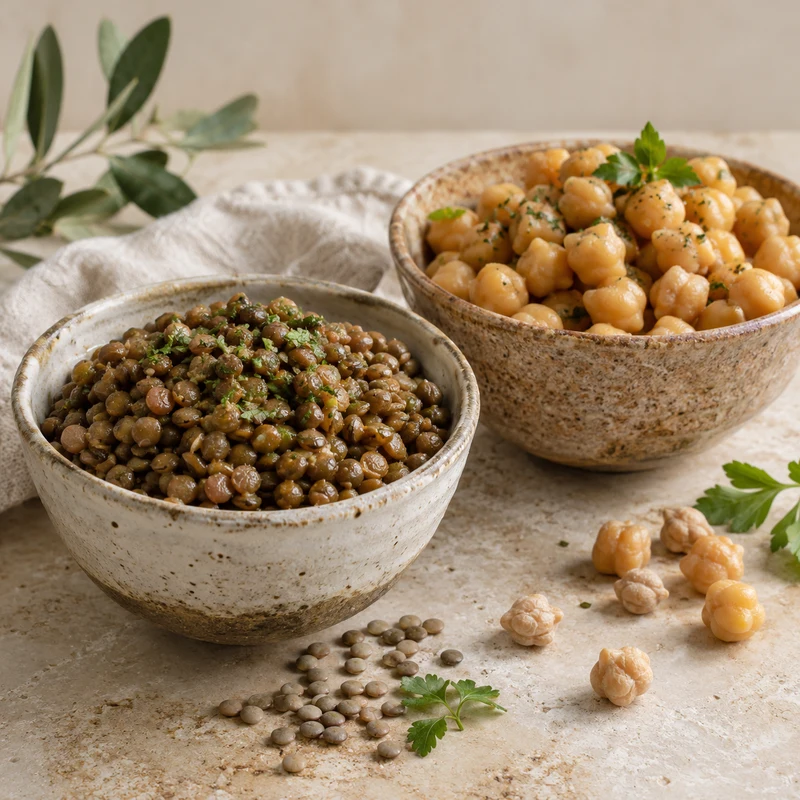 Beans
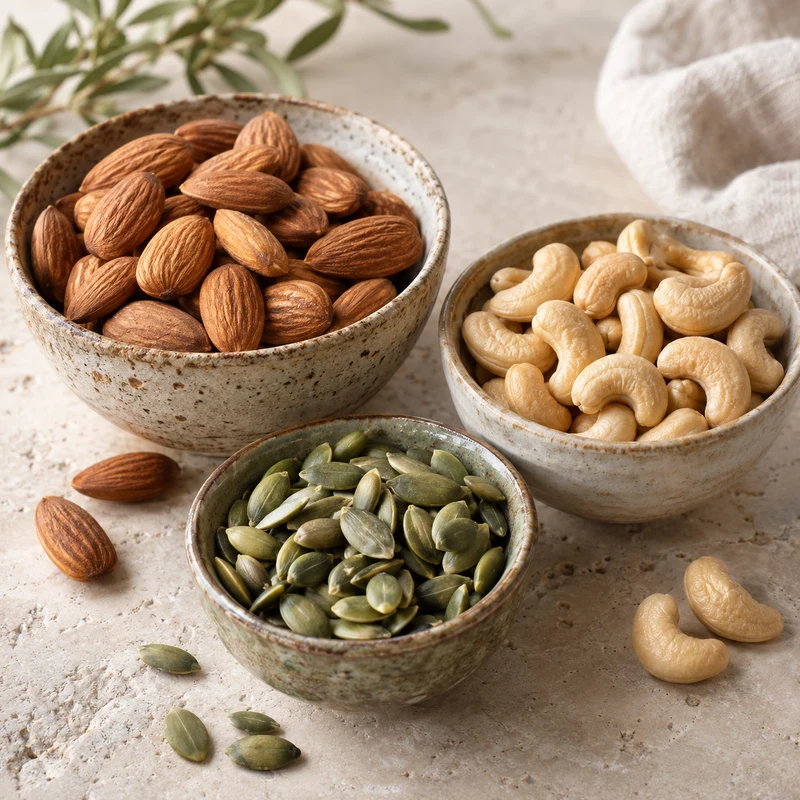 Almonds
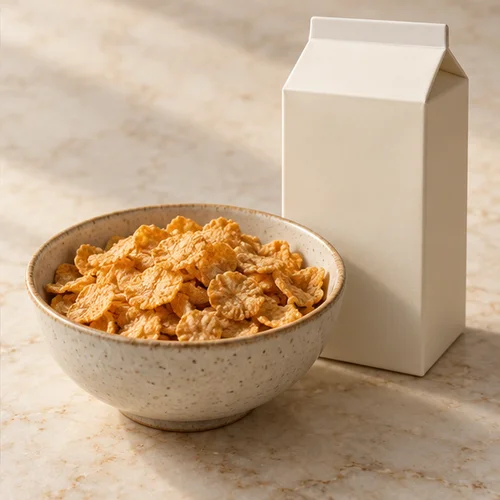 Calcium-fortified foods
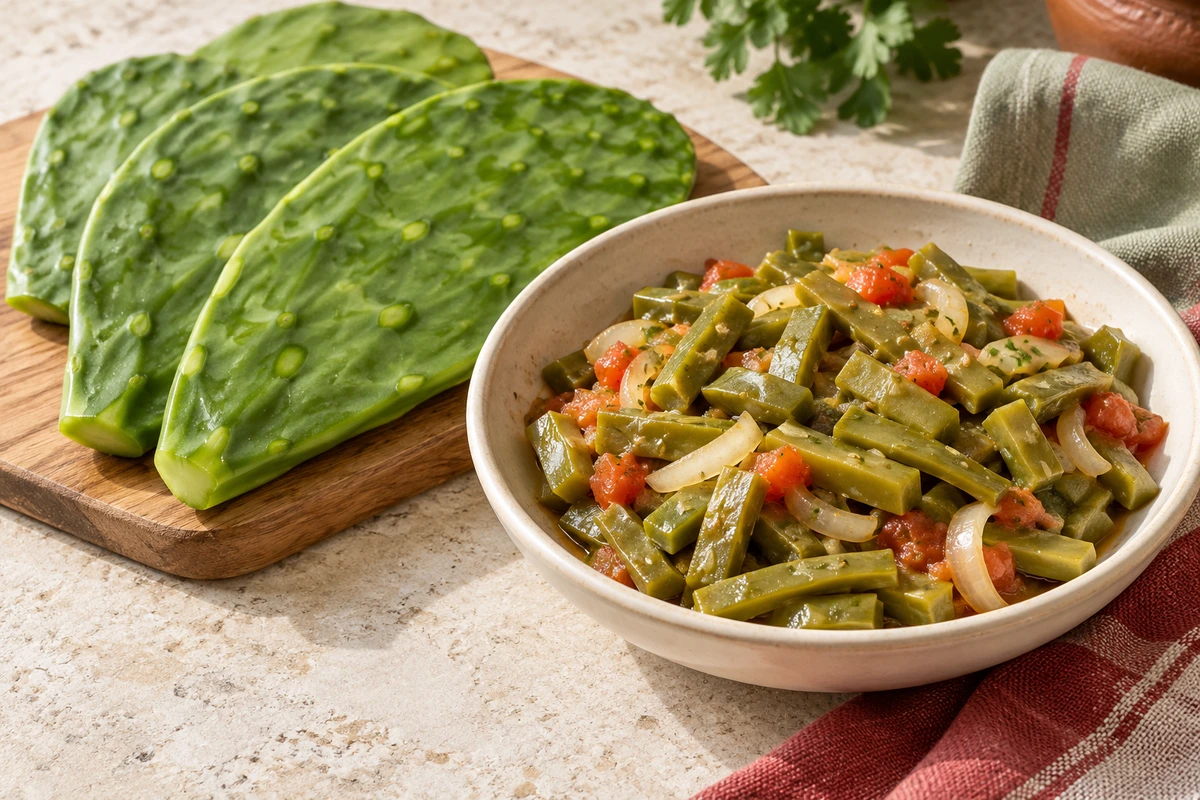 Nopal cactus and prickly pear
Nopal cactus pads are a documented plant source of calcium.(5), (6)
That gives calcium a particularly interesting place in the nutritional story of prickly pear cactus.
Calcium in Nopal Cactus
Scientific analyses of Nopal cactus have repeatedly identified calcium among the minerals found in the cactus pads.(5), (6)
And there's an interesting wrinkle.
The calcium content of Nopal can change as the cactus pad matures.(5), (7)
Young, tender pads and older pads don't necessarily have identical mineral profiles.
That's because a living plant changes as it grows.
Its structure changes.
Its water content changes.
And minerals can accumulate differently over time.
So even something as familiar as calcium gives us another window into the biology of Nopal.
Not All Calcium in a Plant Is the Same
Plants can contain calcium in different chemical forms. Oxalate and other food components can affect how much calcium is available for absorption. (1) (8)
Contreras-Padilla and colleagues measured calcium and oxalates in powder from Opuntia ficus-indica var. redonda pads at different maturity stages. Their study describes composition in those samples; it did not measure absorption from our capsules in people. (7)
A separate study used laboratory digestion and dialysis to investigate mineral availability in cactus pads. It linked reduced calcium availability to calcium oxalate crystals. That was an in vitro model, not a human absorption trial. (9)
These studies ask different questions using different methods. Neither establishes calcium content, absorbed calcium per serving, or a bone-health outcome for our finished Opuntia streptacantha capsules.
Why Calcium Needs Partners
Calcium doesn't work alone.
Vitamin D helps the intestine absorb calcium and plays an important role in maintaining calcium balance.(1)
Proteins are another part of the larger bone story. The diagram shows calcium alongside vitamin D, phosphorus and magnesium.
That's why reducing bone nutrition to one mineral misses the bigger picture.
The body works through networks.
And plants work the same way—they contain collections of nutrients and compounds rather than one isolated ingredient.
From Harvest to Our Capsules
Our capsules use freeze-dried Opuntia streptacantha pads from our own farms in Mexico. We mill the dried pads into powder and prepare them for encapsulation. This sourcing and process do not establish calcium per serving.
The Natural Home Cures Nopal Family
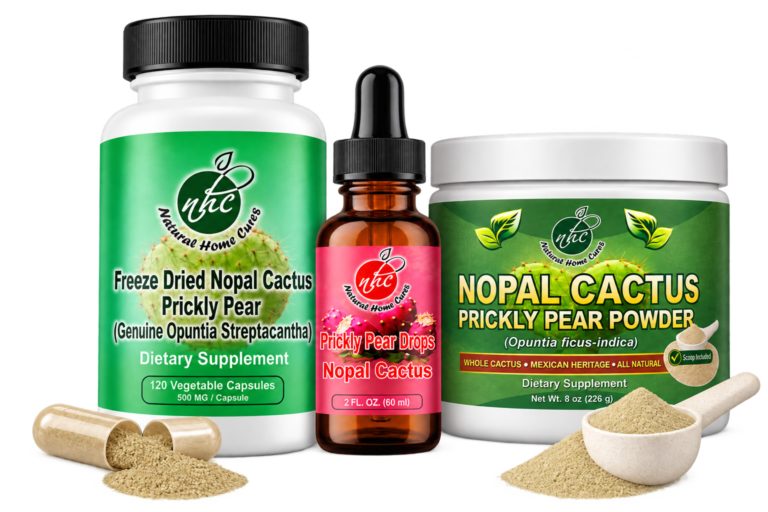
Our flagship Natural Home Cures Freeze-Dried Nopal Powder Capsules remain at the center of our Nopal line.
Natural Home Cures also offers Nopal Powder and Prickly Pear Drops.
Together, they give customers several ways to explore Nopal cactus and prickly pear.
And calcium provides another example of why there's so much more to this cactus than what we see from the outside.
Much More Than a Bone Mineral
Calcium helps give bones and teeth their structure.
But it also helps muscles contract.
It helps nerves communicate.
It participates in blood clotting and cellular signaling.(1), (2), (3)
Within Nopal cactus and prickly pear, calcium becomes another piece of a much larger nutritional picture.(5), (6)
The more closely we examine that picture, the clearer something becomes:
Nopal isn't interesting because of one nutrient.
It's interesting because of the remarkable collection of naturally occurring components contained within the plant.
And at Natural Home Cures, that's the whole-plant story we want customers to discover.
FROM CACTUS PAD TO CAPSULE
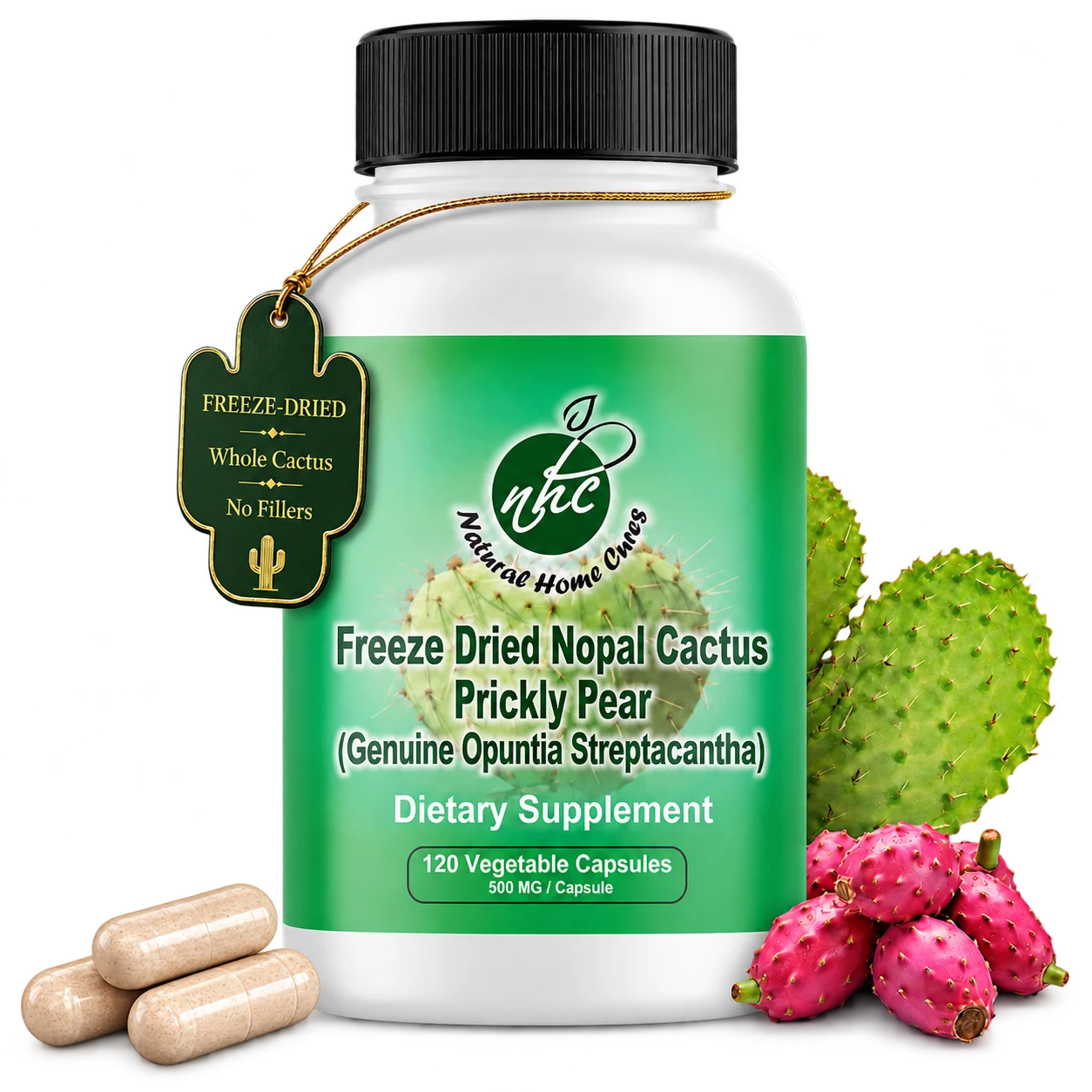
Freeze-Dried Nopal Cactus Capsules
Made with the whole nopal pad, freeze-dried and milled into a fine powder.
500 mg per capsule refers to nopal pad powder. The amount of calcium per capsule hasn’t been established on this page.
The research behind this articleSource References
- 01Nutrition referenceCalcium — Fact Sheet for Health Professionals.View source
Full citation
National Institutes of Health, Office of Dietary Supplements. “Calcium — Fact Sheet for Health Professionals.” - 02Research referenceCalcium Metabolism in Health and Disease.View source
Full citation
Peacock M. “Calcium Metabolism in Health and Disease.” Clinical Journal of the American Society of Nephrology. 2010;5(Suppl 1):S23–S30. - 03Research referenceCalcium Signaling.View source
Full citation
Clapham DE. “Calcium Signaling.” Cell. 2007;131(6):1047–1058. - 04Research referenceCalcium Control of Neurotransmitter Release.View source
Full citation
Südhof TC. “Calcium Control of Neurotransmitter Release.” Cold Spring Harbor Perspectives in Biology. 2012;4(1):a011353. - 05Cactus composition reviewNopal Cactus (Opuntia ficus-indica) as a Source of Bioactive Compounds for Nutrition, Health and Disease.View source
Full citation
El-Mostafa K, El Kharrassi Y, Badreddine A, et al. “Nopal Cactus (Opuntia ficus-indica) as a Source of Bioactive Compounds for Nutrition, Health and Disease.” Molecules. 2014;19(9):14879–14901. - 06Cactus composition reviewCactus Stems (Opuntia spp.): A Review on Their Chemistry, Technology, and Uses.View source
Full citation
Stintzing FC, Carle R. “Cactus Stems (Opuntia spp.): A Review on Their Chemistry, Technology, and Uses.” Molecular Nutrition & Food Research. 2005;49(2):175–194. - 07Cactus composition laboratory studyEvaluation of Oxalates and Calcium in Nopal Pads (Opuntia ficus-indica var. redonda) at Different Maturity Stages.View source
Full citation
Contreras-Padilla M, Pérez-Torrero E, Hernández-Urbiola MI, et al. “Evaluation of Oxalates and Calcium in Nopal Pads (Opuntia ficus-indica var. redonda) at Different Maturity Stages.” Journal of Food Composition and Analysis. 2011;24(1):38–43. - 08Research referenceCalcium Bioavailability from High Oxalate Vegetables: Chinese Vegetables, Sweet Potatoes and Rhubarb.View source
Full citation
Weaver CM, Heaney RP, Nickel KP, Packard PI. “Calcium Bioavailability from High Oxalate Vegetables: Chinese Vegetables, Sweet Potatoes and Rhubarb.” Journal of Food Science. 1997;62(3):524–525. - 09Laboratory digestion and mineral-availability studyOxalate Reduces Calcium Availability in the Pads of the Prickly Pear Cactus through Formation of Calcium Oxalate Crystals.View source
Used in vitro digestion and dialysis with cactus pads. It did not test absorption from Natural Home Cures capsules in people.