NATURAL HOME CURES · NOPAL SCIENCE
Potassium
& Nopal
How one mineral connects nerve signals, muscle function and the water inside a cactus.
Explore the science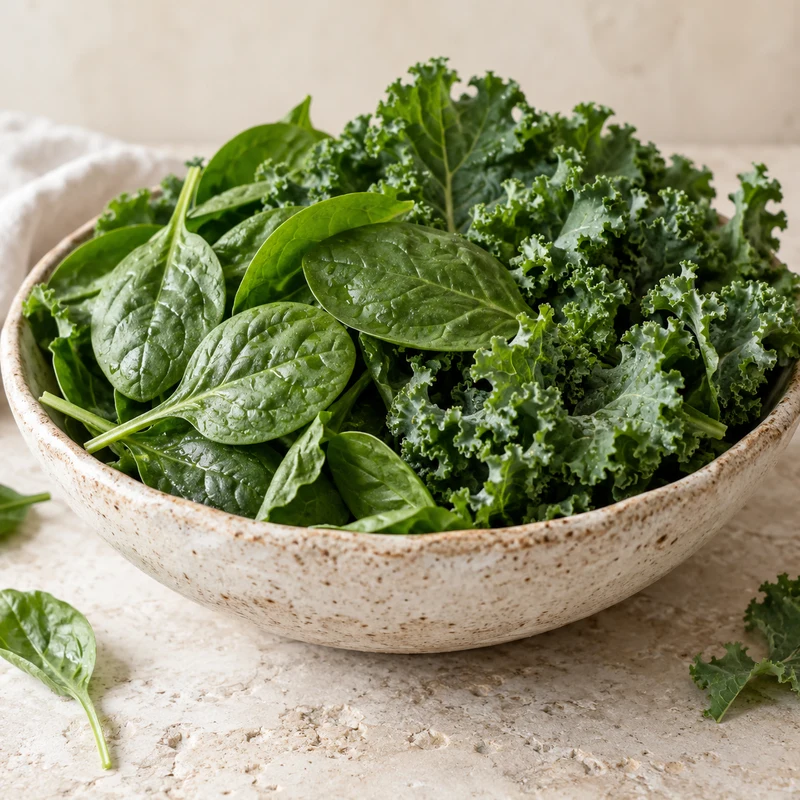
Potassium is an essential mineral and one of the body’s major electrolytes.(1)
Most people have heard the word electrolyte, particularly in connection with sports drinks, dehydration or sweating.
But electrolytes aren’t simply something we need after exercise.
They’re electrically charged minerals that help our cells function every second of every day.
Potassium is particularly important for normal nerve signaling, muscle contraction and fluid balance.(1), (2)
And potassium has a natural connection with Nopal cactus and prickly pear.
What Is an Electrolyte?
an essential
electrolyte
When potassium dissolves in the fluids inside our bodies, it carries an electrical charge.
That’s what makes it an electrolyte.
Other familiar electrolytes include:
- Sodium
- Chloride
- Calcium
- Magnesium
These charged minerals help create the electrical conditions that allow nerves to send signals and muscles to contract.(2)
The human body carefully controls where these minerals are located.
And potassium has a particularly interesting home.
Potassium and Sodium Work Across the Cell Membrane
ACROSS THE CELL MEMBRANE
Sodium out. Potassium in.
The sodium-potassium pump uses energy to maintain different ion concentrations inside and outside a cell.
Imagine every cell in your body surrounded by a tiny wall.
That wall is the cell membrane.
Potassium is found mainly inside cells, while sodium is found mainly outside them.(2), (3)
The body works constantly to maintain that difference.
One of the systems responsible is called the sodium-potassium pump.
This microscopic pump moves sodium out of cells and potassium into them.
It uses energy to do this.
Why go to all that trouble?
Because the difference between sodium and potassium concentrations helps create the electrical environment that allows cells—particularly nerve and muscle cells—to function.(2), (3)
Potassium Helps Nerves Send Signals
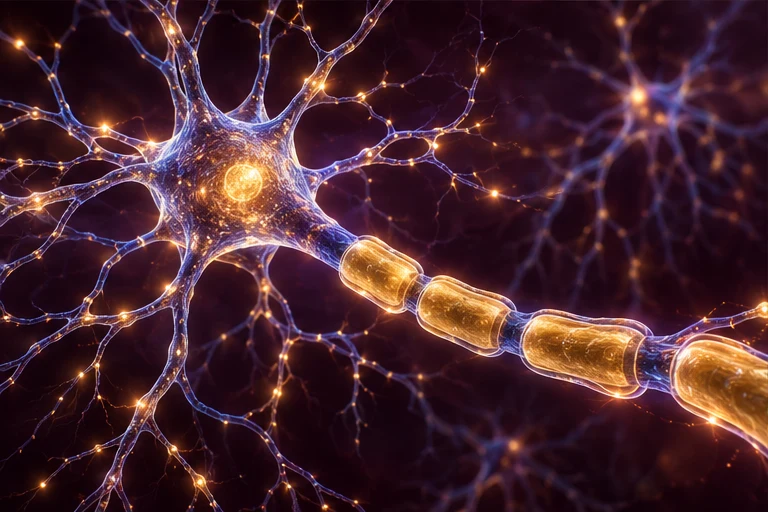
Nerves communicate using rapid electrical changes across their cell membranes.
Potassium is one of the key ions involved in those electrical signals.(2), (3)
When a nerve fires, sodium and potassium move across the membrane in carefully controlled ways.
Within a fraction of a second, the electrical state of the cell changes.
Then the system resets.
This happens throughout your nervous system continuously.
Every movement.
Every sensation.
Every message traveling between your brain and body depends on this extraordinary electrical biology.
Potassium and Muscles
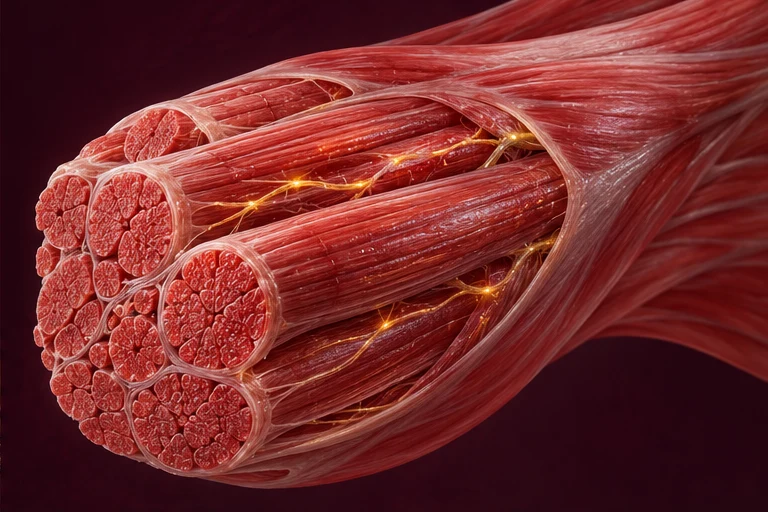
Muscle cells also depend on electrical signals.
That includes the muscles in our arms and legs as well as the specialized muscle tissue of the heart.(1), (2)
Potassium helps maintain the normal electrical activity needed for muscle contraction.
That’s why the body keeps blood potassium within a tightly controlled range.
Both too little and too much potassium can interfere with normal electrical activity.(1)
Potassium may be a nutrient, but it’s also part of the body’s electrical system.
Where Does Potassium Come From?
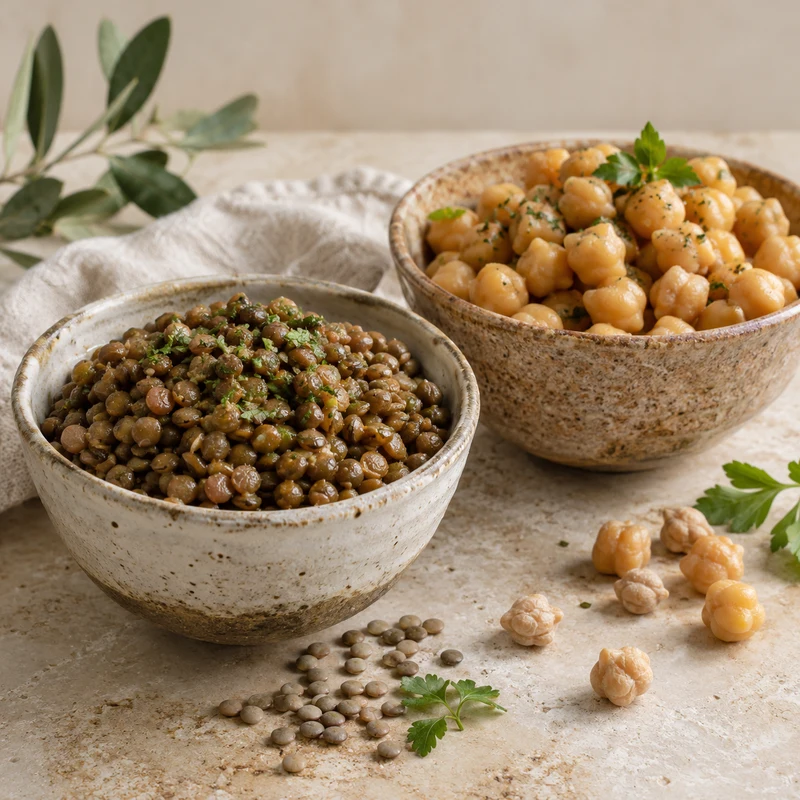
Potassium occurs naturally in a wide variety of foods, including:
- Potatoes
- Beans and lentils
- Tomatoes
- Spinach and leafy vegetables
- Avocado
- Bananas
- Oranges
- Yogurt
- Fish
- Nopal cactus and prickly pear
Scientific analyses of Nopal cactus and prickly pear have identified potassium among the naturally occurring minerals in the plant.(4), (5)
Potassium in Nopal Cactus
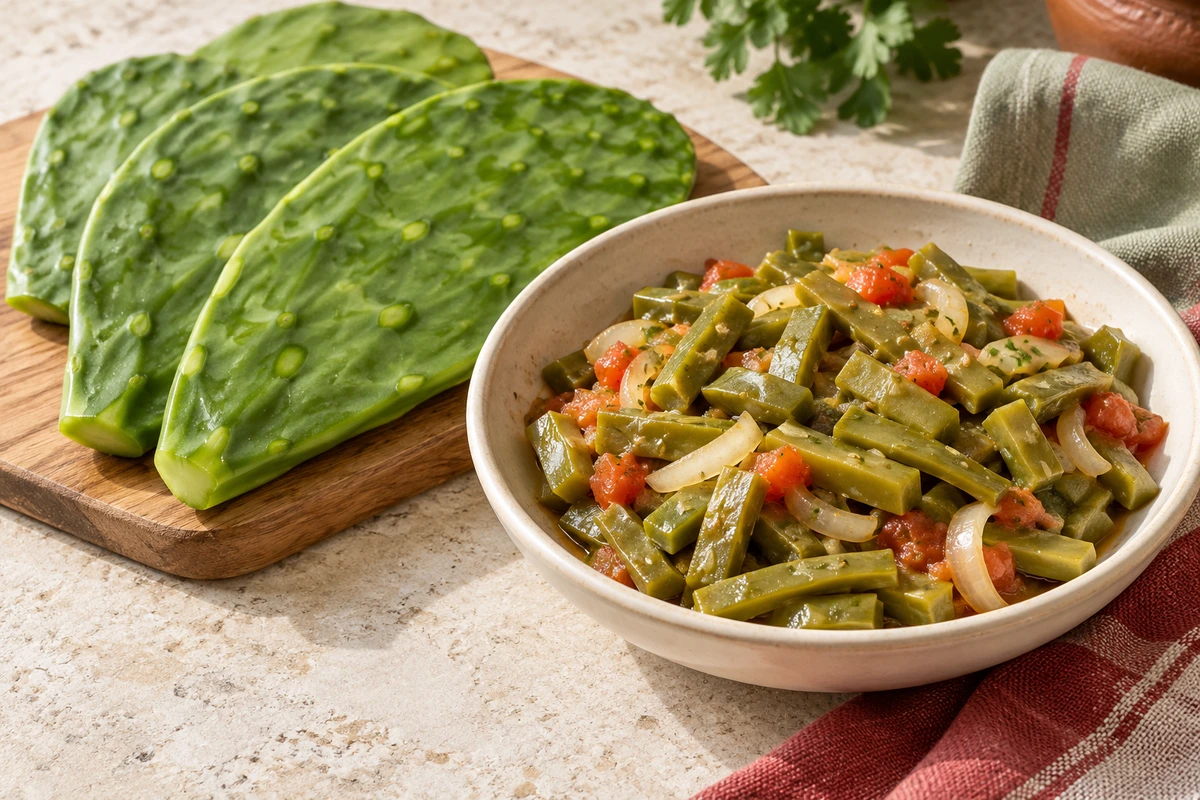
Nopal cactus contains a varied mineral profile.
Researchers examining Nopal cactus and prickly pear have identified minerals including potassium, calcium and magnesium.(4), (5)
These minerals aren’t simply accidental passengers inside the plant.
Plants need potassium too.
In fact, potassium plays several important roles in plant biology.
That gives us another opportunity to look at the same mineral from two completely different perspectives:
What it does inside us.
And what it does inside the cactus.
How Potassium Helps a Cactus Manage Water
THE LIVING PLANT
Opening & closing pores
Potassium transport helps guard cells regulate stomata, the tiny openings involved in gas exchange and water loss.
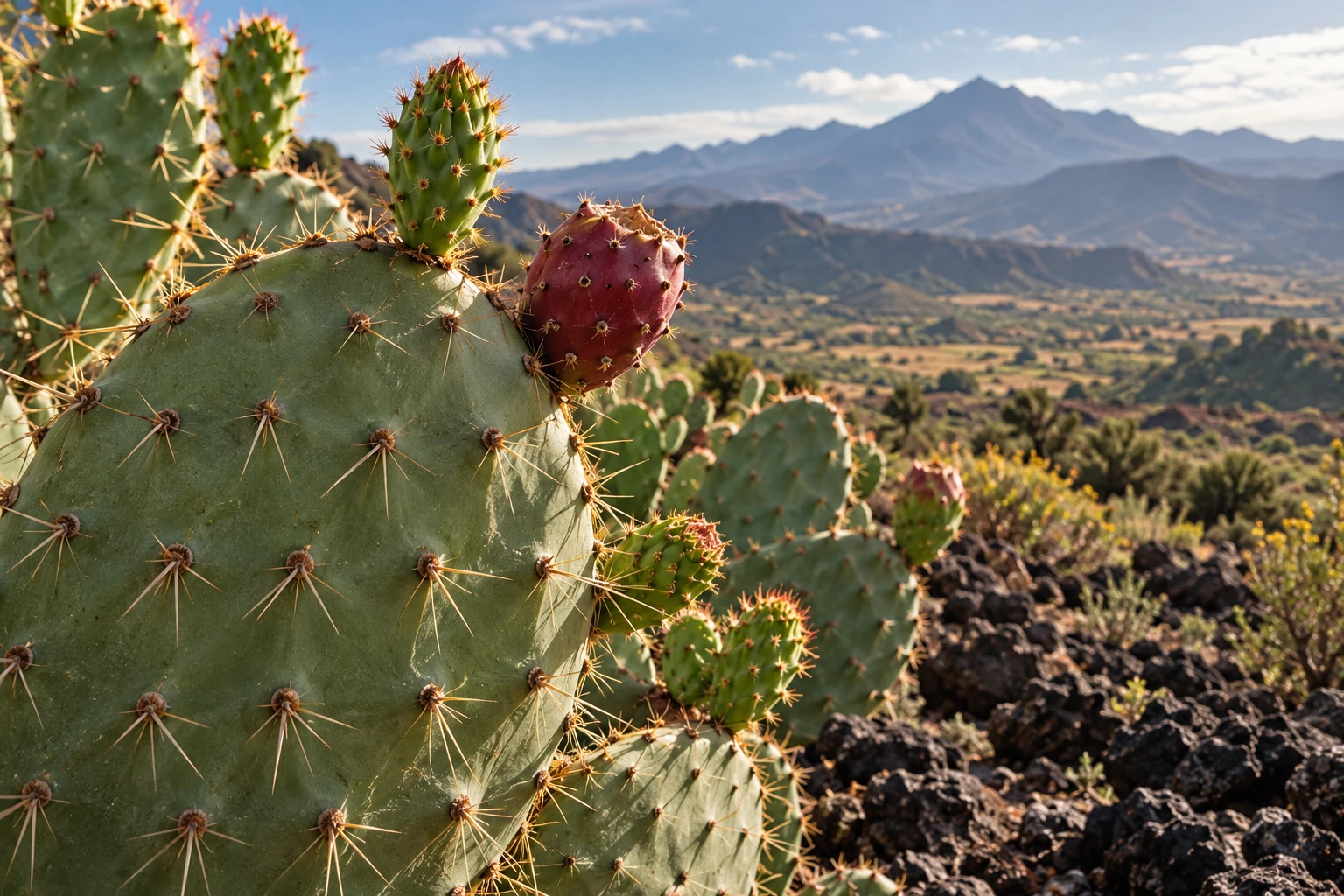
Nopal grows in environments where water can be precious.
Plants control water loss partly through tiny openings on their surfaces called stomata.(6)
Stomata can open to allow carbon dioxide into the plant for photosynthesis.
But when they’re open, water can escape.
Potassium helps plant cells regulate the opening and closing of these tiny pores.(6), (7)
That’s particularly fascinating when we think about a cactus.
Water management is central to cactus survival.
And potassium becomes one of the minerals participating in the cellular machinery that helps plants control that water.
A Mineral Connecting Electricity and Water
TWO LIVING SYSTEMS
Electricity & water
In people, potassium supports normal electrical activity. In plants, it participates in water regulation and other cellular processes.
Inside the human body, potassium helps create electrical signals.
Inside plants, potassium participates in water regulation and many other cellular processes.(6), (7)
Same mineral.
Completely different organism.
Different jobs—but both depend on carefully controlling where potassium is located.
That’s the kind of connection that makes studying the chemistry of Nopal so interesting.
From Our Farms to Natural Home Cures
At Natural Home Cures, our flagship Freeze-Dried Nopal Powder Capsules begin with prickly pear cactus growing on our own farms.
The cactus has already been using minerals such as potassium throughout its life before it’s ever harvested.
After harvesting, our Nopal is freeze-dried as part of preparing it for our capsules.
Our goal is to preserve the character of the cactus we grow as closely as practical while preparing it in a convenient finished form.
So when we talk about the mineral composition of Nopal, we’re ultimately talking about the biology of the plants growing on our farms.
The Natural Home Cures Nopal Family
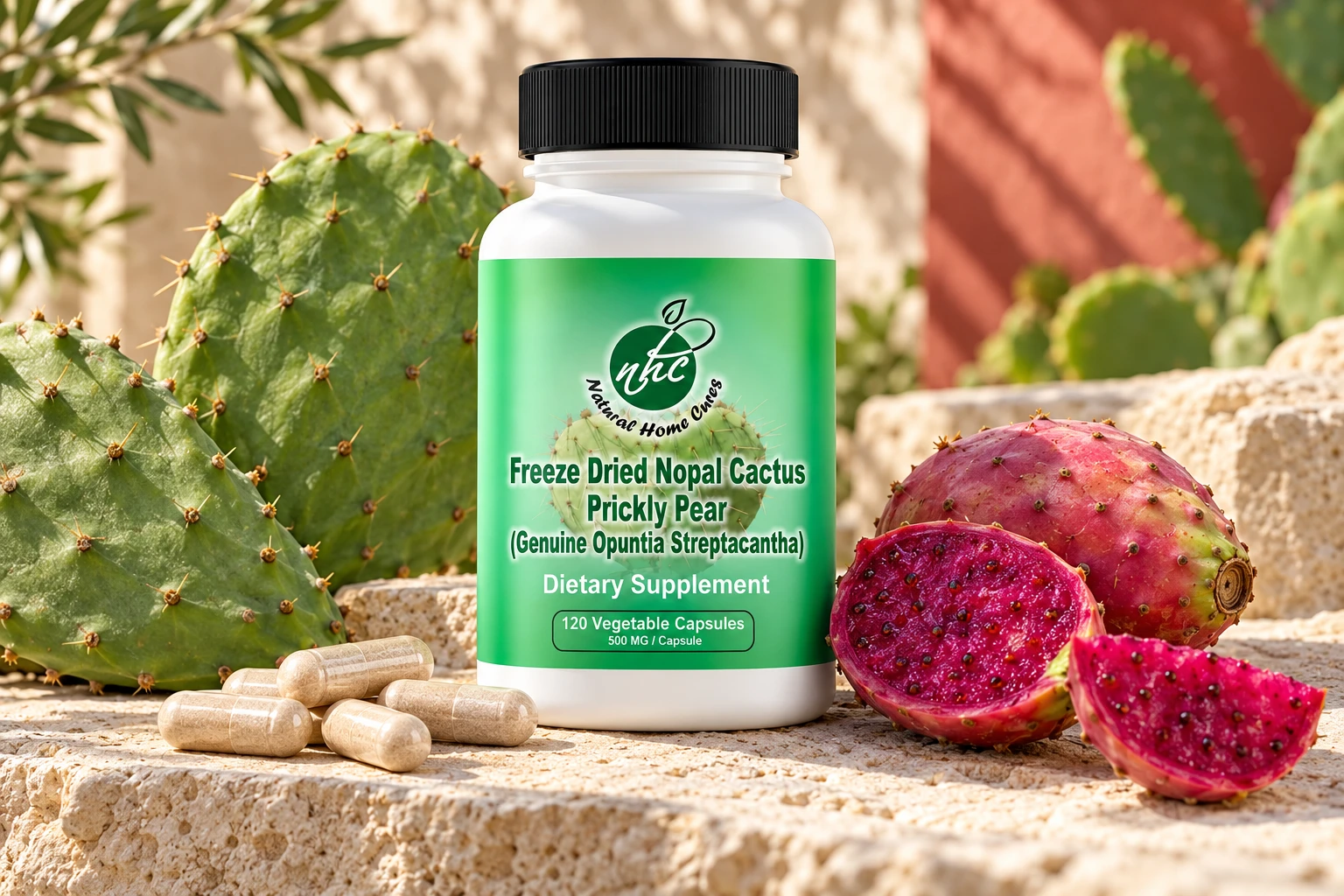
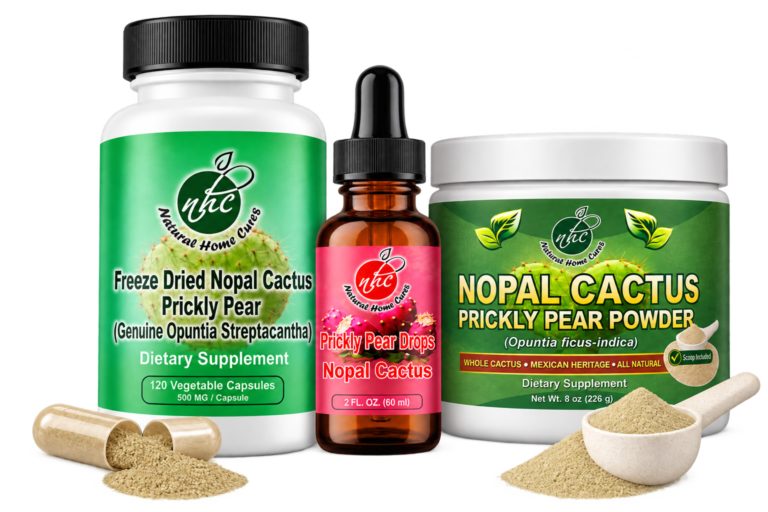
Our flagship Natural Home Cures Freeze-Dried Nopal Powder Capsules remain at the center of our Nopal line.
Natural Home Cures also offers Nopal Powder and Prickly Pear Drops.
Together, they give customers several ways to explore Nopal cactus and prickly pear.
And potassium gives us another fascinating example of how much biology can be hidden inside what appears to be a simple green cactus pad.
Much More Than a Mineral on a Nutrition Label
Potassium helps our nerves communicate.
It helps muscles function.
It participates in the electrical activity of the heart.
And it helps maintain normal fluid balance.(1), (2)
Inside plants, potassium participates in processes including water regulation.(6), (7)
And within Nopal cactus and prickly pear, potassium becomes another part of a much larger collection of naturally occurring minerals and plant compounds.(4), (5)
For Natural Home Cures, that’s what makes Nopal worth exploring:
Not one isolated nutrient, but the remarkable biology and nutritional complexity of the whole cactus.
FROM CACTUS TO PRODUCT
Keep the botanical
in the story.
Freeze-dried Nopal cactus capsules.
Explore our Nopal →The research behind this articleSource References
- 01Source referencePotassium — Fact Sheet for Health Professionals.View source
Full citation
National Institutes of Health, Office of Dietary Supplements. “Potassium — Fact Sheet for Health Professionals.” - 02Source referencePhysiology and Pathophysiology of Potassium Homeostasis.View source
Full citation
Palmer BF, Clegg DJ. “Physiology and Pathophysiology of Potassium Homeostasis.” Advances in Physiology Education. 2016;40(4):480–490. - 03Source referenceThe Structure and Function of the Na,K-ATPase Isoforms in Health and Disease.View source
Full citation
Clausen MV, Hilbers F, Poulsen H. “The Structure and Function of the Na,K-ATPase Isoforms in Health and Disease.” Frontiers in Physiology. 2017;8:371. - 04Source referenceNopal Cactus (Opuntia ficus-indica) as a Source of Bioactive Compounds for Nutrition, Health and Disease.View source
Full citation
El-Mostafa K, El Kharrassi Y, Badreddine A, et al. “Nopal Cactus (Opuntia ficus-indica) as a Source of Bioactive Compounds for Nutrition, Health and Disease.” Molecules. 2014;19(9):14879–14901. - 05Source referenceCactus Stems (Opuntia spp.): A Review on Their Chemistry, Technology, and Uses.View source
Full citation
Stintzing FC, Carle R. “Cactus Stems (Opuntia spp.): A Review on Their Chemistry, Technology, and Uses.” Molecular Nutrition & Food Research. 2005;49(2):175–194. - 06Source referencePotassium Transport and Signaling in Higher Plants.View source
Full citation
Wang Y, Wu WH. “Potassium Transport and Signaling in Higher Plants.” Annual Review of Plant Biology. 2013;64:451–476. - 07Source referenceControl of Vacuolar Dynamics and Regulation of Stomatal Aperture by Tonoplast Potassium Uptake.View source
Full citation
Andrés Z, Pérez-Hormaeche J, Leidi EO, et al. “Control of Vacuolar Dynamics and Regulation of Stomatal Aperture by Tonoplast Potassium Uptake.” Proceedings of the National Academy of Sciences. 2014;111(17):E1806–E1814.