NATURAL HOME CURES · NOPAL SCIENCE
Serine
& Nopal
An amino acid connecting proteins, cell membranes and the broader chemistry of Nopal.
Explore the scienceSeveral roles in your cells.
Serine is one of the building blocks your body uses to make proteins. These proteins help build and maintain muscle, skin and other tissues.(1)
Your body normally makes serine, so it is classed as a nonessential amino acid. You also get it from food.(2)
What Does Serine Do?
MORE THAN A BUILDING BLOCK
Serine → Glycine
The body can use serine in proteins and as a starting material for glycine and certain membrane components.
Your body can convert serine into glycine, another amino acid used in proteins and other substances the body needs.(3)
Serine also helps make certain phospholipids. These are fat-like molecules that form parts of cell membranes—the boundaries surrounding our cells. One example is phosphatidylserine.(4)
These roles are part of normal cell chemistry. Eating more serine does not automatically improve how these processes work.
Where Does Serine Come From?
Serine occurs naturally in many familiar foods, including:
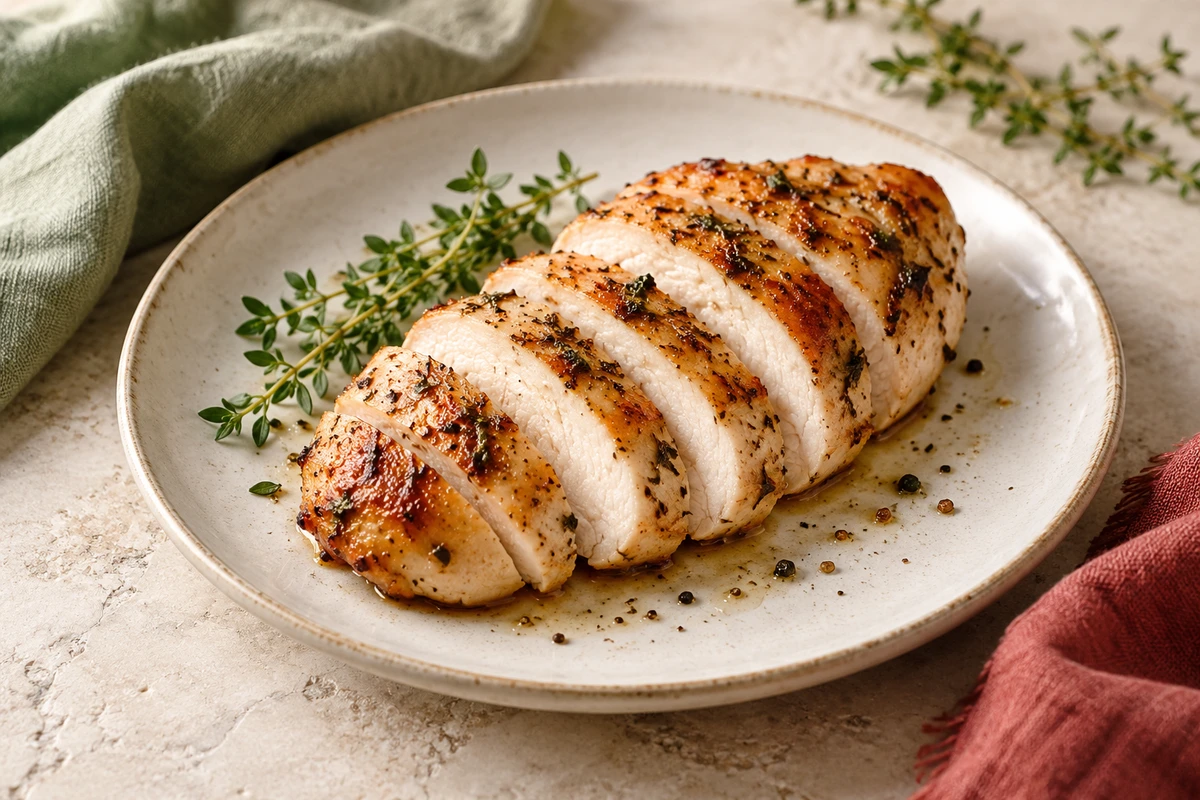 Meat and poultry
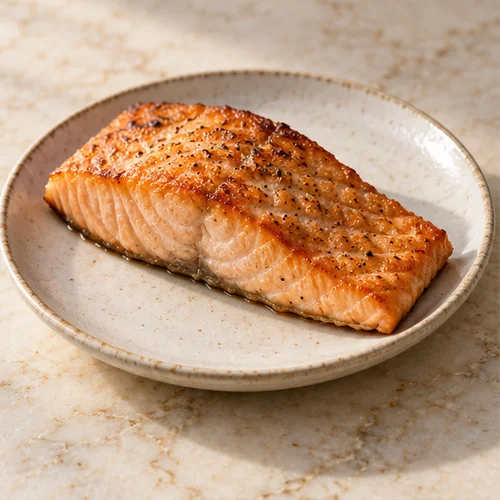 Fish
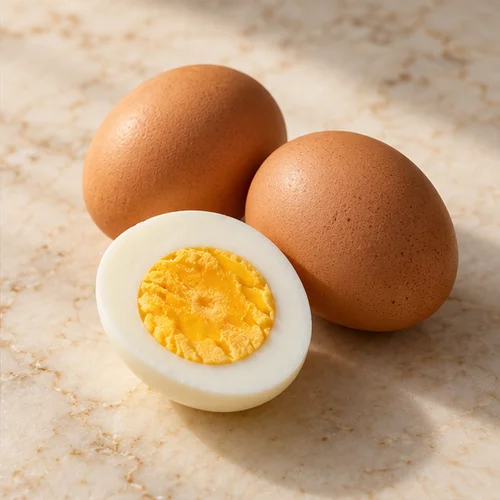 Eggs
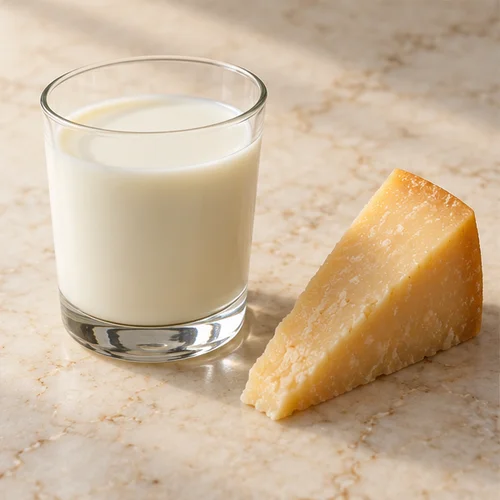 Milk and dairy products
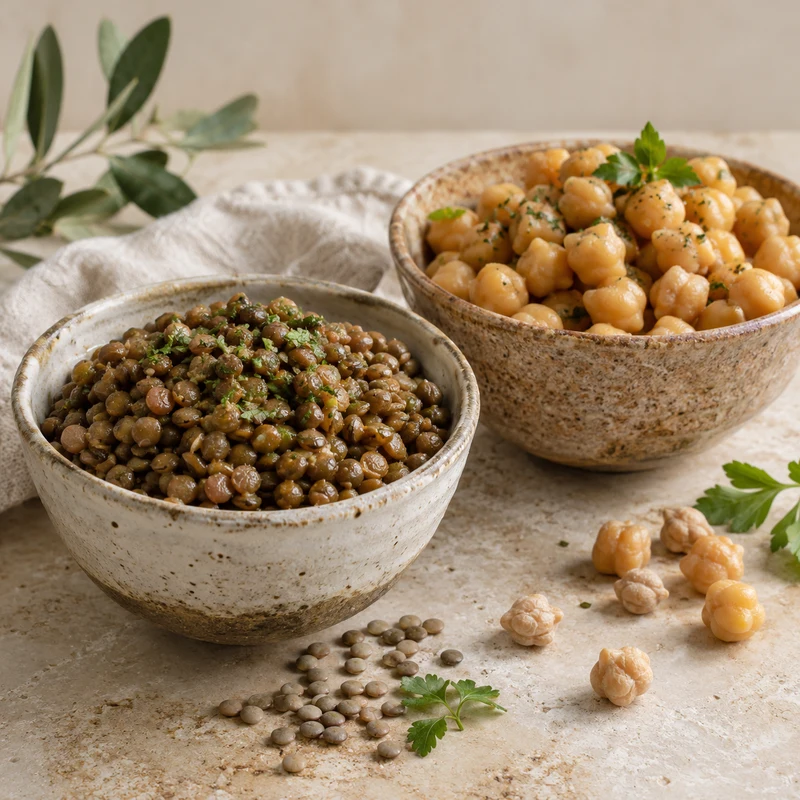 Beans, lentils and soy foods
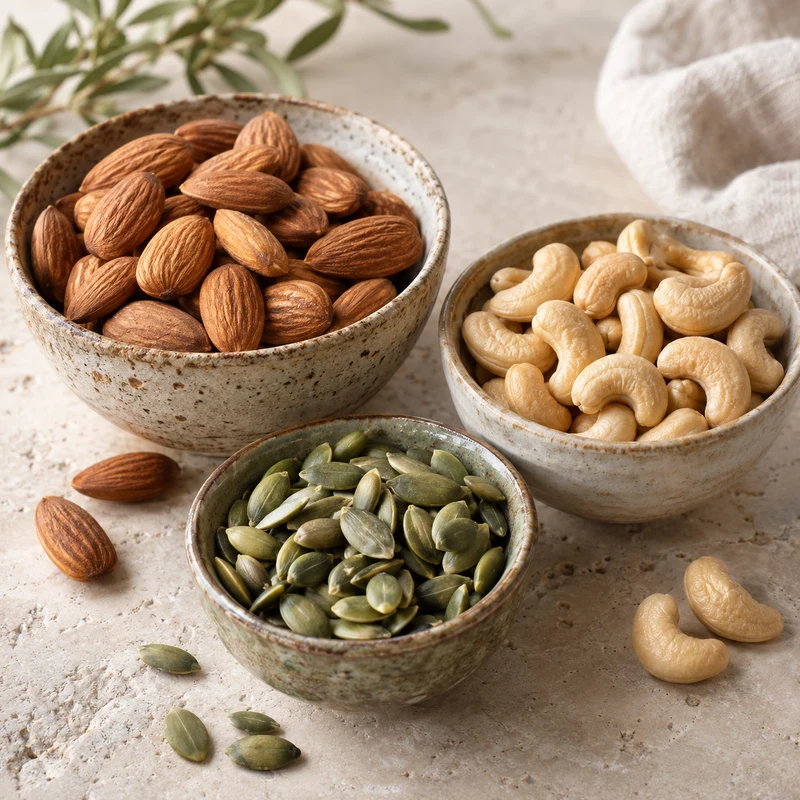 Nuts and seeds
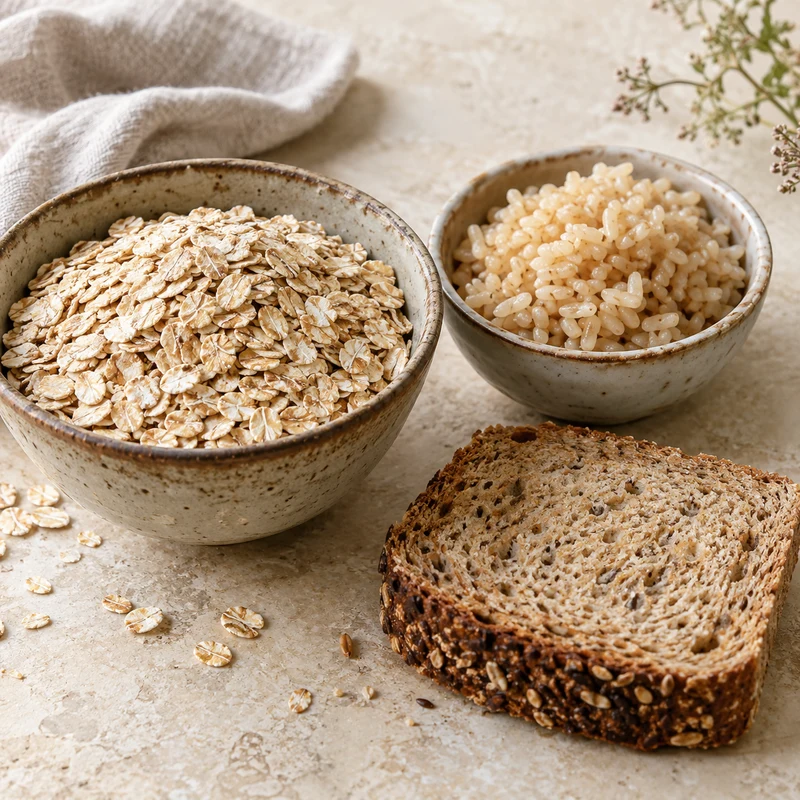 Whole grains
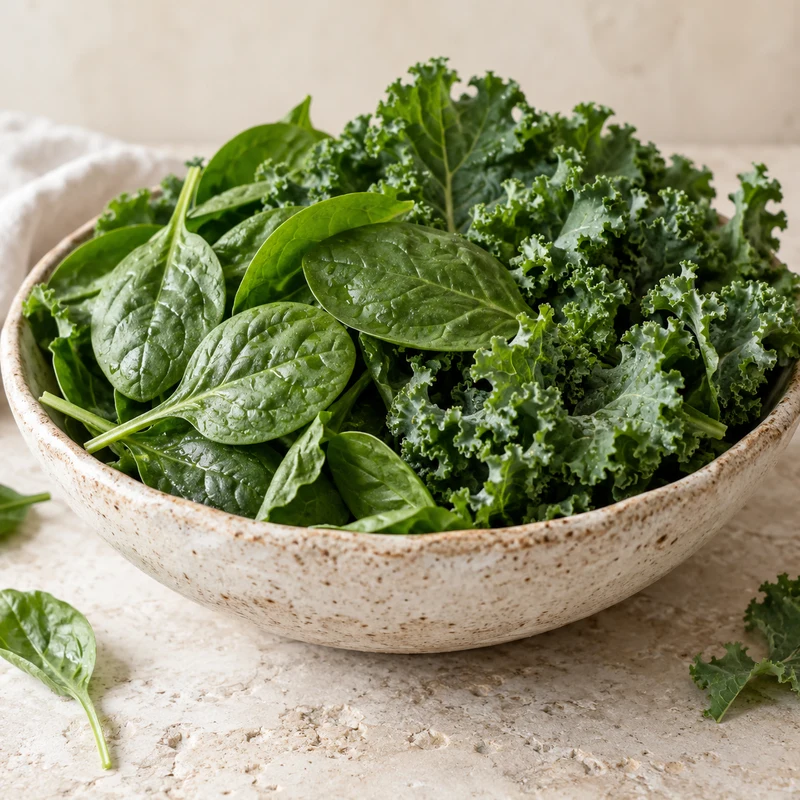 Leafy vegetables
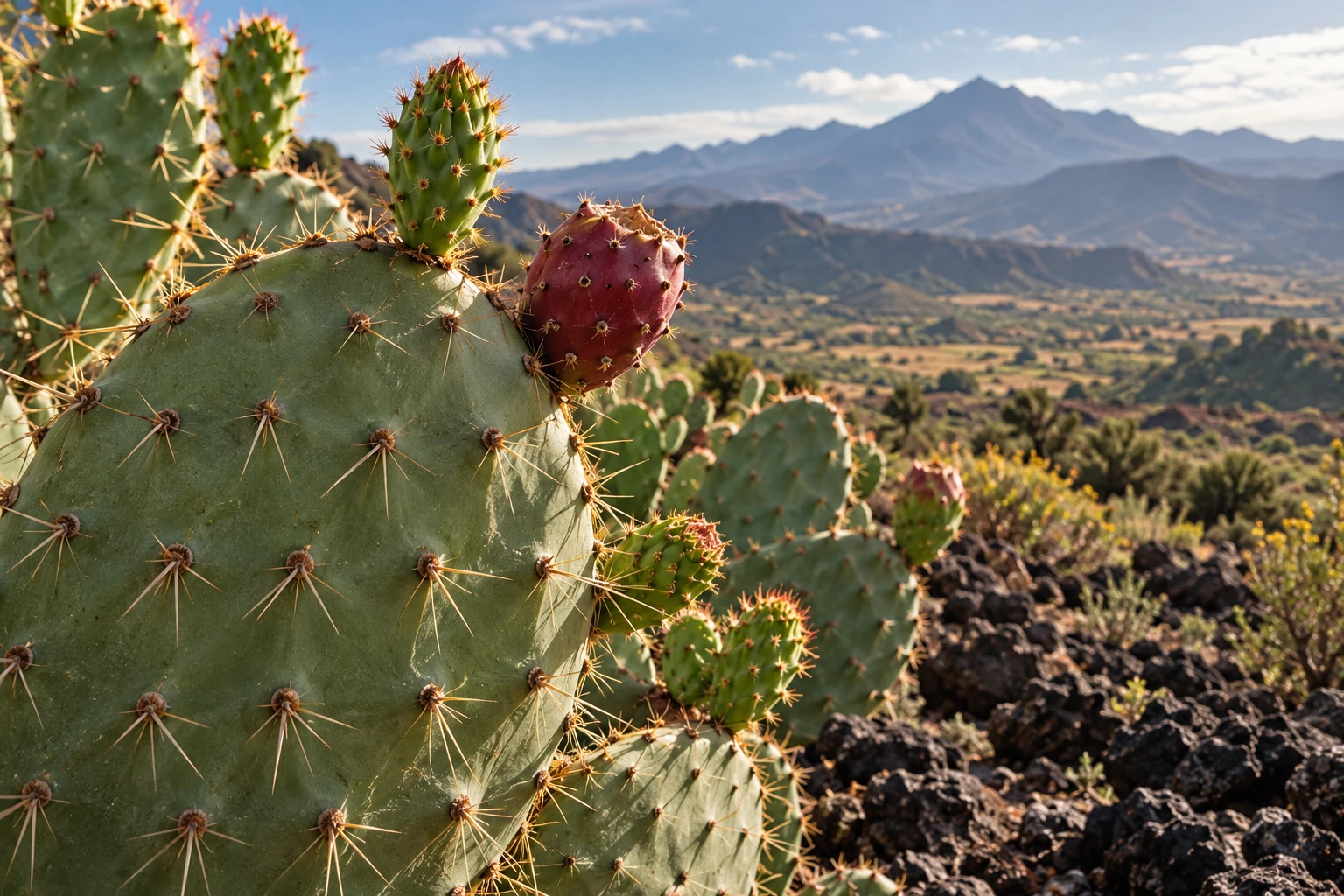
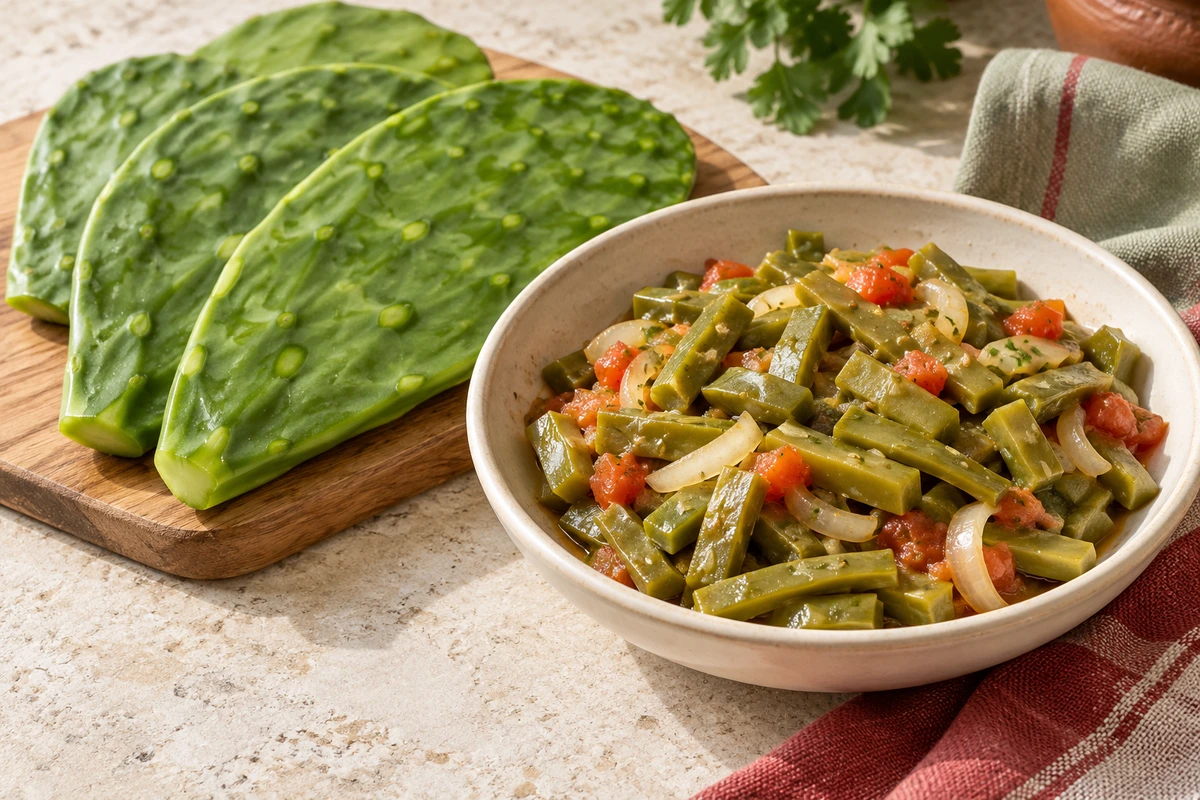 Nopal cactus pads
The amount of serine varies from one food to another. A varied diet provides serine together with many other amino acids and nutrients used throughout the body.(5)
How Much Serine Is in Nopal?
USDA FoodData Central · “Nopales, raw”
The USDA entry lists 0.043 grams of serine per 100 grams of raw nopales, equal to 43 milligrams. This provides context for the amount in fresh cactus pads.(8)
Researchers have identified serine among the naturally occurring amino acids in Nopal cactus.(6)
Nopal also contains fiber, vitamins, minerals, pigments and other plant compounds.(6), (7)
These findings describe the plant’s composition. They do not establish the serine amount in a serving of our finished products.
Food data, not a capsule dose. These figures describe raw edible pads, including their water. They cannot be scaled directly to dried capsule contents. No product-specific serine amount is established here.
From Our Farms to Your Bottle
Our capsules use freeze-dried Opuntia streptacantha pad powder from our own farms in Mexico. Sourcing and preparation describe the botanical material; they do not measure its serine content.
Looking at the Whole Cactus
Serine is one part of Nopal’s wider nutritional picture. Explore the other science articles to learn about the cactus’s fiber, vitamins, minerals and other plant compounds.
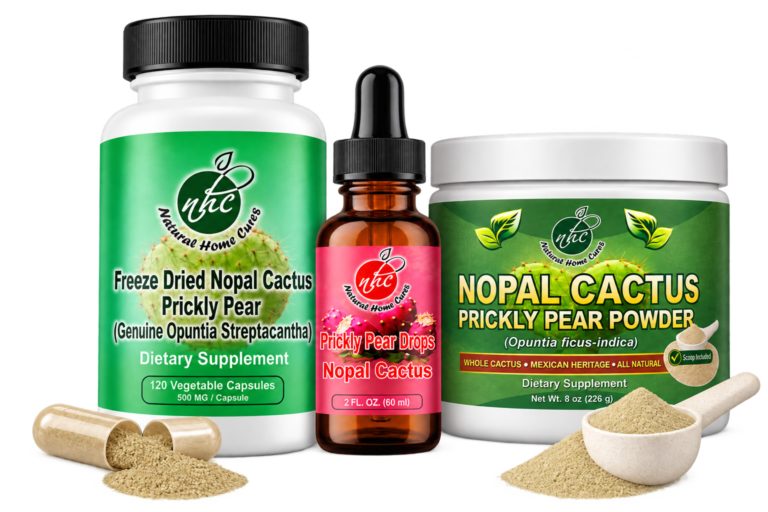
FROM CACTUS TO PRODUCT
Meet Our Nopal Cactus & Prickly Pear Family
Nopal cactus capsules, prickly pear drops, and Nopal cactus powder.
Explore Nopal Cactus →The research behind this articleSource References
- 01Physiology referencePhysiology, Proteins.View source
Full citation
LaPelusa A, Kaushik R. “Physiology, Proteins.” StatPearls. National Center for Biotechnology Information. - 02Source referenceAmino Acids: Metabolism, Functions, and Nutrition.View source
Full citation
Wu G. “Amino Acids: Metabolism, Functions, and Nutrition.” Amino Acids. 2009;37:1–17. - 03Source referenceL-Serine in Disease and Development.View source
Full citation
de Koning TJ, Snell K, Duran M, et al. “L-Serine in Disease and Development.” Biochemical Journal. 2003;371:653–661. - 04Source referenceFormation and Function of Phosphatidylserine and Phosphatidylethanolamine in Mammalian Cells.View source
Full citation
Vance JE, Tasseva G. “Formation and Function of Phosphatidylserine and Phosphatidylethanolamine in Mammalian Cells.” Biochimica et Biophysica Acta. 2013;1831(3):543–554. - 05Food composition databaseU.S. Department of Agriculture, Agricultural Research Service. FoodData Central.View source
Full citation
U.S. Department of Agriculture, Agricultural Research Service. FoodData Central. - 06Cactus composition reviewNopal Cactus (Opuntia ficus-indica) as a Source of Bioactive Compounds for Nutrition, Health and Disease.View source
Full citation
El-Mostafa K, El Kharrassi Y, Badreddine A, et al. “Nopal Cactus (Opuntia ficus-indica) as a Source of Bioactive Compounds for Nutrition, Health and Disease.” Molecules. 2014;19(9):14879–14901. - 07Cactus composition reviewCactus Stems (Opuntia spp.): A Review on Their Chemistry, Technology, and Uses.View source
Full citation
Stintzing FC, Carle R. “Cactus Stems (Opuntia spp.): A Review on Their Chemistry, Technology, and Uses.” Molecular Nutrition & Food Research. 2005;49(2):175–194. - 08USDA food composition referenceNopales, raw.View source
Full citation
U.S. Department of Agriculture. FoodData Central. “Nopales, raw.” FDC ID 168571; SR Legacy. Serine: 0.043 g per 100 g of raw edible food, equivalent to 43 mg. General raw-food composition; not a finished-product assay.