NATURAL HOME CURES · NOPAL SCIENCE
Lysine
& Nopal
An essential amino acid for proteins, collagen and normal energy metabolism.
Explore the science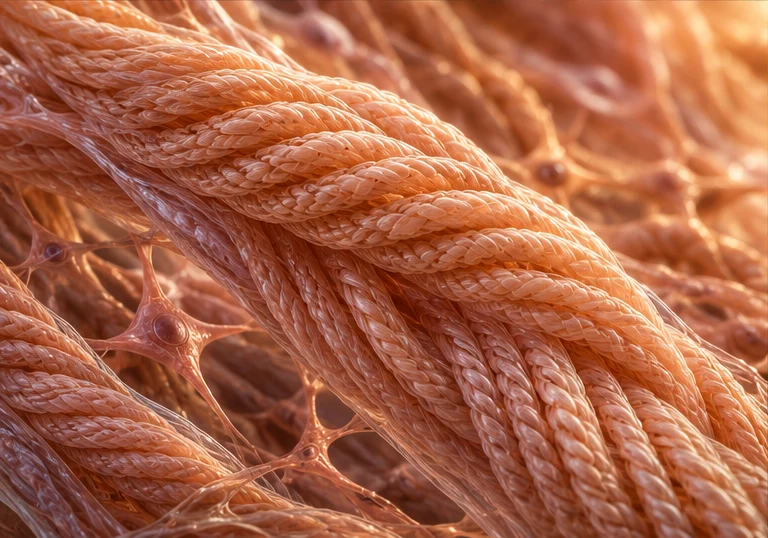
for collagen.
Lysine is one of the building blocks your body uses to make proteins, including collagen, which helps give structure to skin, bones and connective tissues.(1)
Lysine is an essential amino acid. This means our bodies cannot make it on their own, so we need to obtain lysine from the foods we eat.(2)
What Does Lysine Do?
Where Does Lysine Come From?
Lysine occurs naturally in many protein-containing foods, including:
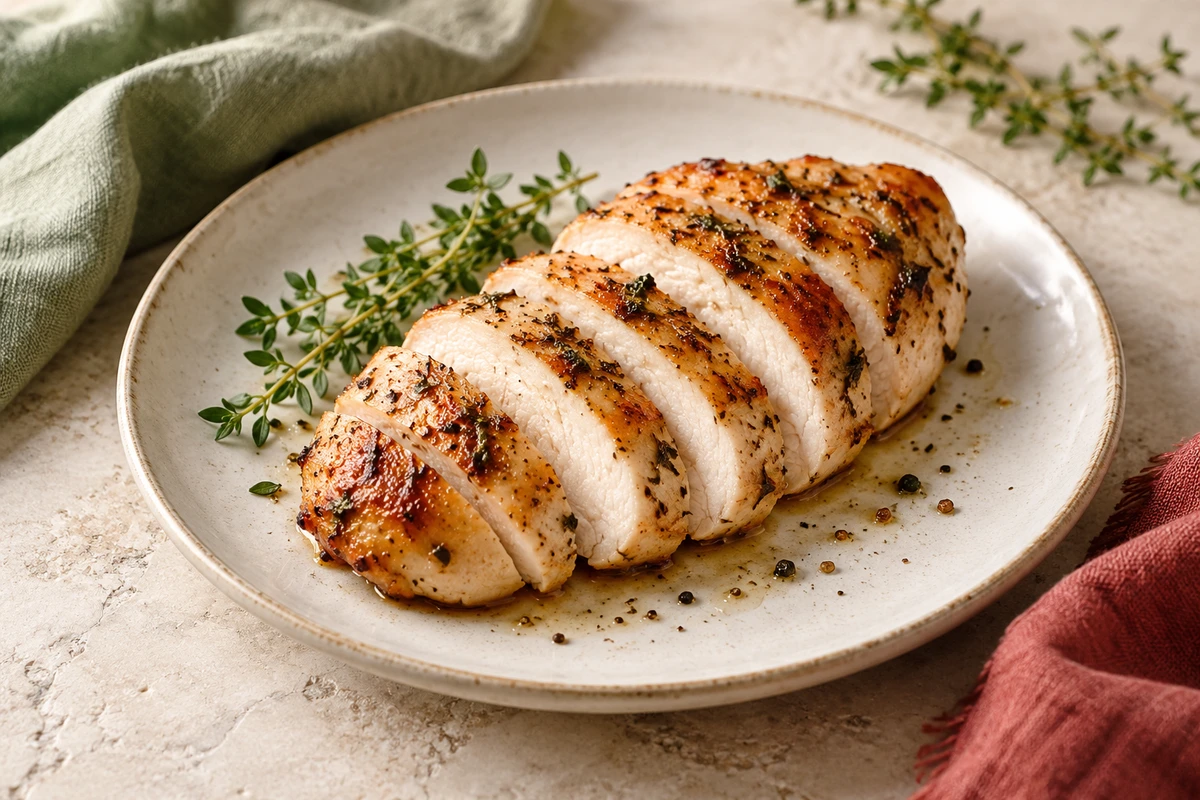 Meat and poultry
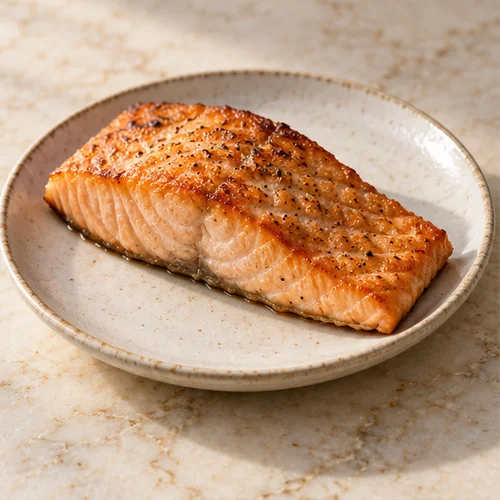 Fish
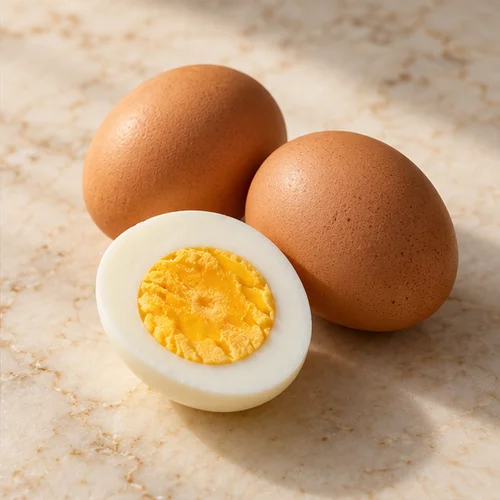 Eggs
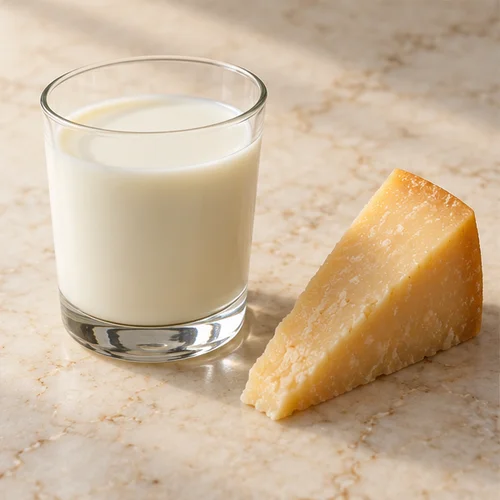 Milk and dairy products
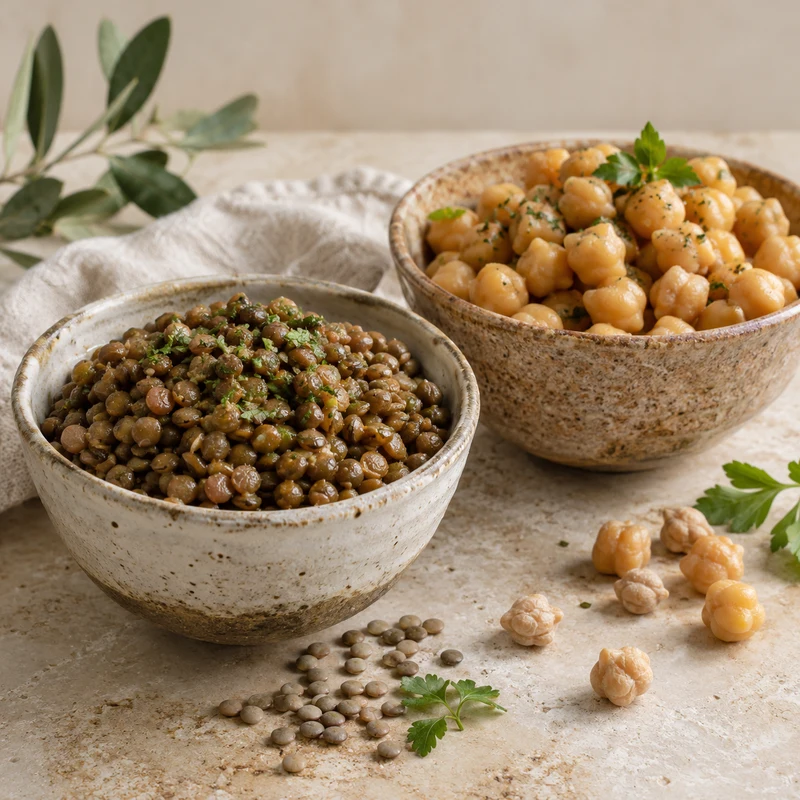 Beans and lentils
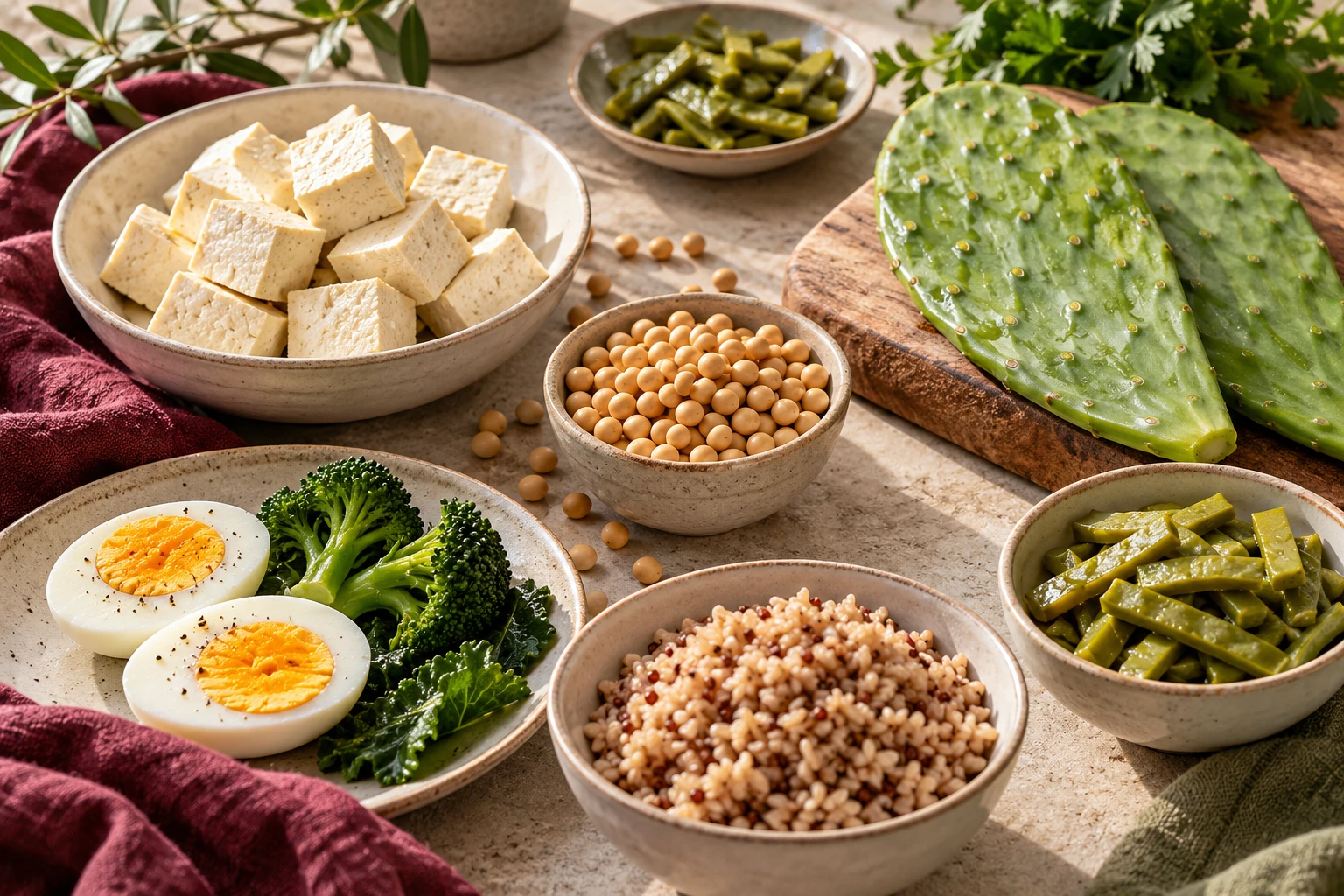 Soy foods
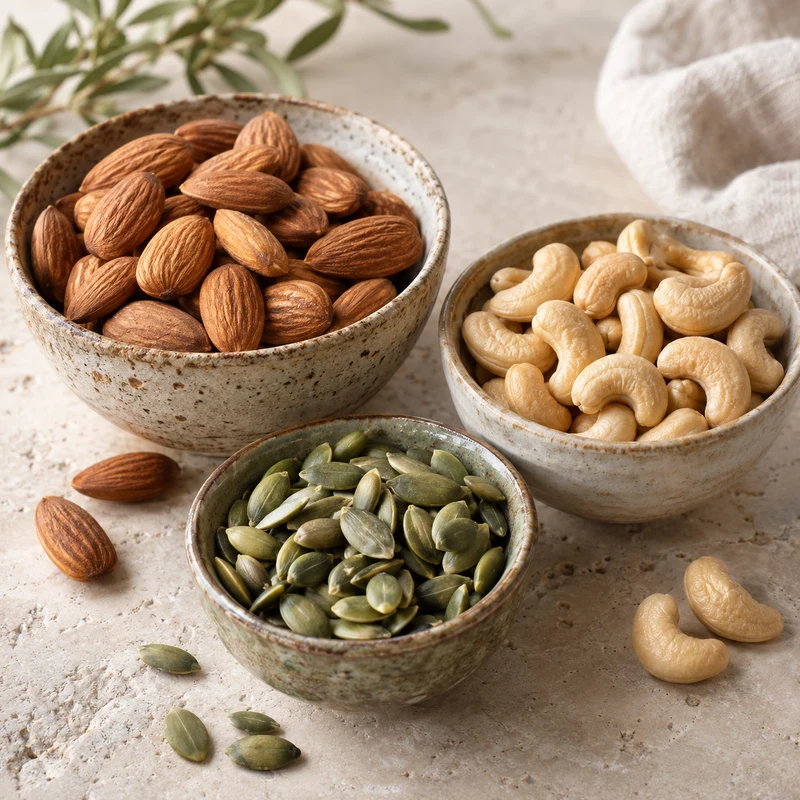 Nuts and seeds
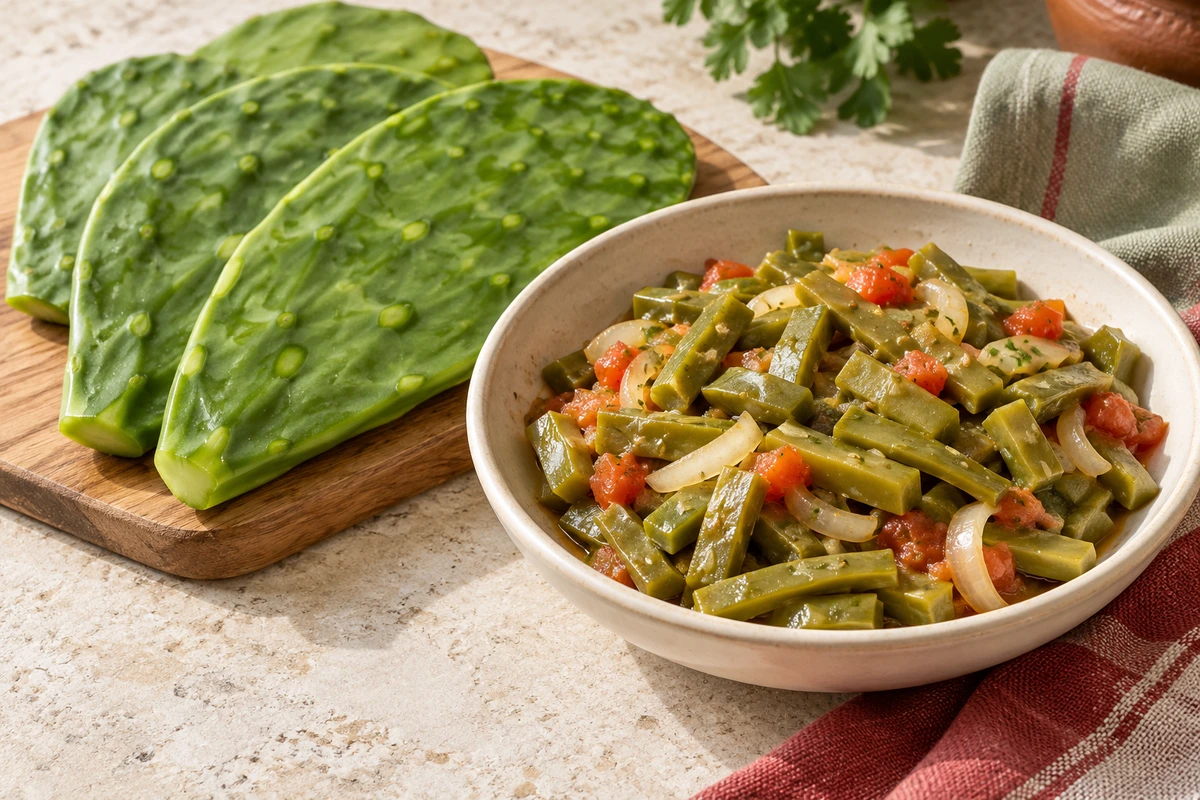 Nopal cactus pads
The amount you get depends on the food and how much you eat. Eating a variety of protein-containing foods helps supply the amino acids your body needs.(2)
How Much Lysine Is in Nopal?
USDA FoodData Central · “Nopales, raw”
The USDA entry lists 0.059 grams of lysine per 100 grams of raw nopales, equal to 59 milligrams. This provides context for the amount in fresh cactus pads.(9)
Scientific analysis of Nopal cactus, or prickly pear cactus, has identified lysine among the naturally occurring amino acids found in the plant.(6)
Alongside amino acids, Nopal contains fiber, vitamins, minerals, pigments and other naturally occurring plant compounds.(6), (7)
These findings describe the plant’s composition; they do not establish the lysine amount in a serving of our finished products.
Why Lysine Matters in Plant Foods
The protein in many grains is relatively low in lysine.(8)
Legumes such as beans and lentils can help supply lysine alongside grains.
That’s one reason different plant foods can complement one another nutritionally.
From Lysine to Collagen
STRUCTURE & CONNECTION
Think of collagen as a strong rope.
Its strength comes from the way its individual parts are organized and connected.
Like the strands in a rope, collagen molecules gain strength from the way they are organized and connected.
Lysine residues within collagen can participate in connections that help strengthen and stabilize the collagen structure.(3), (4)
This doesn’t mean eating lysine—or eating Nopal—automatically creates stronger skin, bones or joints.
The body needs many nutrients and carefully controlled biological processes to build and maintain collagen.
From Our Farms to Your Bottle
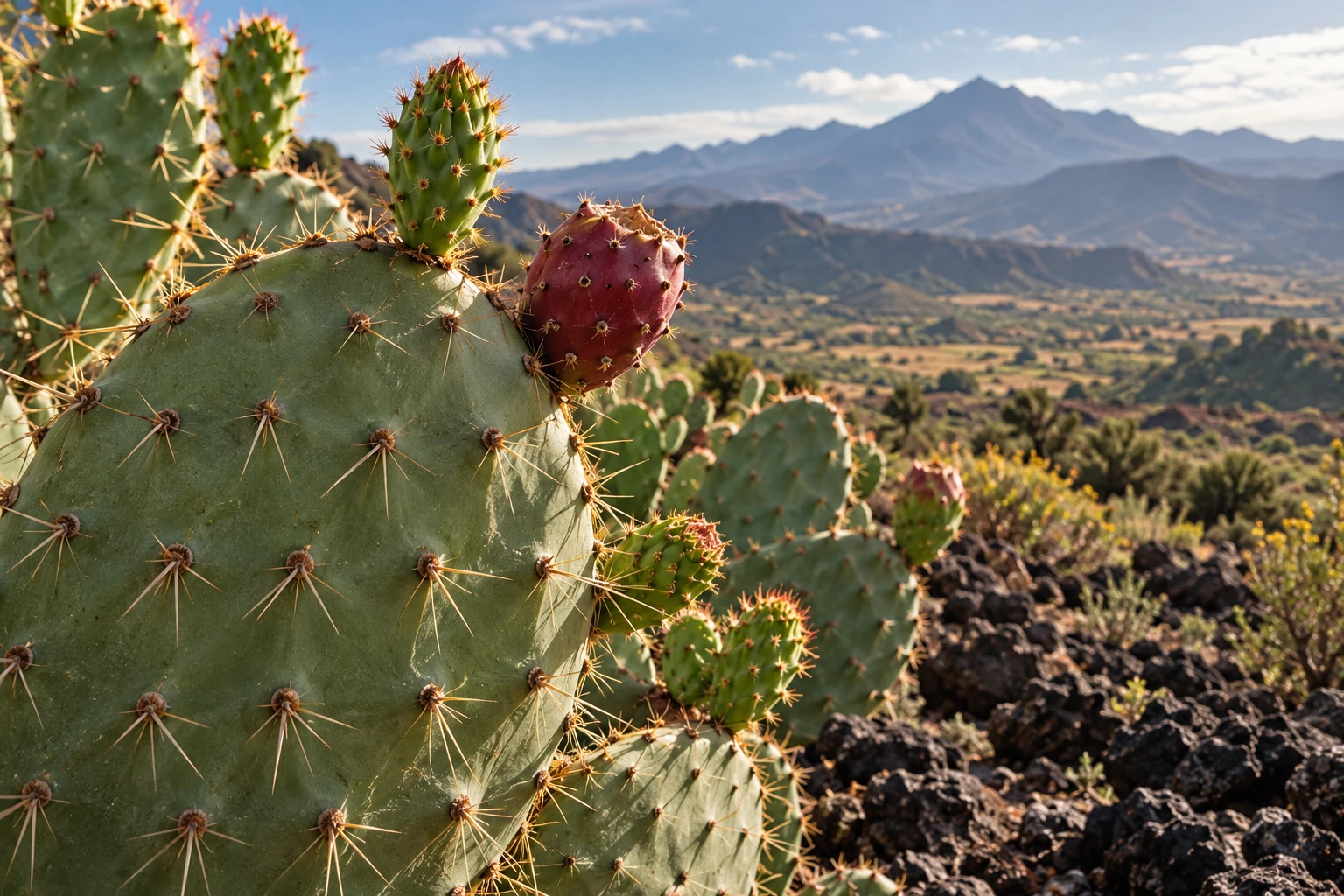
Our Nopal capsule story begins on our mountain farms in Mexico, where Opuntia streptacantha grows at about 8,200 feet in rich volcanic soil. Sunlight, temperature, and rainfall shape the living cactus.
We stay involved from growing through harvest and preparation of the capsules. This growing environment is part of the story behind each amino acid discussed here.
One Amino Acid Inside a Remarkable Plant
Lysine is one part of Nopal’s wider nutritional picture. Explore the other science articles to learn about the cactus’s fiber, vitamins, minerals and other plant compounds.
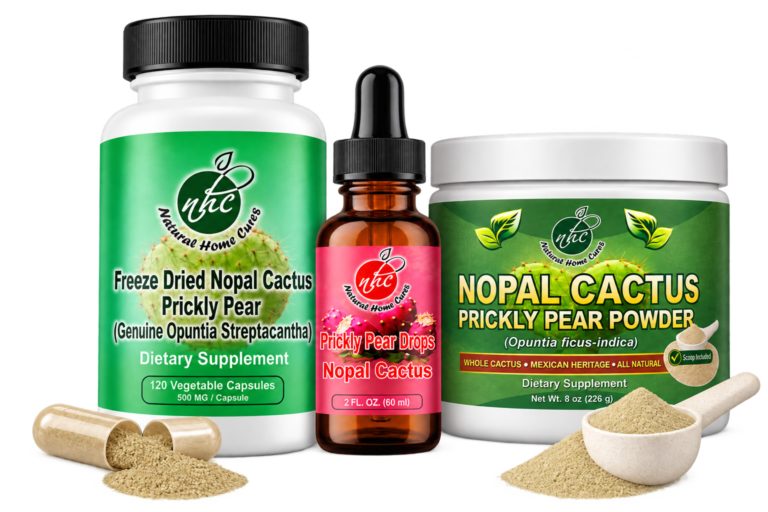
FROM CACTUS TO PRODUCT
Meet Our Nopal Cactus & Prickly Pear Family
Nopal cactus capsules, prickly pear drops, and Nopal cactus powder.
Explore Nopal Cactus →The research behind this articleSource References
- 01Nutrition referencePhysiology, Proteins.View source
Full citation
LaPelusa A, Kaushik R. “Physiology, Proteins.” StatPearls. National Center for Biotechnology Information. - 02Nutrition referenceNational Academies of Sciences, Engineering, and Medicine. Dietary Reference Intakes: The Essential Guide to Nutrient Requirements. National Academies Press.View source
Full citation
National Academies of Sciences, Engineering, and Medicine. Dietary Reference Intakes: The Essential Guide to Nutrient Requirements. National Academies Press. - 03Research referenceCollagen Structure and Stability.View source
Full citation
Shoulders MD, Raines RT. “Collagen Structure and Stability.” Annual Review of Biochemistry. 2009;78:929–958. - 04Research referenceLysine Post-Translational Modifications of Collagen.View source
Full citation
Yamauchi M, Sricholpech M. “Lysine Post-Translational Modifications of Collagen.” Essays in Biochemistry. 2012;52:113–133. - 05Research referenceCarnitine Metabolism and Its Regulation in Microorganisms and Mammals.View source
Full citation
Rebouche CJ, Seim H. “Carnitine Metabolism and Its Regulation in Microorganisms and Mammals.” Annual Review of Nutrition. 1998;18:39–61. - 06Research referenceNopal Cactus (Opuntia ficus-indica) as a Source of Bioactive Compounds for Nutrition, Health and Disease.View source
Full citation
El-Mostafa K, El Kharrassi Y, Badreddine A, et al. “Nopal Cactus (Opuntia ficus-indica) as a Source of Bioactive Compounds for Nutrition, Health and Disease.” Molecules. 2014;19(9):14879–14901. - 07Research reviewCactus Stems (Opuntia spp.): A Review on Their Chemistry, Technology, and Uses.View source
Full citation
Stintzing FC, Carle R. “Cactus Stems (Opuntia spp.): A Review on Their Chemistry, Technology, and Uses.” Molecular Nutrition & Food Research. 2005;49(2):175–194. - 08Nutrition referenceWorld Health Organization, Food and Agriculture Organization, United Nations University. Protein and Amino Acid Requirements in Human Nutrition. WHO Technical Report Series 935.View source
Full citation
World Health Organization, Food and Agriculture Organization, United Nations University. Protein and Amino Acid Requirements in Human Nutrition. WHO Technical Report Series 935. - 09USDA food composition referenceNopales, raw.View source
Full citation
U.S. Department of Agriculture. FoodData Central. “Nopales, raw.” FDC ID 168571; SR Legacy. Lysine: 0.059 g per 100 g of raw edible food, equivalent to 59 mg. General raw-food composition; not a finished-product assay.