NATURAL HOME CURES · NOPAL SCIENCE
Manganese
& Nopal
A trace mineral with a role in our cells—and the oxygen plants release.
Explore the science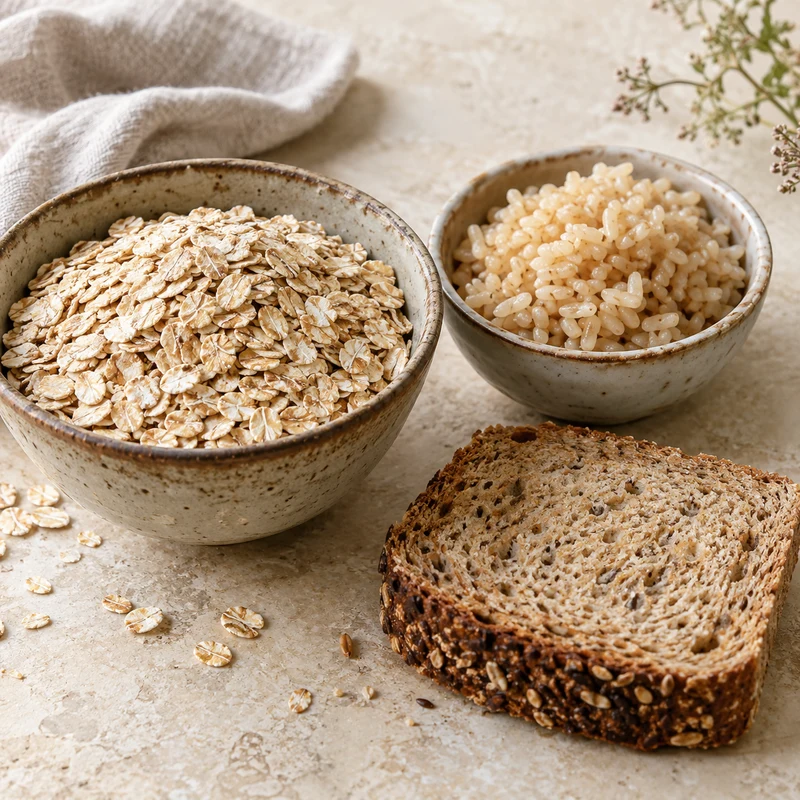
Manganese is a trace mineral, which means our bodies need only a small amount of it.
But small doesn’t mean insignificant.
Manganese helps enzymes involved in energy metabolism, bone formation and the body’s natural antioxidant defenses.(1), (2) It also participates in the metabolism of carbohydrates, amino acids and cholesterol.
Manganese occurs naturally in many plant foods, and it also has a natural connection with Nopal cactus and prickly pear.
What Does Manganese Do?
an essential
trace mineral
Much like copper, manganese often does its work by helping enzymes function.
Some enzymes actually contain manganese, while others require manganese to perform particular chemical reactions.(1), (2)
These manganese-dependent enzymes participate in several different areas of metabolism. They help process nutrients from food, contribute to normal bone formation and participate in systems that help protect cells from oxidative damage.
That’s quite a range of responsibilities for a mineral required only in trace amounts.
Manganese and Our Antioxidant Defenses
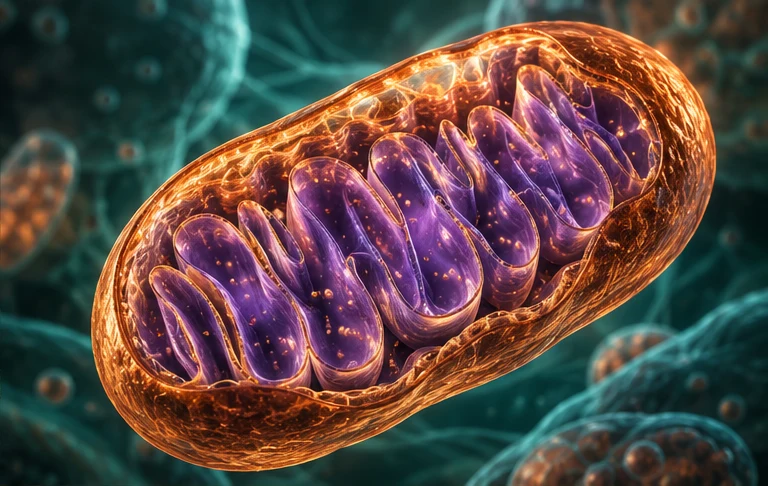
One of manganese’s most fascinating jobs takes place inside structures called mitochondria.
Mitochondria are often described as the powerhouses of our cells because they’re heavily involved in producing usable cellular energy.
But energy production also generates reactive molecules.
Inside mitochondria, an enzyme called manganese superoxide dismutase, or MnSOD, helps manage one of those reactive molecules called superoxide.(2), (3)
The manganese atom is an essential part of that enzyme.
So while manganese itself isn’t some stand-alone antioxidant shield, it becomes part of one of the body’s own antioxidant defense systems.
Manganese Helps Build Bone
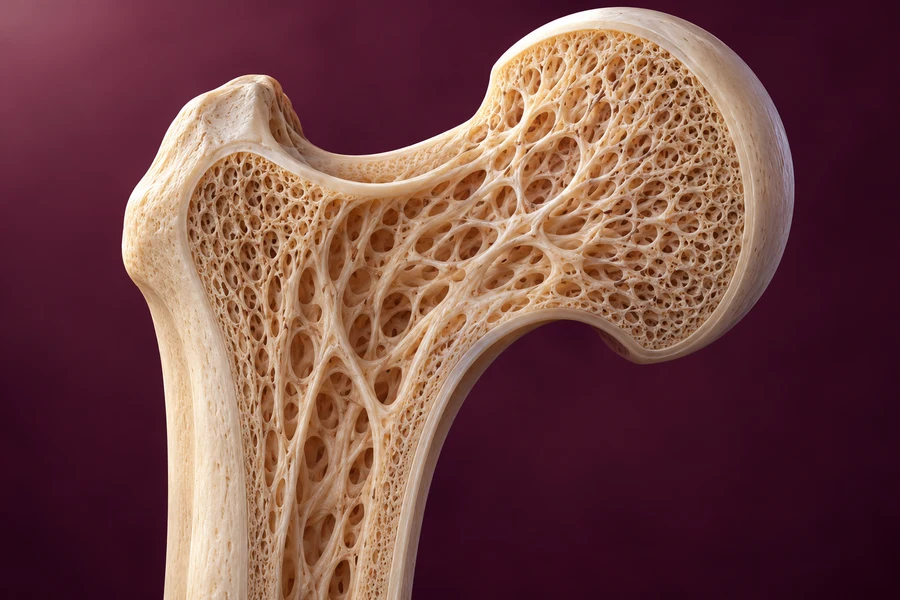
Manganese also participates in normal bone formation.(1)
Bone is much more than calcium.
It’s living tissue containing minerals, proteins and a complex extracellular framework.
Manganese-dependent enzymes participate in forming components used in cartilage and bone.(1), (4)
This gives us another example of why nutrition works better as a network than as a collection of isolated nutrients.
Calcium matters.
Phosphorus matters.
Magnesium matters.
Manganese has a role too.
Manganese Helps Process What We Eat
METABOLISM
A mineral helper
Manganese helps enzymes process carbohydrates, amino acids and cholesterol.
Manganese-dependent enzymes participate in the metabolism of carbohydrates, amino acids and cholesterol.(1), (2)
That doesn’t mean manganese itself provides energy.
Instead, it helps some of the enzymes involved in the chemical pathways the body uses to process nutrients.
Think of manganese as another small tool inside a very large metabolic workshop.
We don’t need much of the tool, but certain jobs depend on having it available.
Where Does Manganese Come From?
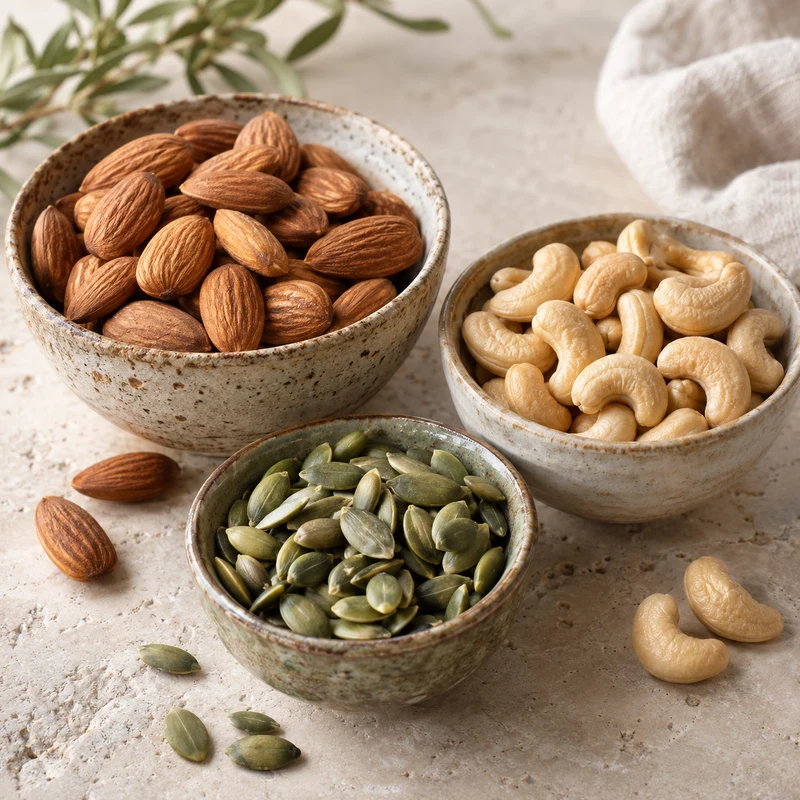
Manganese occurs naturally in many foods, particularly plant foods, including:
- Whole grains
- Nuts
- Seeds
- Beans and lentils
- Leafy vegetables
- Tea
- Pineapple
- Certain fruits and vegetables
- Nopal cactus and prickly pear
Scientific analyses of Nopal and Opuntia materials have identified manganese among the trace minerals found in the plant.(5), (6)
Manganese in Nopal Cactus
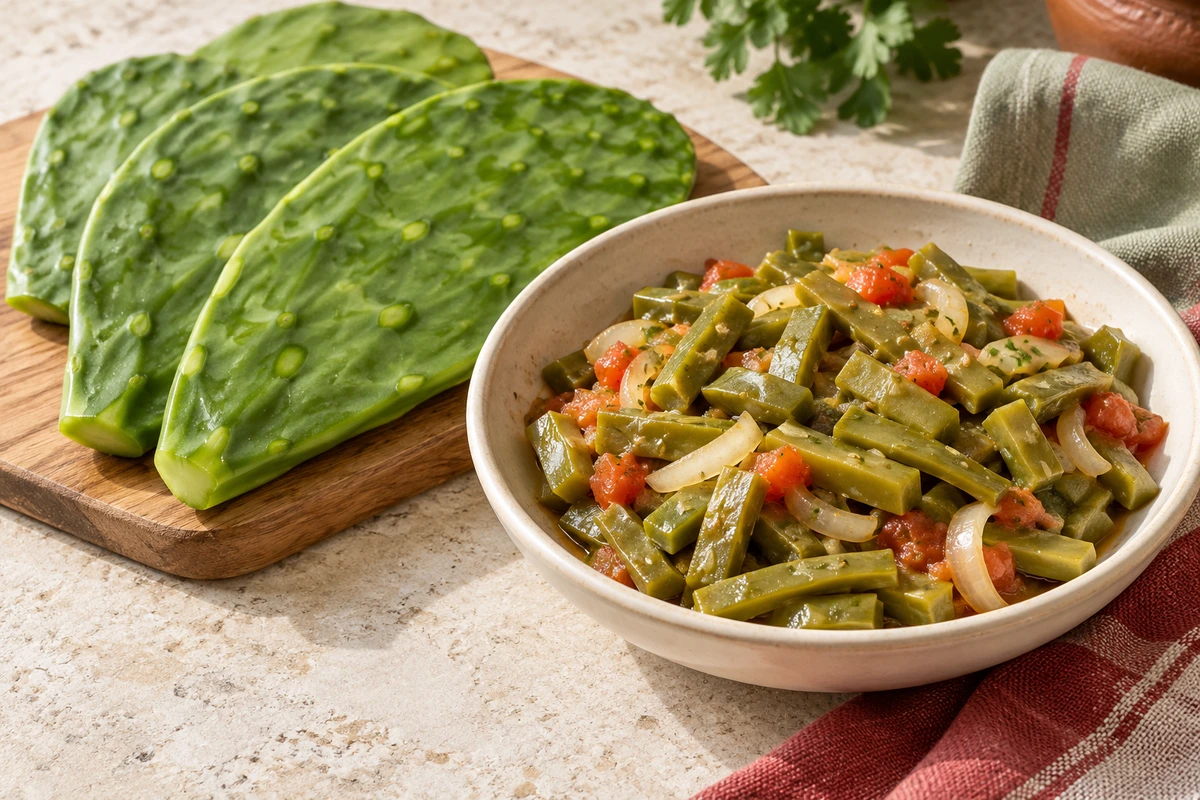
When researchers examine Nopal cactus and prickly pear, they find major minerals alongside much smaller quantities of trace minerals.
Manganese belongs to that trace-mineral story.(5), (6)
But manganese becomes particularly interesting when we stop looking at the cactus merely as food.
The living plant needs manganese too.
And one of manganese’s jobs inside a plant is extraordinary.
It helps the plant use sunlight to split water.
Manganese Helps Plants Make Oxygen
PHOTOSYSTEM II
Four manganese atoms
Together with calcium and oxygen, manganese forms part of the cluster that helps plants split water and release oxygen.
During photosynthesis, plants capture energy from sunlight.
Part of that process takes place in a structure called Photosystem II.(7), (8)
Inside Photosystem II is a tiny cluster containing four manganese atoms along with calcium and oxygen.
This structure is known as the oxygen-evolving complex.
Its job is remarkable: it helps split water molecules during photosynthesis.(7), (8)
The process releases electrons and hydrogen ions that the plant uses in its photosynthetic machinery.
And something else is released:
Oxygen.
The oxygen we breathe is ultimately connected to this water-splitting chemistry carried out by photosynthetic organisms.
Think About That Inside a Nopal Pad
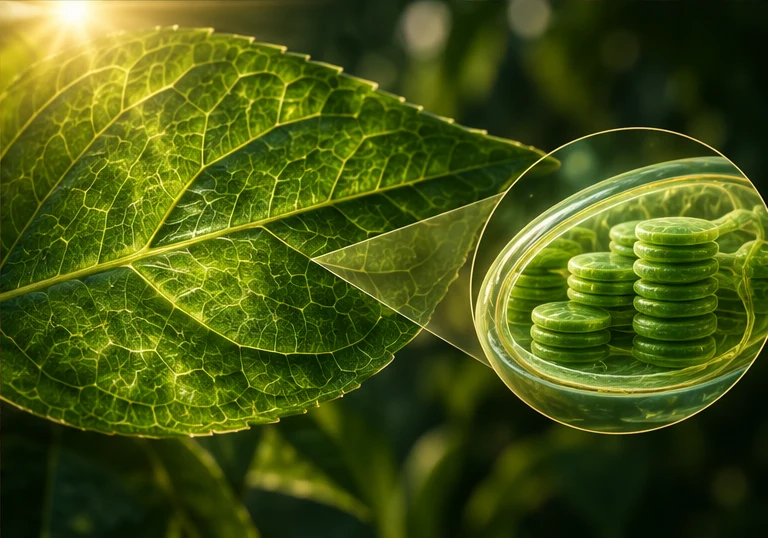
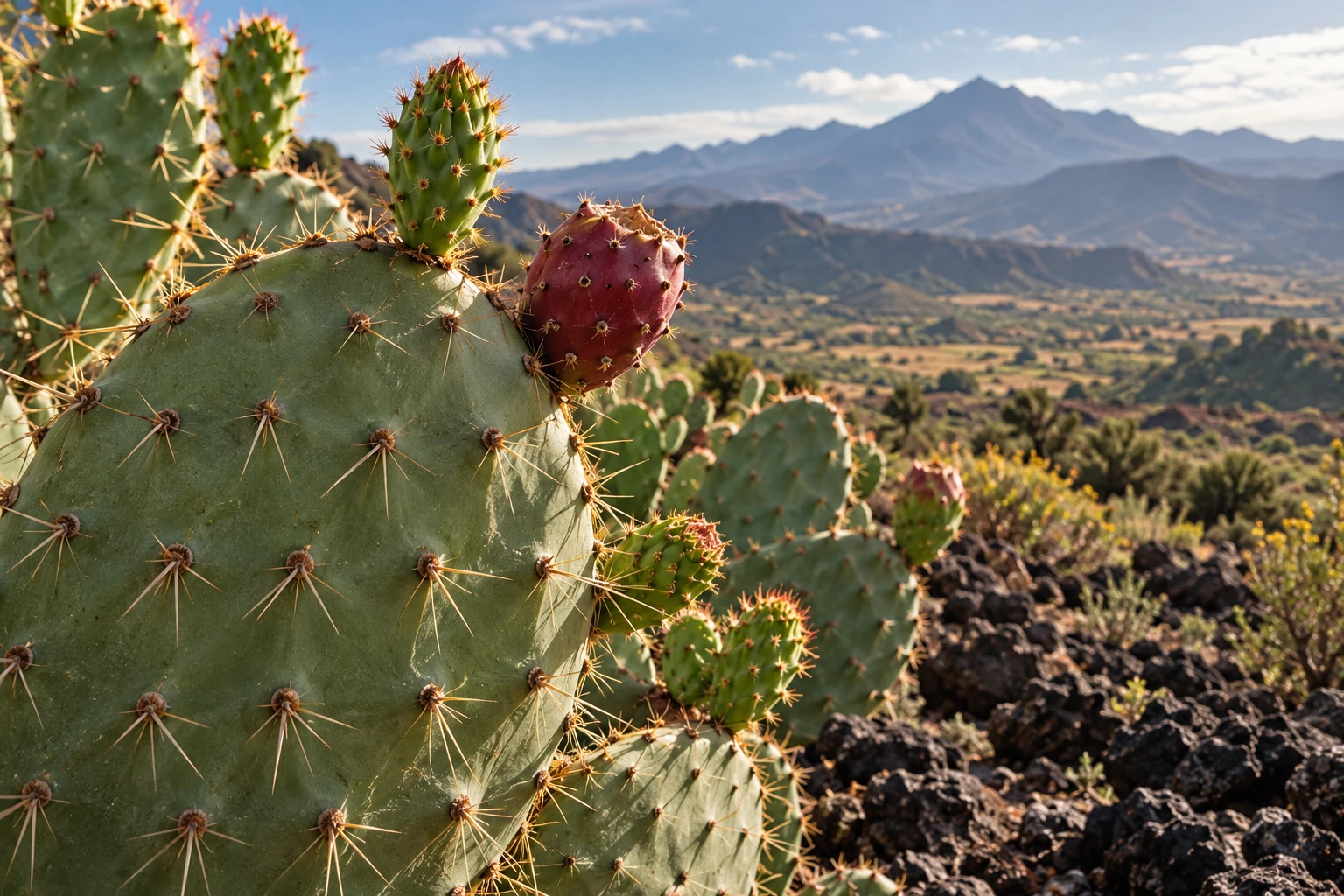
A green Nopal pad sitting in sunlight may look completely still.
But at the microscopic level, an extraordinary process is taking place.
Light energy reaches the plant.
Photosynthetic machinery becomes active.
Water molecules are split.
And manganese atoms participate in the molecular structure making that reaction possible.(7), (8)
That’s one of the most remarkable stories we’ve encountered in the mineral section.
Manganese isn’t simply present in the cactus.
It’s involved in one of the fundamental processes that allows the living plant to capture energy and release oxygen.
From Our Farms to Natural Home Cures
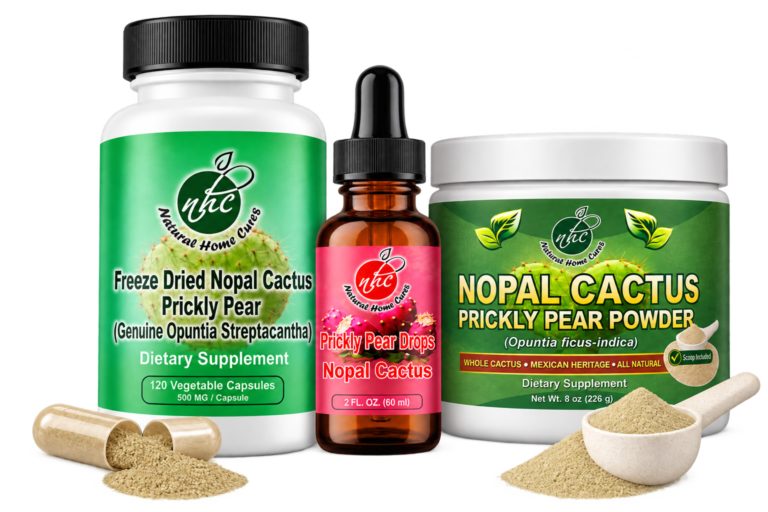
At Natural Home Cures, our flagship Freeze-Dried Nopal Powder Capsules begin with prickly pear cactus growing on our own farms.
While those Nopal pads are still growing in sunlight, manganese and other minerals are already participating in the biology of the living cactus.
After harvesting, our Nopal is freeze-dried as part of preparing it for our capsules. Our goal is to preserve the character of the cactus we grow as closely as practical while preparing it in a convenient finished form.
That means the Natural Home Cures Nopal story starts long before the cactus reaches a bottle.
It starts with a living plant.
The Natural Home Cures Nopal Family
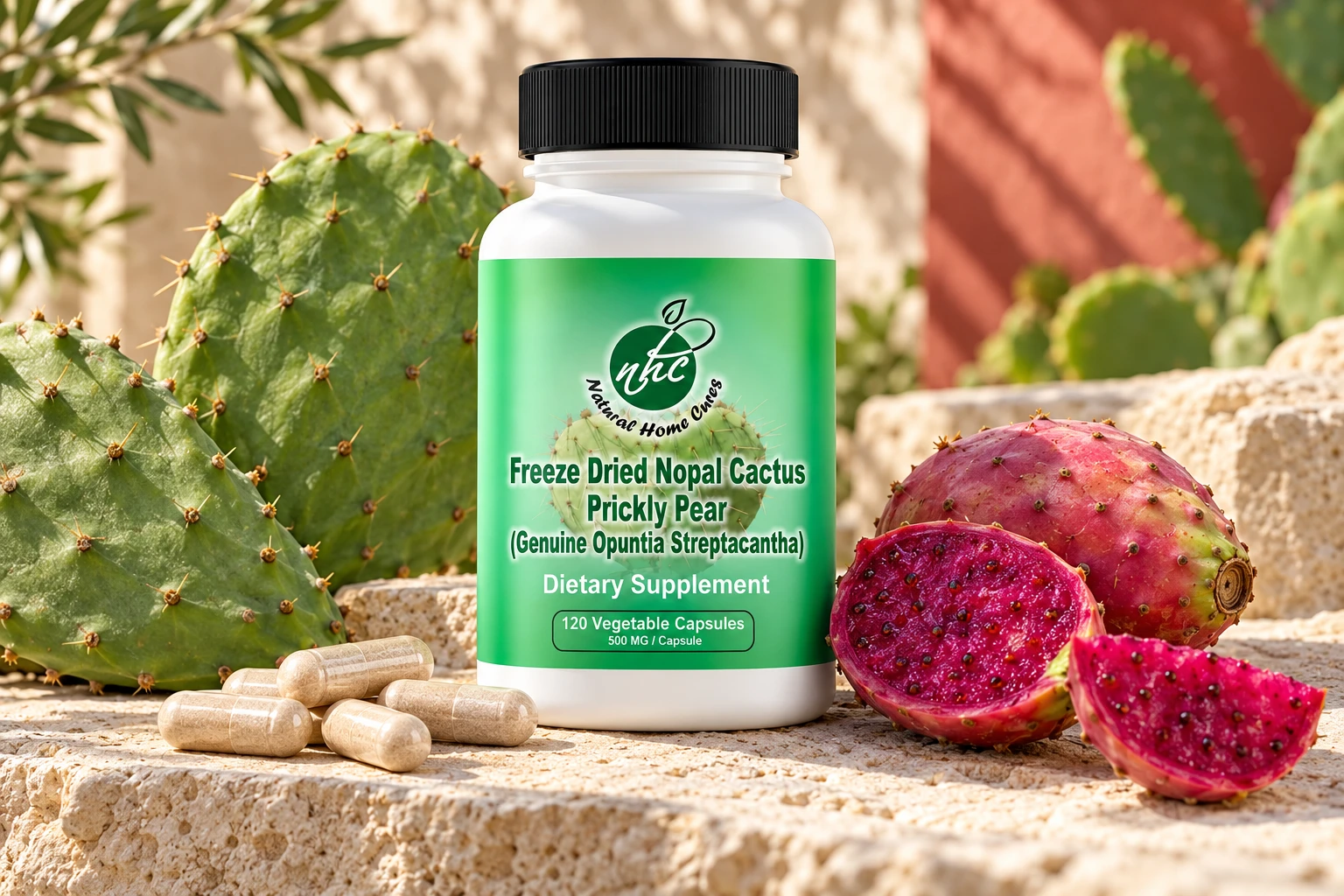
Our flagship Natural Home Cures Freeze-Dried Nopal Powder Capsules remain at the center of our Nopal line.
Natural Home Cures also offers Nopal Powder and Prickly Pear Drops, giving customers several ways to explore Nopal cactus and prickly pear.
Manganese gives us another reason to look beyond the nutrition label and appreciate the biology of the cactus itself.
A Trace Mineral With an Extraordinary Job
Inside our bodies, manganese helps enzymes involved in metabolism, bone formation and antioxidant defense.(1), (2)
Inside a living Nopal cactus, manganese participates in the photosynthetic machinery that helps split water and ultimately release oxygen.(7), (8)
That’s an extraordinary connection for a mineral required in such tiny quantities.
Within Nopal cactus and prickly pear, manganese becomes another small piece of a much larger biological story.
And for Natural Home Cures, understanding those individual pieces helps us appreciate just how remarkable the whole cactus really is.
FROM CACTUS TO PRODUCT
Keep the botanical
in the story.
Freeze-dried Nopal cactus capsules.
Explore our Nopal →The research behind this articleSource References
- 01Nutrition referenceManganese — Fact Sheet for Health Professionals.View source
Full citation
National Institutes of Health, Office of Dietary Supplements. “Manganese — Fact Sheet for Health Professionals.” - 02Research referenceNutritional Aspects of Manganese Homeostasis.View source
Full citation
Aschner JL, Aschner M. “Nutritional Aspects of Manganese Homeostasis.” Molecular Aspects of Medicine. 2005;26(4–5):353–362. - 03Research referenceManganese Superoxide Dismutase: Guardian of the Powerhouse.View source
Full citation
Holley AK, Bakthavatchalu V, Velez-Roman JM, St Clair DK. “Manganese Superoxide Dismutase: Guardian of the Powerhouse.” International Journal of Molecular Sciences. 2011;12(10):7114–7162. - 04Research referenceManganese, Molybdenum, Boron, Chromium, and Other Trace Elements.View source
Full citation
Nielsen FH. “Manganese, Molybdenum, Boron, Chromium, and Other Trace Elements.” In: Present Knowledge in Nutrition. - 05Research referenceNopal Cactus (Opuntia ficus-indica) as a Source of Bioactive Compounds for Nutrition, Health and Disease.View source
Full citation
El-Mostafa K, El Kharrassi Y, Badreddine A, et al. “Nopal Cactus (Opuntia ficus-indica) as a Source of Bioactive Compounds for Nutrition, Health and Disease.” Molecules. 2014;19(9):14879–14901. - 06Research referenceCactus Stems (Opuntia spp.): A Review on Their Chemistry, Technology, and Uses.View source
Full citation
Stintzing FC, Carle R. “Cactus Stems (Opuntia spp.): A Review on Their Chemistry, Technology, and Uses.” Molecular Nutrition & Food Research. 2005;49(2):175–194. - 07Research referenceMn4Ca Cluster in Photosynthesis: Where and How Water Is Oxidized to Dioxygen.View source
Full citation
Yano J, Yachandra V. “Mn4Ca Cluster in Photosynthesis: Where and How Water Is Oxidized to Dioxygen.” Chemical Reviews. 2014;114(8):4175–4205. - 08Research referenceCrystal Structure of Oxygen-Evolving Photosystem II at a Resolution of 1.9 Å.View source
Full citation
Umena Y, Kawakami K, Shen JR, Kamiya N. “Crystal Structure of Oxygen-Evolving Photosystem II at a Resolution of 1.9 Å.” Nature. 2011;473:55–60.