NATURAL HOME CURES · NOPAL SCIENCE
Iron
& Nopal
From oxygen in our blood to sunlight in a living cactus.
Explore the science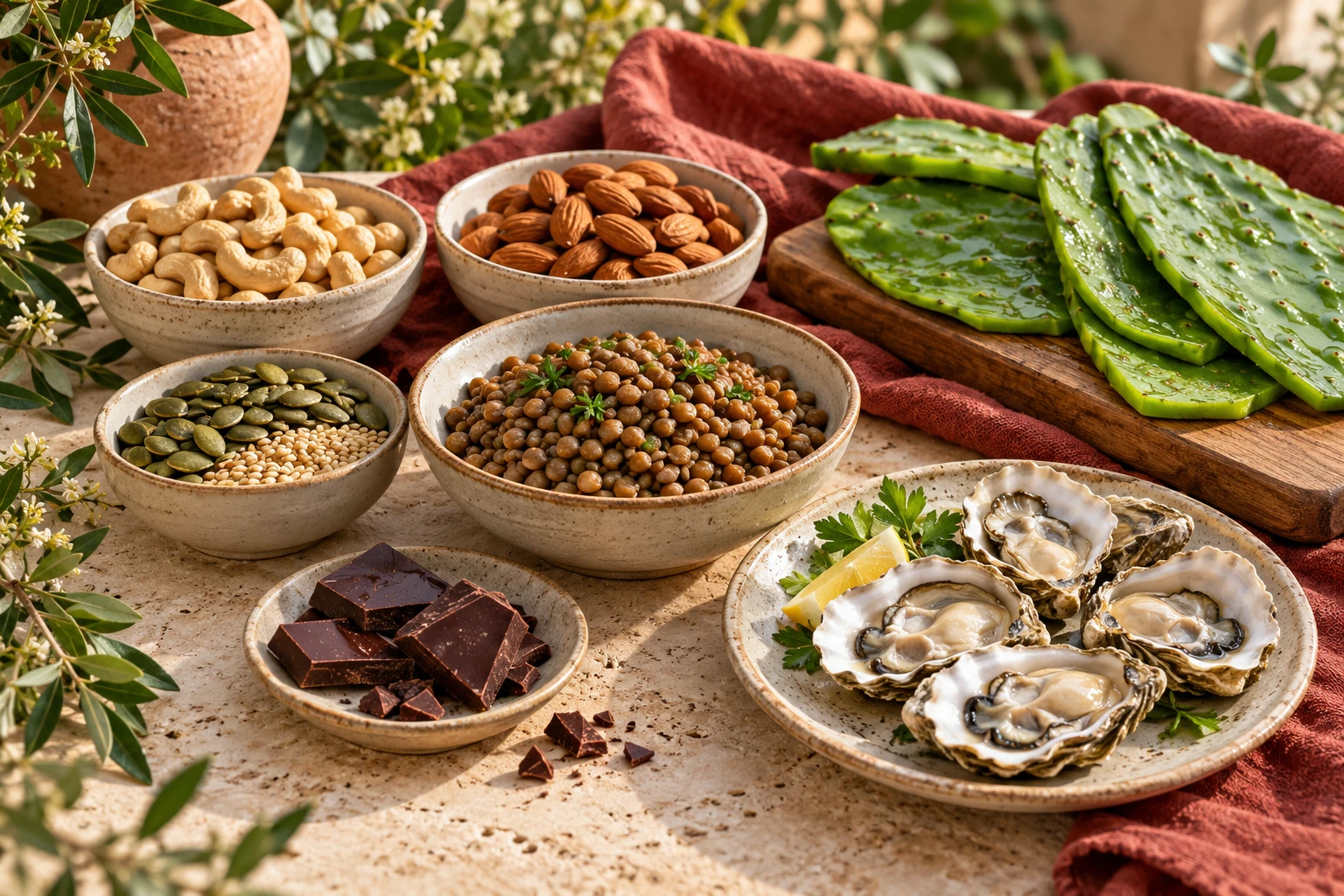
Iron is one of the most familiar minerals in nutrition, largely because of its connection with blood and oxygen.
Our bodies use iron to make hemoglobin, the protein inside red blood cells that carries oxygen from our lungs to tissues throughout the body.(1)
Iron is also part of myoglobin, a protein that helps supply oxygen within muscle tissue, and it participates in numerous enzymes involved in normal cellular function and energy metabolism.(1), (2)
Iron occurs naturally in both animal and plant foods, and it also has a natural connection with Nopal cactus and prickly pear.
What Does Iron Do?
Every breath brings oxygen into our lungs. But getting oxygen into the body is only the beginning. That oxygen has to be transported.
Red blood cells contain hemoglobin, and at the center of each hemoglobin molecule are iron-containing structures called heme groups.(2), (3)
Oxygen can temporarily bind to the iron in those groups. Red blood cells then travel through the bloodstream carrying oxygen away from the lungs. When they reach tissues that need oxygen, hemoglobin can release it.
So a tiny iron atom becomes part of the molecular system allowing oxygen from the air around us to travel throughout our bodies.
Why Blood Is Red
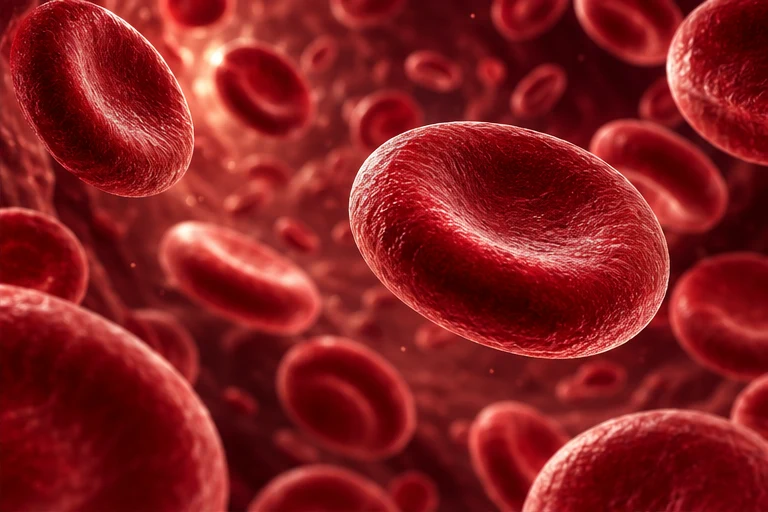
Iron even helps explain something we’ve seen our entire lives: why is blood red?
The color comes largely from hemoglobin. Hemoglobin’s heme groups contain iron, and their interaction with oxygen influences the way the molecule absorbs and reflects light.(3)
Oxygen-rich blood is bright red, while blood carrying less oxygen is darker red.
So the familiar red color of blood is connected to the same iron-containing protein responsible for transporting oxygen.
Iron and Our Muscles
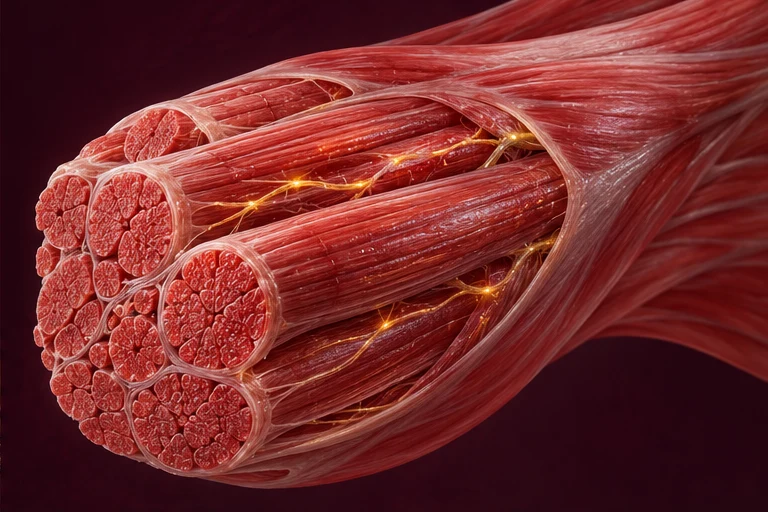
Iron has another oxygen-related job inside muscle tissue.
Muscle cells contain a protein called myoglobin.(1), (4) Like hemoglobin, myoglobin contains heme and iron.
But instead of transporting oxygen through the bloodstream, myoglobin helps store and manage oxygen within muscle cells.(4)
That gives iron an important connection with both the delivery and local use of oxygen.
Iron Is Also Part of Cellular Energy Production
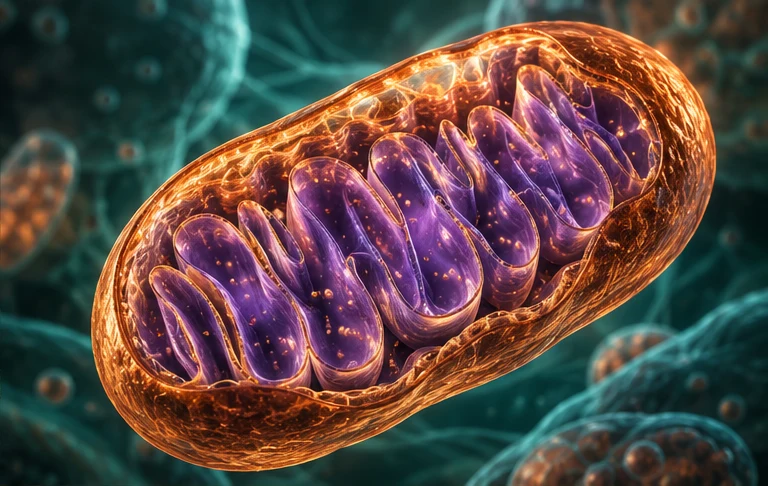
Iron’s biological story doesn’t stop with oxygen transport.
Iron-containing proteins participate inside the mitochondria, where much of our usable cellular energy is produced.(2), (5)
Some of these proteins contain structures called iron-sulfur clusters. These tiny combinations of iron and sulfur help transfer electrons through parts of the cellular energy-production machinery.(5)
So iron participates in getting oxygen to our tissues and also in some of the microscopic machinery cells use to produce energy.
Where Does Iron Come From?
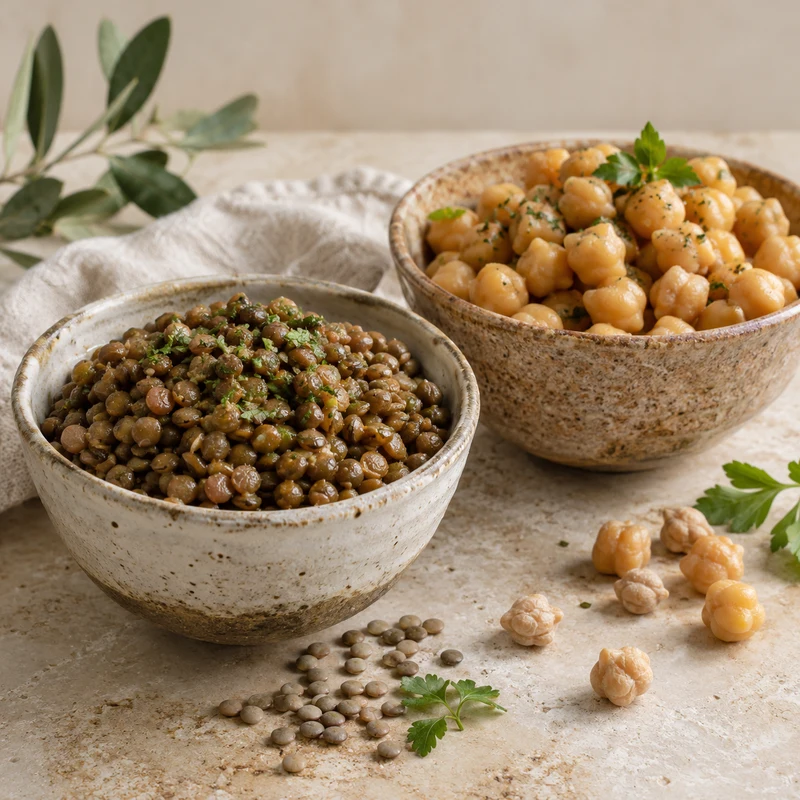
Foods that provide iron, either naturally or through fortification, include:
- Red meat
- Poultry
- Seafood
- Beans and lentils
- Spinach and other leafy vegetables
- Nuts and seeds
- Fortified grains and cereals
- Certain vegetables
- Nopal cactus and prickly pear
Scientific analyses of Nopal and Opuntia materials have identified iron among the naturally occurring minerals found in the plant.(6), (7)
Not All Dietary Iron Is the Same
ANIMAL FOODS
Heme iron
A form of iron found primarily in animal foods.
PLANT & FORTIFIED FOODS
Non-heme iron
Vitamin C can help the body absorb this form of iron.
The body generally absorbs heme iron more readily than non-heme iron. But something interesting can happen with plant-based iron.
Vitamin C can improve the absorption of non-heme iron by helping keep iron in a form that’s easier for the intestine to absorb.(1), (8)
This is another good example of why nutrients shouldn’t always be considered separately. One nutrient can influence what happens to another.
Iron in Nopal Cactus
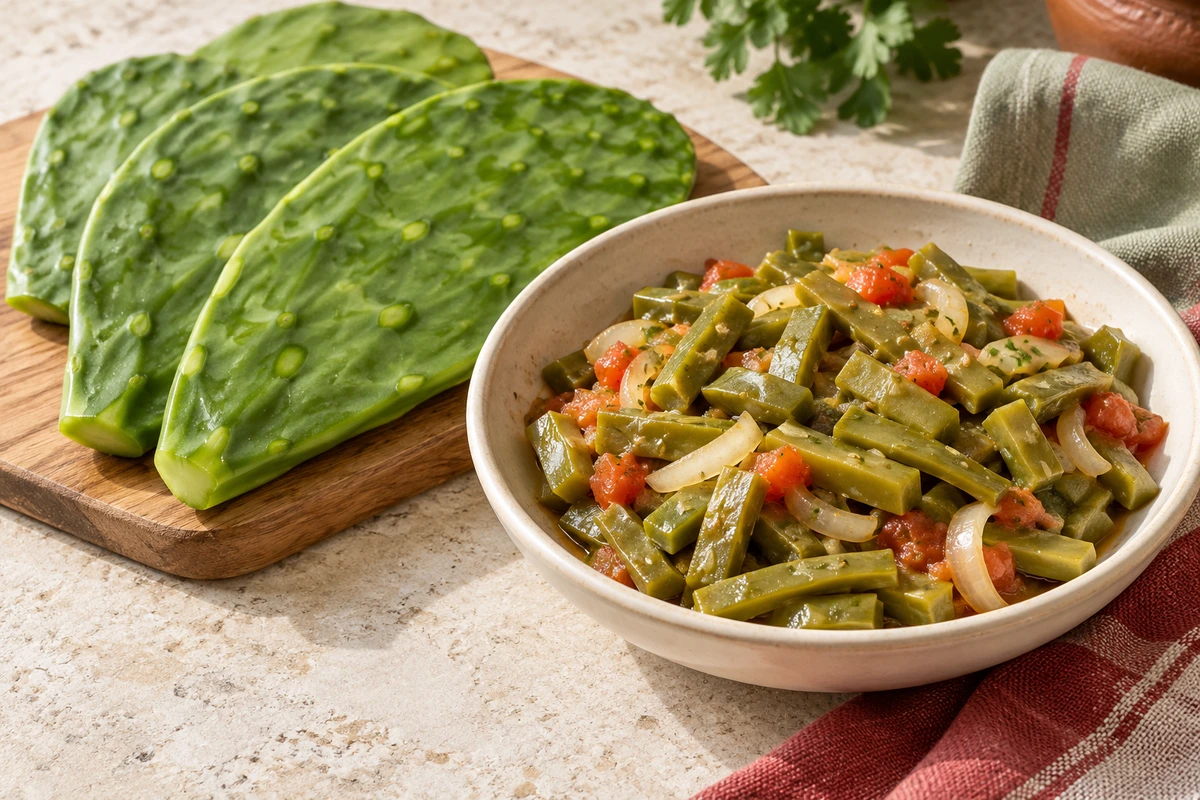
When researchers analyze Nopal cactus and prickly pear, iron appears as one part of a broader mineral profile that also includes calcium, magnesium, potassium and other minerals.(6), (7)
Iron isn’t the entire nutritional story of Nopal. It’s one more piece of it.
But iron also gives us another opportunity to look beyond human nutrition and examine what the mineral does while the cactus is still alive and growing.
Plants need iron too.
Why a Nopal Cactus Needs Iron
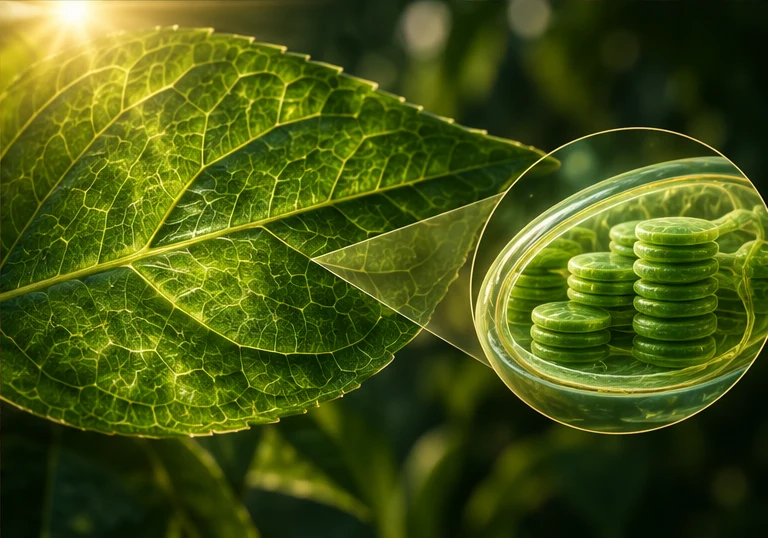
Iron is an essential micronutrient for plants.(9)
Interestingly, iron isn’t sitting at the center of the chlorophyll molecule—that position belongs to magnesium. But plants still need iron to produce chlorophyll normally and carry out photosynthesis.(9), (10)
Iron-containing proteins participate in electron-transfer reactions inside the photosynthetic machinery. Plants also need iron for respiration and other enzyme systems.
Without adequate available iron, plants can develop chlorosis, where young leaves become pale or yellow because normal chlorophyll formation has been disrupted.(9)
Iron Inside a Green Nopal Pad
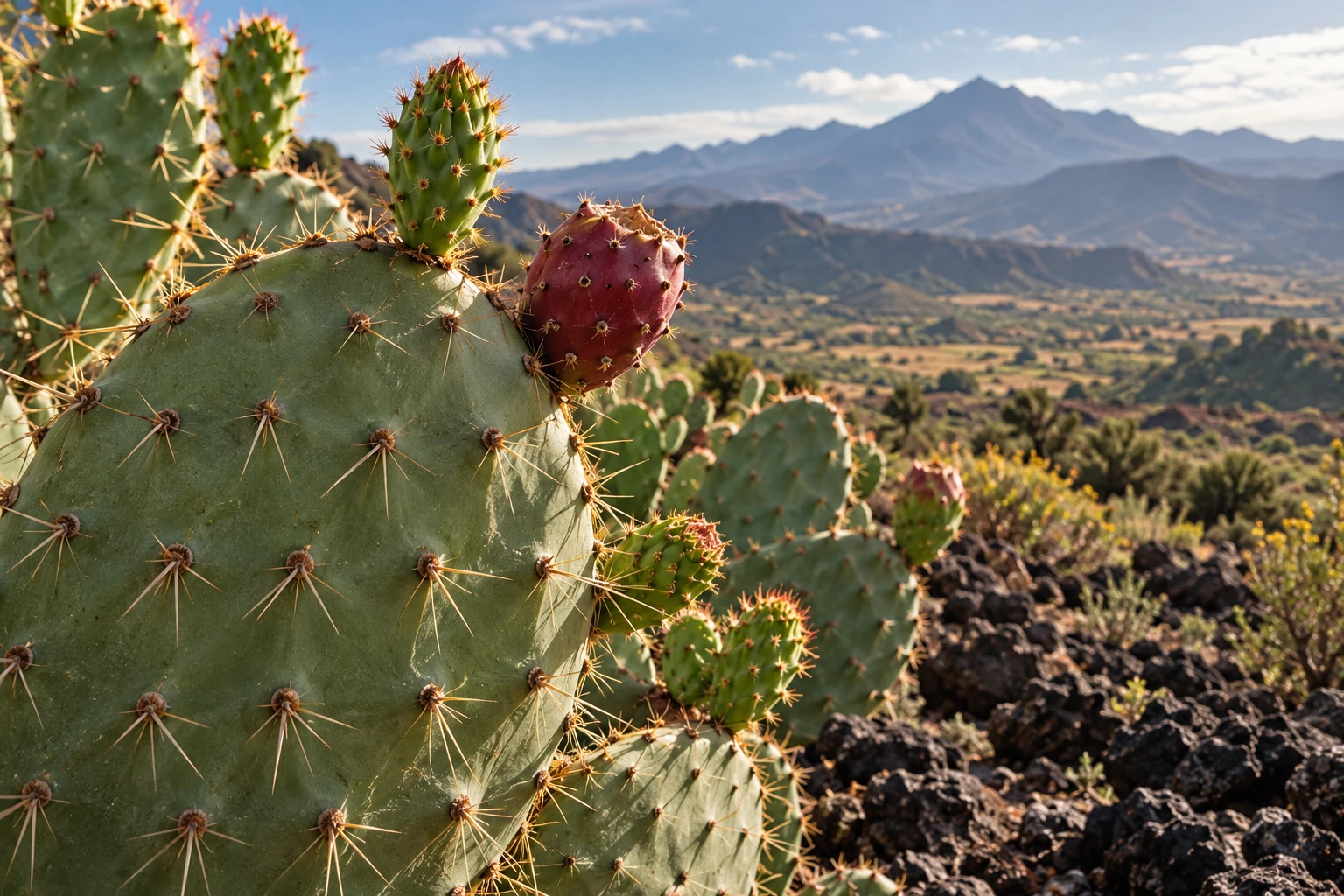
Look at a healthy green Nopal pad growing in sunlight.
That green color depends on chlorophyll. Iron isn’t part of the chlorophyll molecule itself, but the plant needs iron for the biological machinery involved in creating and maintaining its photosynthetic system.(9), (10)
Iron-containing proteins also help transfer electrons during photosynthesis.
So once again, a mineral we normally think about only in terms of human nutrition has already been doing important work inside the cactus long before the plant is harvested.
From Our Farms to Natural Home Cures
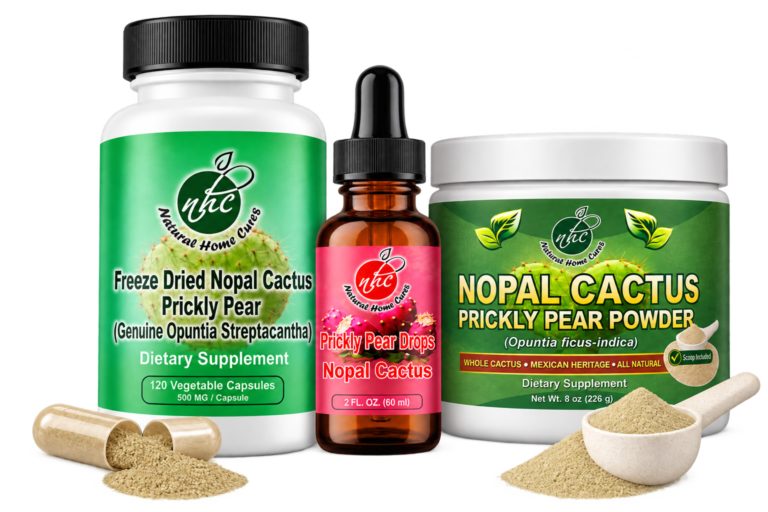
At Natural Home Cures, our flagship Freeze-Dried Nopal Powder Capsules begin with prickly pear cactus growing on our own farms.
While our Nopal pads are growing, minerals such as iron participate in the biology of the living cactus.
After harvesting, our Nopal is freeze-dried as part of preparing it for our capsules. Our goal is to preserve the character of the cactus we grow as closely as practical while preparing it in a convenient finished form.
Our connection with Nopal therefore begins with the growing cactus—not simply with a finished powder.
The Natural Home Cures Nopal Family
THE NOPAL FAMILY
One cactus story.
Different ways to explore it.
Freeze-Dried Nopal Powder Capsules · Nopal Powder · Prickly Pear Drops
Our flagship Natural Home Cures Freeze-Dried Nopal Powder Capsules remain at the center of our Nopal line.
Natural Home Cures also offers Nopal Powder and Prickly Pear Drops, giving customers several ways to explore Nopal cactus and prickly pear.
Iron adds another piece to the nutritional and botanical picture behind the Natural Home Cures Nopal family.
From Oxygen in Our Blood to Sunlight in a Cactus
Inside our bodies, iron becomes part of hemoglobin and helps transport oxygen. It becomes part of myoglobin in our muscles, and iron-containing proteins participate in cellular energy production.(1), (2), (5)
Inside a living Nopal cactus, iron participates in photosynthesis, chlorophyll formation and other essential plant processes.(9), (10)
Within Nopal cactus and prickly pear, iron becomes another mineral inside a much larger collection of naturally occurring nutrients and plant compounds.(6), (7)
For Natural Home Cures, that’s what makes studying Nopal so interesting. The closer we look at the cactus, the more there is to discover.
FROM CACTUS TO PRODUCT
Keep the botanical
in the story.
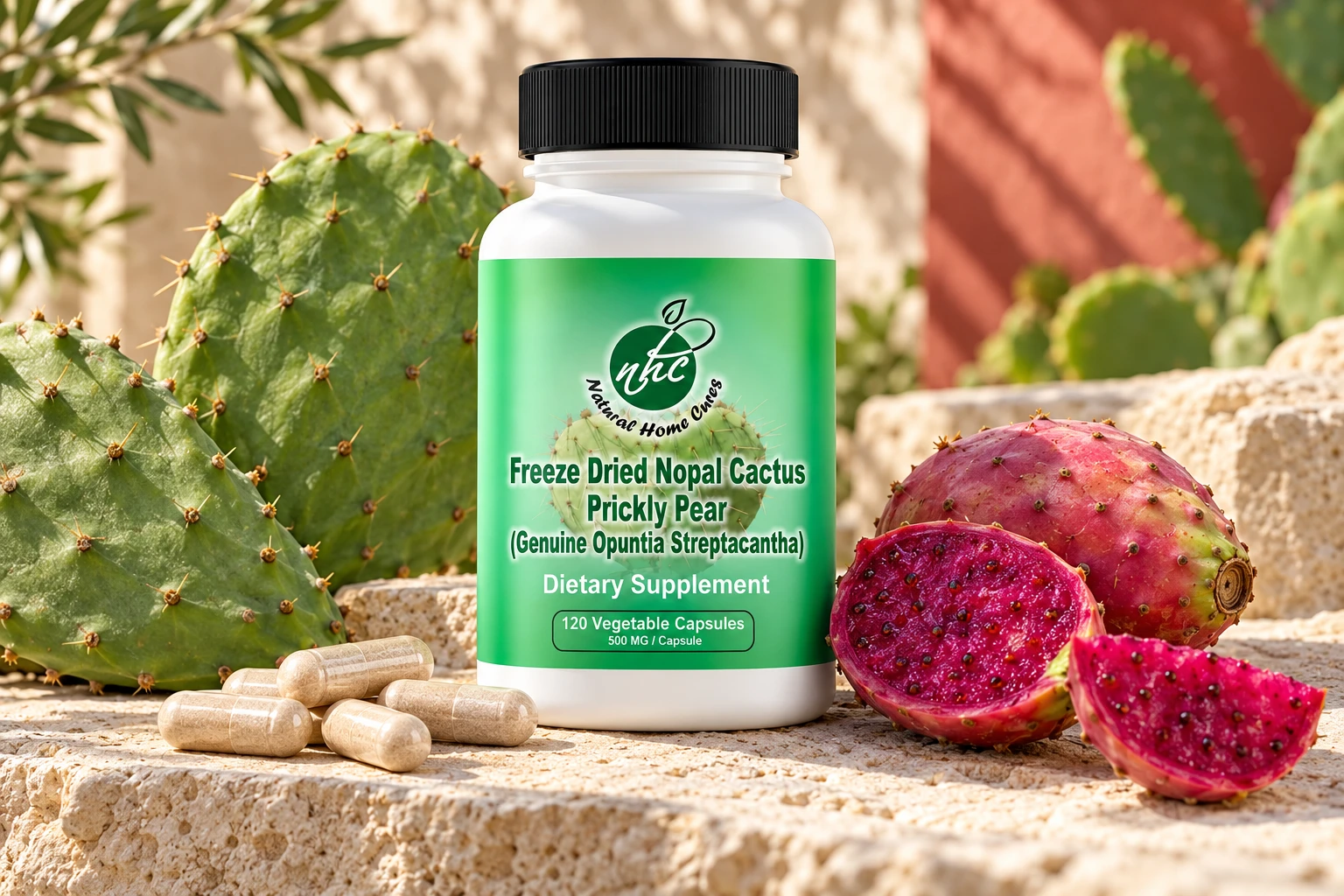
Freeze-dried Nopal cactus capsules.
Explore our Nopal →The research behind this articleSource References
- 01Nutrition referenceIron — Fact Sheet for Health Professionals.View source
Full citation
National Institutes of Health, Office of Dietary Supplements. “Iron — Fact Sheet for Health Professionals.” - 02Research reviewReview on Iron and Its Importance for Human Health.View source
Full citation
Abbaspour N, Hurrell R, Kelishadi R. “Review on Iron and Its Importance for Human Health.” Journal of Research in Medical Sciences. 2014;19(2):164–174. - 03Research referenceHemoglobin Research and the Origins of Molecular Medicine.View source
Full citation
Schechter AN. “Hemoglobin Research and the Origins of Molecular Medicine.” Blood. 2008;112(10):3927–3938. - 04Research referenceMyoglobin: An Essential Hemoprotein in Striated Muscle.View source
Full citation
Ordway GA, Garry DJ. “Myoglobin: An Essential Hemoprotein in Striated Muscle.” Journal of Experimental Biology. 2004;207:3441–3446. - 05Research referenceFunction and Biogenesis of Iron-Sulphur Proteins.View source
Full citation
Lill R. “Function and Biogenesis of Iron-Sulphur Proteins.” Nature. 2009;460:831–838. - 06Research referenceNopal Cactus (Opuntia ficus-indica) as a Source of Bioactive Compounds for Nutrition, Health and Disease.View source
Full citation
El-Mostafa K, El Kharrassi Y, Badreddine A, et al. “Nopal Cactus (Opuntia ficus-indica) as a Source of Bioactive Compounds for Nutrition, Health and Disease.” Molecules. 2014;19(9):14879–14901. - 07Research reviewCactus Stems (Opuntia spp.): A Review on Their Chemistry, Technology, and Uses.View source
Full citation
Stintzing FC, Carle R. “Cactus Stems (Opuntia spp.): A Review on Their Chemistry, Technology, and Uses.” Molecular Nutrition & Food Research. 2005;49(2):175–194. - 08Research referenceThe Active Role of Vitamin C in Mammalian Iron Metabolism: Much More Than Just Enhanced Iron Absorption!View source
Full citation
Lane DJR, Richardson DR. “The Active Role of Vitamin C in Mammalian Iron Metabolism: Much More Than Just Enhanced Iron Absorption!” Free Radical Biology and Medicine. 2014;75:69–83. - 09Research referenceIron Nutrition, Biomass Production, and Plant Product Quality.View source
Full citation
Briat JF, Dubos C, Gaymard F. “Iron Nutrition, Biomass Production, and Plant Product Quality.” Trends in Plant Science. 2015;20(1):33–40. - 10Research referenceRole of Iron in Plant Growth and Metabolism.View source
Full citation
Rout GR, Sahoo S. “Role of Iron in Plant Growth and Metabolism.” Reviews in Agricultural Science. 2015;3:1–24.