NATURAL HOME CURES · NOPAL SCIENCE
Pantothenic Acid
& Nopal
Vitamin B5, coenzyme A and the living chemistry of a mountain-grown cactus.
Explore the science
Pantothenic acid may not be the best-known vitamin, but it performs essential work throughout the human body.
Better known as vitamin B5, pantothenic acid connects everyday nutrition with coenzyme A and normal cellular metabolism. Opuntia research adds a botanical dimension, including a tentative identification in a cactus-pad extract.(1), (2)
Vitamin B5: A Small Nutrient With Widespread Work
Pantothenic acid is vitamin B5, an essential, water-soluble member of the eight-vitamin B-complex family. Human cells cannot make it, so it must come from the diet. Its name comes from the Greek pantothen, meaning “from everywhere,” reflecting its broad occurrence in foods.(3), (4)
Its best-known connection is with coenzyme A, a small helper used throughout cellular metabolism. That connection explains why B5 belongs in discussions of food, energy and the chemistry of a living Nopal cactus.
Essential
The body needs a dietary supply.
Water-soluble
B5 dissolves in water.
Part of a network
It works alongside enzymes and other nutrients.
From B5 to Coenzyme A
Enzymes help chemical reactions take place. Coenzymes are smaller molecules that assist certain enzymes. The body uses pantothenic acid to build coenzyme A, usually shortened to CoA.(3), (4)
- THE VITAMIN
Pantothenic acid
Vitamin B5 supplied through food.
- THE COENZYME
Coenzyme A
A molecule the body builds using B5.
- THE WORK
Cellular reactions
Using and building substances cells need.
Breaking Down Food—and Building What Cells Need
B5 at the Table
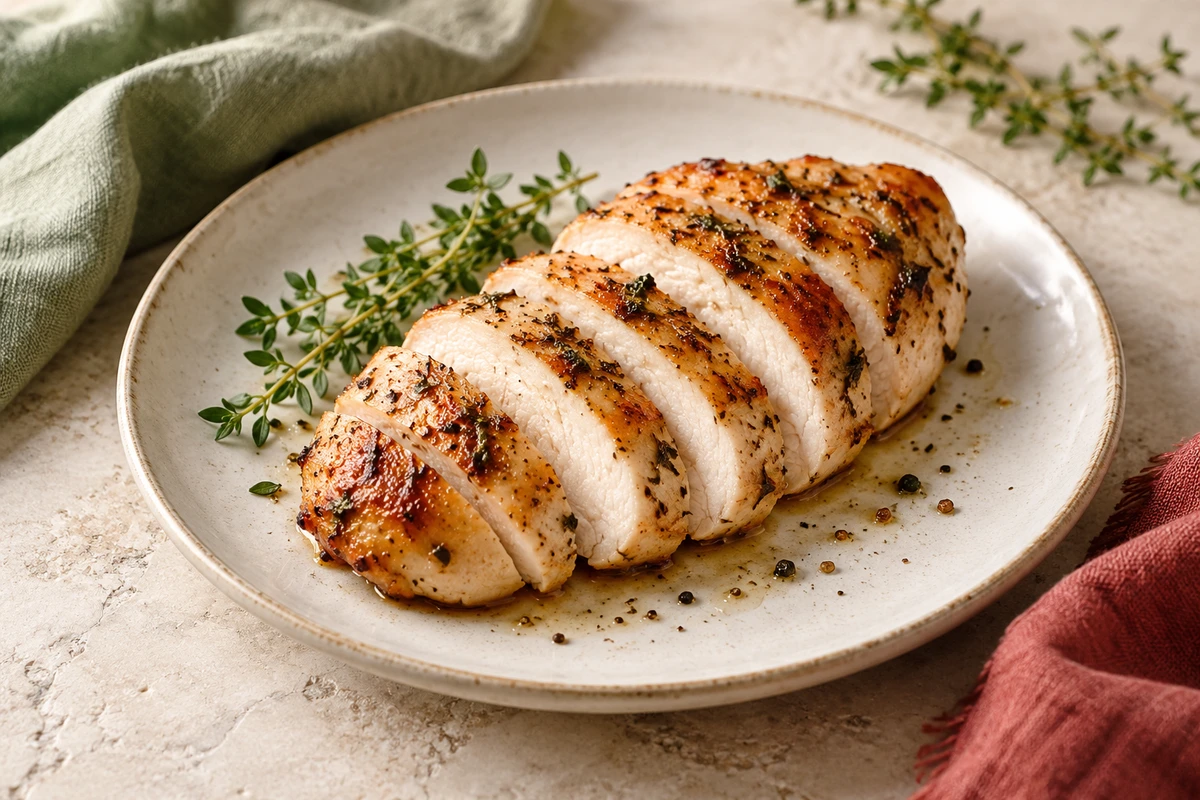
Pantothenic acid occurs in a wide range of foods. Familiar sources include chicken, beef and organ meats, mushrooms, sunflower seeds, avocado, eggs, milk and whole grains. Amounts vary with the food and preparation.(3)
A varied diet brings B5 together with the other nutrients used in normal metabolism. Finding a vitamin in a plant is one part of the story; the amount in the food or finished preparation is another.
Small Amounts, Important Roles
Vitamins are micronutrients: the body needs relatively small amounts, but those amounts support important biological functions. The adult Adequate Intake for B5 is a dietary reference value; it is not a measured amount in Nopal or a capsule serving.(3), (4)
Small does not mean self-sufficient. B5 works within the wider system of nutrients and reactions the body uses each day.
The Same Chemistry Begins in a Living Plant
Plants also use pantothenic acid to make coenzyme A. While a Nopal cactus captures sunlight, produces carbohydrates and builds new tissue, CoA participates in its active metabolism. B5 therefore connects human nutrition with processes already taking place inside the plant.(1), (5)
The cactus is a broader botanical matrix—a collection of components held together within plant tissue. Opuntia research describes fiber, pectin, mucilage, amino acids, minerals, vitamins, pigments and phenolic compounds. No single nutrient explains that whole picture.(1), (5)
From Our Mountain Farms to the Bottle
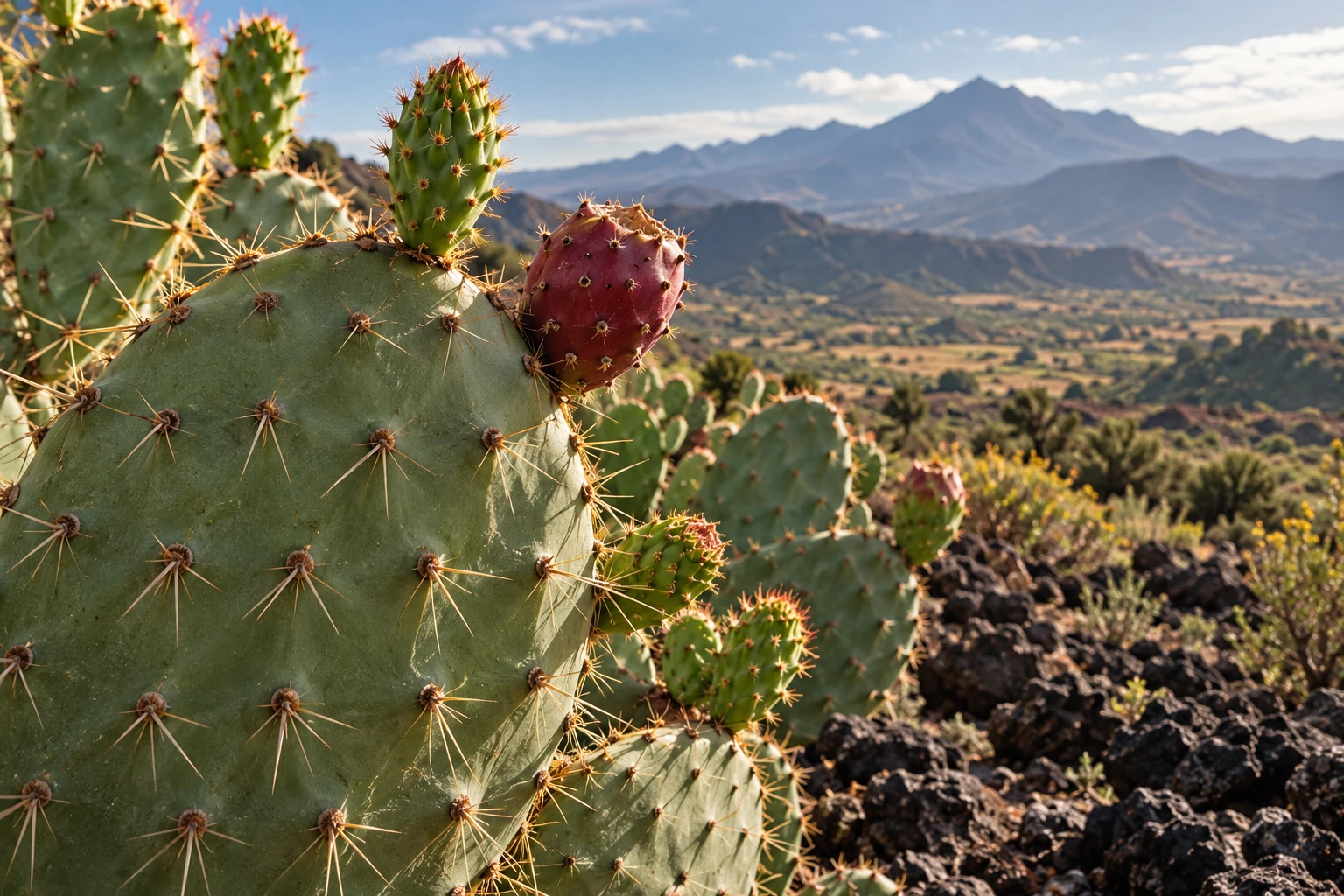
The Opuntia streptacantha behind our flagship Freeze-Dried Nopal Powder Capsules grows on our own farms in central Mexico, at approximately 2,500 meters—about 8,200 feet—above sea level. Volcanic soil, sunlight, water and a mild, semi-tropical climate form its growing environment.
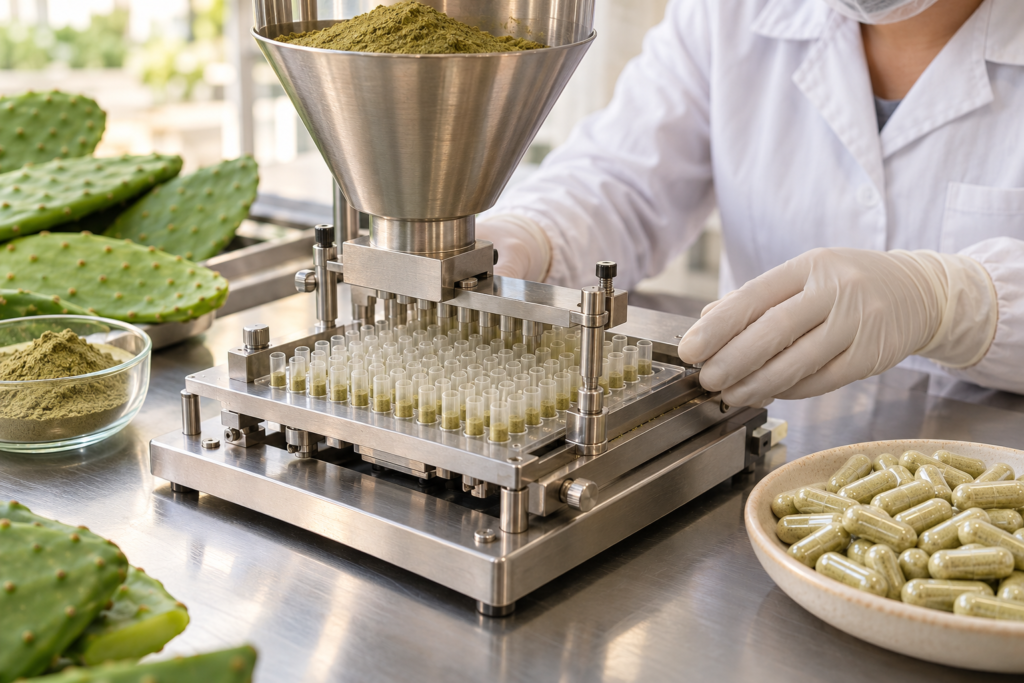
Our involvement begins with that living cactus and continues through harvest and preparation. We freeze-dry the Nopal, mill the dried material into powder and place it into vegan capsules. We are preparing the broader cactus material rather than extracting B5 as a separate ingredient.
Learning about pantothenic acid gives us one window into the plant. The farm, the cactus and the way it is prepared complete a much larger story.
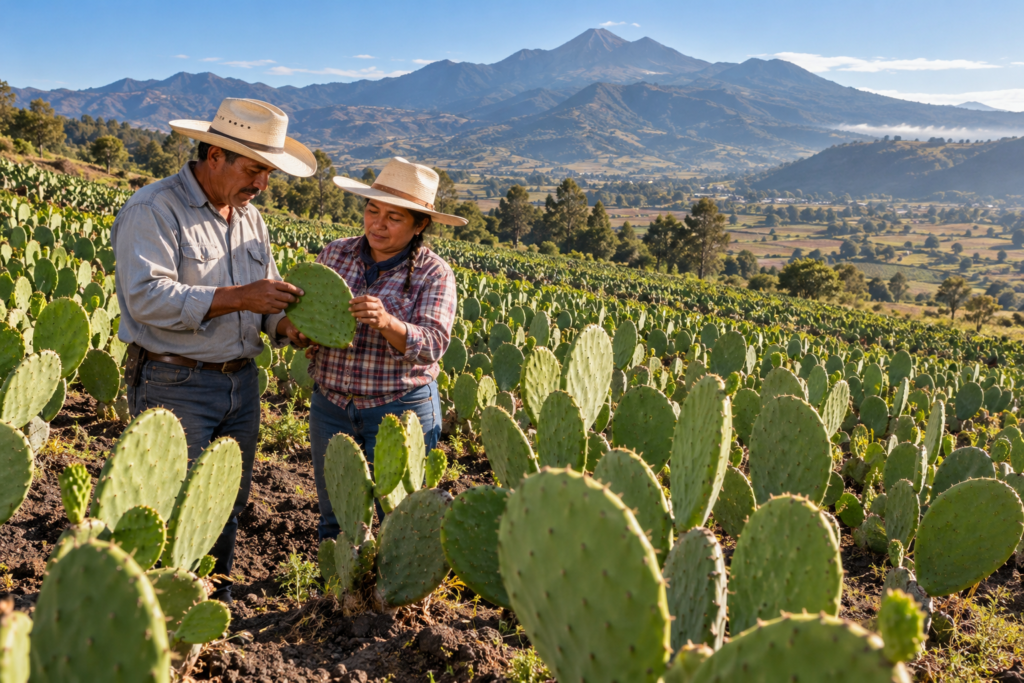 STAGE 1 OF 5
Grow
Nopal cactus grows on our farms.
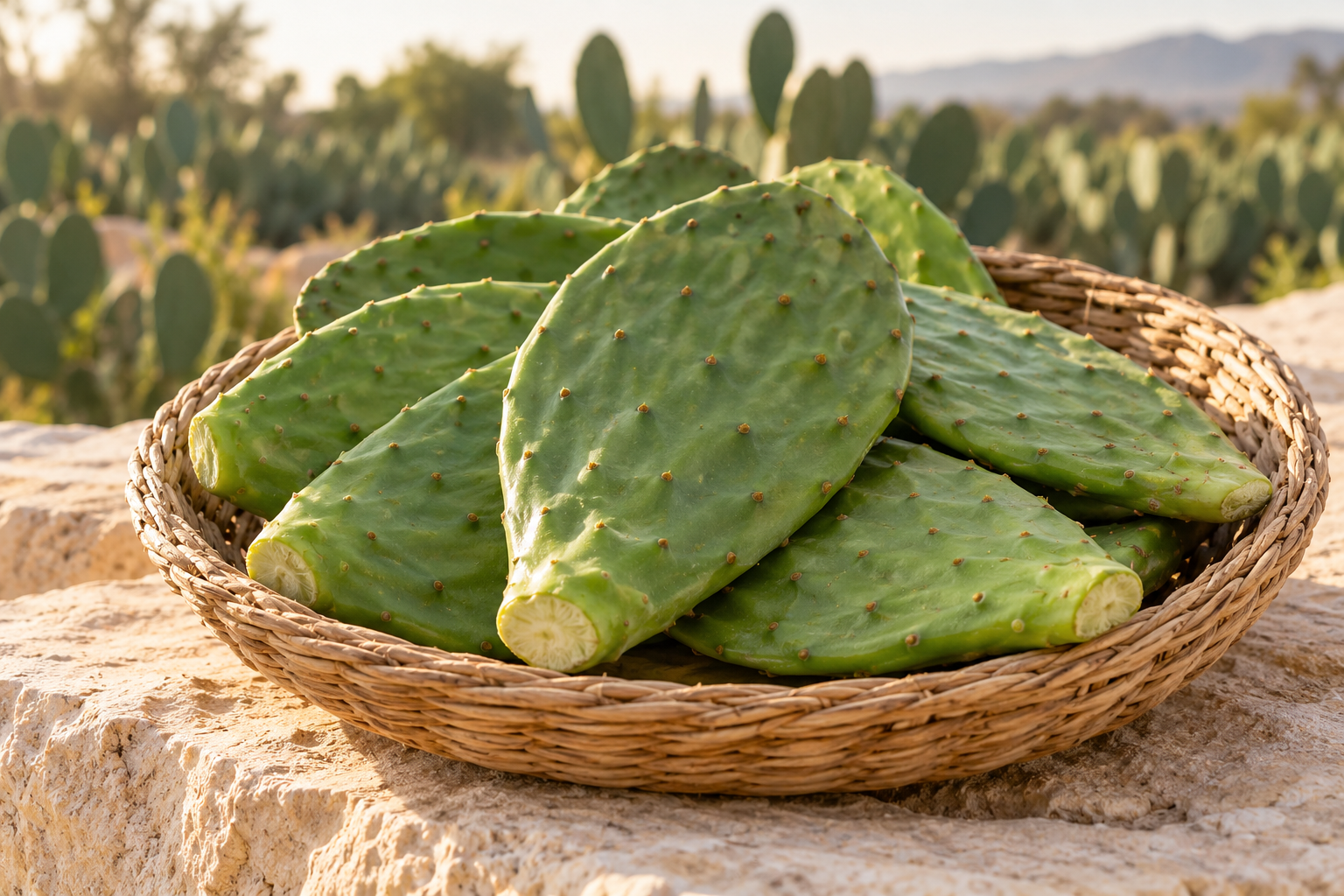 STAGE 2 OF 5
Harvest
The cactus pads are harvested and prepared.
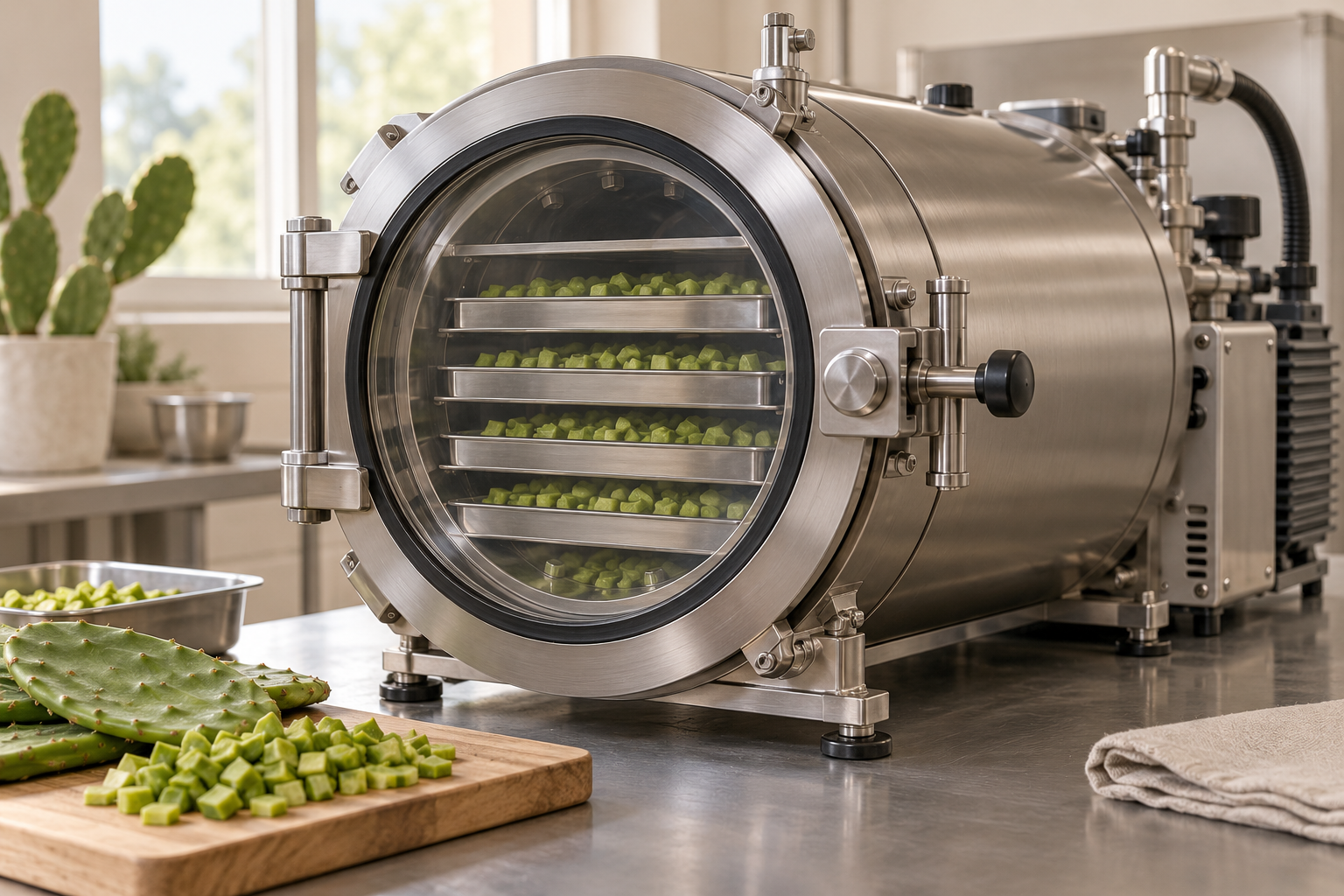 STAGE 3 OF 5
Freeze-dry
Moisture is removed from the prepared pads by freeze-drying.
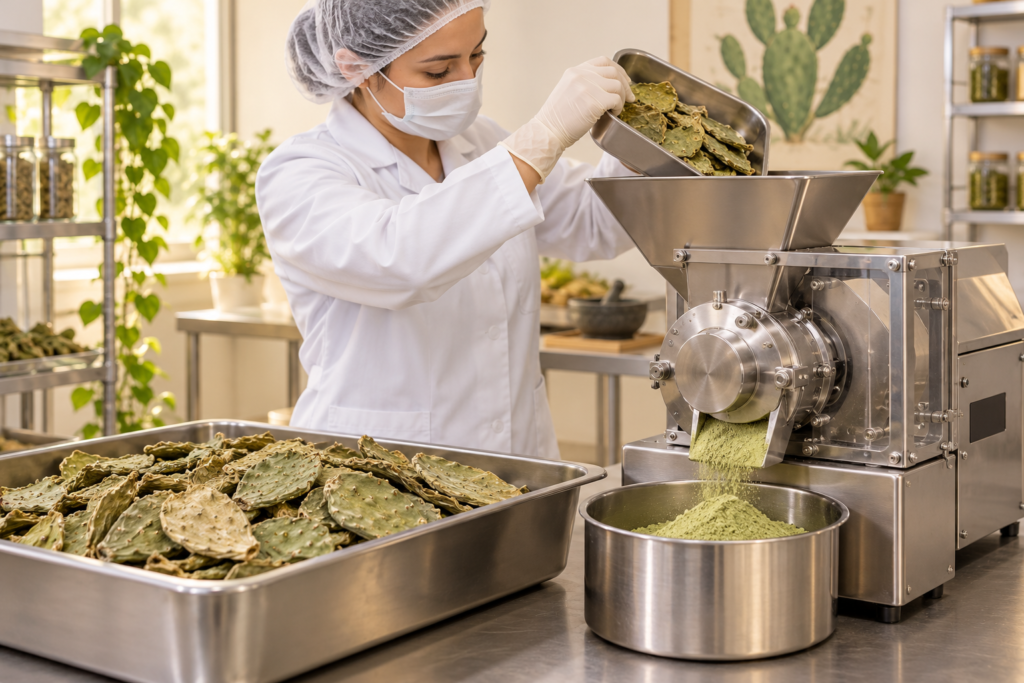 STAGE 4 OF 5
Mill
The dried pads are milled into powder.
 STAGE 5 OF 5
Fill capsules
The milled powder is filled into capsules.
FROM CACTUS TO PRODUCT
Keep the botanical
in the story.
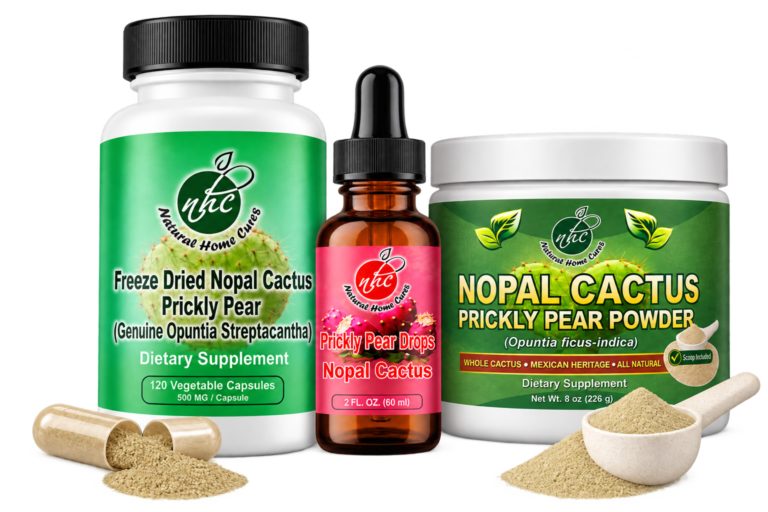
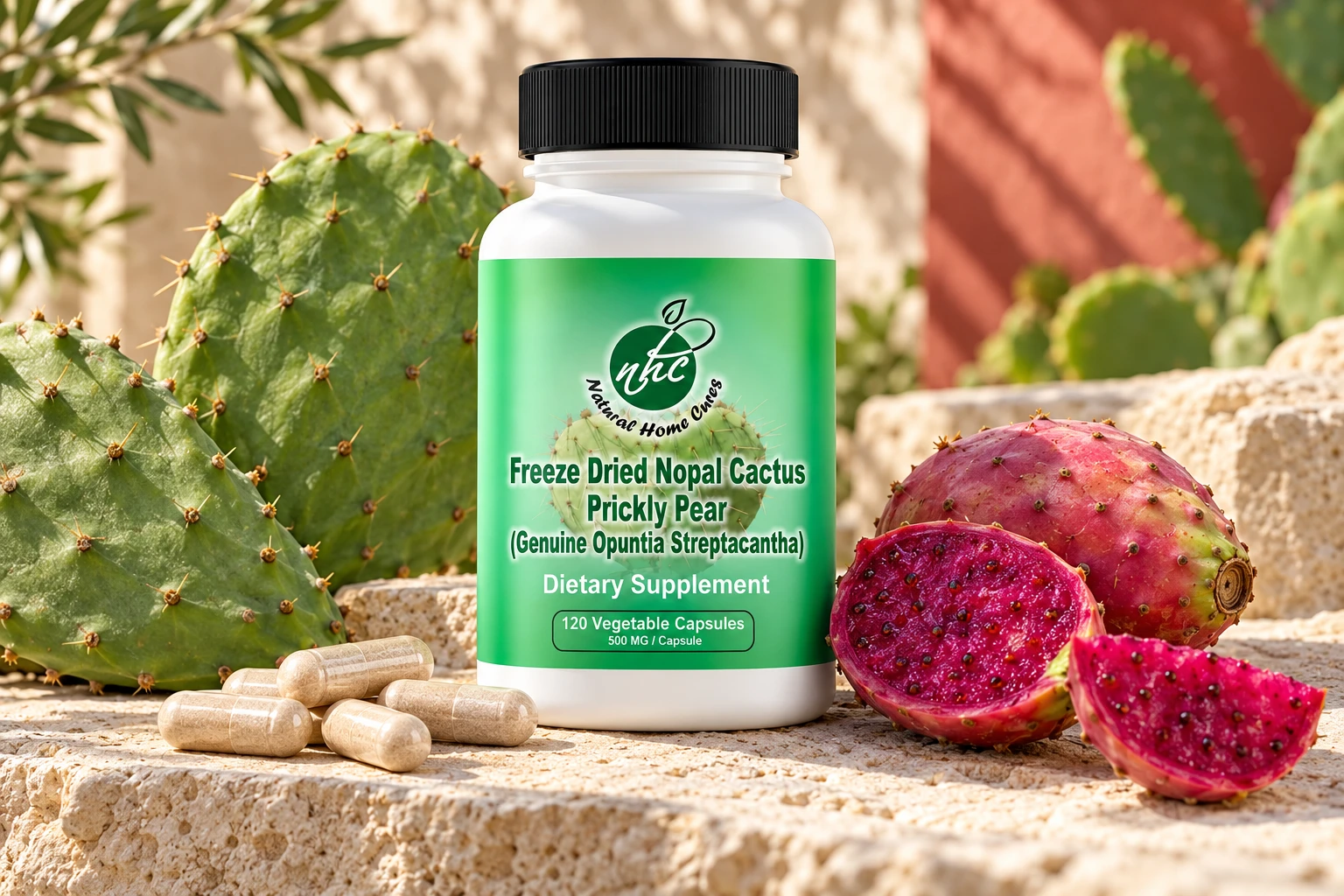
Freeze-dried Nopal cactus capsules.
Explore our Nopal →The research behind this articleSource References
- 01Source referenceNutritional and Medicinal Use of Cactus Pear (Opuntia spp.) Cladodes and Fruits.View source
Full citation
Feugang JM, Konarski P, Zou D, Stintzing FC, Zou C. “Nutritional and Medicinal Use of Cactus Pear (Opuntia spp.) Cladodes and Fruits.” Frontiers in Bioscience. 2006;11:2574–2589. - 02Source referencePolyphenol-Rich Opuntia ficus-indica Cladodes: An Integrated Metabolomic, In Vivo and In Silico Study Supporting Their Hypolipidemic and Hepatoprotective Effects.View source
Full citation
Hadini A, et al. “Polyphenol-Rich Opuntia ficus-indica Cladodes: An Integrated Metabolomic, In Vivo and In Silico Study Supporting Their Hypolipidemic and Hepatoprotective Effects.” Nutrients. 2026;18(17):2766. - 03Source referencePantothenic Acid: Fact Sheet for Health Professionals.View source
Full citation
National Institutes of Health, Office of Dietary Supplements. “Pantothenic Acid: Fact Sheet for Health Professionals.” Updated May 1, 2026. - 04Source referenceDietary Reference Intakes for Thiamin, Riboflavin, Niacin, Vitamin B6, Folate, Vitamin B12, Pantothenic Acid, Biotin, and Choline.View source
Full citation
Institute of Medicine. “Dietary Reference Intakes for Thiamin, Riboflavin, Niacin, Vitamin B6, Folate, Vitamin B12, Pantothenic Acid, Biotin, and Choline.” National Academies Press; 1998. - 05Source referenceCactus Stems (Opuntia spp.): A Review on Their Chemistry, Technology, and Uses.View source
Full citation
Stintzing FC, Carle R. “Cactus Stems (Opuntia spp.): A Review on Their Chemistry, Technology, and Uses.” Molecular Nutrition & Food Research. 2005;49(2):175–194.