NATURAL HOME CURES · NOPAL SCIENCE
Ferulic Acid
& Nopal Cactus
Exploring a natural phenolic acid found in Nopal and other plants.
Explore the scienceFerulic acid is a naturally occurring phenolic acid found in many plant foods, including grains, fruits and vegetables. Researchers have also identified it in Nopal cactus varieties.
In a study of ten commercial and wild Opuntia varieties from Mexico, researchers detected ferulic acid in all ten. (1) The amounts varied between varieties.
What Does Opuntia Mean?
Throughout Nopal research, you’ll frequently encounter the scientific name Opuntia.
Opuntia is a botanical genus within the cactus family. It includes the different species and varieties commonly called Nopal or prickly pear.
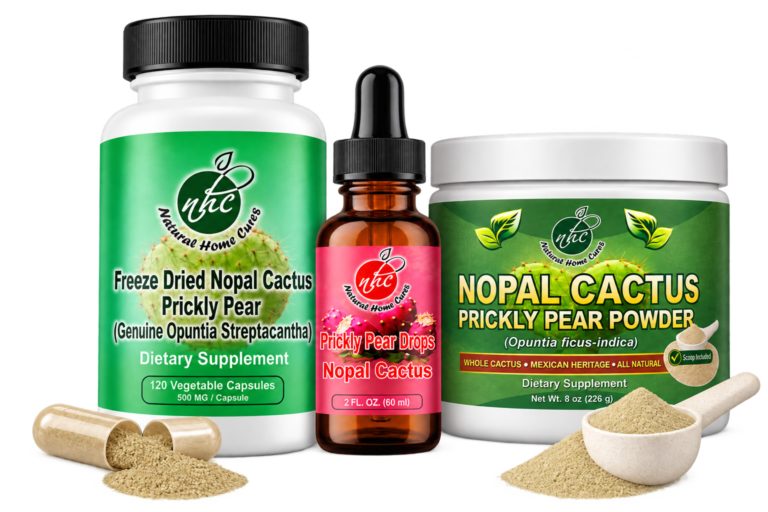
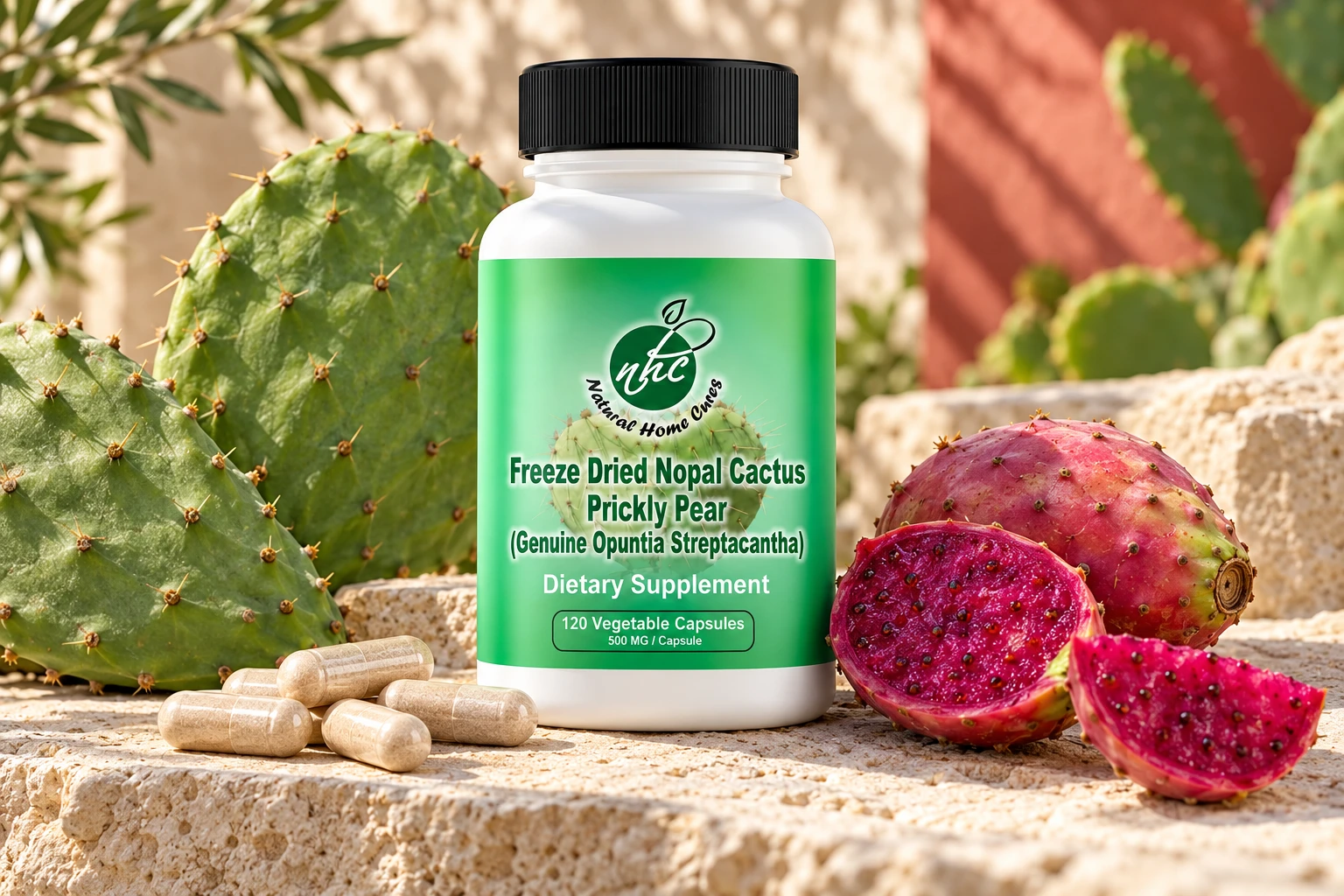
The Nopal used for our flagship Natural Home Cures Freeze-Dried Nopal Powder Capsules is Opuntia streptacantha.
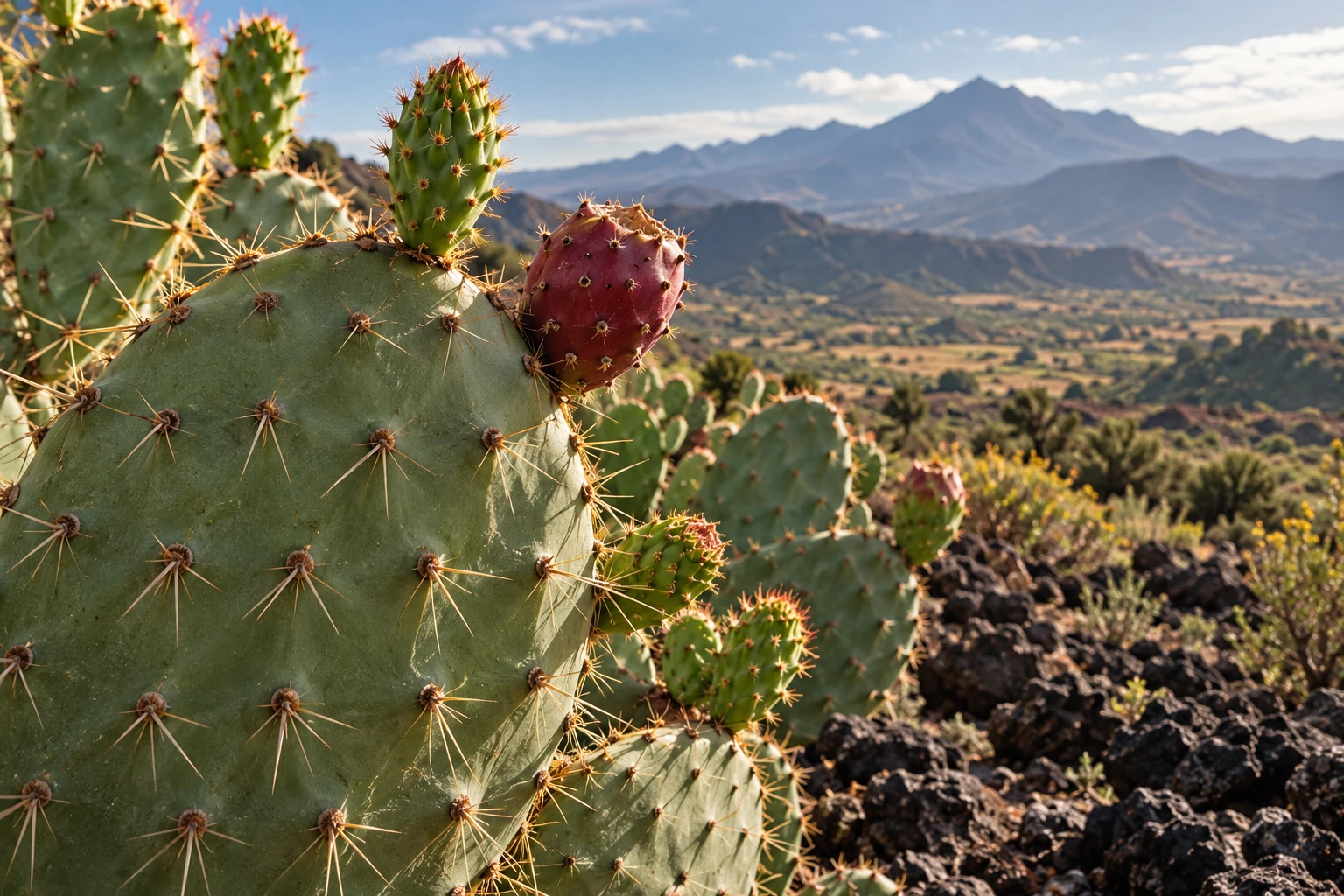
This species grows on our own farms high in the mountains of Mexico.
When we discuss Opuntia research, we are exploring this genus and the remarkable chemistry scientists have discovered within it.
What Is Ferulic Acid?
Scientists group plant compounds into families according to their chemical structures. Here is where ferulic acid fits in that larger picture:
Phytonutrients → Polyphenols → Phenolic acids → Ferulic acid
This classification helps us understand the molecule’s relationship to other plant compounds. It does not tell us how much ferulic acid a particular Nopal plant or finished capsule contains.
From Caffeic Acid to Ferulic Acid
acidFerulic
acid
Caffeic acid and ferulic acid are related phenolic compounds. Plants use enzymes to build and modify these molecules through interconnected chemical pathways. (2)
This is one reason scientists study families of plant compounds rather than treating each as a completely separate ingredient.
Ferulic Acid Has Been Identified in Nopal
in the cited study
In a 2010 study, researchers compared ten Nopal varieties from Mexico. The terms commercial and wild describe where the researchers obtained the cactus pads:
- Two commercial varieties: Blanco and Manso. These were cultivated Nopal varieties purchased from a local market in Guanajuato, Mexico.
- Eight wild varieties: Amarillo, Blanco, Cristalino, Duraznillo, Morado, Tapón I, Tapón II and Tempranillo. The researchers collected these cactus pads from wild-growing plants in the high plateau regions of San Luis Potosí and Zacatecas.
By analyzing both groups, the researchers could compare the natural chemical composition of the cactus pads. They identified six phenolic acids. (1)
- Gallic acid
- Coumaric acid
- 3,4-Dihydroxybenzoic acid
- 4-Hydroxybenzoic acid
- Ferulic acid
- Salicylic acid
The key finding: ferulic acid was detected in all ten Nopal varieties, although the amounts varied. (1) Not every variety contained all six phenolic acids.
This helps explain why researchers study different Opuntia varieties: their natural chemical profiles can differ, even when the plants belong to the same cactus genus.
Different Nopal Varieties Have Different Profiles
Although ferulic acid was identified in every variety analyzed, the researchers found different amounts in the different cactus samples. (1)
Some varieties contained more than others.
The same was true for many of the other phenolic acids and flavonoids they studied.
This tells us something important about plants:
They are living biological systems—not factory-made materials with perfectly identical chemical profiles.
Species can matter.
Variety can matter.
The age of the cactus pad can matter.
The soil, sunlight, temperature and available water can all become part of the plant’s growing story.
That natural variation is one of the reasons we find Nopal so interesting.
Each cactus grows within an environment, responds to that environment and produces its natural compounds as part of staying alive.
Why Does a Plant Produce Ferulic Acid?
A Nopal cactus does not produce ferulic acid for our benefit.
It produces ferulic acid as part of its own living chemistry.
Ferulic-acid-related compounds participate in processes involving:
- Plant growth
- Physical structure
- Cell-wall chemistry
- Natural defense
- Responses to sunlight
- Responses to environmental conditions
- The production of other plant compounds (2), (3)
This helps us see ferulic acid as more than a chemical name on a laboratory report.
It is part of the way a living plant grows, strengthens itself and interacts with the world around it.
Ferulic Acid and Plant Structure
Every plant is made from countless cells.
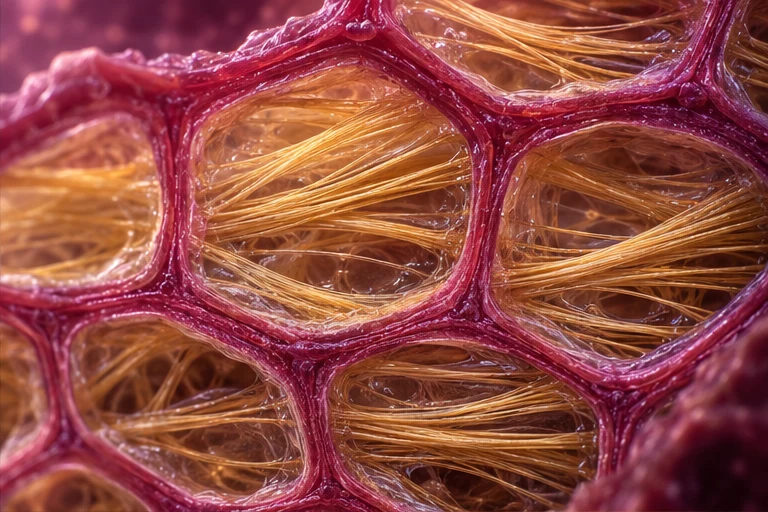
Around each plant cell is a firm outer layer called the cell wall.
Plant cell walls provide support and help the plant maintain its shape.
They are one reason a Nopal pad can stand upright rather than collapsing under its own weight.
Ferulic-acid-related compounds participate in the chemistry that connects and reinforces materials within plant cell walls. (2), (3)
Ferulic acid is also connected with the larger chemical pathways involved in producing lignin.
Lignin is a complex material that helps strengthen portions of a plant’s structure.
This gives ferulic acid a fascinating physical connection to the plant itself.
A molecule that sounds abstract and scientific is connected to something we can see and touch:
the strength and structure of a living plant.
Ferulic Acid and Antioxidant Chemistry
Ferulic acid has also attracted scientific attention because of the way it behaves during antioxidant experiments. (4)
Oxidation is a normal chemical process.
Inside the laboratory, researchers can study how ferulic acid interacts with unstable molecules involved in oxidation reactions.
The structure of ferulic acid allows it to participate in those reactions and helps explain why scientists continue studying it.
For customers, the important point is not that ferulic acid should be treated as an isolated miracle ingredient.
The more interesting story is that Nopal contains an entire community of naturally occurring plant compounds with their own structures, relationships and functions.
Ferulic acid is one part of that much larger community.
More Than One Interesting Compound
When researchers examine Nopal cactus, they do not find only ferulic acid.
They find a broad natural profile that can include:
- Phenolic acids
- Flavonoids
- Betalain pigments
- Amino acids
- Vitamins
- Minerals
- Fiber
- Pectin
- Numerous additional plant compounds
Each compound gives us another way to understand the cactus.
But the compounds do not grow separately.
They develop together inside the same living plant.
That is why Natural Home Cures is interested in the whole Nopal cactus, rather than building its flagship product around one isolated chemical ingredient.
Our Nopal Grows High in the Mountains
Our Nopal capsule story begins on our own mountain farms in Mexico, where Opuntia streptacantha grows at approximately 2,500 meters (8,200 feet) above sea level, on mountainsides with rich volcanic soil.
Sunlight, rainfall, temperature and soil conditions are part of the cactus’s growing environment. As it grows, the cactus maintains a complex network of natural plant chemistry.
Ferulic acid is one phenolic acid researchers have found in the wider Opuntia genus. Findings from other varieties do not by themselves establish its amount in our finished capsules.
Why Our Farms Matter
Because Natural Home Cures owns the farms, our involvement begins before harvest. We stay connected with the growing cactus, its harvest and the preparation of our capsule ingredients.
That connection is part of our approach to a whole-cactus botanical product—not evidence that any particular compound has a fixed concentration.
Preparing Nopal for Our Capsules
Fresh Nopal pads contain considerable water. For our capsules, the harvested cactus is freeze-dried: the pads are frozen and moisture is removed under controlled conditions.
The resulting botanical powder comes from cactus material rather than isolated ferulic acid. Freeze-drying is a processing method, not a guarantee of a specific ferulic acid amount.
The Whole Botanical Matrix
A whole botanical matrix means the naturally occurring parts of the cactus are present together. Nopal includes fiber, minerals, amino acids, pigments and many types of plant compounds.
Ferulic acid belongs to that broader picture. Studying it helps explain one aspect of Nopal’s chemistry without making it the sole reason to value the plant.
What the Research Can Tell Us
Laboratory studies can identify ferulic acid and compare it across different Opuntia varieties. They do not establish how much ferulic acid is in an individual bottle of our capsules.
To determine a finished product’s content, that product would need its own appropriate testing. The sound scientific takeaway is that ferulic acid is part of the diverse chemistry found in Nopal—not a stand-alone miracle ingredient.
Another Piece of the Nopal Story
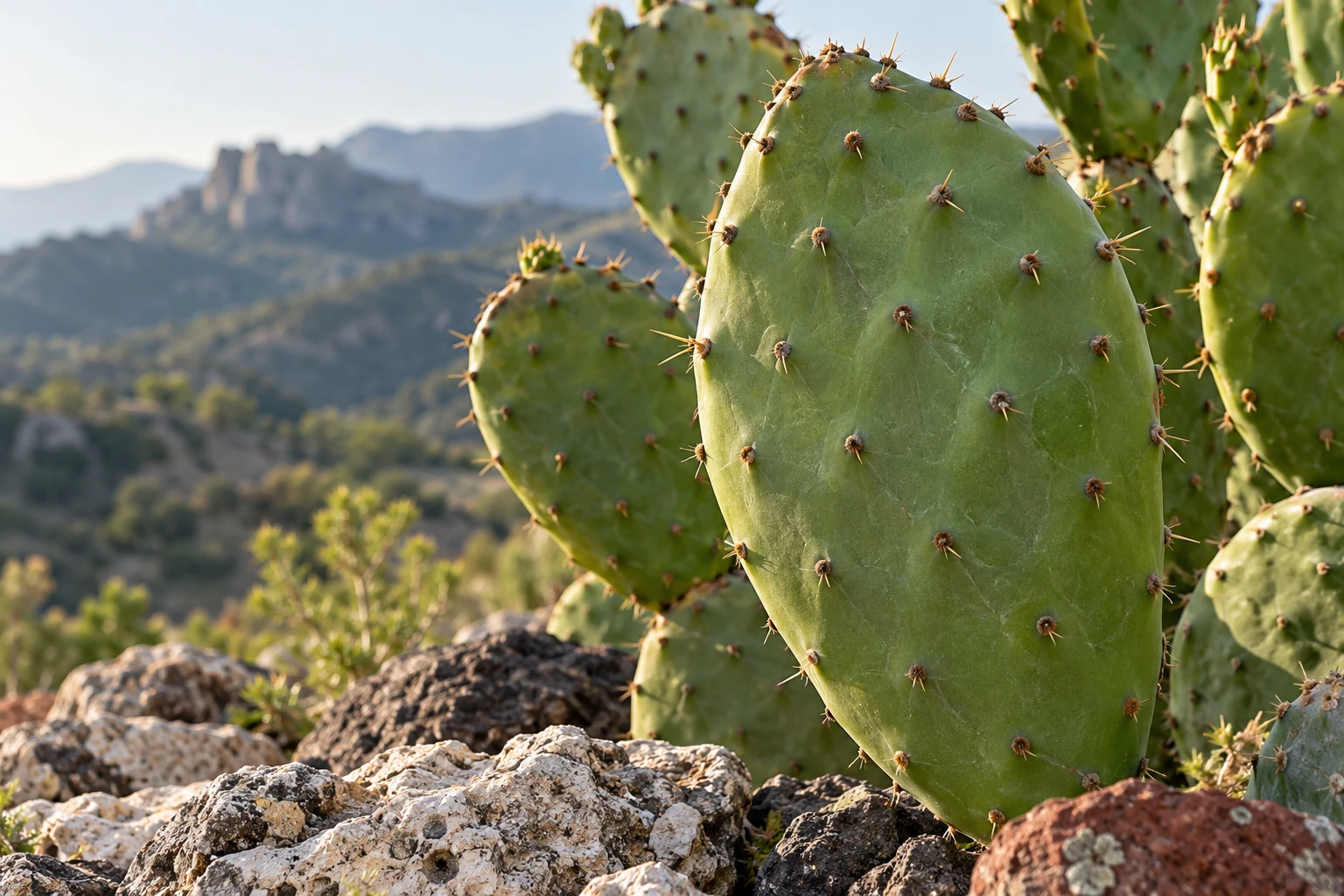
From the outside, a Nopal pad may look simple: green, thick and covered with spines. Inside is a living plant with many natural compounds and chemical pathways.
Researchers have identified ferulic acid and other phenolic compounds in Opuntia species. (1), (5) Understanding these individual compounds helps us appreciate the whole cactus growing on our mountain farms.
FROM CACTUS TO PRODUCT
Keep the botanical
in the story.
Freeze-dried Nopal cactus capsules.
Explore our Nopal →The research behind this articleSource References
- 01Research referenceProximate Composition, Phenolic Acids, and Flavonoids Characterization of Commercial and Wild Nopal (Opuntia spp.).View source
Full citation
Guevara-Figueroa T, Jiménez-Islas H, Reyes-Escogido ML, et al. “Proximate Composition, Phenolic Acids, and Flavonoids Characterization of Commercial and Wild Nopal (Opuntia spp.).” Journal of Food Composition and Analysis. 2010;23(6):525–532. - 02Research referencePhenylpropanoid Biosynthesis.View source
Full citation
Vogt T. “Phenylpropanoid Biosynthesis.” Molecular Plant. 2010;3(1):2–20. - 03Research referencePhenolic Cross-Links: Building and De-Constructing the Plant Cell Wall.View source
Full citation
Mnich E, Bjarnholt N, Eudes A, et al. “Phenolic Cross-Links: Building and De-Constructing the Plant Cell Wall.” Natural Product Reports. 2020;37:919–961. - 04Research referenceFerulic Acid: Therapeutic Potential Through Its Antioxidant Property.View source
Full citation
Srinivasan M, Sudheer AR, Menon VP. “Ferulic Acid: Therapeutic Potential Through Its Antioxidant Property.” Journal of Clinical Biochemistry and Nutrition. 2007;40(2):92–100. - 05Research reviewCactus Stems (Opuntia spp.): A Review on Their Chemistry, Technology, and Uses.View source
Full citation
Stintzing FC, Carle R. “Cactus Stems (Opuntia spp.): A Review on Their Chemistry, Technology, and Uses.” Molecular Nutrition & Food Research. 2005;49(2):175–194.