NATURAL HOME CURES · NOPAL SCIENCE
Folate
& Nopal
Vitamin B9. A story of cells, renewal and the living cactus.
Explore the science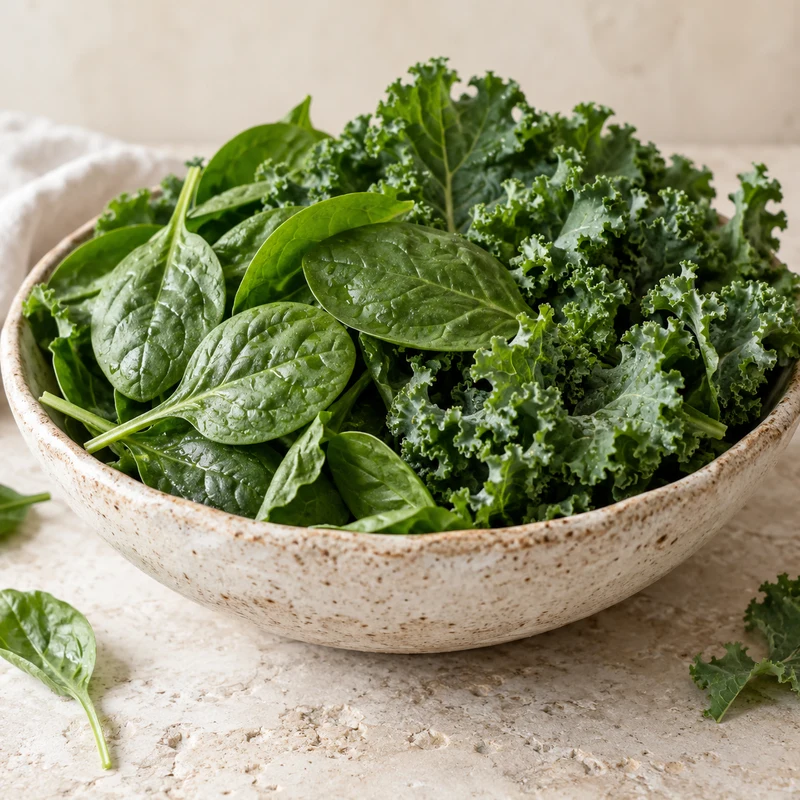
Folate is an essential, water-soluble B vitamin, commonly known as vitamin B9.(1)
It's particularly important whenever the body is making new cells.
Folate participates in DNA production, cell division and the formation of normal red blood cells.(1), (2)
That makes it important throughout life, but especially during periods when cells are growing and dividing rapidly.
And folate has a natural connection with Nopal cactus and prickly pear.
Folate or Folic Acid—What's the Difference?
The terms folate and folic acid are often used as though they're interchangeable.
They're related, but there's a useful distinction.
Folate is the general name for vitamin B9, including naturally occurring food folates and forms used in fortified foods and supplements.
Folic acid is a synthetic form commonly used in fortified foods and dietary supplements.(1)
The body ultimately converts these different forms into compounds it can use.
So when we're talking about naturally occurring vitamin B9 in plant foods such as Nopal, folate is the more appropriate term.
What Does Folate Do?
Every time a cell divides, it needs to copy its DNA.
Folate participates in the chemical reactions needed to make the building blocks used in that DNA.(1), (2)
Think about how often cells throughout the body need to be replaced.
Blood cells are produced continuously.
Cells lining the digestive tract turn over rapidly.
Skin cells are continually replaced.
Folate becomes part of the chemistry that allows normal cell division to happen.
Folate and Red Blood Cells
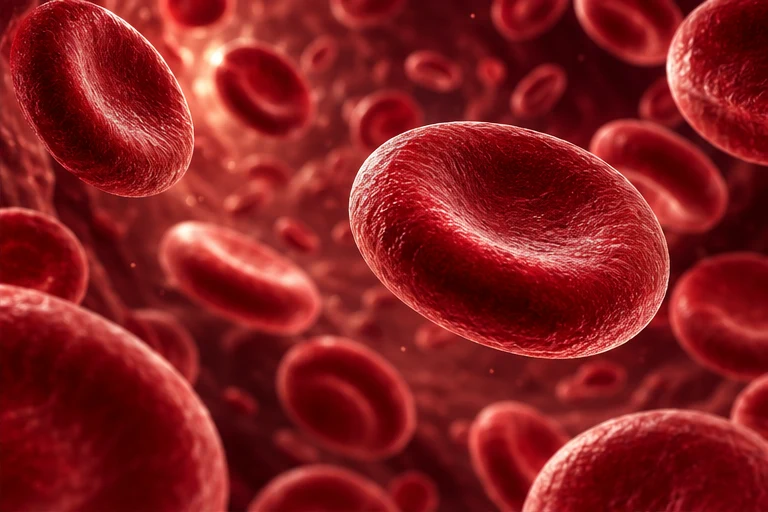
Folate also has an important relationship with red blood cells.
Bone marrow continuously produces new blood cells.
Because these developing cells divide rapidly, they depend on nutrients involved in DNA synthesis—including folate.(1), (3)
When folate intake is inadequate, normal red blood cell formation can be disrupted.
This is another example of how something we need in very small quantities can participate in an enormous biological process.
Why Folate Matters During Pregnancy
Folic acid taken before conception and during early pregnancy helps reduce the risk of neural tube defects, which affect early development of the brain and spinal cord. (1) (4)
The U.S. Preventive Services Task Force recommends a daily supplement containing 400–800 micrograms of folic acid for people who plan to or could become pregnant, starting at least one month before conception and continuing through the first two to three months of pregnancy. (4)
That recommendation concerns folic acid supplementation, not an unspecified amount of naturally occurring folate in a cactus product. Our Nopal capsules are not a substitute for a prenatal vitamin or recommended folic acid.
People with a previous pregnancy affected by a neural tube defect or other high-risk circumstances need individualized guidance from their clinician; the standard recommendation does not cover those situations. (4)
Where Does Folate Come From?
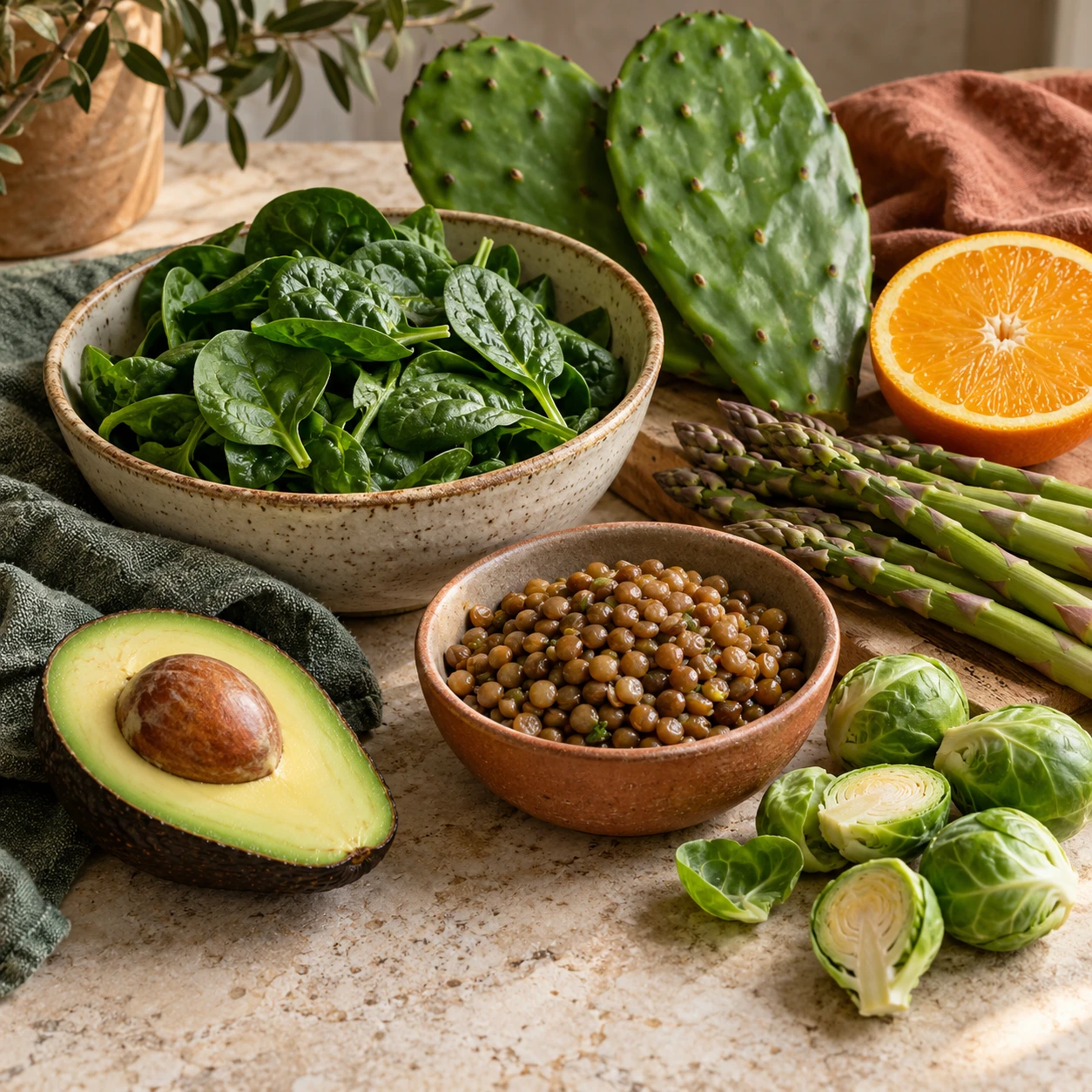
Folate occurs naturally in many foods, including:
- Dark green leafy vegetables
- Beans and lentils
- Peas
- Asparagus
- Avocado
- Brussels sprouts
- Citrus fruits
- Nuts and seeds
- Nopal pads (amount depends on the material tested)
Folic acid is also added to many fortified grain products.
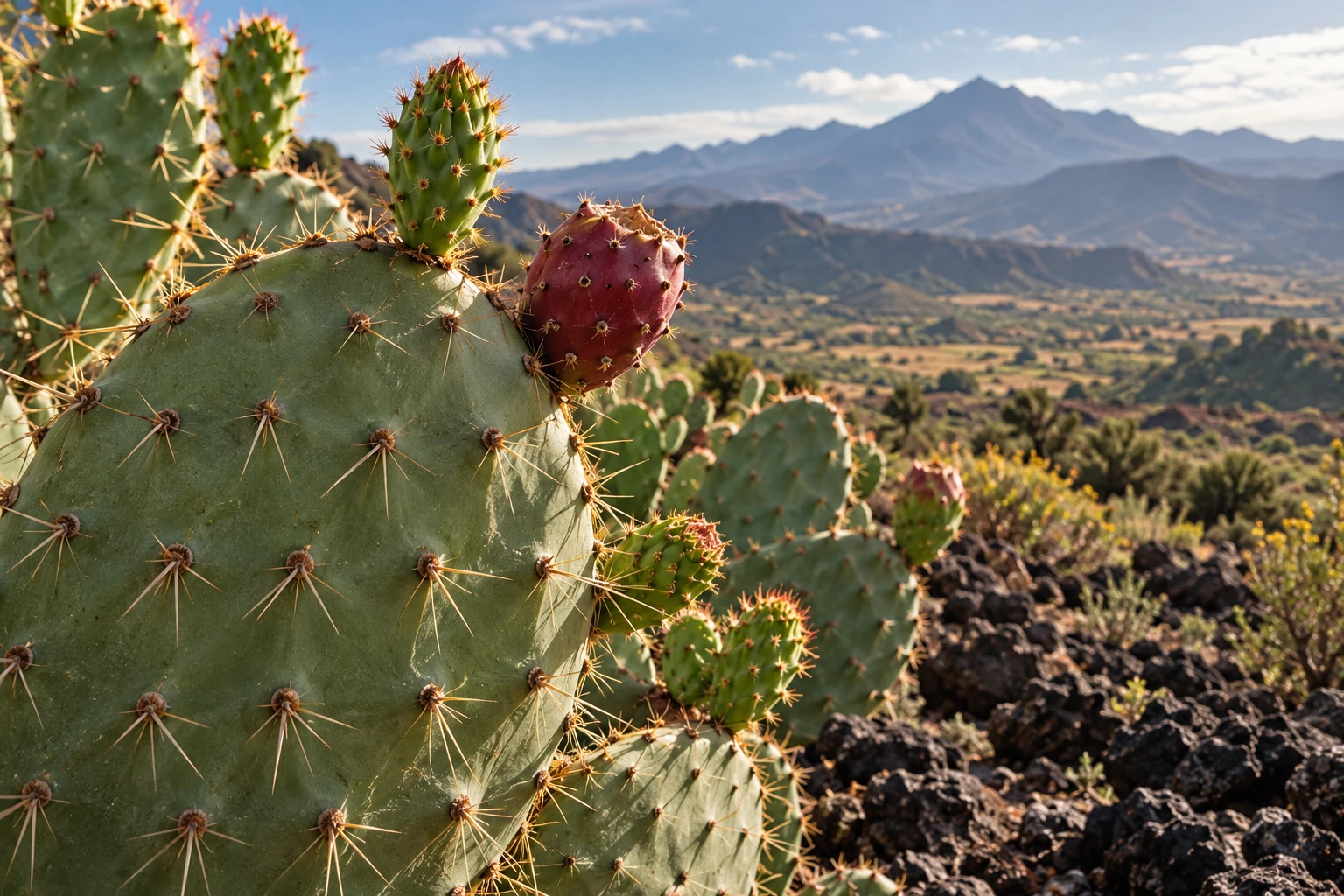
Folate has also been measured in Opuntia ficus-indica pads in a laboratory study. The amount in a particular cactus sample is a separate question from the amount supplied by a finished product. (7)
Folate in Nopal Cactus
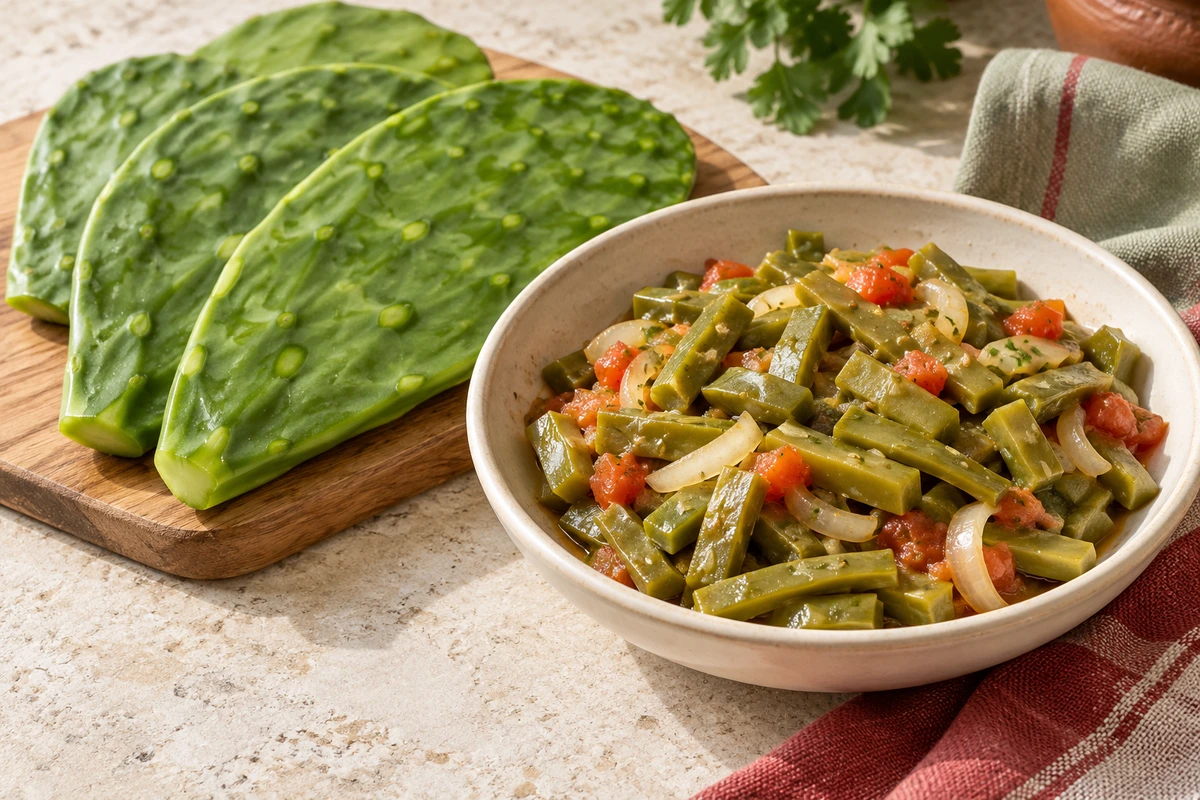
A 2010 laboratory study measured folate in Opuntia ficus-indica cladodes—the broad, flat cactus pads—using a microbiological assay and an enzyme-linked immunosorbent assay (ELISA). (7)
The study examined pads of different sizes and compared extraction and measurement methods. It was a food-composition study, not a trial of nutritional or pregnancy outcomes in people.
These results establish findings for the samples and methods used. They do not measure folate in our freeze-dried Opuntia streptacantha capsules, establish folate per serving, or show that a serving meets daily folate needs.
Species, plant part, preparation and serving size must remain clear when connecting cactus research with a finished product.
A Vitamin Built Around Growth and Renewal
There's an easy way to remember why folate matters:
Think about new cells.
When cells divide, DNA has to be copied.
When the body makes new blood cells, those developing cells have to divide.
During early development, enormous amounts of carefully controlled cell division are taking place.
Folate participates in the chemistry behind these processes.(1), (2)
It's not a growth stimulant.
It's one of the nutrients the body's normal cellular machinery requires to do its work.
From Our Farms to Natural Home Cures
Our flagship Freeze-Dried Nopal Powder Capsules begin with Opuntia streptacantha pads grown on our own farms.
We're connected with our Nopal before it becomes a finished powder.
After harvesting, our cactus is freeze-dried as part of preparing it for our capsules.
Freeze-drying prepares the pads for milling and encapsulation. This process does not, by itself, establish the folate content of the finished powder.
That's the Natural Home Cures farm-to-product story behind our flagship Nopal Powder Capsules.
More Ways to Explore Nopal and Prickly Pear
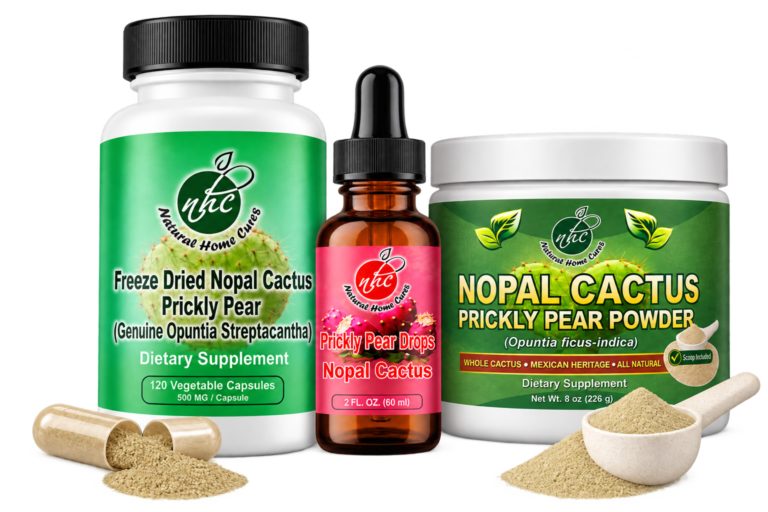
Our flagship Natural Home Cures Freeze-Dried Nopal Powder Capsules remain at the center of our Nopal line.
Natural Home Cures also offers Nopal Powder and Prickly Pear Drops.
Together, these products give customers several ways to explore Nopal cactus and prickly pear.
And the more closely we examine the cactus, the more apparent its nutritional complexity becomes.
What Folate Does in the Body
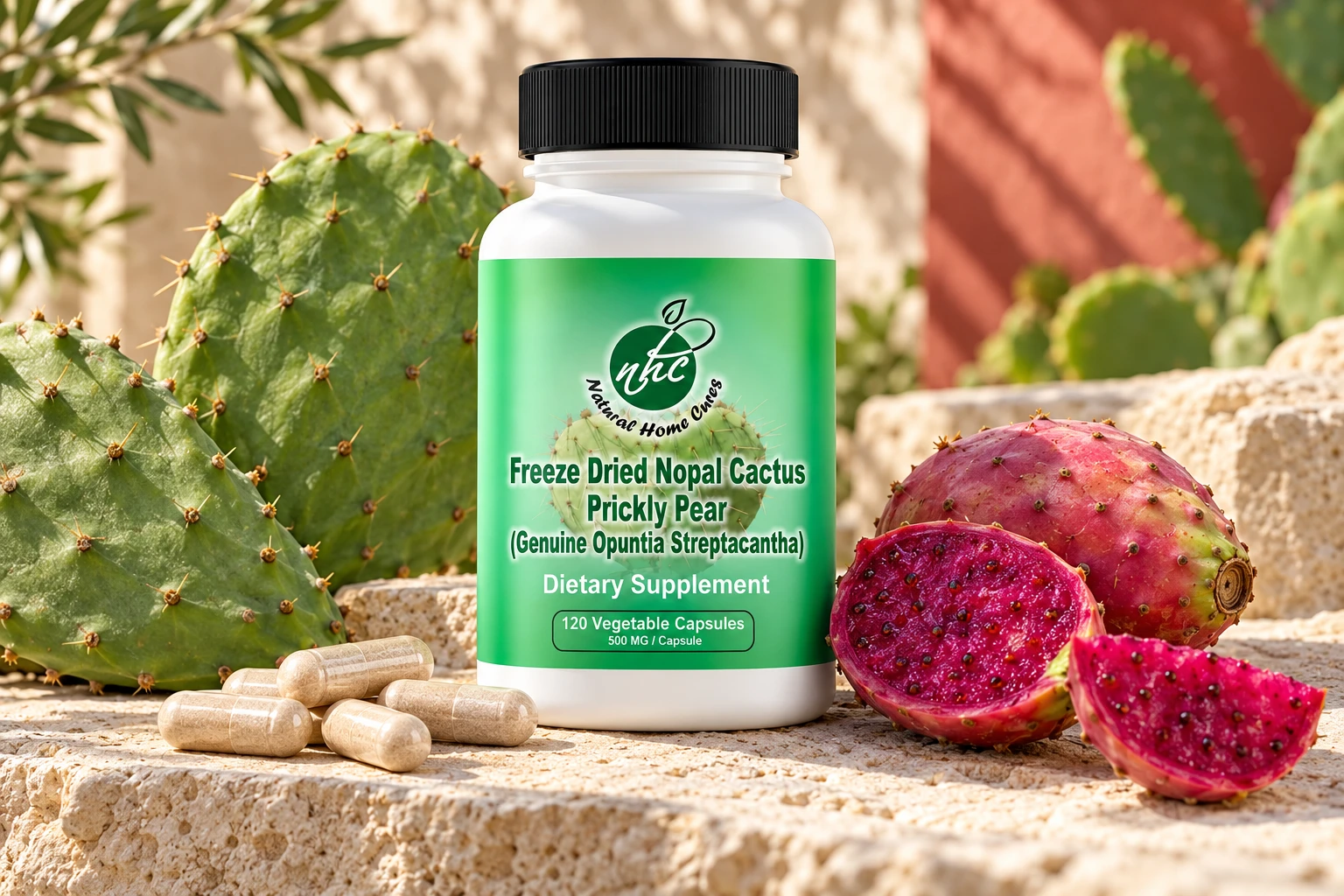
FROM CACTUS TO PRODUCT
Keep the botanical
in the story.
500 mg of freeze-dried Nopal pad powder per capsule. This is the total botanical amount, not a measured folate dose.
Explore our Nopal →The research behind this articleSource References
- 01Nutrition referenceFolate — Fact Sheet for Health Professionals.View source
Full citation
National Institutes of Health, Office of Dietary Supplements. “Folate — Fact Sheet for Health Professionals.” - 02Research reviewBiomarkers of Nutrition for Development—Folate Review.View source
Full citation
Bailey LB, Stover PJ, McNulty H, et al. “Biomarkers of Nutrition for Development—Folate Review.” Journal of Nutrition. 2015;145(7):1636S–1680S. - 03Clinical reviewMegaloblastic Anemias: Nutritional and Other Causes.View source
Full citation
Green R, Datta Mitra A. “Megaloblastic Anemias: Nutritional and Other Causes.” Medical Clinics of North America. 2017;101(2):297–317. - 04Public-health recommendationFolic Acid Supplementation to Prevent Neural Tube Defects.View source
Full citation
U.S. Preventive Services Task Force. “Folic Acid Supplementation to Prevent Neural Tube Defects.” JAMA. 2023;330(5):454–459. - 05Cactus composition reviewNopal Cactus (Opuntia ficus-indica) as a Source of Bioactive Compounds for Nutrition, Health and Disease.View source
Full citation
El-Mostafa K, El Kharrassi Y, Badreddine A, et al. “Nopal Cactus (Opuntia ficus-indica) as a Source of Bioactive Compounds for Nutrition, Health and Disease.” Molecules. 2014;19(9):14879–14901. - 06Cactus fruit reviewPhytochemical and Nutritional Significance of Cactus Pear.View source
Full citation
Stintzing FC, Schieber A, Carle R. “Phytochemical and Nutritional Significance of Cactus Pear.” European Food Research and Technology. 2001;212:396–407. - 07Laboratory food-composition studyDetermination of the Folate Content in Cladodes of Nopal (Opuntia ficus indica) by Microbiological Assay Utilizing Lactobacillus casei (ATCC 7469) and Enzyme-Linked Immunosorbent Assay.View source
Compared folate measurement methods in cactus pad samples. This was not a clinical study of Natural Home Cures products.