NATURAL HOME CURES · NOPAL SCIENCE
Phosphorus
& Nopal
From soil and roots to DNA, cell membranes and the energy of living cells.
Explore the science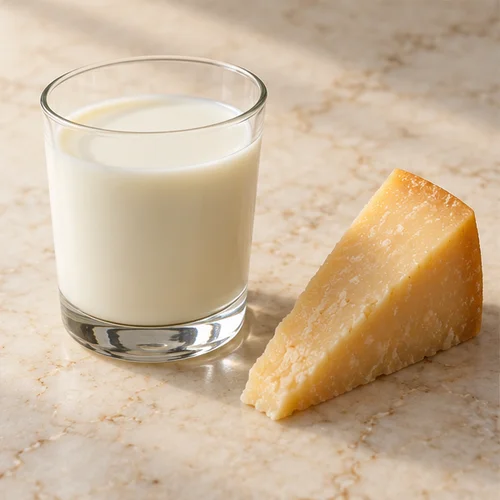
Phosphorus is the second most abundant mineral in the human body after calcium.(1)
Like calcium, much of it is found in our bones and teeth.
But phosphorus has another identity that’s easy to overlook.
It’s part of DNA.
It’s part of our cell membranes.
And it’s part of ATP, one of the primary molecules our cells use to transfer energy.(1), (2)
So phosphorus isn’t simply a structural mineral.
It’s woven into some of the most fundamental chemistry of life.
And phosphorus has a natural connection with Nopal cactus and prickly pear.
What Does Phosphorus Do?
an essential mineral
About 85% of the body’s phosphorus is found in bones and teeth, primarily combined with calcium.(1)
That gives our skeleton much of its mineral structure.
The remainder is distributed throughout our cells and tissues.
And that’s where phosphorus becomes particularly interesting.
Phosphorus-containing compounds participate in:
- Cellular energy transfer
- DNA and RNA structure
- Cell membranes
- Acid-base balance
- Cellular signaling
- Bone and tooth structure(1), (2)
Few minerals touch so many fundamental parts of biology.
Phosphorus Is Part of DNA
THE BACKBONE OF DNA
Sugar + phosphate
Alternating sugar and phosphate groups form the outer chains of DNA. Phosphate contains phosphorus.
DNA contains the genetic instructions used by our cells.
If you could zoom in on a DNA molecule, you’d find two long outer chains forming its famous double-helix structure.
Those chains contain alternating sugar and phosphate groups.(2), (3)
Phosphate contains phosphorus.
So phosphorus isn’t merely a mineral stored somewhere in the body.
It’s literally built into the structural backbone of the genetic material inside our cells.
Phosphorus Is Part of Our Cell Membranes
THE CELL’S BOUNDARY
A double layer
Phospholipids help form the membrane separating the inside of a cell from its surroundings.
Every cell in the body is surrounded by a membrane.
One of the major building blocks of those membranes is a group of molecules called phospholipids.(2)
The name gives away part of the story:
Phospho refers to phosphate.
These molecules arrange themselves into a double layer that helps separate the inside of a cell from the world around it.
So from brain cells to muscle cells to skin cells, phosphorus becomes part of the boundary helping define each individual cell.
Phosphorus and Cellular Energy
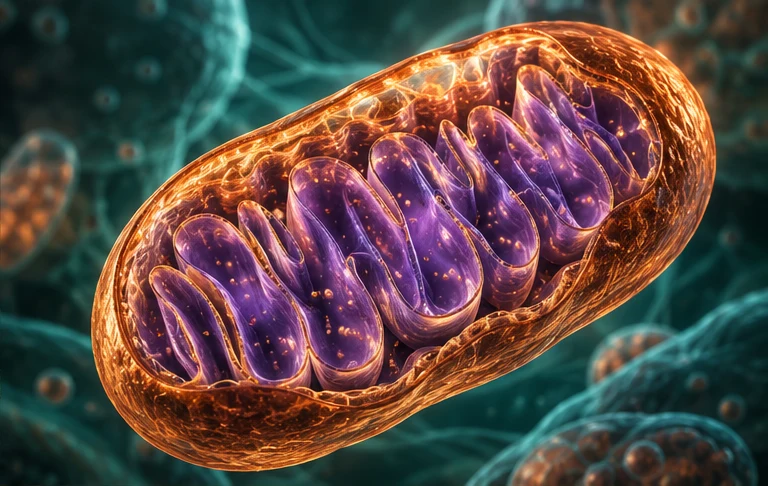
Then there’s ATP.
ATP stands for adenosine triphosphate.
"Tri" means three.
And those three are phosphate groups.(2), (4)
Cells use ATP to transfer energy from one biological process to another.
When chemical bonds involving those phosphate groups are changed, energy can be transferred for cellular work.
Muscle contraction.
Active transport.
Building molecules.
Maintaining cells.
ATP is involved throughout biology.
And phosphorus sits right inside the molecule.
Where Does Phosphorus Come From?
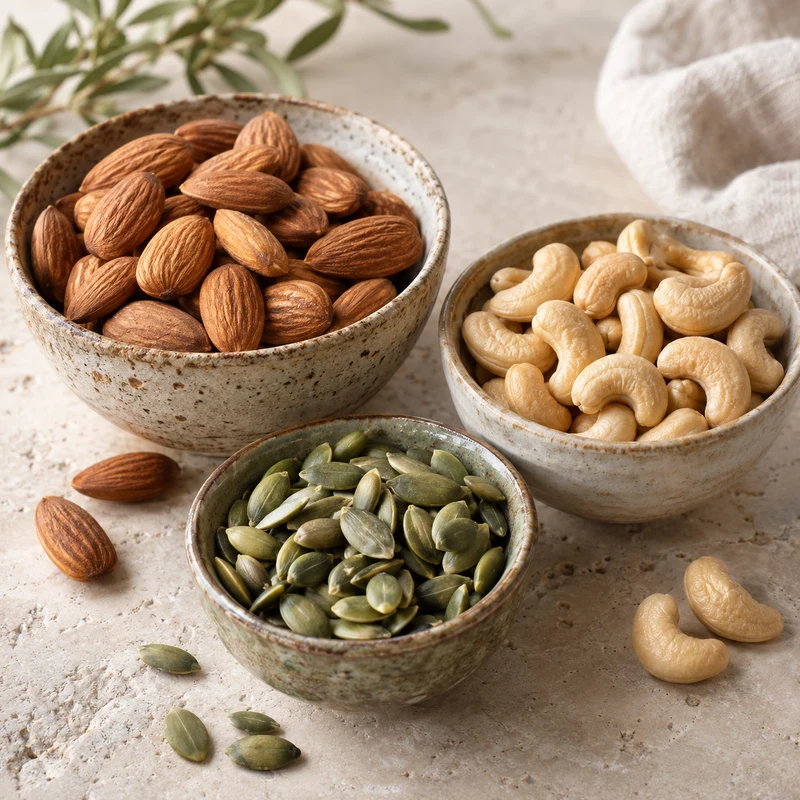
Phosphorus occurs naturally in many foods, including:
- Meat
- Poultry
- Fish
- Milk and dairy products
- Eggs
- Beans and lentils
- Nuts and seeds
- Whole grains
- Certain vegetables
- Nopal cactus and prickly pear
Scientific analyses of Nopal cactus and prickly pear materials have identified phosphorus among the naturally occurring minerals in the plant.(5), (6)
Phosphorus in Nopal Cactus
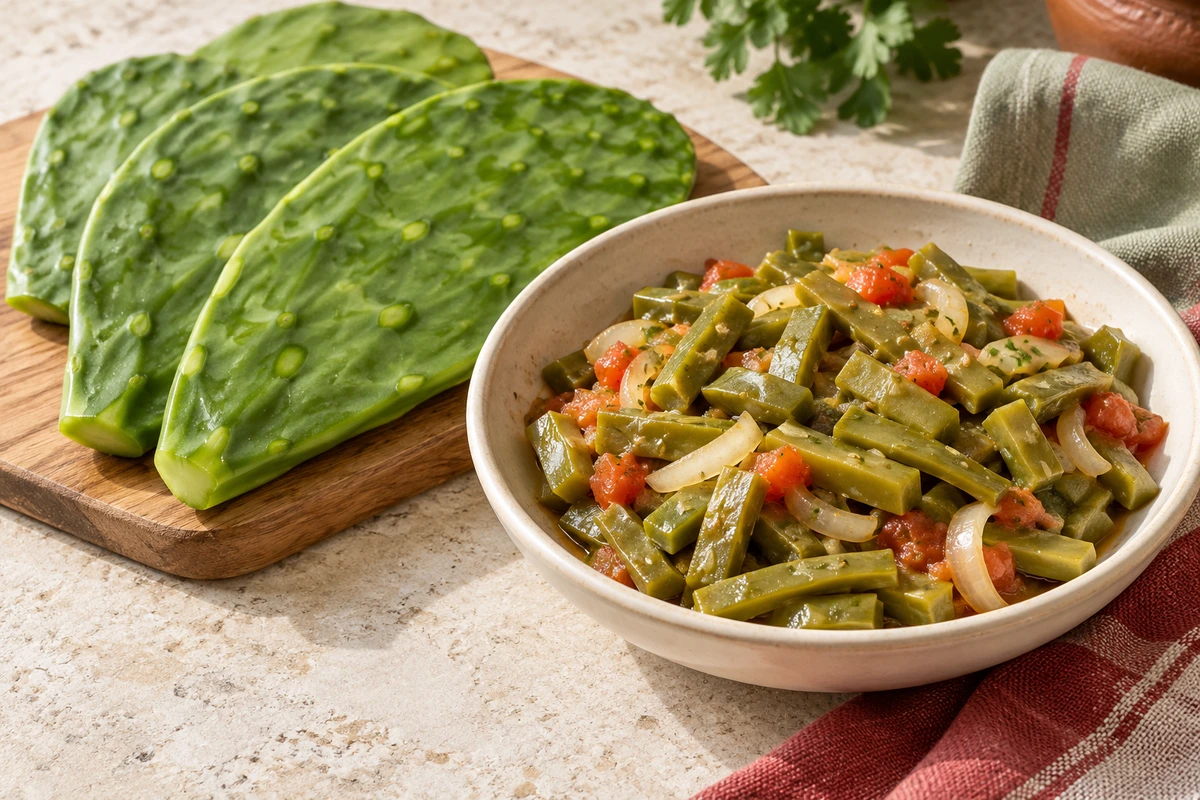
Researchers studying Nopal cactus and prickly pear have identified a varied mineral profile that includes phosphorus along with minerals such as calcium, magnesium and potassium.(5), (6)
Those minerals are part of the plant’s own biology long before we ever think about them as human nutrients.
Plants need phosphorus too.
In fact, phosphorus is essential for plant growth.
That gives us another opportunity to follow a mineral through two very different worlds:
The biology of the cactus.
And the biology of the person learning about it.
Plants Need Phosphorus Too
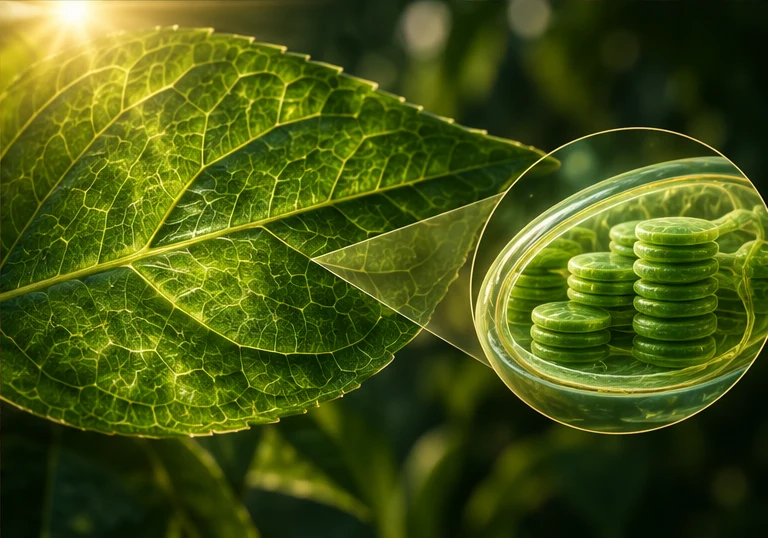
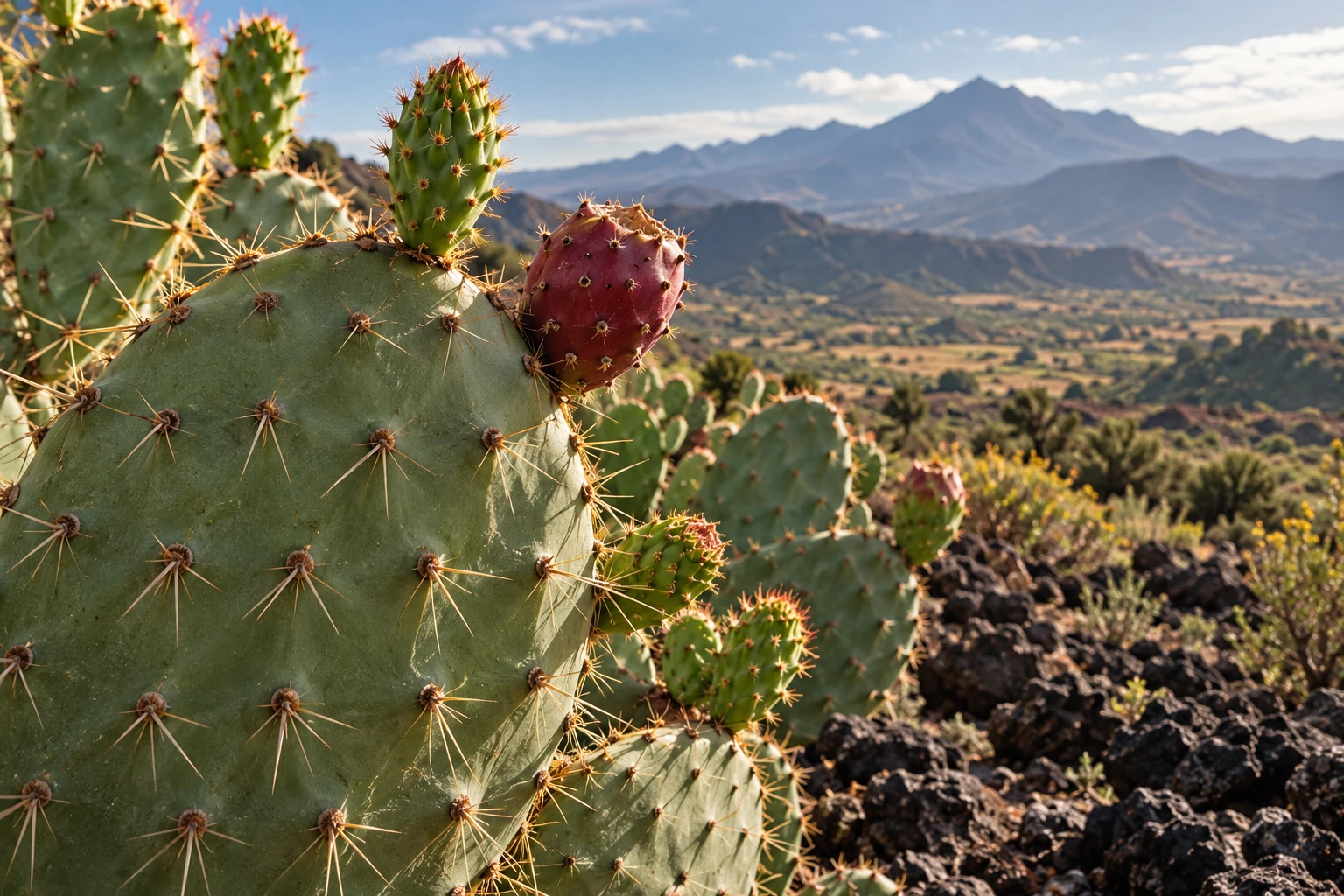
A Nopal cactus uses phosphorus in many of the same fundamental types of molecules we do.
Plant cells have DNA.
Plant cells have membranes.
Plant cells use ATP.
And plants need phosphorus to grow and reproduce.(7)
When a cactus develops a new pad, builds roots or produces flowers and fruit, its cells are dividing and creating new biological material.
Phosphorus becomes part of that process.
So before phosphorus ever becomes part of a nutritional analysis of Nopal, it has already been helping the cactus live and grow.
From the Soil Into the Cactus
A MINERAL’S JOURNEY
Soil → Roots → Cactus
Roots absorb phosphate, and plant cells use phosphorus in molecules needed for life.
Plants obtain phosphorus primarily through their roots in the form of phosphate.(7)
That phosphate ultimately originates in the soil.
Roots absorb it.
The plant transports it.
And its cells incorporate phosphorus into molecules needed for life.
That gives us a remarkable chain:
Soil → roots → cactus → plant cells.
By the time scientists measure phosphorus in Nopal, they’re seeing the result of a biological journey that began underground.
From Our Farms to Natural Home Cures
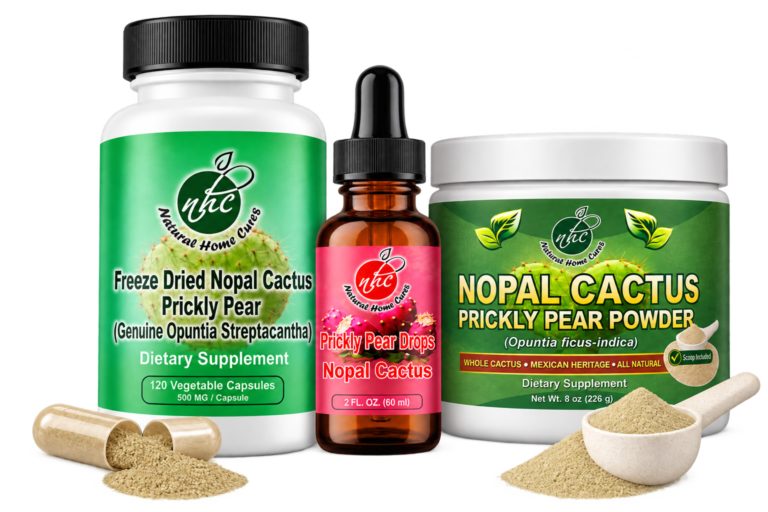
At Natural Home Cures, our flagship Freeze-Dried Nopal Powder Capsules begin with prickly pear cactus growing on our own farms.
That means the phosphorus story begins before harvest.
It begins in the soil and roots of the living cactus.
After harvesting, our Nopal is freeze-dried as part of preparing it for our capsules.
Our goal is to preserve the character of the cactus we grow as closely as practical while creating a convenient finished Nopal product.
For us, understanding Nopal means understanding where the plant came from—not simply what happens after it reaches a bottle.
The Natural Home Cures Nopal Family
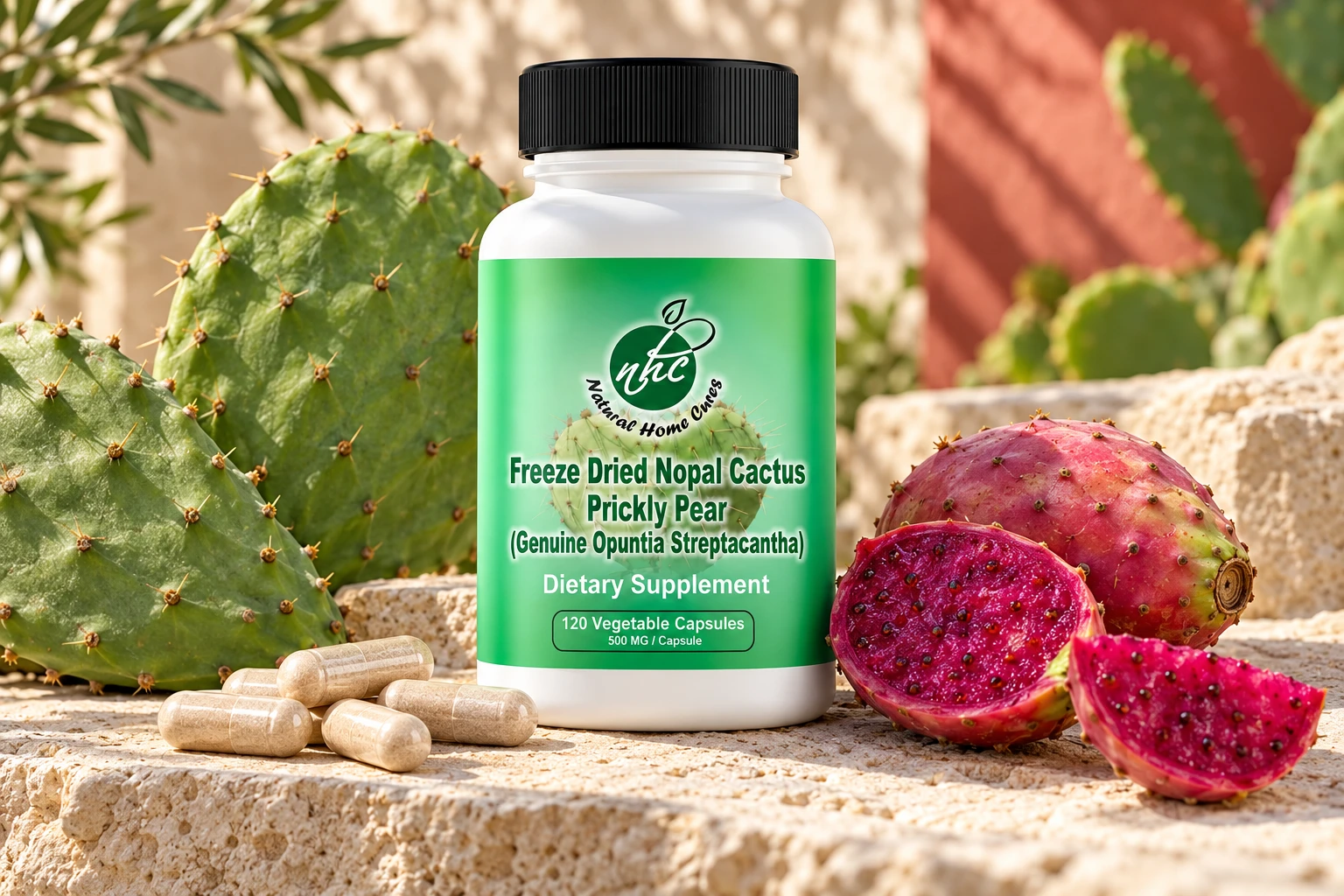
Our flagship Natural Home Cures Freeze-Dried Nopal Powder Capsules remain at the center of our Nopal line.
Natural Home Cures also offers Nopal Powder and Prickly Pear Drops.
Together, they give customers several ways to explore Nopal cactus and prickly pear.
And phosphorus gives us another example of how much science can be hidden inside a cactus pad.
From Soil to DNA
Phosphorus begins as a mineral nutrient available to the plant.
A Nopal cactus absorbs phosphate through its roots.
The plant uses phosphorus in ATP, cell membranes and genetic material.(7)
Our bodies use phosphorus in many of those same fundamental biological structures.(1), (2)
That’s an extraordinary connection.
And within Nopal cactus and prickly pear, phosphorus becomes another part of the larger collection of naturally occurring minerals and plant compounds researchers have identified.(5), (6)
For Natural Home Cures, that’s the story worth telling:
Not simply what’s inside Nopal—but how the pieces fit into the remarkable biology of the whole cactus.
FROM CACTUS TO PRODUCT
Keep the botanical
in the story.
Freeze-dried Nopal cactus capsules.
Explore our Nopal →The research behind this articleSource References
- 01Source referencePhosphorus — Fact Sheet for Health Professionals.View source
Full citation
National Institutes of Health, Office of Dietary Supplements. “Phosphorus — Fact Sheet for Health Professionals.” - 02Source referencePhosphate Homeostasis and Its Role in Bone Health.View source
Full citation
Penido MGMG, Alon US. “Phosphate Homeostasis and Its Role in Bone Health.” Pediatric Nephrology. 2012;27:2039–2048. - 03Source referenceAlberts B, Johnson A, Lewis J, et al. Molecular Biology of the Cell. Garland Science.View source
Full citation
Alberts B, Johnson A, Lewis J, et al. Molecular Biology of the Cell. Garland Science. - 04Source referenceATP Synthesis and Storage.View source
Full citation
Bonora M, Patergnani S, Rimessi A, et al. “ATP Synthesis and Storage.” Purinergic Signalling. 2012;8(3):343–357. - 05Source referenceNopal Cactus (Opuntia ficus-indica) as a Source of Bioactive Compounds for Nutrition, Health and Disease.View source
Full citation
El-Mostafa K, El Kharrassi Y, Badreddine A, et al. “Nopal Cactus (Opuntia ficus-indica) as a Source of Bioactive Compounds for Nutrition, Health and Disease.” Molecules. 2014;19(9):14879–14901. - 06Source referenceCactus Stems (Opuntia spp.): A Review on Their Chemistry, Technology, and Uses.View source
Full citation
Stintzing FC, Carle R. “Cactus Stems (Opuntia spp.): A Review on Their Chemistry, Technology, and Uses.” Molecular Nutrition & Food Research. 2005;49(2):175–194. - 07Source referencePhosphorus Acquisition and Use: Critical Adaptations by Plants for Securing a Nonrenewable Resource.View source
Full citation
Vance CP, Uhde-Stone C, Allan DL. “Phosphorus Acquisition and Use: Critical Adaptations by Plants for Securing a Nonrenewable Resource.” New Phytologist. 2003;157(3):423–447.