How Clean Is Your Nopal?
Follow the Care Behind the Capsule
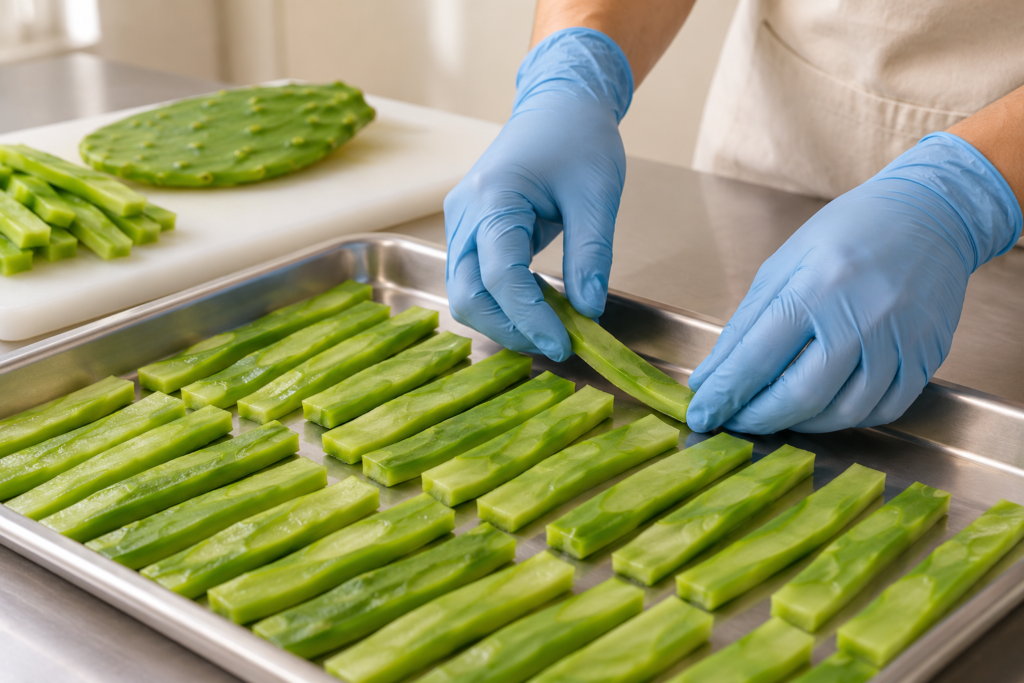
A green cactus pad has a story before it becomes a powder. Good questions begin at the farm and continue through preparation, storage, and the information on your bottle.
Before choosing a Nopal product, ask one simple question: “How clean is my Nopal?” Clear answers connect the plant, the preparation, and the records available for you to examine.
Begin with the right plant and plant part
The Natural Home Cures approach
Quality information you can put to use
01
Begin with the right plant and plant part
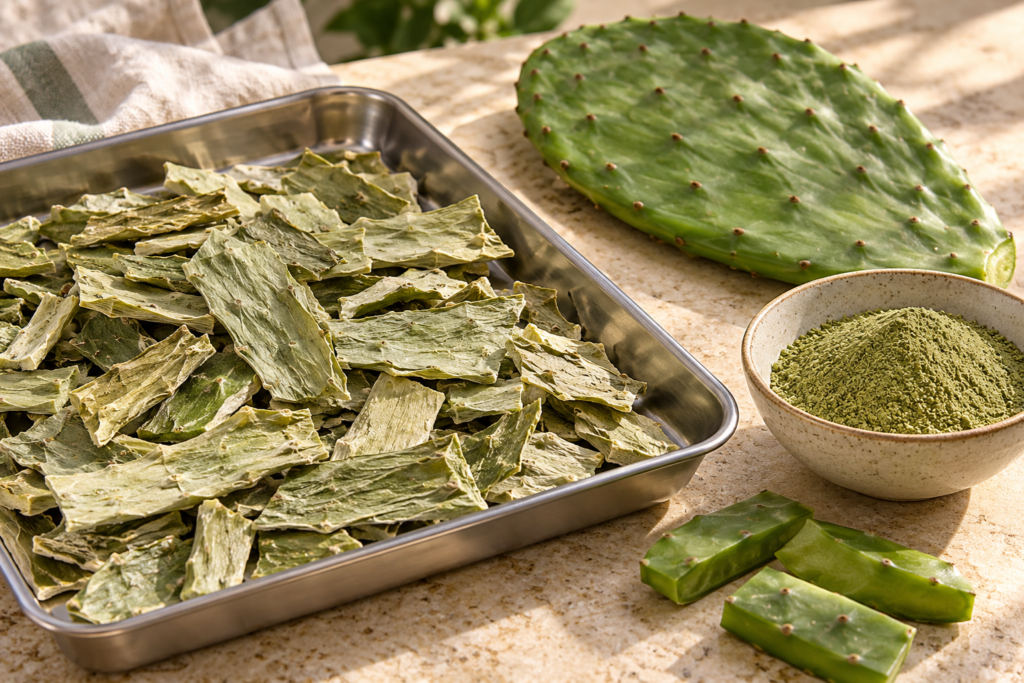
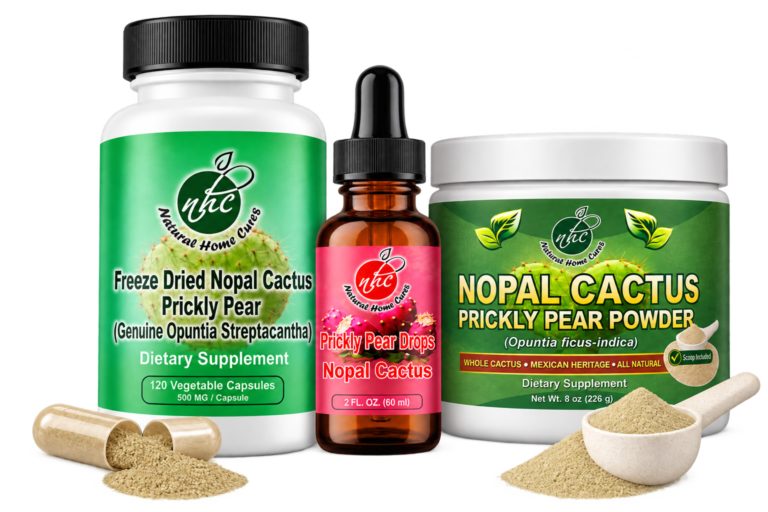
Nopal is a familiar common name, but botanical identity makes a product description more precise. Our capsule label identifies Opuntia streptacantha. The capsule preparation is based on the green pad.
Our separately sold Nopal powder uses Opuntia ficus-indica and is not freeze-dried. The species and preparation can affect what a product contains, so research on one preparation does not automatically describe another.
02
Quality begins at the source
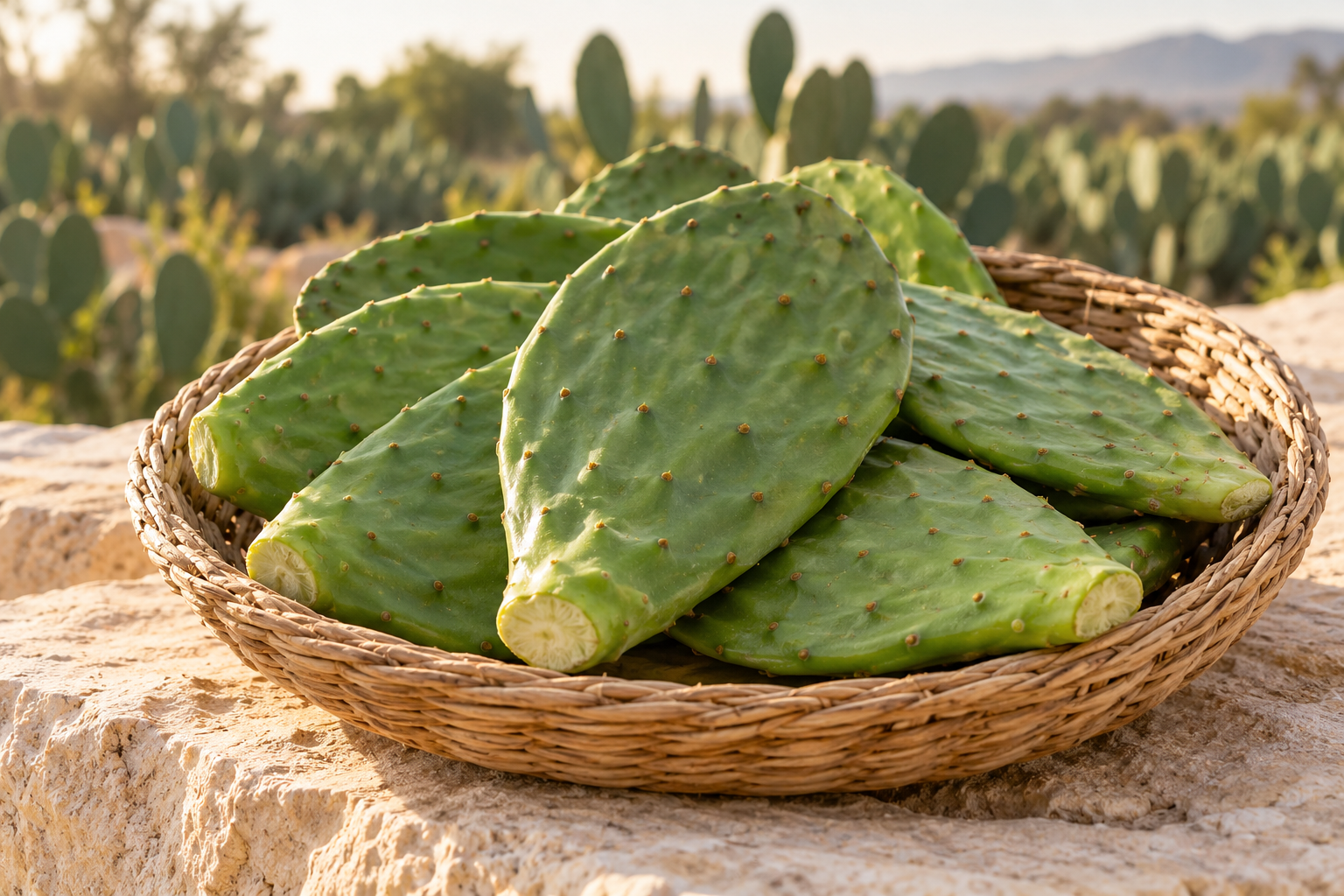
Our farms in Central Mexico are the beginning of our Nopal story. Knowing the source gives you a place to begin questions about growing practices, handling, and the path from harvest to preparation.
The cactus’s resilience does not make every harvest automatically free of contamination. A natural origin and a clean-looking pad are starting points for questions, not substitutes for relevant records.
03
Care continues after harvest
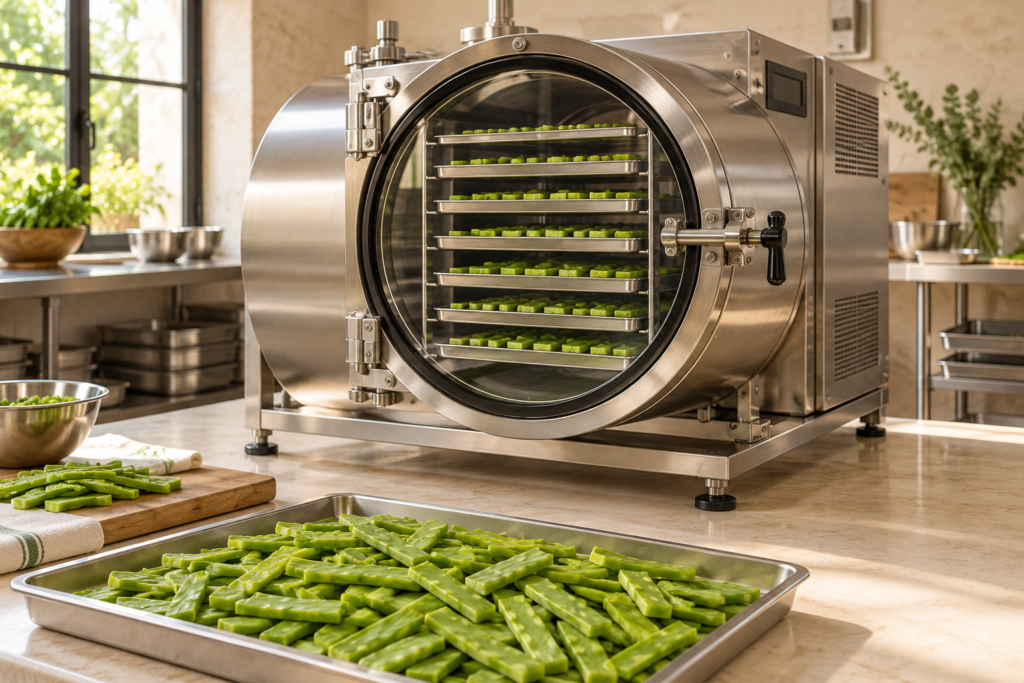
Pads need careful preparation before drying. Clean handling, suitable equipment, and protection during storage all contribute to how botanical material is managed. Drying removes moisture; it should not be presented as a guarantee that all possible contaminants have been removed.
The same care matters after milling. Powder can look uniform while still needing appropriate identification, handling, and packaging. Good information follows the material through those changes.
04
The Natural Home Cures approach
Our Nopal story begins on our farms in Central Mexico. For our capsules, that story continues with Opuntia streptacantha, freeze-dried green pad powder, and a clearly stated amount per serving.
We want you to be able to follow that care from the plant to the finished bottle. Read the label, explore the preparation, and contact our team when you need more information.
05
Quality information you can put to use
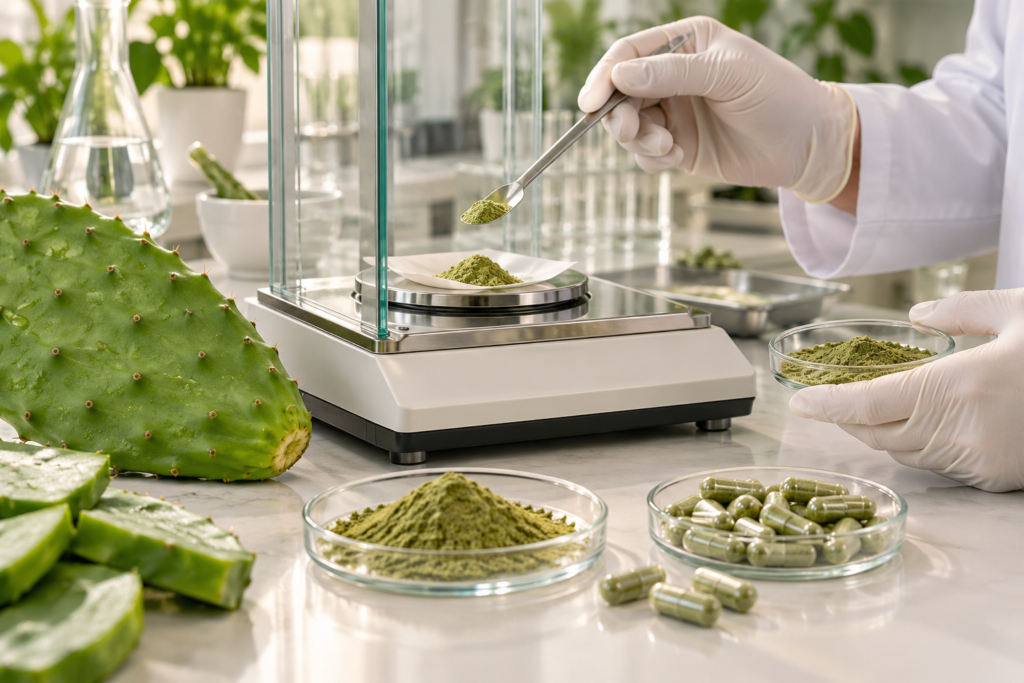
A Certificate of Analysis, or COA, is most useful when it identifies the sample or batch, explains the tests used, and reports the results and the limits used to judge them. Testing for pesticide residues answers a different question from testing for microbes or particular metals.
U.S. supplement manufacturing rules cover the identity of the ingredients, their purity and amounts, what the product contains, and limits on contamination. Specific records tell you more than a general claim that a product is simply “tested.” (1)
If you need quality information before choosing, contact our team and ask about the document you need.
06
Organic wording and testing are different
01
Read the wording
Our capsule label uses the wording “Organic Freeze Dried Nopal Cactus.” Organic certification and a COA answer different questions. Certification identifies the farm, business, or products covered by an organic standard. A COA reports test results for a particular sample. (2), (3)
02
Match the document to the claim
The word “organic” does not replace a pesticide-residue report, and one laboratory result does not establish organic certification. Ask which document supports the particular statement you want to verify.
07
Choose Nopal with a story you can follow
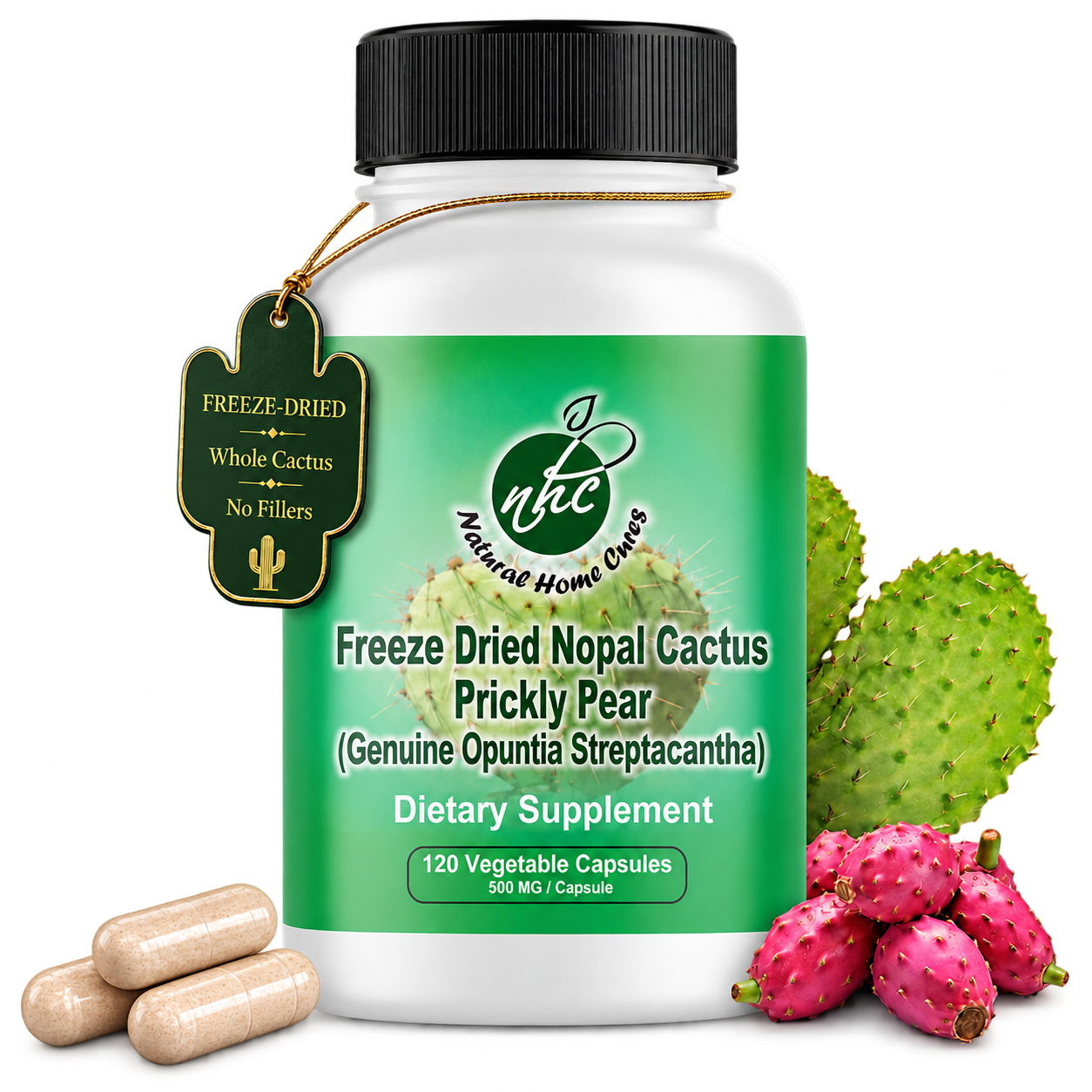
A useful product story connects the botanical, the farm, the preparation, and the finished label. For our capsules, that means a clearly named cactus, freeze-dried pad powder, and a stated amount per serving.
Keep asking practical questions. What was tested? Which sample does the report concern? Can you reach the people supplying the product? Clear answers help you choose with understanding.
Process and harvested-pad scenes are illustrative; they do not document an individual farm, facility, or production batch.
Source References · 3 sources
[1] FDA · Dietary supplement manufacturing and quality controls ↗
[2] USDA · Becoming a certified organic operation ↗
[3] Natural Home Cures · Original Nopal capsule product label (PDF) ↗
The FDA and USDA sources explain general quality controls and certification. The product label identifies the wording and product details; it is not a certification document. These sources are not Nopal batch test reports.