NATURAL HOME CURES · NOPAL SCIENCE
Thiamine
& Nopal
Cellular energy and a small coenzyme with an essential job.
Explore the science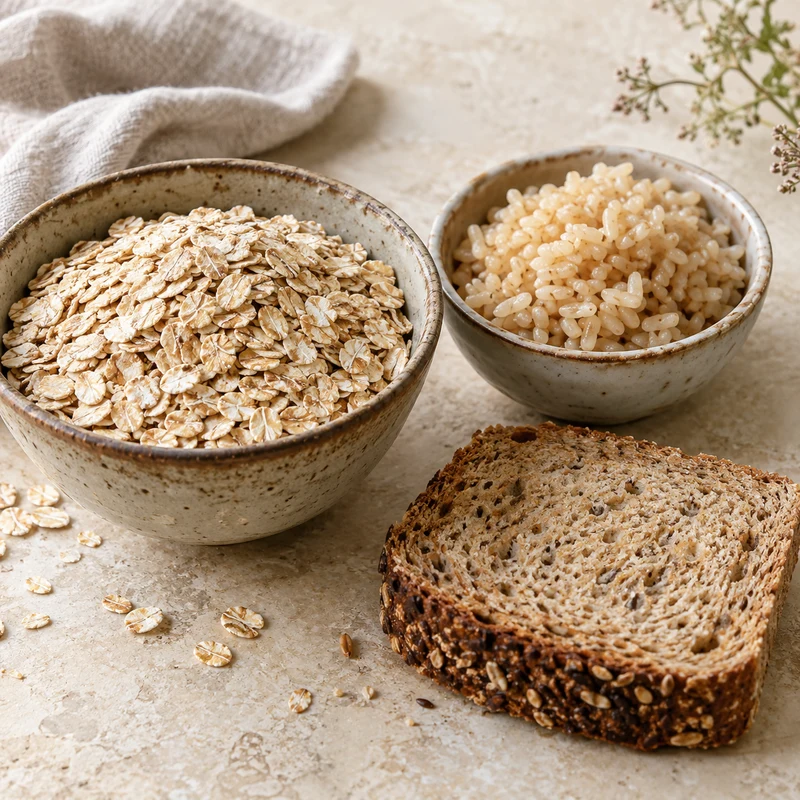
Thiamine is better known as vitamin B1.
It is an essential, water-soluble vitamin that helps our bodies turn the carbohydrates we eat into usable energy.(1)
But saying thiamine is an "energy vitamin" can be misleading if we picture it working like caffeine.
Thiamine doesn’t give the body an artificial jolt.
Instead, it helps the machinery inside our cells release and use energy from food.(1), (2)
Thiamine also plays an important role in normal nerve and muscle function.
And it has a natural connection with Nopal cactus and prickly pear.
What Does Thiamine Do?
FROM VITAMIN TO COENZYME
Vitamin B1 → its active form
The body converts thiamine (vitamin B1) into TPP, an active form that helps enzymes use energy from food.
Our digestive system breaks down many of the carbohydrates we eat into glucose, a simple sugar.
Glucose can then be used by our cells as fuel.
But getting from glucose to usable cellular energy requires a series of chemical steps.
Thiamine becomes part of an active form called thiamine pyrophosphate, or TPP.(1), (2)
TPP helps several enzymes perform reactions involved in carbohydrate and energy metabolism.
You don’t need to remember the name.
The important idea is simple:
Thiamine helps our cells use the energy contained in food.
Thiamine and the Nervous System
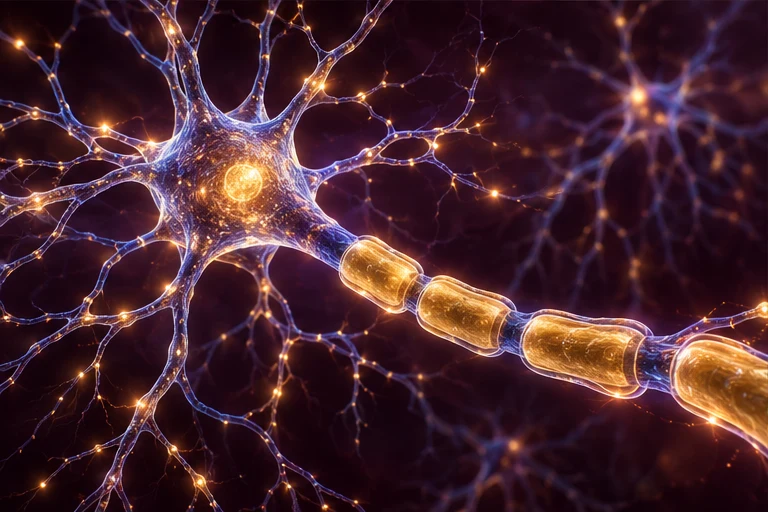
Our nervous system has a particularly high demand for energy.
The brain and nerves depend on a continuous supply of energy to stay active.
Because thiamine helps cells use energy, it supports the work of the brain and nerves.(1), (3)
Thiamine also participates in processes associated with normal nerve signaling and muscle function.(2), (3)
So vitamin B1 connects something we do every day—eating food—with some of the body’s most fundamental cellular processes.
Where Does Thiamine Come From?
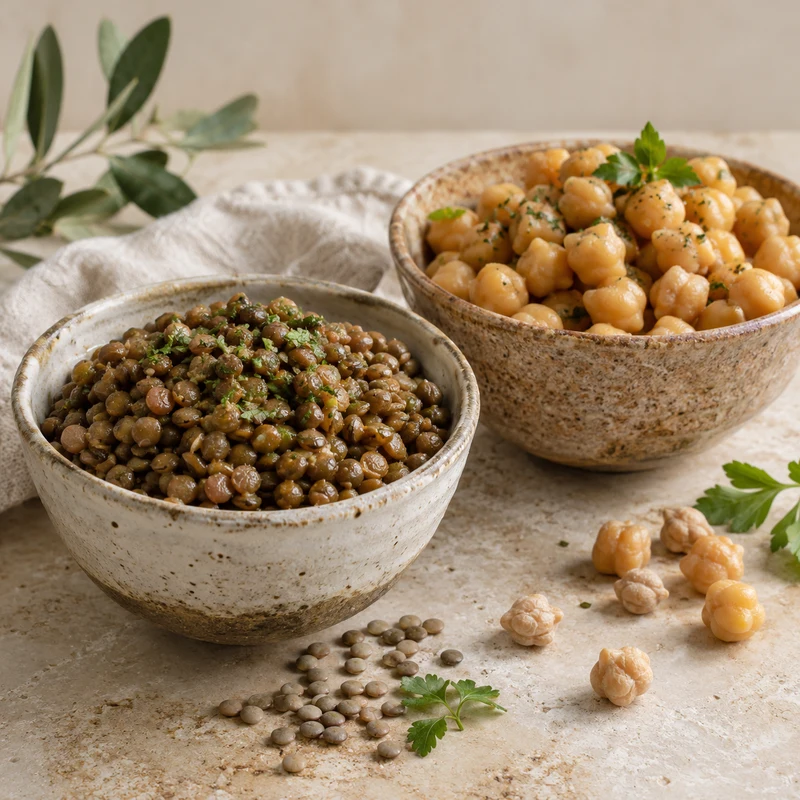
Foods that provide thiamine, either naturally or through enrichment or fortification, include:
- Whole grains
- Fortified cereals and breads
- Pork
- Fish
- Beans and lentils
- Peas
- Nuts and seeds
- Certain vegetables
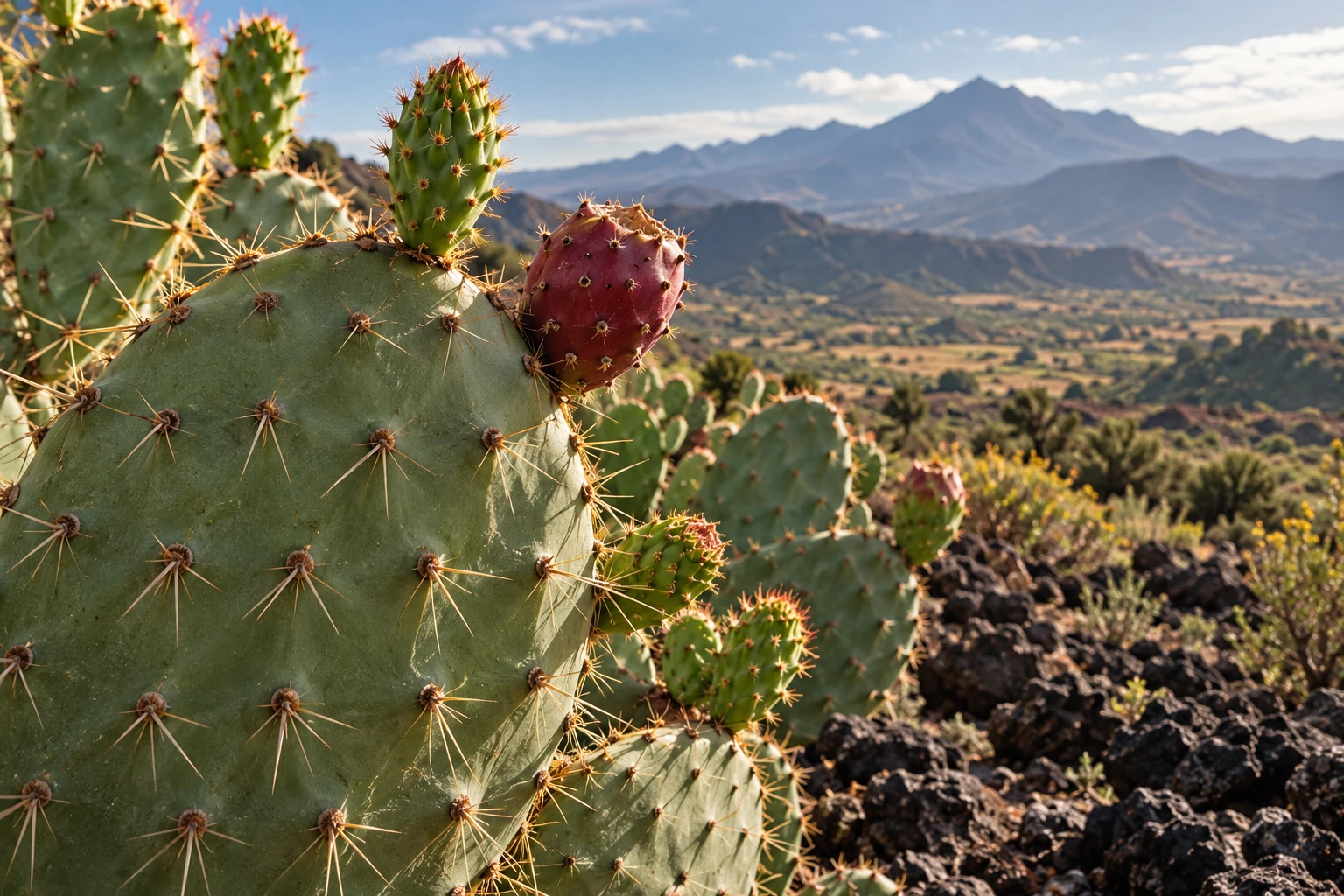
- Nopal cactus and prickly pear
Scientific analyses of Nopal and prickly pear materials have reported thiamine among the naturally occurring vitamins associated with the plant.(4), (5)
Thiamine in Nopal Cactus
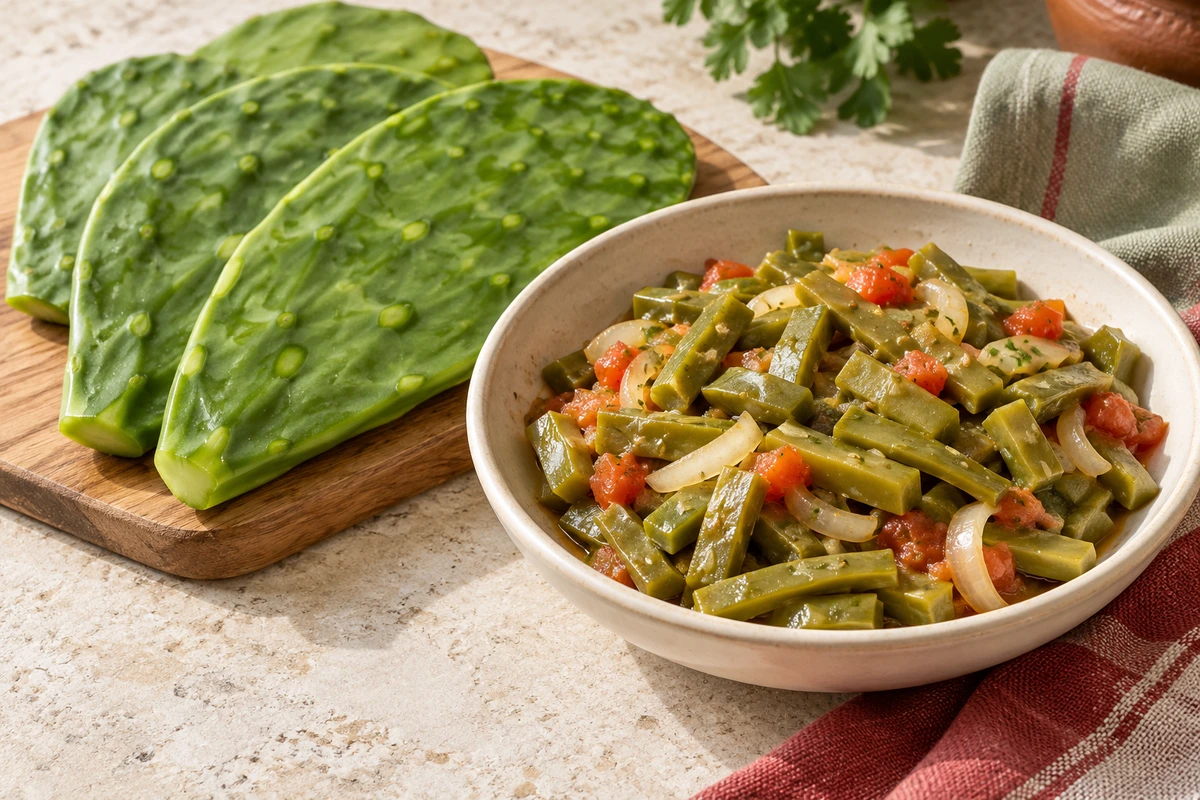
When most people think about the nutritional value of Nopal, fiber probably comes to mind first.
But Nopal is much more nutritionally varied than fiber alone.
Researchers studying Nopal cactus and prickly pear have identified vitamins, minerals, amino acids, fiber and numerous natural plant compounds.(4), (5)
Thiamine—vitamin B1—is one piece of that larger picture.
And because thiamine participates in normal energy metabolism, it gives us another interesting way to look at the cactus.
Not as an "energy booster."
But as a plant containing nutrients that participate in the ordinary systems our bodies use every day.
How a Tiny Vitamin Helps Unlock Food Energy
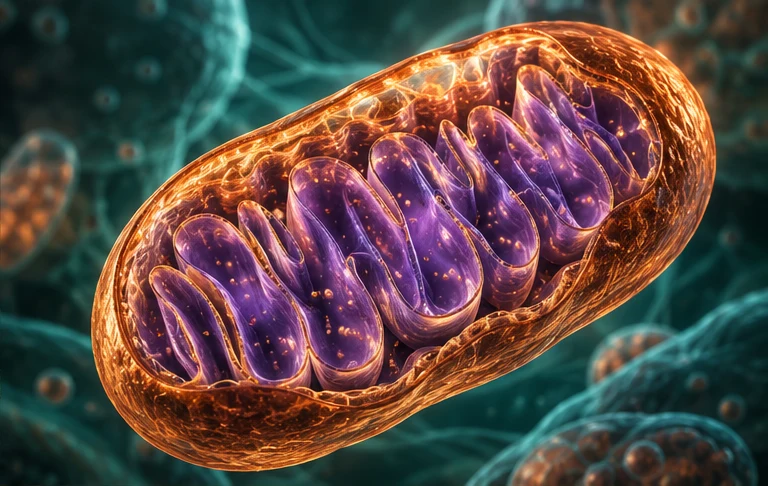
Imagine eating a piece of food containing carbohydrates.
Your digestive system can break those carbohydrates down.
But that isn’t the end of the story.
The resulting nutrients still need to move through a complicated series of reactions before cells can capture their energy efficiently.
Thiamine-dependent enzymes participate at important points in those pathways.(1), (2)
Think of thiamine less like fuel and more like one of the tools needed to use the fuel.
The food provides the energy.
Thiamine helps the cellular machinery process it.
That’s a much better way to understand why vitamin B1 is associated with energy.
Why Processing Matters
HANDLING MATTERS
Heat · Water · Storage
Thiamine can be affected by processing. Some can also leave foods in discarded cooking water.
Thiamine is a water-soluble vitamin, and it can be affected by food processing, cooking and storage.(1), (6)
For example, boiling foods in water can allow some thiamine to move into the cooking liquid.
Heat can also contribute to losses under certain conditions.(6)
That makes the way plant foods are handled an interesting part of their nutritional story.
From Our Farms to the Nopal Family
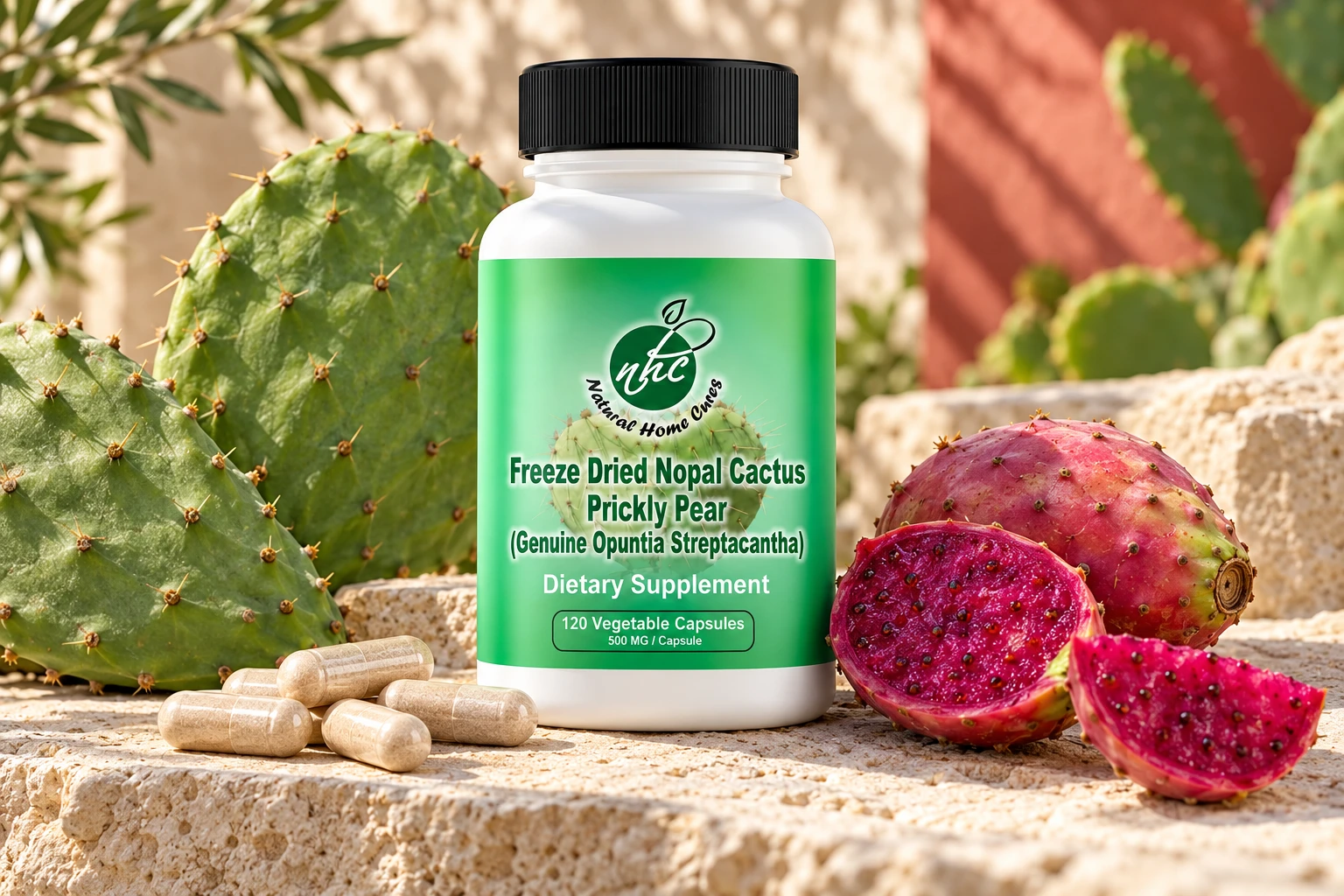
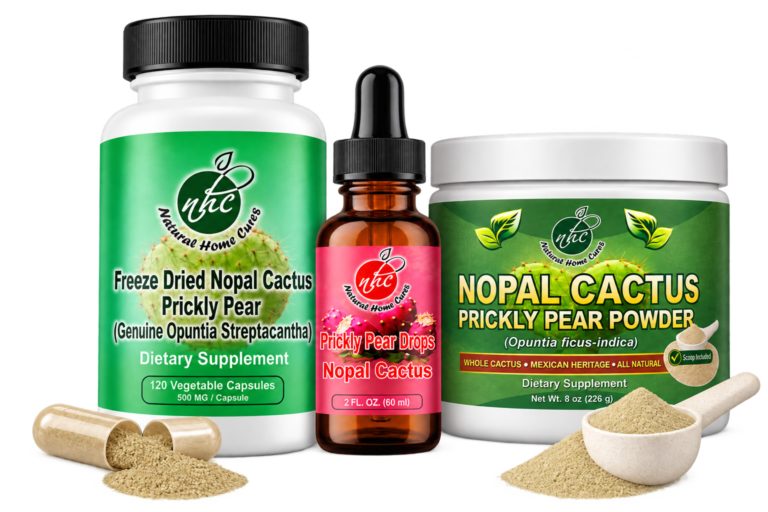
At Natural Home Cures, our flagship Freeze-Dried Nopal Powder Capsules begin with cactus grown on our own farms. After harvest, we freeze-dry the Nopal and prepare it for capsules.
Our goal is to preserve the character of the cactus we grow as closely as practical while creating a convenient finished product.
Our Nopal family also includes Nopal Powder and Prickly Pear Drops, giving customers several ways to explore this versatile cactus.
One Vitamin Inside a Much Bigger Cactus
Thiamine is essential.
Its role in normal energy metabolism is important.
Its relationship with the nervous system is fascinating.
But thiamine is still only one part of Nopal’s nutritional story.
The cactus contains amino acids.
It contains minerals.
It contains fiber.
It contains vitamins and naturally occurring plant pigments.(4), (5)
Together, those components give us a much better picture of Nopal cactus and prickly pear than any single nutrient could provide by itself.
And for Natural Home Cures, that whole-plant story begins with the Nopal we grow and continues into the products we offer our customers.
FROM CACTUS TO PRODUCT
Keep the botanical
in the story.
Freeze-dried Nopal cactus capsules.
Explore our Nopal →The research behind this articleSource References
- 01Nutrition referenceThiamin — Fact Sheet for Health Professionals.View source
Full citation
National Institutes of Health, Office of Dietary Supplements. “Thiamin — Fact Sheet for Health Professionals.” - 02Research referenceA Review of the Biochemistry, Metabolism and Clinical Benefits of Thiamin(e) and Its Derivatives.View source
Full citation
Lonsdale D. “A Review of the Biochemistry, Metabolism and Clinical Benefits of Thiamin(e) and Its Derivatives.” Evidence-Based Complementary and Alternative Medicine. 2006;3(1):49–59. - 03Research referenceThiamin Function, Metabolism, Uptake, and Transport.View source
Full citation
Manzetti S, Zhang J, van der Spoel D. “Thiamin Function, Metabolism, Uptake, and Transport.” Biochemistry. 2014;53(5):821–835. - 04Research referenceNopal Cactus (Opuntia ficus-indica) as a Source of Bioactive Compounds for Nutrition, Health and Disease.View source
Full citation
El-Mostafa K, El Kharrassi Y, Badreddine A, et al. “Nopal Cactus (Opuntia ficus-indica) as a Source of Bioactive Compounds for Nutrition, Health and Disease.” Molecules. 2014;19(9):14879–14901. - 05Research referencePhytochemical and Nutritional Significance of Cactus Pear.View source
Full citation
Stintzing FC, Schieber A, Carle R. “Phytochemical and Nutritional Significance of Cactus Pear.” European Food Research and Technology. 2001;212:396–407. - 06Research referenceVitamin Losses: Retention During Heat Treatment and Continual Changes Expressed by Mathematical Models.View source
Full citation
Lešková E, Kubíková J, Kováčiková E, Košická M, Porubská J, Holčíková K. “Vitamin Losses: Retention During Heat Treatment and Continual Changes Expressed by Mathematical Models.” Journal of Food Composition and Analysis. 2006;19(4):252–276.