NATURAL HOME CURES · NOPAL SCIENCE
Phenylalanine
& Nopal
An essential amino acid for proteins and a starting material for tyrosine.
Explore the scienceand a starting point.
Phenylalanine is one of the building blocks your body uses to make proteins. These proteins help build and maintain muscle, skin and other tissues.(1)
Phenylalanine is known as an essential amino acid. This means your body cannot make it, so you need to get it from food.(2)
What Does Phenylalanine Do?
A SIMPLIFIED CONNECTION
Phenylalanine → Tyrosine
Tyrosine becomes a starting material for several normal biological processes. More phenylalanine does not automatically increase their products.
Your body can convert phenylalanine into tyrosine, another amino acid.(3)
Tyrosine is used to make certain chemical messengers in the brain and nervous system.(3), (4)
The body also uses tyrosine when making thyroid hormones and melanin, the pigment that helps give skin and hair their color.(4), (5)
These pathways are regulated. Eating more phenylalanine does not automatically increase the substances made from it.
Where Does Phenylalanine Come From?
Phenylalanine occurs naturally in many protein-containing foods, including:
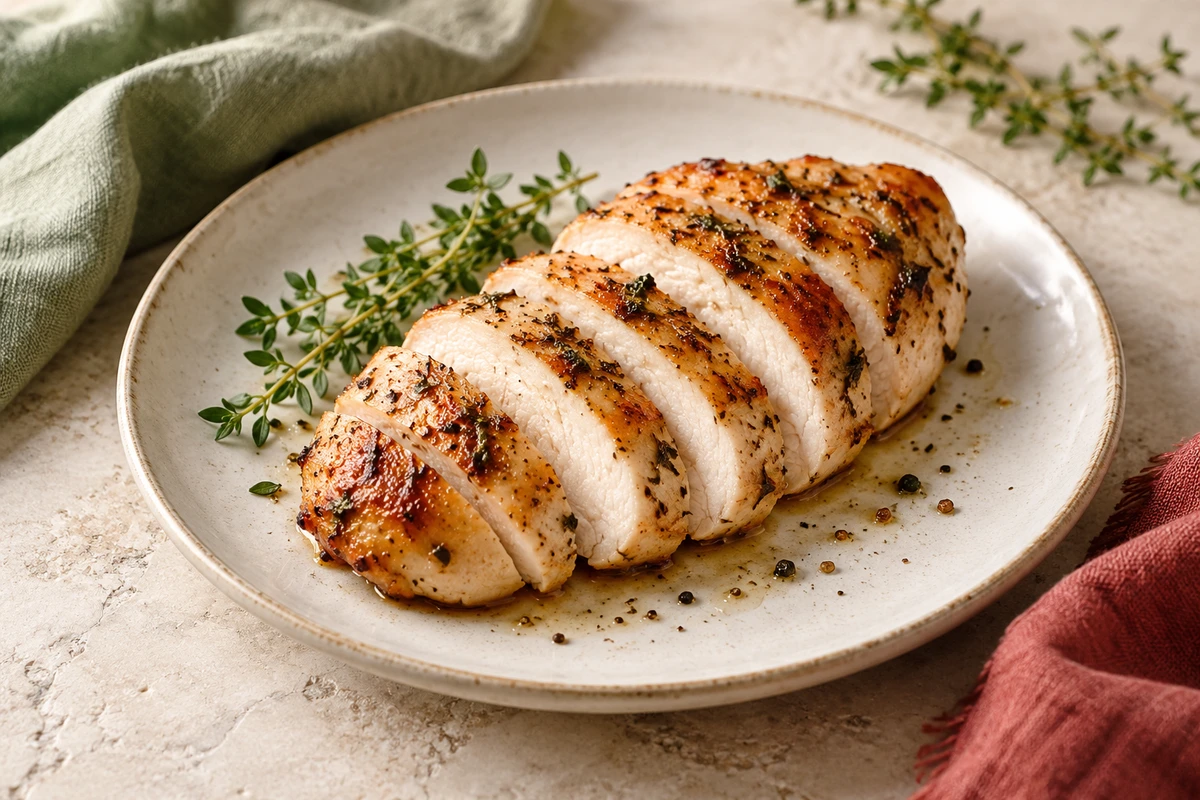 Meat and poultry
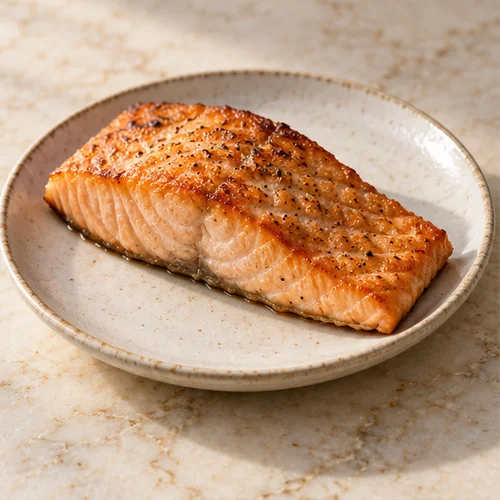 Fish
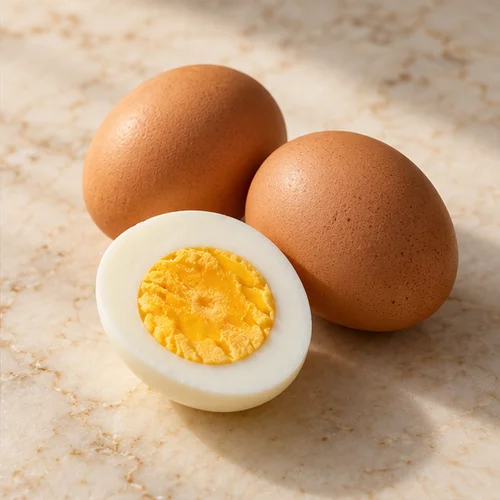 Eggs
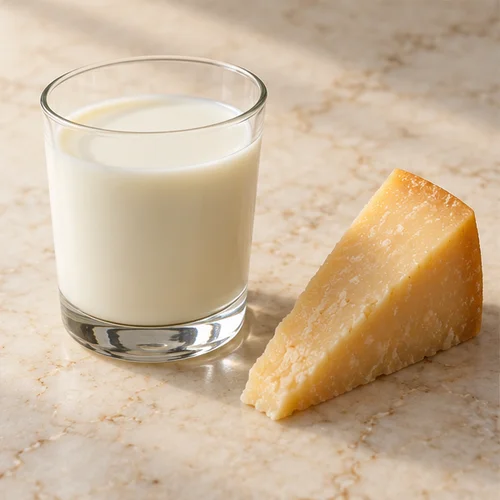 Milk and dairy products
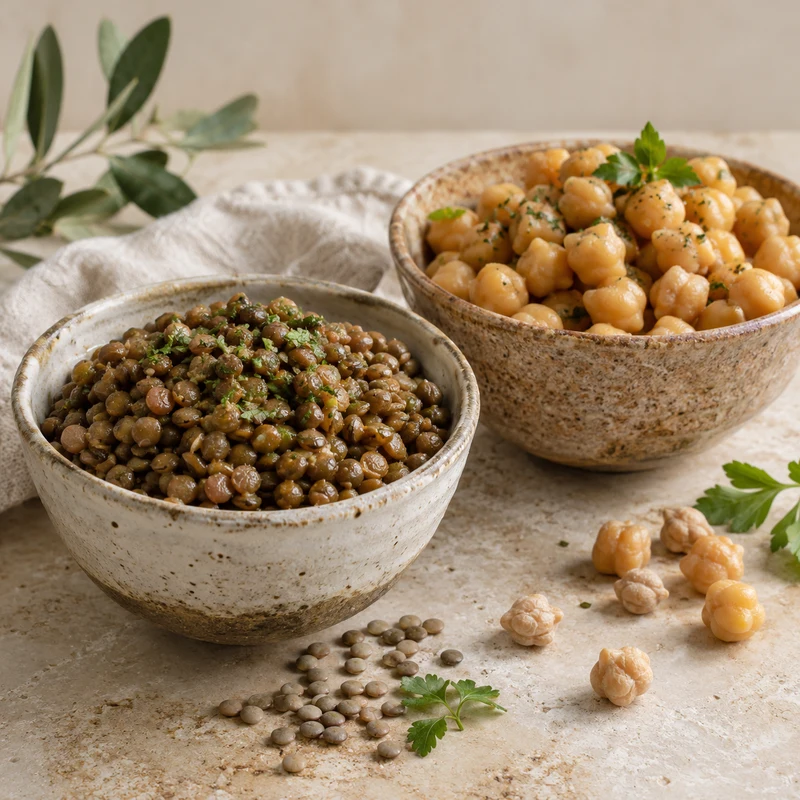 Beans, lentils and soy foods
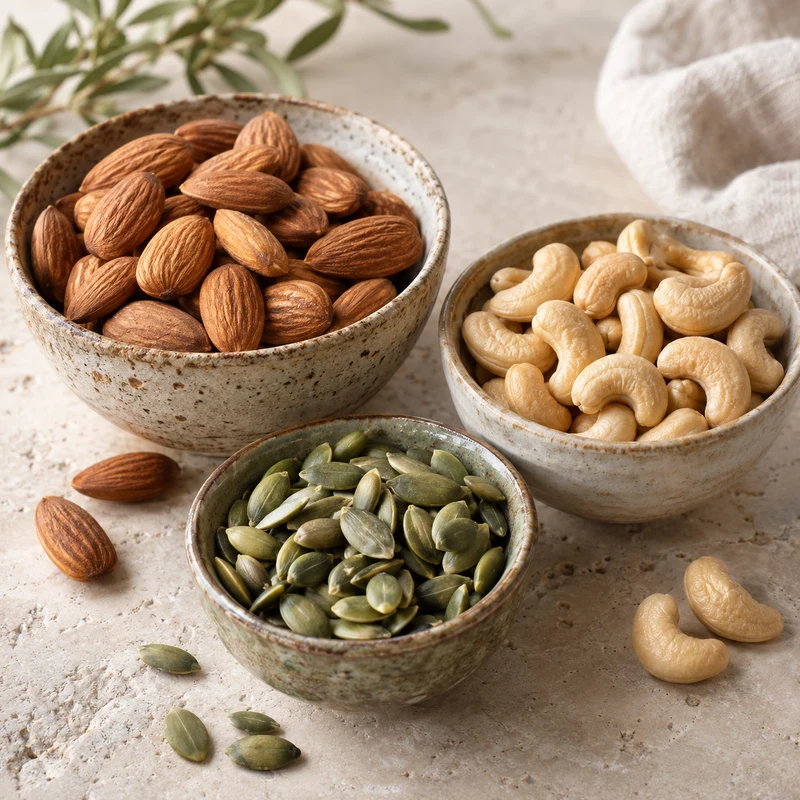 Nuts and seeds
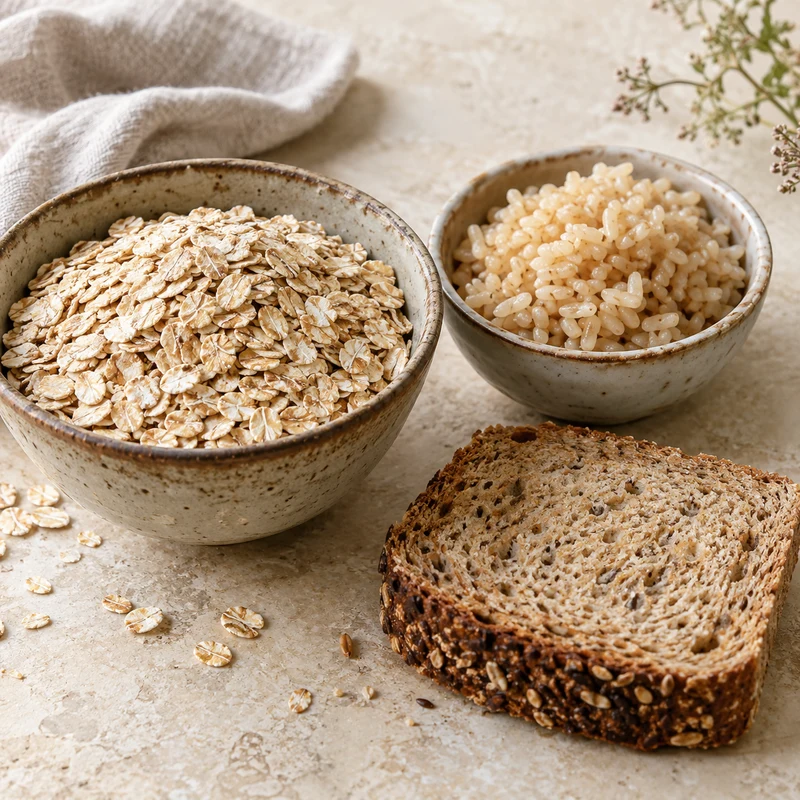 Whole grains
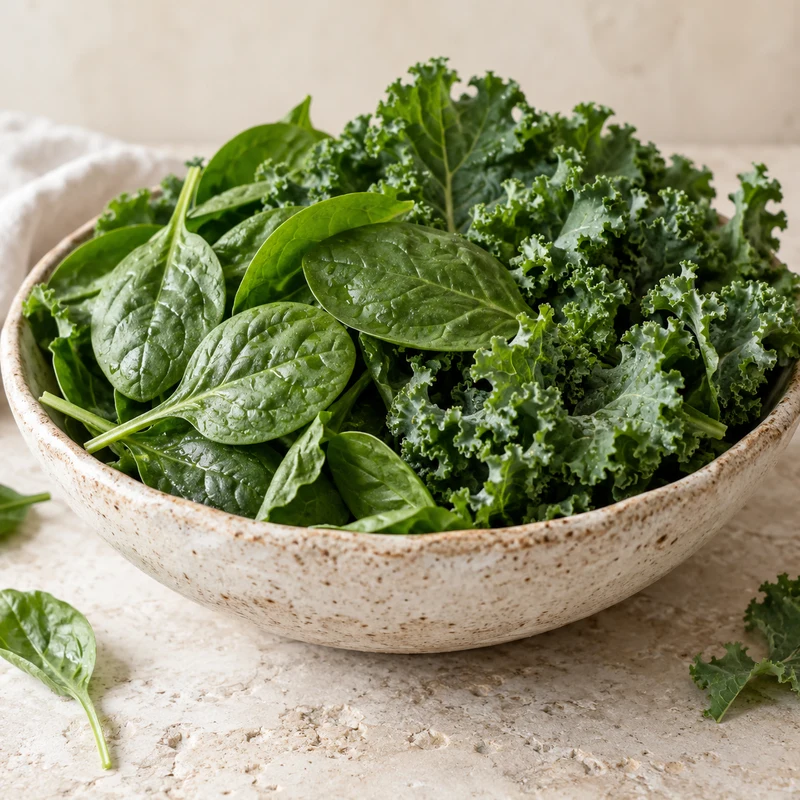 Leafy vegetables
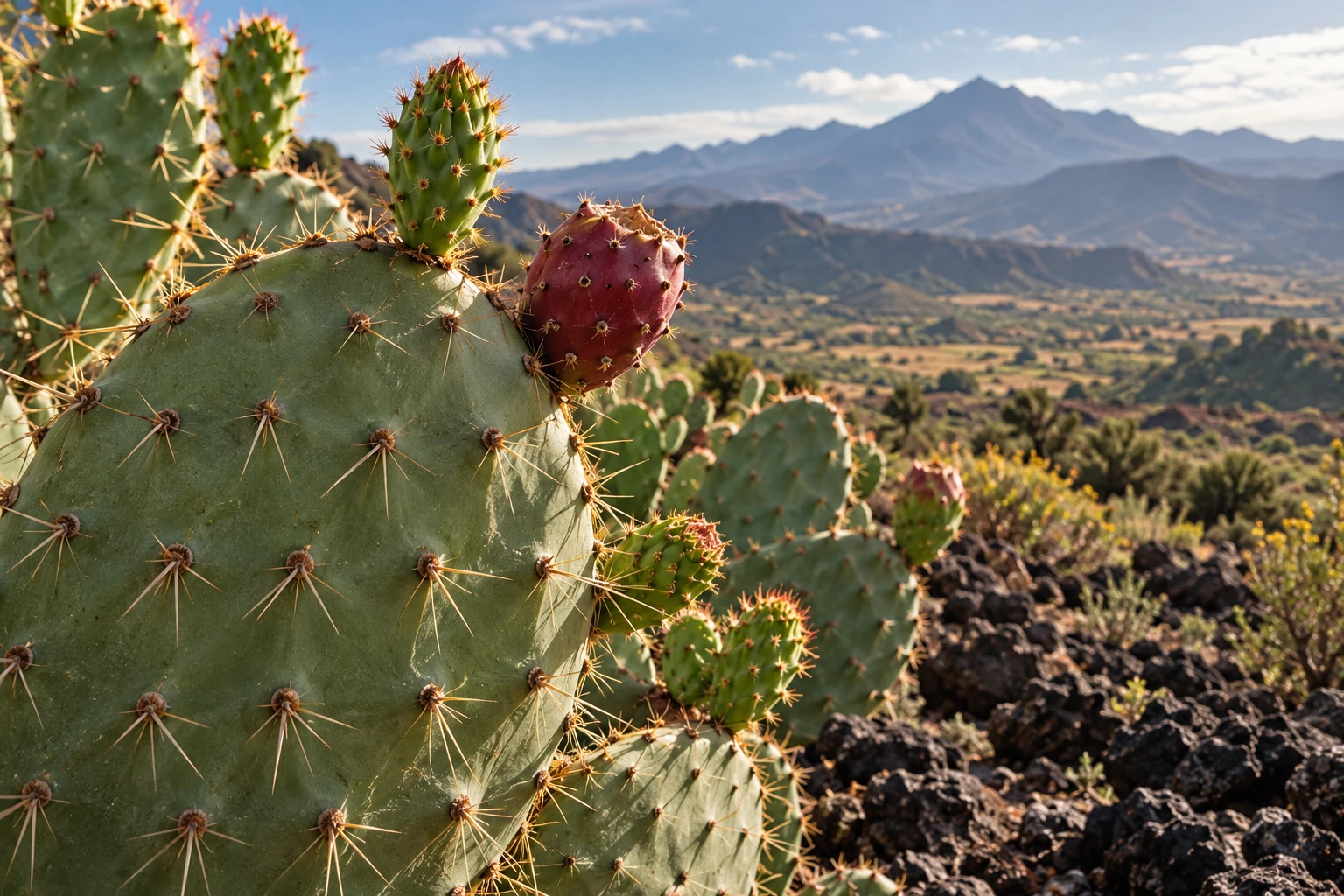
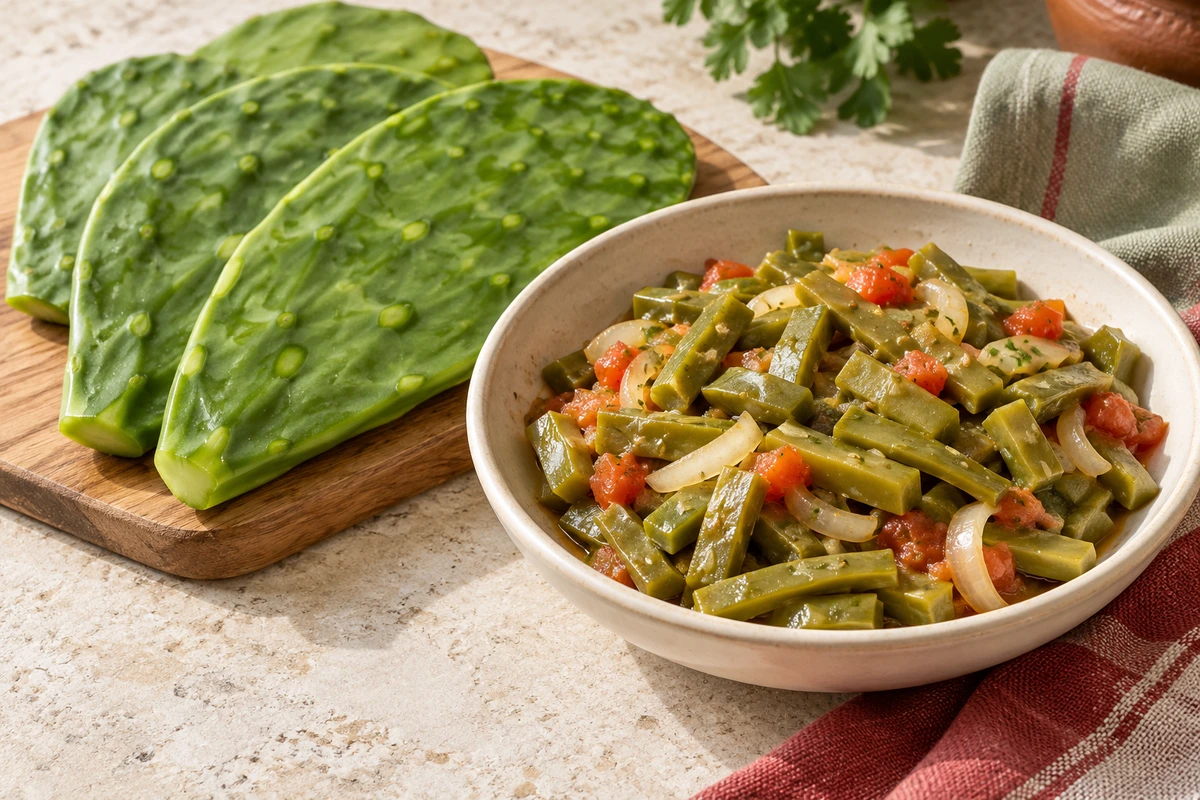 Nopal cactus pads
The amount you get depends on the food and how much you eat.(6)
How Much Phenylalanine Is in Nopal?
USDA FoodData Central · “Nopales, raw”
The USDA entry lists 0.049 grams of phenylalanine per 100 grams of raw nopales, equal to 49 milligrams. This provides context for the amount in fresh cactus pads.(10)
Researchers have identified phenylalanine among the naturally occurring amino acids in Nopal cactus.(7)
Nopal also contains fiber, vitamins, minerals, pigments and other plant compounds.
These findings describe the plant’s composition. They do not establish the phenylalanine amount in a serving of our finished products.
Food data, not a capsule dose. These figures describe raw edible pads, including their water. They cannot be scaled directly to dried capsule contents. No product-specific phenylalanine amount is established here.
An Important Note About Phenylalanine
AN IMPORTANT DIETARY CONSIDERATION
Phenylketonuria · PKU
People with PKU must control phenylalanine intake under medical supervision.
People with phenylketonuria (PKU), an inherited condition, cannot process phenylalanine normally.
They need an individually managed diet that controls phenylalanine intake under medical supervision.(8)
No phenylalanine amount for our finished products is established on this page. People with PKU should not use the raw-nopales figure to calculate their intake from a Nopal product; they should discuss it with their metabolic care team.
From Our Farms to Your Bottle
Our capsules use freeze-dried Opuntia streptacantha pad powder from our own farms in Mexico. Sourcing and preparation describe the botanical material; they do not measure its phenylalanine content.
Nopal Is More Than One Amino Acid
Phenylalanine is one part of Nopal’s wider nutritional picture. Explore the other science articles to learn about the cactus’s fiber, vitamins, minerals and other plant compounds.
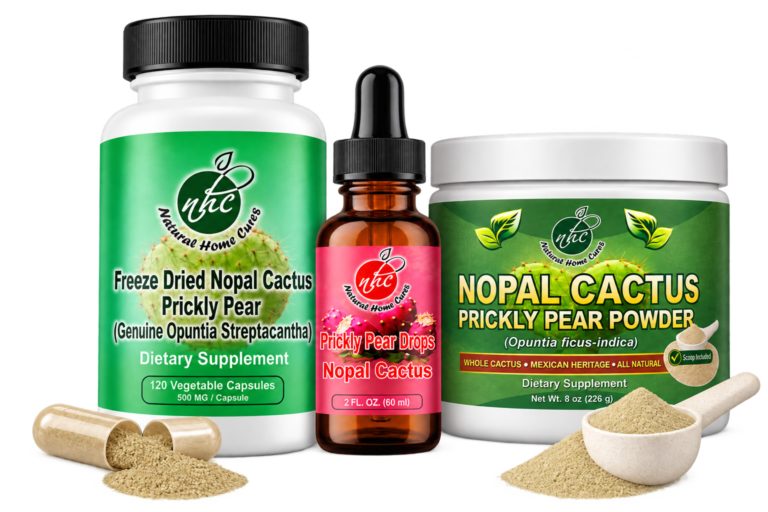
FROM CACTUS TO PRODUCT
Meet Our Nopal Cactus & Prickly Pear Family
Nopal cactus capsules, prickly pear drops, and Nopal cactus powder.
Explore Nopal Cactus →The research behind this articleSource References
- 01Physiology referencePhysiology, Proteins.View source
Full citation
LaPelusa A, Kaushik R. “Physiology, Proteins.” StatPearls. National Center for Biotechnology Information. - 02Nutrition referenceNational Academies of Sciences, Engineering, and Medicine. Dietary Reference Intakes: The Essential Guide to Nutrient Requirements. National Academies Press.View source
Full citation
National Academies of Sciences, Engineering, and Medicine. Dietary Reference Intakes: The Essential Guide to Nutrient Requirements. National Academies Press. - 03Source referenceTyrosine, Phenylalanine, and Catecholamine Synthesis and Function in the Brain.View source
Full citation
Fernstrom JD, Fernstrom MH. “Tyrosine, Phenylalanine, and Catecholamine Synthesis and Function in the Brain.” Journal of Nutrition. 2007;137(6 Suppl 1):1539S–1547S. - 04Chemical referenceL-Phenylalanine.View source
Full citation
National Center for Biotechnology Information. “L-Phenylalanine.” PubChem. - 05Source referenceL-Tyrosine and L-Dihydroxyphenylalanine as Hormone-Like Regulators of Melanocyte Functions.View source
Full citation
Slominski A, Zmijewski MA, Pawelek J. “L-Tyrosine and L-Dihydroxyphenylalanine as Hormone-Like Regulators of Melanocyte Functions.” Pigment Cell & Melanoma Research. 2012;25(1):14–27. - 06Food composition databaseU.S. Department of Agriculture, Agricultural Research Service. FoodData Central.View source
Full citation
U.S. Department of Agriculture, Agricultural Research Service. FoodData Central. - 07Cactus composition reviewNopal Cactus (Opuntia ficus-indica) as a Source of Bioactive Compounds for Nutrition, Health and Disease.View source
Full citation
El-Mostafa K, El Kharrassi Y, Badreddine A, et al. “Nopal Cactus (Opuntia ficus-indica) as a Source of Bioactive Compounds for Nutrition, Health and Disease.” Molecules. 2014;19(9):14879–14901. - 08Genetics referencePhenylketonuria.View source
Full citation
National Institutes of Health, MedlinePlus Genetics. “Phenylketonuria.” - 09Cactus composition reviewCactus Stems (Opuntia spp.): A Review on Their Chemistry, Technology, and Uses.View source
Full citation
Stintzing FC, Carle R. “Cactus Stems (Opuntia spp.): A Review on Their Chemistry, Technology, and Uses.” Molecular Nutrition & Food Research. 2005;49(2):175–194. - 10USDA food composition referenceNopales, raw.View source
Full citation
U.S. Department of Agriculture. FoodData Central. “Nopales, raw.” FDC ID 168571; SR Legacy. Phenylalanine: 0.049 g per 100 g of raw edible food, equivalent to 49 mg. General raw-food composition; not a finished-product assay.