NATURAL HOME CURES · NOPAL SCIENCE
Aspartic Acid
& Nopal
A building block for proteins, with roles in energy and waste removal.
Explore the science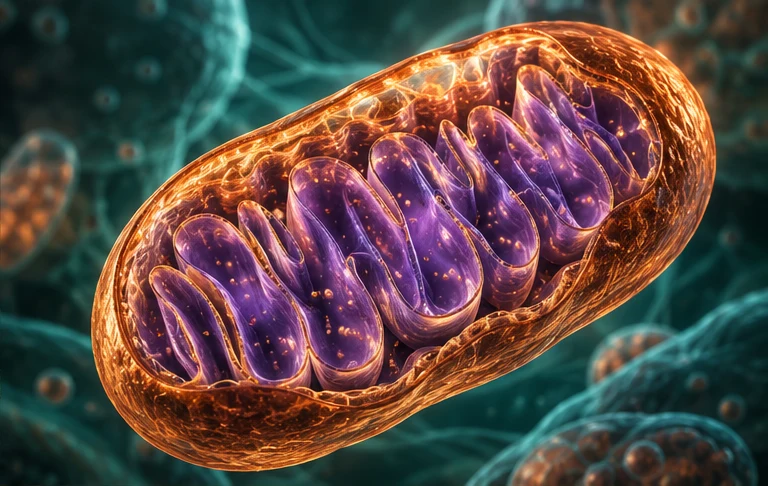
do their everyday work.
Aspartic acid is one of the small building blocks your body uses to make proteins. These proteins help build and maintain muscles, skin and other tissues.(1)
Your body can make aspartic acid, and you also get it from food. You may see it called “nonessential.” This simply means your body can normally make it for itself.(2)
Aspartic acid still has important jobs to do. It helps your body make proteins, handle waste and keep its cells working. In explanations about the body, you may also see the name aspartate.
What Does Aspartic Acid Do?
Aspartic acid helps with several everyday tasks that keep your body working.
Building and maintaining tissues
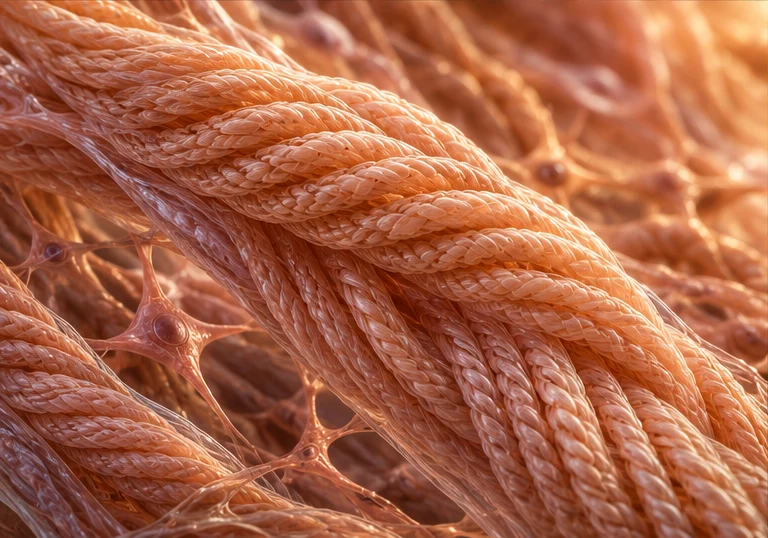
Your body joins aspartic acid with other amino acids to make proteins. These proteins help build and maintain muscles, skin and other tissues.(1)
Helping remove waste
- 01Protein breakdownCreates waste to be handled
- 02LiverTurns waste into urea
- 03KidneysRemove urea in urine
When your body breaks down protein, it produces waste. Aspartic acid takes part in a process in the liver that turns waste into urea. The kidneys then remove urea in urine.(3)
Helping cells make energy
HELPING CELLS MAKE USABLE ENERGY
Your cells turn nutrients from food into energy they can use. Aspartic acid takes part in a transfer system that helps mitochondria, the tiny energy-making structures inside cells, do their work.(4)
Aspartic Acid in Everyday Foods
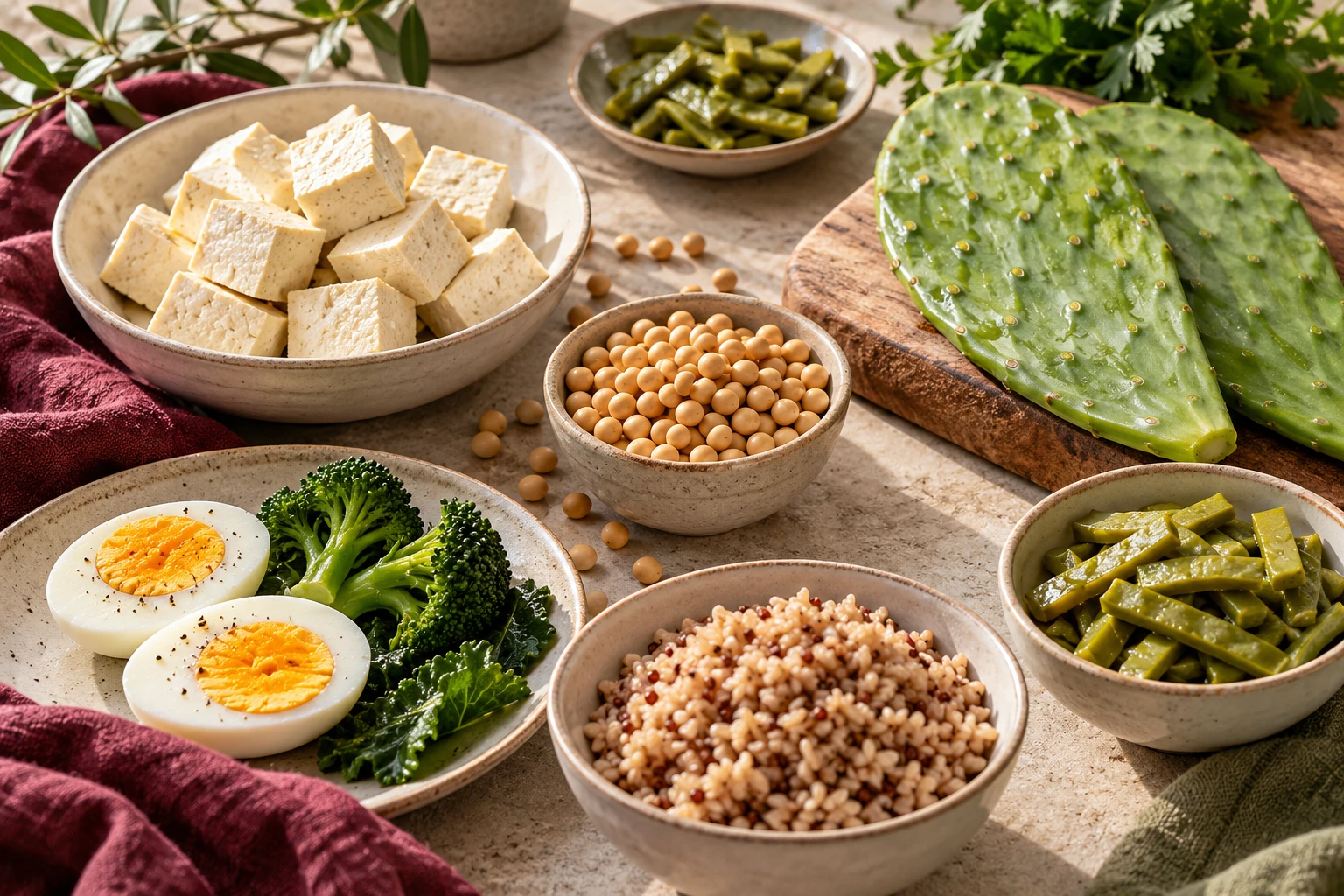
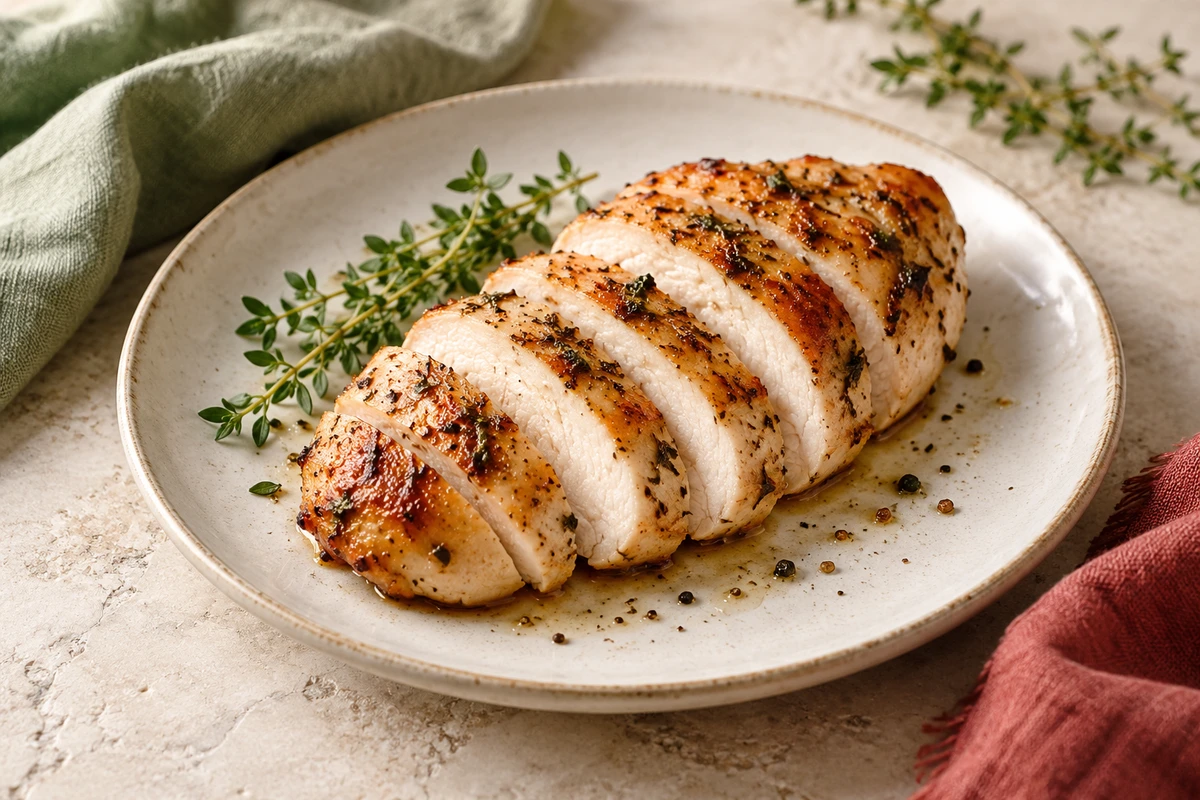 Meat and poultry
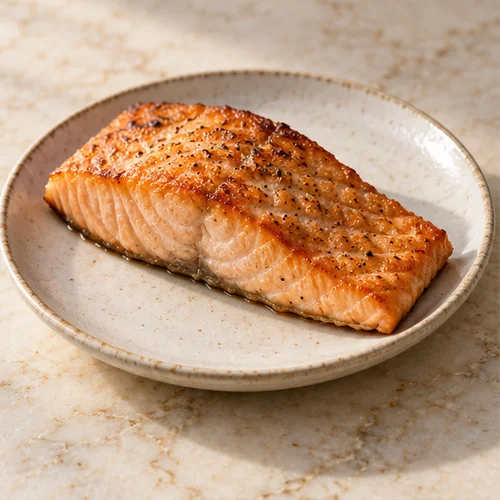 Fish
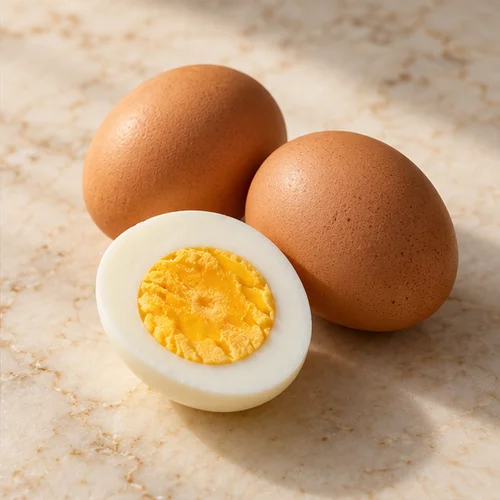 Eggs
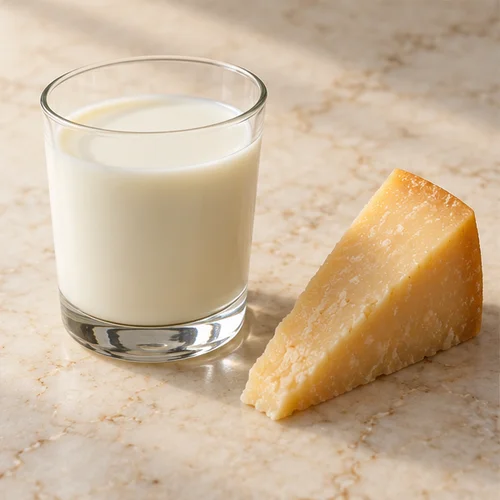 Milk and dairy products
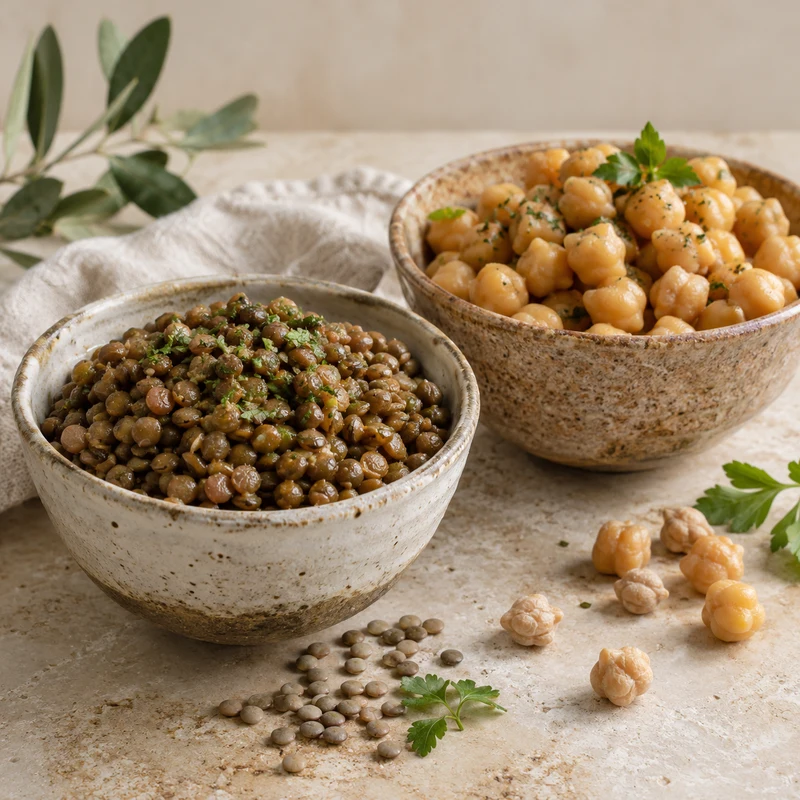 Beans and lentils
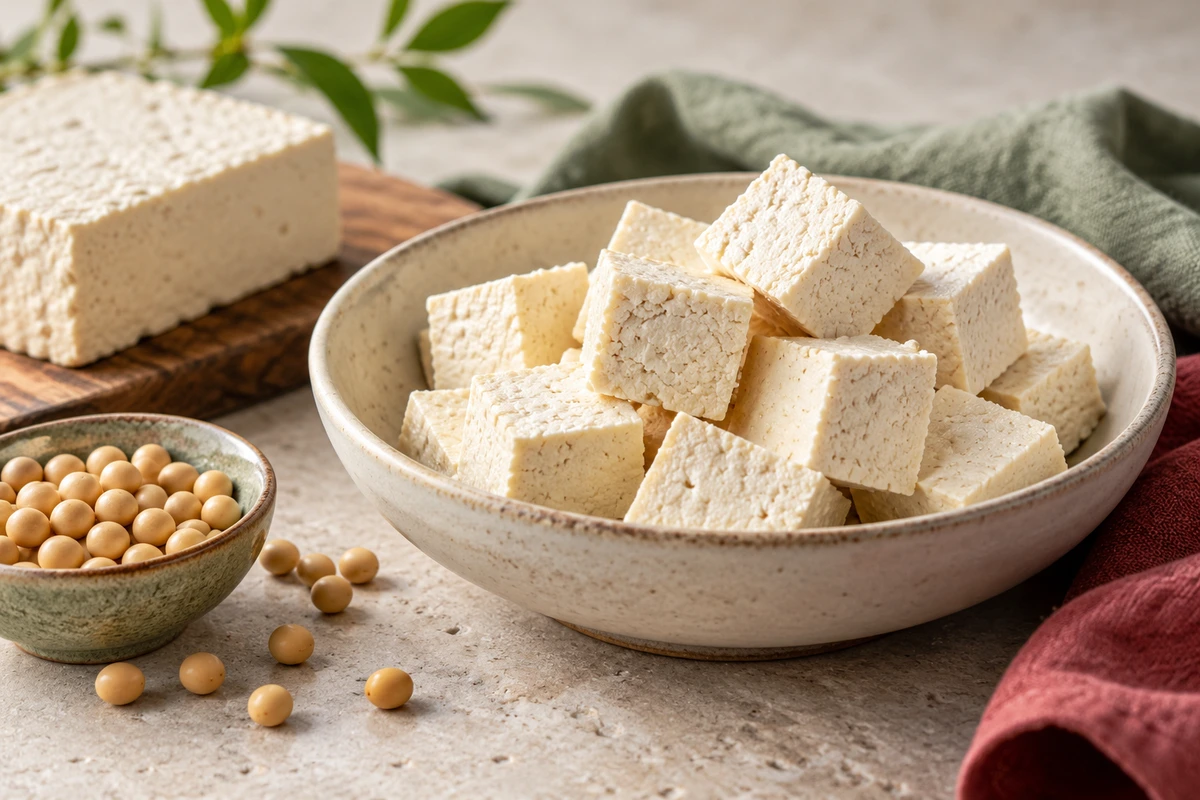 Soy foods
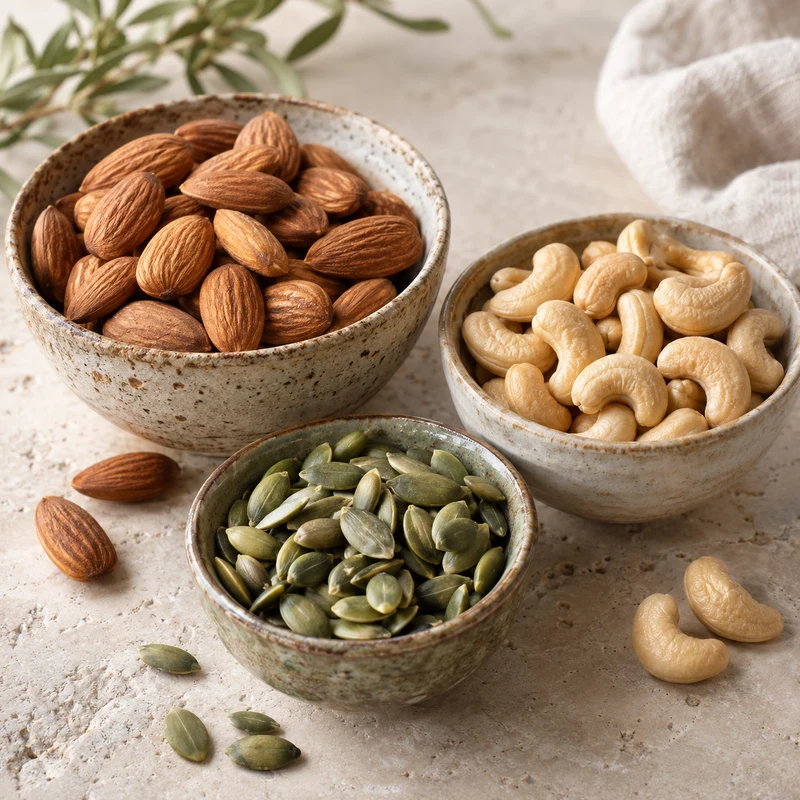 Nuts and seeds
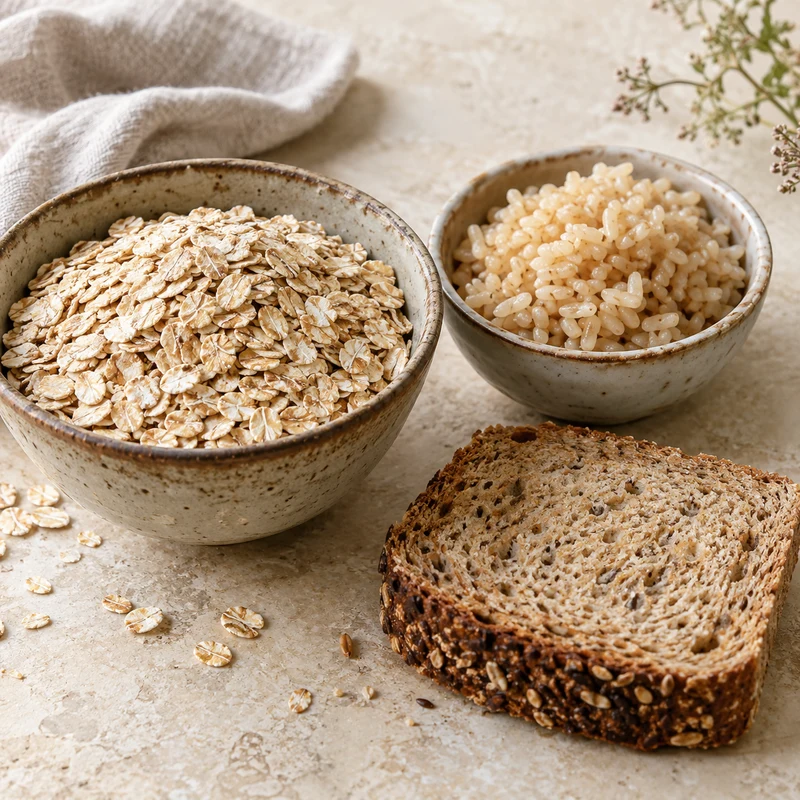 Whole grains
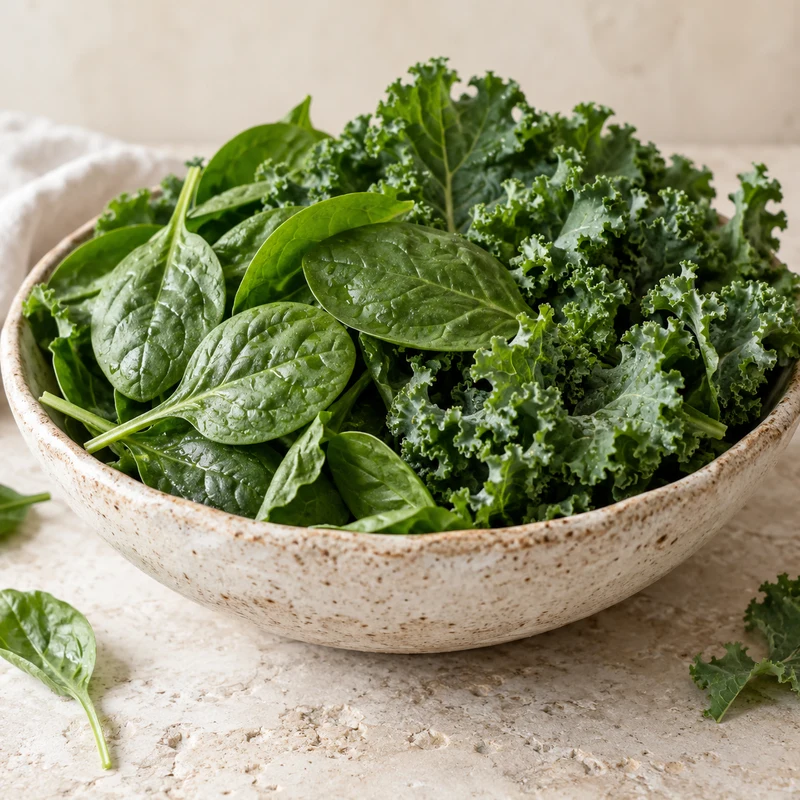 Leafy vegetables
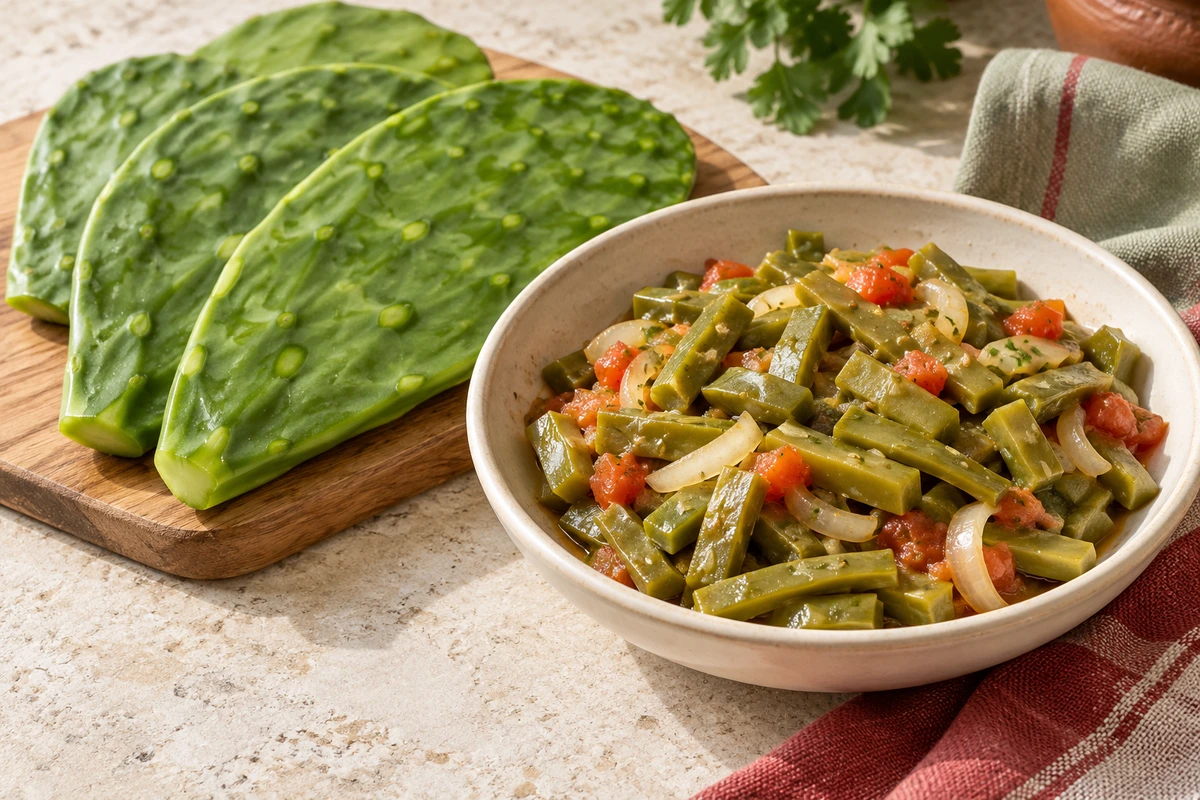 Nopal cactus pads
Amounts vary by food and serving size. The body can also make aspartic acid as part of normal metabolism.(2)
How Much Aspartic Acid Is in Nopal?
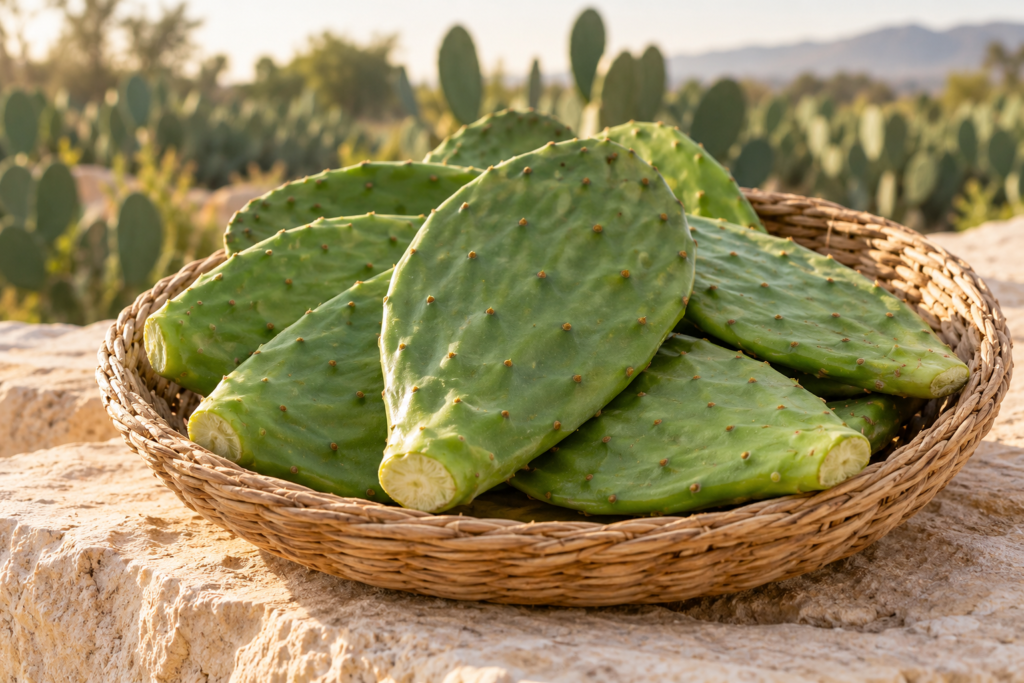
USDA’s food database provides a useful reference for aspartic acid naturally present in raw nopales, the edible cactus pads.(7)
USDA FoodData Central · “Nopales, raw”
The USDA entry lists 0.086 grams of aspartic acid per 100 grams of raw nopales, equal to 86 milligrams. This gives an idea of the amount in fresh cactus pads.(7)
Aspartic acid has also been reported in studies of Opuntia ficus-indica cactus.(5)
The USDA value is a general food reference.
From Our Farms to Your Bottle
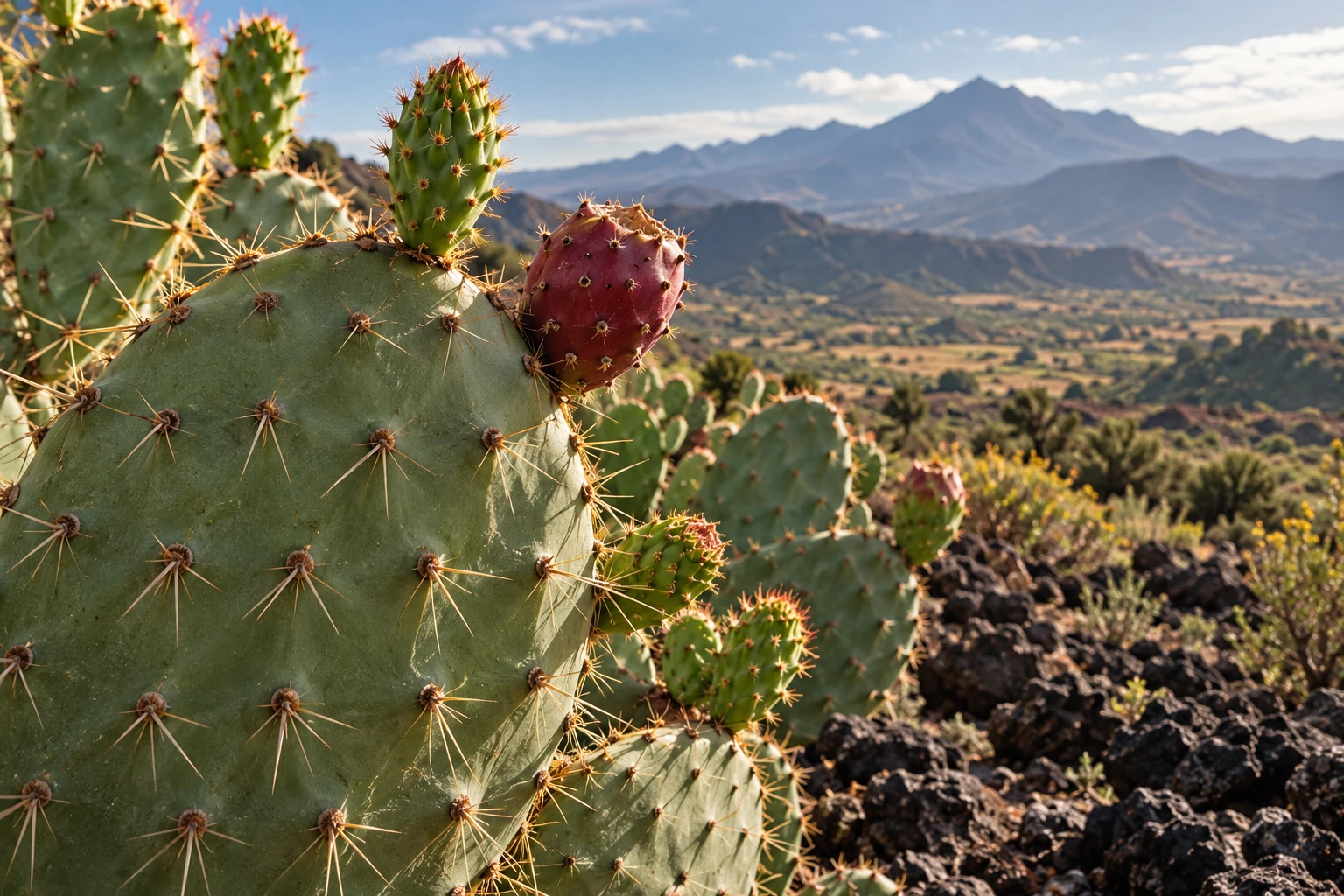
Our Nopal capsule story begins on our mountain farms in Mexico, where Opuntia streptacantha grows at about 8,200 feet in rich volcanic soil. Sunlight, temperature, and rainfall shape the living cactus.
We stay involved from growing through harvest and preparation of the capsules. This growing environment is part of the story behind each amino acid discussed here.
More Than One Amino Acid
Our capsules and powder bring together the naturally occurring compounds in cactus pads. They are whole botanical products, rather than isolated aspartic acid supplements.
Explore the other Nopal articles to learn about its fiber, vitamins, minerals and other plant compounds. Each adds another piece to the story of this familiar cactus.
FROM CACTUS TO PRODUCT
Meet Our Nopal Cactus & Prickly Pear Family
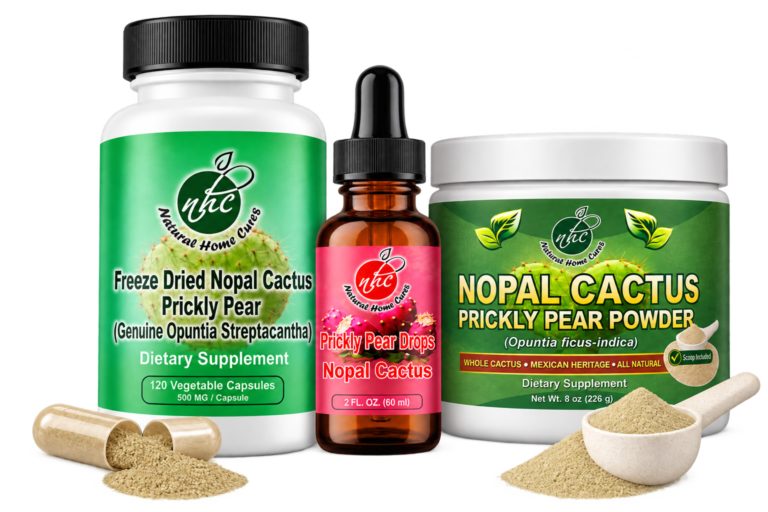
Nopal cactus capsules, prickly pear drops, and Nopal cactus powder.
Explore Nopal Cactus →The research behind this articleSource References
- 01Nutrition referencePhysiology, Proteins.View source
Full citation
LaPelusa A, Kaushik R. “Physiology, Proteins.” StatPearls. National Center for Biotechnology Information. - 02Research referenceAmino Acids: Metabolism, Functions, and Nutrition.View source
Full citation
Wu G. “Amino Acids: Metabolism, Functions, and Nutrition.” Amino Acids. 2009;37:1–17. - 03Research referenceRegulation of Enzymes of the Urea Cycle and Arginine Metabolism.View source
Full citation
Morris SM Jr. “Regulation of Enzymes of the Urea Cycle and Arginine Metabolism.” Annual Review of Nutrition. 2002;22:87–105. - 04Research referenceThe Malate–Aspartate Shuttle (Borst Cycle): How It Started and Developed into a Major Metabolic Pathway.View source
Full citation
Borst P. “The Malate–Aspartate Shuttle (Borst Cycle): How It Started and Developed into a Major Metabolic Pathway.” IUBMB Life. 2020;72(11):2241–2259. - 05Research referenceNopal Cactus (Opuntia ficus-indica) as a Source of Bioactive Compounds for Nutrition, Health and Disease.View source
Full citation
El-Mostafa K, El Kharrassi Y, Badreddine A, et al. “Nopal Cactus (Opuntia ficus-indica) as a Source of Bioactive Compounds for Nutrition, Health and Disease.” Molecules. 2014;19(9):14879–14901. - 06Research reviewCactus Stems (Opuntia spp.): A Review on Their Chemistry, Technology, and Uses.View source
Full citation
Stintzing FC, Carle R. “Cactus Stems (Opuntia spp.): A Review on Their Chemistry, Technology, and Uses.” Molecular Nutrition & Food Research. 2005;49(2):175–194. - 07USDA food composition referenceNopales, raw.View source
Full citation
U.S. Department of Agriculture. FoodData Central. “Nopales, raw.” FDC ID 168571. Aspartic acid: 0.086 g per 100 g of raw edible food, equivalent to 86 mg.