NATURAL HOME CURES · NOPAL SCIENCE
Tryptophan
& Nopal
An essential amino acid connecting proteins, serotonin, melatonin and vitamin B3.
Explore the scienceSeveral biological pathways.
Tryptophan helps the body build proteins and supplies starting material for several other biological processes.(1)
Tryptophan is an essential amino acid. Your body cannot make it, so your diet must provide it.(1)
What Does Tryptophan Do?
A PROTEIN BUILDING BLOCK
An essential part of proteins
Tryptophan joins other amino acids in the proteins your body makes.
The body incorporates tryptophan into proteins involved in tissue structure, enzymes and other everyday functions.(1)
It also uses some tryptophan in pathways that produce chemical messengers and compounds related to vitamin B3. Each pathway involves enzymes and biological controls.
The Serotonin and Melatonin Connection
A SIMPLIFIED PATHWAY
Tryptophan → Serotonin → Melatonin
Several chemical steps connect these substances. Each plays a different role.
Some tryptophan can be converted into serotonin, a chemical messenger involved in signaling throughout the body. Serotonin can, in turn, be used to make melatonin, a hormone that helps coordinate sleep and wake timing.(1)
The Vitamin B3 Connection
A SEPARATE METABOLIC PATHWAY
Tryptophan and NAD
NAD is a coenzyme involved in energy metabolism and other cellular reactions.
The body can convert some tryptophan into NAD, a compound also made from niacin, or vitamin B3. This is why tryptophan contributes to the way nutrition scientists calculate niacin intake.(2)
NAD helps enzymes carry out reactions that release usable energy from food. It also participates in processes such as DNA maintenance. Conversion depends on the body’s nutritional status and does not replace the need for a varied diet.(2)
Where Does Tryptophan Come From?
Tryptophan occurs naturally in many foods. Familiar examples include poultry, fish, eggs, dairy, soybeans, nuts and seeds.(1)
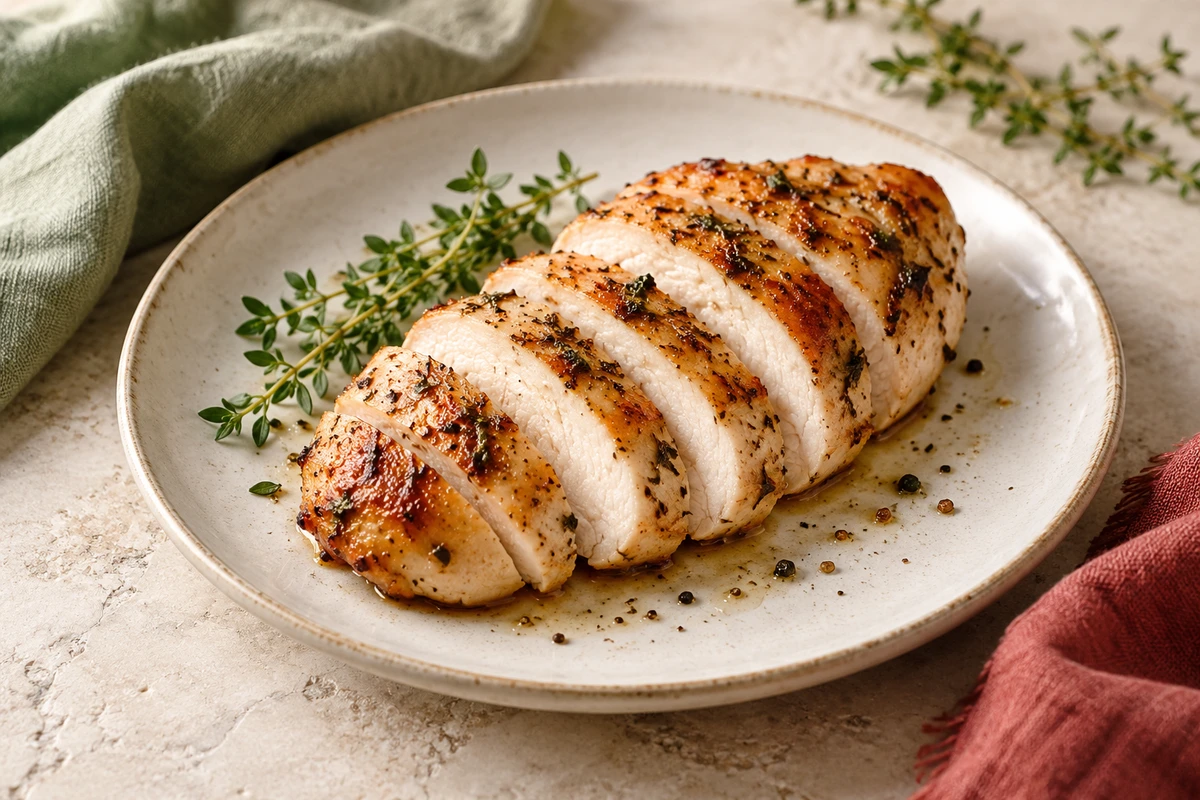 Meat and poultry
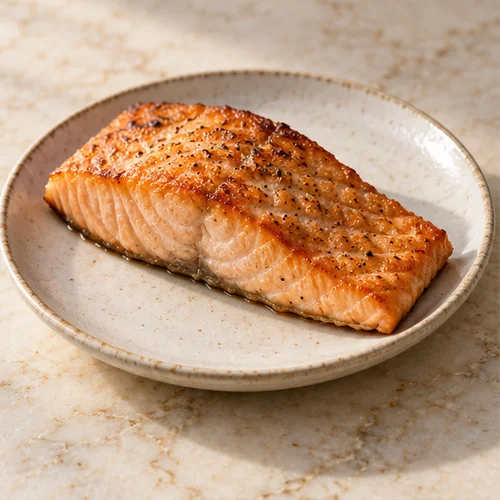 Fish
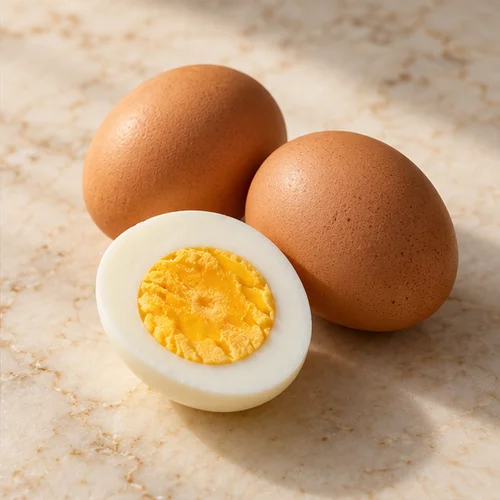 Eggs
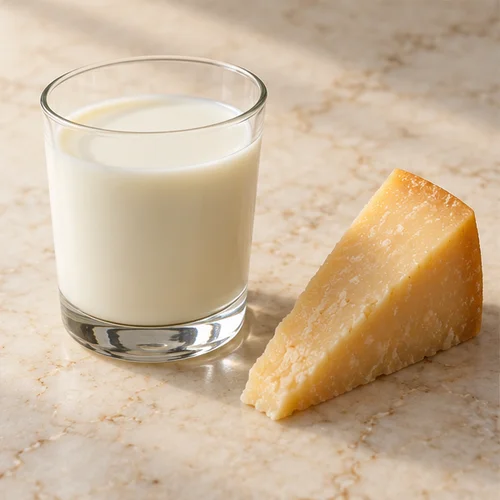 Milk and dairy products
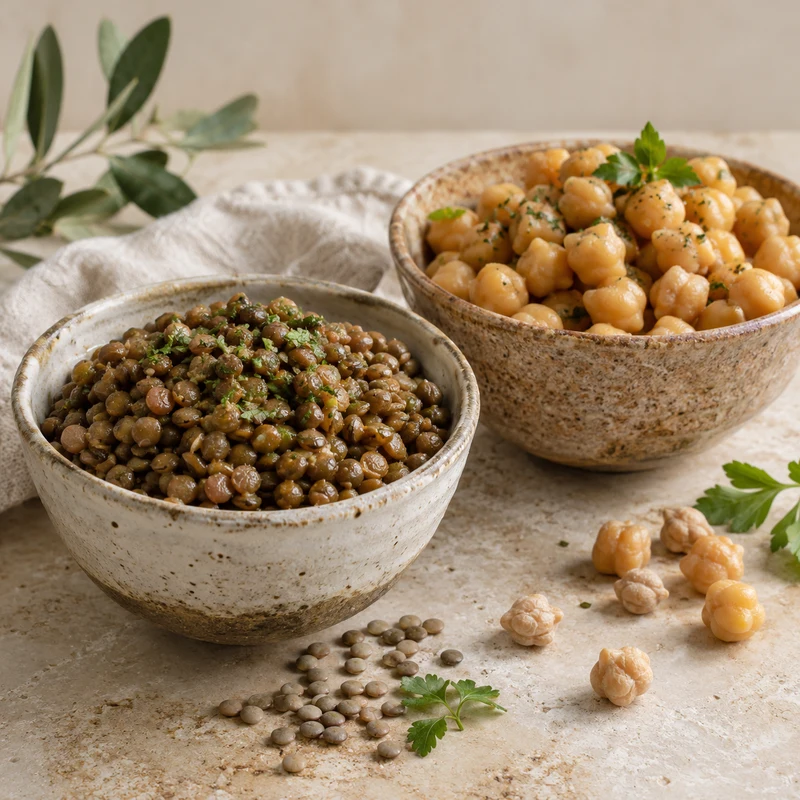 Beans, lentils and soy foods
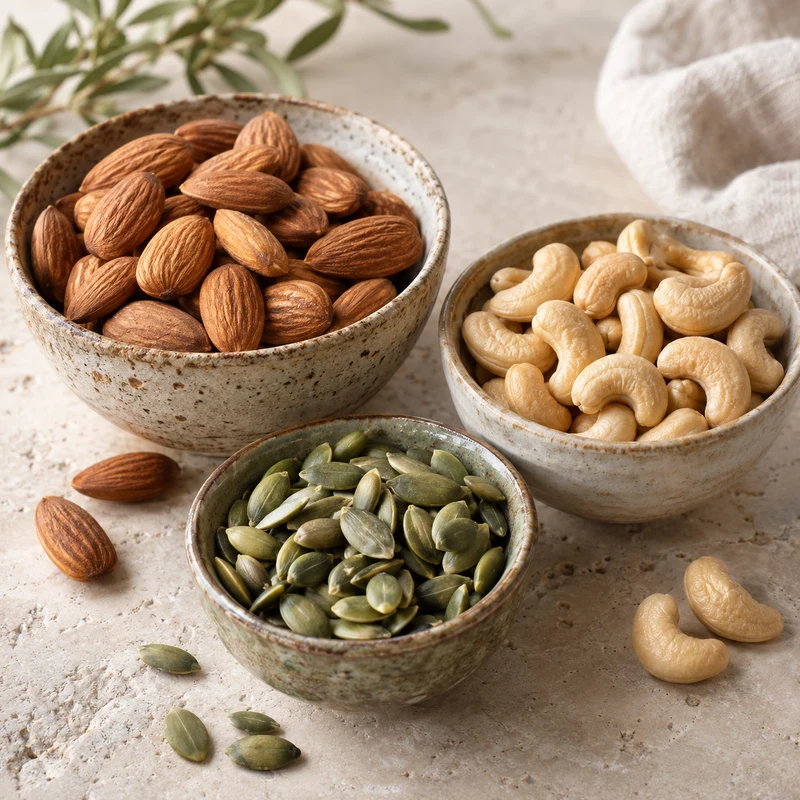 Nuts and seeds
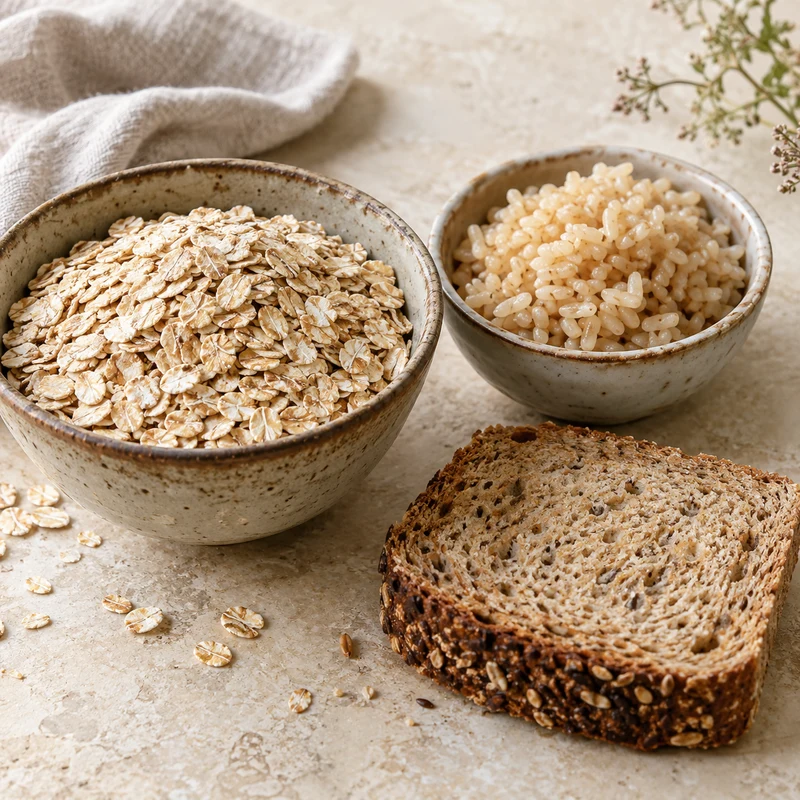 Whole grains
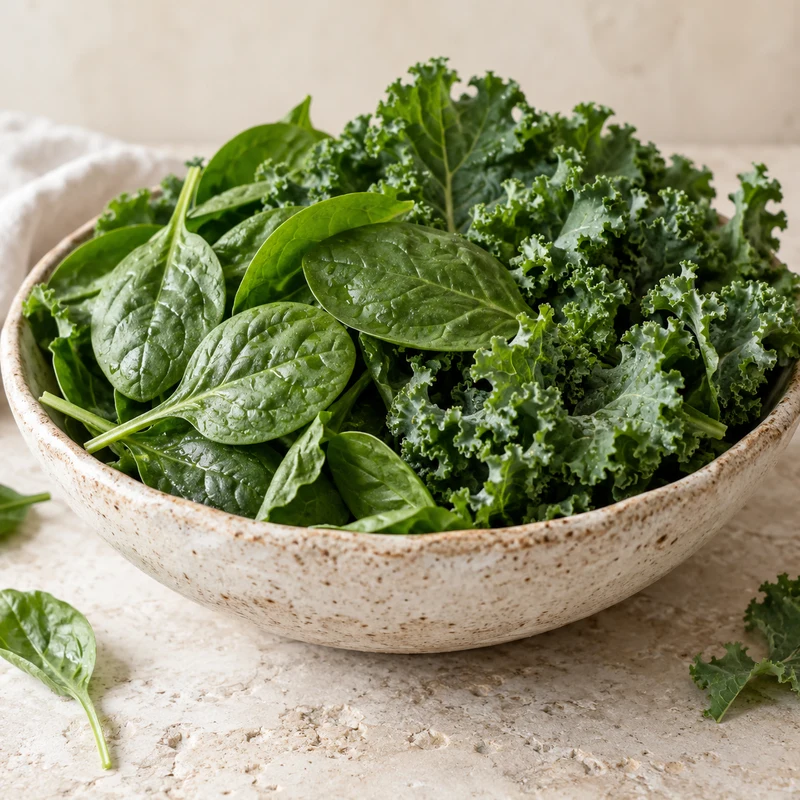 Leafy vegetables
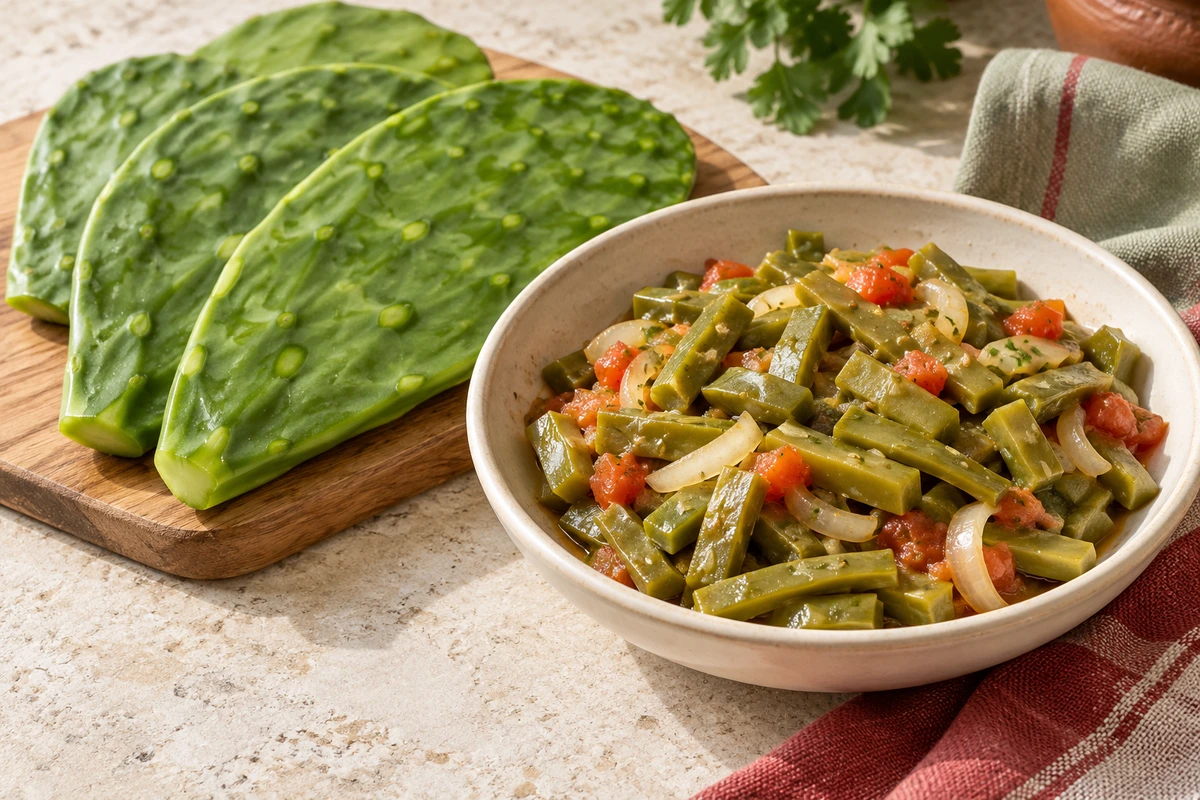 Nopal cactus pads
Amounts vary considerably between foods and serving sizes. Nopal belongs in this wider food picture; identifying an amino acid in the cactus does not make a small serving equivalent to a protein-rich meal.
How Much Tryptophan Is in Nopal?
USDA FoodData Central · “Nopales, raw”
The USDA entry lists 0.014 grams of tryptophan per 100 grams of raw nopales, equal to 14 milligrams. This provides context for the amount in fresh cactus pads.(4)
A study of Mexican foods reported tryptophan in Nopal, identified as Opuntia species. The researchers analyzed food samples, rather than our finished products.(3)
Nopal also contains fiber, minerals and many other plant compounds. Its composition varies with the species, growing conditions, maturity and processing.
From Our Farms to Your Bottle
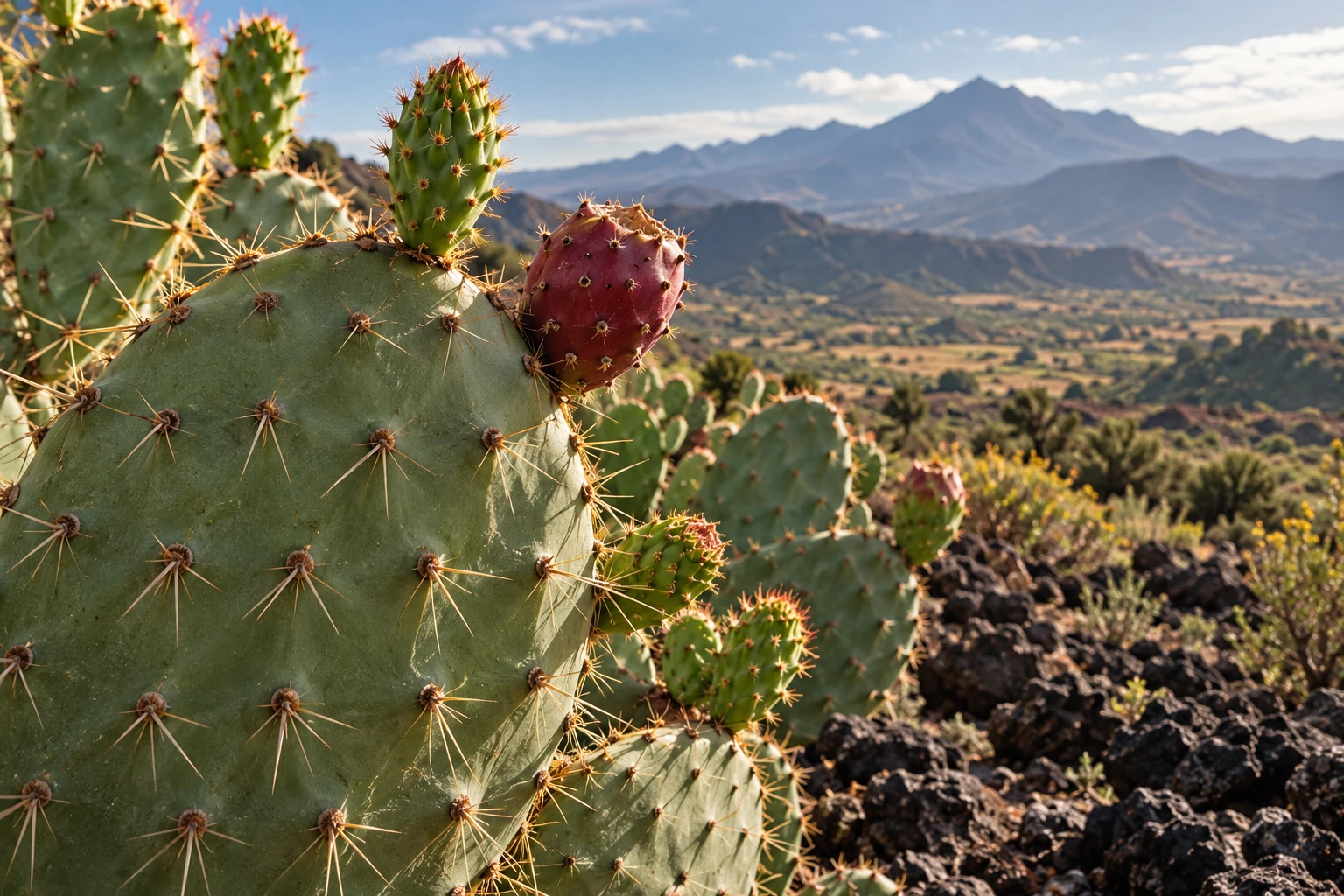
Our Nopal capsule story begins on our mountain farms in Mexico, where Opuntia streptacantha grows at about 8,200 feet in rich volcanic soil. Sunlight, temperature, and rainfall shape the living cactus.
We stay involved from growing through harvest and preparation of the capsules. This growing environment is part of the story behind each amino acid discussed here.
Looking at the Whole Cactus
Tryptophan is one part of Nopal’s wider nutritional picture. Explore the other science articles to learn about the cactus’s fiber, vitamins, minerals and other plant compounds.
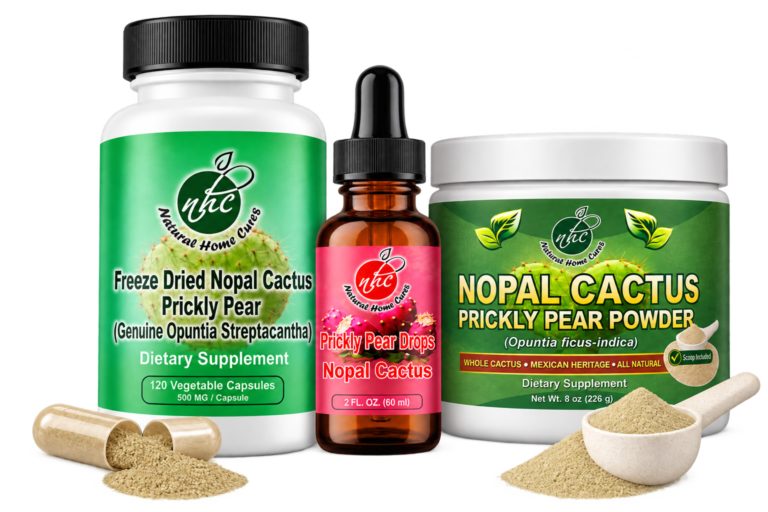
FROM CACTUS TO PRODUCT
Meet Our Nopal Cactus & Prickly Pear Family
Nopal cactus capsules, prickly pear drops, and Nopal cactus powder.
Explore Nopal Cactus →The research behind this articleSource References
- 01Source referenceTryptophan.View source
Full citation
MedlinePlus Medical Encyclopedia. U.S. National Library of Medicine. Tryptophan. - 02Source referenceNiacin: Fact Sheet for Health Professionals.View source
Full citation
National Institutes of Health, Office of Dietary Supplements. Niacin: Fact Sheet for Health Professionals. - 03Source referenceAmino acid composition of some Mexican foods.View source
Full citation
Morales de León J, Camacho ME, Bourges H. Archivos Latinoamericanos de Nutrición. 2005;55(2):172–186. Amino acid composition of some Mexican foods. - 04USDA food composition referenceNopales, raw.View source
Full citation
U.S. Department of Agriculture. FoodData Central. “Nopales, raw.” FDC ID 168571; SR Legacy. Tryptophan: 0.014 g per 100 g of raw edible food, equivalent to 14 mg. General raw-food composition; not a finished-product assay.