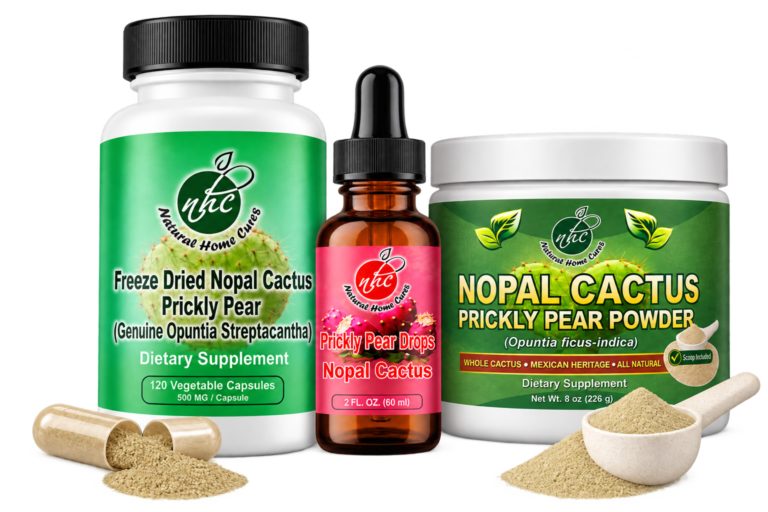
NATURAL HOME CURES · NOPAL SCIENCE
A closer look
at Nopal.
Amino acids, vitamins, minerals, fiber and plant chemistry.
Explore the library
BOTANICAL PROFILE
One plant.
Many things to discover.
Explore plant composition, nutrient biology and Mexican heritage. Research on a nutrient, species or plant part does not establish its amount or effects in a finished Nopal product.
NEW TO THE LIBRARY?
Start here.
Choose an introduction, then use the topic index to explore the details.
Understand plant chemistry
A map of phenolics, pigments and other compounds, with the differences between species and products.
02 · FOOD AND PRODUCT AMOUNTSBegin with dietary fiber
Understand fiber and why raw-cactus values do not tell us the fiber content of a capsule.
03 · HISTORY AND HERITAGEMeet Nopal in Mexican life
Food traditions, the Mexica foundation story and the cactus in the national emblem.
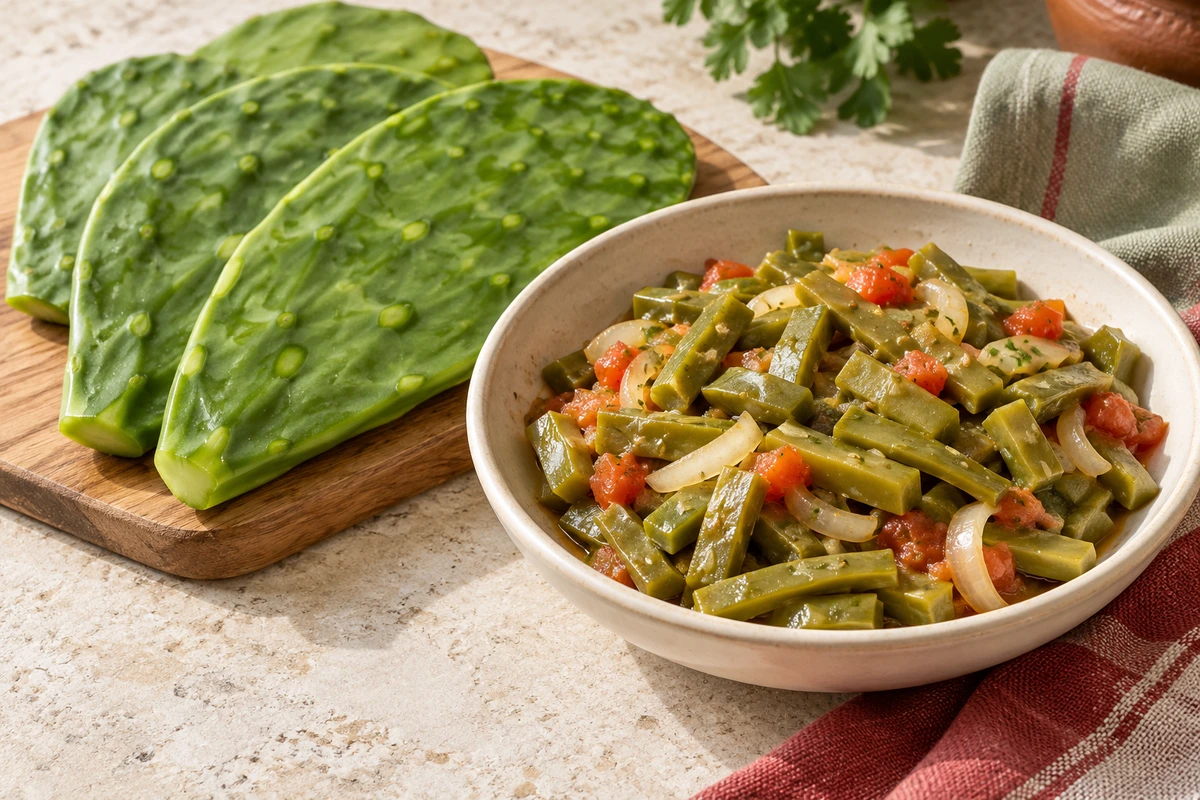
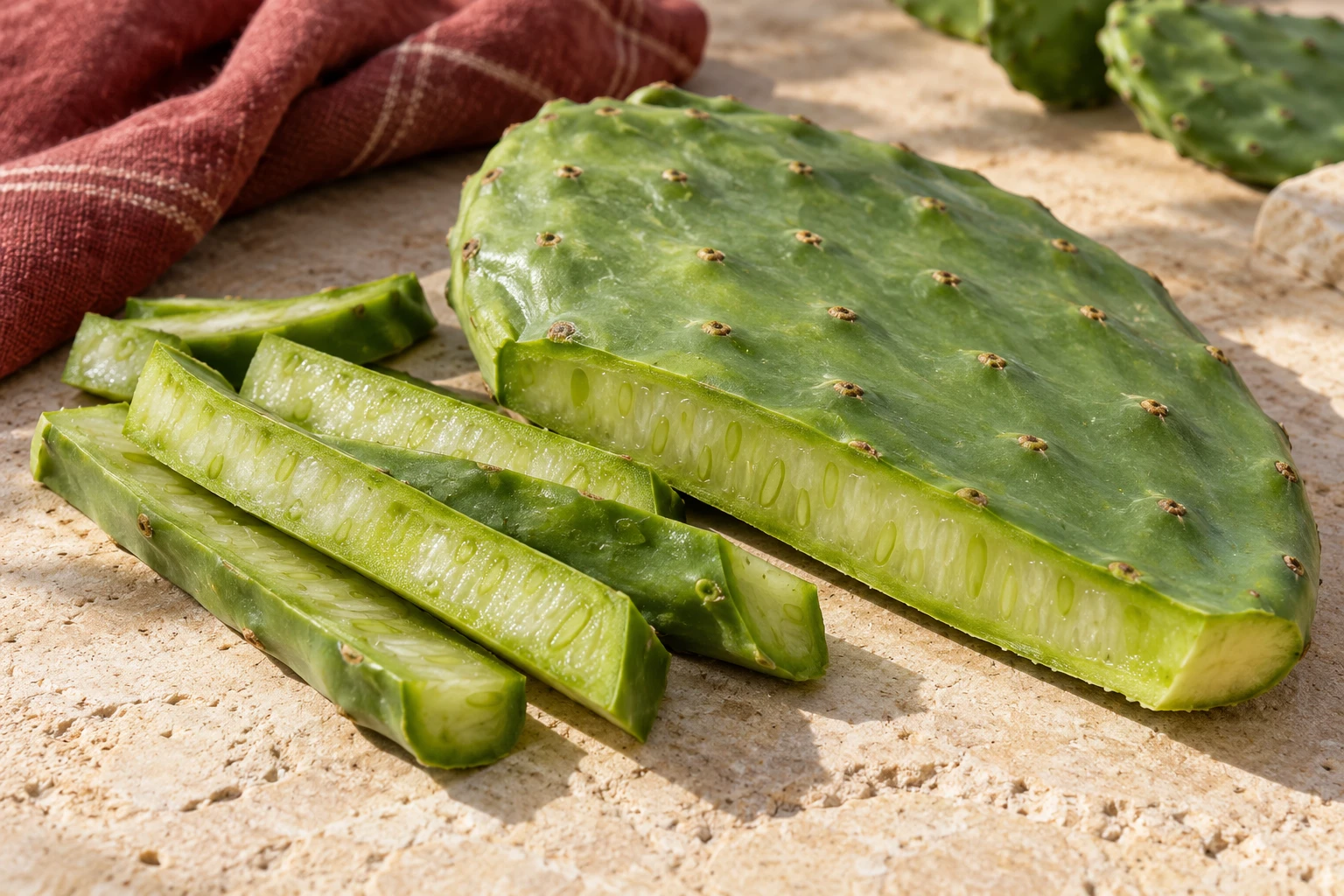
When reading a study, ask: Which species? Which plant part? Which preparation? Was it a composition test, a laboratory experiment or a study in people? Food images show the topic; they do not show the ingredients or measured content of our products.
THE NOPAL SCIENCE LIBRARY
Explore the articles
45 articles · Research context, references and product distinctions
Phytonutrients
3 ARTICLES
Overview
The Phytonutrients of Nopal Cactus
Start with the compound families, species and plant parts before interpreting a product’s composition.
Read articlePhenolic acids
Caffeic Acid
A phenolic acid distinct from caffeine: cactus-pad research, laboratory chemistry and product-evidence limits.
Read article
Phenolic acids
Ferulic Acid
Plant structure and experimental antioxidant chemistry, alongside the limits of finished-product assumptions.
Read articleNopal Cactus Fiber
1 ARTICLE
Nopal Cactus Pectin
1 ARTICLE
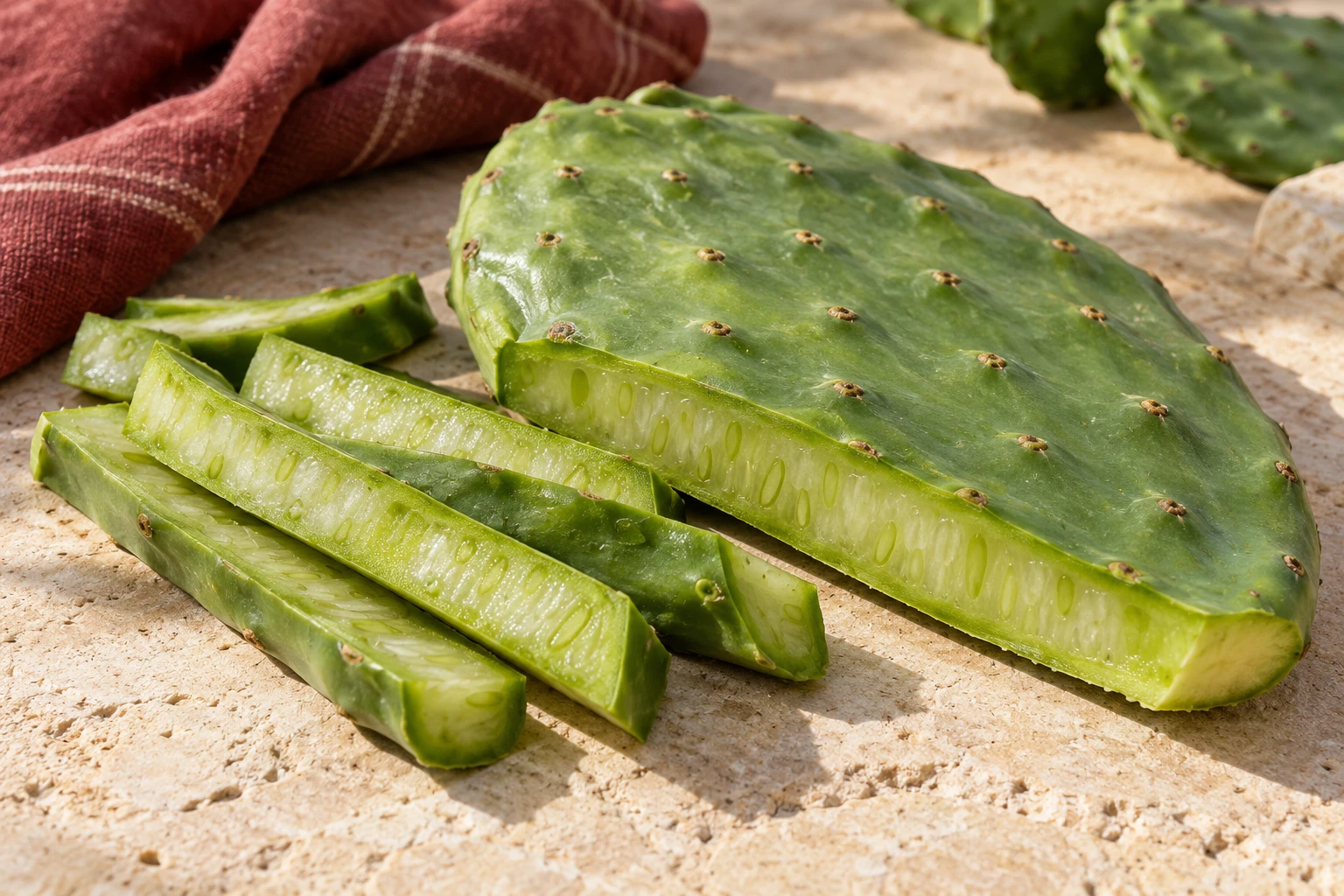
Nopal Cactus Betalains
1 ARTICLE
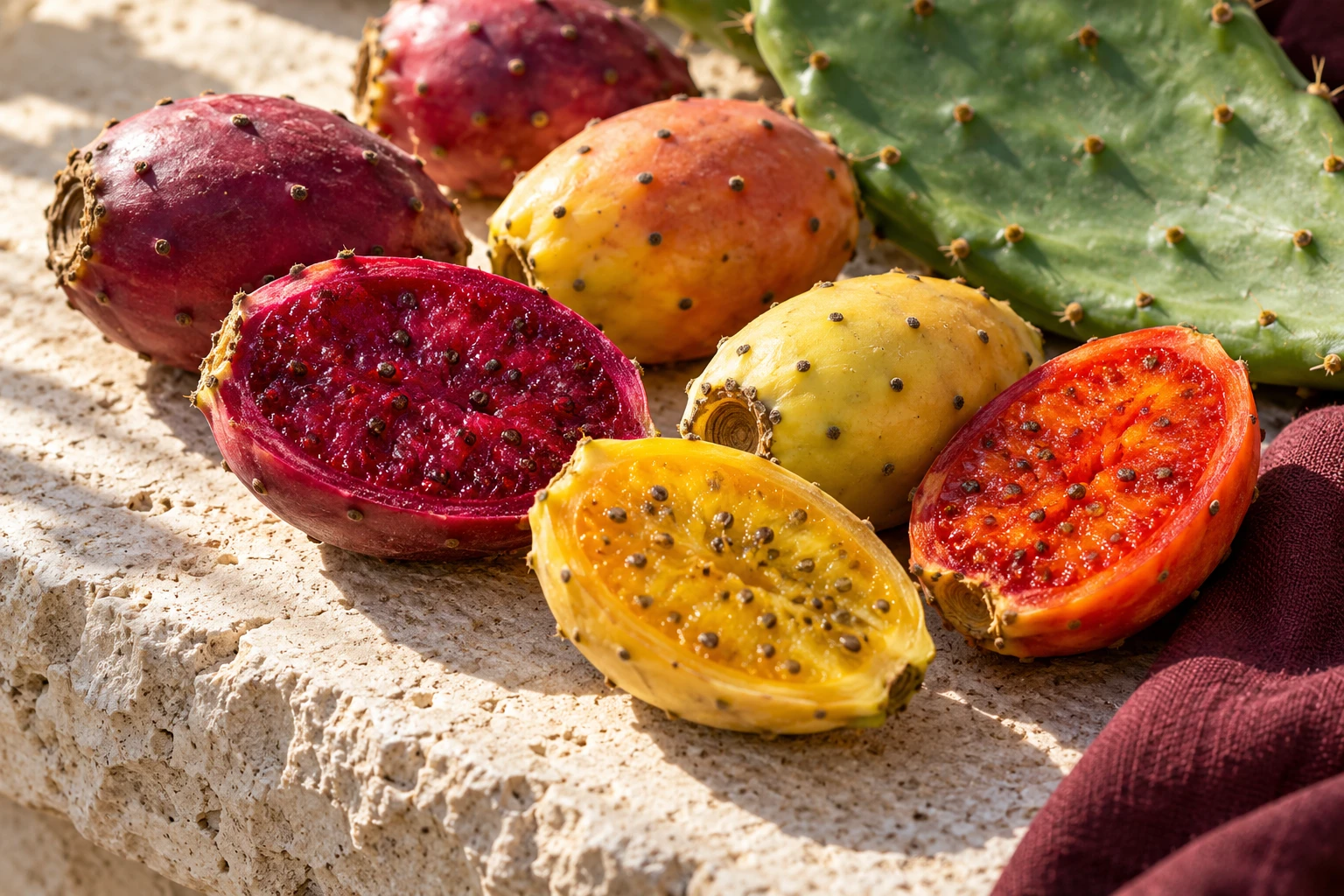
Nopal Vitamins
9 ARTICLES
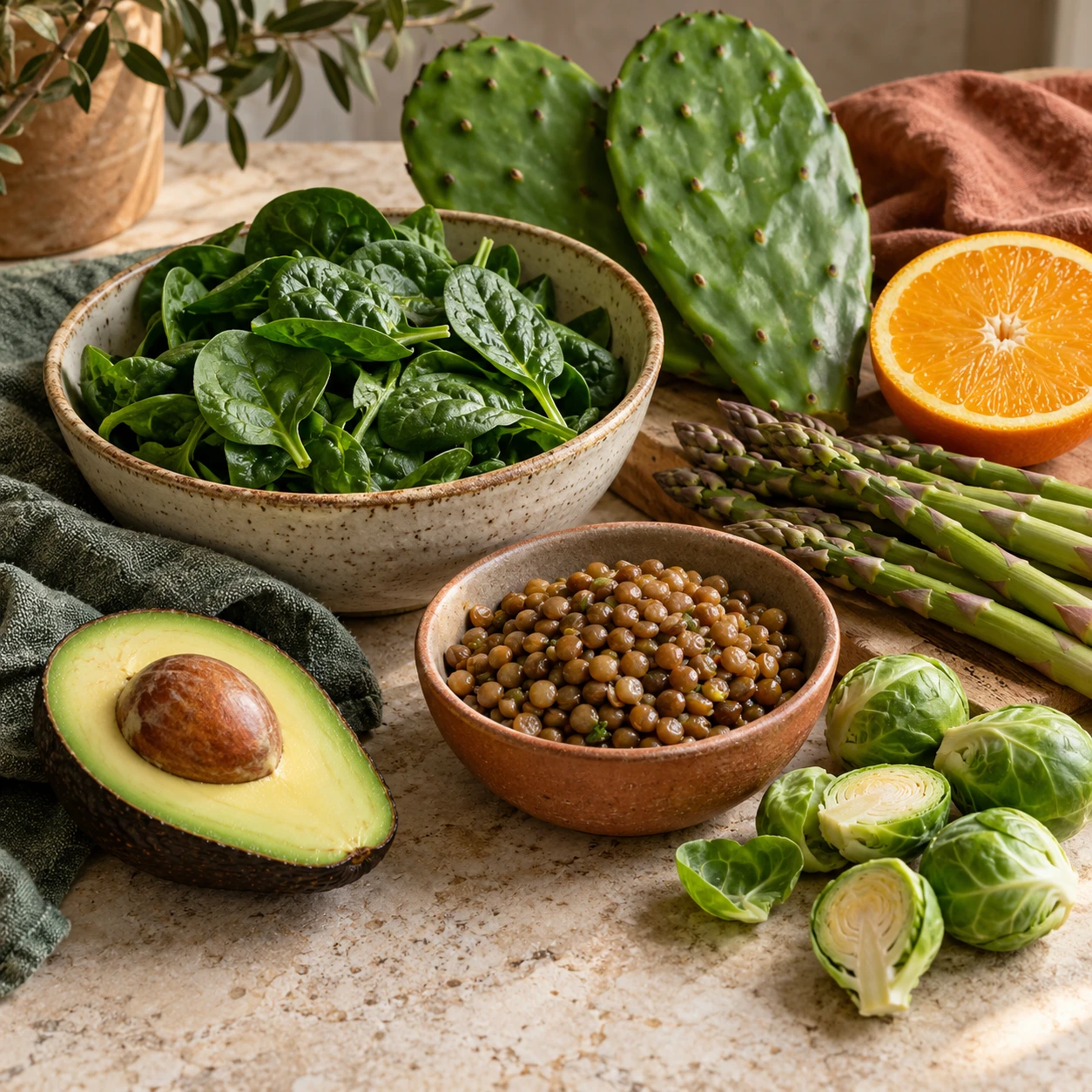
Vitamins
Folate
Folate in nutrition, cactus composition studies and why these capsules are not an established folate dose.
Read article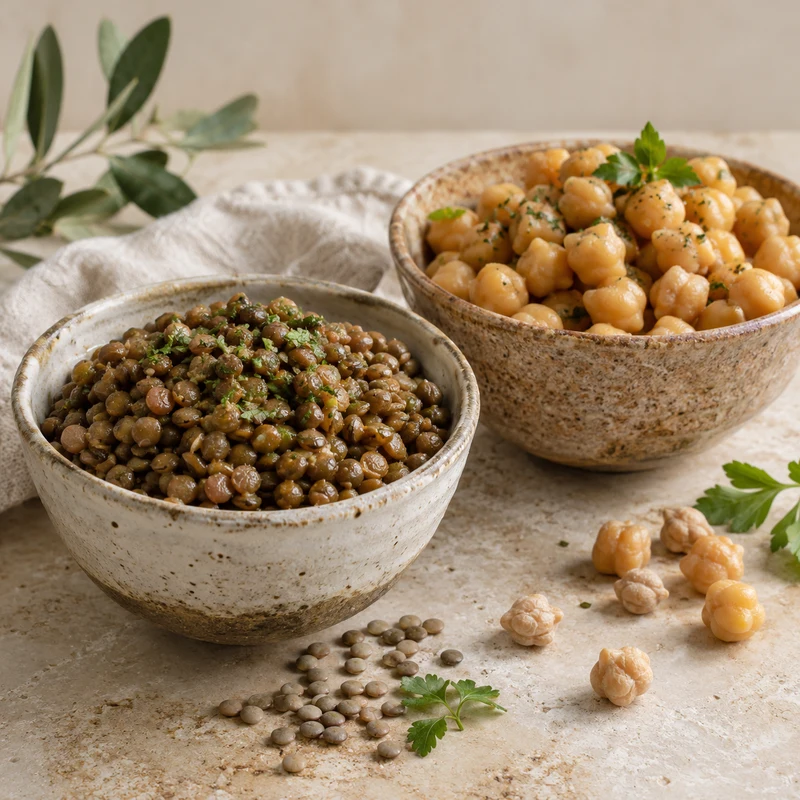
Vitamins
Niacin
Vitamin B3, niacin equivalents and why a dietary conversion convention is not a capsule-content calculation.
Read article
Vitamins
Pantothenic Acid
Vitamin B5 and coenzyme A, with a distinction between tentative extract findings and product measurements.
Read articleVitamins
Pyridoxine
Vitamin B6 forms and functions, with the limits of applying plant studies to finished capsules.
Read article
Vitamins
Riboflavin
Vitamin B2 and cellular chemistry; light sensitivity alone does not establish product retention.
Read article
Vitamins
Thiamine (B1)
Vitamin B1 and its coenzyme role, with careful distinctions about processing and retained product amounts.
Read article
Vitamins
Vitamin A
Provitamin A carotenoids, retinol activity equivalents and why total pigments are not a measured vitamin A dose.
Read articleVitamins
Vitamin C
Vitamin C’s normal roles and why processing method alone does not establish its retention in a product.
Read article
Vitamins
Vitamin E
Vitamin E forms and the differences between seed oils, fruit and green-pad powder.
Read articleNopal Minerals
10 ARTICLES
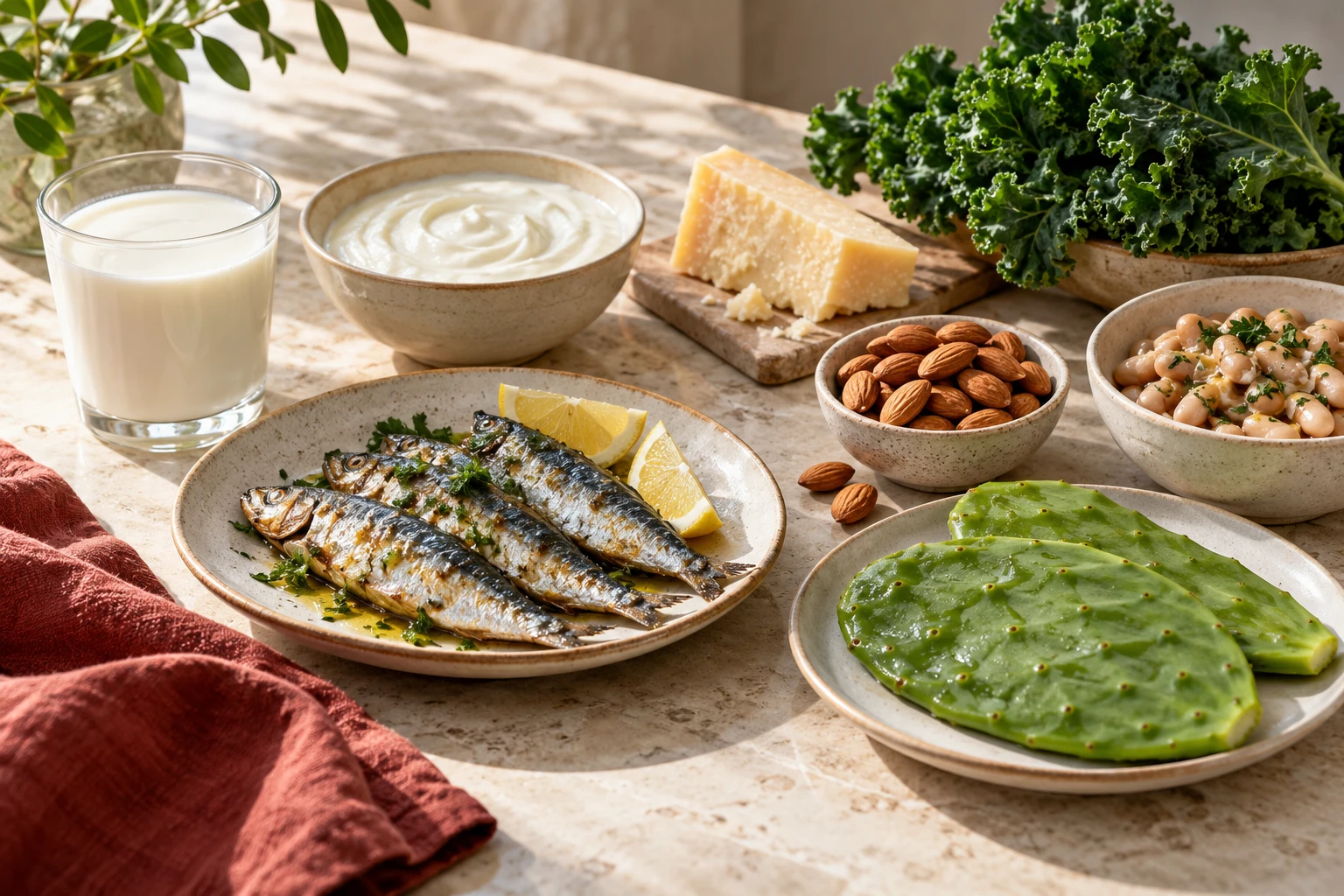
Minerals
Calcium
Plant calcium, calcium oxalate and absorption: composition is different from an absorbed product dose.
Read article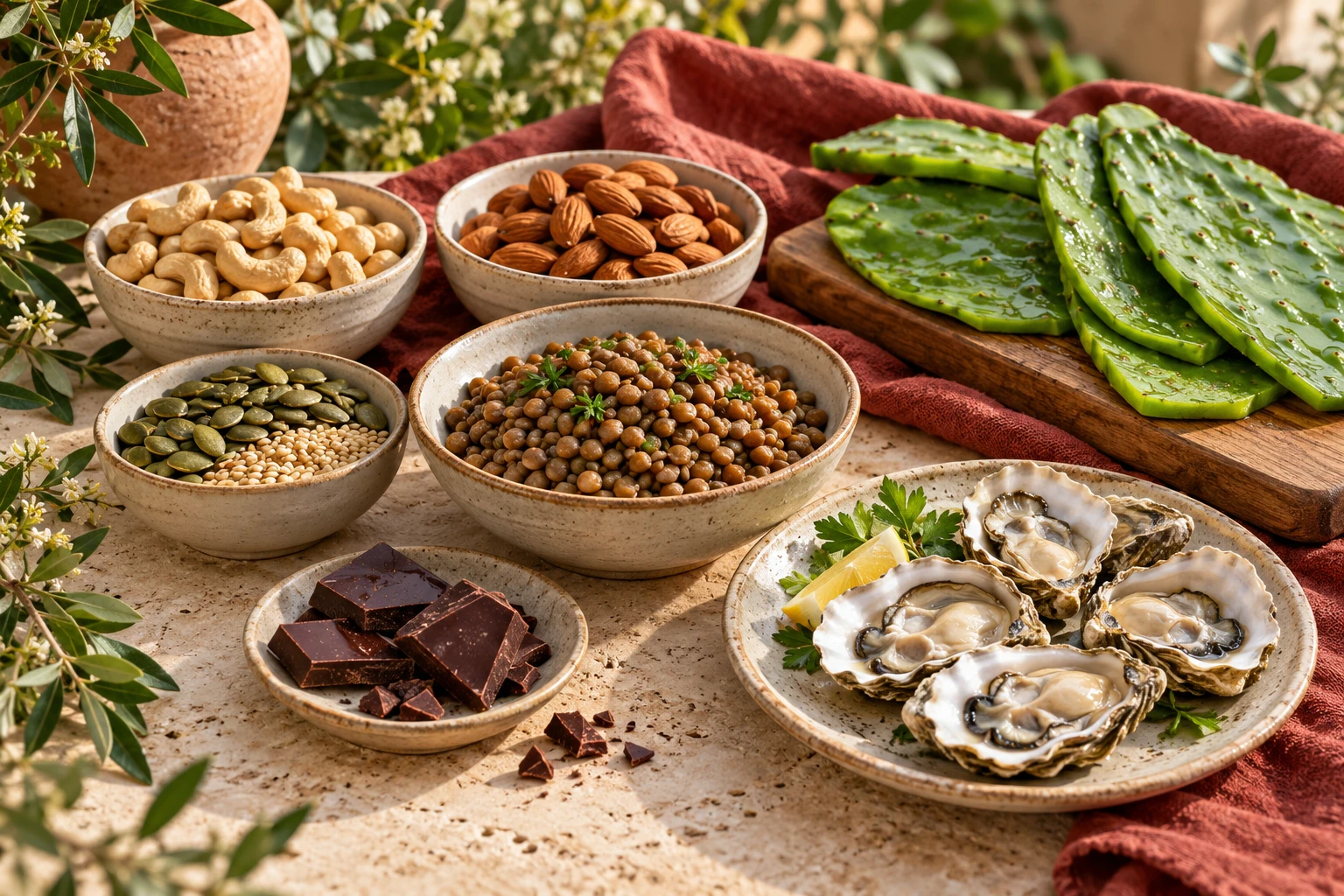
Minerals
Copper
Copper’s normal enzyme roles, food sources and why capsule powder weight does not establish copper content.
Read article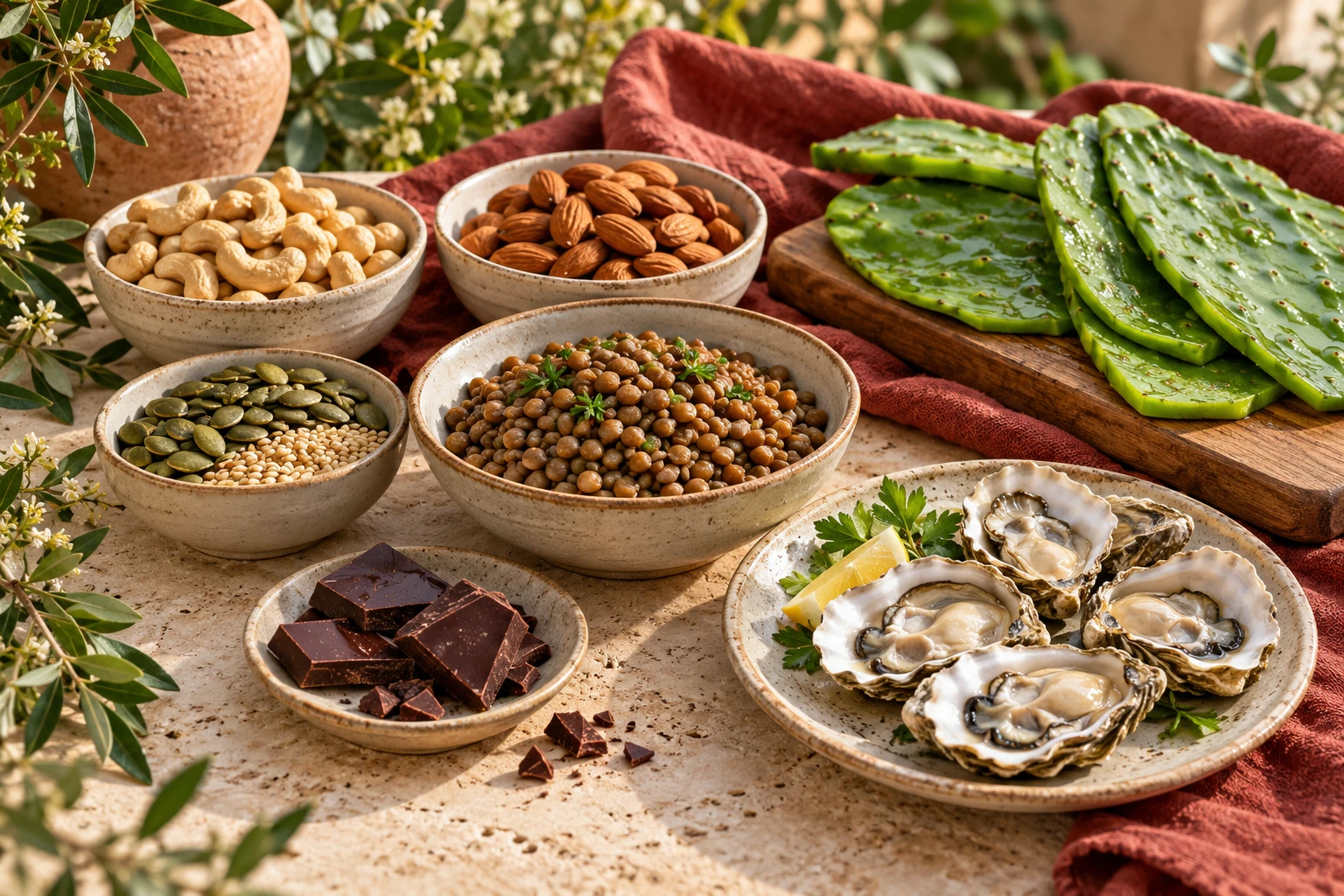
Minerals
Iron
Iron in oxygen transport, nonheme absorption and the need for product-specific content measurements.
Read articleMinerals
Magnesium
Magnesium in enzymes and chlorophyll, with a distinction between plant composition and a product serving.
Read articleMinerals
Manganese
A trace mineral in human enzymes and plant biology; nutrient functions do not establish a capsule dose.
Read article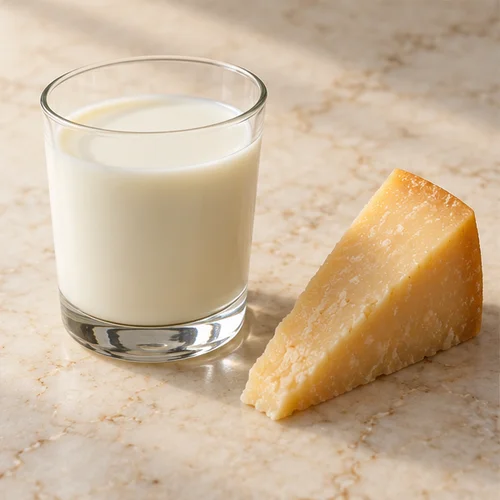
Minerals
Phosphorus
Phosphorus in cell membranes, DNA and energy chemistry, with food and product measurements kept distinct.
Read articleMinerals
Potassium
An electrolyte in nerve and muscle function, with context for interpreting cactus and product amounts.
Read article
Minerals
Selenium
Soil, plant composition and selenium biology; farm conditions alone do not establish bottle content.
Read articleMinerals
Sodium
Sodium in fluid balance and nerve signaling, with a distinction between nutrient roles and product quantities.
Read article
Minerals
Zinc
Zinc’s normal enzyme and immune roles, without assuming a measured amount or benefit from a capsule.
Read articleAmino Acids A–L
10 ARTICLES
Amino acids
Alanine
Alanine in normal metabolism, food composition data and the limits of applying raw-cactus values to capsules.
Read article
Amino acids
Arginine
Arginine, normal nitric oxide production and why those pathways do not establish a product effect.
Read article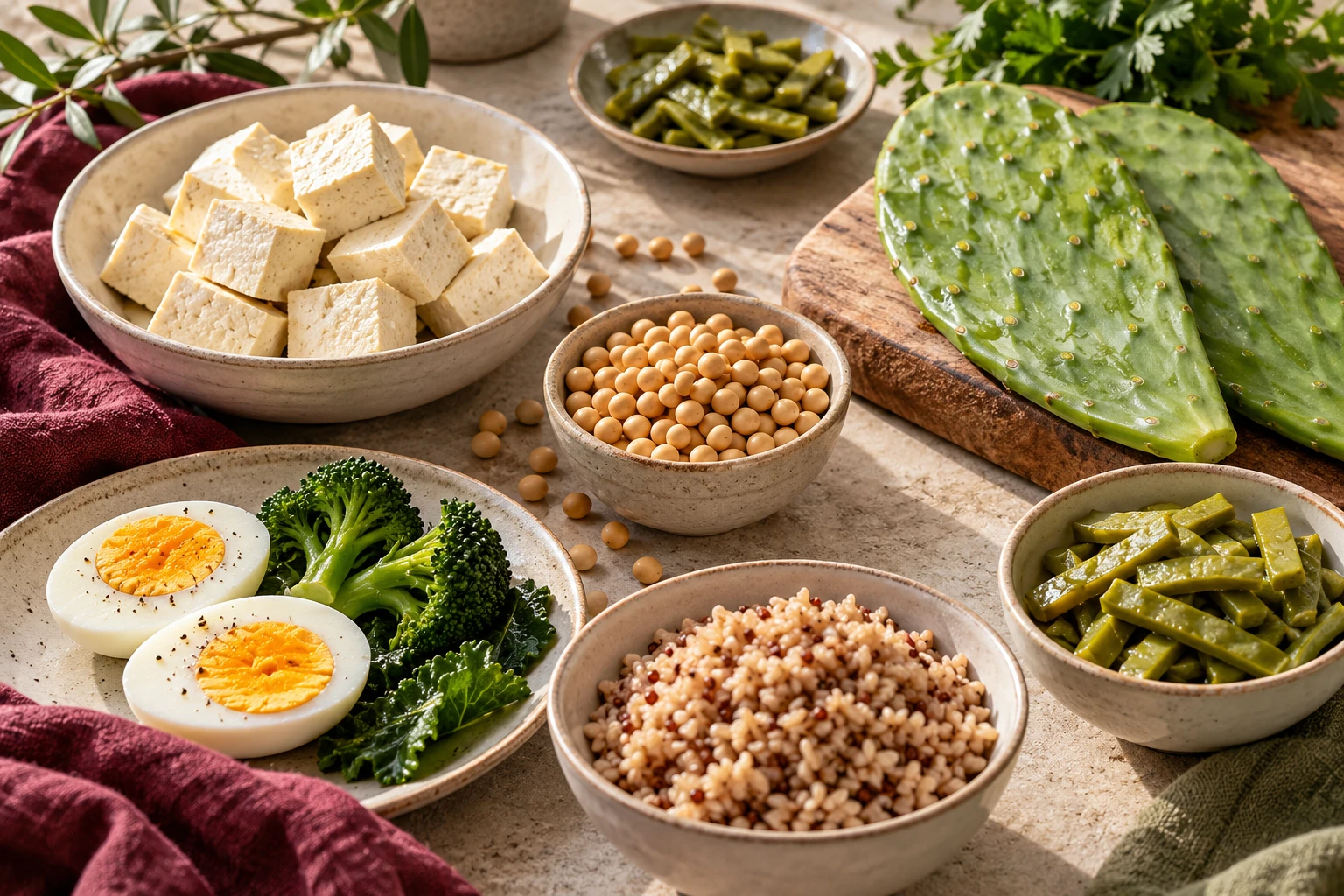
Amino acids
Aspartic Acid
Aspartic acid in proteins and metabolism, with a distinction between plant data and a product serving.
Read article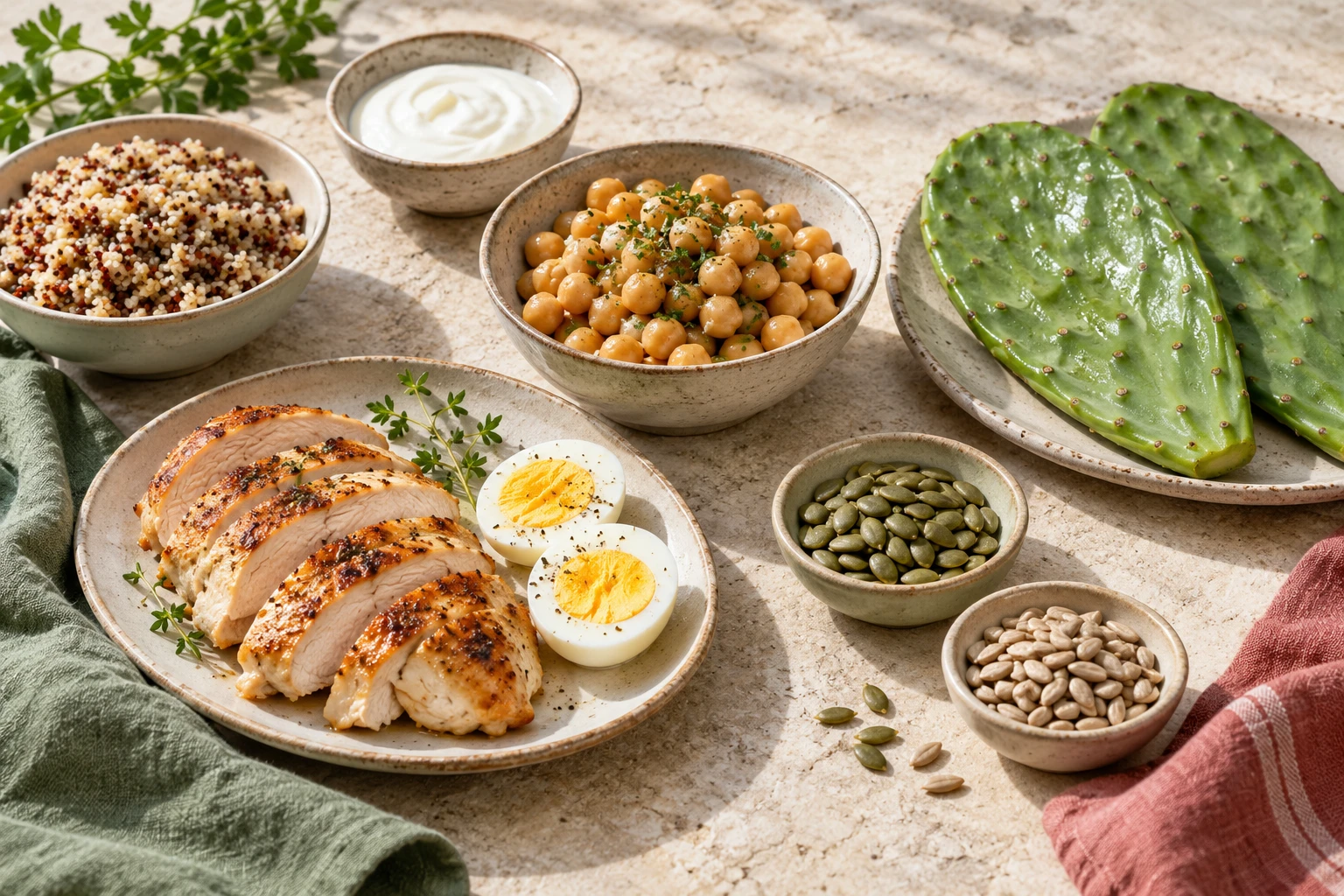
Amino acids
Cystine, Cysteine
Understand cystine and cysteine, their relationship and what cactus composition figures actually measure.
Read article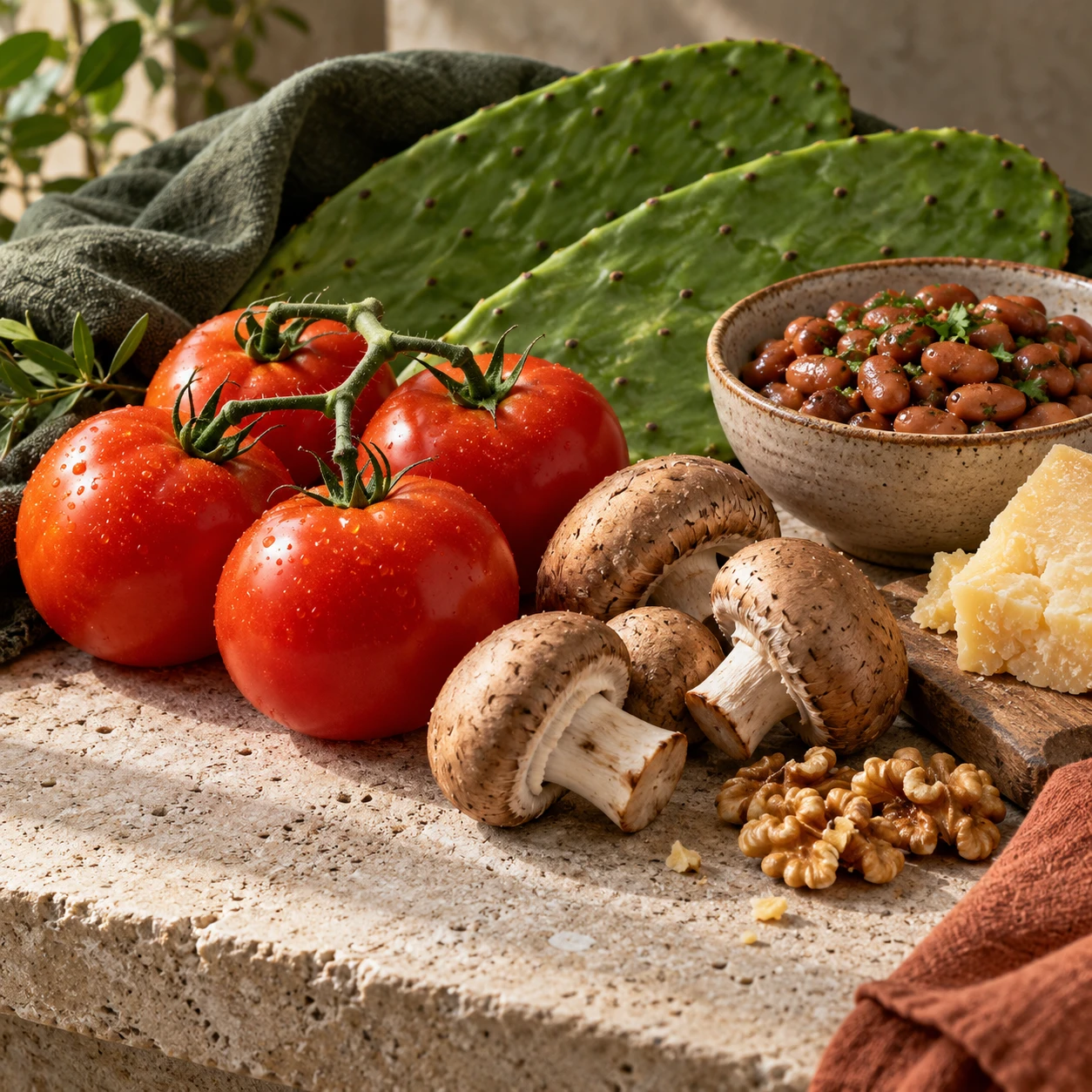
Amino acids
Glutamic Acid
Glutamate in proteins and metabolism, and the difference between free and total amino-acid measurements.
Read article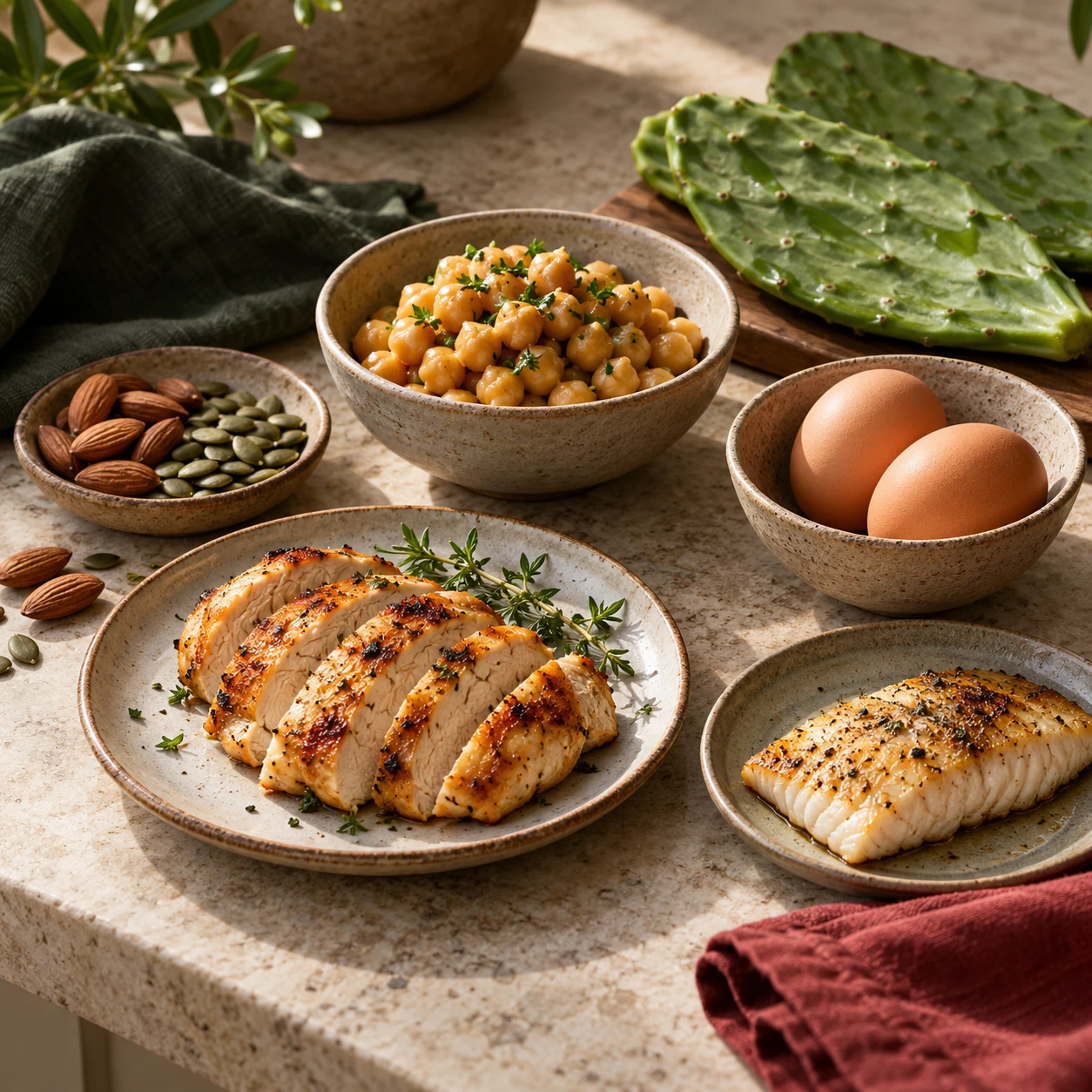
Amino acids
Glycine
Glycine in proteins and connective tissues, with context for interpreting food and cactus analyses.
Read articleAmino acids
Histidine
Histidine in proteins, histamine and hemoglobin; nutrient roles and product amounts are separate questions.
Read article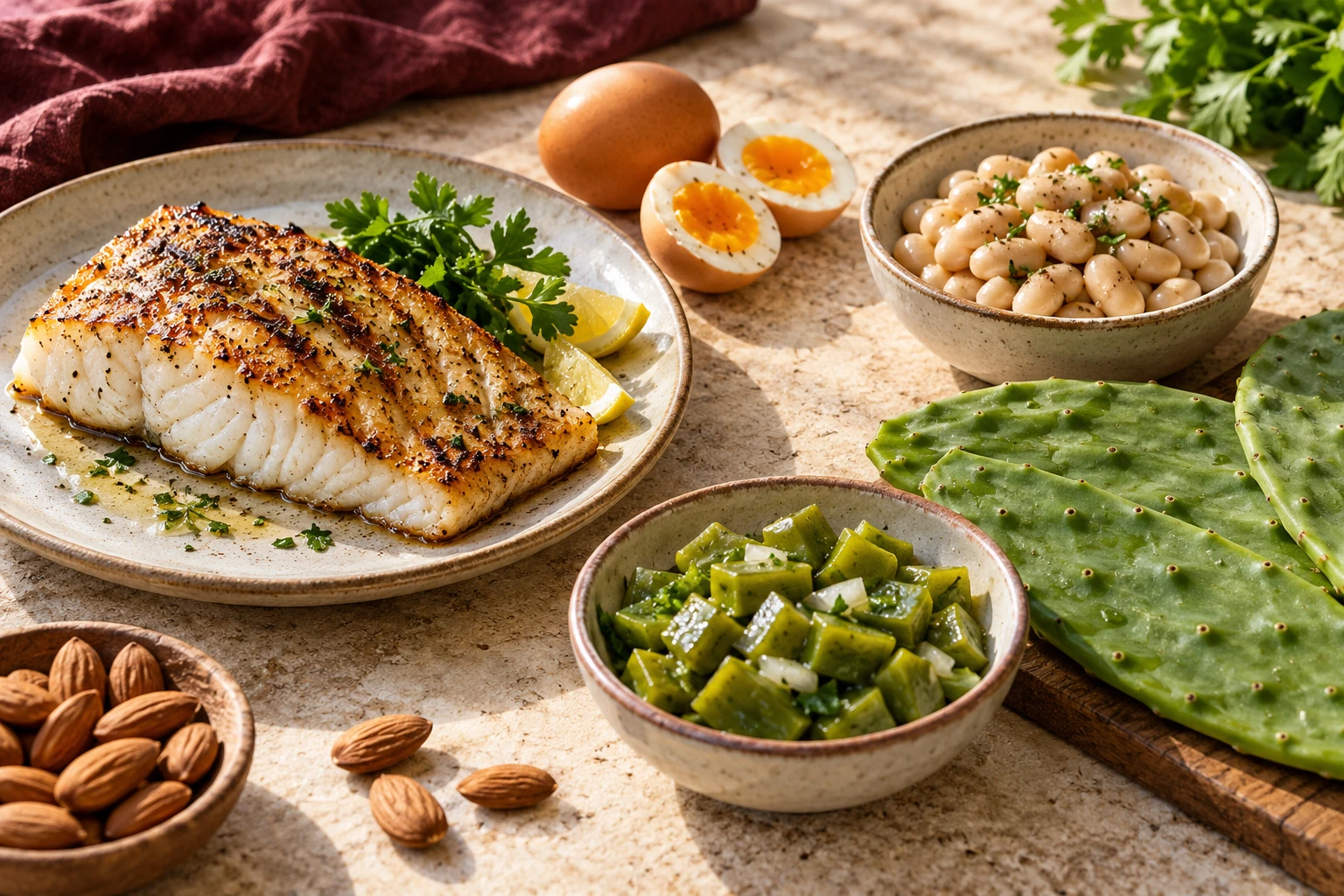
Amino acids
Isoleucine
An essential branched-chain amino acid, its food sources and the limits of cactus composition data.
Read article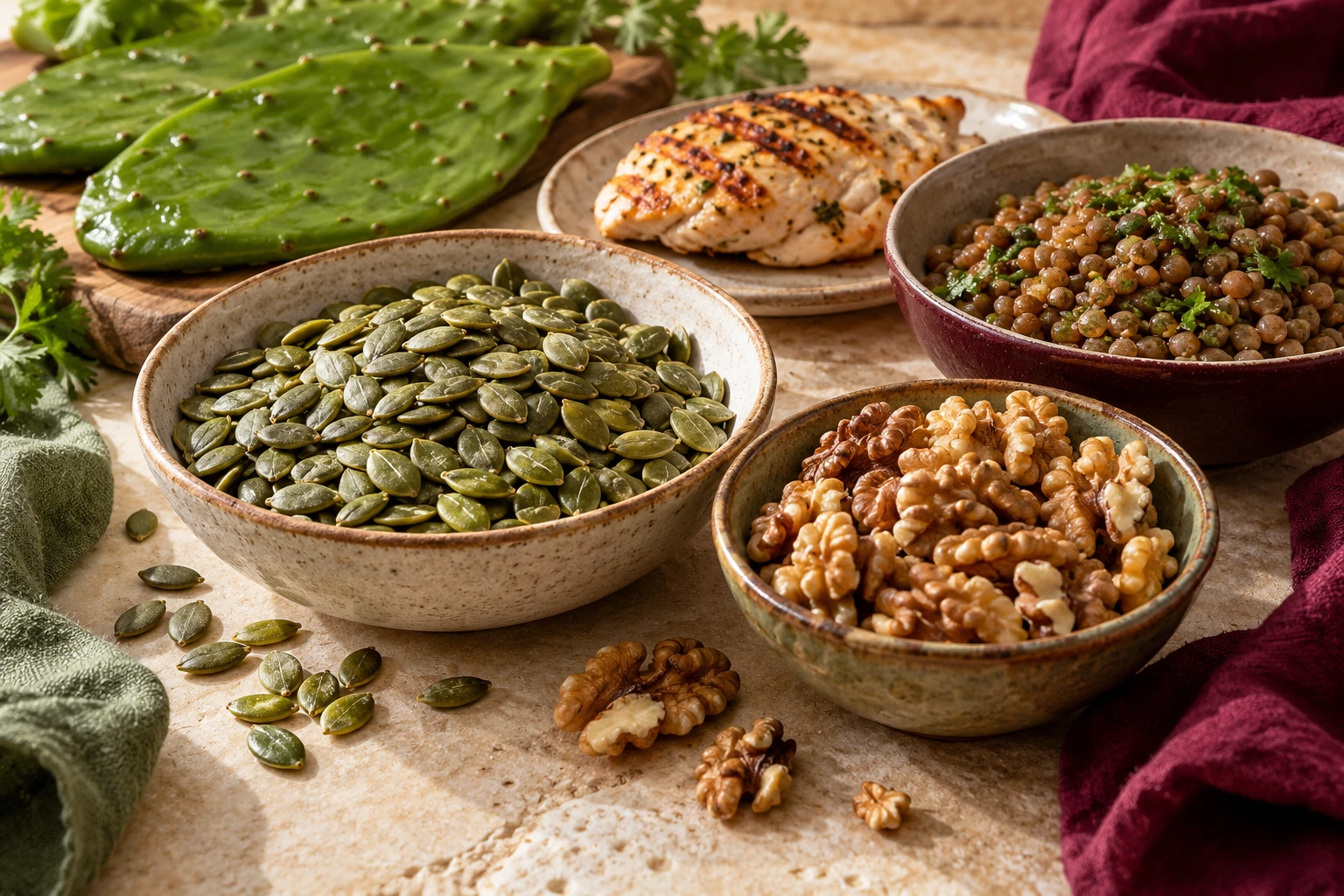
Amino acids
Leucine
Leucine in protein synthesis research, including why isolated-amino-acid trials do not establish a capsule benefit.
Read article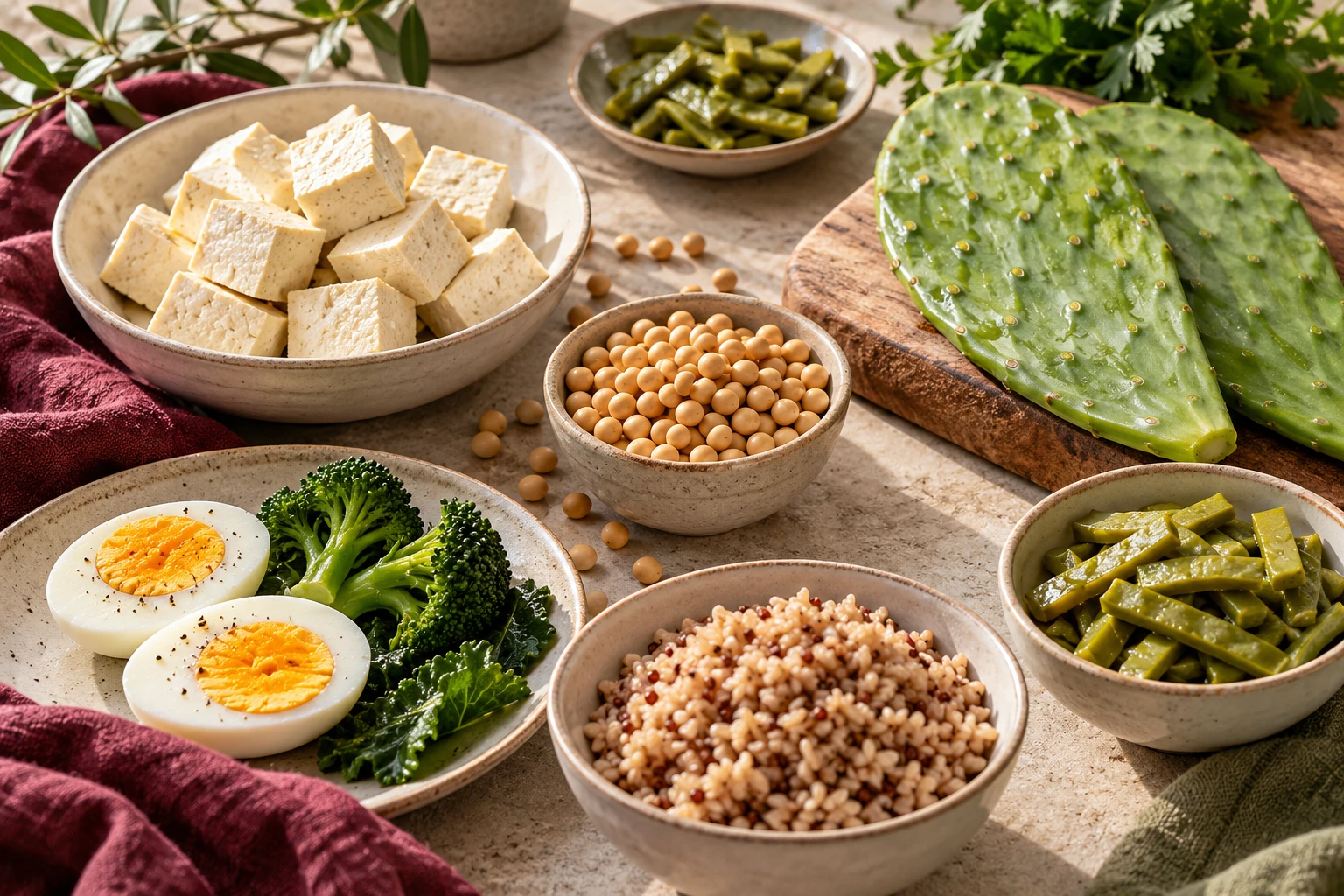
Amino acids
Lysine
An essential amino acid in proteins and collagen formation, with context for cactus measurements.
Read articleAmino Acids M–Z
8 ARTICLES
Amino acids
Methionine
A sulfur-containing essential amino acid, its biological roles and the limits of product-content assumptions.
Read articleAmino acids
Phenylalanine
Phenylalanine in foods and proteins, with an important distinction for people managing phenylketonuria.
Read article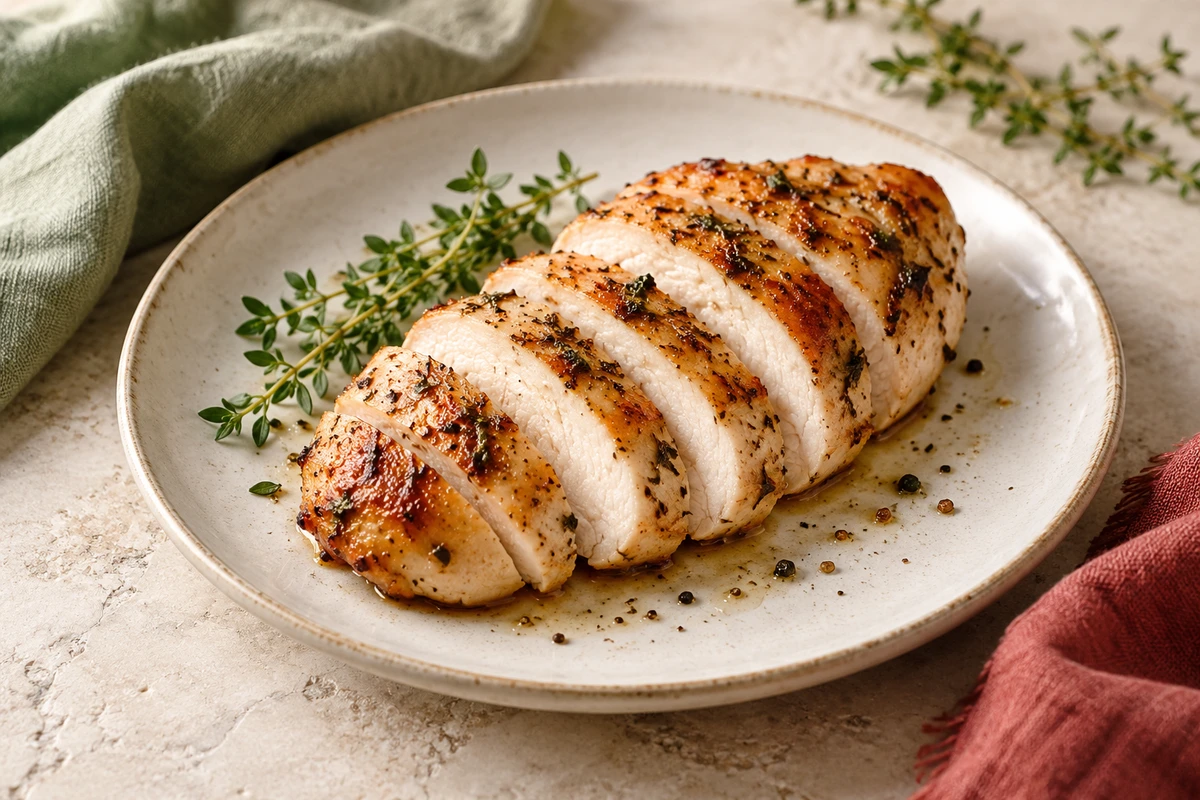
Amino acids
Proline
Proline’s distinctive structure, collagen biology and the limits of applying food data to a capsule.
Read articleAmino acids
Serine
Serine in proteins and cell membranes, with food-composition and product-content context.
Read article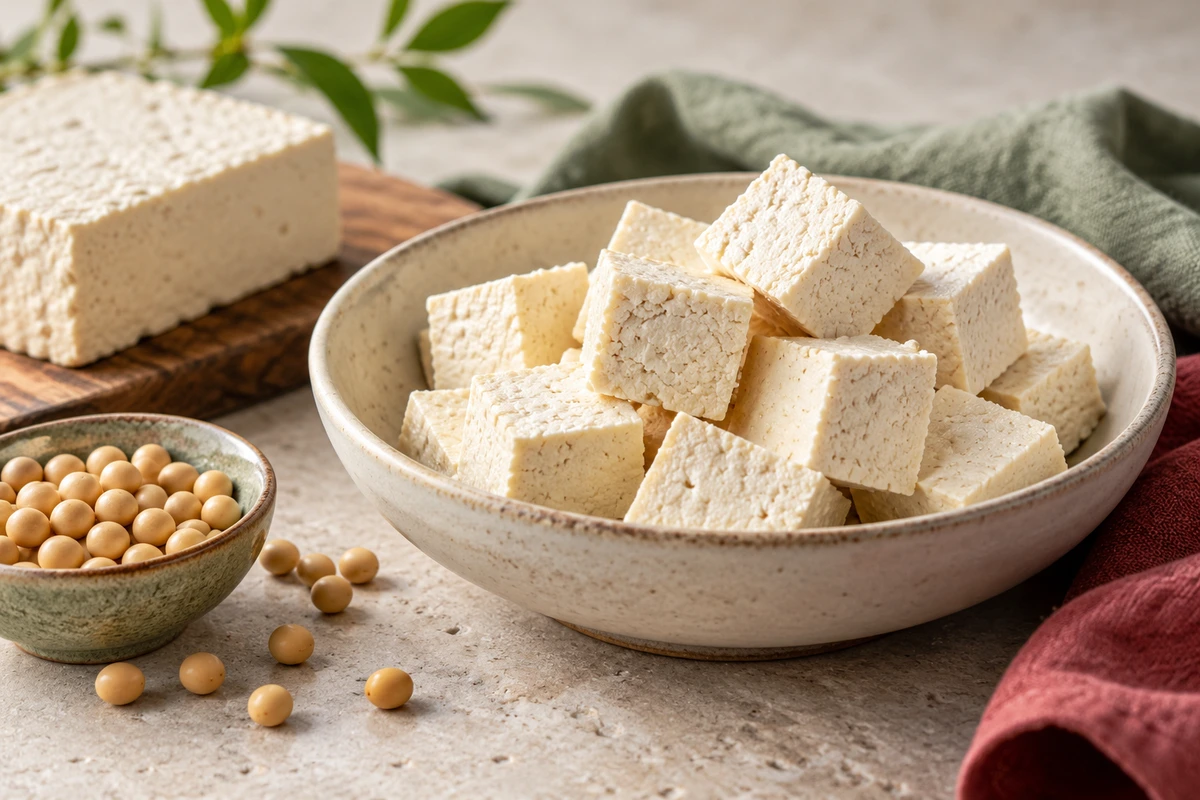
Amino acids
Threonine
An essential amino acid in proteins and mucins; learn what the cited composition data can tell us.
Read articleAmino acids
Tryptophan
Pathways involving serotonin, melatonin and niacin do not establish sleep or mood effects from Nopal capsules.
Read articleAmino acids
Tyrosine
Tyrosine in proteins, chemical messengers and pigments, without assuming a hormone or mood effect from a serving.
Read articleAmino acids
Valine
Valine and the branched-chain amino acids, with a clear separation of nutrient biology and product evidence.
Read articleNitric Oxide
1 ARTICLE · CELL SIGNALING
Related to arginine metabolism; nitric oxide is a signaling molecule made in the body, not a nutrient amount established in these capsules.
History & Heritage
1 ARTICLE
Explore the Nopal products
Compare our green-pad capsules, loose powder and fruit-based drops on the product overview page.
View products and preparations →