NATURAL HOME CURES · NOPAL SCIENCE
Selenium
& Nopal
A trace mineral that connects human nutrition with soil, roots and the growing environment.
Explore the science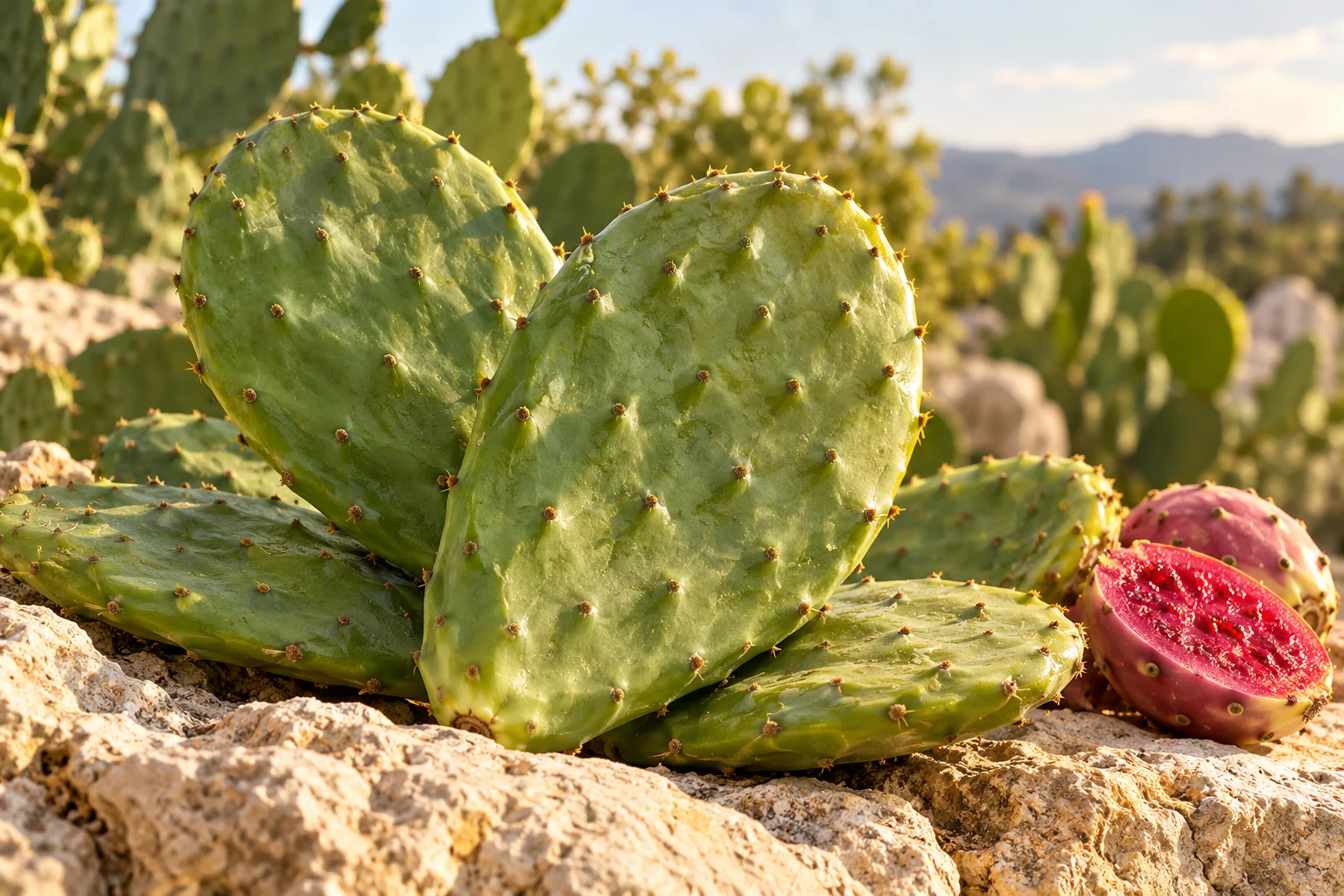
Selenium is a trace mineral, meaning our bodies need only a very small amount of it.
Selenium becomes part of proteins involved in natural antioxidant defenses and thyroid hormone metabolism. Its connection with plant foods also leads us back to the soil—a useful starting point for understanding the environment in which Nopal grows.(1), (2)
A Trace Mineral With Jobs Inside Proteins
The body incorporates selenium into specialized proteins called selenoproteins. One form used in building these proteins is selenocysteine, a selenium-containing amino acid. The mineral becomes part of biological machinery rather than acting alone.(1), (2)
Selenium at the Table
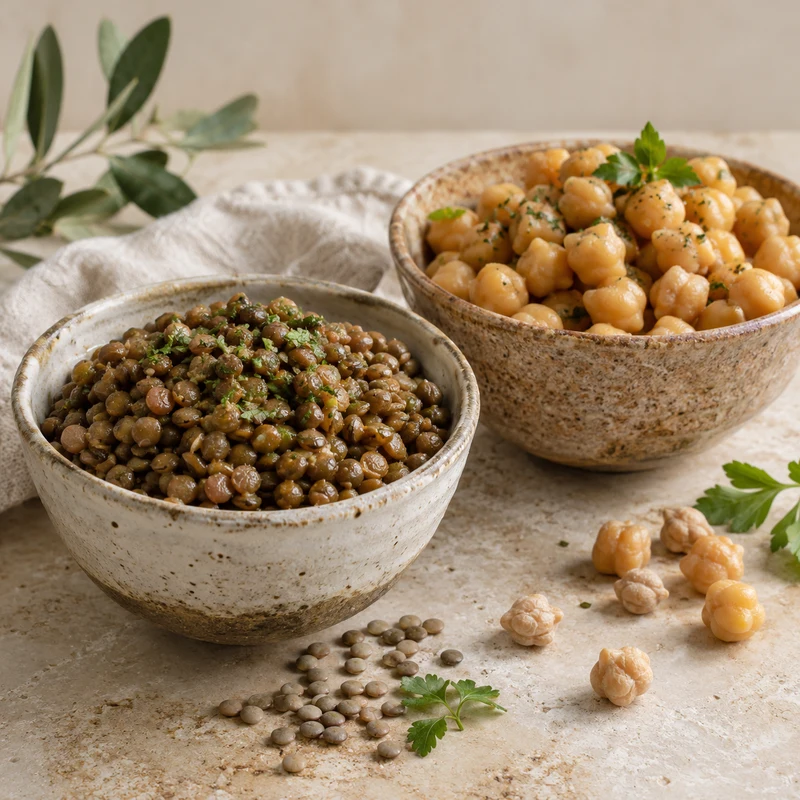
Selenium occurs in a variety of foods. Seafood, meat, poultry, eggs and dairy products are familiar sources. Plant foods can also provide selenium, but their content is particularly connected with the conditions where they grow.(1)
Follow the Soil-to-Plant Connection
Plants do not manufacture mineral elements. Their roots take up available substances from the growing environment. With selenium, the soil’s available supply can strongly influence how much reaches plant tissues.(1), (5)
- THE STARTING ENVIRONMENT
Soil
The amount and availability of selenium vary.
- THE POINT OF UPTAKE
Roots
Available selenium can enter through the plant’s uptake systems.
- THE GROWING PLANT
Plant tissues
What accumulates depends on the plant and its growing conditions.
This is a useful way to understand the connection between mineral analysis and agriculture: a harvested plant grew in a particular place, interacting with that environment before it was ever tested or prepared as food.
What Does This Tell Us About Nopal?
THE BOTANICAL CONTEXT
A broader mineral profile
Research on Nopal and other Opuntia materials describes the cactus’s nutritional and mineral composition. That gives us a framework for thinking about the living plant and its relationship with its environment.(6)
The connection is therefore about understanding the plant’s growing environment. It is not a reason to assume that every Nopal cactus—or every Nopal preparation—provides the same selenium content.(1), (5)
This soil-to-plant discussion is not confirmation of selenium in a particular bottle. No product-specific selenium amount is provided here, and farm ownership or soil description cannot supply that measurement.
Our Nopal Story Begins Before Harvest
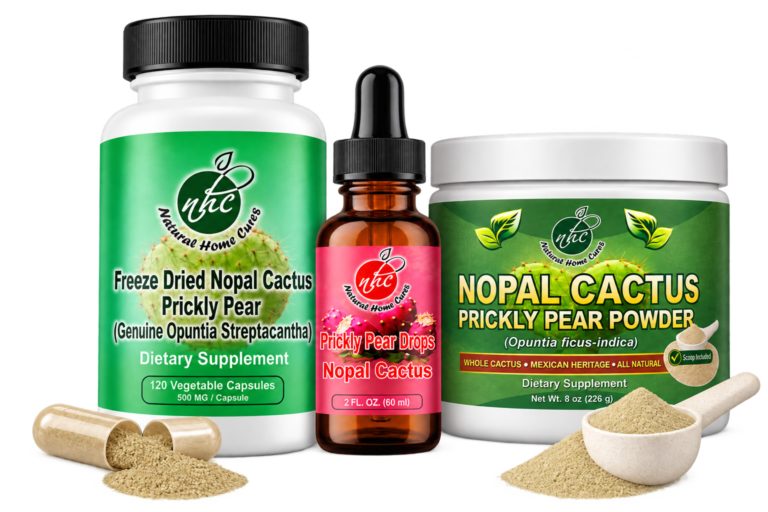
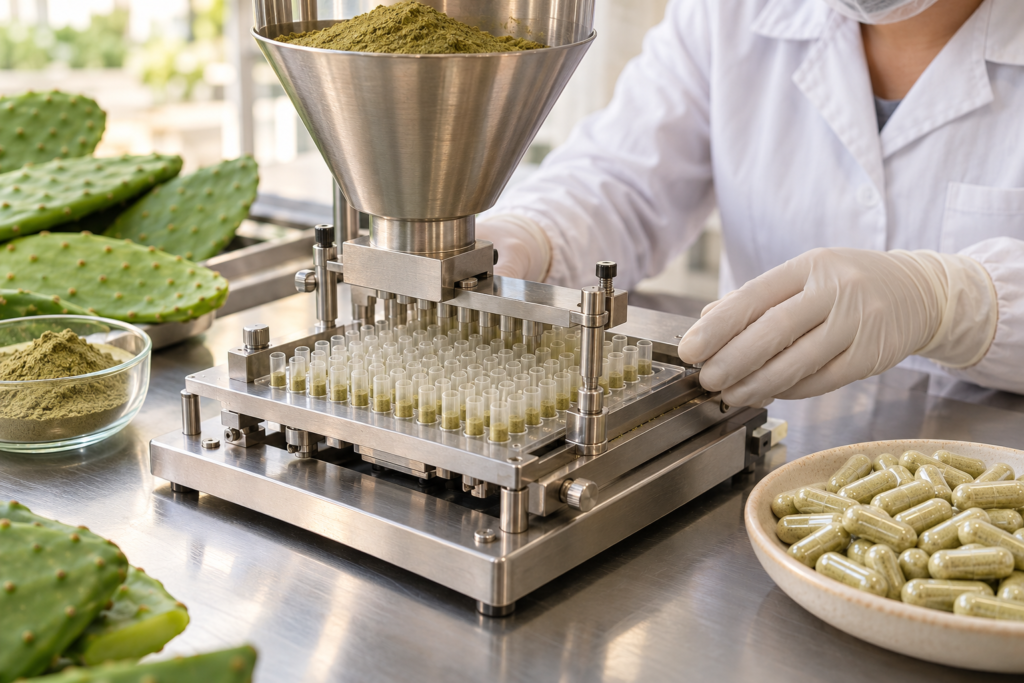
Our capsules use freeze-dried Opuntia streptacantha pads from our own farms in Mexico. We mill the dried pads into powder and prepare them for encapsulation. This sourcing and process do not establish selenium per serving.
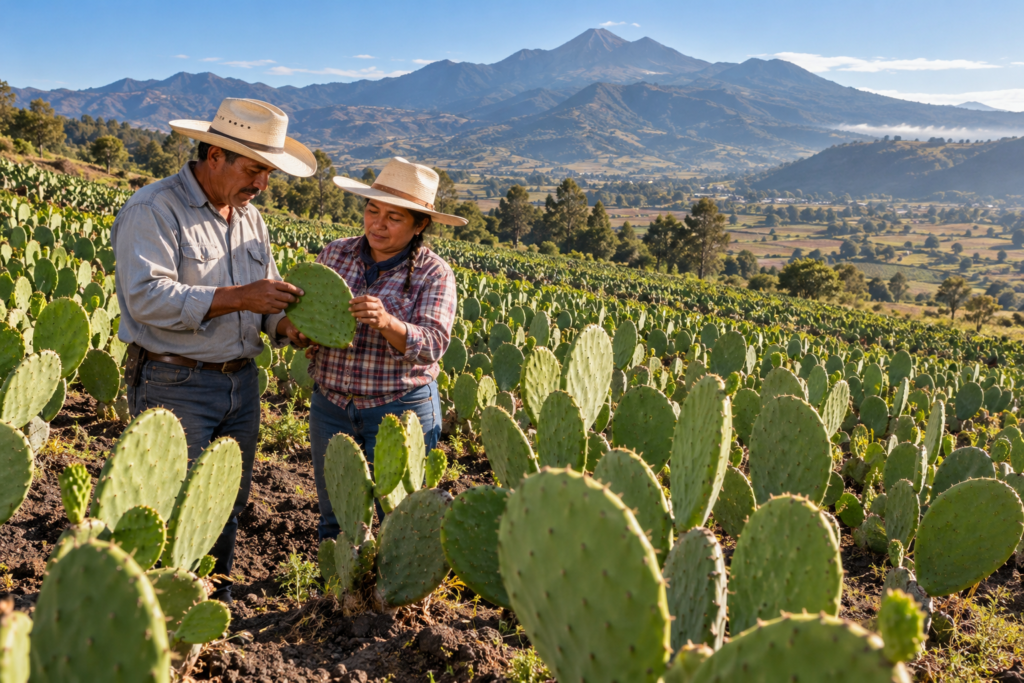 STAGE 1 OF 5
Grow
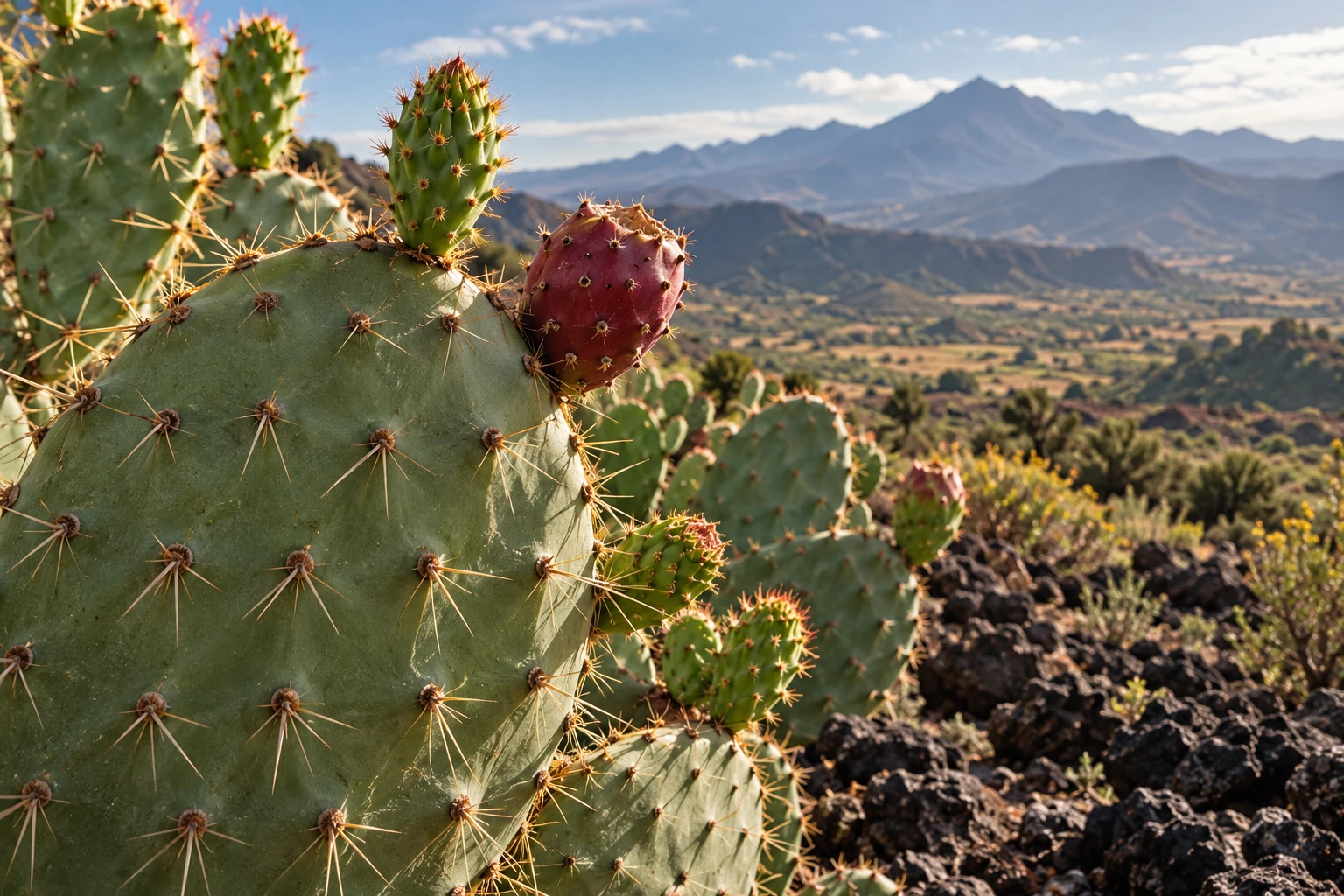
Nopal cactus grows on our farms.
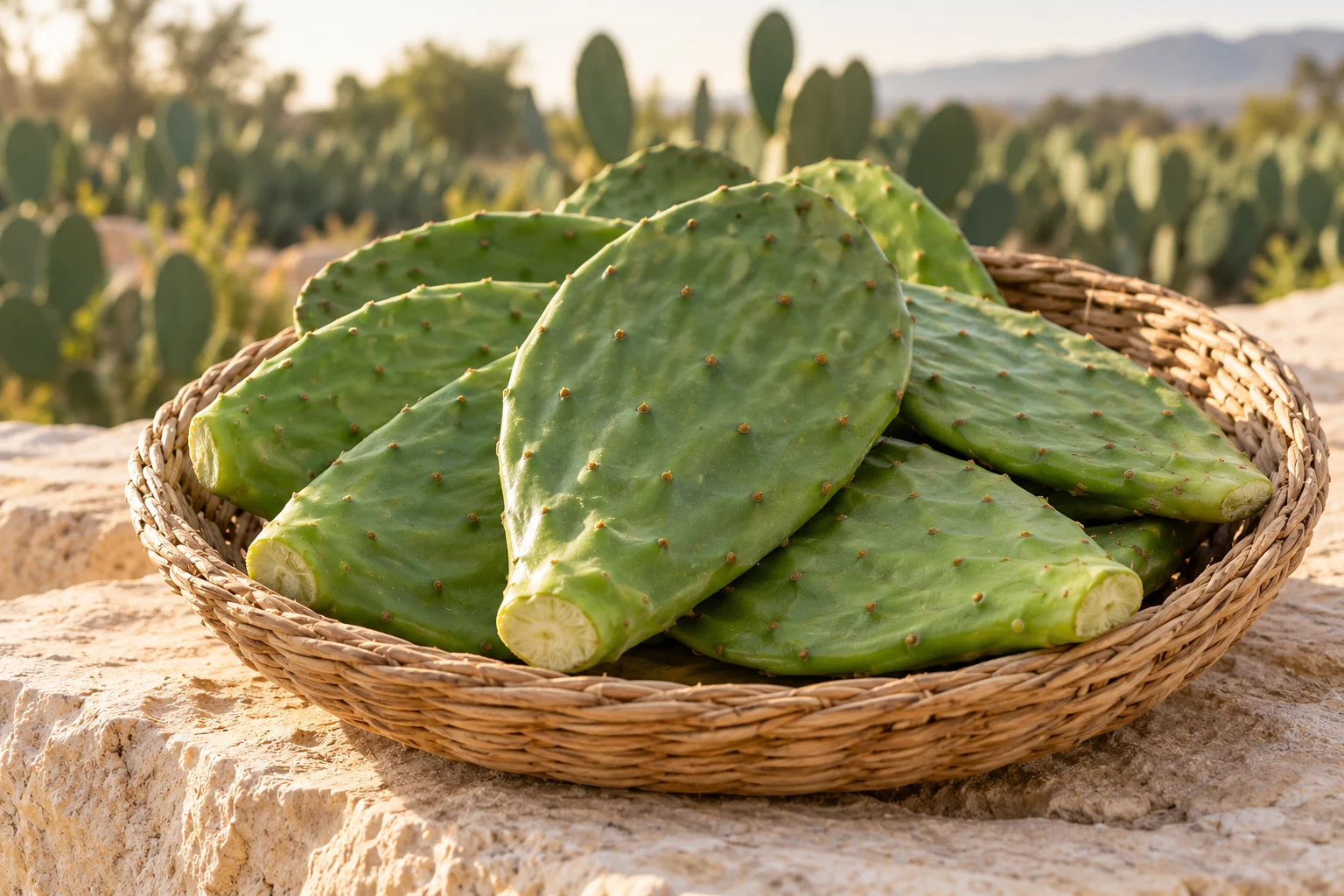 STAGE 2 OF 5
Harvest
The cactus pads are harvested and prepared.
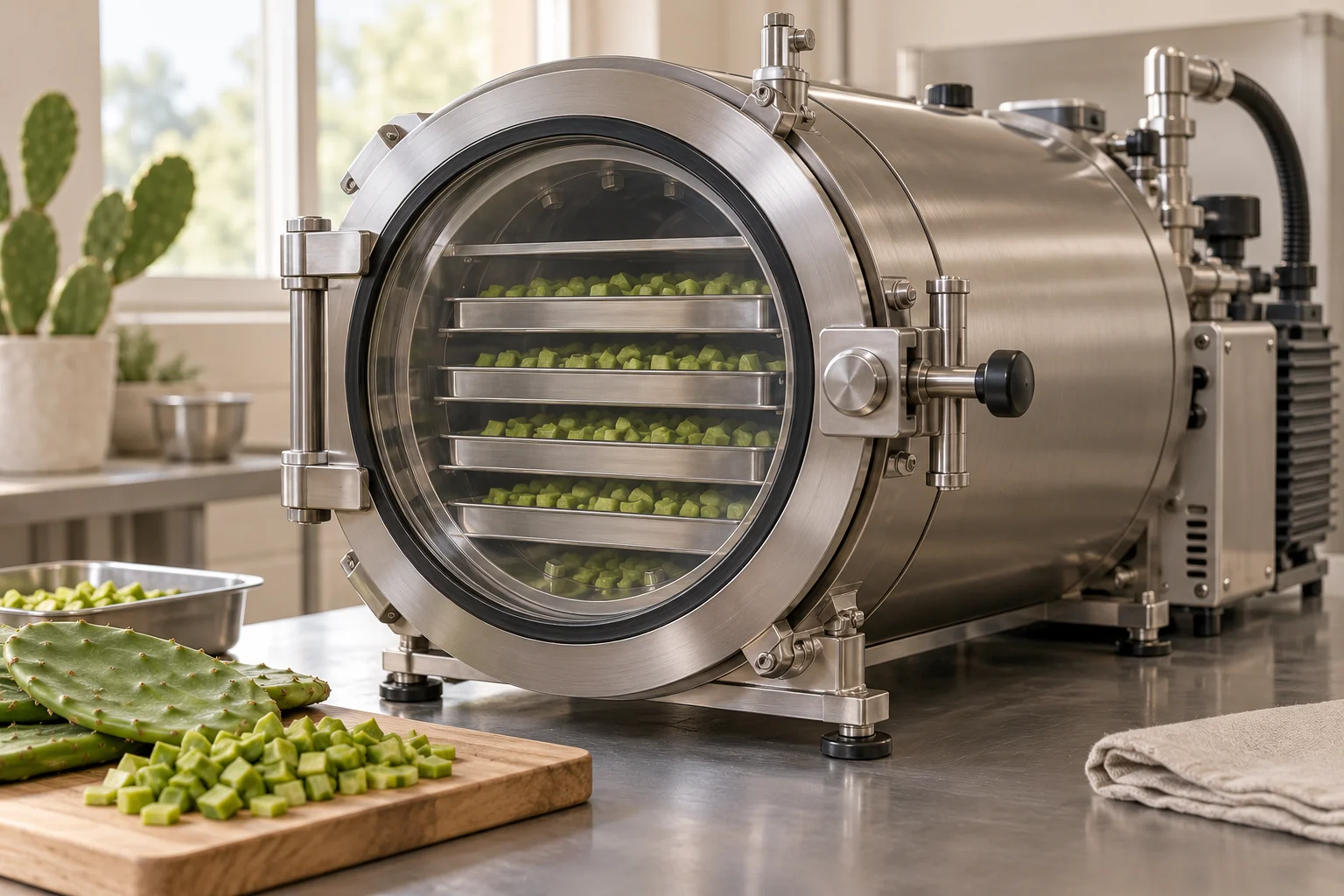 STAGE 3 OF 5
Freeze-dry
Moisture is removed from the prepared pads by freeze-drying.
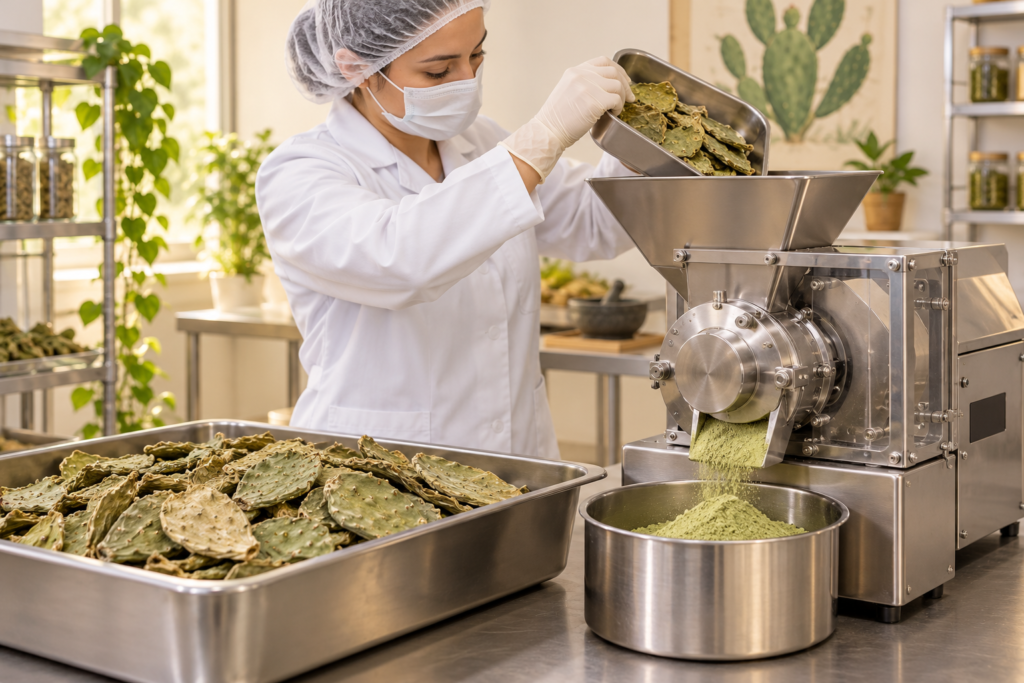 STAGE 4 OF 5
Mill
The dried pads are milled into powder.
 STAGE 5 OF 5
Fill capsules
The milled powder is filled into capsules.
One Mineral Within a Much Larger Plant
Selenium helps connect two perspectives: the specialized proteins of human nutrition and the growing environment of plant foods. Neither perspective tells the whole Nopal story by itself.
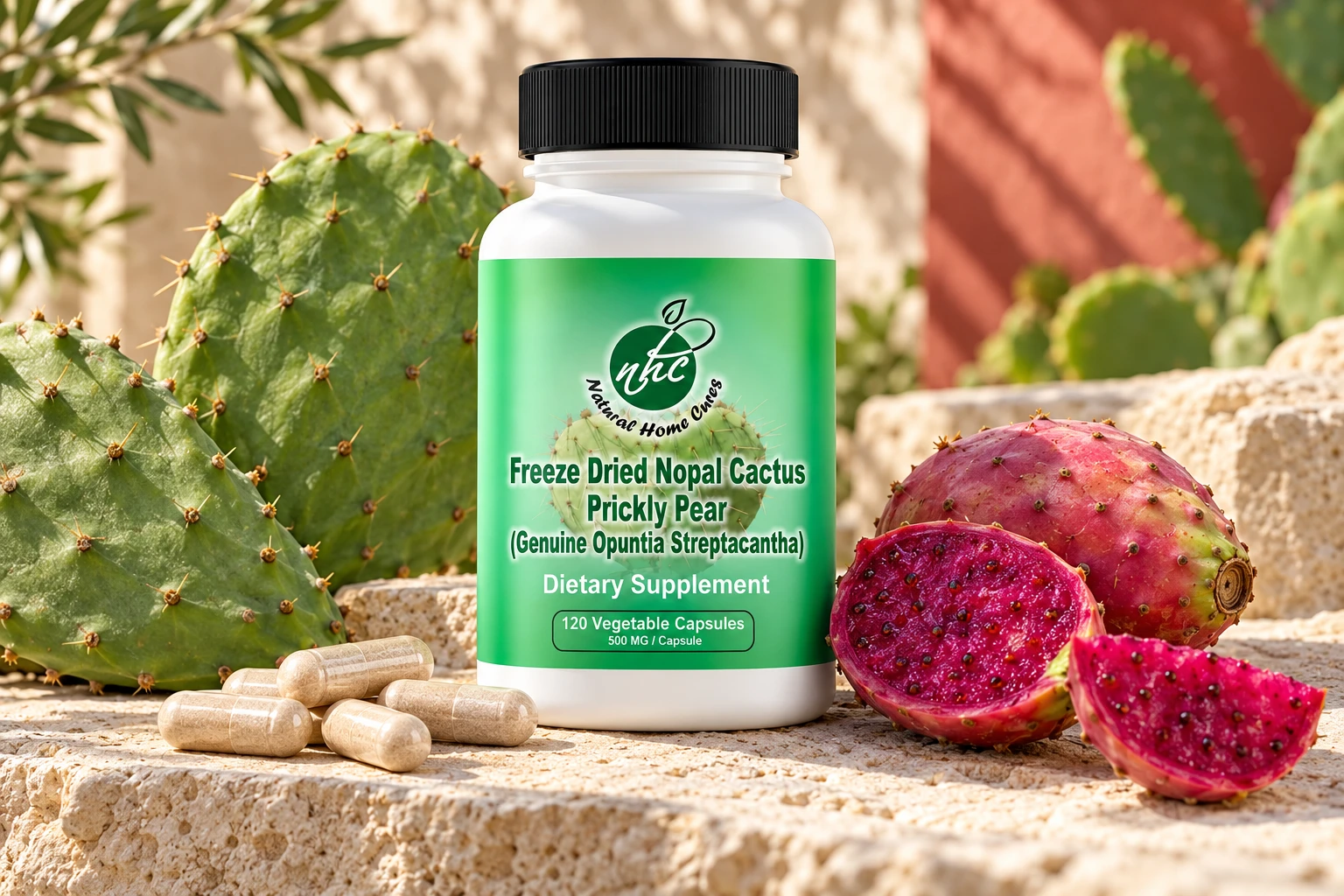
Our flagship Nopal capsules sit alongside Nopal Powder and Prickly Pear Drops in our product family. Different plant materials and preparations have their own characteristics. The science library looks at those details one at a time, while keeping the complete cactus in view.
FROM CACTUS TO PRODUCT
Keep the botanical
in the story.
500 mg of freeze-dried Nopal pad powder per capsule. This is the total botanical amount, not a measured selenium dose.
Explore our Nopal →The research behind this articleSource References
- 01Nutrition referenceSelenium — Fact Sheet for Health Professionals.View source
Full citation
National Institutes of Health, Office of Dietary Supplements. “Selenium — Fact Sheet for Health Professionals.” - 02Research reviewSelenoproteins: Molecular Pathways and Physiological Roles.View source
Full citation
Labunskyy VM, Hatfield DL, Gladyshev VN. “Selenoproteins: Molecular Pathways and Physiological Roles.” Physiological Reviews. 2014;94(3):739–777. - 03Source referenceGlutathione Peroxidases.View source
Full citation
Brigelius-Flohé R, Maiorino M. “Glutathione Peroxidases.” Biochimica et Biophysica Acta. 2013;1830(5):3289–3303. - 04Source referenceSelenium and the Thyroid.View source
Full citation
Köhrle J. “Selenium and the Thyroid.” Current Opinion in Endocrinology, Diabetes and Obesity. 2013;20(5):441–448. - 05Source referenceSelenium Accumulation by Plants.View source
Full citation
White PJ. “Selenium Accumulation by Plants.” Annals of Botany. 2016;117(2):217–235. - 06Cactus composition reviewNopal Cactus (Opuntia ficus-indica) as a Source of Bioactive Compounds for Nutrition, Health and Disease.View source
Full citation
El-Mostafa K, El Kharrassi Y, Badreddine A, et al. “Nopal Cactus (Opuntia ficus-indica) as a Source of Bioactive Compounds for Nutrition, Health and Disease.” Molecules. 2014;19(9):14879–14901.