NATURAL HOME CURES · NOPAL SCIENCE
Glycine
& Nopal
A small building block for collagen, muscles and everyday body functions.
Explore the science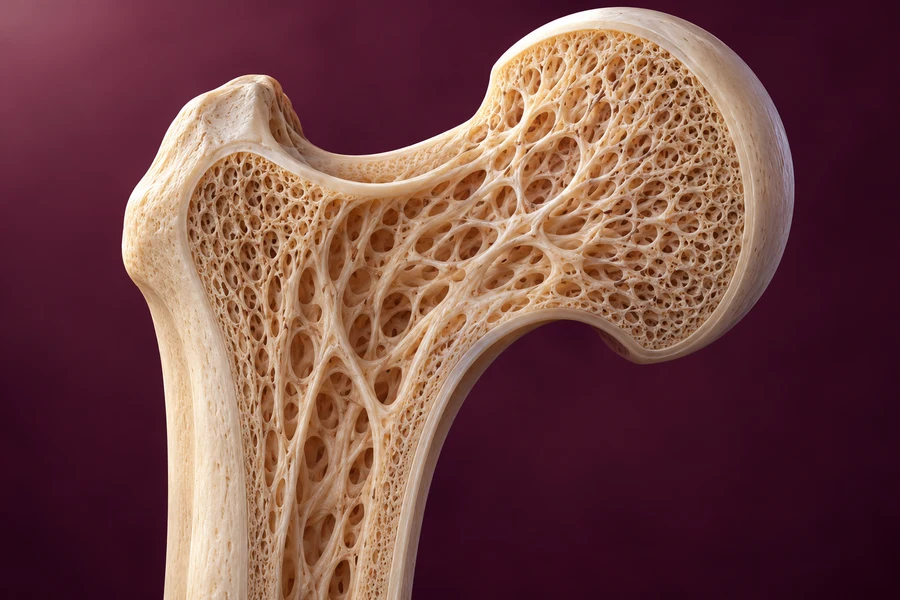
for your body’s framework.
Glycine helps your body make collagen, a protein that gives these tissues structure.
Your body can make glycine, including from another amino acid called serine. You also get glycine from food.(2)
You may see glycine described as “nonessential.” This simply means your body can normally make it. Glycine still has important jobs to do. Here is how it fits into everyday health.
What Does Glycine Do?
Helping build and maintain tissues. Your body uses glycine to make proteins. It is especially common in collagen, which helps support skin, bones, cartilage and tendons.(1),(3)
Helping make compounds the body needs. Glycine is used to make creatine, which helps muscles meet short bursts of energy demand. It also helps make heme, the iron-containing part of the protein that carries oxygen in your blood.(5),(6)
Helping nerve cells communicate. Glycine also carries messages between some nerve cells. These messages help the nervous system do its everyday work.(7)
Why Your Body Uses Glycine in Collagen
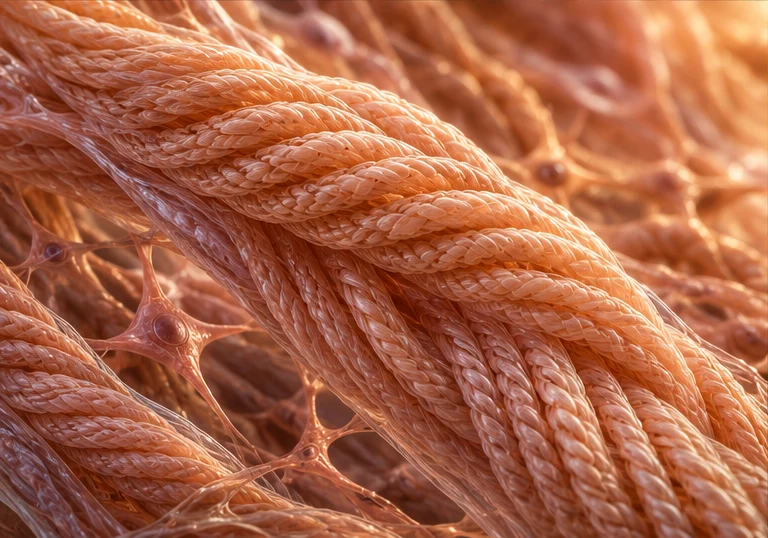
Think of collagen as three strands twisted together, rather like a rope. Glycine appears at every third position along the main repeating part of those strands.(3),(4)
Glycine is the smallest amino acid. Its small size lets the three strands fit closely together. This helps explain why such a small building block matters to a much larger structure.(3),(4)
Muscle Energy and Oxygen
Glycine also helps the body make substances with other useful jobs. Two examples connect it to muscle energy and the oxygen carried in your blood.
Creatine
The body uses glycine and another amino acid, arginine, to help make creatine. Creatine helps muscles quickly replace the energy they use during short bursts of activity.(5)
Heme
The body uses glycine to help make heme. Heme is the iron-containing part of hemoglobin, the protein in red blood cells that picks up oxygen in the lungs and carries it around the body.(6)
These examples explain why your body uses glycine. The next sections show where it comes from in food and what has been found in Nopal cactus.
Glycine in Everyday Foods
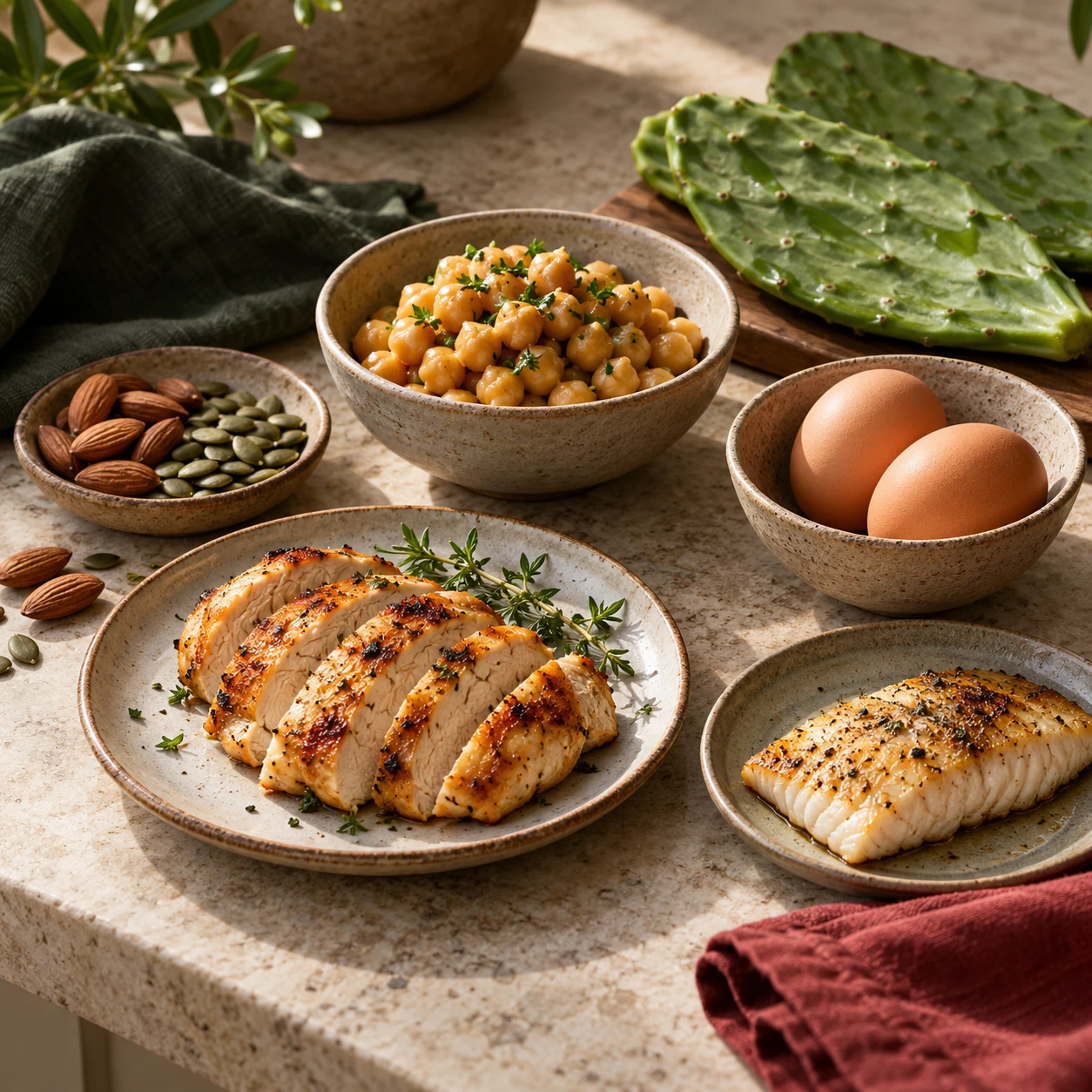
A wider picture.Glycine occurs naturally in many foods containing protein.
The picture cards below show some familiar examples:
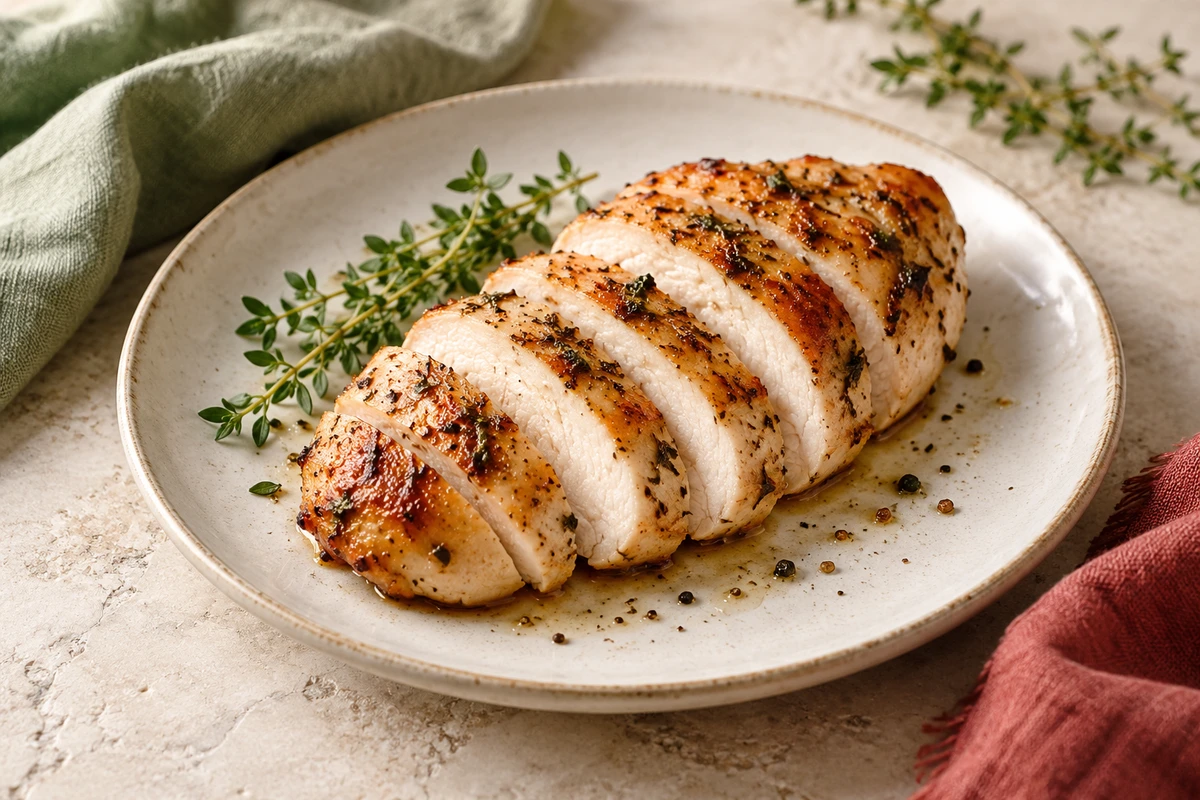 Meat and poultry
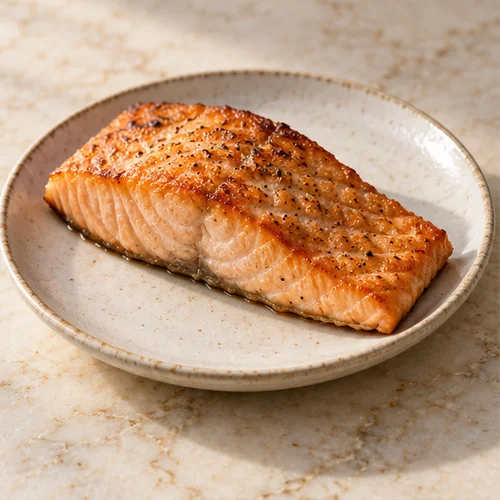 Fish
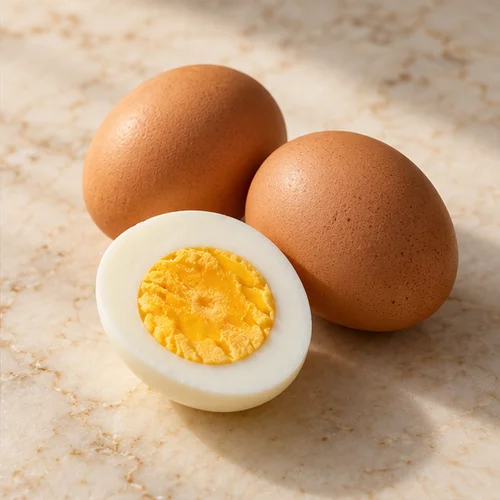 Eggs
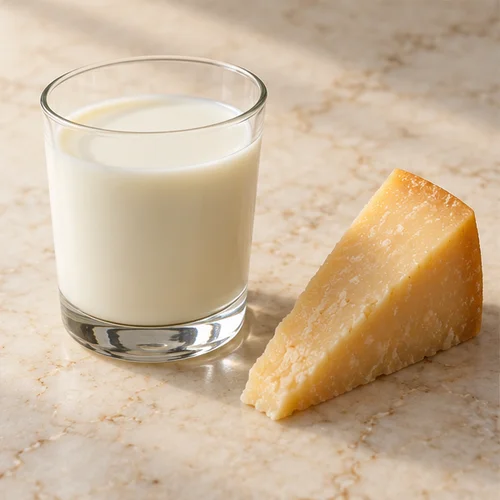 Milk and dairy products
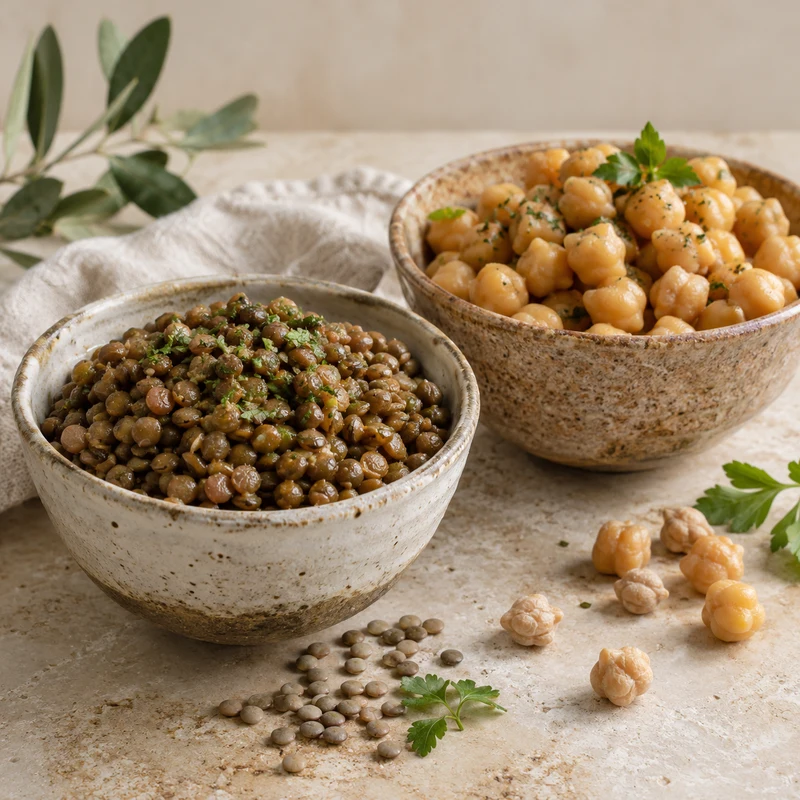 Beans and lentils
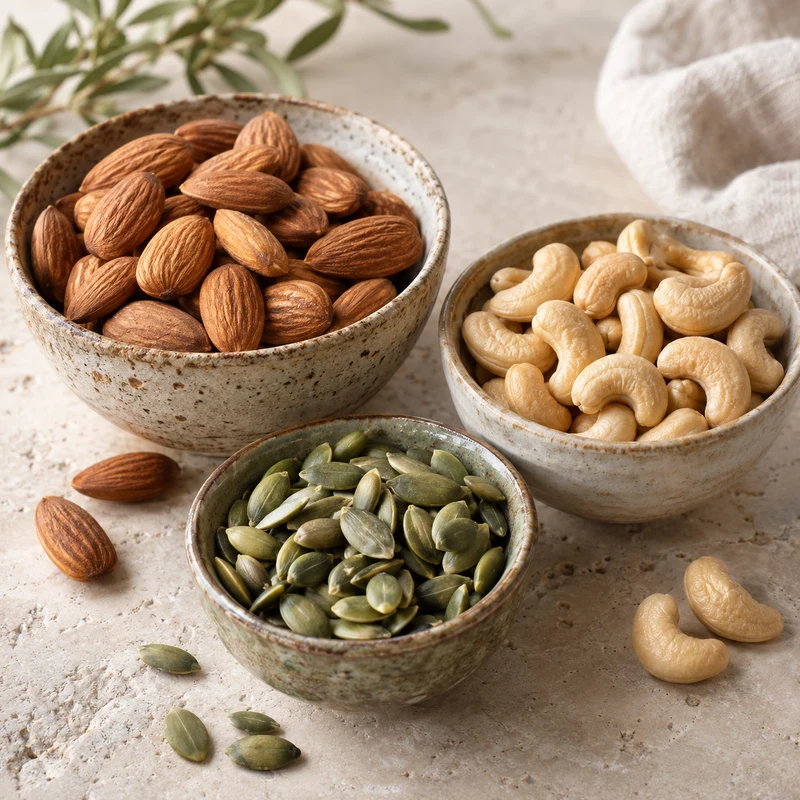 Nuts and seeds
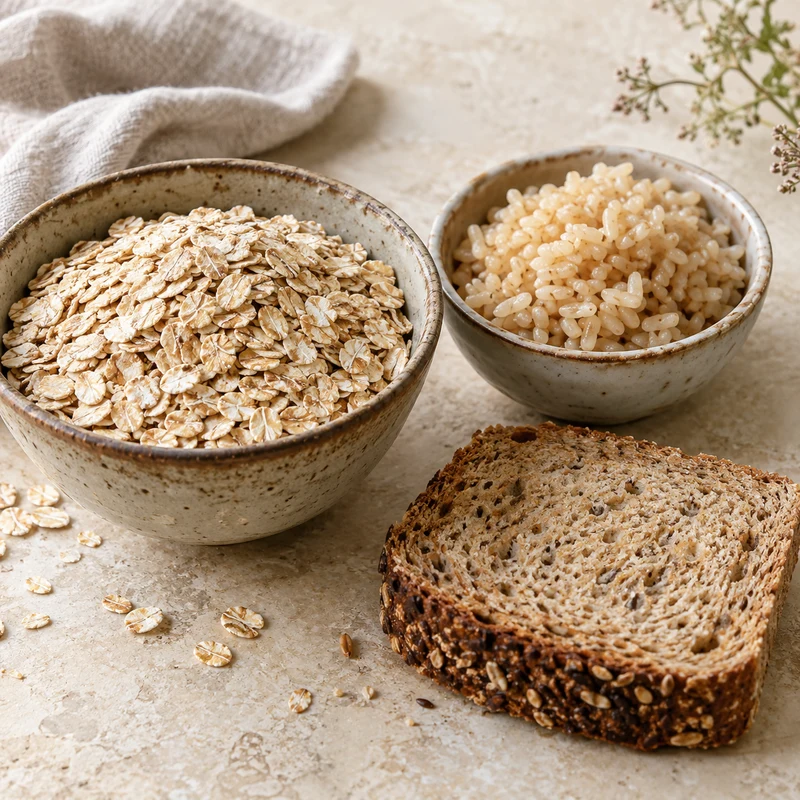 Whole grains
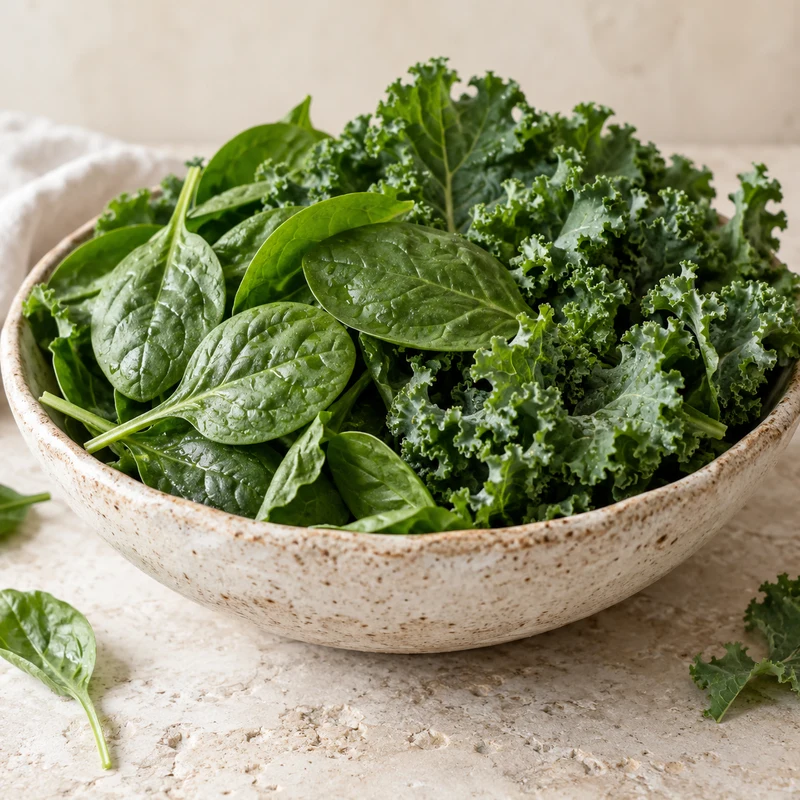 Leafy vegetables
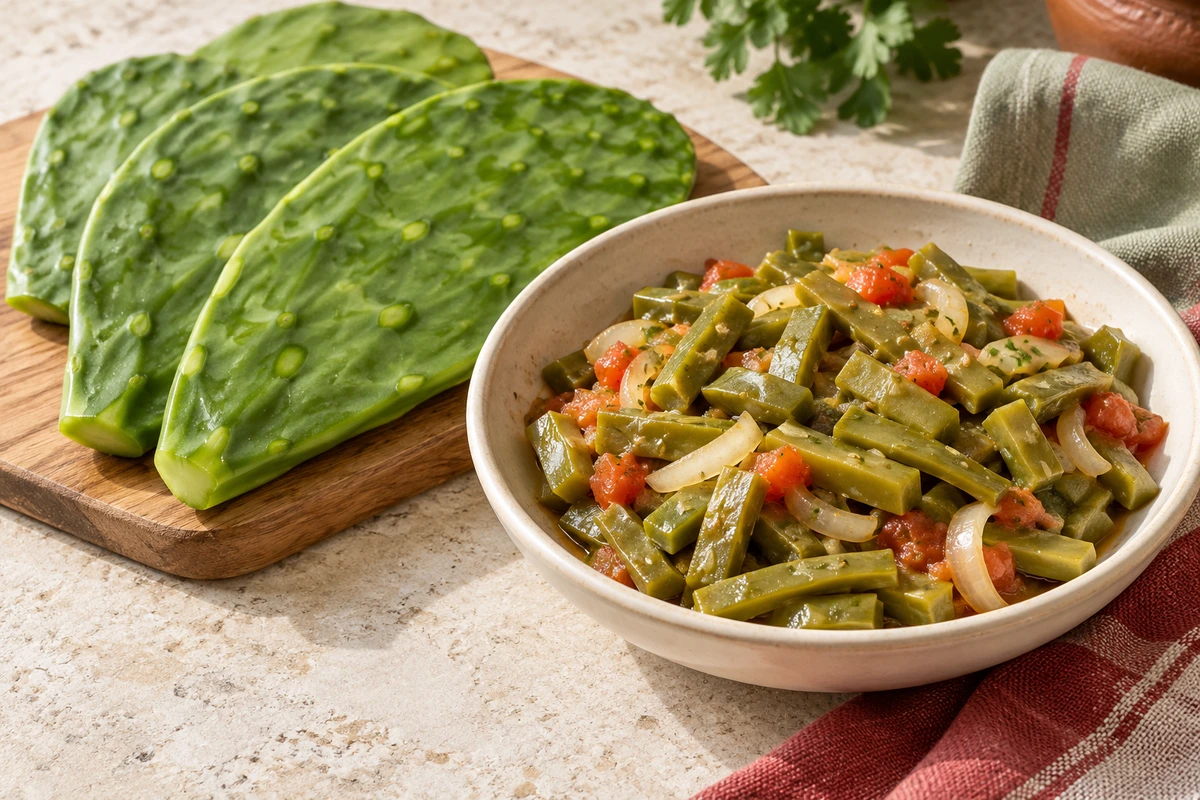 Nopal cactus pads
Gelatin and foods containing collagen also provide glycine. The amount you get depends on the food and how much you eat. A varied diet supplies glycine alongside other building blocks the body needs.(2),(8)
How Much Glycine Is in Nopal?
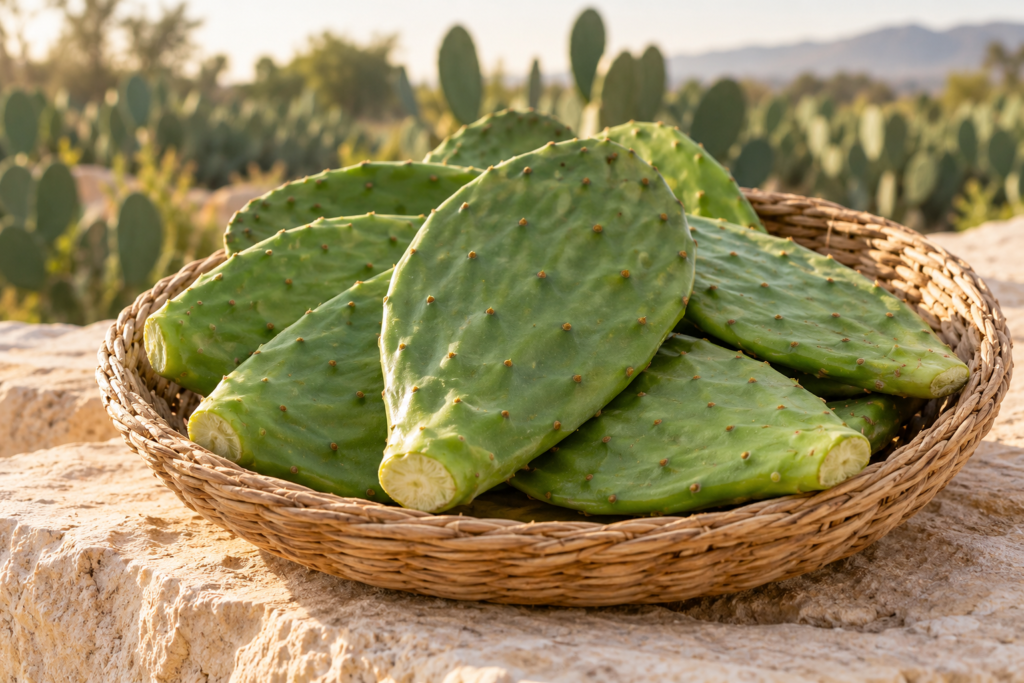
USDA’s food database provides a useful reference for glycine naturally present in raw nopales, the edible cactus pads.(12)
USDA FoodData Central · “Nopales, raw”
The USDA entry lists 0.046 grams of glycine per 100 grams of raw nopales, equal to 46 milligrams. This gives an idea of the amount in fresh cactus pads.(12)
Glycine has been reported in studies of Opuntia ficus-indica pads.(11) The USDA value is a general food reference.
From Our Farms to Your Bottle
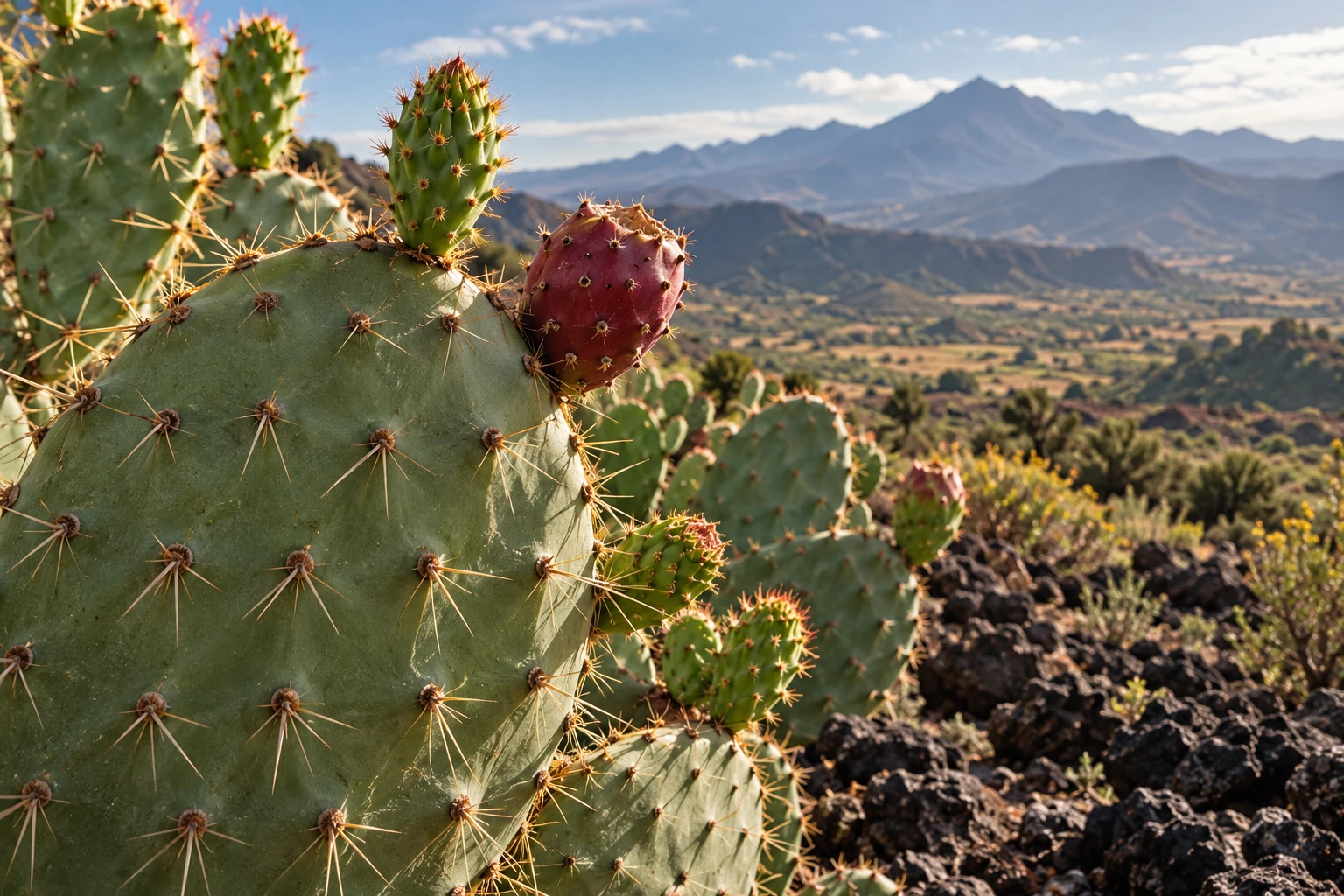
Our Nopal capsule story begins on our mountain farms in Mexico, where Opuntia streptacantha grows at about 8,200 feet in rich volcanic soil. Sunlight, temperature, and rainfall shape the living cactus.
We stay involved from growing through harvest and preparation of the capsules. This growing environment is part of the story behind each amino acid discussed here.
More Than One Amino Acid
Our capsules and powder bring together the naturally occurring compounds in cactus pads. They are whole botanical products, rather than isolated glycine supplements.
Explore the other Nopal articles to learn about its fiber, vitamins, minerals and other plant compounds. Each adds another piece to the story of this familiar cactus.
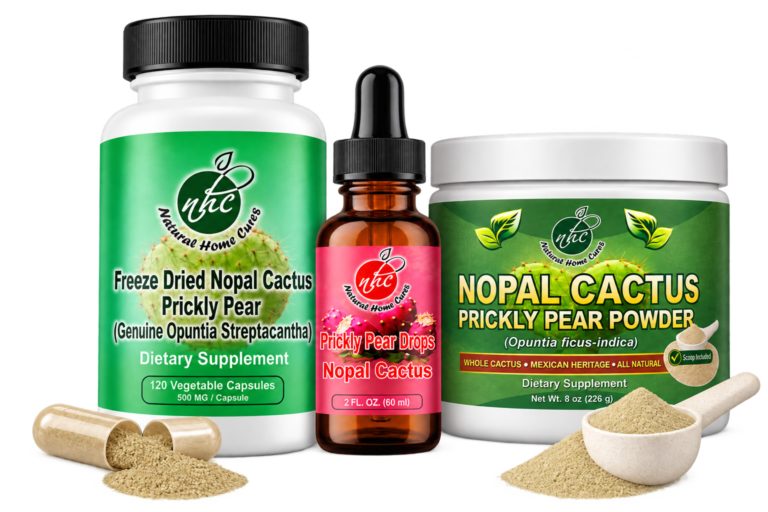
FROM CACTUS TO PRODUCT
Meet Our Nopal Cactus & Prickly Pear Family
Nopal cactus capsules, prickly pear drops, and Nopal cactus powder.
Explore Nopal Cactus →The research behind this articleSource References
- 01Nutrition referencePhysiology, Proteins.View source
Full citation
LaPelusa A, Kaushik R. “Physiology, Proteins.” StatPearls. National Center for Biotechnology Information. - 02Research referenceGlycine Metabolism in Animals and Humans: Implications for Nutrition and Health.View source
Full citation
Wang W, Wu Z, Dai Z, Yang Y, Wang J, Wu G. “Glycine Metabolism in Animals and Humans: Implications for Nutrition and Health.” Amino Acids. 2013;45(3):463–477. - 03Research referenceCollagen Structure and Stability.View source
Full citation
Shoulders MD, Raines RT. “Collagen Structure and Stability.” Annual Review of Biochemistry. 2009;78:929–958. - 04Research referenceCollagen Structure: New Tricks From a Very Old Dog.View source
Full citation
Bella J. “Collagen Structure: New Tricks From a Very Old Dog.” Biochemical Journal. 2016;473(8):1001–1025. - 05Research referenceCreatine: Endogenous Metabolite, Dietary, and Therapeutic Supplement.View source
Full citation
Brosnan JT, Brosnan ME. “Creatine: Endogenous Metabolite, Dietary, and Therapeutic Supplement.” Annual Review of Nutrition. 2007;27:241–261. - 06Research referenceCell Biology of Heme.View source
Full citation
Ponka P. “Cell Biology of Heme.” American Journal of the Medical Sciences. 1999;318(4):241–256. - 07Research referenceMolecular Structure and Function of the Glycine Receptor Chloride Channel.View source
Full citation
Lynch JW. “Molecular Structure and Function of the Glycine Receptor Chloride Channel.” Physiological Reviews. 2004;84(4):1051–1095. - 08Nutrition referenceU.S. Department of Agriculture, Agricultural Research Service. FoodData Central.View source
Full citation
U.S. Department of Agriculture, Agricultural Research Service. FoodData Central. - 09Research referenceNopal Cactus (Opuntia ficus-indica) as a Source of Bioactive Compounds for Nutrition, Health and Disease.View source
Full citation
El-Mostafa K, El Kharrassi Y, Badreddine A, et al. “Nopal Cactus (Opuntia ficus-indica) as a Source of Bioactive Compounds for Nutrition, Health and Disease.” Molecules. 2014;19(9):14879–14901. - 10Research reviewCactus Stems (Opuntia spp.): A Review on Their Chemistry, Technology, and Uses.View source
Full citation
Stintzing FC, Carle R. “Cactus Stems (Opuntia spp.): A Review on Their Chemistry, Technology, and Uses.” Molecular Nutrition & Food Research. 2005;49(2):175–194. - 11Cactus-pad compositionOpuntia spp. — A Strategic Fodder and Efficient Tool to Combat Desertification in the WANA Region.View source
- 12USDA food composition referenceNopales, raw — USDA FoodData Central.View source