NATURAL HOME CURES · NOPAL SCIENCE
Folate
& Nopal
Vitamin B9. A story of cells, renewal and the living cactus.
Explore the science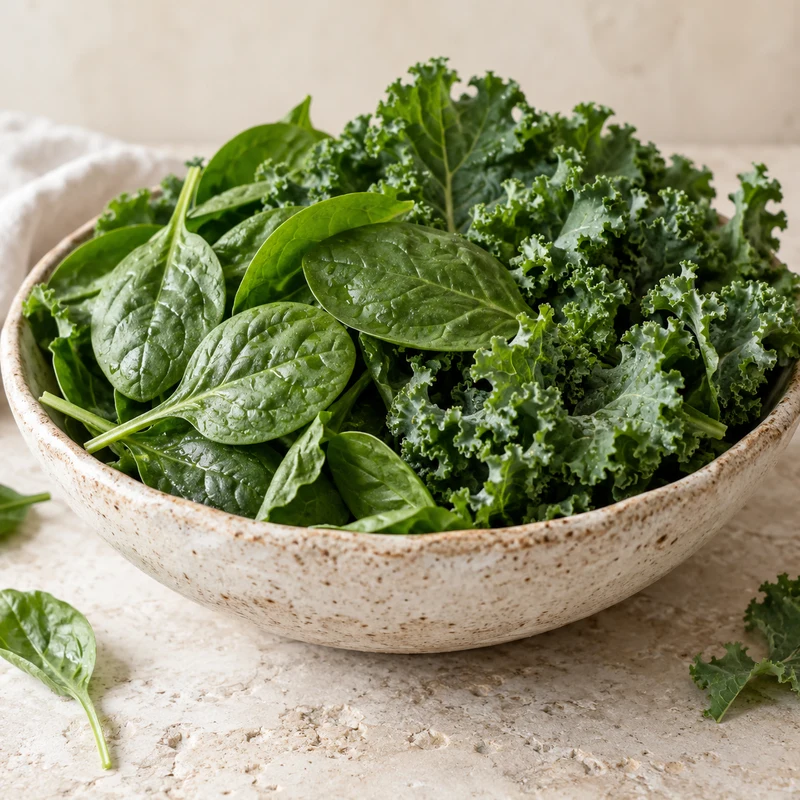
Folate is an essential, water-soluble B vitamin, commonly known as vitamin B9.(1)
It's particularly important whenever the body is making new cells.
Folate participates in DNA production, cell division and the formation of normal red blood cells.(1), (2)
That makes it important throughout life, but especially during periods when cells are growing and dividing rapidly.
And folate has a natural connection with Nopal cactus and prickly pear.
Folate or Folic Acid—What's the Difference?
The terms folate and folic acid are often used as though they're interchangeable.
They're related, but there's a useful distinction.
Folate is the general name for vitamin B9, including naturally occurring food folates and forms used in fortified foods and supplements.
Folic acid is a synthetic form commonly used in fortified foods and dietary supplements.(1)
The body ultimately converts these different forms into compounds it can use.
So when we're talking about naturally occurring vitamin B9 in plant foods such as Nopal, folate is the more appropriate term.
What Does Folate Do?
Every time a cell divides, it needs to copy its DNA.
Folate participates in the chemical reactions needed to make the building blocks used in that DNA.(1), (2)
Think about how often cells throughout the body need to be replaced.
Blood cells are produced continuously.
Cells lining the digestive tract turn over rapidly.
Skin cells are continually replaced.
Folate becomes part of the chemistry that allows normal cell division to happen.
Folate and Red Blood Cells
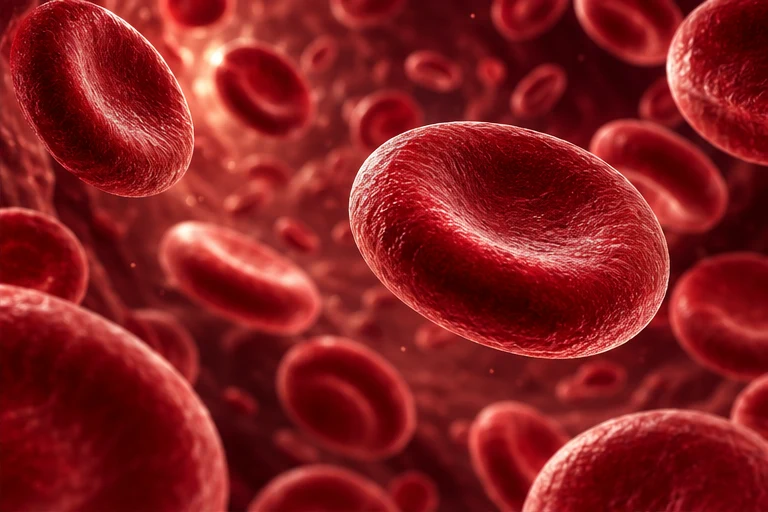
Folate also has an important relationship with red blood cells.
Bone marrow continuously produces new blood cells.
Because these developing cells divide rapidly, they depend on nutrients involved in DNA synthesis—including folate.(1), (3)
When folate intake is inadequate, normal red blood cell formation can be disrupted.
This is another example of how something we need in very small quantities can participate in an enormous biological process.
Why Folate Matters During Pregnancy
Folate has a particularly well-established role during the earliest stages of pregnancy.
Adequate folate before conception and during early pregnancy helps reduce the risk of neural tube defects, serious developmental abnormalities involving the brain and spinal cord.(1), (4)
That's why public-health recommendations emphasize adequate folic acid intake for people who could become pregnant.(1), (4)
This isn't about one particular food.
It's an example of why folate itself is such an important nutrient to understand.
Where Does Folate Come From?
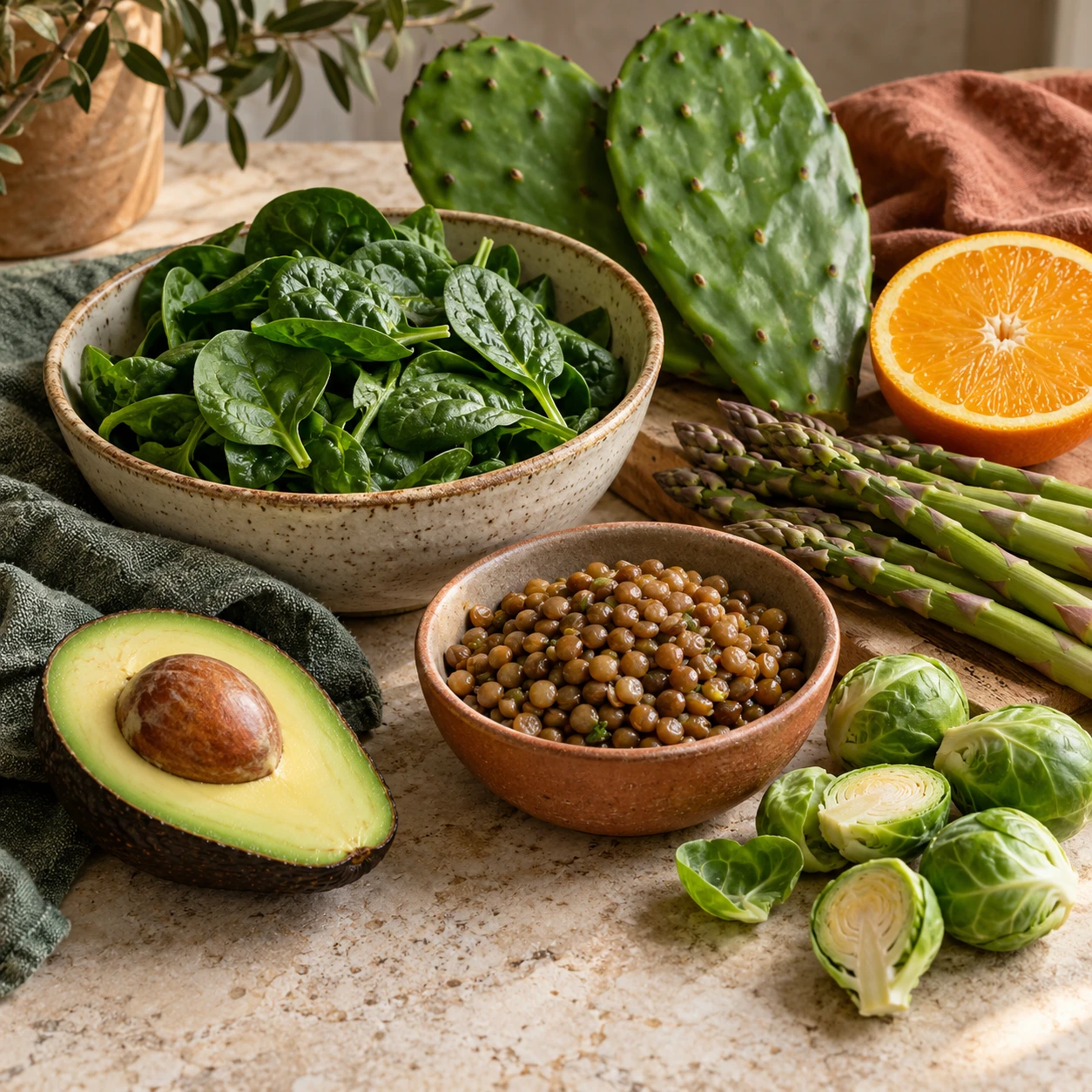
Folate occurs naturally in many foods, including:
- Dark green leafy vegetables
- Beans and lentils
- Peas
- Asparagus
- Avocado
- Brussels sprouts
- Citrus fruits
- Nuts and seeds
- Nopal cactus and prickly pear
Folic acid is also added to many fortified grain products.
Scientific analyses of Nopal and prickly pear materials have reported folate among the naturally occurring vitamins associated with the plant.(5), (6)
Folate in Nopal Cactus
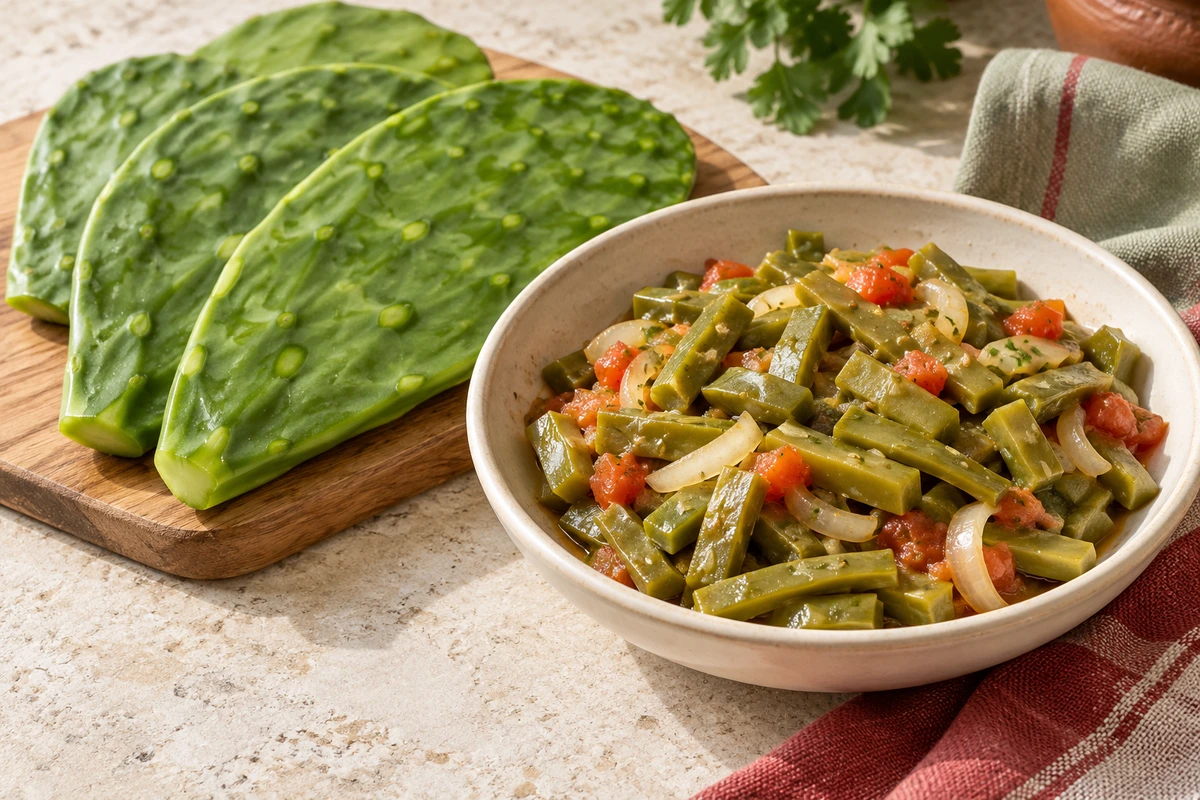
Nopal cactus is often associated first with fiber.
But a cactus pad contains far more than fiber.
Researchers examining Nopal cactus and prickly pear have identified vitamins, minerals, amino acids, fiber, pigments and many other naturally occurring plant compounds.(5), (6)
Folate adds another piece to that nutritional picture.
And because folate is involved in DNA synthesis and cell division, it gives us another fascinating example of how a tiny nutrient can participate in some of the body's most fundamental processes.
A Vitamin Built Around Growth and Renewal
There's an easy way to remember why folate matters:
Think about new cells.
When cells divide, DNA has to be copied.
When the body makes new blood cells, those developing cells have to divide.
During early development, enormous amounts of carefully controlled cell division are taking place.
Folate participates in the chemistry behind these processes.(1), (2)
It's not a growth stimulant.
It's one of the nutrients the body's normal cellular machinery requires to do its work.
From Our Farms to Natural Home Cures
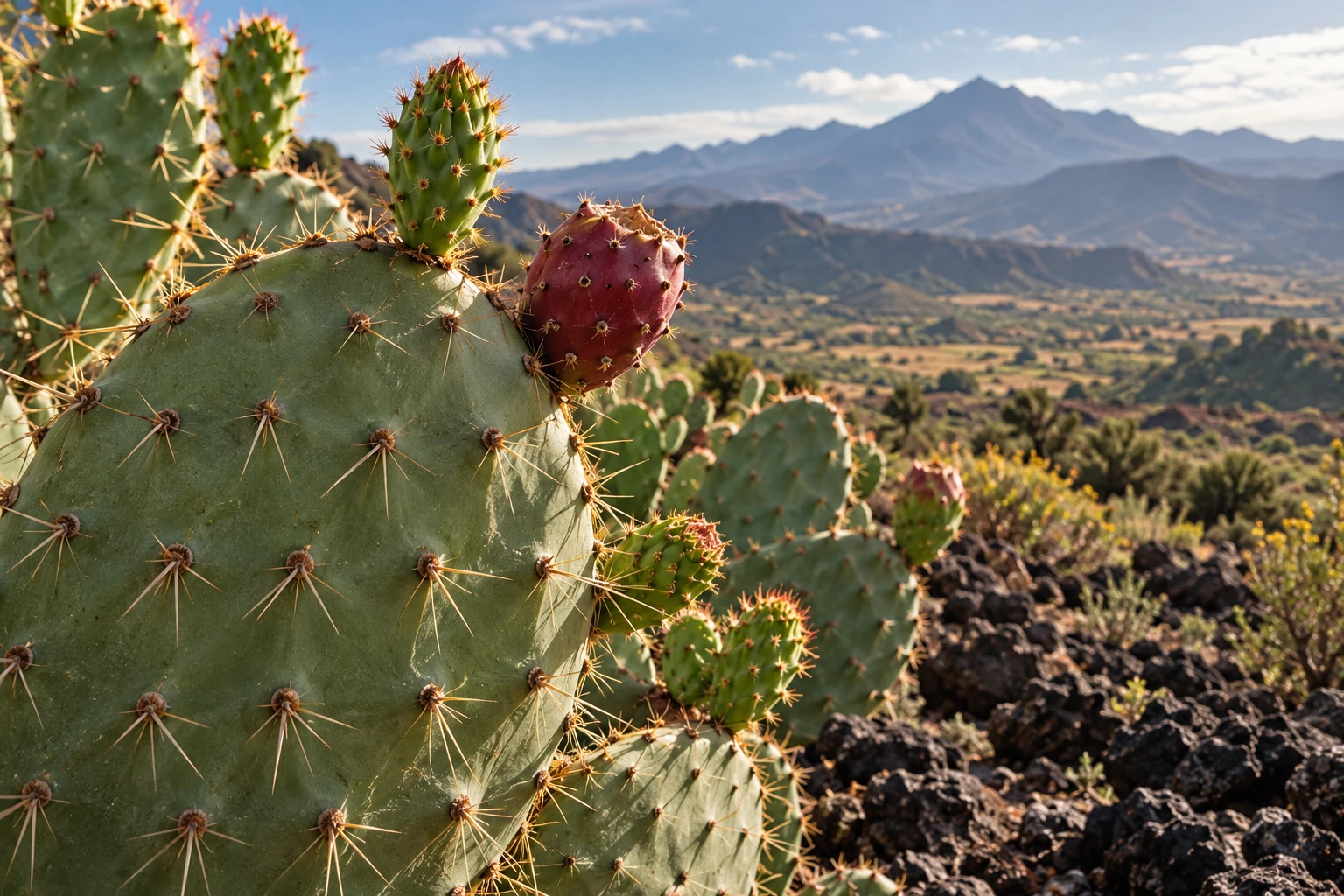
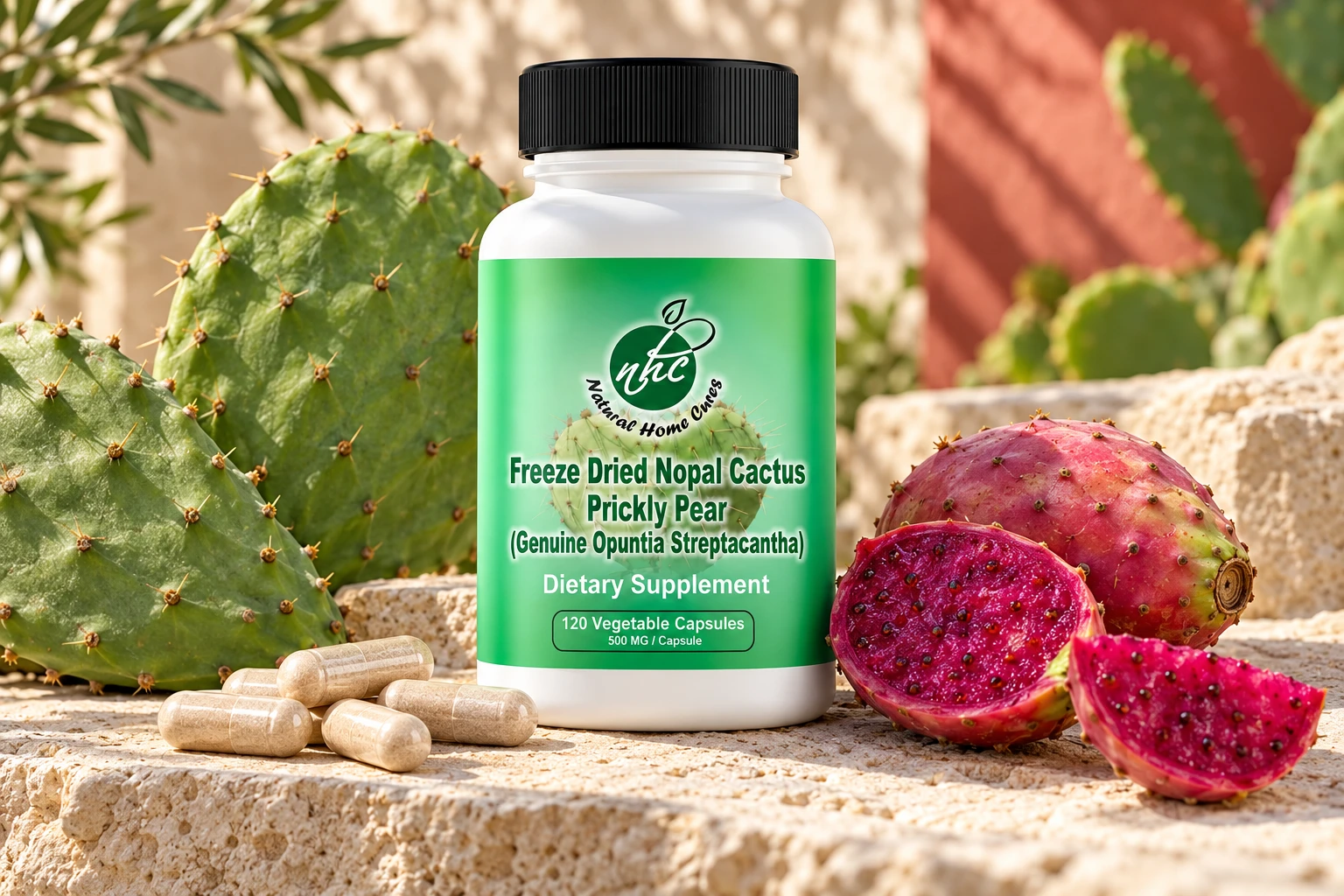
At Natural Home Cures, our flagship Freeze-Dried Nopal Powder Capsules begin with prickly pear cactus growing on our own farms.
We're connected with our Nopal before it becomes a finished powder.
After harvesting, our cactus is freeze-dried as part of preparing it for our capsules.
Our goal is to preserve the character of the Nopal we grow as closely as practical while preparing it in a convenient form.
That's the Natural Home Cures farm-to-product story behind our flagship Nopal Powder Capsules.
More Ways to Explore Nopal and Prickly Pear
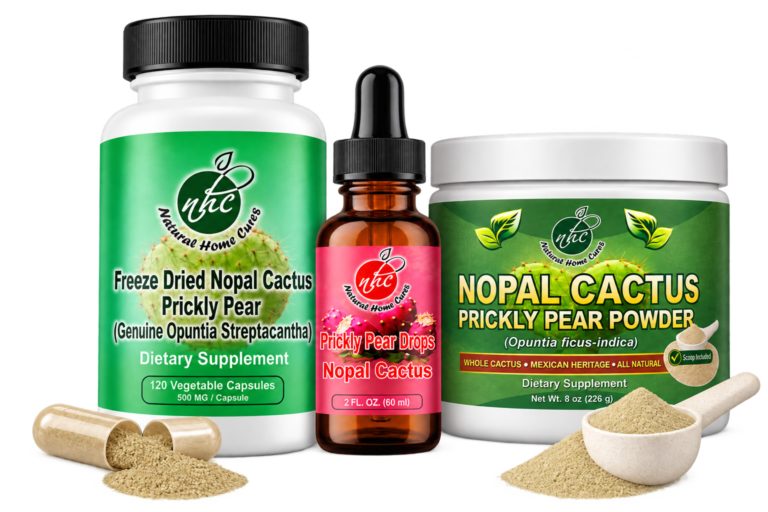
Our flagship Natural Home Cures Freeze-Dried Nopal Powder Capsules remain at the center of our Nopal line.
Natural Home Cures also offers Nopal Powder and Prickly Pear Drops.
Together, these products give customers several ways to explore Nopal cactus and prickly pear.
And the more closely we examine the cactus, the more apparent its nutritional complexity becomes.
One Small Vitamin, One Enormous Job
Folate doesn't need to be present in huge quantities to be biologically important.
It participates in DNA production.
It helps support normal cell division.
It contributes to normal red blood cell formation.(1), (2), (3)
And within Nopal cactus and prickly pear, folate becomes another piece of a much larger collection of naturally occurring nutrients and plant compounds.(5), (6)
That's what makes the cactus so interesting to us at Natural Home Cures.
The story isn't one vitamin.
It's what we discover when we start looking at the whole plant.
FROM CACTUS TO PRODUCT
Keep the botanical
in the story.
Freeze-dried Nopal cactus capsules.
Explore our Nopal →The research behind this articleSource References
- 01Nutrition referenceFolate — Fact Sheet for Health Professionals.View source
Full citation
National Institutes of Health, Office of Dietary Supplements. “Folate — Fact Sheet for Health Professionals.” - 02Research reviewBiomarkers of Nutrition for Development—Folate Review.View source
Full citation
Bailey LB, Stover PJ, McNulty H, et al. “Biomarkers of Nutrition for Development—Folate Review.” Journal of Nutrition. 2015;145(7):1636S–1680S. - 03Research referenceMegaloblastic Anemias: Nutritional and Other Causes.View source
Full citation
Green R, Datta Mitra A. “Megaloblastic Anemias: Nutritional and Other Causes.” Medical Clinics of North America. 2017;101(2):297–317. - 04Research referenceFolic Acid Supplementation to Prevent Neural Tube Defects.View source
Full citation
U.S. Preventive Services Task Force. “Folic Acid Supplementation to Prevent Neural Tube Defects.” JAMA. 2023;330(5):454–459. - 05Research referenceNopal Cactus (Opuntia ficus-indica) as a Source of Bioactive Compounds for Nutrition, Health and Disease.View source
Full citation
El-Mostafa K, El Kharrassi Y, Badreddine A, et al. “Nopal Cactus (Opuntia ficus-indica) as a Source of Bioactive Compounds for Nutrition, Health and Disease.” Molecules. 2014;19(9):14879–14901. - 06Research referencePhytochemical and Nutritional Significance of Cactus Pear.View source
Full citation
Stintzing FC, Schieber A, Carle R. “Phytochemical and Nutritional Significance of Cactus Pear.” European Food Research and Technology. 2001;212:396–407.