NATURAL HOME CURES · NOPAL SCIENCE
Copper
& Nopal
A trace mineral with a supporting role in our bodies and in living plants.
Explore the science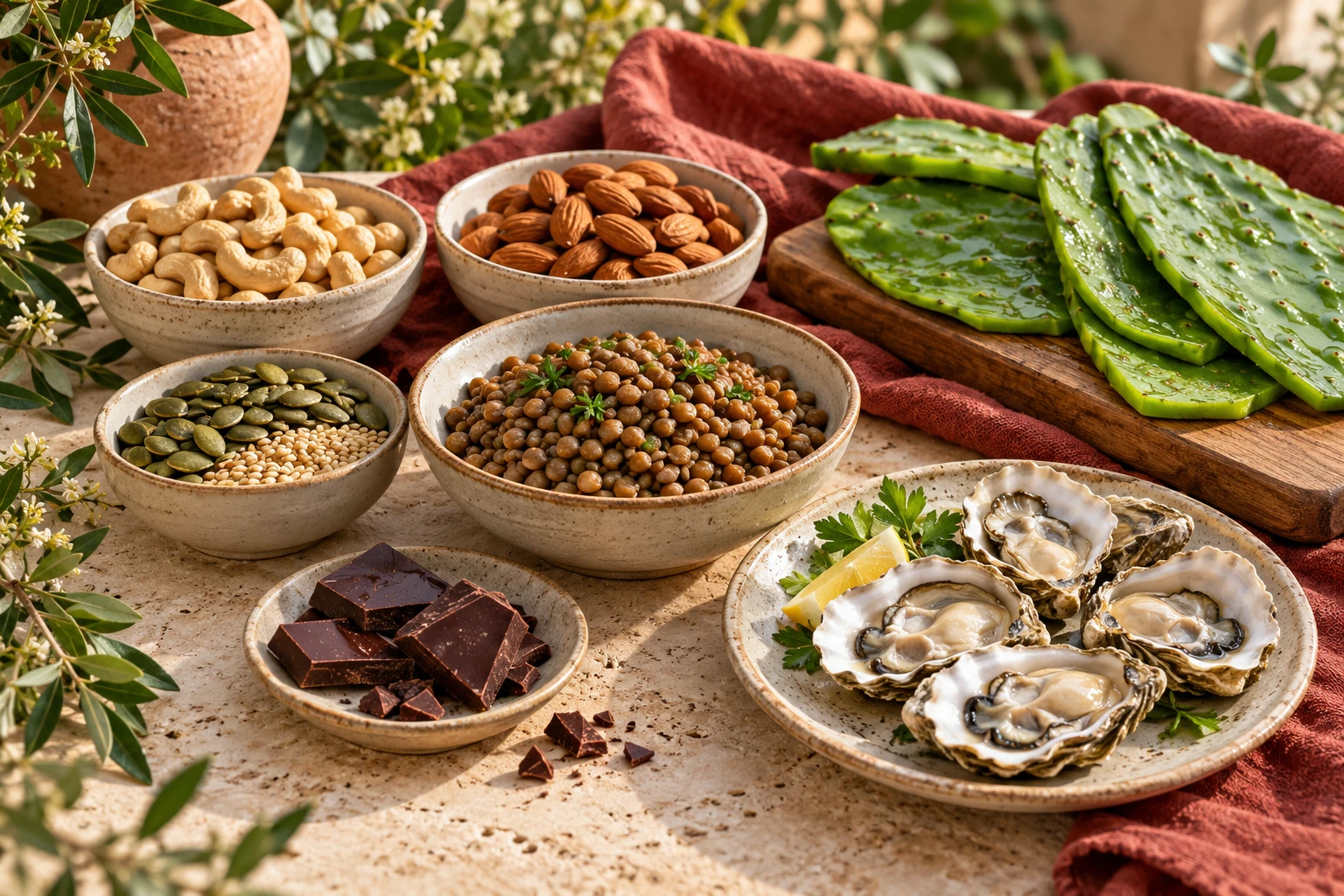
Copper is a mineral our bodies need in very small amounts, but those tiny amounts participate in some surprisingly important processes.
Copper helps enzymes involved in energy production, iron metabolism, connective-tissue formation and normal nervous-system function.(1), (2) It also participates in the body's natural antioxidant defense systems.
Most of us probably know copper better as the reddish-brown metal used in electrical wiring and plumbing. But copper is also an essential nutrient, with important biological roles inside both the human body and the plants around us.
Copper also has a natural connection with Nopal cactus and prickly pear.
What Does Copper Do?
Copper doesn't perform most of its biological jobs by itself. Instead, it becomes part of proteins and enzymes known as cuproenzymes.(1)
These enzymes use copper to carry out particular chemical reactions. Some help our cells produce energy, some help the body handle iron, and others participate in making connective tissue or protecting cells from oxidative damage.(1), (2)
Copper is therefore another example of a nutrient whose importance isn't determined by how much of it we need. We need only a little, but that small amount has some very specific jobs.
Copper and Iron Work Together
One of copper's most interesting relationships is with iron.
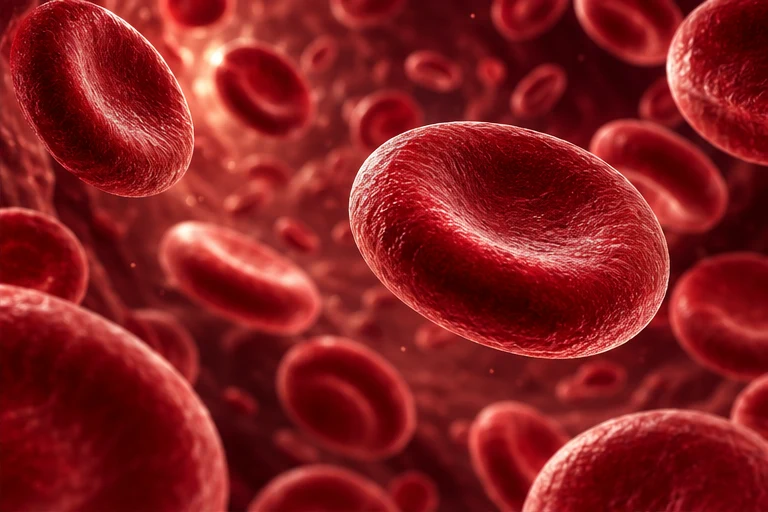
Iron is essential for hemoglobin, the protein in red blood cells that carries oxygen. But moving and using iron inside the body requires other nutrients and proteins as well.
Copper-dependent enzymes help with normal iron metabolism and transport.(1), (3)
That means copper and iron aren't two completely separate nutritional stories. Their biology overlaps, giving us another reminder that nutrients rarely work alone.
Copper Helps Build Connective Tissue
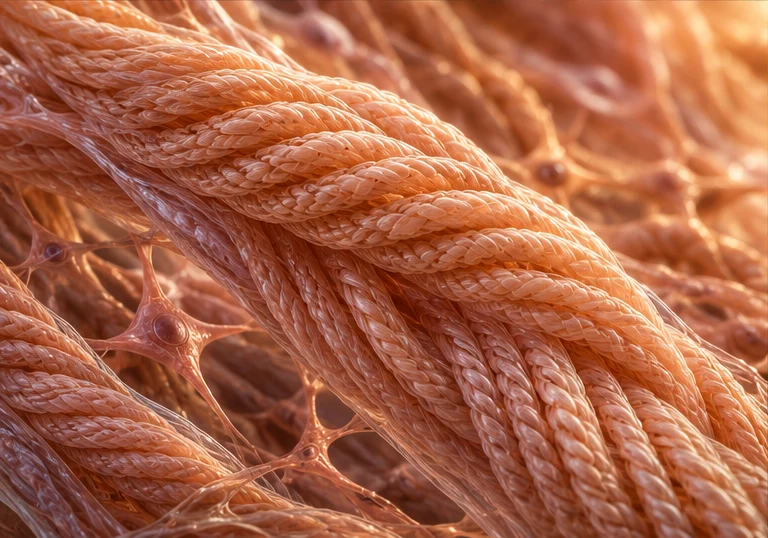
Copper also helps an enzyme called lysyl oxidase do its job.(2), (4)
You don't need to remember the enzyme's name. What's interesting is what it helps accomplish.
Lysyl oxidase participates in creating strong connections between collagen and elastin fibers.(4) Collagen helps provide structure to tissues throughout the body, while elastin helps certain tissues stretch and return toward their original shape.
Copper becomes one of the tiny nutritional pieces involved in the chemistry behind those structural proteins.
Copper and Our Antioxidant Defenses
Our cells constantly produce reactive molecules as part of normal metabolism. The body has its own antioxidant defense systems to help manage them.
One of those systems uses an enzyme called copper-zinc superoxide dismutase.(1), (5)
As the name suggests, the enzyme uses both copper and zinc—another example of two minerals working together.
The enzyme helps convert a reactive molecule called superoxide into less reactive substances that the body can handle through additional steps.(5)
So rather than thinking of copper as a stand-alone antioxidant, it's more accurate to picture it as part of the body's own carefully organized antioxidant enzyme system.
Where Does Copper Come From?
Copper occurs naturally in many foods, including:
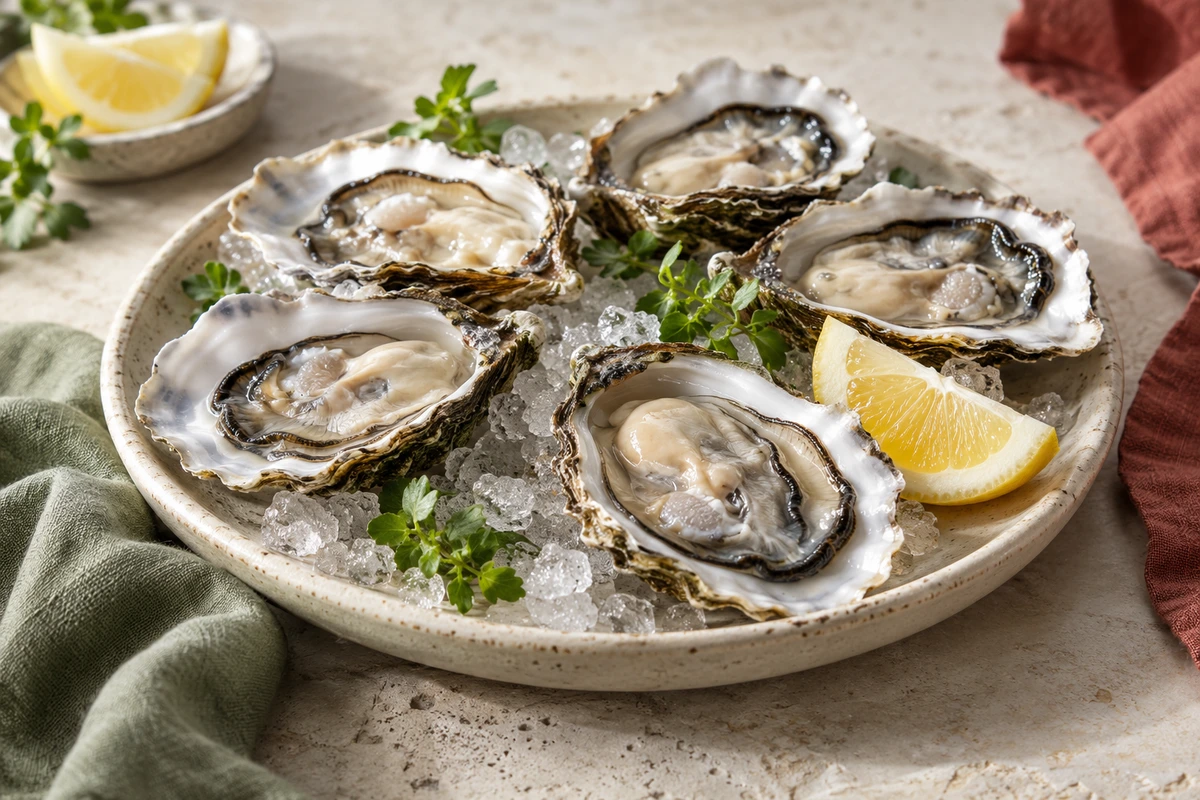 Shellfish
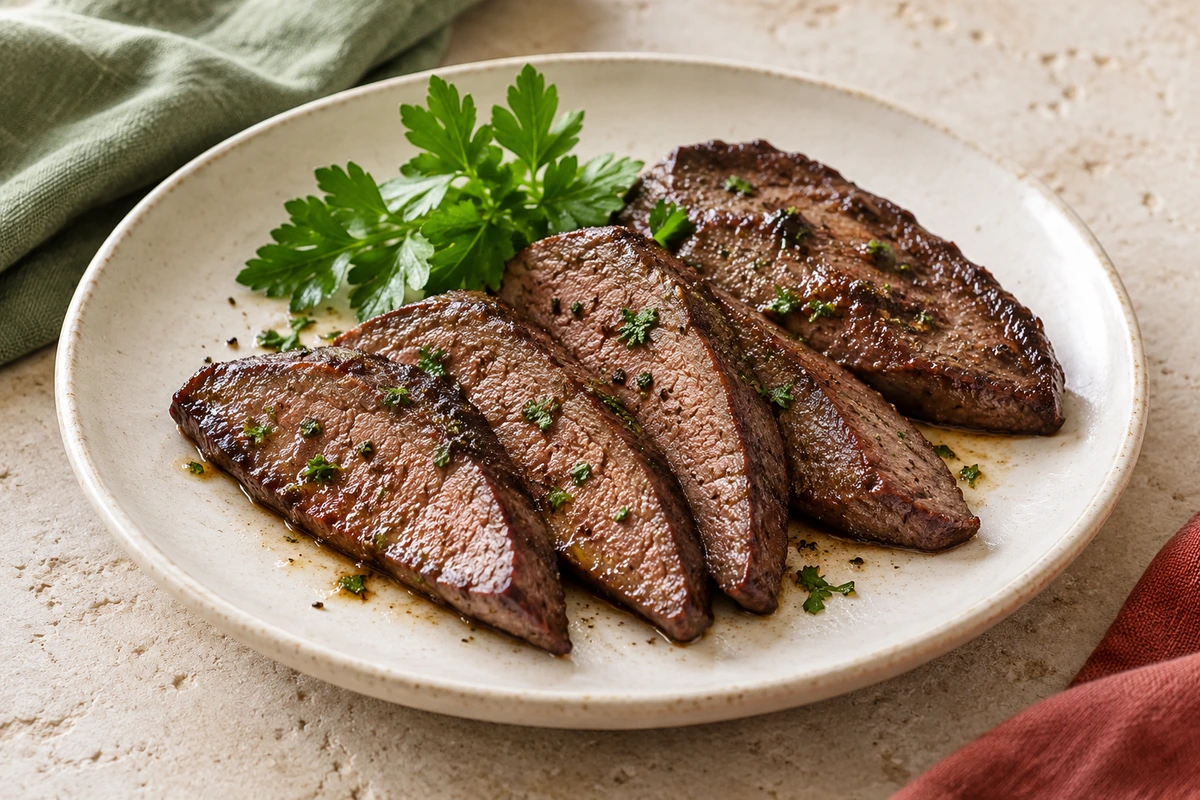 Liver and other organ meats
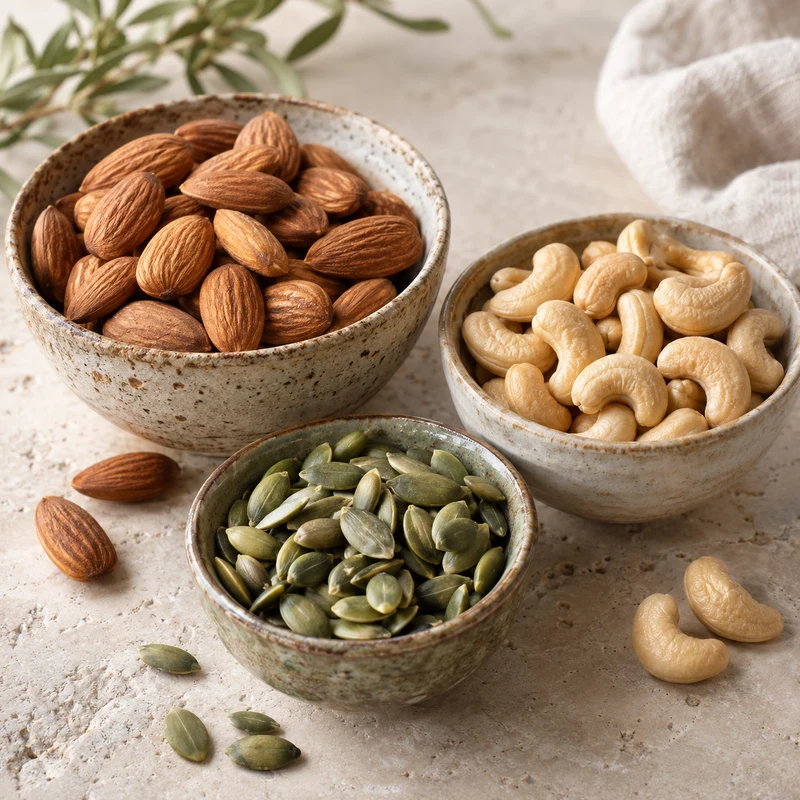 Nuts
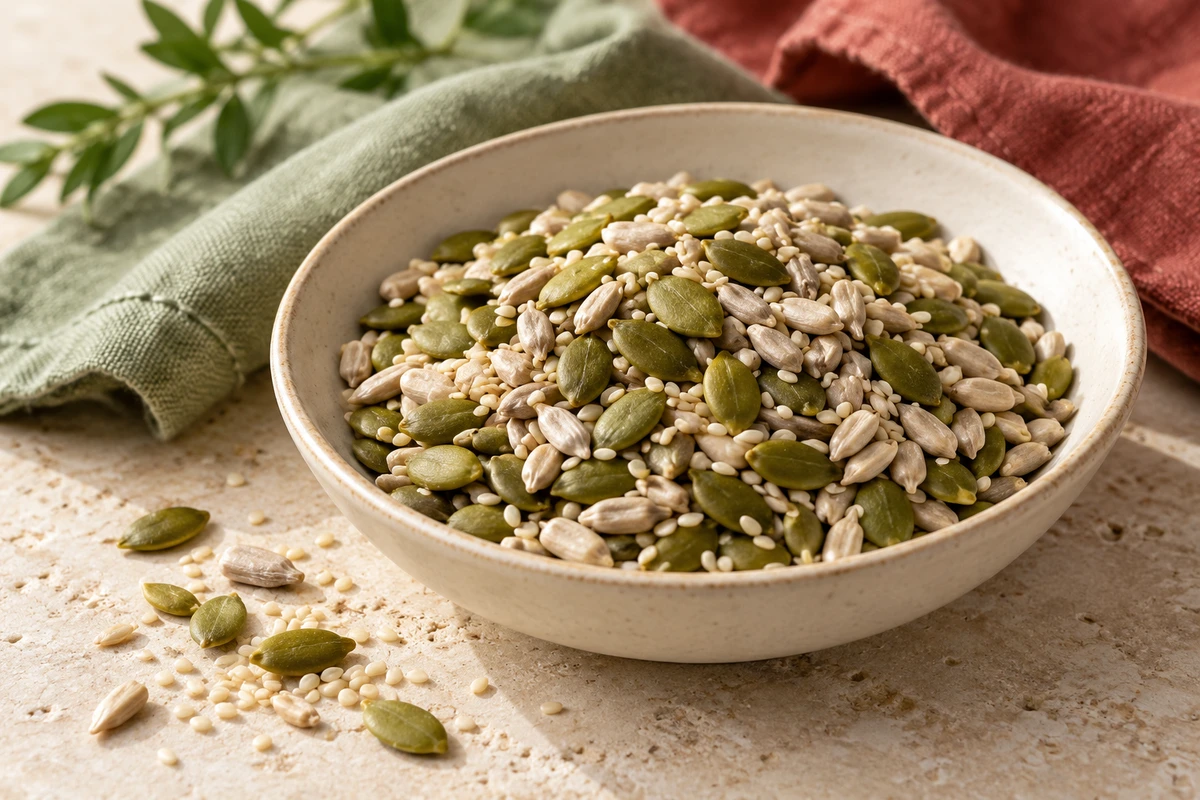 Seeds
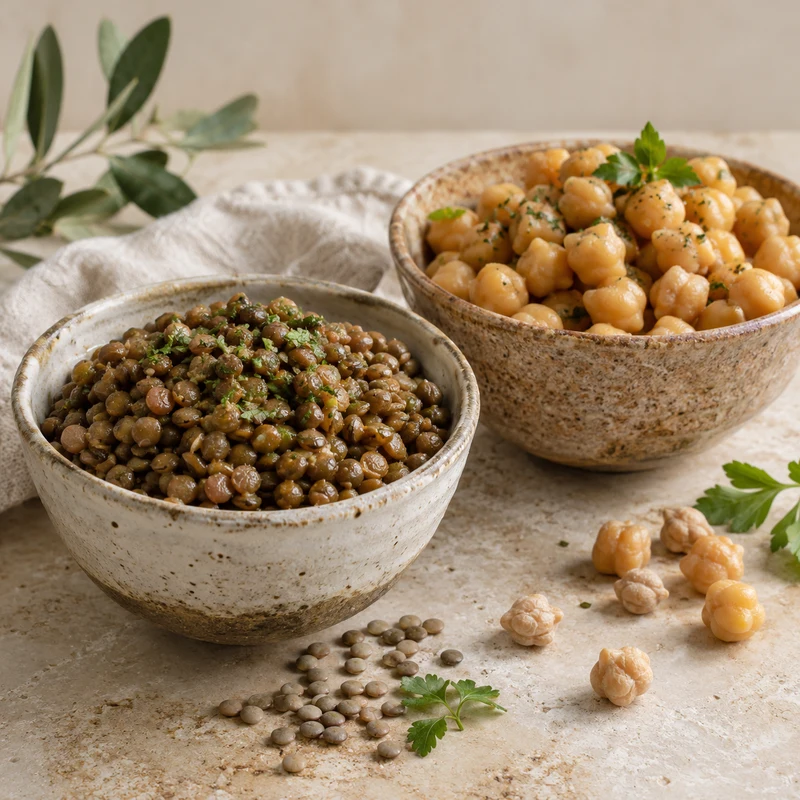 Beans and lentils
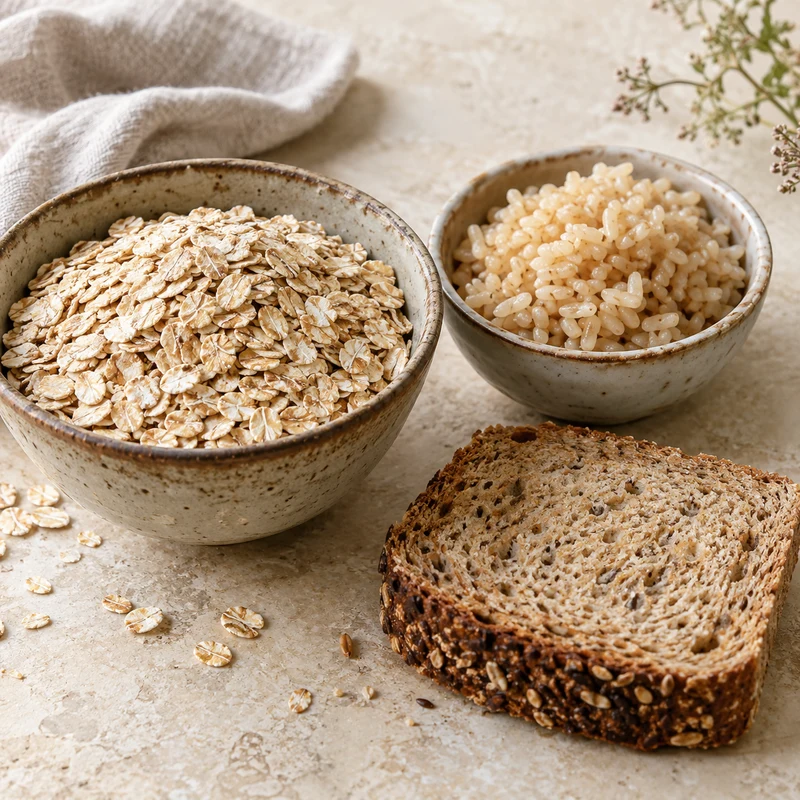 Whole grains
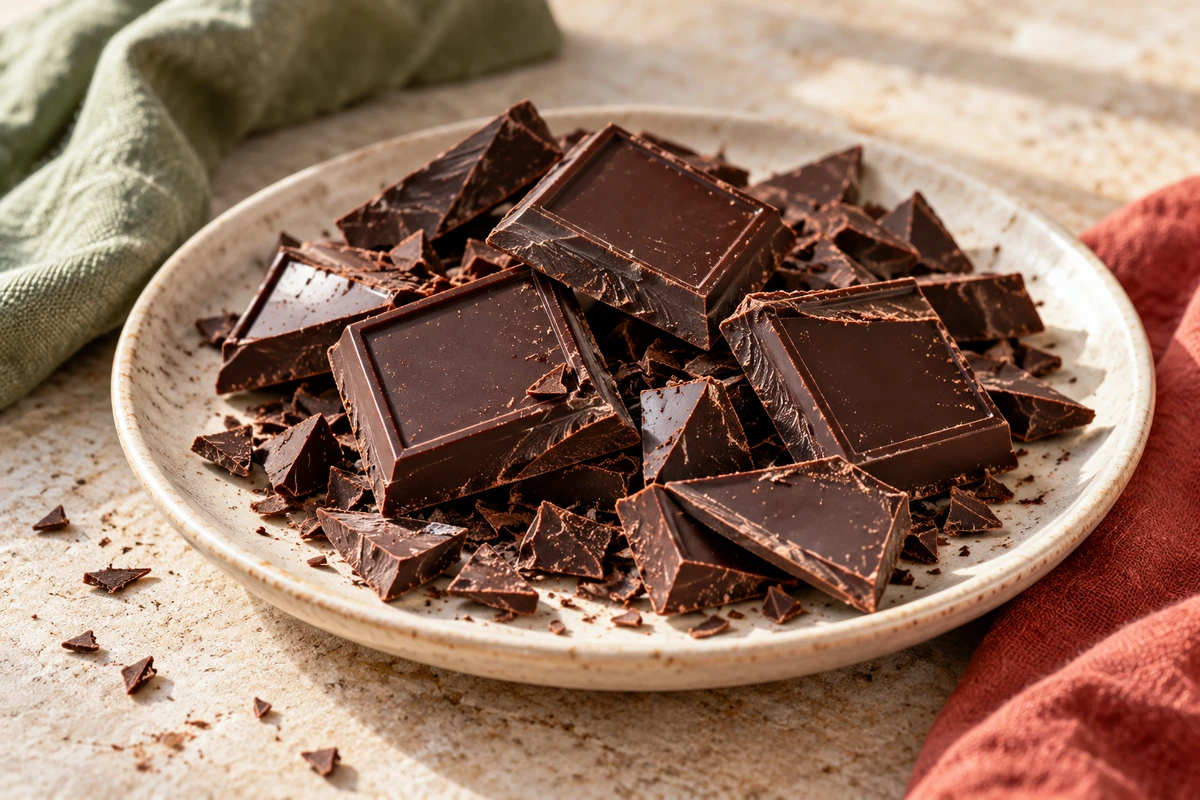 Dark chocolate
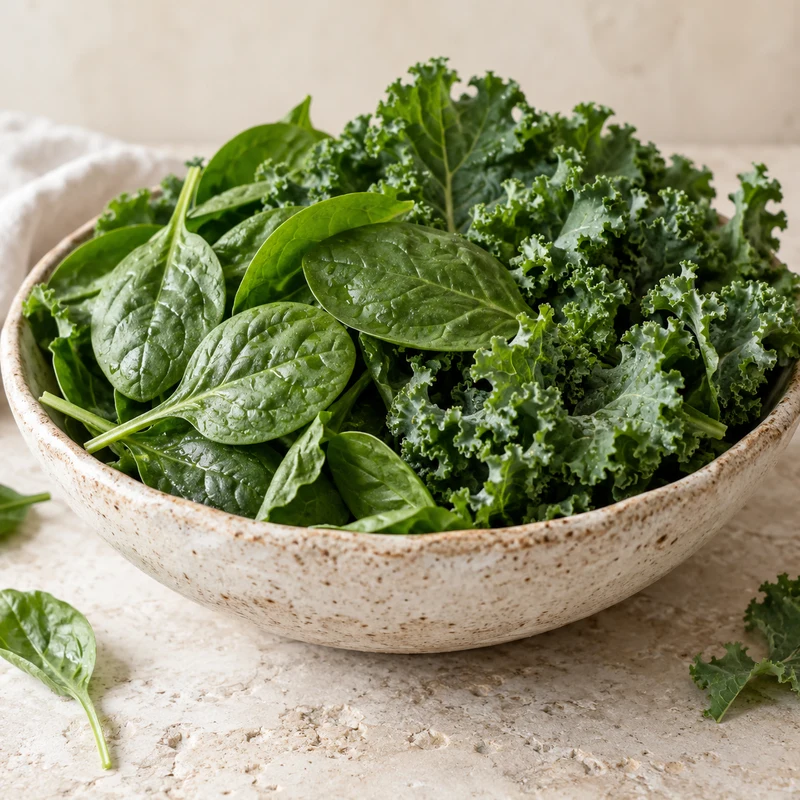 Certain vegetables
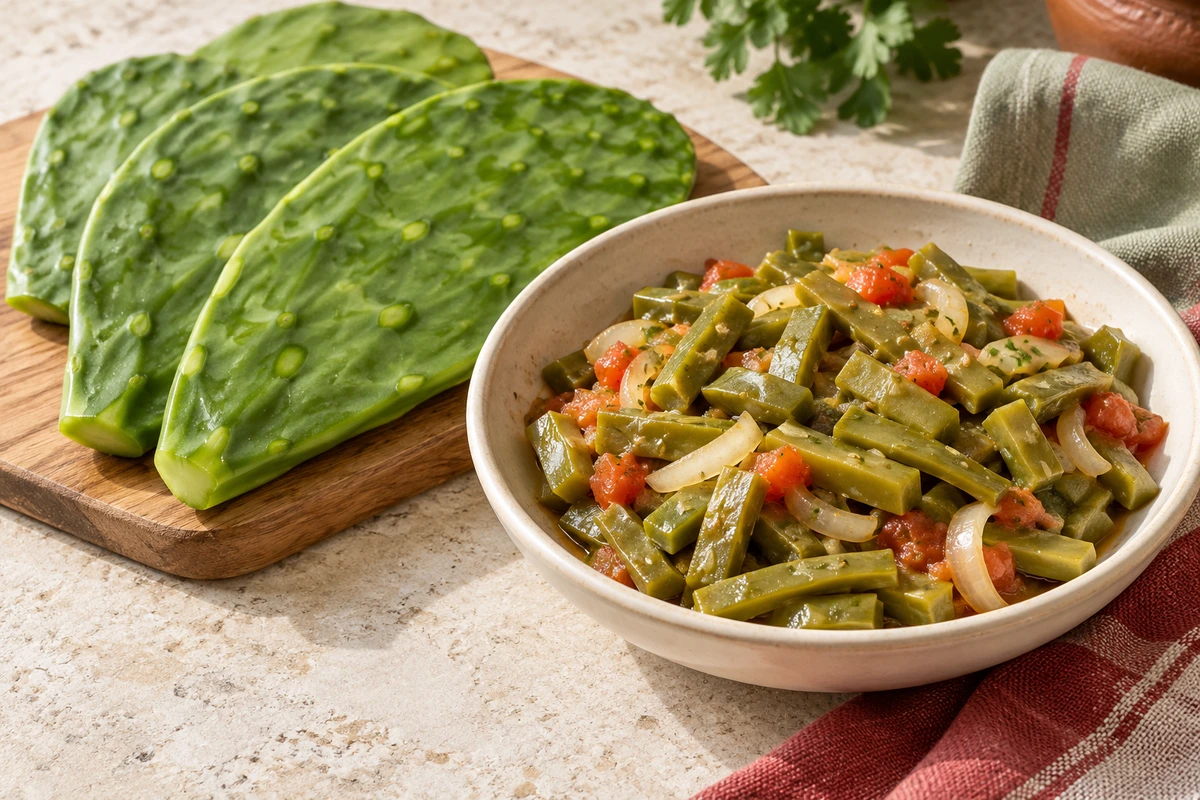 Nopal cactus and prickly pear
Scientific analyses of Nopal and other Opuntia materials have identified copper among the trace minerals associated with the plant.(6), (7)
Copper in Nopal Cactus
When we talk about the minerals in Nopal cactus and prickly pear, calcium, potassium and magnesium may receive most of the attention. But plants also contain much smaller quantities of trace minerals, and copper is one of them.(6), (7)
The word trace doesn't mean unimportant. It simply means that the mineral is present or needed in much smaller quantities.
Copper gives us another interesting way to look at Nopal because the cactus itself also needs copper while it's growing.
Plants Need Copper Too
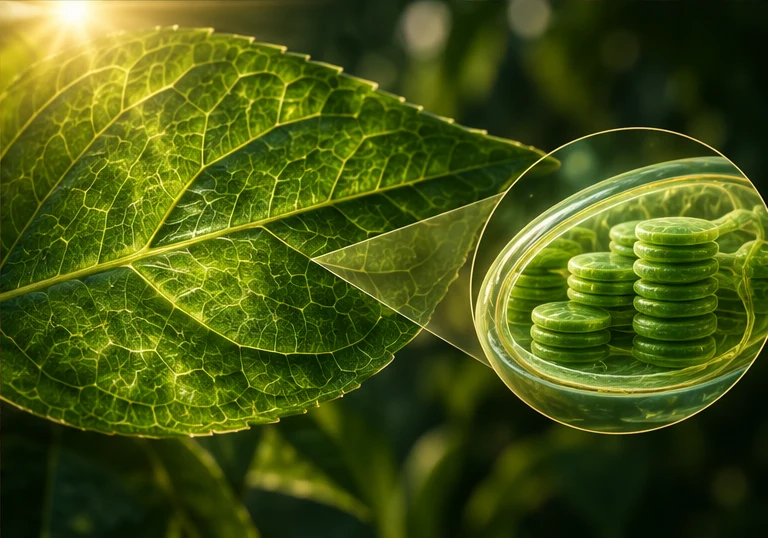
Copper is an essential micronutrient for plants.(8)
Plant cells use copper-containing proteins in several important processes. One of the most fascinating occurs during photosynthesis.
Plants use a copper-containing protein called plastocyanin to help move electrons during the light-dependent reactions of photosynthesis.(8), (9)
In simpler language, copper participates in some of the remarkable biological machinery plants use while converting sunlight into chemical energy.
That's quite a job for a trace mineral.
Copper Inside a Green Nopal Pad
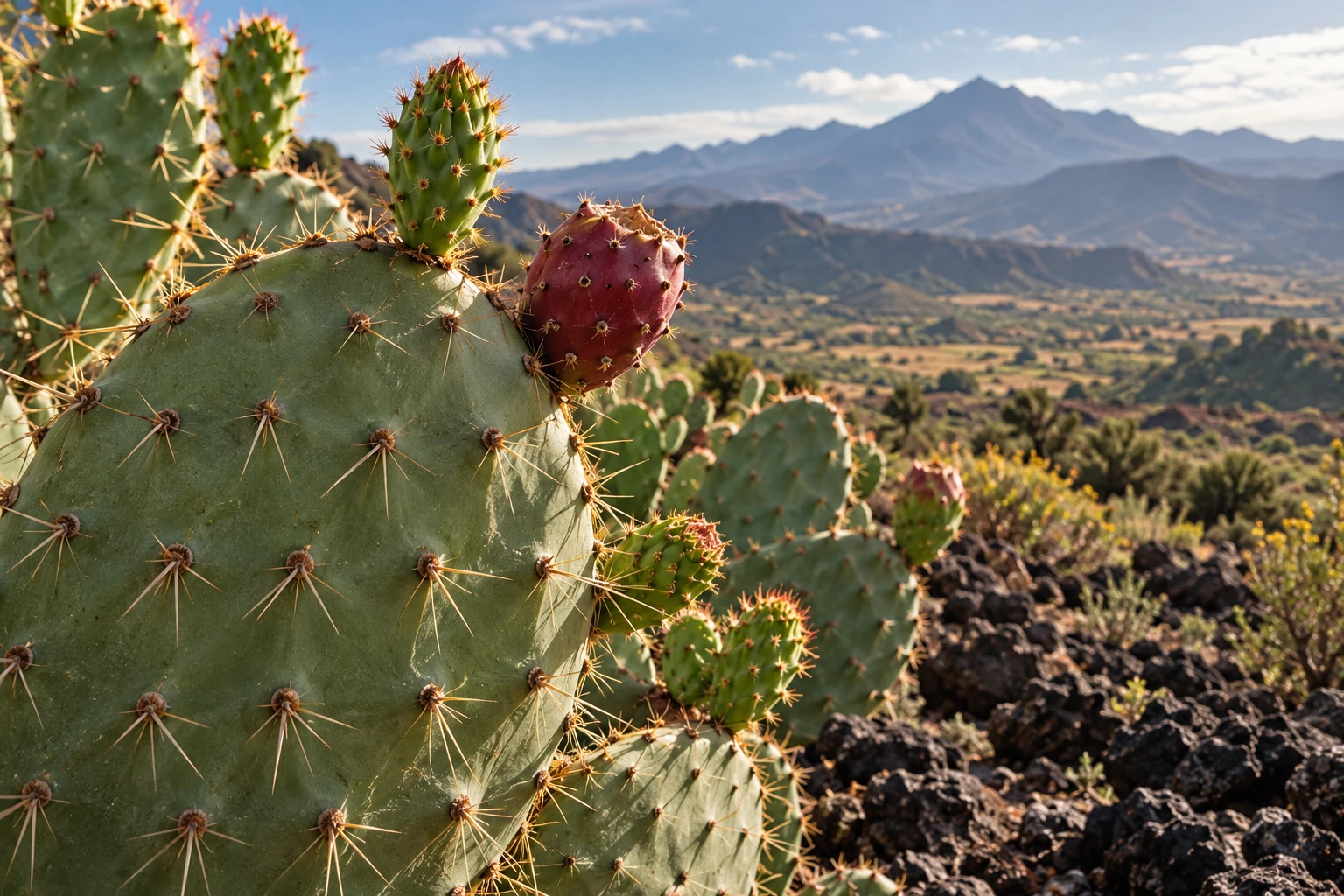
Imagine one of our Nopal pads growing in the sun.
Light reaches the cactus, and chlorophyll captures that light energy. Inside the plant, a complicated chain of electron transfers begins, and a tiny copper-containing protein helps carry electrons along part of that chain.(8), (9)
So copper isn't simply something scientists can identify when they analyze Nopal in a laboratory.
Copper has already been participating in the living biology of the cactus while the plant is growing.
From Harvest to Our Capsules
After harvest on our farms, our Nopal pads are freeze-dried in preparation for our capsules.
The dried pads are then milled into powder and prepared for encapsulation.
The Natural Home Cures Nopal Family
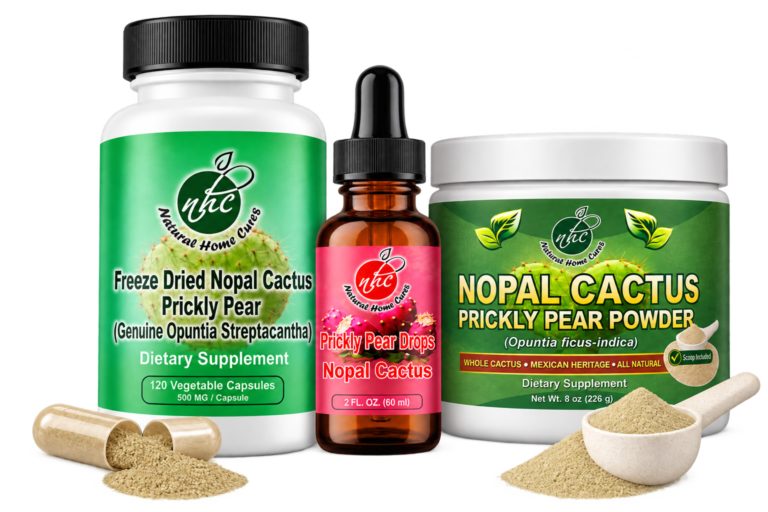
Our flagship Natural Home Cures Freeze-Dried Nopal Powder Capsules remain at the center of our Nopal line.
Natural Home Cures also offers Nopal Powder and Prickly Pear Drops, giving customers several ways to explore Nopal cactus and prickly pear.
Copper gives us another example of just how much biology can be hidden inside something as ordinary-looking as a green cactus pad.
A Tiny Mineral With a Remarkable Story
Our bodies need copper in very small amounts, yet it participates in iron metabolism, connective-tissue chemistry, antioxidant enzyme systems and cellular energy production.(1), (2)
The living Nopal cactus has its own copper story. Copper-containing proteins participate in the plant's photosynthetic machinery, helping the cactus make use of energy from sunlight.(8), (9)
So within Nopal cactus and prickly pear, copper becomes another small piece of a remarkably complicated plant.
And for Natural Home Cures, that's exactly why the whole cactus is worth understanding.
FROM CACTUS TO PRODUCT
Keep the botanical
in the story.
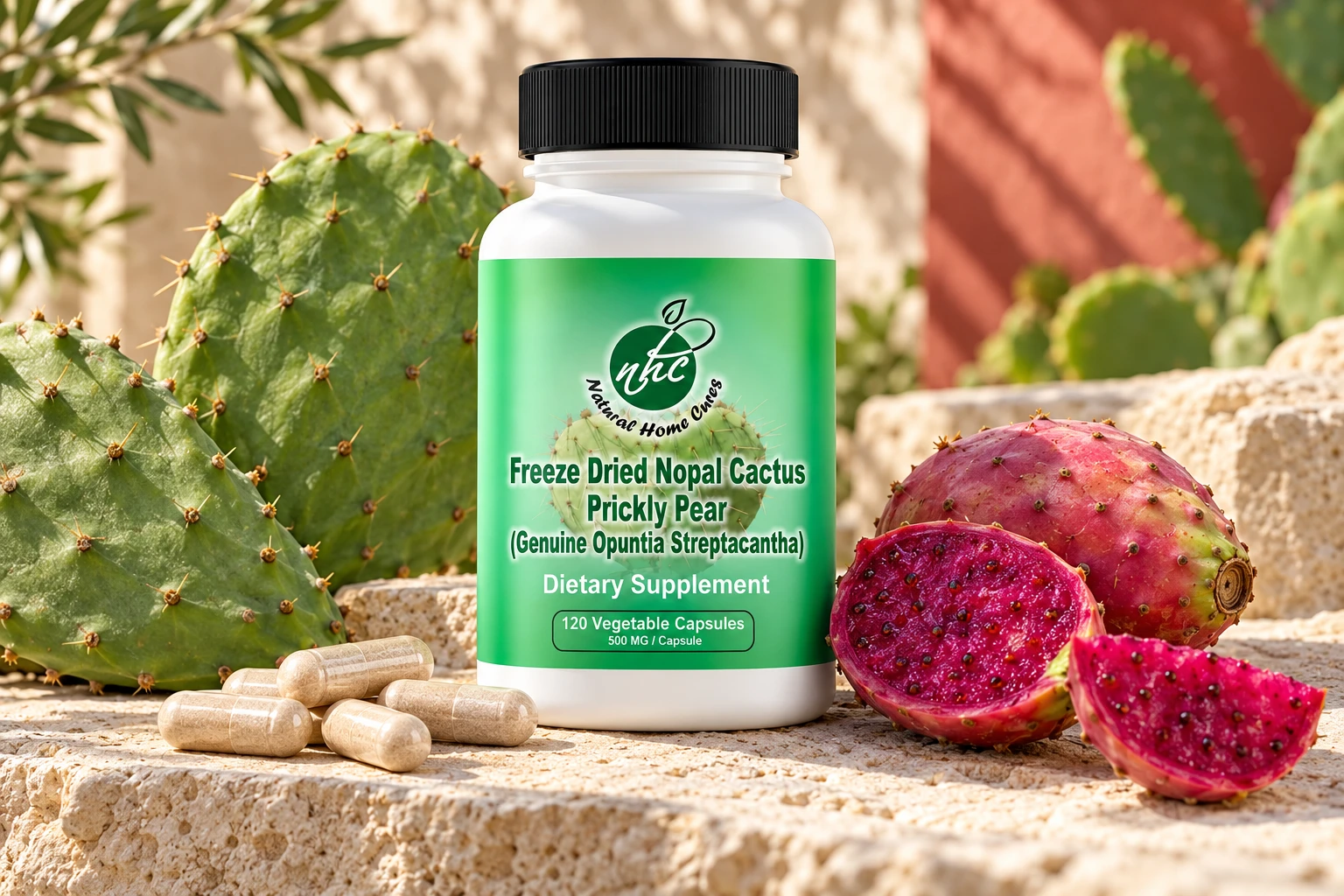
Freeze-dried Nopal cactus capsules.
Explore our Nopal →The research behind this articleSource References
- 01Nutrition referenceCopper — Fact Sheet for Health Professionals.View source
Full citation
National Institutes of Health, Office of Dietary Supplements. “Copper — Fact Sheet for Health Professionals.” - 02Research referenceCopper Biochemistry and Molecular Biology.View source
Full citation
Linder MC, Hazegh-Azam M. “Copper Biochemistry and Molecular Biology.” American Journal of Clinical Nutrition. 1996;63(5):797S–811S. - 03Research referenceMetabolic Crossroads of Iron and Copper.View source
Full citation
Collins JF, Prohaska JR, Knutson MD. “Metabolic Crossroads of Iron and Copper.” Nutrition Reviews. 2010;68(3):133–147. - 04Research referenceLysyl Oxidase: Properties, Specificity, and Biological Roles Inside and Outside of the Cell.View source
Full citation
Kagan HM, Li W. “Lysyl Oxidase: Properties, Specificity, and Biological Roles Inside and Outside of the Cell.” Journal of Cellular Biochemistry. 2003;88(4):660–672. - 05Research referenceSuperoxide Dismutases: Role in Redox Signaling, Vascular Function, and Diseases.View source
Full citation
Fukai T, Ushio-Fukai M. “Superoxide Dismutases: Role in Redox Signaling, Vascular Function, and Diseases.” Antioxidants & Redox Signaling. 2011;15(6):1583–1606. - 06Research referenceNopal Cactus (Opuntia ficus-indica) as a Source of Bioactive Compounds for Nutrition, Health and Disease.View source
Full citation
El-Mostafa K, El Kharrassi Y, Badreddine A, et al. “Nopal Cactus (Opuntia ficus-indica) as a Source of Bioactive Compounds for Nutrition, Health and Disease.” Molecules. 2014;19(9):14879–14901. - 07Research reviewCactus Stems (Opuntia spp.): A Review on Their Chemistry, Technology, and Uses.View source
Full citation
Stintzing FC, Carle R. “Cactus Stems (Opuntia spp.): A Review on Their Chemistry, Technology, and Uses.” Molecular Nutrition & Food Research. 2005;49(2):175–194. - 08Research referenceCopper in Plants.View source
Full citation
Yruela I. “Copper in Plants.” Brazilian Journal of Plant Physiology. 2005;17(1):145–156. - 09Research referenceThe Role of Trace Metals in Photosynthetic Electron Transport in O2-Evolving Organisms.View source
Full citation
Raven JA, Evans MCW, Korb RE. “The Role of Trace Metals in Photosynthetic Electron Transport in O2-Evolving Organisms.” Photosynthesis Research. 1999;60:111–150.