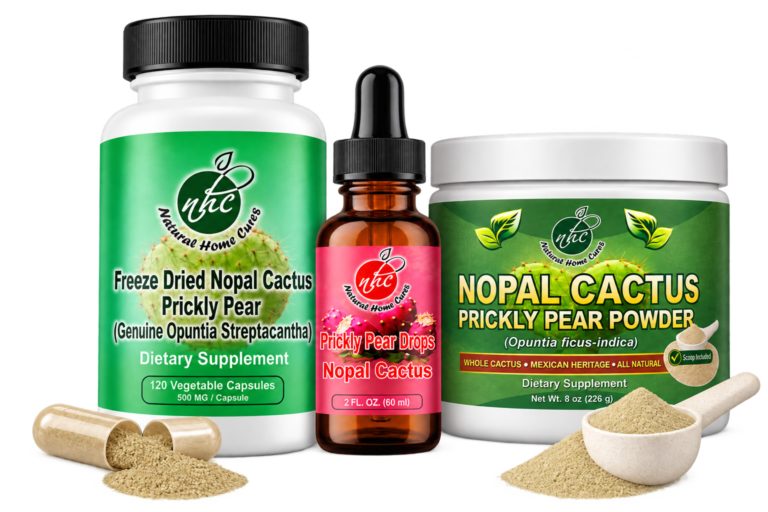
Before you buy a Nopal product, look behind the bottle. Eleven insider secrets worth knowing before you choose.
11 Insider Secrets Revealed About Nopal Products

Insider Secret IndexShow or hide the eleven secrets
#1The Proprietary Blend: A Big Number Can Hide a Small Detail
#2Concentrate, Extract, or Purée: The Form Changes the Story
#3How Much Nopal Is Really in Your Serving?
#4Pasteurization: What Changes With Heat?
#5Why We Chose Nopal Pad Capsules Instead of Juice
#6Freeze-Drying: Caring for the Pad Through Preparation
#7Inside Our Capsules: A Clearly Stated Amount of Nopal
#8Beyond the Cactus Name: The Full A–Z Nutrition Picture
#9Amazon or Natural Home Cures—Speed, Price, and Freshness?
Nopal has a remarkable story: a familiar food plant in Mexico, green pads and colorful fruit, and a broad range of powders, capsules, drinks, and extracts. But a cactus’s reputation and a finished product’s contents are not the same thing.
If you are paying for Nopal, you deserve to know the species, which part of the plant you are getting, how it was prepared, and how much reaches your serving. A proprietary blend, an impressive processing term, or a quality badge should lead to clear answers.
These eleven secrets walk you through the details a sales pitch can leave in the background. Along the way, we explain why Natural Home Cures chose freeze-dried pad capsules, how that format differs from a drink or extract, and how to read the product and quality information for yourself.
+
Click or tap any secret below to read it.
Select the heading again to close it. You can open more than one at a time.
Insider Secret #1: The Proprietary Blend: A Big Number Can Hide a Small DetailOpenClose
Pick up your bottle. Turn it around. Find the words “Proprietary Blend.” Now look at the number beside them.
Did you think that number told you how much Nopal you were getting? Look again.
Illustrative label
Supplement Facts
Serving Size: 2 Capsules
Proprietary Blend
1,000 mg
Nopal cactus pad, green tea leaf, grape seed
Individual botanical amounts not disclosed.
1,000 mg of the blend.
How many milligrams of Nopal?
The label does not tell you.
Teaching example only. Not an actual brand, product, or complete retail label. No ingredient proportions are assumed.
On this example label, the 1,000 mg belongs to Nopal, green tea, and grape seed combined. How much belongs to Nopal alone? The label does not say.
U.S. supplement-labeling rules allow a proprietary blend to declare a total weight without giving the separate amount of every botanical. The components must still be listed in descending order by weight. That gives you their order, rather than each ingredient’s dose.(1)
The cactus name draws you in. The number looks impressive. But the Nopal amount may still be missing.
Before comparing prices, ask how much Nopal is in each serving, which species and plant part are used, and whether it is pad powder, an extract, fruit material, or a blend. A proprietary blend does not automatically prove poor quality. The practical issue is whether it gives you enough information to make the comparison you want.
See how much Nopal you get.
The Natural Home Cures label states 500 mg of freeze-dried Nopal cactus per capsule and 1,000 mg per two-capsule serving. Open the label and read the Supplement Facts for yourself.
Read the original Nopal product label
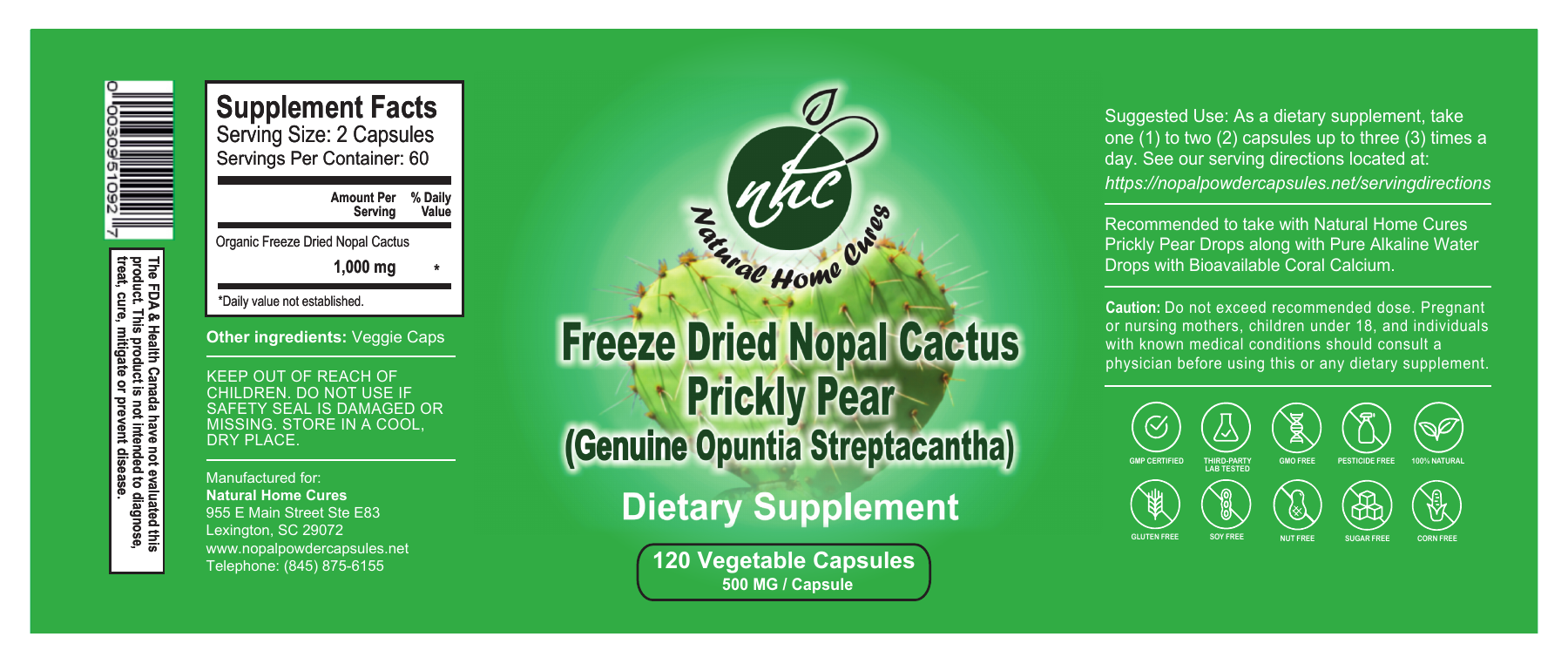
You came for Nopal. You should not have to guess what the stated amount measures.
Insider Secret #2: Concentrate, Extract, or Purée: The Form Changes the StoryOpenClose
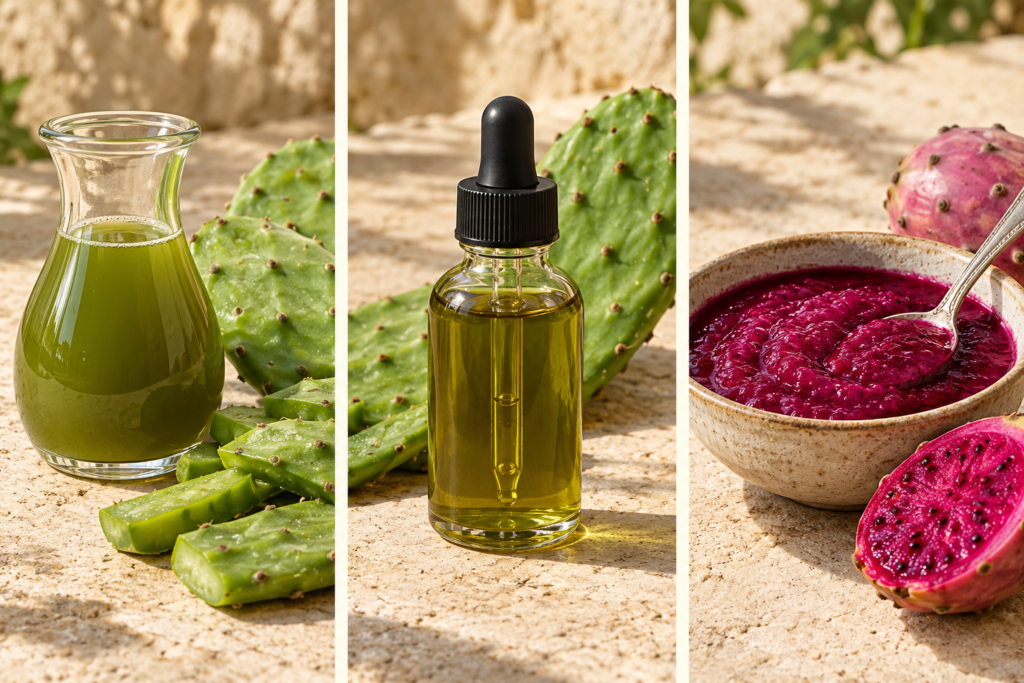
Concentrate
Extract
Fruit purée
“Nopal” and “prickly pear” can appear on quite different products. The green pad and the fruit are different plant parts, and their preparations should not be treated as interchangeable.
Three forms you may find on a cactus-product label
| Form | What it means | What to ask |
|---|---|---|
| Concentrate | Juice with some of its water removed; water may later be added back. | Is it made from pads or fruit? How much cactus-derived material is in the finished serving? |
| Extract | A preparation made by separating constituents from a starting material. | Which species and plant part were extracted? What does the stated amount or ratio represent? |
| Purée | Fruit or plant material mashed or blended into a pulp-containing preparation. | Which plant part is used? Is it a blend with other fruits or ingredients? |
Concentrate and purée are established food preparations. Their names do not, by themselves, establish a product’s quality or make it equivalent to a dried pad capsule. For drinks, the distinction between juice, a juice blend, and a juice drink also matters.(2)
Then look at the rest of the formula. Other juices, sweeteners, carriers, flavors, or added water may have a purpose, but they change what you are comparing. An extract can be concentrated in selected compounds; that differs from drying and milling the starting plant material.
Turn the bottle around. Read what is inside.
Two teaching examples show how different preparations can appear in finished formulas.
Illustrative label A
Prickly Pear Fruit Juice Blend
INGREDIENTS
Prickly pear fruit purée, grape juice concentrate, apple juice concentrate, water, citric acid.
Look for: cactus fruit alongside other ingredients. Ask how much of the serving comes from prickly pear.
Illustrative label B
Drink With Nopal Extract
INGREDIENTS
Water, apple juice concentrate, Nopal pad extract, natural flavor, citric acid.
Look for: the extract within the finished drink. Ask what was extracted and how much is in each serving.
Teaching examples only, not actual retail products.
Fiber belongs in this discussion too. Pulp-containing preparations and filtered juices can differ. Ask for the fiber amount per serving rather than assuming that “whole plant,” “fruit,” or “pad” tells you how much fiber a finished product supplies.(8)
Our capsule formula uses freeze-dried green pad powder identified as Opuntia streptacantha. Our separately sold loose powder uses Opuntia ficus-indica and is not freeze-dried. Read the specific product label when changing formats.
Insider Secret #3: How Much Nopal Is Really in Your Serving?OpenClose
How much Nopal is actually in your serving? Start with the serving, rather than the size of the bottle. A glass of a blended drink, a dropper of liquid, and two capsules are different formats; neither their volume nor their weight alone tells you that they are equivalent.
Compare the botanical amount, the species, the plant part, and the preparation. If a seller promises a particular plant-compound level, ask for a measurement of that compound. A dry-weight statement, extract ratio, and laboratory assay answer different questions.
Our Natural Home Cures capsules provide 500 mg of freeze-dried Nopal cactus per capsule and 1,000 mg per two-capsule serving. Those numbers describe the botanical powder, rather than a separately measured dose of fiber, calcium, or an individual phytochemical.
Insider Secret #4: Pasteurization: What Changes With Heat?OpenClose
Pasteurization helps make juice safer by reducing harmful microorganisms. That safety purpose matters. It is also reasonable to ask what happens to sensitive nutrients during processing and storage.(3)
Heat can change a juice’s composition, including its vitamin C content. The effect depends on the material, temperature, treatment time, and storage conditions. Ask what has been measured in the finished serving rather than deciding from a processing word alone.(43)
Insider Secret #5: Why We Chose Nopal Pad Capsules Instead of JuiceOpenClose
Our decision began with the part of the cactus we wanted to bring to you: the green pad. Prickly pear fruit is another part of the plant. A picture of the fruit should not leave you guessing about what is in a pad-based capsule.
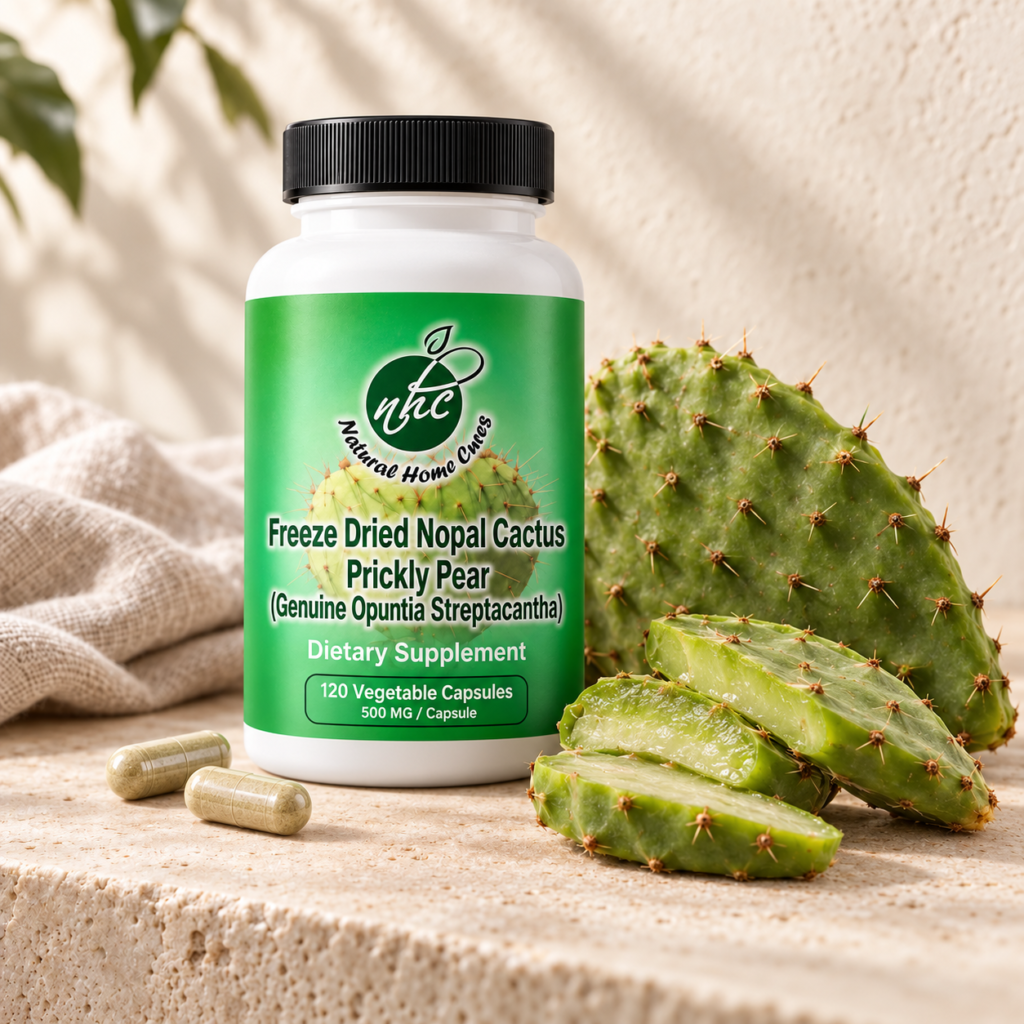
At Natural Home Cures, that story begins on our farms in Central Mexico, at about 8,200 feet above sea level. It continues through pad preparation, freeze-drying, milling, encapsulation, and bottling. You can follow that journey from plant to bottle.
What we chose—and what it means when you compare
| Question | A drink or extract product | Natural Home Cures Nopal Capsules |
|---|---|---|
| Which part? | Check whether the formula uses pads, fruit, or a combination. | Freeze-dried green pad powder. |
| Which species? | Look for the full botanical identity. | Opuntia streptacantha on our capsule label. |
| What else is included? | Read the full formula, including other juices, sweeteners, or carriers. | The label lists “Veggie Caps” under other ingredients. |
| How much? | Ask what the declared liquid, powder, or extract amount represents. | 500 mg per capsule; 1,000 mg per two-capsule serving. |
| What supports quality? | Ask about the source, preparation, and relevant records. | Our sourcing story, declared formula, product label, and team give you details to examine. |
That is why this format fits what we stand for: a connection to the pad, careful preparation, and an amount you can read on the label. You can choose a cactus format that suits you without assuming every drink, drop, extract, and powder is the same product.
Insider Secret #6: Freeze-Drying: Caring for the Pad Through PreparationOpenClose
Freeze-drying, also called lyophilization, begins with frozen plant material. Under vacuum, ice passes directly into water vapor during primary drying. A finishing stage reduces remaining moisture before the material is milled.(45)

Freeze-drying limits prolonged exposure to high temperatures. Temperature, pressure, and time must be controlled throughout the cycle.
Care continues after the dryer stops. Keep dried material protected during milling and packaging, and store your finished bottle in a cool, dry place.(44)
Insider Secret #7: Inside Our Capsules: A Clearly Stated Amount of NopalOpenClose
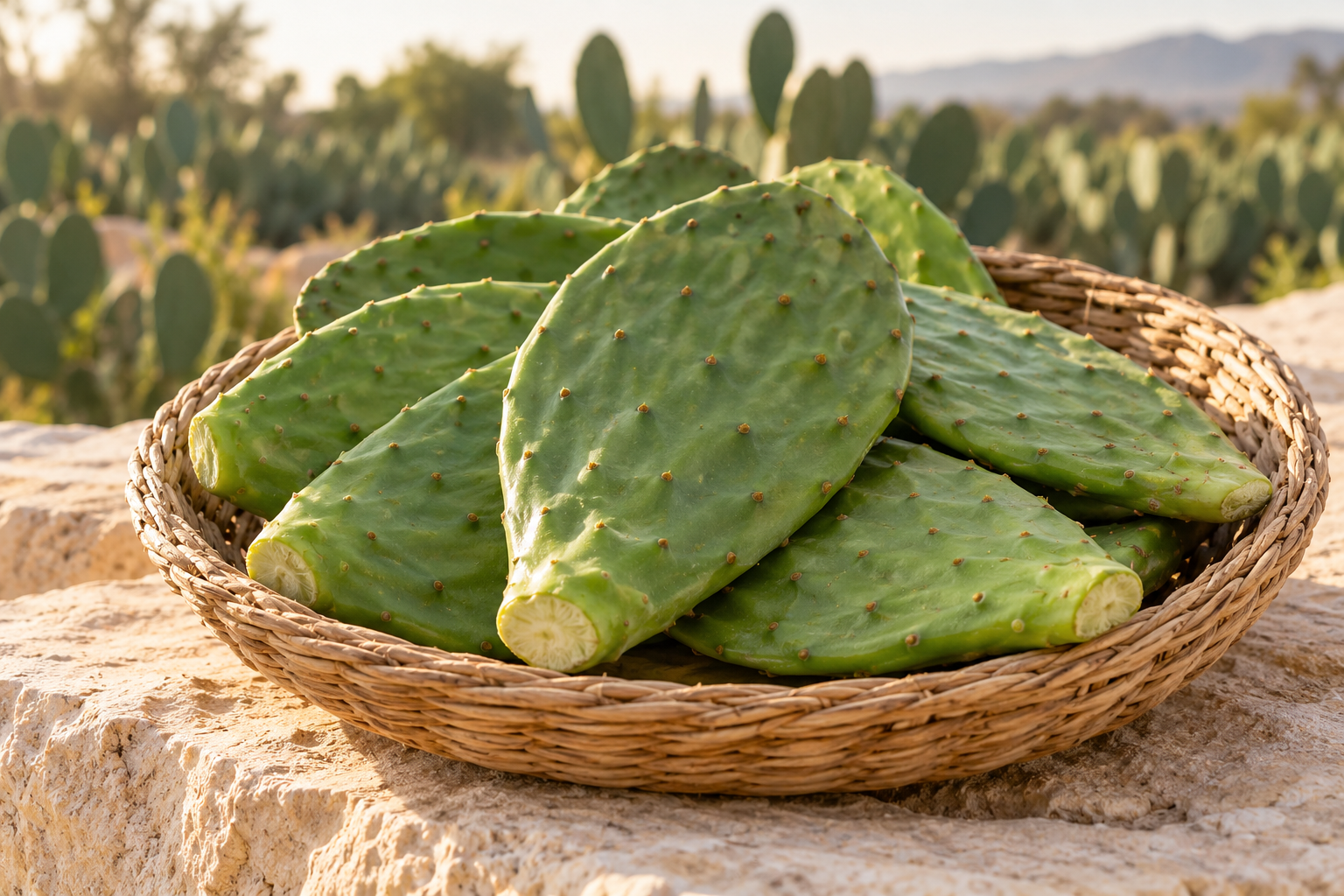
Inside every Natural Home Cures Nopal capsule is 500 mg of freeze-dried Nopal cactus pad powder, enclosed in a vegetable capsule. The botanical on the label is Opuntia streptacantha.
Each bottle contains 120 capsules—60 servings of two capsules. Each two-capsule serving provides 1,000 mg of Nopal cactus. The other-ingredients list reads “Veggie Caps.”(44)
The label supplies the finished product’s identity, botanical amount, serving size, suggested use, and cautions. It does not separately declare a measured amount of every nutrient discussed in the nutrition guide below.
Insider Secret #8: Beyond the Cactus Name: The Full A–Z Nutrition PictureOpenClose
The conversation about Nopal often centers on fiber, cactus pads, and plant compounds. Nutrition is a wider story. Every heartbeat, every step, and every new cell depends on nutrients doing different jobs. The A–Z guide below explains those roles alongside our Nopal science articles.
Read this as a guide to nutrition research. The clinical findings describe the foods, nutrient preparations, doses, and people studied. They are not measurements of the nutrients in our capsules: the product label declares Nopal pad powder, and an individual nutrient contribution depends on its measured composition and serving size.
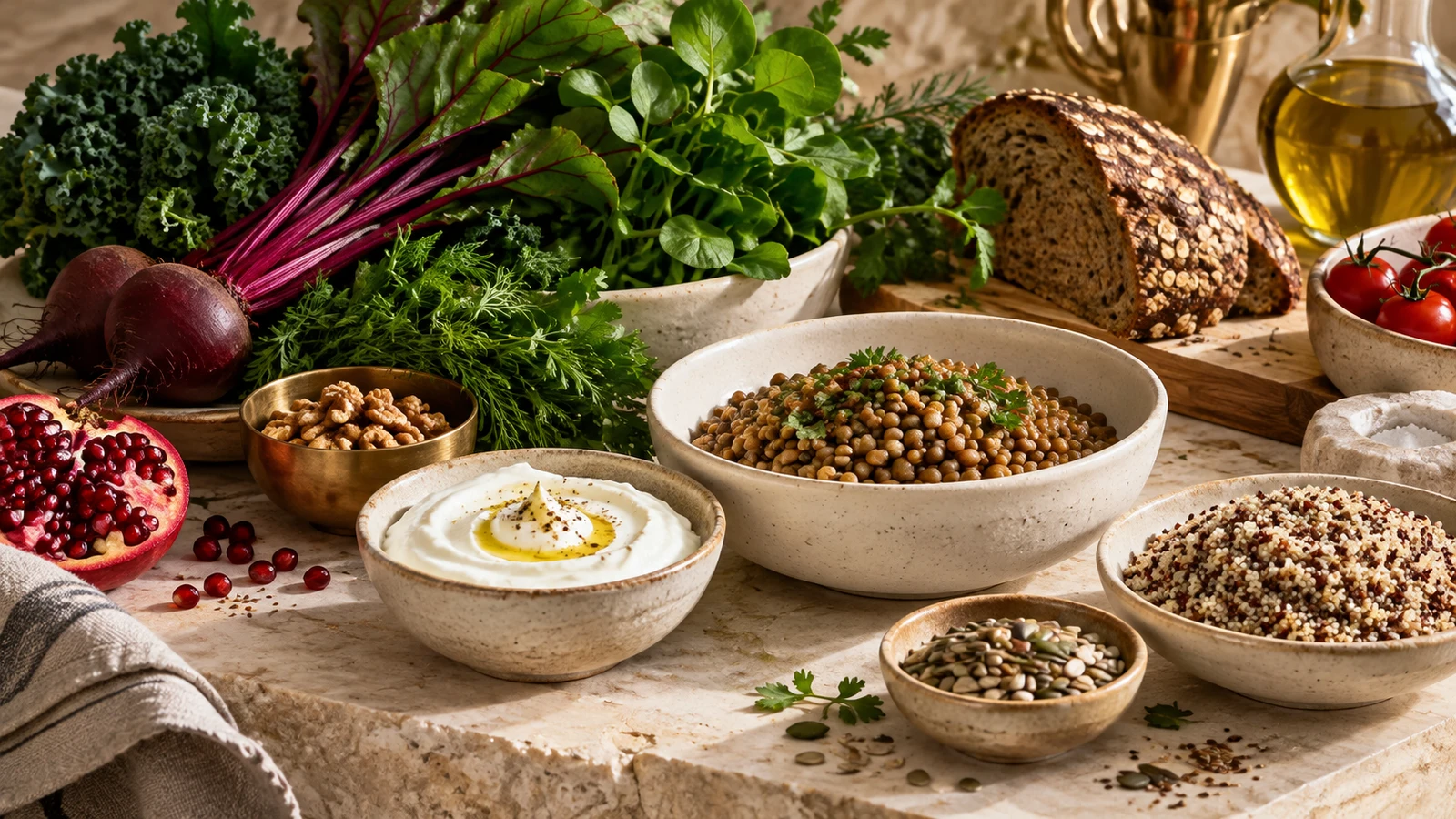
Nutritional Properties A–L
Calcium: Building Strong Bones and Keeping Muscles Working
Your bones are living tissue, continually being broken down and rebuilt. Calcium supplies much of their mineral strength. More than 99% of the body's calcium is stored in bones and teeth, where it helps create a framework strong enough to support everyday movement.
The smaller amount circulating elsewhere has equally important jobs. Calcium helps muscles contract, nerves pass messages, and blood clots normally. Your body carefully regulates blood calcium; when dietary intake is inadequate, it can draw calcium from the skeleton to maintain these essential functions.(4)
That is why meeting calcium needs matters over the years, especially after menopause, when falling estrogen levels accelerate bone loss. Vitamin D helps the intestine absorb calcium, while weight-bearing activity supports bone health. For someone concerned about osteoporosis, adequate calcium is one part of protecting bone strength alongside appropriate exercise and medical care. The goal is to give the body the materials it needs to maintain its supporting structure.
Carotenoids: Colorful Plant Compounds With Different Roles
Carotenoids are natural pigments behind the orange of carrots and the red of tomatoes. Their importance goes beyond color. Some, including beta-carotene, can be converted into vitamin A, which supports vision, immune function, and normal cell development. Others, including lutein, zeaxanthin, and lycopene, have different roles and do not become vitamin A.(5)
Lutein and zeaxanthin are particularly interesting because they collect in the macula, the central part of the retina responsible for detailed vision. Think of this area as the part of your eye that helps you recognize faces and read small print.
The National Eye Institute's AREDS research established that a specific combination of nutrients can reduce progression to advanced age-related macular degeneration in people at appropriate stages of the disease. The AREDS2 formulation includes lutein and zeaxanthin alongside other vitamins and minerals.(6) This evidence is about a particular eye-health formula and patient group. It illustrates why the identity and amount of a plant compound matter.
Copper: Helping the Body Use Iron and Build Connective Tissue
Copper is needed in small amounts, but it helps several essential systems work. One of its important jobs is assisting iron metabolism. Iron must be moved, processed, and made available for the body to build healthy red blood cells; copper-containing enzymes help make that possible.
Copper also helps enzymes involved in energy production, nervous-system function, and the formation of connective tissue. One enzyme helps strengthen the links within collagen and elastin—the proteins that contribute strength and flexibility to tissues. Others participate in antioxidant defenses and the production of chemical messengers used by nerves.(7)
These connections help explain why copper deficiency can cause anemia and neurological problems. It is also an example of why nutrients work as a team: an adequate iron supply alone does not replace copper's separate role in handling it. Meeting copper needs through a varied diet supports normal blood formation, cellular energy, and tissue maintenance. Nuts, seeds, shellfish, and whole grains are among its dietary sources.
Fiber: Helping Digestion, Cholesterol, and Blood Sugar
Fiber does much more than add bulk to a meal. It is the part of plant food that largely resists digestion, and different types work in different ways. Insoluble fiber helps add bulk to stool and supports regular bowel movements. Certain soluble fibers absorb water to form a gel, which can slow nutrient absorption and help lower LDL cholesterol.
That slower movement through digestion can help moderate the rise in blood sugar after a meal. For people managing diabetes, fiber can be a useful part of a balanced eating plan. For people dealing with constipation, enough fiber together with fluids supports easier, more regular bowel movements.(8)
Research also connects fiber with blood-pressure management. A 2022 review found that increasing fiber intake in adults with hypertension reduced systolic pressure by an average of about 4.3 mmHg and diastolic pressure by an average of about 3.1 mmHg across the included trials.(9) The interventions involved increases in daily fiber intake, so grams matter when comparing foods or supplements. Taken together, the findings explain why fiber belongs in a discussion of digestive, metabolic, and cardiovascular health.
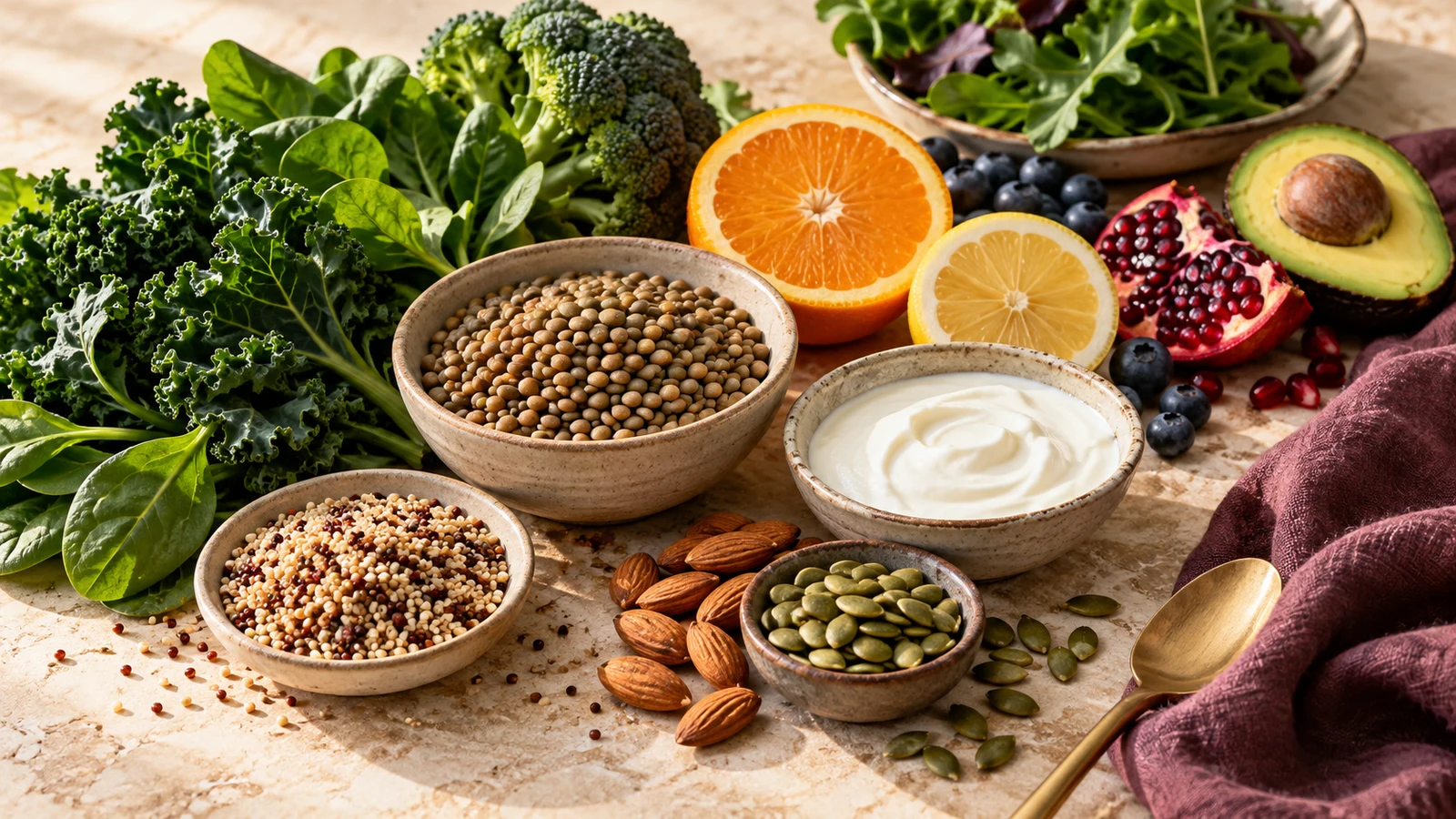
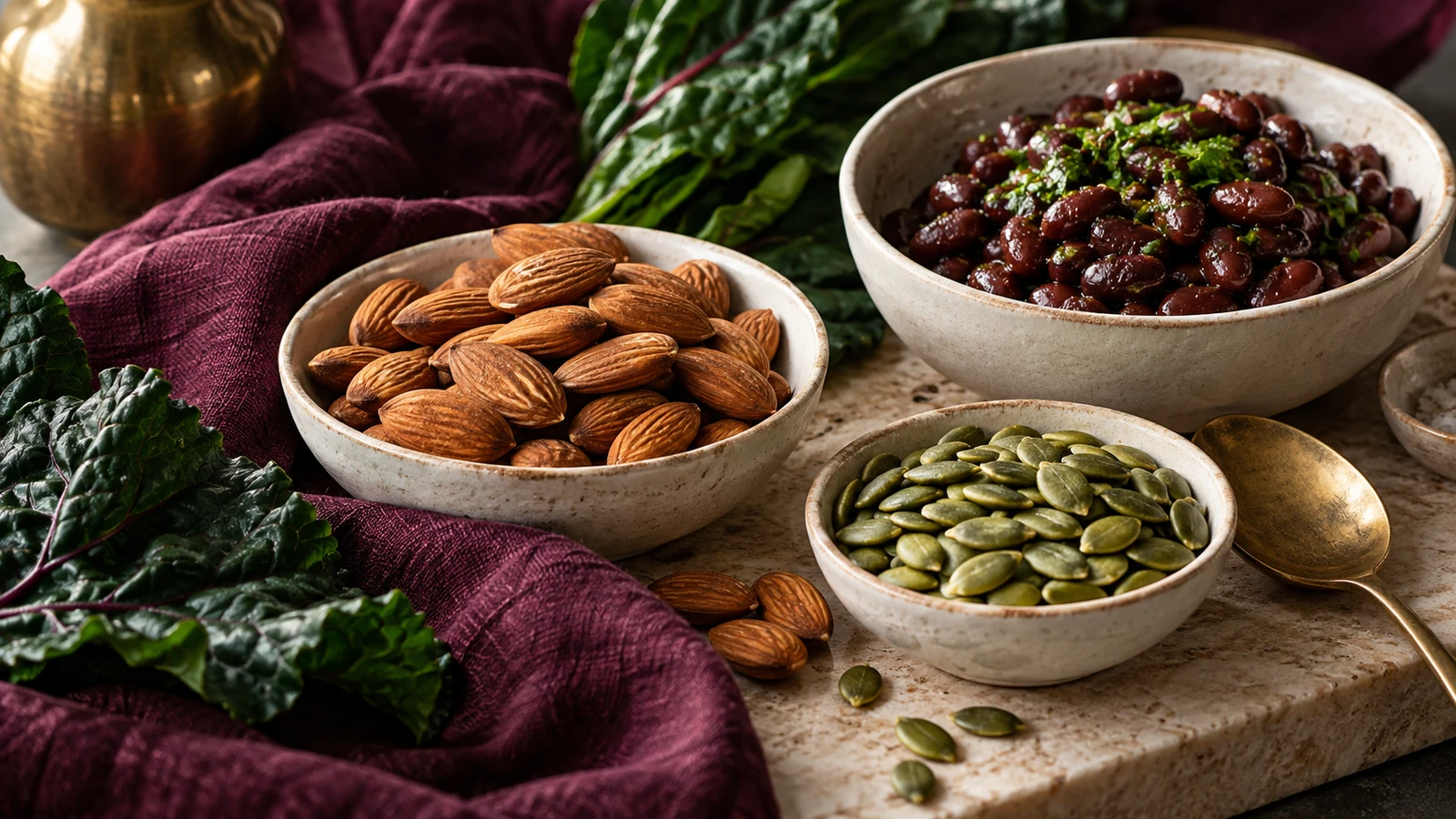
Everyday dietary sources of vitamins, minerals, and fiber.
Folate (Vitamin B9): Helping Build New Cells and Healthy Blood
Your body is continually replacing cells in the skin, blood, and other tissues. Folate, or vitamin B9, helps make DNA—the instructions needed to produce those new cells. It also supports normal cell division and healthy red blood cell formation.
This matters because red blood cells deliver oxygen throughout the body. Folate deficiency can cause megaloblastic anemia, in which the body makes unusually large red blood cells that do not function normally. Weakness, fatigue, and shortness of breath can follow. Meeting folate needs supports normal blood production and tissue renewal.(10)
Folate also works with other B vitamins to support normal metabolism. Together, these roles help your body renew tissues and maintain healthy blood.
Iron: Delivering Oxygen Where Your Body Needs It
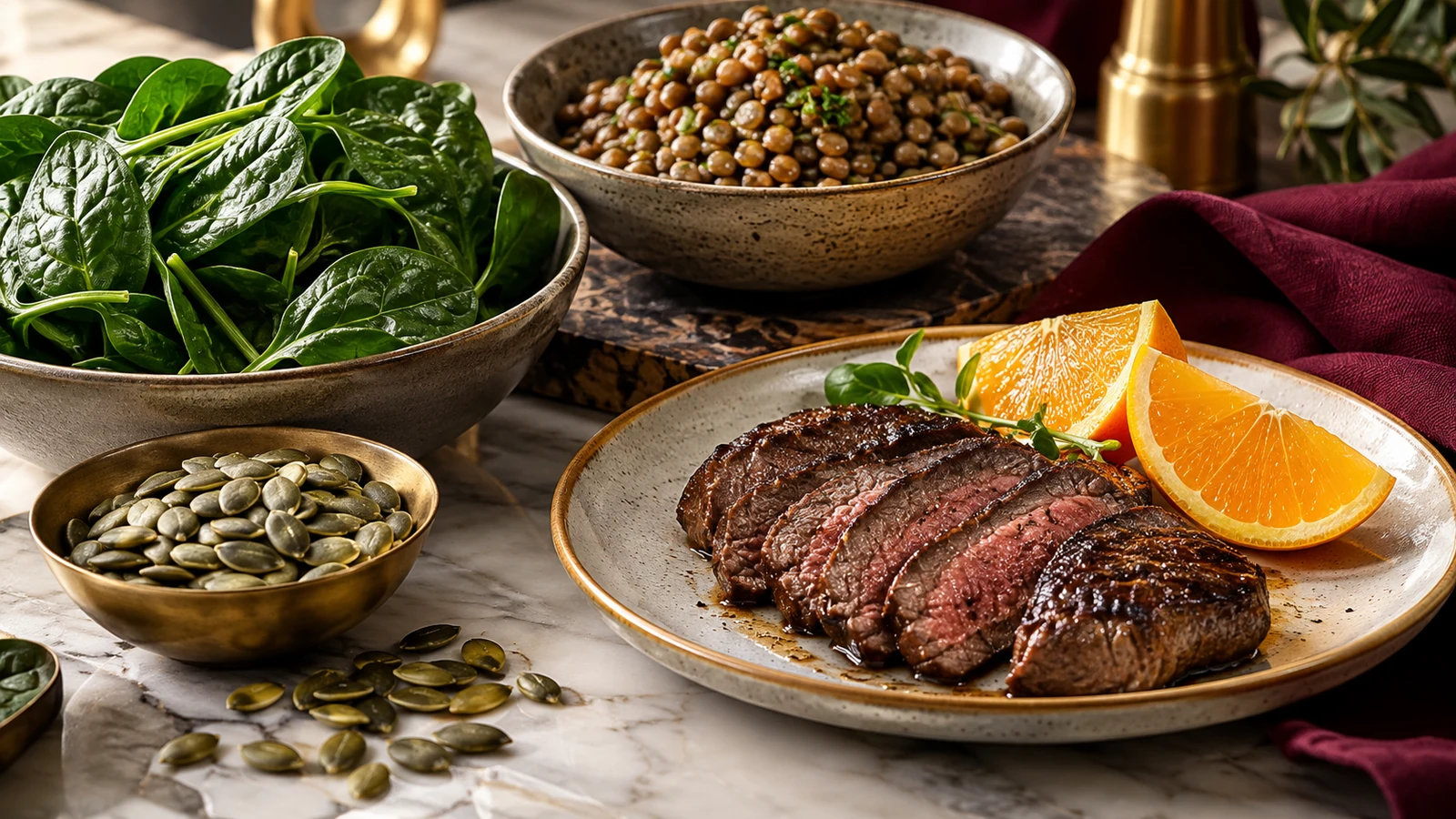
Iron-containing foods can contribute to meeting dietary needs.
Every breath brings oxygen into your lungs. Iron helps get that oxygen to the rest of your body. It is part of hemoglobin, the protein in red blood cells that carries oxygen, and myoglobin, which helps muscles store and use it. Iron also supports normal growth and the activity of enzymes involved in cellular metabolism.
When iron stores become depleted, the body can struggle to make enough normal hemoglobin. Iron-deficiency anemia can cause tiredness, weakness, shortness of breath, and reduced exercise capacity. Vitamin C helps the body absorb nonheme iron, the form found in plant foods.(11)
A 12-week randomized trial studied 198 menstruating women who had fatigue and low iron stores but were not anemic. Those receiving 80 mg of elemental iron daily reported a greater reduction in fatigue than the placebo group.(12) The finding shows why investigating low iron stores can matter even before anemia develops. It concerned a specific iron preparation and selected patients; appropriate testing helps determine who needs iron treatment.
Nutritional Properties M–P
Magnesium: Helping Power Cells, Move Muscles, and Support Blood Pressure
Magnesium helps more than 300 enzyme systems carry out their work. It participates in producing energy, building proteins, maintaining bones, and regulating muscle and nerve function. It also works closely with ATP, the energy carrier your cells use. Much of the ATP used in cellular reactions is bound to magnesium.
This mineral helps regulate the movement of calcium and potassium across cell membranes—a process involved in nerve signals, muscle contraction, and normal heart rhythm. It also contributes to blood sugar regulation. These connections explain why magnesium can matter across several systems at once. Significant deficiency can cause weakness, muscle cramps, tingling, and abnormal heart rhythms.(13)
Clinical research has also examined magnesium’s effects on blood pressure. An analysis of 11 randomized trials involving 543 participants with insulin resistance, prediabetes, or other chronic conditions examined 365–450 mg of elemental magnesium daily. Over an average of 3.6 months, the pooled reductions compared with control groups were about 2.2 mmHg in systolic pressure and 2.5 mmHg in diastolic pressure.(14) The result offers a concrete example of why magnesium has attracted cardiovascular research.
Manganese: Helping Enzymes Protect Cells and Maintain Tissues
Manganese is a trace mineral that helps activate enzymes—the tiny workers behind many chemical reactions. These enzymes participate in processing carbohydrates, amino acids, and cholesterol. Manganese also supports normal bone formation and plays a part in the body's antioxidant defenses.
An antioxidant enzyme that depends on manganese works inside mitochondria, the energy-producing structures within cells. It helps handle a reactive by-product generated during energy production. Think of it as part of the maintenance team working alongside the machinery that powers a cell.(15)
Manganese also helps activate enzymes involved in producing materials for connective tissue. Another enzyme involved in collagen formation helps supply an amino acid used to build collagen. This provides a biological connection with normal tissue repair and wound healing.(16)
These roles explain why manganese matters for bones, metabolism, and cell protection. Your body needs only a small amount. Whole grains, nuts, legumes, and tea can contribute to dietary intake.
Niacin (Vitamin B3): Helping Cells Turn Fuel Into Action
Niacin helps make NAD and NADP, two molecules involved in hundreds of reactions throughout the body. They help transfer energy and chemical building blocks, allowing cells to use carbohydrates, fats, and proteins. These helpers also participate in maintaining cells and responding to damage.
You can think of niacin as part of the system that connects the food you eat with the work your cells perform. Adequate intake supports normal skin, digestive, and nervous-system function. The body can also make some niacin from tryptophan, an amino acid supplied by dietary protein.(17)
A severe shortage causes pellagra, a disease that can involve a characteristic skin rash, diarrhea, and neurological changes. Preventing deficiency protects those basic functions. Prescription doses of nicotinic acid can change cholesterol levels, but these drug-level doses have different effects and risks from ordinary nutritional intake. Niacin's everyday nutritional value is its participation in energy metabolism and cell maintenance—work that continues every moment, whether you are active or resting.
Pantothenic Acid (Vitamin B5): Helping Cells Release Energy and Build Essential Materials
Pantothenic acid, or vitamin B5, helps the body make coenzyme A. This molecule works rather like a delivery vehicle, carrying chemical building blocks between reactions. It helps the body break down fats for energy and make fatty acids needed for cell structures. B5 is involved in obtaining energy from food and supplying materials for normal cell activity.(18)
That connection makes B5 relevant to the ongoing work of maintaining tissues. Skin, muscles, and other tissues depend on cells that can obtain fuel and manufacture what they need. B5 participates in this basic machinery alongside other nutrients.
Researchers have also explored the relationship between vitamin B5 intake and inflammation. A study following 908 South Korean adults aged 40 and older found that higher dietary B5 intake was associated with lower subsequent levels of C-reactive protein, or CRP—a blood marker of inflammation.(19) This was a study of dietary intake over time, giving researchers a reason to examine how B5 and overall nutrition relate to inflammatory activity.
Pectin: A Soluble Fiber With a Useful Gel-Forming Talent
Pectin helps hold plant cells together and contributes to the firmness of fruit. In the digestive tract, its ability to interact with water gives it another useful role. As a soluble fiber, some pectins form a thick gel that can influence the movement and absorption of nutrients.
That physical action helps explain interest in cholesterol and blood sugar. Pectins can contribute to maintaining normal cholesterol levels and reducing the rise in blood glucose after a meal when consumed in sufficient amounts. The European Food Safety Authority's assessment identified 6 grams daily for the cholesterol effect and 10 grams with a meal for the post-meal glucose effect.(20)
Human research also shows that pectin structure matters. In a three-week trial, certain pectins taken at 6 grams daily reduced LDL cholesterol by approximately 6–7% compared with the control.(21) These findings concern particular pectins and gram-level intakes. They show how a plant's structural material can have measurable digestive effects, while explaining why the quantity and type of fiber deserve attention when comparing products.
Phosphorus: Part of Your Bones, Cell Membranes, and Energy Supply
Phosphorus works with calcium to give bones and teeth much of their mineral strength. Most of the body's phosphorus is stored there, but the remainder participates in essential jobs throughout cells.
One of the clearest connections is ATP, or adenosine triphosphate. The phosphate groups in ATP are part of the energy-transfer system cells use to power their work. Phosphorus is also a component of DNA and RNA, the molecules involved in storing and using genetic instructions. In cell membranes, phosphorus-containing fats help form the boundary that separates a cell from its surroundings.(22)
These roles bring the mineral's importance into focus: it helps provide structural strength, supports cellular energy transfer, and contributes to the materials needed for new cells. Phosphorus is widely available in food, so deficiency from an ordinary diet is uncommon. For someone with chronic kidney disease, managing phosphorus may require a different approach because the kidneys can have difficulty removing excess. Appropriate intake depends on the person's overall health.
Potassium: Supporting Electrical Signals and a Healthier Sodium Balance
Every time a nerve sends a signal or a muscle contracts, potassium helps make it possible. It is an electrolyte—a mineral involved in the electrical activity of cells—and it supports normal muscle function, heart rhythm, and fluid balance.
Potassium also helps counter some of sodium's effects on blood pressure. Adequate dietary potassium supports the body's handling of sodium, which is one reason fruits, vegetables, beans, and other potassium-containing foods feature in eating patterns designed for heart health.(23)
A large research review found that increased potassium intake reduced systolic blood pressure by about 3.5 mmHg and diastolic pressure by about 2.0 mmHg in adults, with the benefit evident among people with hypertension. The review also found an association between higher potassium intake and a lower risk of stroke in cohort studies.(24) These findings highlight the importance of potassium intake in cardiovascular nutrition. People with kidney disease, or medicines that raise potassium, need personalized advice because their bodies may have difficulty removing excess potassium.
Pyridoxine (Vitamin B6): Helping Your Brain Communicate and Your Blood Carry Oxygen
Vitamin B6, also called pyridoxine, participates in more than 100 enzyme reactions, most involving protein metabolism. When you eat protein, your body breaks it into amino acids. B6 helps put those building blocks to work.
Its jobs reach well beyond digestion. B6 helps produce hemoglobin, the oxygen-carrying protein in red blood cells, and chemical messengers used by the brain and nerves. These include serotonin, which participates in mood regulation. It also supports normal immune function and helps regulate homocysteine, an amino acid in the blood.(25) These are concrete links between nutrition, oxygen delivery, nervous-system communication, and everyday health.
There is also a research connection with rheumatoid arthritis. In a study of 37 people with the condition, measures of B6 status were associated with disease activity, pain, and other indicators of severity. The authors raised the possibility that inflammation itself contributes to impaired B6 status.(26) For someone living with an inflammatory condition, this illustrates why assessing nutritional adequacy can be a worthwhile part of overall care.
Nutritional Properties Q–Z
Riboflavin (Vitamin B2): Supporting Cellular Energy, Healthy Tissues, and Other Vitamins
Riboflavin, or vitamin B2, helps your cells make two chemical helpers called FAD and FMN. Their names are less important than their jobs: they help transfer energy during reactions that turn food into usable fuel. Inside the mitochondria—the energy-producing structures within cells—B2-dependent reactions help support ATP production.
B2 also participates in processing fats, supports normal cell growth, and helps the body use other nutrients. It helps convert tryptophan, a building block of protein, into niacin, or vitamin B3, and helps activate vitamin B6. Adequate B2 also matters for healthy skin and the tissues lining the mouth; deficiency can cause cracked lips, sores at the mouth's corners, and a swollen tongue.(27)
Researchers have also investigated riboflavin’s role in blood-pressure regulation. In a 16-week trial, participants received 1.6 mg of riboflavin daily or placebo. Blood pressure fell in the subgroup with a particular inherited variation called MTHFR 677TT. The finding concerned that genetic group, rather than everyone with high blood pressure.(28) It is a striking example of how a familiar vitamin can have a highly specific role in human health.
Selenium: Supporting Antioxidant Enzymes and Thyroid Function
Selenium is a trace mineral, meaning the body needs only small amounts. Those small amounts help make specialized proteins with important jobs. Some help manage thyroid hormones; others protect cells from oxidative damage.
One group, called glutathione peroxidases, helps break down potentially damaging peroxides produced during normal metabolism. These enzymes are part of the body's own antioxidant defenses. Selenium also supports normal immune and reproductive functions.(29) Its work is an example of how a tiny nutritional requirement can serve several essential systems.
Observational studies have also explored the relationship between selenium levels and heart health. A 2006 analysis found an association between higher selenium levels and lower coronary heart disease risk. In its dose-response analysis, a 50% higher selenium concentration was associated with a 24% lower risk.(30) This was an association; the randomized trials did not establish that selenium supplements prevented coronary heart disease. The practical goal is to meet the body's nutritional needs.
Sodium: An Essential Electrolyte That Works Best in Balance
Sodium often makes headlines because of excess salt, yet the body needs some of it to function. Dissolved in body fluids, sodium carries an electrical charge. Together with potassium and other electrolytes, it helps nerves send signals, muscles contract, and the body maintain an appropriate fluid balance.
The difference in sodium and potassium concentrations across a cell membrane is part of the system that makes nerve impulses possible. This is why electrolytes matter to ordinary movement as well as the work of the heart and other muscles.(31)
The health goal is balance rather than simply increasing intake. In the DASH-Sodium trial, 412 adults ate either a typical control diet or a DASH eating pattern while consuming different sodium levels. Lower sodium intake reduced blood pressure, with especially useful effects when combined with the DASH diet.(32)
For someone managing high blood pressure, this connects nutritional science with a practical choice: meet the body's needs while moderating excess sodium, particularly from heavily salted and processed foods.
Thiamine (Vitamin B1): Turning Food Into Energy Your Body Can Use
Food supplies fuel, but your cells need help unlocking it. Thiamine, also called vitamin B1, helps enzymes process nutrients so the body can produce ATP—adenosine triphosphate. Think of ATP as a small, rechargeable energy carrier. Cells use it to power the work that keeps you moving and functioning.
B1 is especially important in carbohydrate metabolism and supports normal nerve and cell function. Its work helps connect the food on your plate with the energy needed by your muscles, heart, and brain. Adequate thiamine is part of maintaining these essential systems.(33)
When someone becomes deficient, the consequences can include muscle weakness, confusion, and nerve or heart problems. Restoring adequate thiamine addresses that nutritional shortage. This explains why good nutrition involves more than calories: the body also needs the helpers that make its fuel usable.
Vitamin A: Helping You See and Maintaining Protective Tissues
Vitamin A helps your eyes respond to light. In the retina, one of its forms is needed to make a light-sensitive pigment, allowing vision in dim conditions. This is why night blindness can be an early sign of vitamin A deficiency.
Its work extends well beyond eyesight. Vitamin A helps cells develop into their specialized forms and supports the maintenance of skin and mucous membranes. These tissues line areas such as the respiratory and digestive tracts, creating an important barrier between the body and the outside world. Vitamin A also contributes to normal immune function, growth, and reproduction.(34)
Foods provide vitamin A in two main ways: preformed vitamin A from certain animal foods and fortified products, and provitamin A carotenoids from plants. The body can convert compounds such as beta-carotene into the vitamin it needs. Adequate intake supports healthy vision and tissue maintenance. These are benefits of meeting nutritional requirements, rather than a reason to take large amounts of preformed vitamin A.
Vitamin C: Building Collagen and Supporting Antioxidant Defenses
Vitamin C helps the body manufacture collagen, a structural protein that gives strength to skin, tendons, ligaments, and blood vessels. Think of collagen as part of the body's supporting framework. Making it is an essential part of normal tissue maintenance and wound healing.
Vitamin C also acts as an antioxidant, helping protect cells from damage caused by reactive molecules. It supports normal immune function and improves the absorption of iron from plant foods. These jobs connect vitamin C with tissue strength, cellular protection, and the use of a mineral needed for healthy blood.(35)
Human studies have also examined vitamin C’s effects on blood pressure. A 2012 analysis of 29 randomized trials found average reductions of about 3.8 mmHg in systolic pressure—the top number—and 1.5 mmHg in diastolic pressure, the bottom number. The typical study used 500 mg of vitamin C daily for about eight weeks.(36) These results describe the vitamin preparations and amounts studied. They help explain scientific interest in vitamin C alongside the broader importance of diet, activity, and ongoing blood-pressure care.
Vitamin E: Helping Protect the Fatty Structures of Cells
Every cell has a membrane containing fats that help maintain its structure. Those fats can be vulnerable to oxidation, a reaction involving highly reactive molecules. Vitamin E is a fat-soluble antioxidant that helps protect these fatty components from oxidative damage.
Its best-known form in human nutrition is alpha-tocopherol. Vitamin E also supports normal immune function and participates in communication between cells. Think of it as one member of the body's protective team, working in a different setting from water-soluble antioxidants such as vitamin C.(37)
This helps explain interest in vitamin E in tissues exposed to oxidative stress, including the eye. Vitamin E is one ingredient in the specific combinations evaluated in the AREDS eye-health studies, alongside other antioxidants and minerals. The demonstrated benefit belongs to that combination and the patient groups studied, rather than to vitamin E alone.(6)
For everyday nutrition, the aim is to maintain an adequate supply. Nuts, seeds, and vegetable oils are important food sources, and deficiency is uncommon in healthy people with normal fat absorption.
Zinc: Supporting Immune Cells, Wound Healing, and Taste
Zinc helps many enzymes and proteins carry out their jobs. It is involved in making DNA and proteins, supporting cell division, and maintaining normal immune function. These roles become especially easy to appreciate when the body is building new tissue or repairing a wound.
Zinc also contributes to normal taste. A deficiency can affect taste, appetite, immune function, and wound healing. This connects a trace mineral with everyday experiences: enjoying food, maintaining the body's defenses, and supplying the cellular machinery needed for repair.(38)
Researchers have studied zinc in several specific preparations. Some studies of oral zinc lozenges started early in a cold have found shorter illness duration.
The practical foundation is adequate nutrition. Meat, shellfish, dairy products, beans, nuts, and seeds can supply zinc. Meeting the body's needs supports its established roles; prolonged high-dose zinc can interfere with copper absorption, so more is not automatically better.
Insider Secret #9: Amazon or Natural Home Cures—Speed, Price, and Freshness?OpenClose
Where should you buy your Nopal capsules—on Amazon or directly from Natural Home Cures?
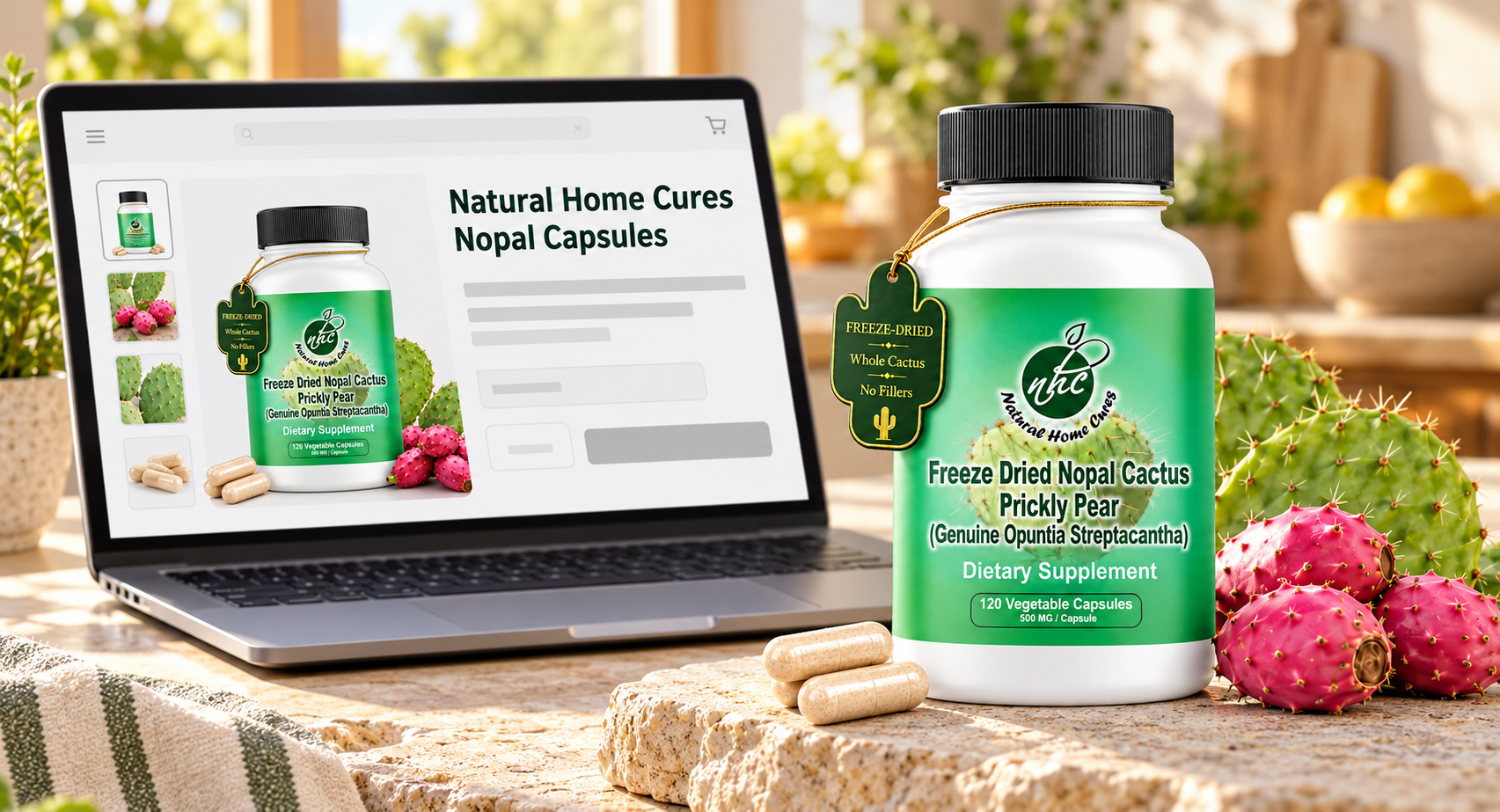
Our freeze-dried Nopal capsules are available through both Amazon and Natural Home Cures. Both are welcome ways to shop with us. The choice comes down to what matters most to you.
For delivery optionsAmazon
We stock our products in Amazon’s fulfillment network across the United States. Having bottles closer to customers often means a shorter journey to your door. Check the Nopal listing for your delivery estimate.
For multi-bottle offersNatural Home Cures
Selling through Amazon comes with selling, storage, and fulfillment costs that affect our pricing. Buying directly gives you access to our multi-bottle offers. Visit our direct Nopal store for current offers.
First-time customer? Explore our direct-store offers.
Our direct-store offers include multi-bottle packs for eligible first-time customers. Check the current pack sizes, prices, and terms before ordering.(46)
For personal help with batch and freshness questionsNatural Home Cures
Freshness depends on the production batch and time in storage. Bottles held across Amazon’s warehouses can have different stock histories. With direct orders, we manage the stock selected for you and can answer questions about the batch and best-before date. That gives you a clear connection to the source.
Compare the delivery estimates for your address before ordering. Timing depends on the seller, stock, destination, and shipping method. International delivery times also vary by destination.
Compare delivery estimates, pack prices, and the service available from each store.
Compare your shopping options
| U.S. & INTERNATIONAL ORDERSNatural Home Cures | U.S. ORDERS ONLYAmazon |
|---|---|
| Ships fromDirectly from our warehouse | Ships fromAmazon’s U.S. fulfillment network |
| First-time customer offerMULTI-BOTTLE OFFERS Check current pack sizes, prices, and eligibility. | First-time customer offerNOT AVAILABLE HERE |
| Pricing and offersMulti-bottle offers. See our direct Nopal store for current offers. | Pricing and offersSee Amazon for current Nopal pricing. |
| U.S. deliveryCheck checkout for the current estimate. | U.S. deliveryCheck the listing for the current estimate. |
| International ordersOrder directly from Natural Home Cures. Delivery varies by destination. | International ordersNOT AVAILABLE HERE |
| Shop Direct at Natural Home Cures ↗ | Shop Nopal Capsules on Amazon ↗ |
A customer’s experience with direct orders
“I’ve never had to wait more than a week for my orders.”
Shelly Bishop · Hillsboro, Oregon
A customer’s experience ordering from Natural Home Cures. Individual delivery times vary.
An Amazon customer’s delivery experience
“Wow, overnight delivery”
Amazon Customer · May 15, 2026
5-star seller feedback on Amazon. Individual delivery experience; delivery times vary.
Read our seller feedback on Amazon ↗Shop our Nopal capsules on Amazon ↗
International orders: Please order directly from Natural Home Cures. International orders ship directly from our warehouse, not Amazon. Delivery times vary by destination.
Insider Secret #10: GMP Manufacturing: Look Behind the Quality PromiseOpenClose
Quality should be something you can follow from the growing plant to the finished bottle. Good Manufacturing Practices address ingredient identity, purity, strength, composition, contamination controls, and the records supporting the work.(39)
Our Nopal capsules are prepared through the manufacturing and bottling process behind Natural Home Cures products. Ask our team for current facility and product documentation if a particular GMP or registration claim matters to your choice.
Facility registration is not FDA approval of a dietary supplement. Registration, a GMP statement, an ingredient label, and a sample-specific laboratory report are different parts of the quality picture.(42)
Testing that answers a specific question
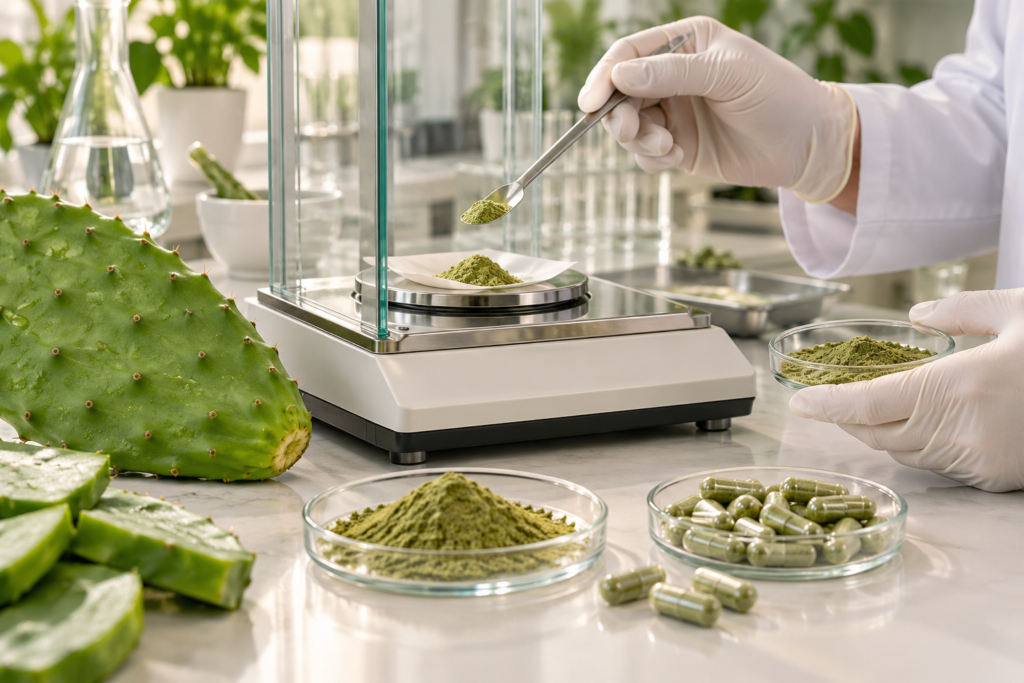
Botanical identification checks which plant a material comes from. With a finely milled powder, appearance alone may not be enough. High-performance thin-layer chromatography, or HPTLC, is one method used to compare a botanical sample’s chemical pattern with a reference.(40)
Other methods answer other questions. HPLC can separate components and quantify selected compounds when a suitable method is used.(47) FTIR examines an infrared fingerprint.(48) Elemental testing such as ICP-MS can measure particular metals at very low concentrations.(41)
The useful question is not how many impressive method names appear on a webpage. It is which method was used on the sample, what was measured, and what result was reported.
A Central Mexico source you can ask about
Our Nopal story begins on our own farms in Central Mexico, at about 8,200 feet above sea level. That gives you a place to start questions about the species, plant part, growing practices, harvesting, and preparation.
A farm photograph, the word “natural,” or an organic statement does not answer every quality question. Growing practices describe what happens at the source; residue testing examines an identified sample. Ask for the information that supports the particular claim you want to understand.
Follow the care behind Nopal from source to capsule →
Read the formula for yourself
Read the Supplement Facts and other-ingredients list together for the species, serving amount, capsule shell, directions, and cautions.(44)
You can inspect the full-size label in Insider Secret #1 above or open our dedicated product-label page. A readable formula is one part of understanding the product; manufacturing records and the relevant quality report answer additional questions.
Contact our team when a document or result needs explaining. A clear answer should connect the product, the sample or lot, and the information actually available.
Insider Secret #11: The Evidence: Read the Tests, Not Just the BadgesOpenClose
A quality badge is a starting point. The more revealing question is: can you see what was checked? A Certificate of Analysis, or COA, should identify the sample or lot, the date, the specifications, the methods, and the results.
Read the record in the right order
Begin with the material. A report for cactus fruit is not automatically a report for green pad powder. A report for Opuntia ficus-indica is not automatically a report for Opuntia streptacantha. A supplier’s powder report and a finished-capsule report also describe different samples.
Next, look for the lot or sample identification, test date, and laboratory or supplier. Then read the test method, result, unit, and specification together. “Tested” is a useful beginning only when you can find out what the testing actually covered.
Quality checks—and how to read them
| Quality check | What the report should show | How to read it |
|---|---|---|
| Botanical identity | The species and plant part, identification method, and result. | Check that the identity belongs to the material in the product, rather than another cactus preparation. |
| Pesticide residues | What was screened, the method, reporting threshold, and specification. | A growing-practice statement and a residue test are different kinds of information. |
| Total microbial count | A count, its unit, the test method, and the applicable limit. | Compare the actual number with the stated specification; a count alone is incomplete. |
| Yeast and mold | Reported count or result, unit, method, and limit. | Read the number with the report’s requirements for the tested material. |
| Named pathogens | The organisms tested, sample quantity, method, and detection result. | A statement about one organism does not establish that every possible organism was examined. |
| Loss on drying or moisture | The method, percentage, and specification. | The result concerns moisture or substances removed under the stated method; it is not a full purity assay. |
| Heavy metals | The elements, measured amounts, units, analytical method, and limits. | Look at the concentration and the quantity used per day; do not decide from an element’s name alone. |
This is a reading guide, not a table of Nopal laboratory results. It explains what useful documentation looks like without assigning unreported values to our capsules.
What do microbial counts mean?
Plant materials can carry microorganisms from their surroundings. Laboratories can measure how much grows from a defined sample and compare that count with a specification. A count needs its unit, the material tested, and the listed acceptance limit before you can interpret it.
CFU means colony-forming units, a counting unit used in these laboratory tests. A statement such as “absent in 10 g” concerns a defined test portion and method. It should not be expanded into an unlimited claim that a product contains no microorganisms under any conditions.
What do HPTLC and USP mean?
HPTLC stands for high-performance thin-layer chromatography. It separates substances from a sample into a pattern that can be compared with a botanical reference. Think of it as one way to examine a plant’s chemical fingerprint.(40)
USP is the United States Pharmacopeia. A USP chapter reference names a standard or procedure; the report still needs to tell you what sample was tested and what result was obtained. Naming a method or standard is not a substitute for showing the record.
Heavy metals: read the amount and the context
Elemental analysis can measure metals at very low concentrations. ICP-MS stands for inductively coupled plasma mass spectrometry. FDA’s Elemental Analysis Manual describes analytical methods for elements in foods and related products.(41)
A result in ppm means parts per million. For a powder concentration, one ppm corresponds to one microgram per gram. The exposure from a serving depends on how many grams of that material are consumed.
A concentration becomes meaningful with a serving amount
Measured concentration (µg/g) × powder used (g) = estimated amount from that powder (µg)
Our two-capsule serving declares 1,000 mg—1 gram—of Nopal cactus. That gives you the serving basis for a calculation once an actual sample-specific concentration is available. It does not supply a missing test result.(44)
If the report concerns only the powder, that calculation concerns only the tested powder. It does not automatically cover the capsule shell or establish compliance with every standard. Compare results with the specification and guidance that actually apply, including the element’s form when relevant.
Clear information is part of caring for you
We want you to understand the Nopal you choose: where the pad story begins, how the material is prepared, what the label declares, and which quality document answers your question. The product label and supporting information belong together, while each keeps its own role.
Share your bottle’s lot number with our team when asking about a quality record. A personal conversation can help connect your question with the material, batch, and documentation that apply.
View Nopal product information →
From Our Farms to Your Daily Routine
You have looked beyond the bottle and followed the details that matter: which cactus and plant part are used, how the pad is prepared, what an amount on a label means, and what to ask about quality.
Now you can choose with a clearer understanding of what you are buying.
What You Choose with Natural Home Cures
A personal connection to the source. Our Nopal story begins on our farms in Central Mexico and with the people who care for the plant. When you have a question, you can speak with our team about the product, your order, or the information on your bottle.
Freeze-dried pad powder, with a clearly stated amount. We chose the green pad for our capsule formula. Each vegetable capsule contains 500 mg of freeze-dried Nopal cactus, with 120 capsules in every bottle. You can read the species, serving, and other ingredients on the label.
Questions you can put to use. Read the formula, compare like with like, and ask for the quality information relevant to your bottle. We want the care behind Nopal to be something you can follow from the plant to your daily routine.
Bring That Care into Your Daily Routine
If you want Nopal with a source you can ask about, a clearly stated formula, and people you can turn to, we invite you to choose Natural Home Cures. Order directly for our current multi-bottle and first-time-customer offers, and personal service. Read the current terms before ordering.
🌐 U.S. & international orders
Natural Home Cures
Shop directly for current Nopal offers and help from our team. International customers, please order here.
🇺🇸 U.S. orders
Prefer Amazon?
Our Nopal capsules are also listed on Amazon. Check the seller, current pricing, bottle count, and delivery estimate.
However you choose to shop, thank you for taking the time to get to know the people and care behind our Nopal.
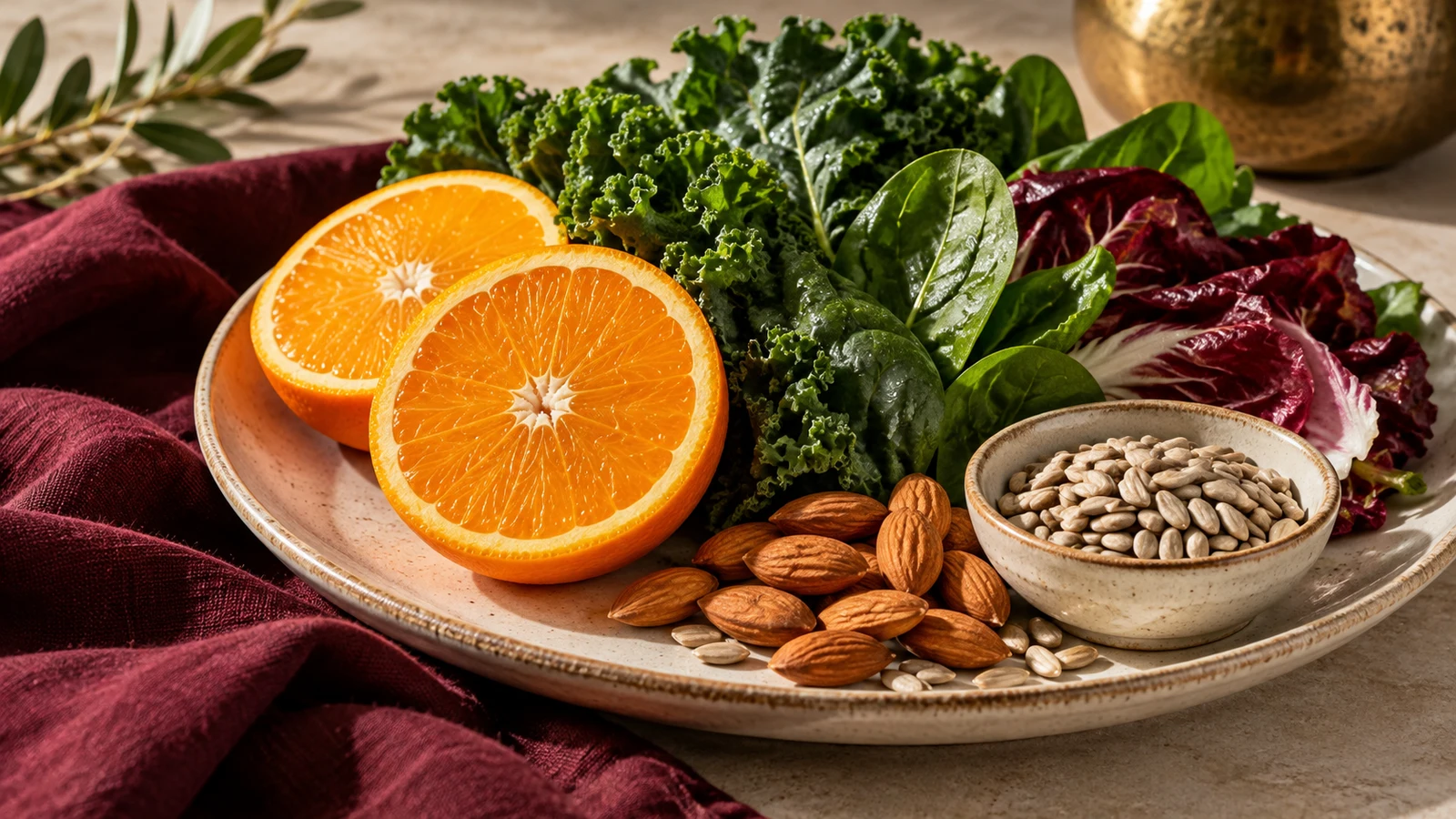
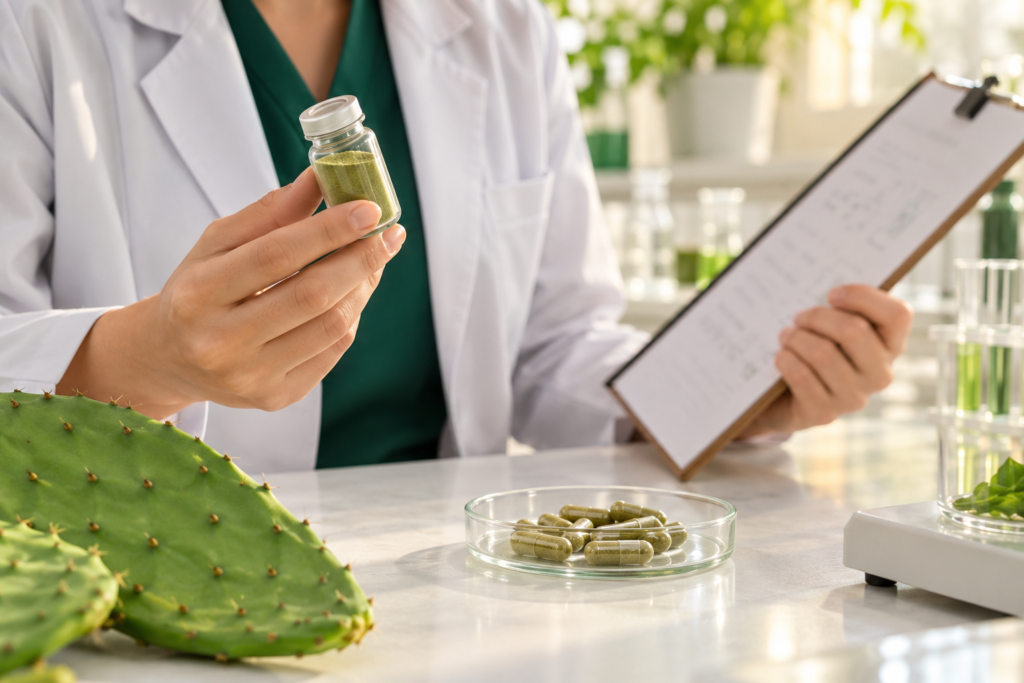
Botanical, preparation, shopping, and laboratory scenes are illustrative. Shopping examples are not marketplace screenshots, and food photographs illustrate dietary sources rather than the contents of a capsule.
Source References48 sources · Show or hide
39