NATURAL HOME CURES · NOPAL SCIENCE
Vitamin A
& Nopal
Vision, plant pigments and the carotenoids that can become vitamin A.
Explore the science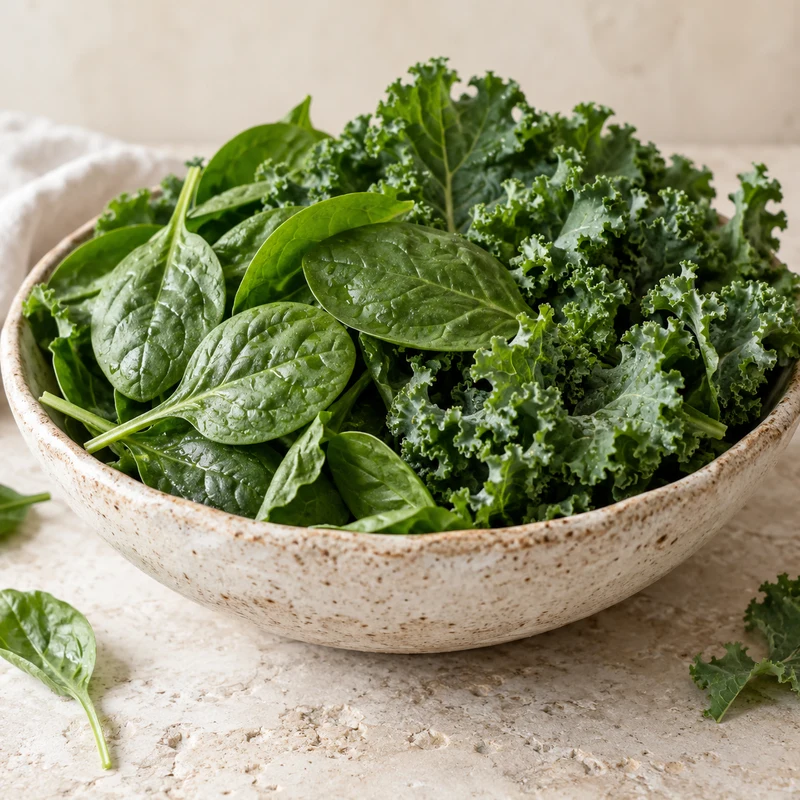
Vitamin A is an essential nutrient with several important jobs in the human body.
Vitamin A is particularly important for normal vision, immune function, cell growth and the maintenance of healthy tissues.(1), (2)
But there’s something important to understand about vitamin A:
It doesn’t always arrive in our food as vitamin A itself.
Plants can provide colorful compounds called carotenoids, some of which the body can convert into vitamin A.(1)
And that’s where the Nopal story becomes particularly interesting.
What Does Vitamin A Do?
THE VISION CONNECTION
Responding to light
A vitamin A-derived molecule helps the retina detect light. Vitamin A also supports normal tissues and immune function.
One of vitamin A’s best-known roles involves vision.
Inside the retina, a form of vitamin A becomes part of the light-sensitive system that helps us see.(1), (3)
This becomes especially important when moving between bright and dim environments.
Vitamin A also helps maintain the normal tissues lining areas such as the respiratory and digestive tracts.(1), (2)
And it participates in normal immune function and the growth and development of cells.(2)
So although we call it one vitamin, its influence reaches several very different systems within the body.
Where Does Vitamin A Come From?
TWO DIETARY ROUTES
Ready-made or converted
Animal foods can provide preformed vitamin A. Certain plant carotenoids can be converted into vitamin A.
There are two major ways we obtain vitamin A through food.
Some foods provide preformed vitamin A, including:
- Liver
- Eggs
- Milk and dairy products
- Certain fortified foods
Plant foods take a different route.
Colorful fruits and vegetables can contain provitamin A carotenoids, especially beta-carotene.(1)
Sources include:
- Carrots
- Sweet potatoes
- Pumpkin
- Spinach and other dark green vegetables
- Certain colorful fruits
- Nopal cactus and prickly pear
The body can convert certain carotenoids into vitamin A as needed.(1)
That means when we talk about vitamin A in plant foods, understanding the carotenoids behind it is an important part of the story.
Nopal, Prickly Pear and Carotenoids
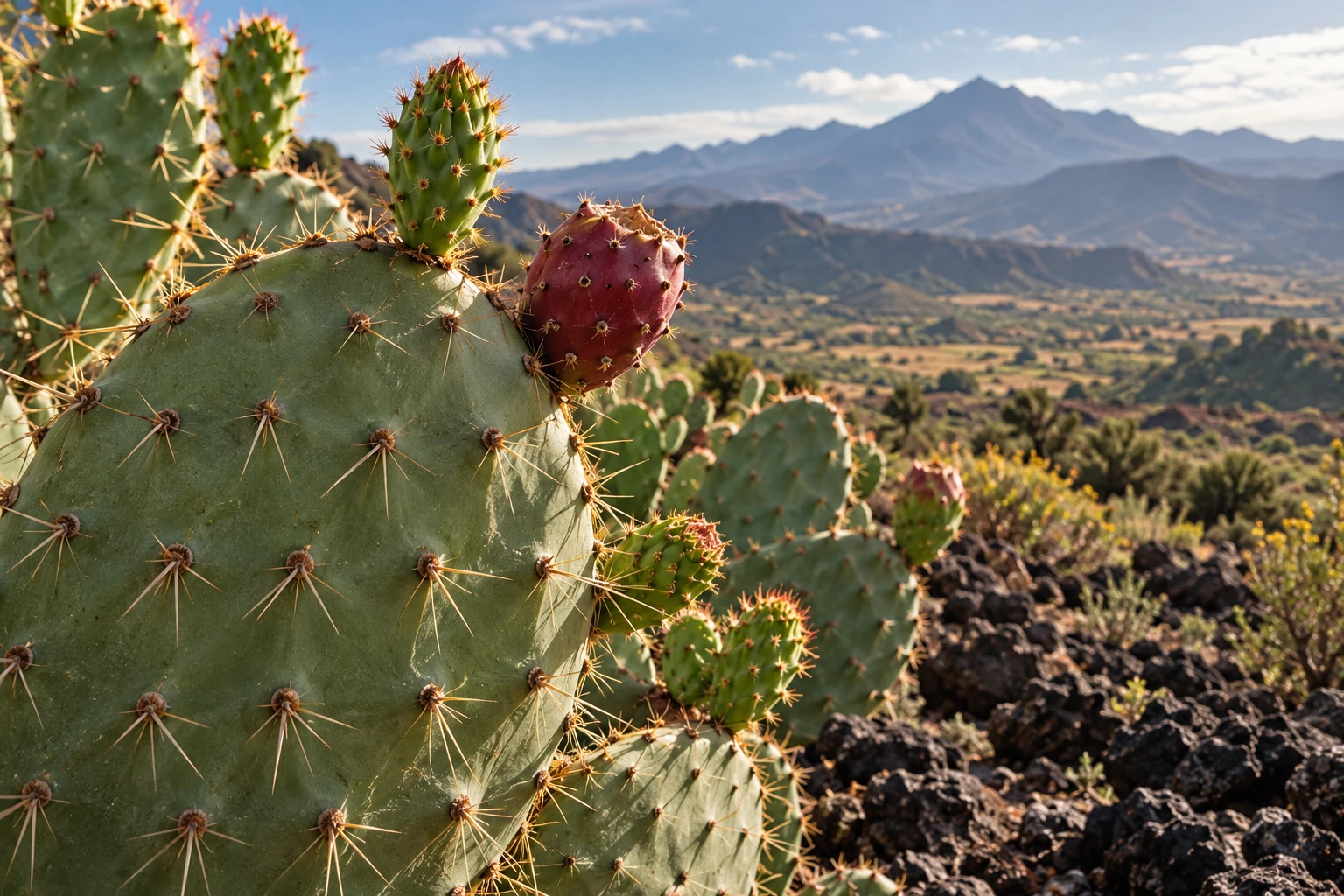
Scientific studies of Nopal cactus and prickly pear have identified carotenoids among the naturally occurring pigments found in the plant.(4), (5)
These compounds do more than contribute color.
Certain carotenoids—particularly beta-carotene—can serve as precursors that the human body can convert into vitamin A.(1)
Other carotenoids, such as lutein and zeaxanthin, have their own biological roles but cannot be converted into vitamin A.(1)
This gives us a different way of looking at Nopal.
Those green cactus pads and colorful prickly pear fruits aren’t simply attractive because of their color.
Some of that color comes from natural plant pigments that have their own nutritional story.
Why Are Plants So Colorful?
PIGMENTS WITH DIFFERENT JOBS
Green · Yellow · Red
Chlorophyll, carotenoids and betalains contribute different colors and roles within plants.
Plants don’t produce colors simply to make themselves attractive to us.
Many of their colors come from naturally occurring pigments with jobs inside the plant.
Chlorophyll contributes green.
Carotenoids can contribute yellow, orange and red shades.
Betalains, another group of pigments associated with prickly pear cactus, can contribute vivid red and purple colors.(5), (6)
The exact pigments differ according to the part and variety of the plant.
That’s why prickly pear fruit can appear green, yellow, orange, red or deep purple.
Behind those colors is an entire world of plant chemistry.
Beta-Carotene: The Vitamin A Connection
THE PROVITAMIN A ROUTE
Beta-carotene → Vitamin A
The body can convert certain carotenoids into vitamin A. Lutein and zeaxanthin do not follow this route.
Beta-carotene is probably the carotenoid most people recognize.
The body can take beta-carotene from food and convert part of it into vitamin A.(1)
That conversion is regulated by the body.
This is different from consuming preformed vitamin A directly from animal foods or supplements.
So when discussing plant foods such as Nopal, provitamin A carotenoids is often the more useful way to understand the vitamin A connection.
It’s another good example of how nutrition isn’t always as simple as saying, “this food contains this vitamin.”
Sometimes the plant gives us the raw material, and our bodies do the rest.
More Than a Green Cactus Pad
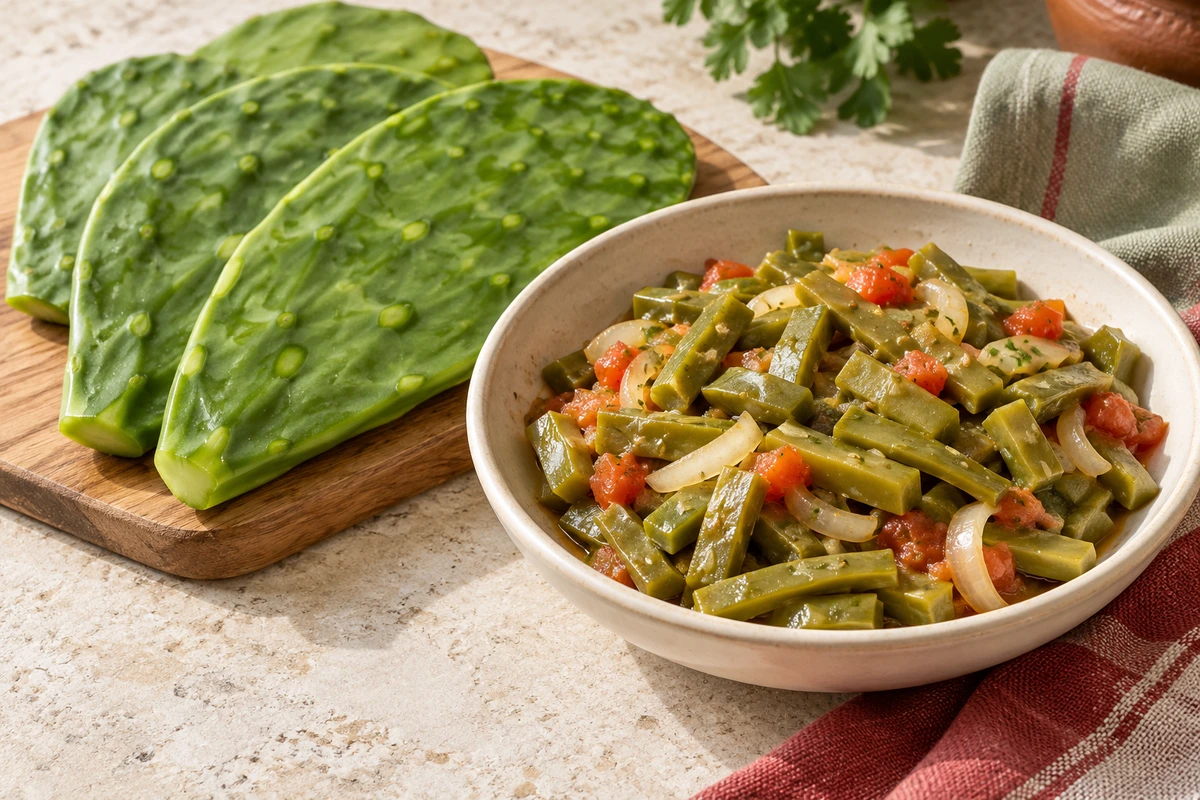
When most people picture Nopal, they probably picture the familiar green cactus pad.
But prickly pear gives us much more to look at.
The pads, fruits and other plant materials contain a varied mixture of naturally occurring compounds.
Researchers have identified fiber, minerals, vitamins, amino acids and several families of plant pigments in Nopal and prickly pear materials.(4), (5)
Carotenoids are one part of that larger picture.
And their relationship with vitamin A gives us another reason to appreciate how nutritionally interesting this cactus can be.
From Our Farms to Natural Home Cures
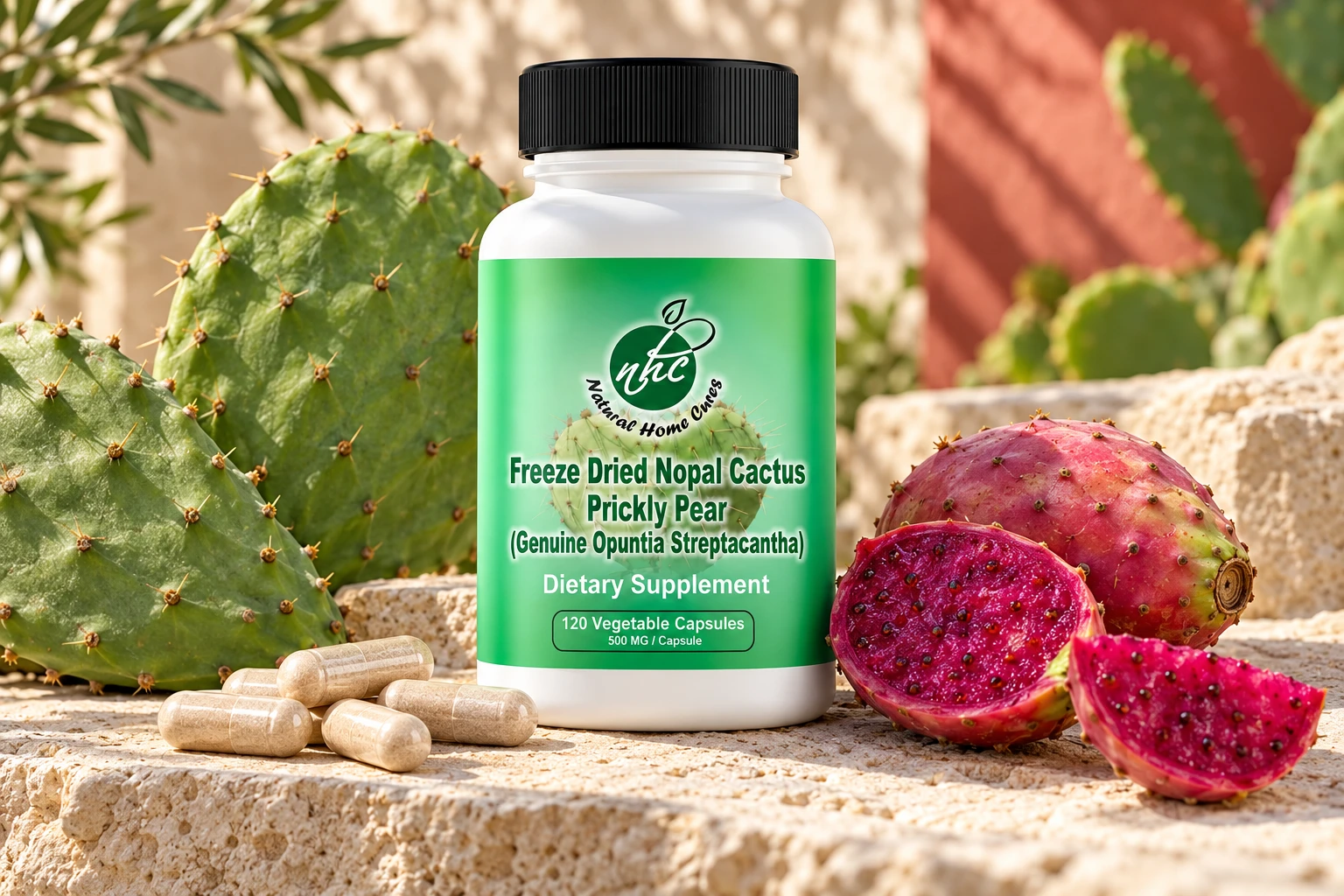
At Natural Home Cures, Nopal isn’t simply a plant we write about.
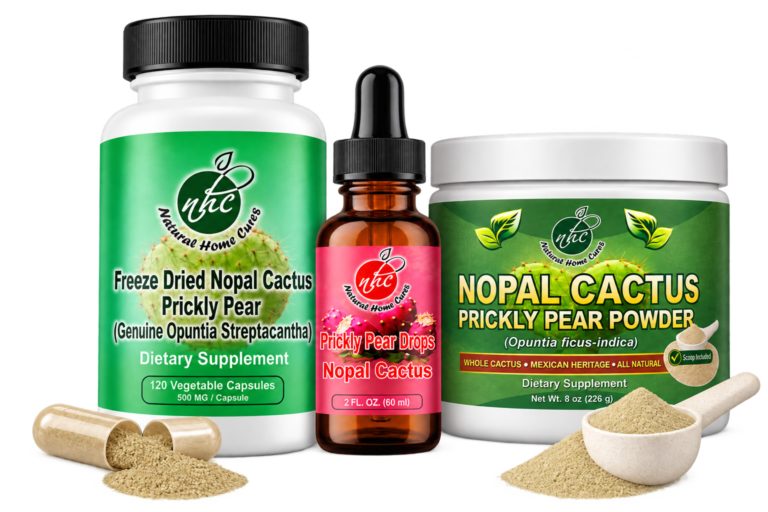
Our flagship Natural Home Cures Freeze-Dried Nopal Powder Capsules begin with Nopal cactus grown on our own farms.
After harvesting, our Nopal is freeze-dried as part of preparing the cactus for our capsules.
We also offer Nopal Powder and Prickly Pear Drops, giving customers other ways to explore the Natural Home Cures Nopal and prickly pear family.
And vitamin A gives us a particularly useful opportunity to look beyond a single product and appreciate the colorful plant pigments associated with different parts of prickly pear cactus.
The Color Tells Part of the Story
Vitamin A itself may be invisible.
But some of the plant compounds connected with vitamin A certainly aren’t.
Carotenoids help contribute to the remarkable colors we see throughout the plant world.
In Nopal and prickly pear, they exist alongside fiber, amino acids, minerals and other natural pigments.(4), (5)
Each tells us something different about the cactus.
And when those pieces are viewed together, a simple-looking plant becomes something far more interesting.
That’s the story Natural Home Cures wants customers to discover—not simply one vitamin or one nutrient, but the remarkable collection of natural compounds associated with Nopal cactus and prickly pear.
FROM CACTUS TO PRODUCT
Keep the botanical
in the story.
Freeze-dried Nopal cactus capsules.
Explore our Nopal →The research behind this articleSource References
- 01Nutrition referenceVitamin A and Carotenoids — Fact Sheet for Health Professionals.View source
Full citation
National Institutes of Health, Office of Dietary Supplements. “Vitamin A and Carotenoids — Fact Sheet for Health Professionals.” - 02Research referenceVitamin A Update: Forms, Sources, Kinetics, Detection, Function, Deficiency, Therapeutic Use and Toxicity.View source
Full citation
Carazo A, Macáková K, Matoušová K, et al. “Vitamin A Update: Forms, Sources, Kinetics, Detection, Function, Deficiency, Therapeutic Use and Toxicity.” Nutrients. 2021;13(5):1703. - 03Research referenceVitamin A Metabolism in Rod and Cone Visual Cycles.View source
Full citation
Saari JC. “Vitamin A Metabolism in Rod and Cone Visual Cycles.” Annual Review of Nutrition. 2012;32:125–145. - 04Research referenceNopal Cactus (Opuntia ficus-indica) as a Source of Bioactive Compounds for Nutrition, Health and Disease.View source
Full citation
El-Mostafa K, El Kharrassi Y, Badreddine A, et al. “Nopal Cactus (Opuntia ficus-indica) as a Source of Bioactive Compounds for Nutrition, Health and Disease.” Molecules. 2014;19(9):14879–14901. - 05Research referenceCactus Stems (Opuntia spp.): A Review on Their Chemistry, Technology, and Uses.View source
Full citation
Stintzing FC, Carle R. “Cactus Stems (Opuntia spp.): A Review on Their Chemistry, Technology, and Uses.” Molecular Nutrition & Food Research. 2005;49(2):175–194. - 06Research referencePhytochemical and Nutritional Significance of Cactus Pear.View source
Full citation
Stintzing FC, Schieber A, Carle R. “Phytochemical and Nutritional Significance of Cactus Pear.” European Food Research and Technology. 2001;212:396–407.