NATURAL HOME CURES · NOPAL SCIENCE
Niacin
& Nopal
How vitamin B3 connects food with hundreds of reactions inside our cells.
Explore the science
Niacin is better known as vitamin B3.
It’s an essential, water-soluble vitamin involved in hundreds of chemical reactions throughout the body.(1)
One of its most important jobs is helping our cells release and use energy from food.
But niacin does much more than that.
It participates in cellular repair, metabolism and the production of molecules our cells depend on every day.(1), (2)
And niacin has a natural connection with Nopal cactus and prickly pear.
What Does Niacin Do?
a water-soluble
vitamin
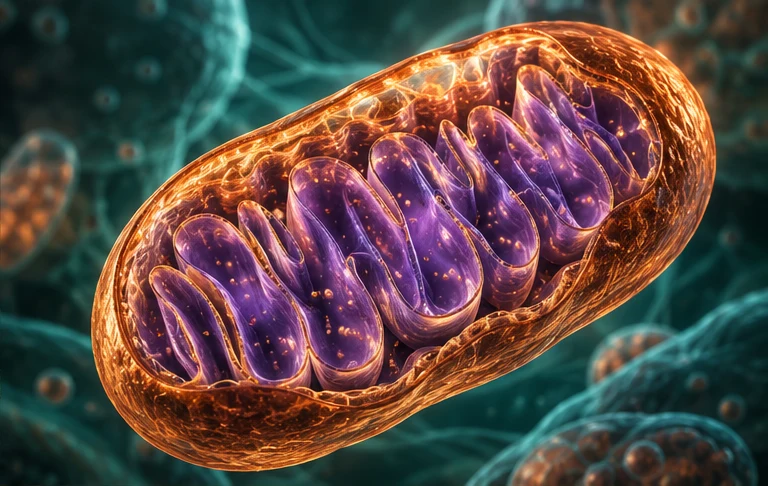
The body uses niacin to make two important substances called NAD and NADP.(1)
You don’t need to remember those names.
What matters is that these substances help enzymes carry out hundreds of chemical reactions inside our cells.(1), (2)
Many of those reactions involve converting carbohydrates, fats and proteins into usable energy.
Others are involved in building and repairing cellular components.
Think of NAD and NADP almost like tiny chemical couriers.
They pick up and transfer electrons from one reaction to another, helping cellular chemistry keep moving.
Niacin provides the nutritional foundation the body uses to make them.
More Than an "Energy Vitamin"
Like several B vitamins, niacin is often associated with energy.
But niacin isn’t energy itself.
A calorie is a measure of energy.
Niacin doesn’t provide calories.
Instead, it helps the body use the energy already contained in carbohydrates, fats and proteins.(1)
It’s the difference between fuel and machinery.
Food provides the fuel.
Niacin helps part of the cellular machinery use it.
Where Does Niacin Come From?
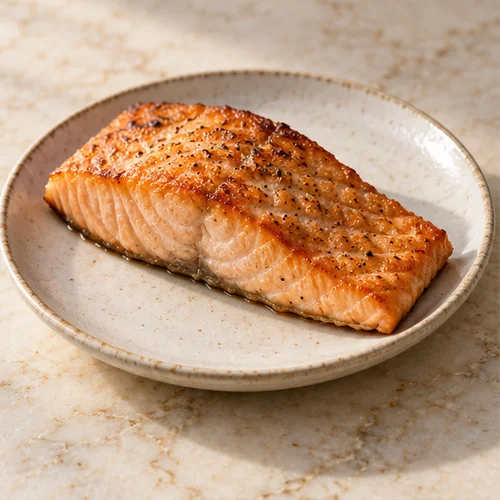
Foods that provide niacin, either naturally or through enrichment or fortification, include:
- Poultry
- Beef
- Fish
- Peanuts
- Beans and legumes
- Nuts and seeds
- Whole and enriched grains
- Certain vegetables
- Nopal cactus and prickly pear
Scientific analyses of Nopal and prickly pear materials have reported niacin among the vitamins associated with the plant.(3), (4)
Your Body Can Also Make Some Niacin
How the body makes niacin from tryptophan
The body can use tryptophan from food to make niacin. This is an approximate nutritional conversion.
Niacin has an unusual connection with an amino acid called tryptophan.
The body can convert some dietary tryptophan into niacin.(1), (5)
That means our niacin supply doesn’t come exclusively from foods containing vitamin B3 itself.
Some can ultimately come from protein foods that provide tryptophan.
But this conversion isn’t especially efficient.
The body needs roughly 60 milligrams of tryptophan to produce the equivalent of about 1 milligram of niacin.(1)
This is why nutritional recommendations sometimes use the term niacin equivalents.
It’s a fascinating example of how amino acids and vitamins can connect inside human metabolism.
Niacin in Nopal Cactus
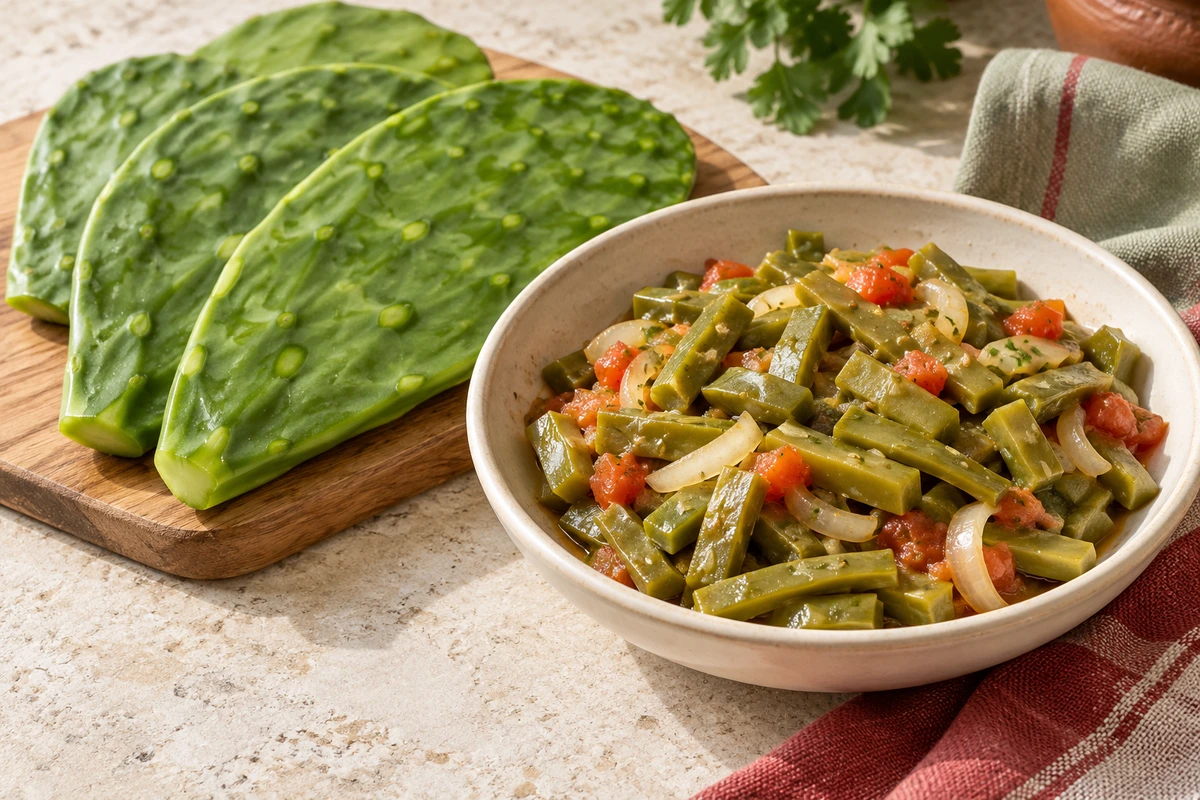
Nopal is often introduced nutritionally because of its fiber.
But once we look deeper, the cactus becomes much more interesting.
Researchers studying Nopal cactus and prickly pear have identified vitamins, minerals, amino acids, pigments, fiber and numerous other naturally occurring plant compounds.(3), (4)
Niacin becomes another part of that nutritional picture.
And because niacin participates in hundreds of metabolic reactions, even a vitamin most people rarely think about has an interesting biological story.
The Famous "Niacin Flush"
A MATTER OF FORM AND DOSE
The niacin flush
Supplemental nicotinic acid can cause warmth, redness, itching or tingling. This differs from eating ordinary niacin-containing foods.
Niacin has another characteristic some people may have heard about.
Certain supplemental forms and larger doses of nicotinic acid can cause something known as a niacin flush.(1), (6)
The skin may become warm, red, itchy or tingly.
This happens because nicotinic acid can cause blood vessels near the skin to widen.
It can feel surprising, particularly to someone who isn’t expecting it.
But this effect is associated with supplemental doses of nicotinic acid—not with simply eating ordinary foods containing niacin.
That’s an important distinction.
Niacin Isn’t Nicotine
SIMILAR WORDS, DIFFERENT SUBSTANCES
Vitamin B3
Niacin includes nicotinic acid and nicotinamide. Nicotine is a different substance.
Here’s another source of understandable confusion.
Niacin.
Nicotinic acid.
Nicotine.
The words sound related.
Niacin can refer to forms of vitamin B3 including nicotinic acid and nicotinamide.(1)
Nicotine is a harmful, highly addictive chemical that affects the brain and nervous system. It is a different substance from vitamin B3.
Vitamin B3 doesn’t have the addictive properties associated with nicotine.
Similar names don’t always mean similar biological effects.
From Our Farms to Natural Home Cures
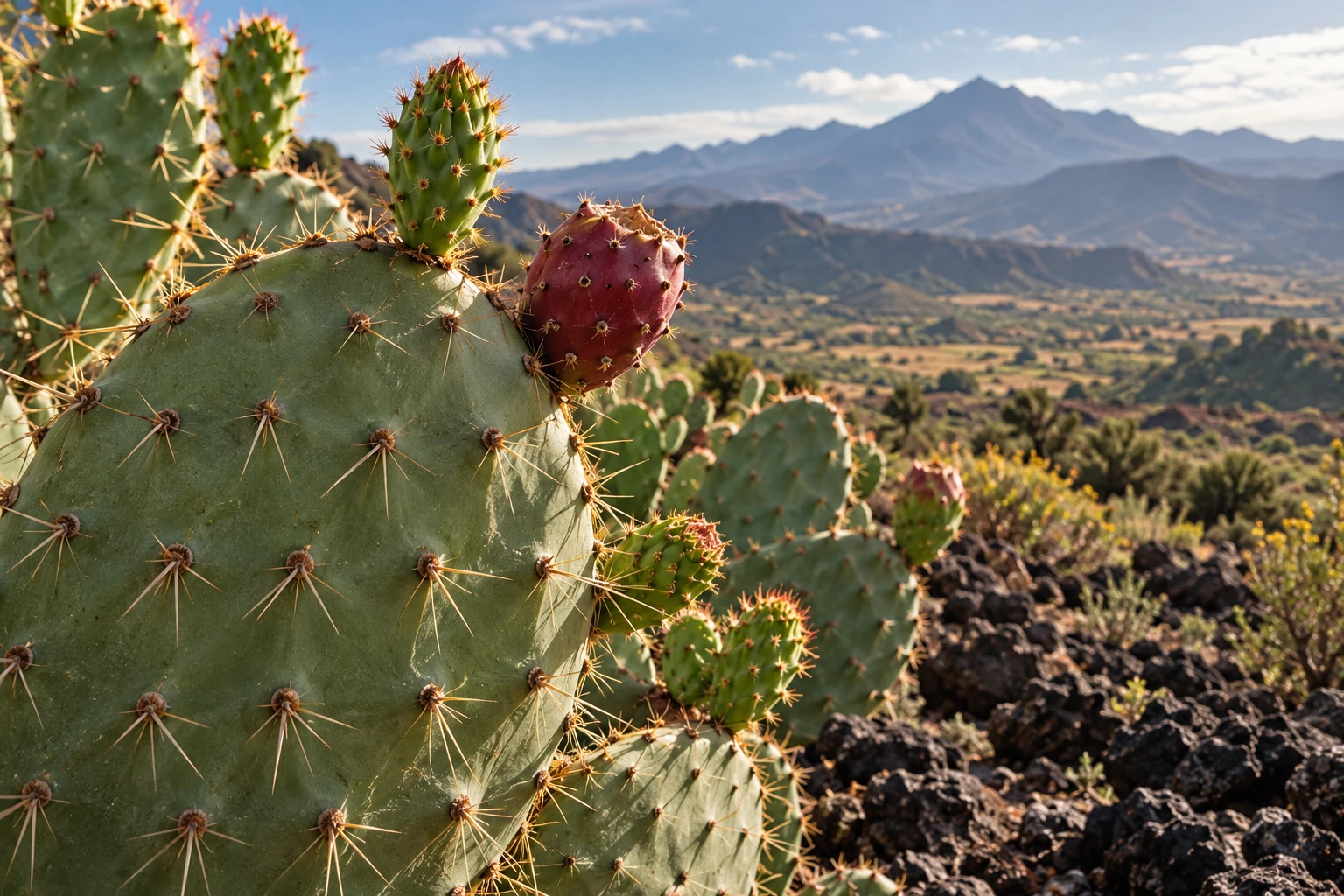
At Natural Home Cures, the Nopal behind our flagship Freeze-Dried Nopal Powder Capsules begins as prickly pear cactus growing on our own farms.
We’re involved with our Nopal before it ever becomes a finished powder.
After harvesting, the cactus is freeze-dried as part of preparing it for our capsules.
Our goal is to preserve the character of the Nopal we grow as closely as practical while creating a convenient finished product.
That gives Natural Home Cures a connection with our Nopal from the farm forward.
More Ways to Explore Prickly Pear
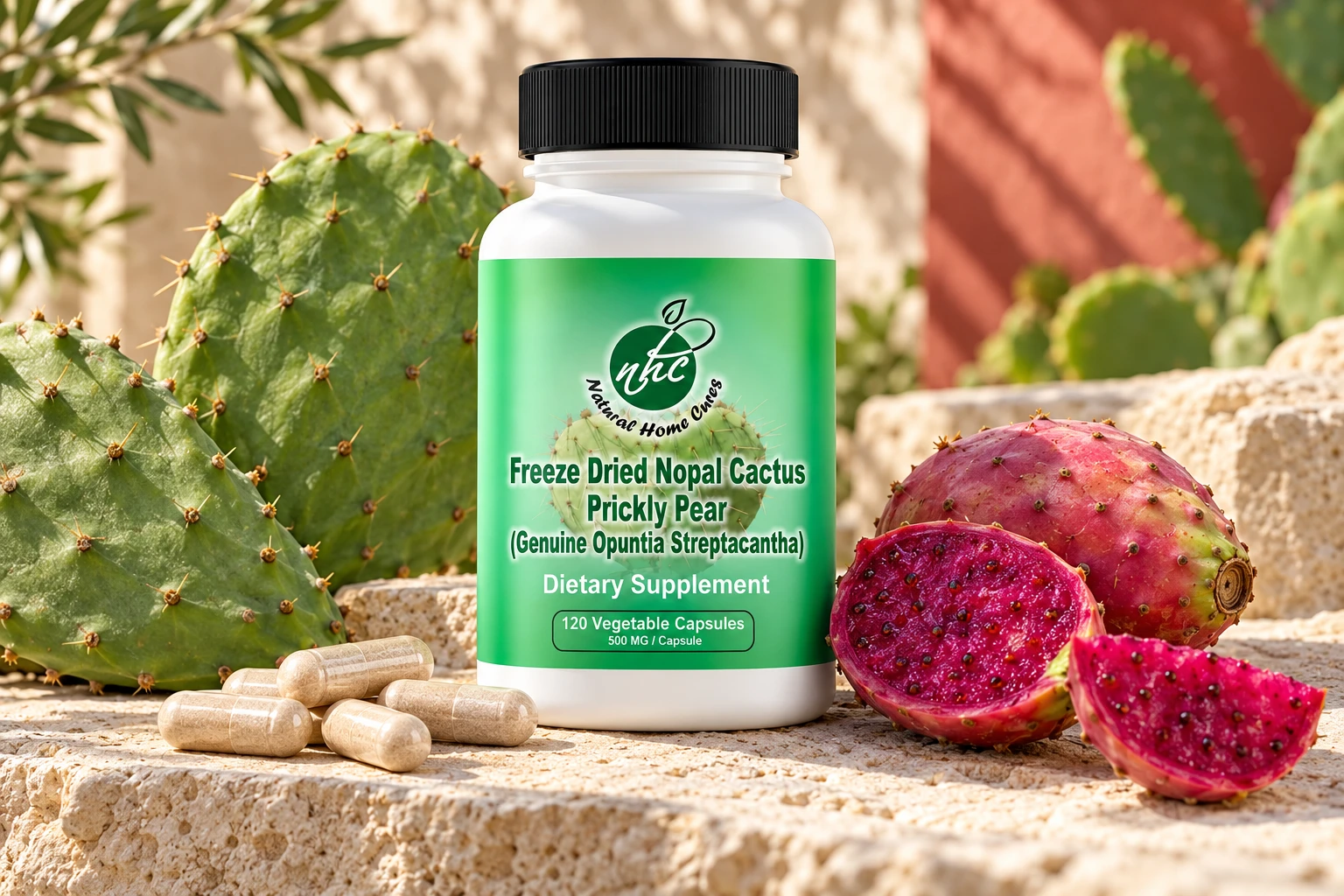
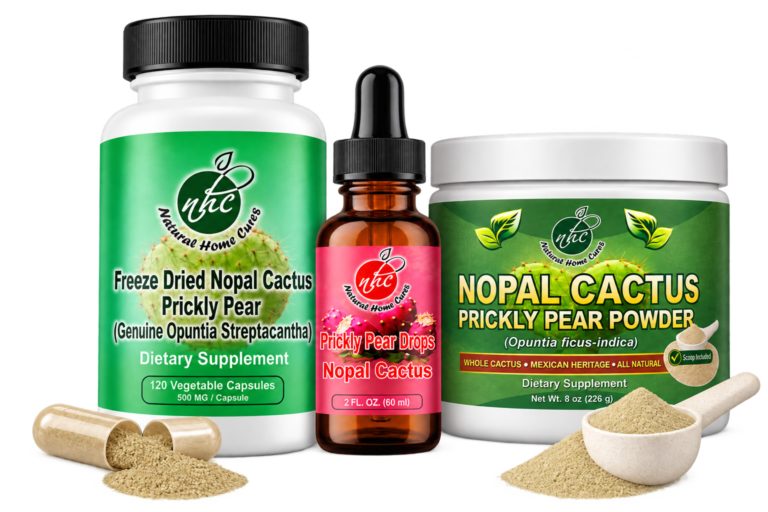
Our flagship Natural Home Cures Freeze-Dried Nopal Powder Capsules remain at the center of our Nopal line.
Natural Home Cures also offers Nopal Powder and Prickly Pear Drops.
These give customers additional ways to discover the Nopal and prickly pear product family.
And the more we learn about the nutritional makeup of the cactus, the easier it becomes to understand why we’ve spent so much time studying this plant.
One Vitamin, Hundreds of Reactions
Niacin doesn’t need a dramatic story to be fascinating.
The body uses it to create NAD and NADP.
Those molecules participate in hundreds of reactions.
Niacin helps cells use energy from food.
And the body can even produce some niacin from an amino acid.(1), (2), (5)
Within Nopal cactus and prickly pear, niacin becomes another piece of a much larger nutritional picture.(3), (4)
That’s what Natural Home Cures wants this Science Library to reveal:
Not one miracle ingredient.
But the remarkable collection of naturally occurring components found inside a plant that can look surprisingly simple from the outside.
FROM CACTUS TO PRODUCT
Keep the botanical
in the story.
Freeze-dried Nopal cactus capsules.
Explore our Nopal →The research behind this articleSource References
- 01Nutrition referenceNiacin — Fact Sheet for Health Professionals.View source
Full citation
National Institutes of Health, Office of Dietary Supplements. “Niacin — Fact Sheet for Health Professionals.” - 02Research referenceNicotinic Acid, Nicotinamide, and Nicotinamide Riboside: A Molecular Evaluation of NAD+ Precursor Vitamins in Human Nutrition.View source
Full citation
Bogan KL, Brenner C. “Nicotinic Acid, Nicotinamide, and Nicotinamide Riboside: A Molecular Evaluation of NAD+ Precursor Vitamins in Human Nutrition.” Annual Review of Nutrition. 2008;28:115–130. - 03Research referenceNopal Cactus (Opuntia ficus-indica) as a Source of Bioactive Compounds for Nutrition, Health and Disease.View source
Full citation
El-Mostafa K, El Kharrassi Y, Badreddine A, et al. “Nopal Cactus (Opuntia ficus-indica) as a Source of Bioactive Compounds for Nutrition, Health and Disease.” Molecules. 2014;19(9):14879–14901. - 04Research referencePhytochemical and Nutritional Significance of Cactus Pear.View source
Full citation
Stintzing FC, Schieber A, Carle R. “Phytochemical and Nutritional Significance of Cactus Pear.” European Food Research and Technology. 2001;212:396–407. - 05Research referenceNutritional Aspect of Tryptophan Metabolism.View source
Full citation
Fukuwatari T, Shibata K. “Nutritional Aspect of Tryptophan Metabolism.” International Journal of Tryptophan Research. 2013;6(Suppl 1):3–8. - 06Research referenceThe Mechanism and Mitigation of Niacin-Induced Flushing.View source
Full citation
Kamanna VS, Ganji SH, Kashyap ML. “The Mechanism and Mitigation of Niacin-Induced Flushing.” International Journal of Clinical Practice. 2009;63(9):1369–1377.