NATURAL HOME CURES · NOPAL SCIENCE
Magnesium
& Nopal
From cellular energy to the green heart of a living cactus.
Explore the science
Magnesium is one of those minerals working quietly almost everywhere in the body.
It participates in more than 300 enzyme systems, helping with processes involving energy production, muscle and nerve function, protein synthesis, blood glucose regulation and normal blood pressure regulation.(1)
A substantial portion of the magnesium in our bodies is stored in our bones, while the rest is distributed throughout muscles, soft tissues and body fluids.(1), (2)
And magnesium has a natural connection with Nopal cactus and prickly pear.
What Does Magnesium Do?
an essential mineral
Enzymes are tiny biological workers that help chemical reactions happen.
But many enzymes can’t do their jobs alone.
They need helpers called cofactors.
Magnesium is one of the body’s most important mineral cofactors.(1), (2)
Hundreds of enzyme systems depend on magnesium.
Some help make proteins.
Some participate in DNA and RNA processes.
Others help our cells use energy.
So although magnesium doesn’t get the attention of some vitamins, it’s involved behind the scenes in an enormous amount of everyday biology.
Magnesium and Cellular Energy
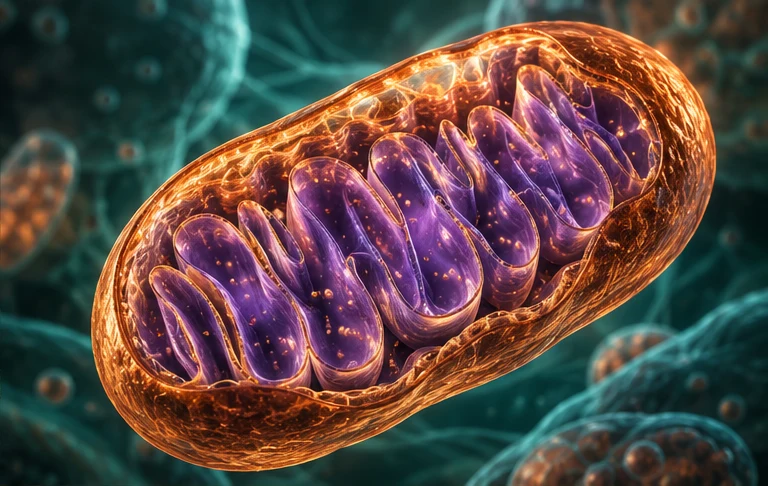
Our cells use a molecule called ATP as one of their primary forms of usable energy.
You can think of ATP as a tiny rechargeable energy carrier.
But there’s an interesting detail.
Inside cells, ATP commonly works while associated with magnesium.(2), (3)
In other words, when biologists talk about ATP powering cellular processes, magnesium is often right there with it.
That’s a remarkable relationship.
The molecule famous for cellular energy frequently depends on a mineral most of us rarely think about.
Magnesium and Muscles
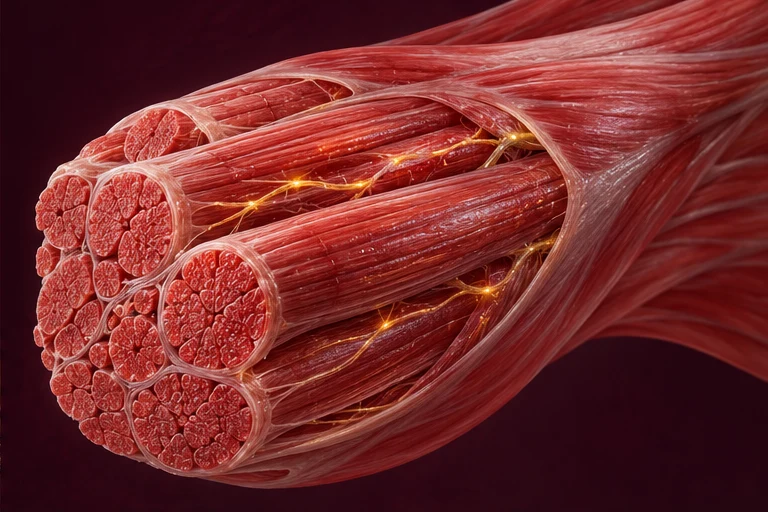
Magnesium also plays an important role in normal muscle function.(1)
Muscle contraction and relaxation depend on carefully controlled movements of minerals, including calcium and magnesium, across cell membranes.(2), (4)
Calcium helps trigger contraction.
Magnesium participates in the systems that regulate these processes and helps support normal muscle function.
Every time we walk, reach for something or simply breathe, minerals are participating in the cellular machinery behind those movements.
Magnesium and the Nervous System
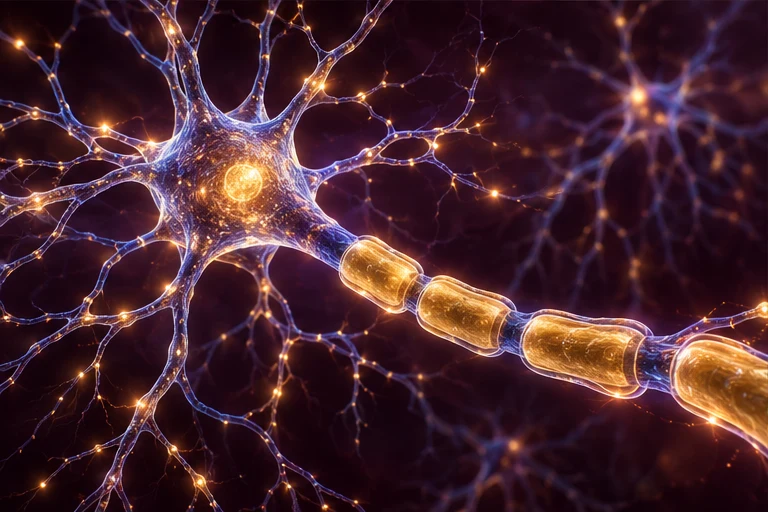
Nerve cells communicate using electrical and chemical signals.
Magnesium participates in normal nerve transmission and helps regulate the movement of ions across cell membranes.(1), (2)
Again, magnesium isn’t acting alone.
Calcium, potassium, sodium and other minerals all participate in the electrical environment that allows nerves and muscles to function.
This is another reminder that nutrients work as systems, not isolated ingredients.
Where Does Magnesium Come From?
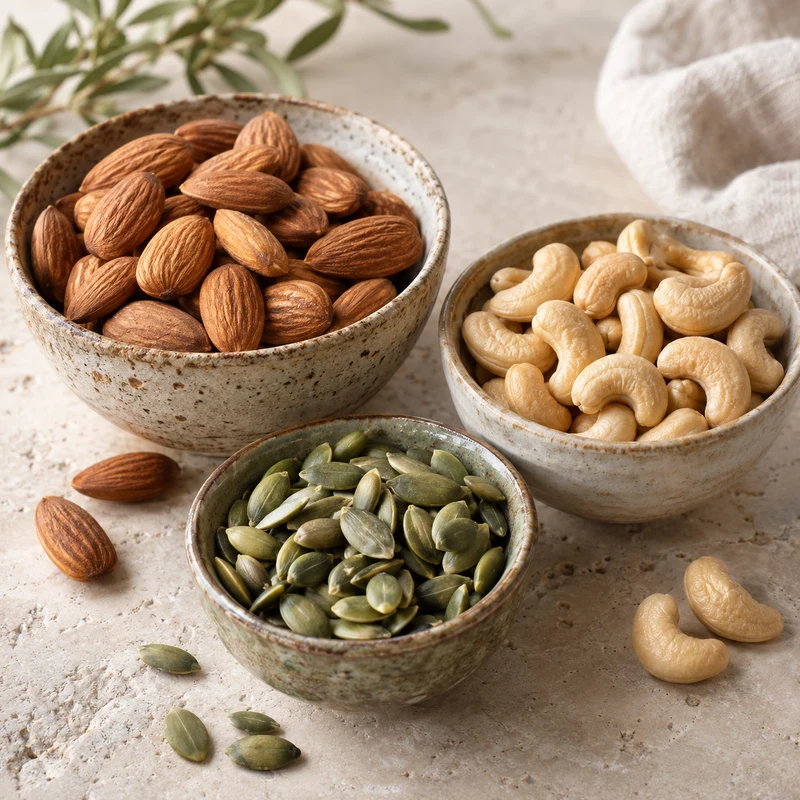
Magnesium occurs naturally in many foods, including:
- Nuts
- Seeds
- Beans and lentils
- Whole grains
- Dark green leafy vegetables
- Avocado
- Certain dairy products
- Nopal cactus and prickly pear
Scientific analyses of Nopal and prickly pear materials have identified magnesium among the naturally occurring minerals in the plant.(5), (6)
Magnesium in Nopal Cactus
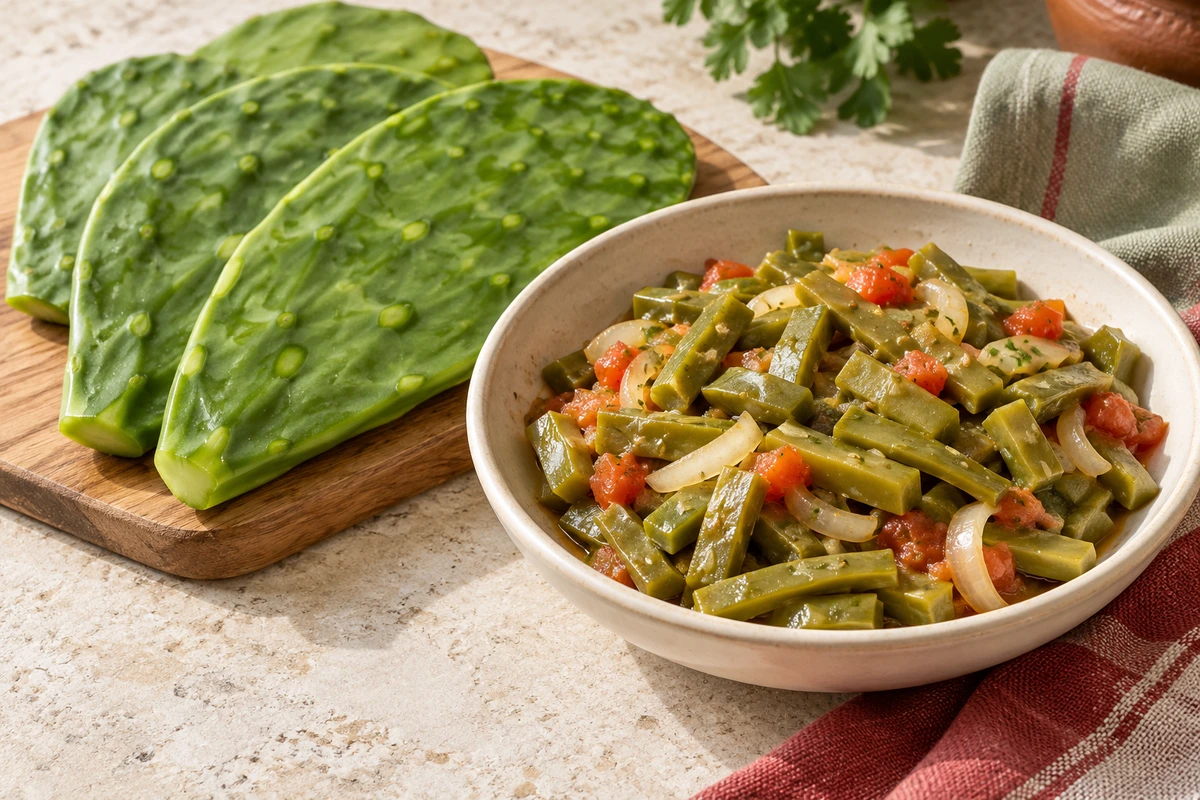
Nopal cactus grows in environments where obtaining and managing water and minerals is essential for survival.
Its pads contain a mixture of naturally occurring minerals, including magnesium, calcium and potassium.(5), (6)
Magnesium becomes another part of the broader nutritional profile researchers have identified within Nopal cactus and prickly pear.
But magnesium has an additional botanical connection that’s particularly interesting.
It helps plants capture sunlight.
Magnesium Is at the Heart of Chlorophyll
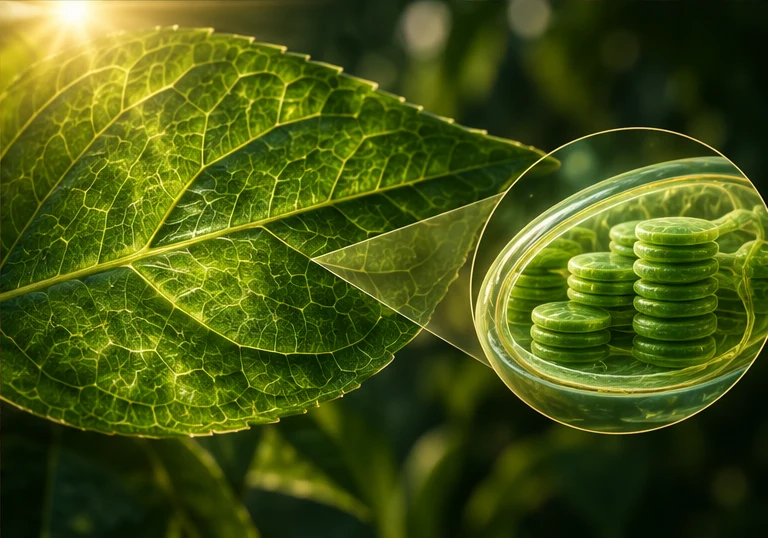
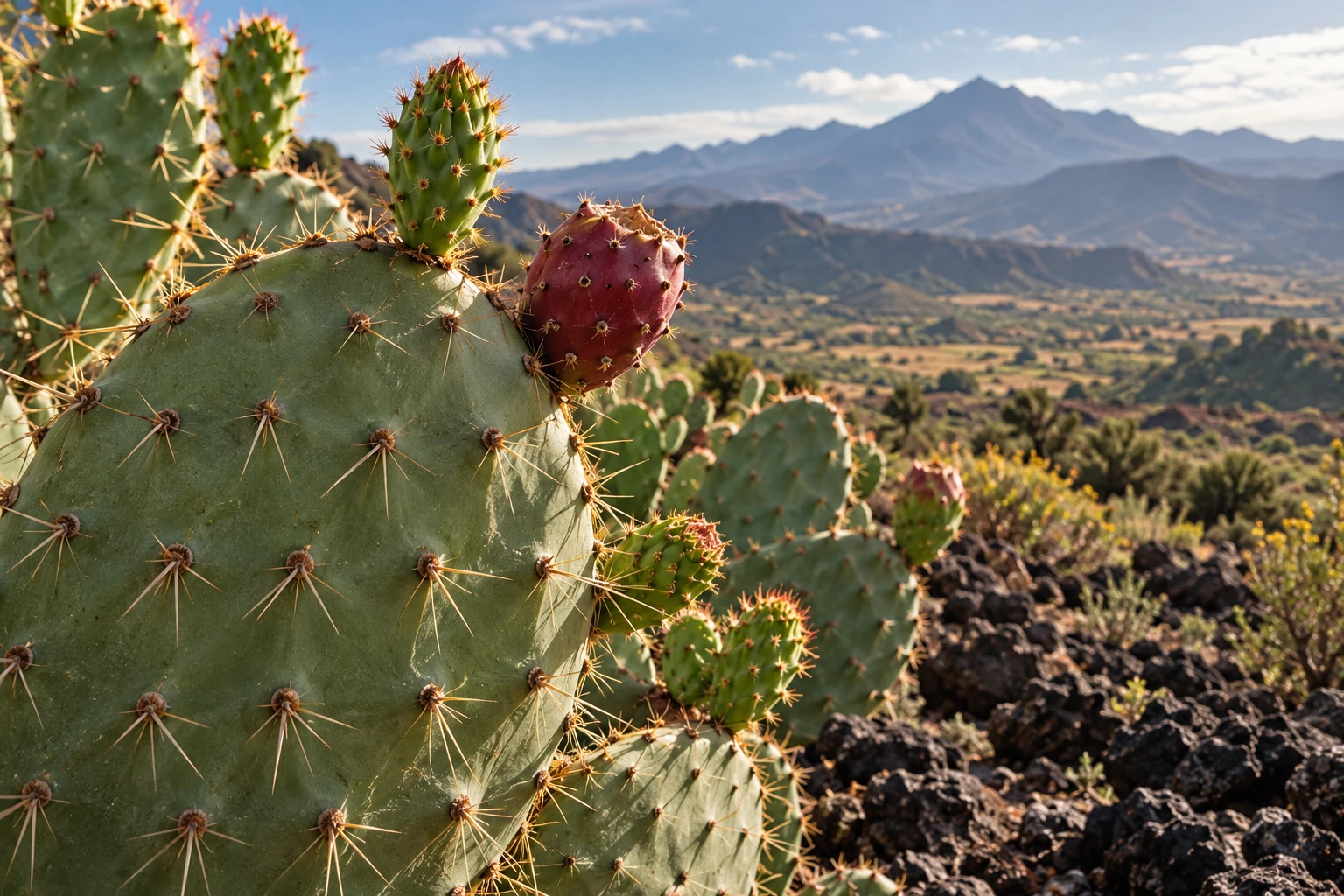
Look at a healthy Nopal cactus pad.
What color dominates?
Green.
That green comes largely from chlorophyll, the pigment plants use to capture light energy for photosynthesis.
And right at the center of a chlorophyll molecule sits a magnesium ion.(7)
That’s one of the most beautiful connections between plant nutrition and human nutrition.
The same mineral our bodies use in hundreds of enzyme systems also sits at the heart of the molecule that helps a Nopal cactus capture energy from sunlight.
Without magnesium, chlorophyll cannot have its normal structure.
From Sunlight to a Cactus Pad
Think about what happens on one of our farms.
Sunlight reaches a green Nopal pad.
Chlorophyll captures that light.
Magnesium sits inside the chlorophyll molecule as part of the structure making that process possible.(7)
The cactus uses photosynthesis to build carbohydrates from carbon dioxide and water.
Over time, that tiny green pad becomes part of a much larger plant.
So magnesium isn’t simply something scientists find after analyzing Nopal in a laboratory.
It has already been part of the plant’s living story while the cactus was growing.
From Our Farms to Natural Home Cures
At Natural Home Cures, the Nopal behind our flagship Freeze-Dried Nopal Powder Capsules begins as living prickly pear cactus growing on our own farms.
That means when we talk about chlorophyll, minerals and the biology of Nopal, we’re talking about processes taking place within the plants we grow.
After harvesting, our Nopal is freeze-dried as part of preparing it for our capsules.
Our goal is to preserve the character of the cactus as closely as practical while creating a convenient finished Nopal product.
The Natural Home Cures Nopal Family
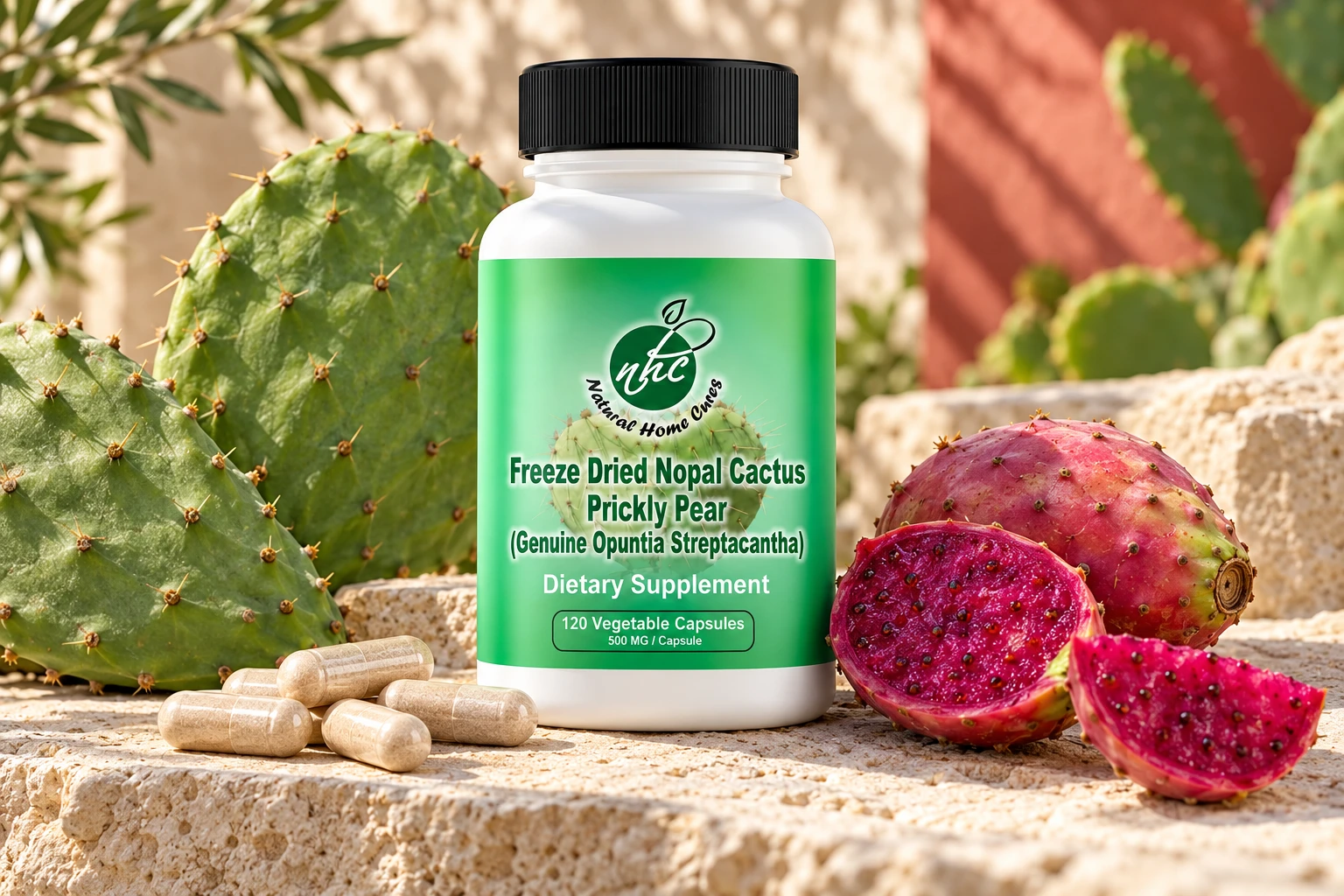
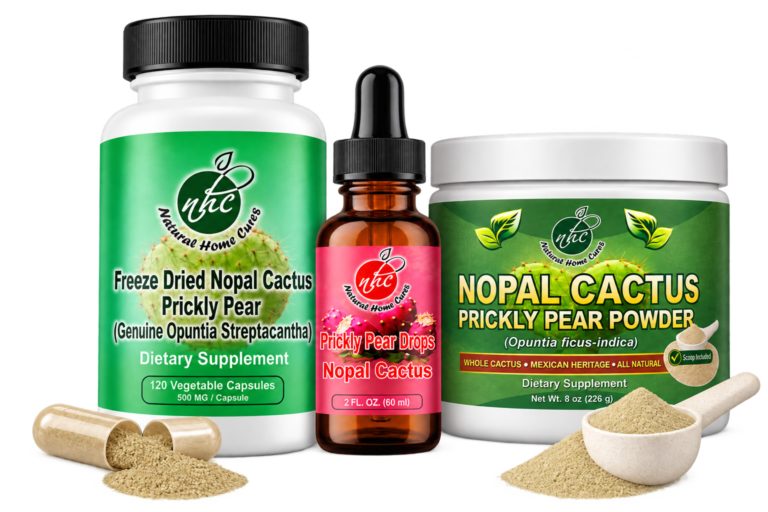
Our flagship Natural Home Cures Freeze-Dried Nopal Powder Capsules remain at the center of our Nopal line.
Natural Home Cures also offers Nopal Powder and Prickly Pear Drops.
Together, these give customers several ways to explore Nopal cactus and prickly pear.
And magnesium gives us a particularly interesting way to connect the nutritional story of the cactus with the biology of the living plant itself.
One Mineral Connecting Plants and People
Inside the human body, magnesium helps hundreds of enzymes do their jobs.
It participates in energy metabolism.
It contributes to normal muscle and nerve function.(1), (2)
Inside a green Nopal cactus, magnesium sits at the center of chlorophyll and helps make photosynthesis possible.(7)
That’s quite a résumé for one mineral.
And within Nopal cactus and prickly pear, magnesium becomes another part of the remarkable collection of naturally occurring nutrients and plant compounds that make this cactus so interesting.(5), (6)
For Natural Home Cures, that story begins while the Nopal is still growing on our farms—and continues into the products we offer our customers.
FROM CACTUS TO PRODUCT
Keep the botanical
in the story.
Freeze-dried Nopal cactus capsules.
Explore our Nopal →The research behind this articleSource References
- 01Nutrition referenceMagnesium — Fact Sheet for Health Professionals.View source
Full citation
National Institutes of Health, Office of Dietary Supplements. “Magnesium — Fact Sheet for Health Professionals.” - 02Research referenceMagnesium in Man: Implications for Health and Disease.View source
Full citation
de Baaij JHF, Hoenderop JGJ, Bindels RJM. “Magnesium in Man: Implications for Health and Disease.” Physiological Reviews. 2015;95(1):1–46. - 03Research referenceStructural and Catalytic Chemistry of Magnesium-Dependent Enzymes.View source
Full citation
Cowan JA. “Structural and Catalytic Chemistry of Magnesium-Dependent Enzymes.” BioMetals. 2002;15:225–235. - 04Research referenceCellular Magnesium Homeostasis.View source
Full citation
Romani AMP. “Cellular Magnesium Homeostasis.” Archives of Biochemistry and Biophysics. 2011;512(1):1–23. - 05Research referenceNopal Cactus (Opuntia ficus-indica) as a Source of Bioactive Compounds for Nutrition, Health and Disease.View source
Full citation
El-Mostafa K, El Kharrassi Y, Badreddine A, et al. “Nopal Cactus (Opuntia ficus-indica) as a Source of Bioactive Compounds for Nutrition, Health and Disease.” Molecules. 2014;19(9):14879–14901. - 06Research referenceCactus Stems (Opuntia spp.): A Review on Their Chemistry, Technology, and Uses.View source
Full citation
Stintzing FC, Carle R. “Cactus Stems (Opuntia spp.): A Review on Their Chemistry, Technology, and Uses.” Molecular Nutrition & Food Research. 2005;49(2):175–194. - 07Research referenceTetrapyrrole Biosynthesis in Higher Plants.View source
Full citation
Tanaka R, Tanaka A. “Tetrapyrrole Biosynthesis in Higher Plants.” Annual Review of Plant Biology. 2007;58:321–346.