NATURAL HOME CURES · NOPAL SCIENCE
Leucine
& Nopal
An essential building block for proteins, muscle renewal and energy.
Explore the science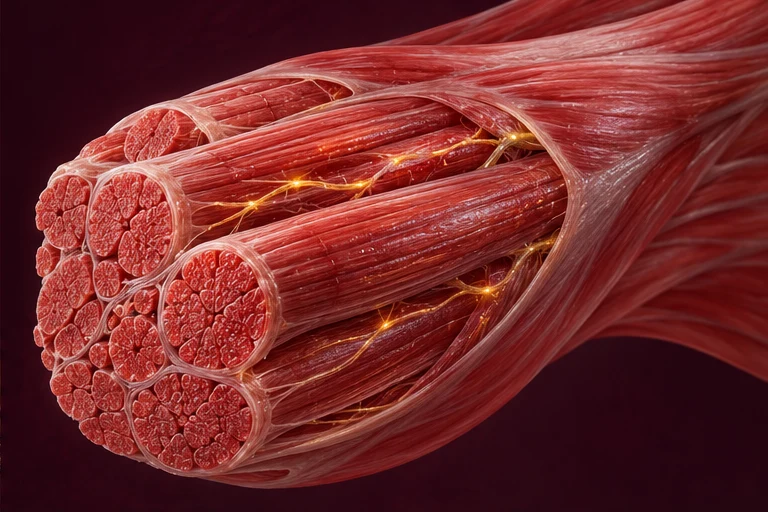
renew their proteins.
Leucine is one of the small building blocks your body uses to make proteins. These proteins help build and maintain muscle, skin and other tissues.(1)
Your body cannot make leucine for itself, so you need to get it from food. That is why it is called an essential amino acid.(6)
What Does Leucine Do?
Building and renewing tissues
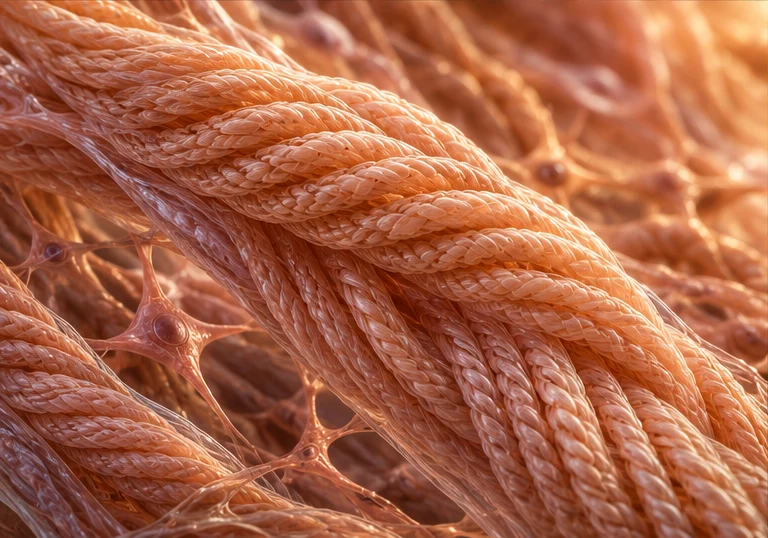
Your body continually breaks down and rebuilds proteins. Leucine helps supply the building material for that ongoing renewal.(1)
Helping signal protein building
signals
Leucine also acts as a nutrient signal, helping tell muscle cells to start making proteins. The body still needs the other amino acids and enough energy to carry out the job.(8)
The Three BCAAs
Leucine belongs to a group called the branched-chain amino acids, often shortened to BCAAs. The other two are isoleucine and valine. The name describes their shape; all three are building blocks your body needs from food.(7)
Leucine in Everyday Foods
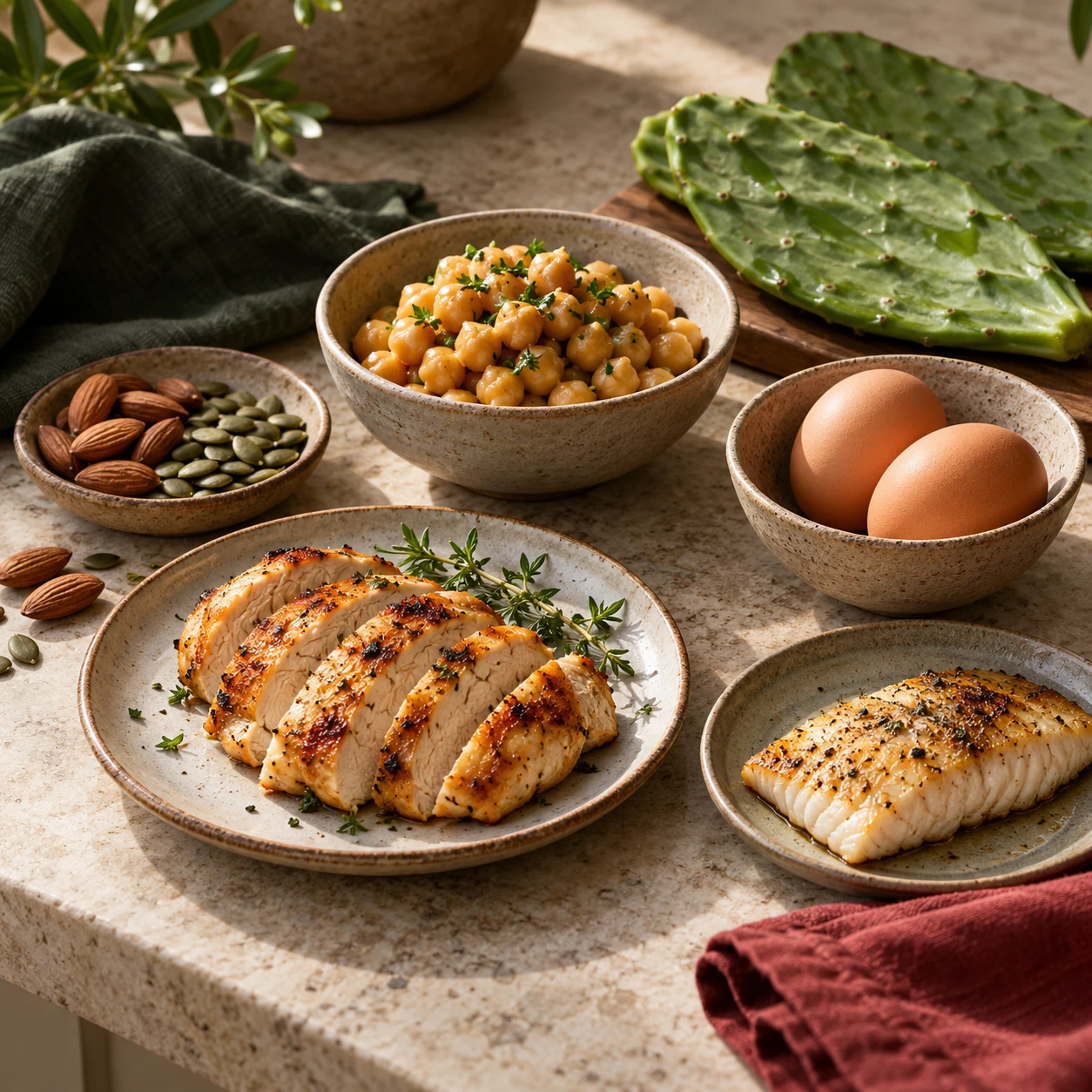
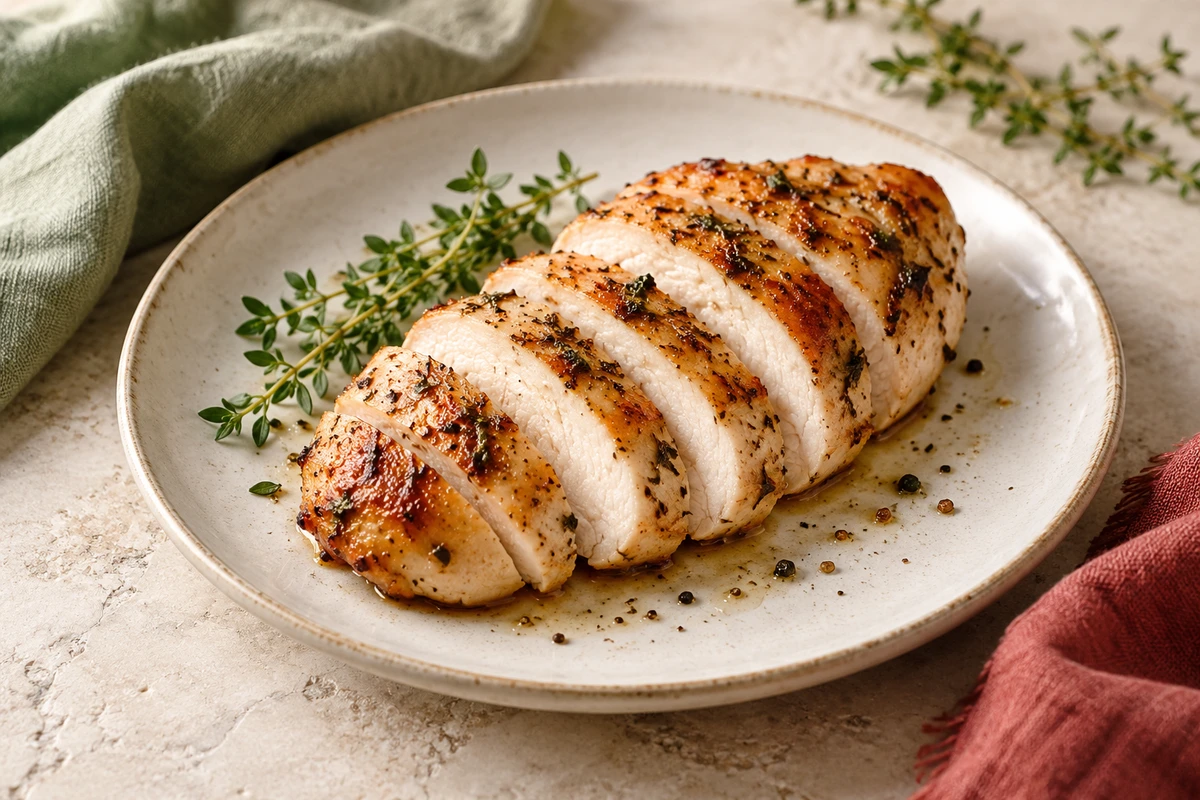 Meat and poultry
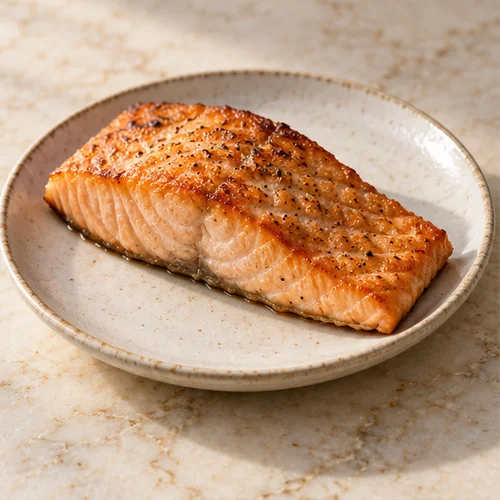 Fish
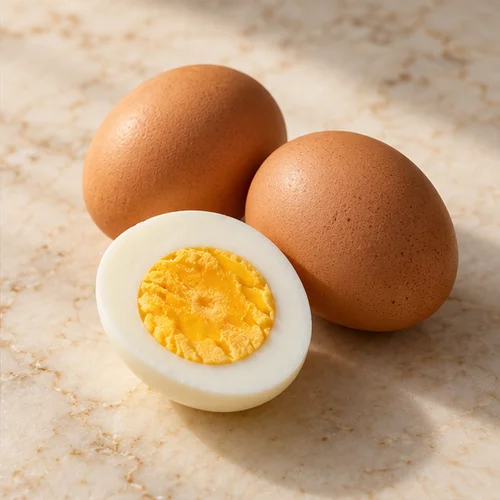 Eggs
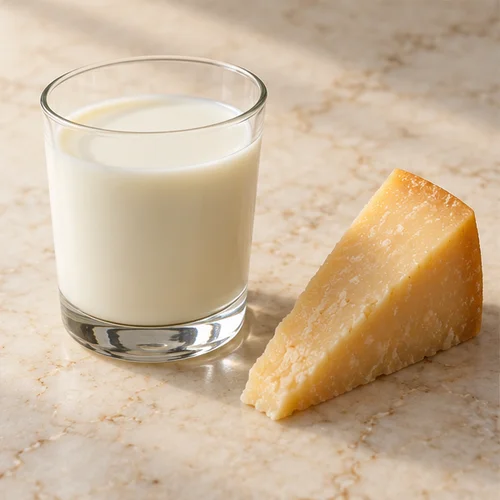 Milk and dairy products
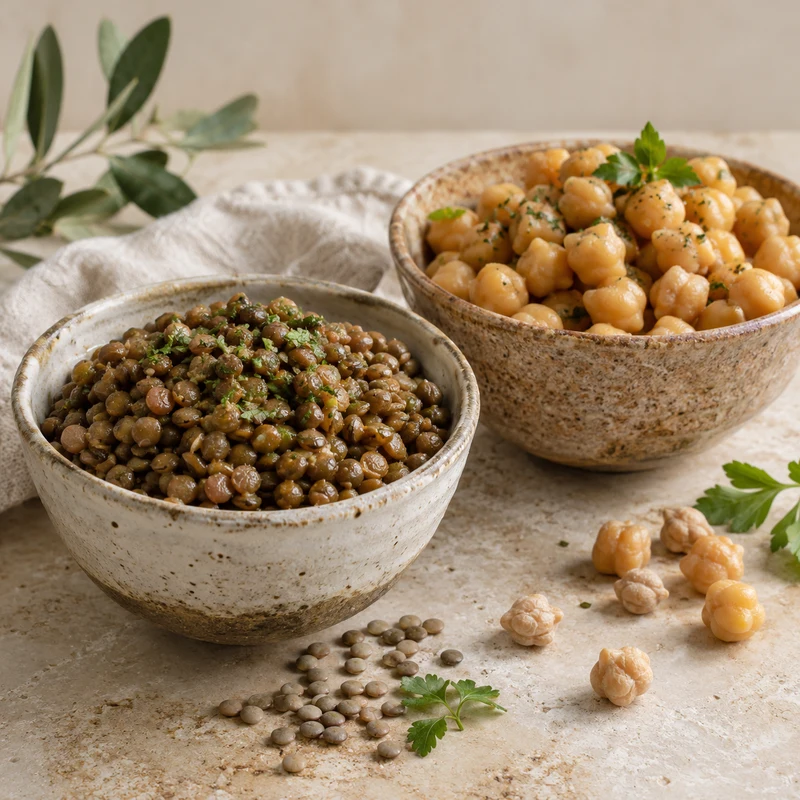 Beans, lentils and soy foods
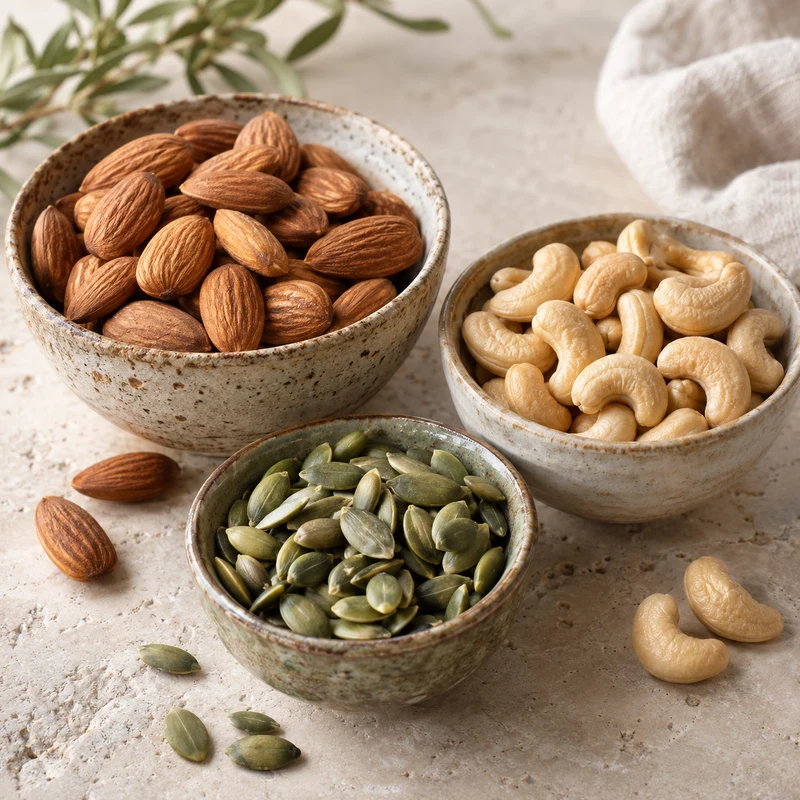 Nuts and seeds
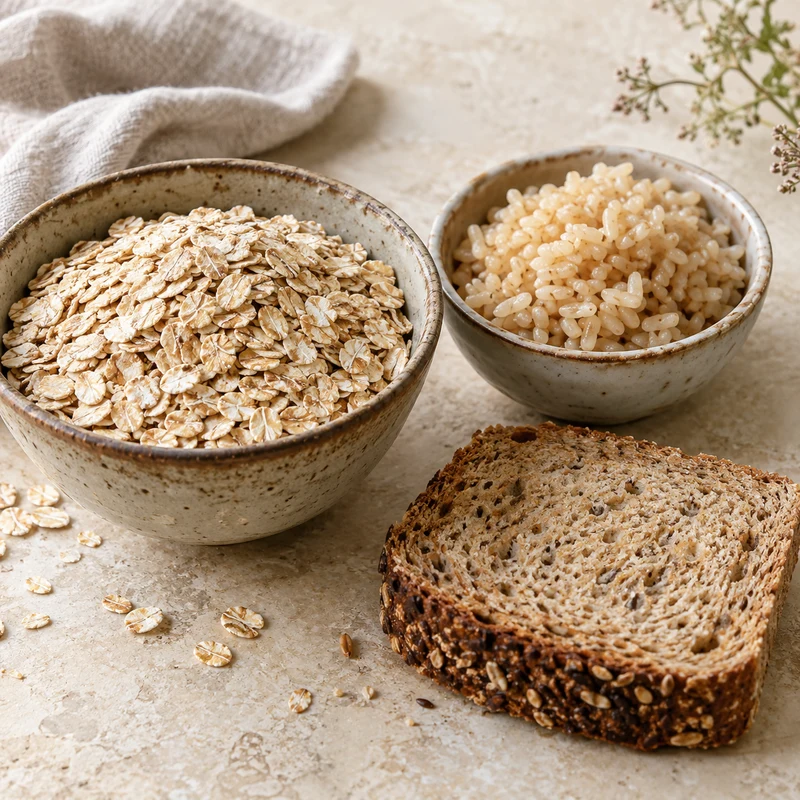 Whole grains
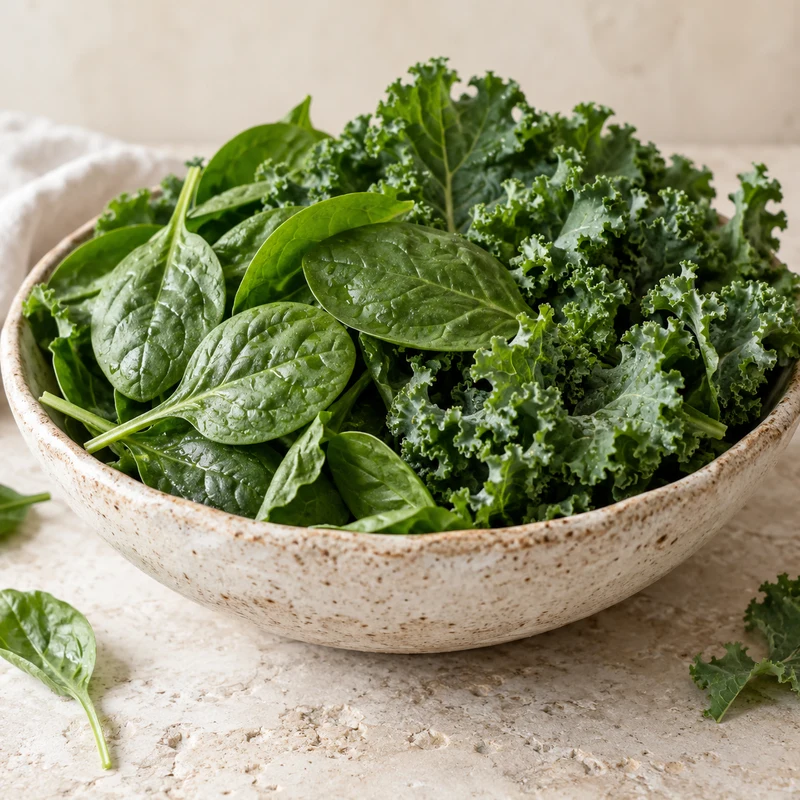 Leafy vegetables
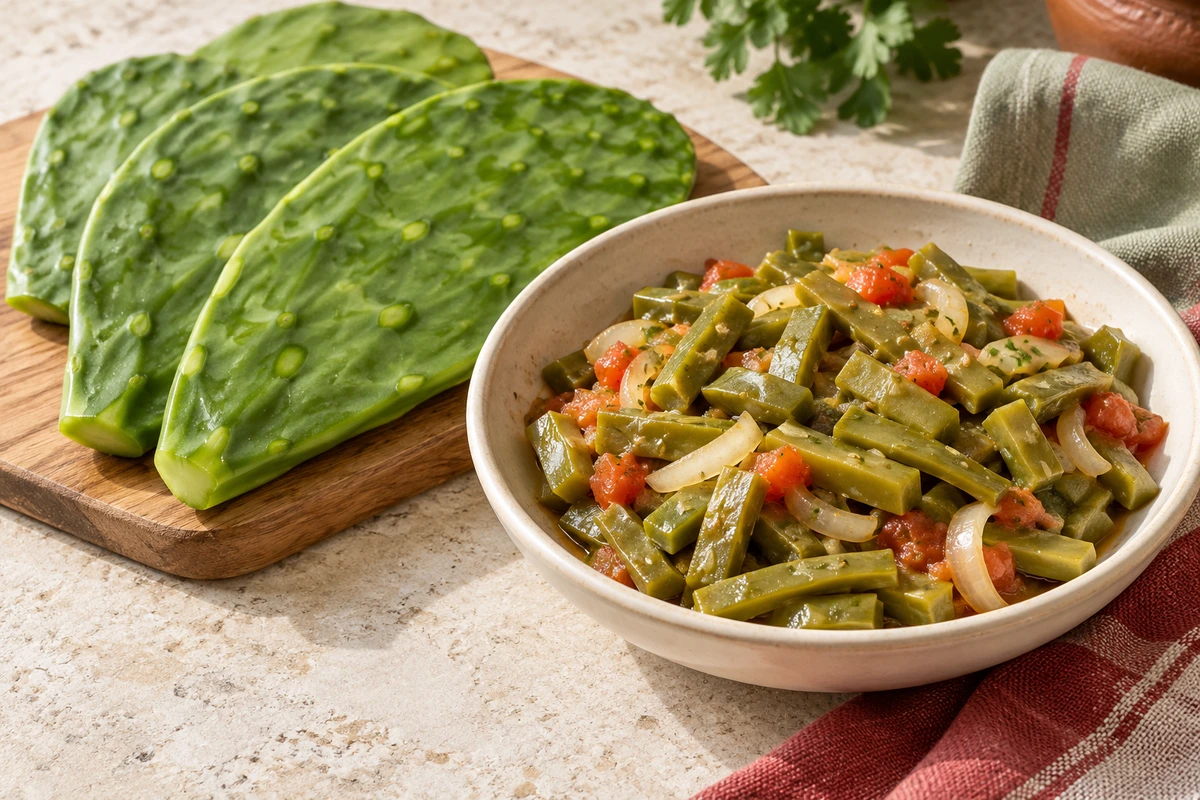 Nopal cactus pads
The amount you get depends on the food and how much you eat. A varied diet supplies leucine alongside other building blocks the body needs.(5)
How Much Leucine Is in Nopal?
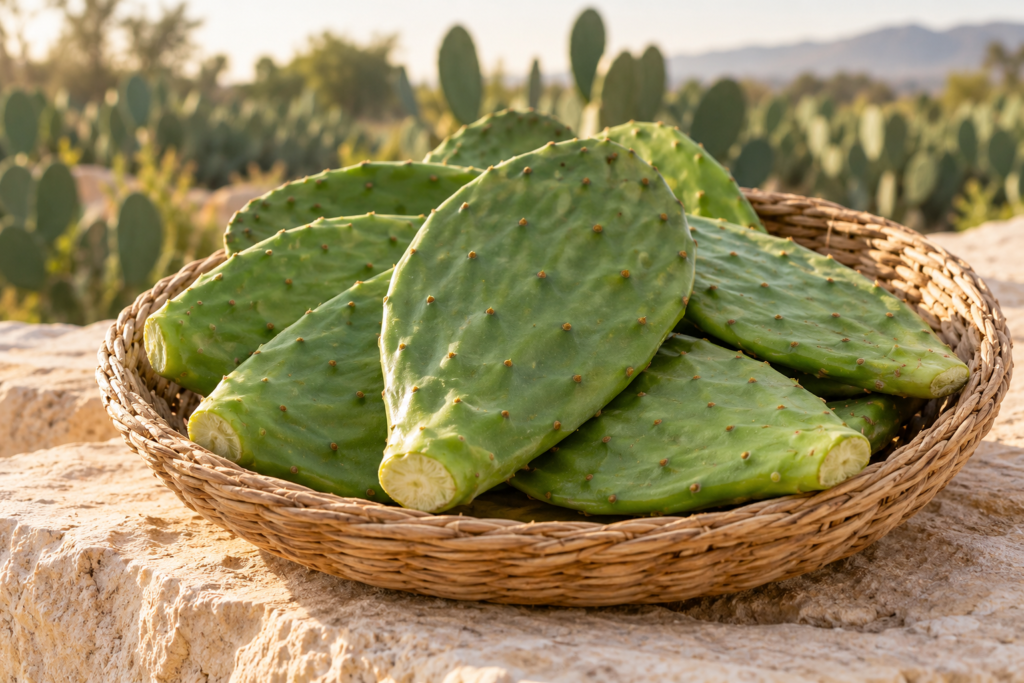
USDA’s food database provides a useful reference for leucine naturally present in raw nopales, the edible cactus pads.(5)
USDA FoodData Central · “Nopales, raw”
The USDA entry lists 0.077 grams of leucine per 100 grams of raw nopales, equal to 77 milligrams. This gives an idea of the amount in fresh cactus pads.(5)
The USDA value is a general food reference.
From Our Farms to Your Bottle
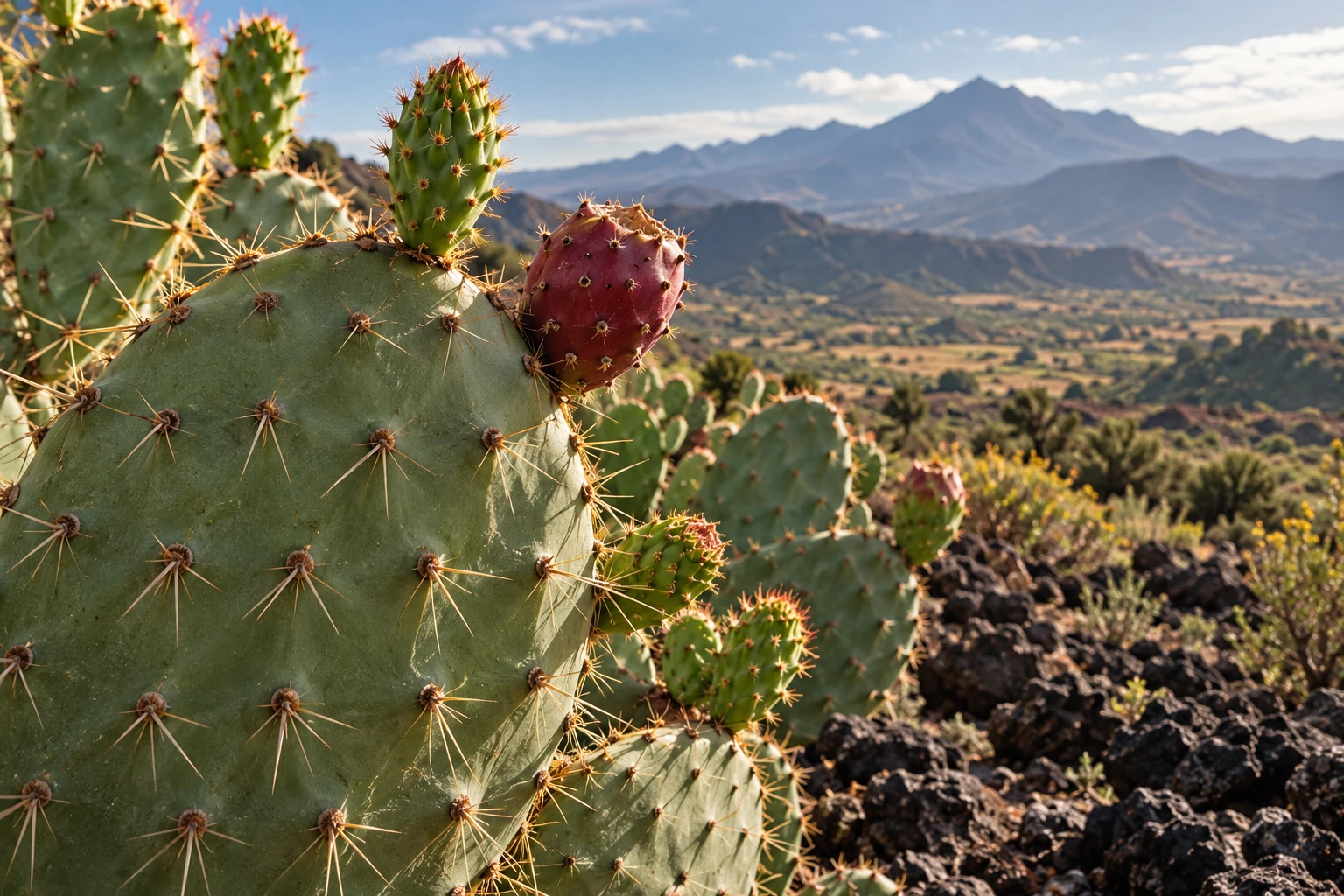
Our Nopal capsule story begins on our mountain farms in Mexico, where Opuntia streptacantha grows at about 8,200 feet in rich volcanic soil. Sunlight, temperature, and rainfall shape the living cactus.
We stay involved from growing through harvest and preparation of the capsules. This growing environment is part of the story behind each amino acid discussed here.
More Than One Amino Acid
Our capsules and powder bring together the naturally occurring compounds in cactus pads. They are whole botanical products, rather than isolated leucine supplements.
Explore the other Nopal articles to learn about its fiber, vitamins, minerals and other plant compounds. Each adds another piece to the story of this familiar cactus.
FROM CACTUS TO PRODUCT
Meet Our Nopal Cactus & Prickly Pear Family
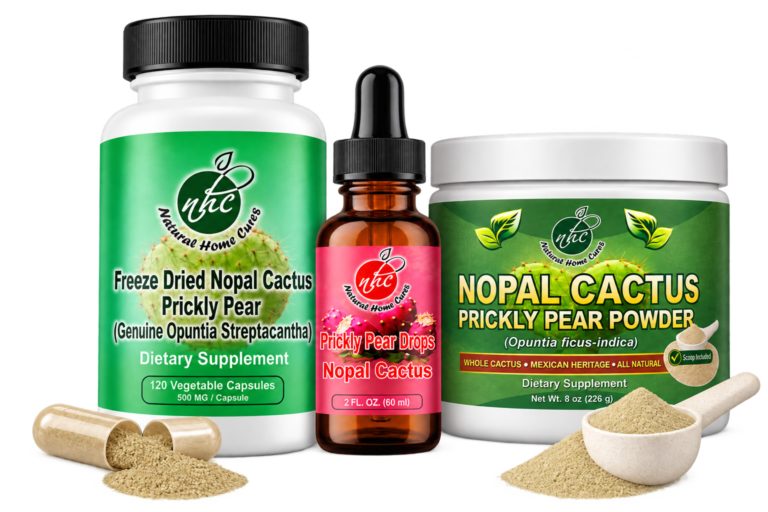
Nopal cactus capsules, prickly pear drops, and Nopal cactus powder.
Explore Nopal Cactus →The research behind this articleSource References
- 01Research referenceAmino Acids: Metabolism, Functions, and Nutrition.View source
Full citation
Wu G. “Amino Acids: Metabolism, Functions, and Nutrition.” Amino Acids. 2009;37:1–17. - 02Research referenceBranched-Chain Amino Acids and Muscle Protein Synthesis in Humans: Myth or Reality?View source
Full citation
Wolfe RR. “Branched-Chain Amino Acids and Muscle Protein Synthesis in Humans: Myth or Reality?” Journal of the International Society of Sports Nutrition. 2017;14:30. - 03Research referenceNopal Cactus (Opuntia ficus-indica) as a Source of Bioactive Compounds for Nutrition, Health and Disease.View source
Full citation
El-Mostafa K, El Kharrassi Y, Badreddine A, et al. “Nopal Cactus (Opuntia ficus-indica) as a Source of Bioactive Compounds for Nutrition, Health and Disease.” Molecules. 2014;19(9):14879–14901. - 04Research reviewCactus Stems (Opuntia spp.): A Review on Their Chemistry, Technology, and Uses.View source
Full citation
Stintzing FC, Carle R. “Cactus Stems (Opuntia spp.): A Review on Their Chemistry, Technology, and Uses.” Molecular Nutrition & Food Research. 2005;49(2):175–194. - 05USDA food composition referenceNopales, raw.View source
Full citation
U.S. Department of Agriculture. FoodData Central. “Nopales, raw.” FDC ID 168571. Leucine: 0.077 g per 100 g of raw edible food, equivalent to 77 mg. - 06Government nutrition referenceAmino acids.View source
Full citation
MedlinePlus Medical Encyclopedia. “Amino acids.” U.S. National Library of Medicine. Explains essential amino acids, including leucine, and the body’s use of amino acids to make proteins and provide energy. - 07Research referenceBranched Chain Amino Acids.View source
Full citation
Neinast M, Murashige D, Arany Z. “Branched Chain Amino Acids.” Annual Review of Physiology. 2019;81:139–164. - 08Original research · human muscle protein synthesisSupplementation of a suboptimal protein dose with leucine or essential amino acids: effects on myofibrillar protein synthesis at rest and following resistance exercise in men.View source
Full citation
Churchward-Venne TA, Burd NA, Mitchell CJ, West DWD, Philp A, Marcotte GR, Baker SK, Baar K, Phillips SM. The Journal of Physiology. 2012;590(11):2751–2765. doi:10.1113/jphysiol.2012.228833.