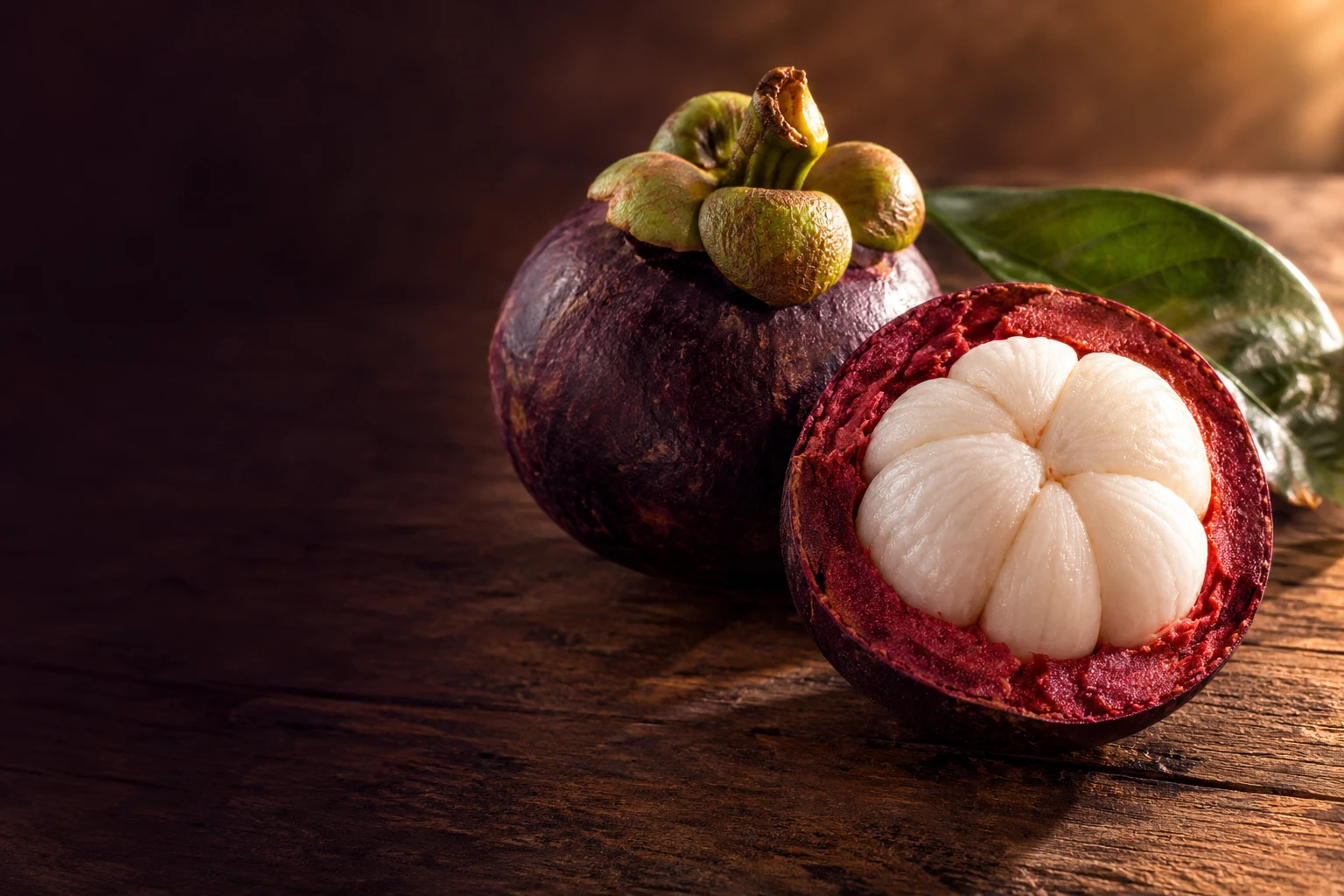
Natural Home Cures · Mangosteen science
Carotenoids
& Mangosteen
Plant pigments.
A colorful part of a bigger story.
Carotenoids are the pigments behind many familiar food colors. Some can become vitamin A in the body; others have different roles. Mangosteen helps illustrate why a fruit’s color alone cannot tell us which pigments it contains.
02 · Everyday food sources
A Colorful Pigment Family.
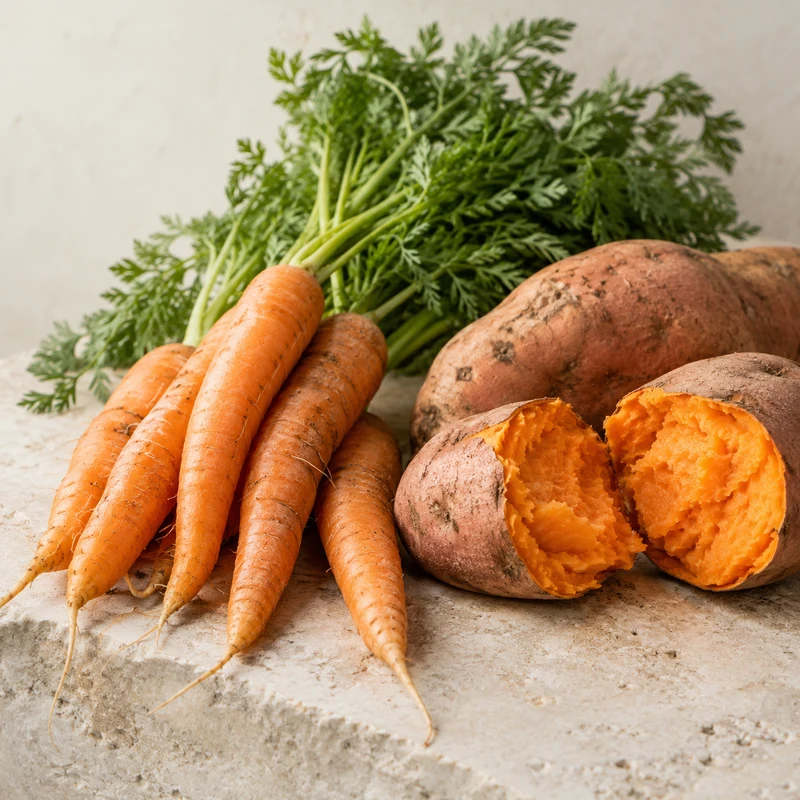
Carrots, leafy greens and tomatoes contain different members of this pigment family. In green vegetables, chlorophyll can hide the yellow and orange pigments beneath it.(4)
Beta-carotene
Carrots and orange-fleshed sweet potato
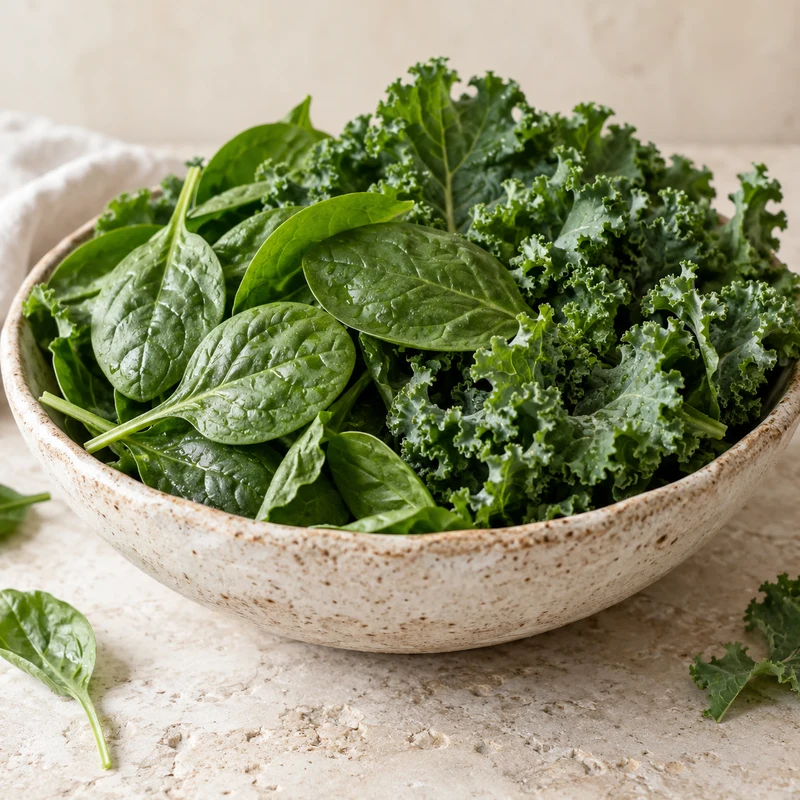
Lutein
Spinach and other leafy greens
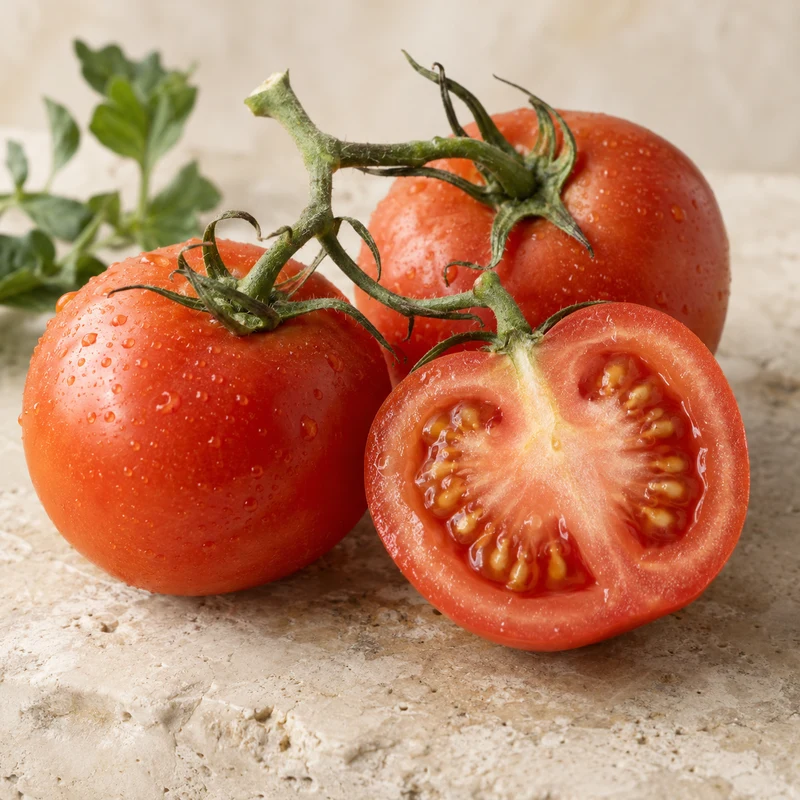
Lycopene
Red tomatoes
Some of these pigments have a nutritional role beyond color: the body can convert them into vitamin A.
03 · A nutrient connection
From Plant Pigment to Vitamin A.
Normal vision
Immune function
Tissue health
Only some carotenoids can become vitamin A. Lutein and lycopene cannot.(1)
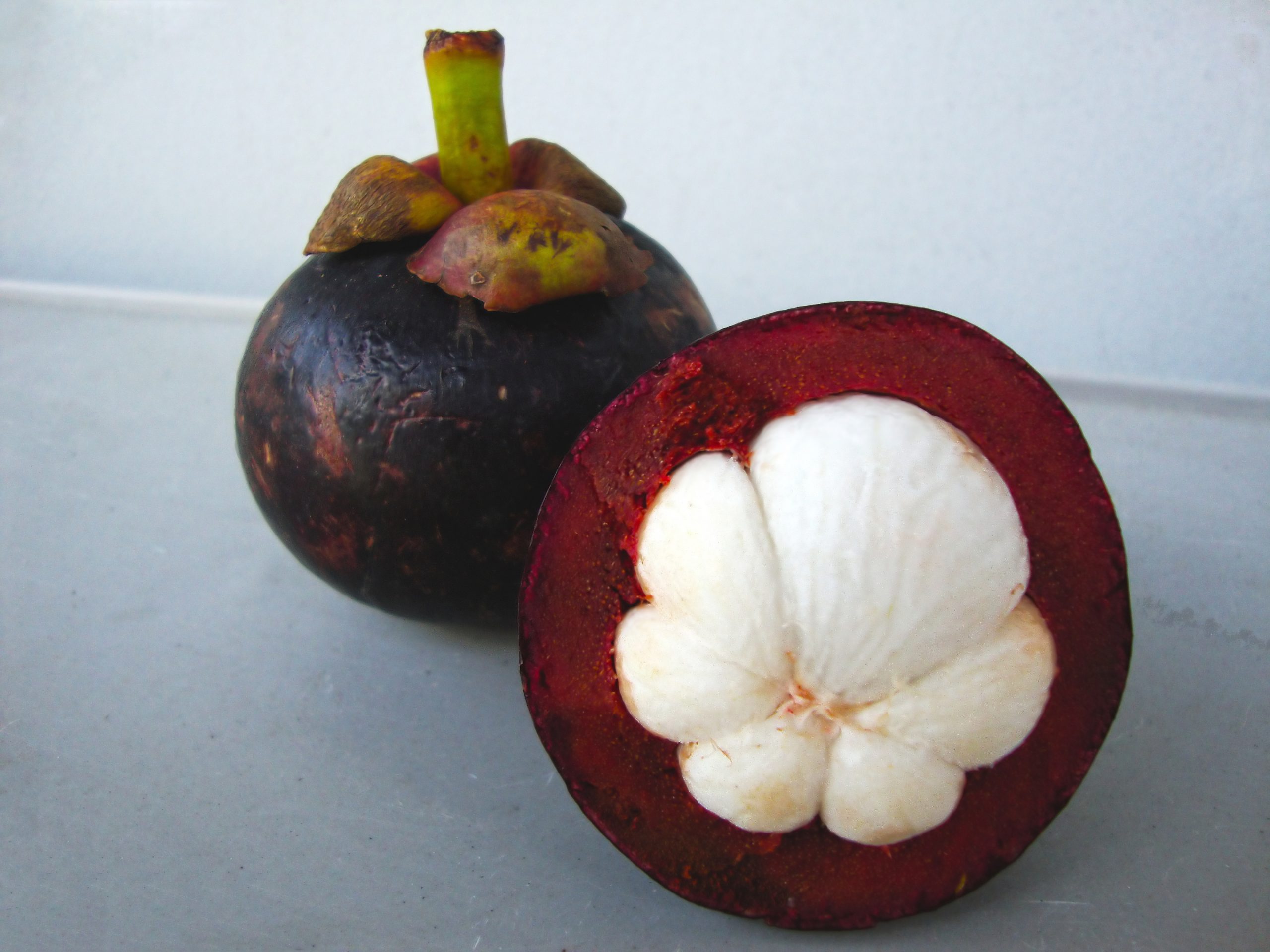
Mangosteen’s deep purple color comes from a different pigment family.
04 · Read the fruit’s color
Why the Purple?
Anthocyanins
Give ripe mangosteen its purple color.(2)
Carotenoids
A separate pigment family described in mangosteen research.
Mangosteen’s pericarp contains several groups of plant compounds. Anthocyanins explain the purple color; carotenoids and xanthones are other parts of its chemistry.(2), (3)
Our capsules use the pericarp as a whole botanical ingredient.

05 · From fruit to product
Whole Mangosteen Pericarp, Freeze-Dried
Our Freeze-Dried Rich Pericarp Mangosteen Capsules use the fruit’s thick outer pericarp, containing a mixture of naturally occurring plant compounds. The pericarp is freeze-dried and prepared for capsules.
The research behind this articleSource References
- 01Nutrition referenceNIH Office of Dietary Supplements — Vitamin A and Carotenoids.View source
- 02View source
- 03Research referenceAlbuquerque et al. (2023) — Mangosteen pericarp composition.View source
- 04Research referenceOregon State University, Linus Pauling Institute — Carotenoids.View source
- 05Nutrition researchNational Eye Institute: AREDS/AREDS2 Clinical TrialsView source ↗