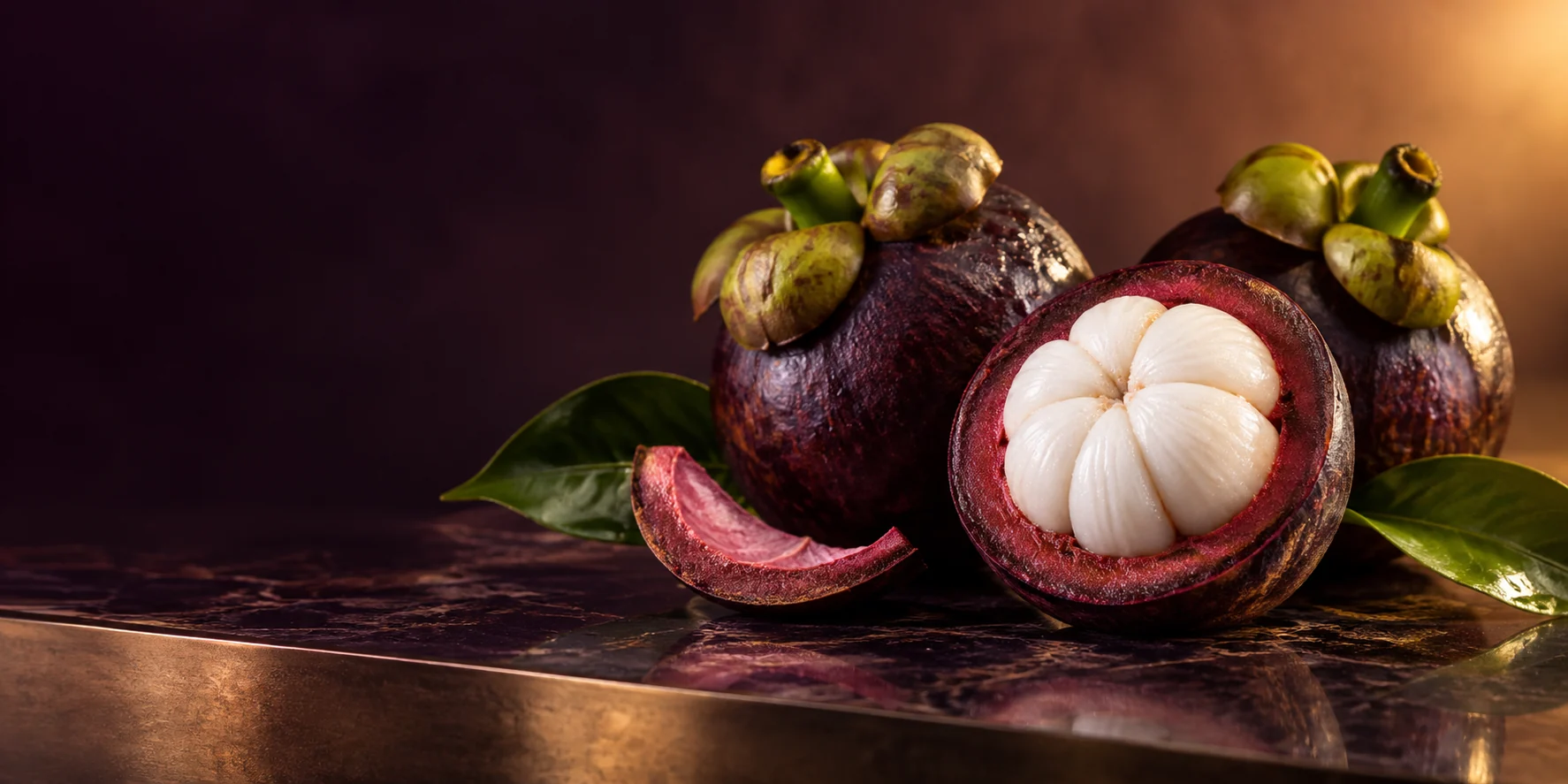
Natural Home Cures · Mangosteen science
Calcium
& Mangosteen
Calcium helps build strong bones and keeps everyday body functions working. Here is how it works—and where mangosteen pericarp—the thick outer rind—fits into the research.
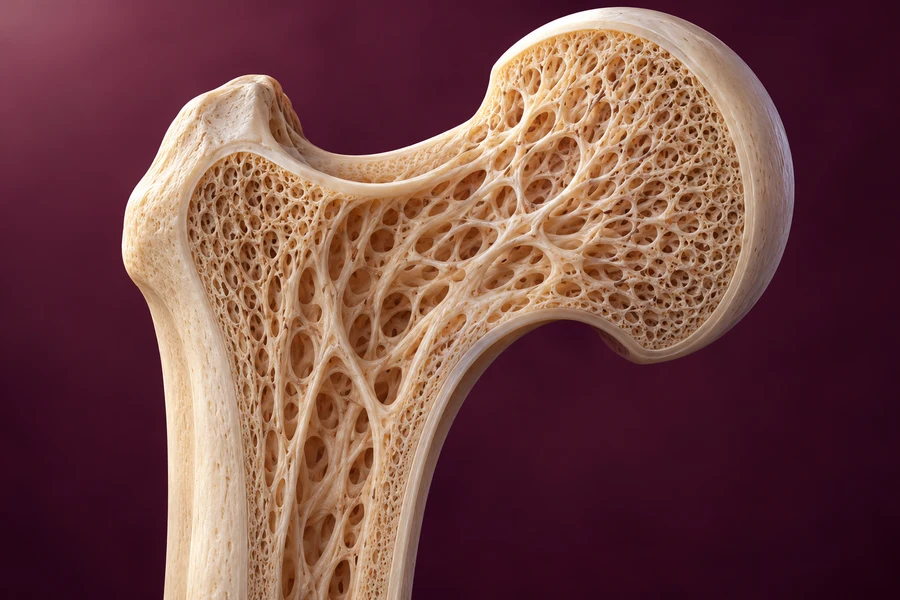
Start with calcium’s role in the body, then explore food sources and two types of mangosteen research: studies of its mineral content and studies of how calcium affects the growing fruit.
About 99% of the calcium in the human body is stored in bones and teeth.(1)
02 · Normal biological roles
What Does Calcium Do?
Bones renew themselves.
Bone is living tissue. Your body continually removes small amounts of old bone and replaces them with new tissue. Calcium and phosphorus help form the hard mineral framework within it.(1), (2)
Bones also serve as a calcium reserve. If too little calcium is absorbed from food, the body can draw on that reserve to maintain the calcium needed in the blood.(1)
Muscles tighten and relax.
Inside a muscle cell, calcium acts like a switch that helps turn contraction on. Moving calcium back into storage helps the muscle relax.(2), (3)
- A nerve tells the muscle to move.
- Calcium is released from storage inside the muscle cell.
- The muscle fibers tighten.
- Calcium returns to storage, allowing the muscle to relax.
Nerves pass messages.
When a signal reaches the end of a nerve, calcium helps trigger the release of chemical messengers. These messengers are called neurotransmitters.(3), (4)
They cross the tiny gap between cells and pass the message to another nerve or to a muscle. Calcium helps make that handoff possible.
03 · Absorbing calcium
How Vitamin D Helps
Eating calcium is only the first step. Your body also needs to absorb it.
Calcium
Vitamin D helps your intestine take calcium from food into the bloodstream. Without enough vitamin D, your body has more difficulty absorbing the calcium you eat.(1)
That is why calcium and vitamin D are often discussed together when considering bone health. Calcium supplies a building material; vitamin D helps make it available.(1)
So where can you find calcium in everyday meals?
04 · Everyday food sources
Where Does Calcium Come From?
A varied diet can provide calcium from dairy foods, plant foods and products with added calcium.(1)
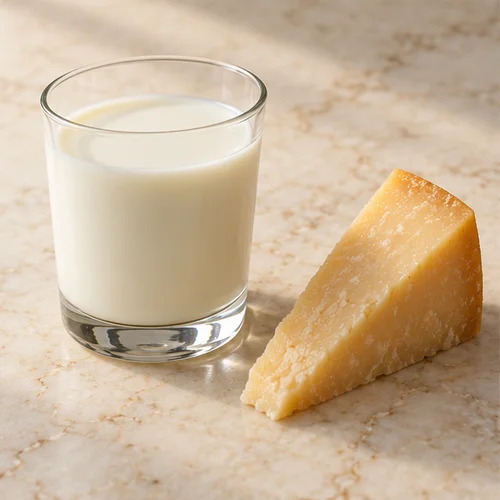
Dairy
Milk, yogurt and cheese
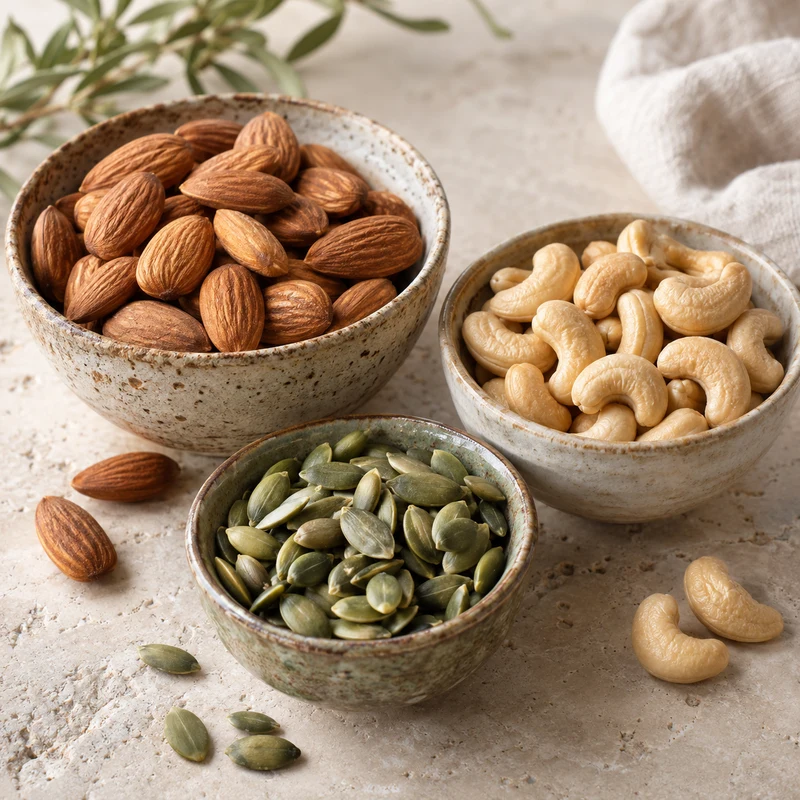
Almonds
A plant food containing calcium
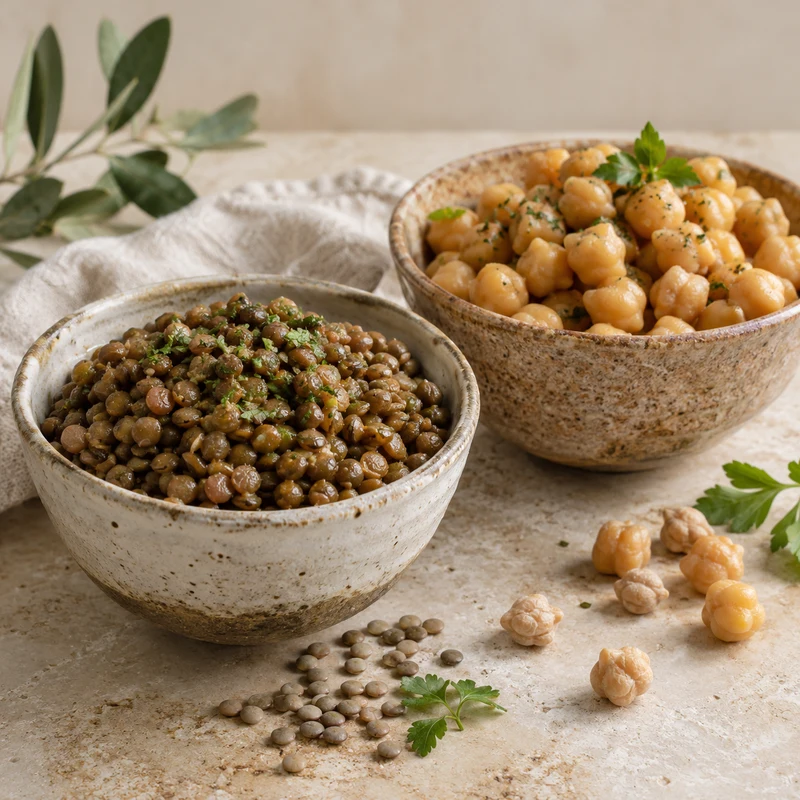
Beans & legumes
Contribute to a varied diet
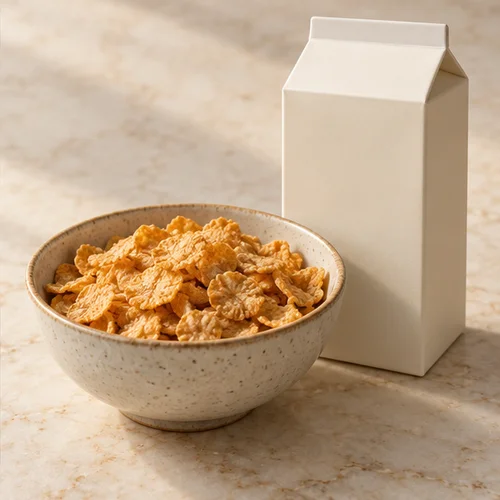
Fortified foods
Check the calcium label
Mangosteen’s pericarp has also been studied for its mineral content. Here is what the research measured.
reported for mangosteen pericarp2014 laboratory analysis
The researchers prepared their mineral samples from dried fruit pericarp.
05 · Mineral analysis
What Was Found in Mangosteen Pericarp?
In a 2014 study, researchers compared minerals in the pericarps of eight Garcinia species. They dried and powdered the pericarp, then used laboratory instruments to measure its minerals. Their table reported 5.82 mg of calcium per 100 g for mangosteen.(5)
This finding identifies calcium as one of the pericarp’s minerals. It describes the material tested in that study; determining the amount in a finished capsule or powder requires analysis of that product.
06 · Comparing results
Why the Sample Matters
To compare mineral measurements fairly, first check which part of the fruit was tested and how the sample was prepared. A result for pericarp is different from a result for pulp, and dried material is different from fresh fruit.(5), (6)
Fruit part
Pericarp, pulp and seeds are different tissues. Check which one was tested.
Water content
Removing water changes how concentrated a mineral is per gram.
Sample preparation
Whole pericarp, dried powder and an extract are different test materials.
A separate orchard study looked at a different question: how does calcium affect the pericarp as mangosteen grows?
07 · Orchard research
Calcium and the Fruit’s Structure
Calcium pectate is calcium associated with pectin, a substance in plant cell walls. In mangosteen, researchers study it because of its role in the structure of the pericarp.(8)
In a 2018 orchard experiment, researchers compared trees given calcium through the soil with trees given none. The calcium treatment increased calcium pectate in the pericarp and reduced contamination by yellow sap, a fruit-quality problem.(8)
This was a study of growing fruit. It helps explain calcium’s role in the plant, rather than showing how much calcium a person absorbs from eating the pericarp.
For our products, the connection to this research is the ingredient itself: mangosteen pericarp.
08 · Our whole-pericarp products
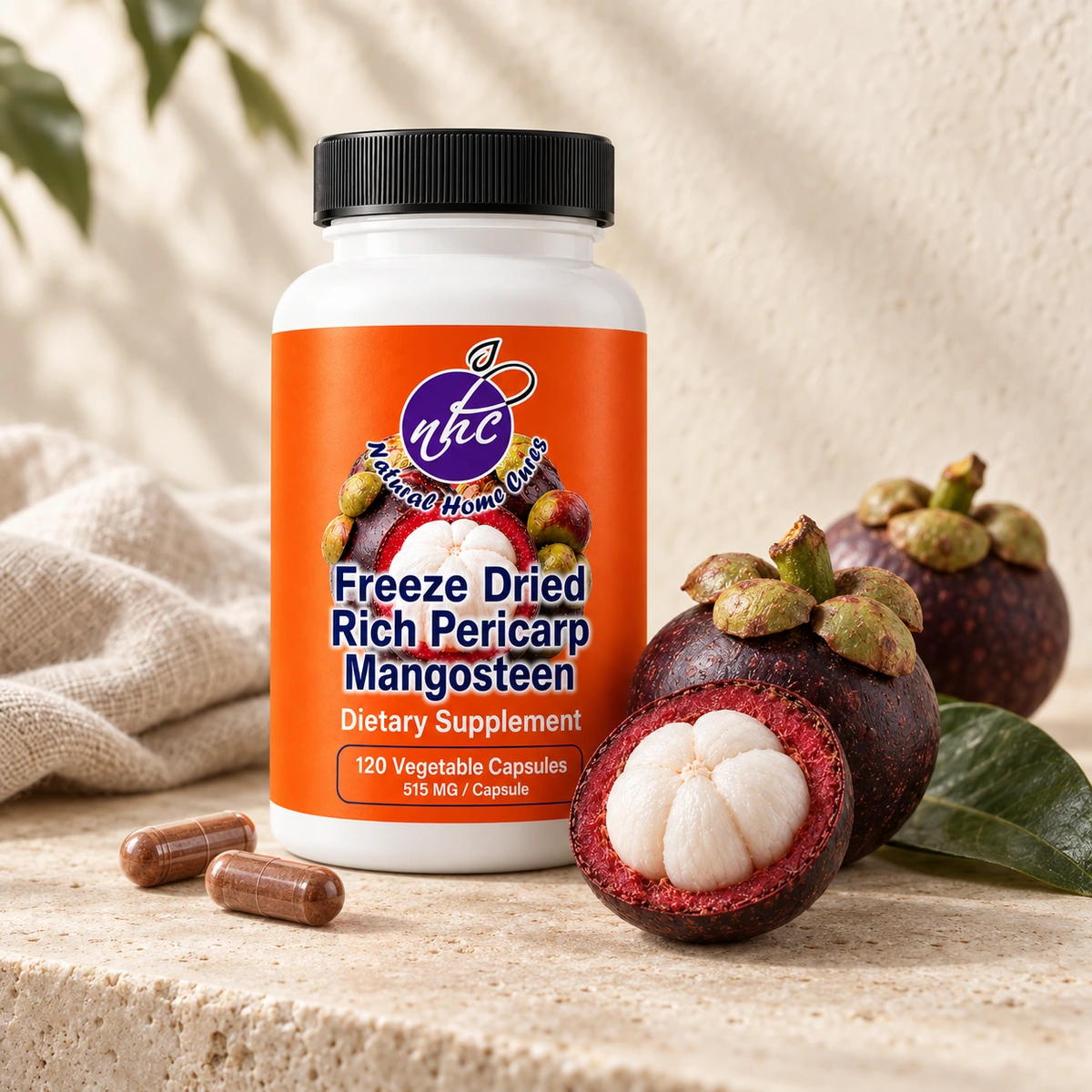
Whole Mangosteen Pericarp, Freeze-Dried
Natural Home Cures uses the whole pericarp of Garcinia mangostana in its Freeze-Dried Rich Pericarp Mangosteen Capsules. After harvest, the pericarp is freeze-dried and prepared for the capsules.
The ingredient brings together the pericarp’s naturally occurring minerals, fiber and plant compounds. Calcium is one part of that wider composition.(5), (7)
Explore our mangosteen →The weight of pericarp in a serving describes the botanical ingredient, not its calcium content.The research behind this articleSource References
- 01Nutrition referenceCalcium — Fact Sheet for Health Professionals.View source
Full citation
National Institutes of Health, Office of Dietary Supplements. “Calcium — Fact Sheet for Health Professionals.” — View source - 02Research referenceCalcium Metabolism in Health and Disease.View source
Full citation
Peacock M. “Calcium Metabolism in Health and Disease.” Clinical Journal of the American Society of Nephrology. 2010;5(Suppl 1):S23–S30. — View source - 03Research referenceCalcium Signaling.View source
Full citation
Clapham DE. “Calcium Signaling.” Cell. 2007;131(6):1047–1058. — View source - 04Research referenceCalcium Control of Neurotransmitter Release.View source
Full citation
Südhof TC. “Calcium Control of Neurotransmitter Release.” Cold Spring Harbor Perspectives in Biology. 2012;4(1):a011353. — View source - 05Composition studyA Study on Nutrient and Medicinal Compositions of Selected Indian Garcinia Species.View source
Full citation
Parthsarathy U, Nandakishore OP. “A Study on Nutrient and Medicinal Compositions of Selected Indian Garcinia Species.” Current Bioactive Compounds. 2014;10(1):55–61. — View source - 06Mangosteen reviewPhytochemicals and Bioactive Properties of Mangosteen (Garcinia mangostana L.): A Comprehensive Review.View source
Full citation
Yan M, Hou W, Wang H, Beyatli A, Arshad MS, Suleria HAR. “Phytochemicals and Bioactive Properties of Mangosteen (Garcinia mangostana L.): A Comprehensive Review.” Food Bioscience. 2026;79:108569. — View source - 07Composition studyInsights into the Chemical Composition and In Vitro Bioactive Properties of Mangosteen (Garcinia mangostana L.) Pericarp.View source
Full citation
Albuquerque BR, Dias MI, Pinela J, et al. “Insights into the Chemical Composition and In Vitro Bioactive Properties of Mangosteen (Garcinia mangostana L.) Pericarp.” Foods. 2023;12(5):994. — View source - 08Research referenceApplication of Calcium to Decrease Yellow Sap Contamination at Different Positions of Garcinia mangostana L.View source
Full citation
Tanari Y, Efendi D, Poerwanto R, Sopandie D, Suketi K. “Application of Calcium to Decrease Yellow Sap Contamination at Different Positions of Garcinia mangostana L.” Advances in Horticultural Science. 2018;32(2):169–175. — View source