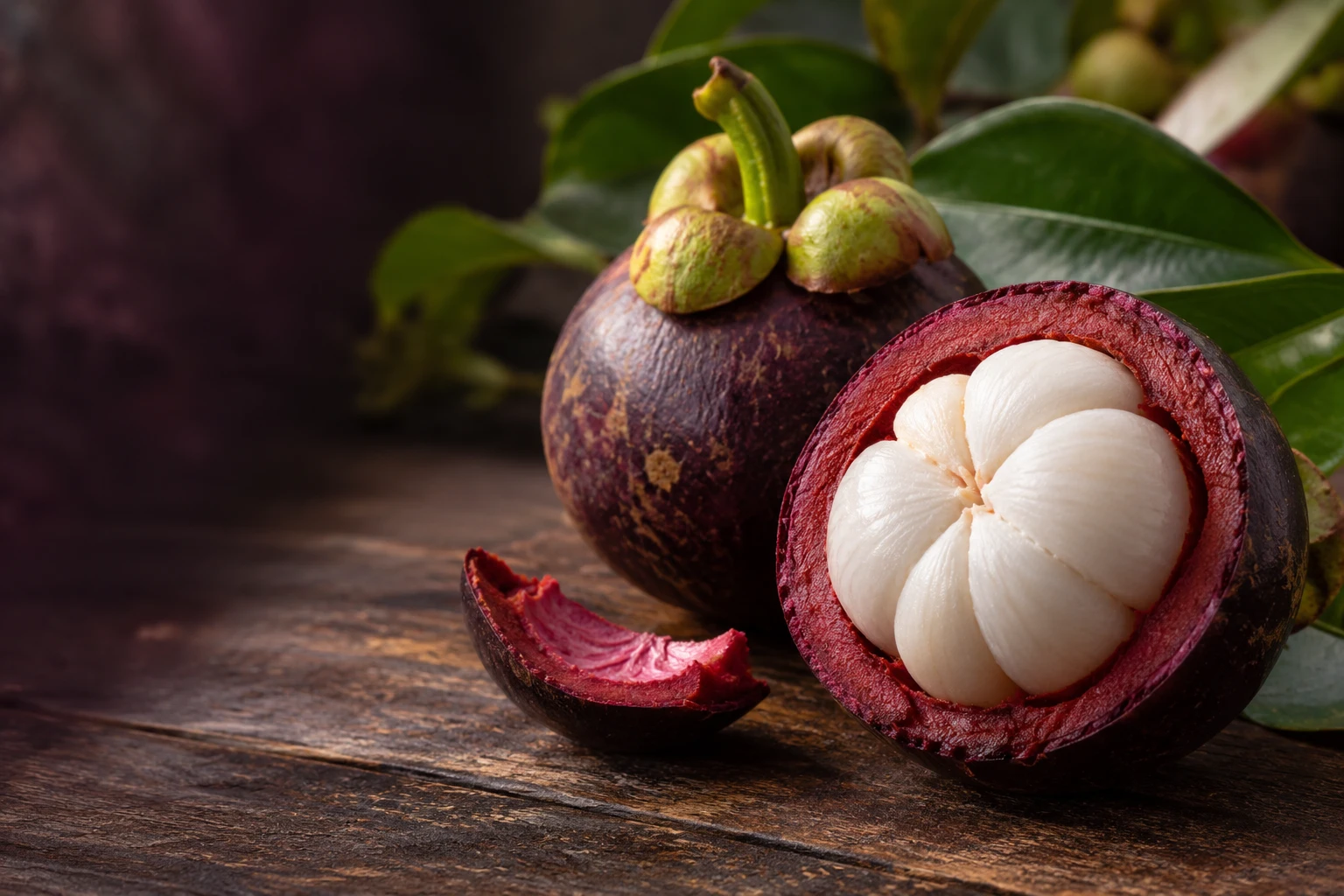
Natural Home Cures · Mangosteen science
Pectin
& Mangosteen
The plant structure behind familiar textures.
A story rooted in the pericarp.
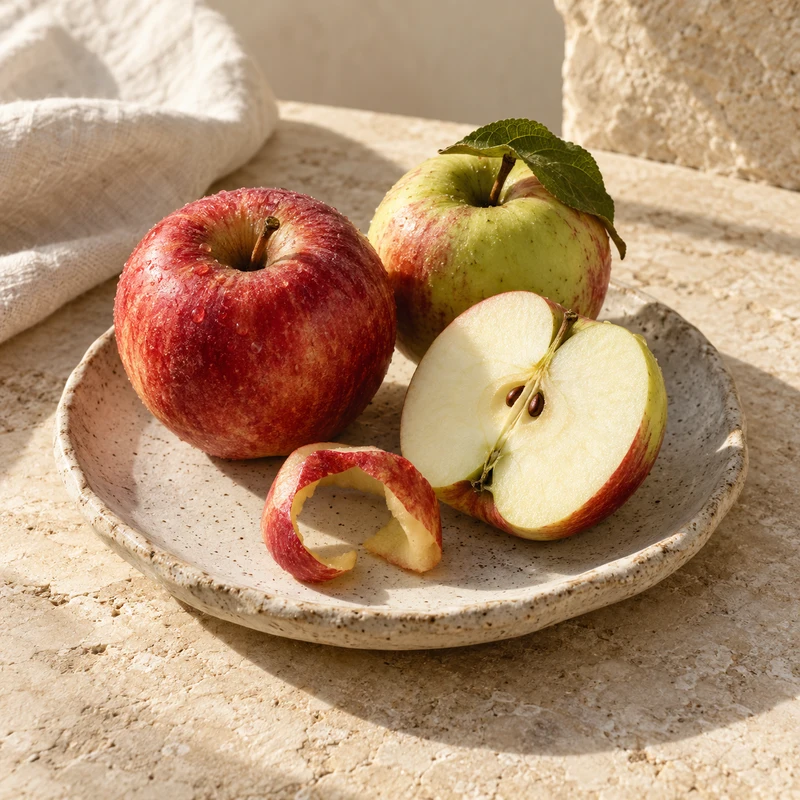
Pectin helps give plant tissues their structure and makes familiar gels in kitchens. It is also a fermentable fiber. Mangosteen research examines how pectin can be extracted from its pericarp—the thick outer rind—and how different pectins behave.
Part of the cell wall
01 · Begin with the essentials
What Is Pectin?
Pectin is a group of complex carbohydrates found in plant cell walls. Its long chains help organize plant tissue and, under suitable conditions, form networks that hold water.(1)
02 · What makes pectin interesting?
Three Ways to Understand Pectin
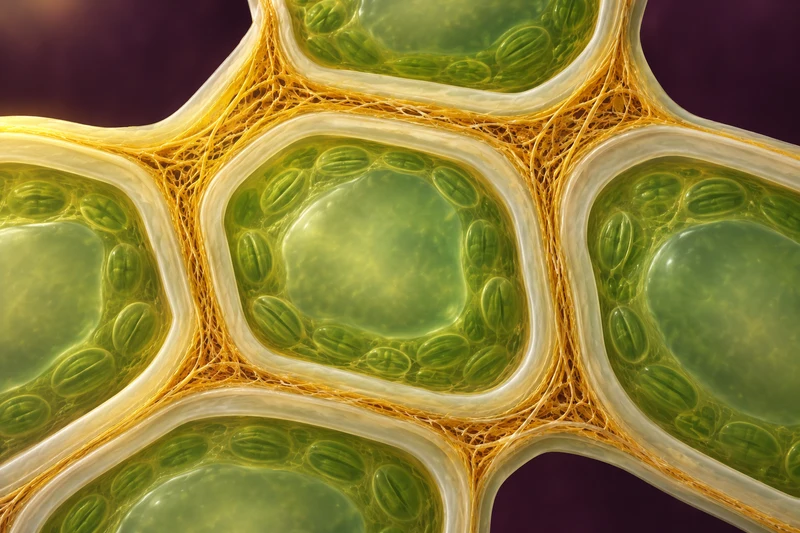
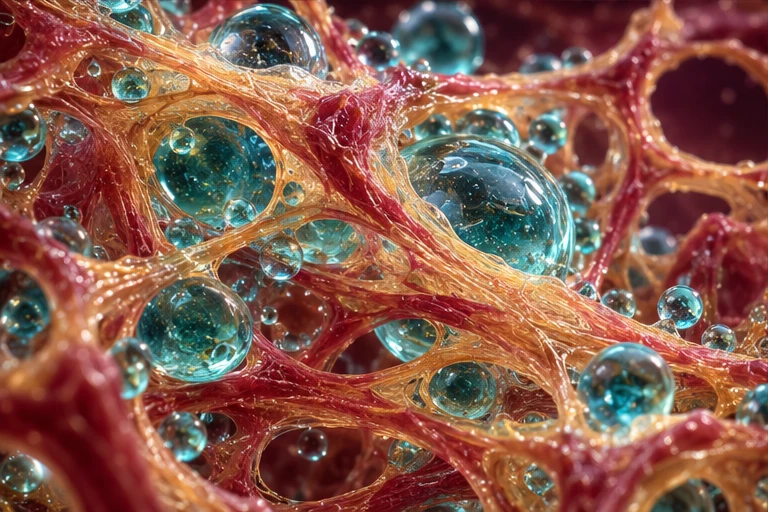
Interact with water.
Under suitable conditions, pectin networks can hold water and create gels—the familiar principle behind jams and jellies.
Connect with dietary fiber.
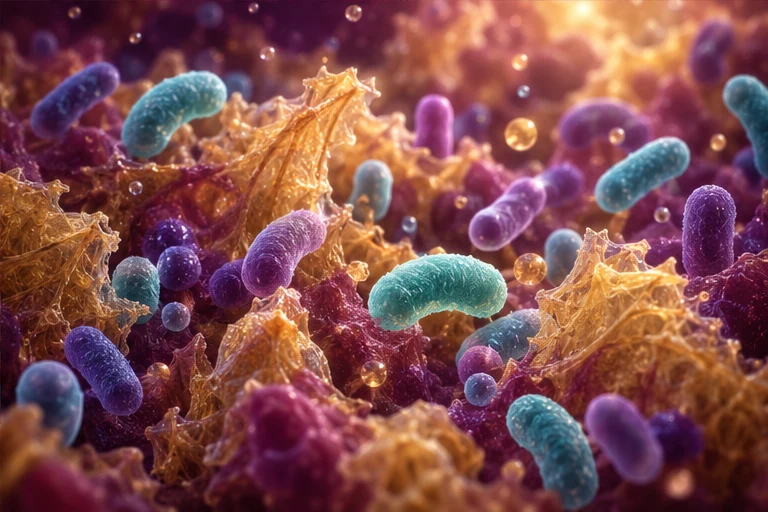
Pectin is a soluble fiber that gut microbes can ferment. Its chain structure influences how those microbes break it down.(3)
Pectin’s properties are familiar in everyday fruits and foods.
03 · Familiar fruits and textures
Pectin in Everyday Life.
Apples and citrus contain pectin naturally. In jams and jellies, its ability to form a gel creates a familiar texture.(1), (4)
Apples
A familiar fruit source of pectin
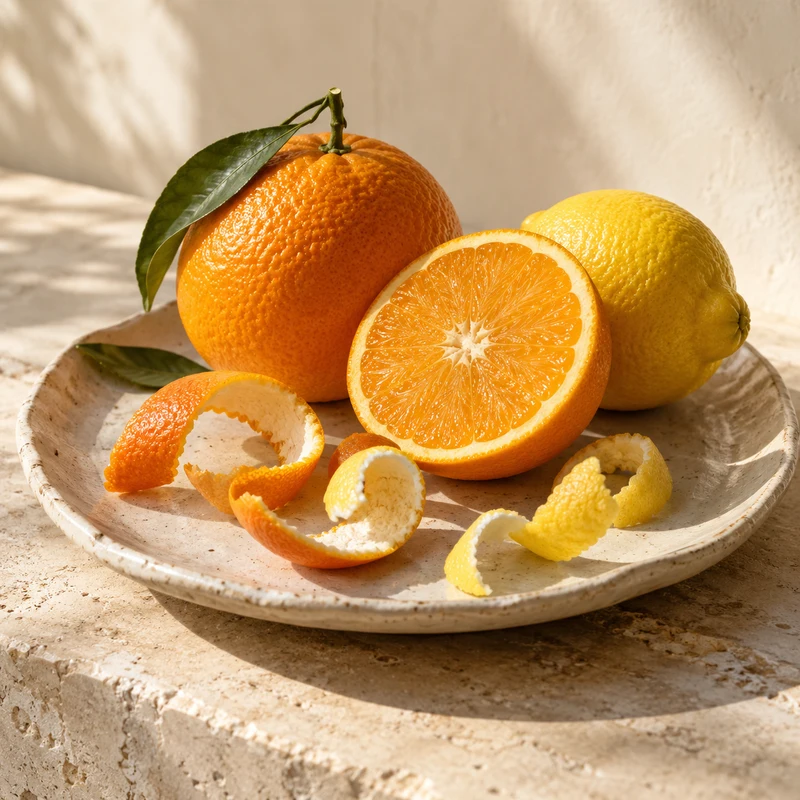
Citrus
Pectin is associated with fruit tissues, including peel
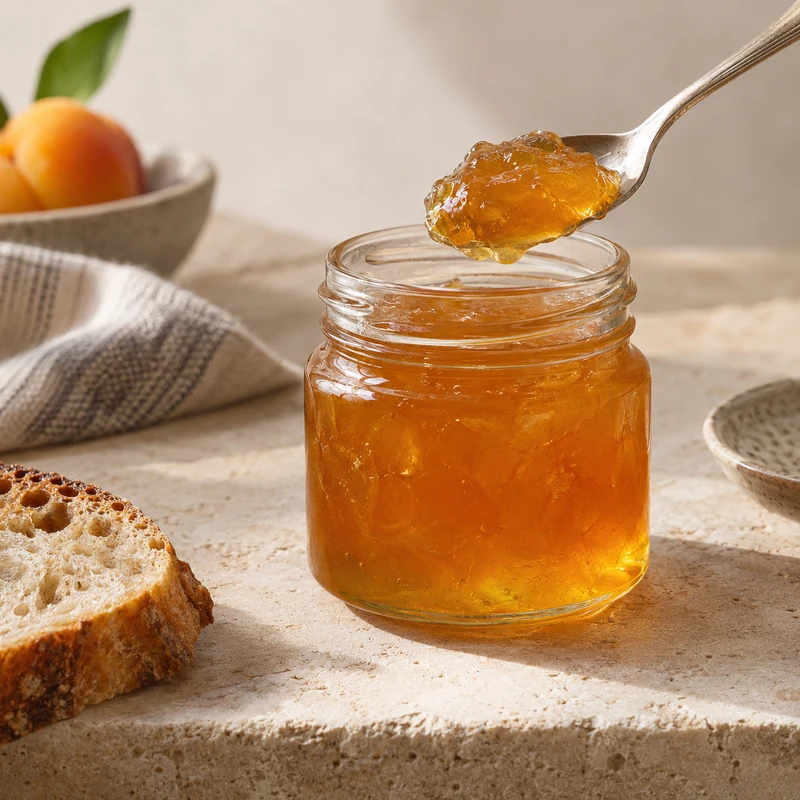
Jams & jellies
A familiar culinary use for gel formation
What gives mangosteen pericarp its firm texture?
04 · Why the pericarp matters
Inside the Pericarp’s Structure
Mangosteen pericarp contains cellulose, hemicellulose and pectin—different materials that together help form its firm cell-wall structure.(2)
Cellulose
One part of the fibrous material.
Hemicellulose
Another cell-wall component.
Pectin
Part of the same structural matrix.
To examine pectin on its own, researchers first extract it from the pericarp.
05 · Direct research on the pericarp
What Researchers Extracted from Mangosteen Pericarp
In a 2019 study, researchers used an acid-based method to extract pectin from dried Indonesian mangosteen pericarp. They then compared the extracted material with commercial pectin.(1)
About 1.16 grams of pectin recovered from every 100 grams of dried pericarp.
About 1.16 ± 0.17% under that method.(1)Galacturonic acid, a main building block of pectin, in the extracted material.
75.98 ± 0.88% in the pectin extract.(1)06 · Part of the wider fiber story
Beyond the
Small Intestine.
Pectin that is not broken down in the small intestine can reach the large intestine. There, microbes may ferment it, with the result depending on the pectin’s structure and preparation.(3)
07 · The whole-pericarp perspective
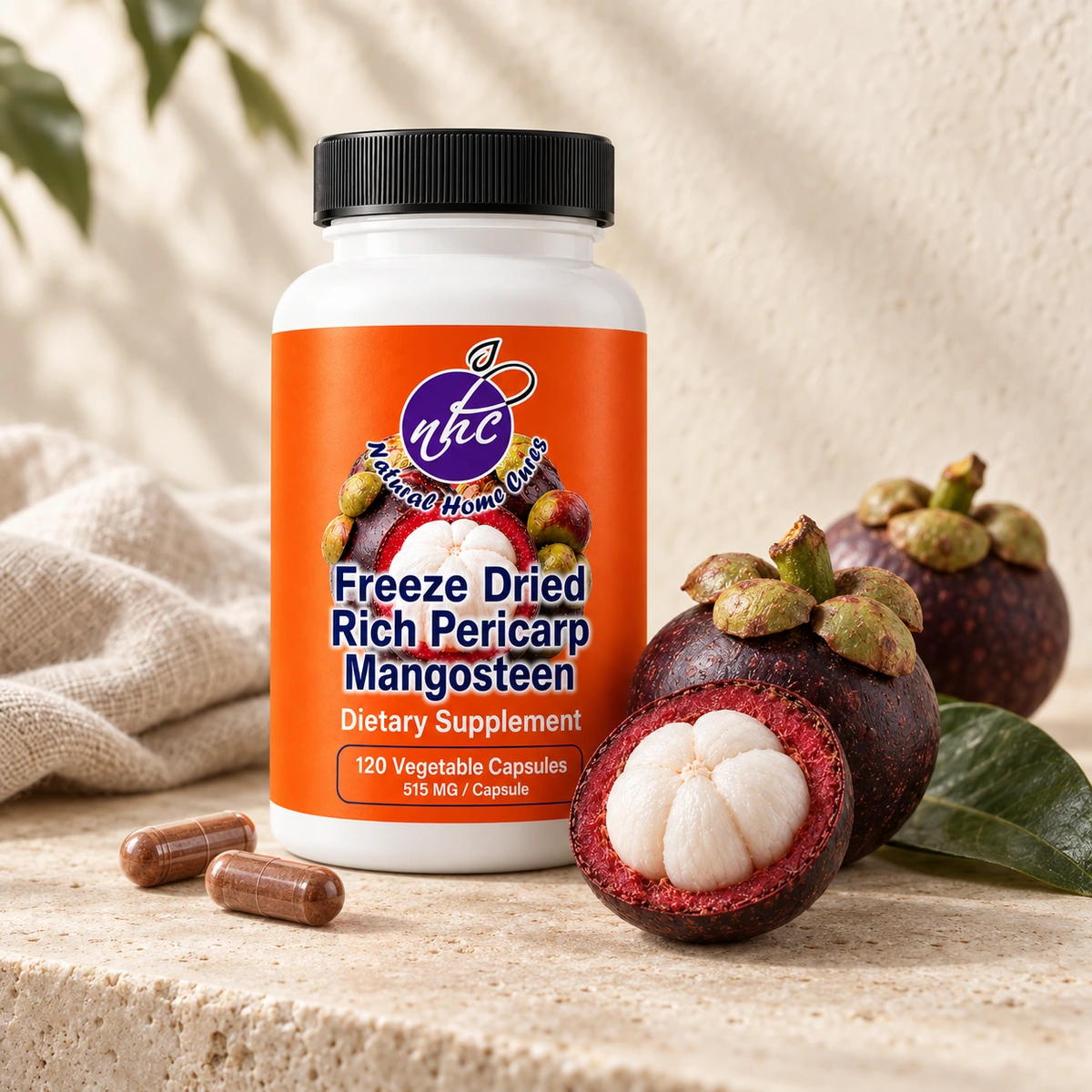
Whole Mangosteen Pericarp, Freeze-Dried
Our Freeze-Dried Rich Pericarp Mangosteen Capsules use the thick outer pericarp of Garcinia mangostana.
Pectin is part of the pericarp’s cell-wall material, alongside cellulose and other constituents. Our capsules use the whole pericarp rather than an isolated pectin extract.(1), (2)
Explore our mangosteen →The research behind this articleSource References
- 01Research referenceCharacterization and antioxidant activity of pectin from Indonesian mangosteen rind. Heliyon 5:e02299.View source
- 02View source
- 03Systematic reviewThe Potential of Pectins to Modulate the Human Gut Microbiota Evaluated by In Vitro Fermentation: A Systematic ReviewView source
- 04Research referenceDiet and Health: Implications for Reducing Chronic Disease Risk. Chapter: Dietary Fiber.View source
- 05Nutrition researchEFSA (2010): Pectins and reduction of post-prandial glycaemic responses and maintenance of normal blood cholesterol concentrationsView source ↗
- 06Nutrition researchBrouns et al. (2012): Cholesterol-lowering properties of different pectin types in mildly hyper-cholesterolemic men and womenView source ↗