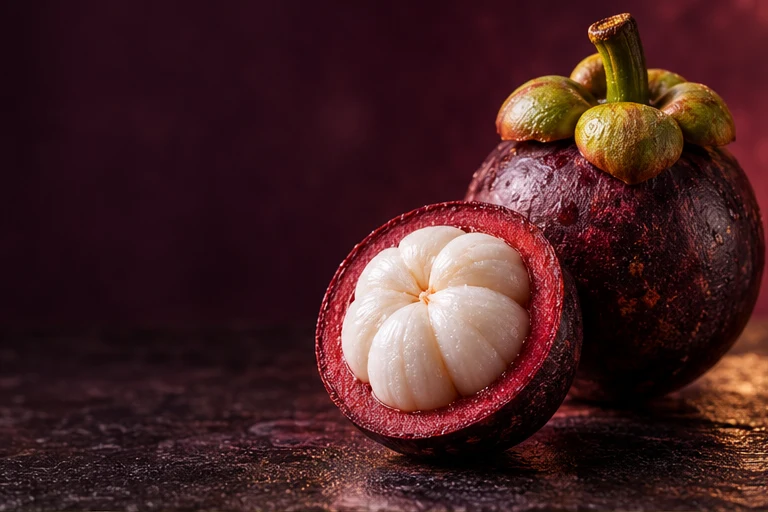
Natural Home Cures · Mangosteen science
Zinc
& Mangosteen
A trace mineral.
Many roles in living systems.
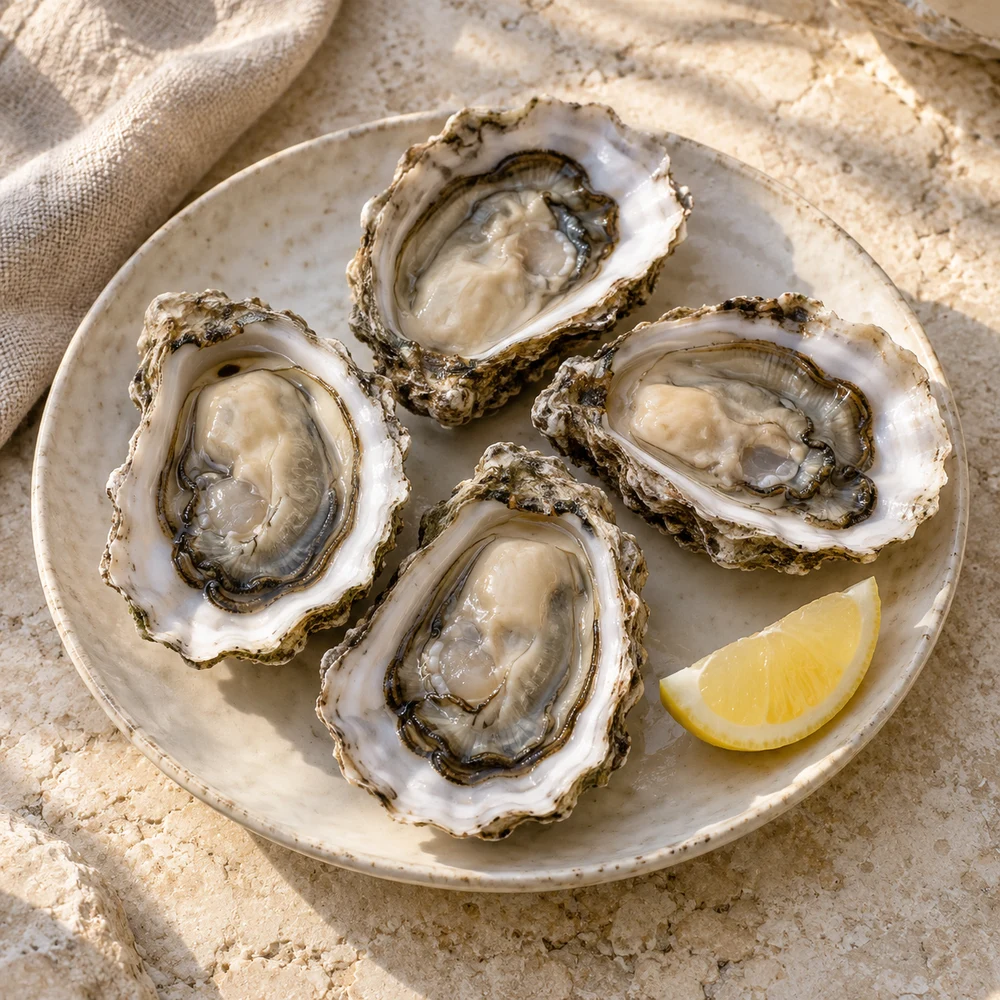
A mineral worth knowing.Oysters are a dietary zinc source. Mangosteen measurements tell a different research story.
Zinc helps enzymes work, supports cell division and contributes to normal immune function. We explore those roles, food sources and research measuring zinc directly in mangosteen pericarp.
An essential trace mineral.
01 · Begin with the essentials
Why the Body Needs Zinc
Zinc is a trace mineral used by hundreds of enzymes. The body also needs it to make DNA and proteins, divide cells and support normal immune function and wound healing.(1)
02 · Versatility at the cellular level
How Zinc Helps Cells Work
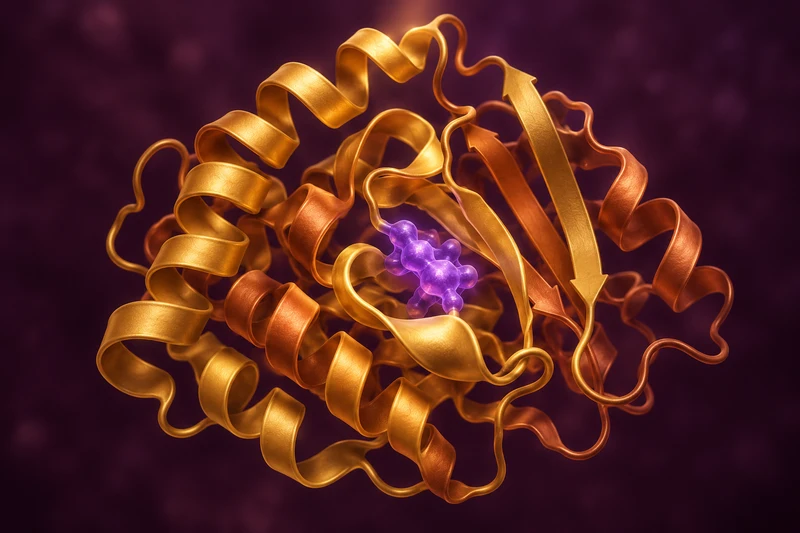
Enzymes and proteins.
Zinc helps enzymes carry out chemical reactions. It also helps some proteins keep the shape they need to function.(1)
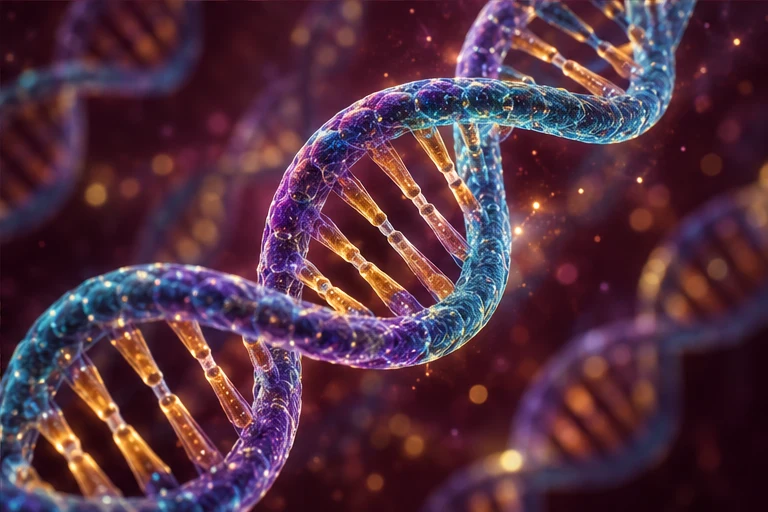
DNA and cell division.
Making a new cell requires genetic material and proteins. Zinc participates in the reactions that produce them and allow cells to divide.(1)
03 · A less familiar connection
Why Zinc Deficiency Can Affect the Senses
A significant zinc deficiency can alter taste and smell. These senses rely on specialized cells and proteins whose normal function depends on adequate nutrition.(1)
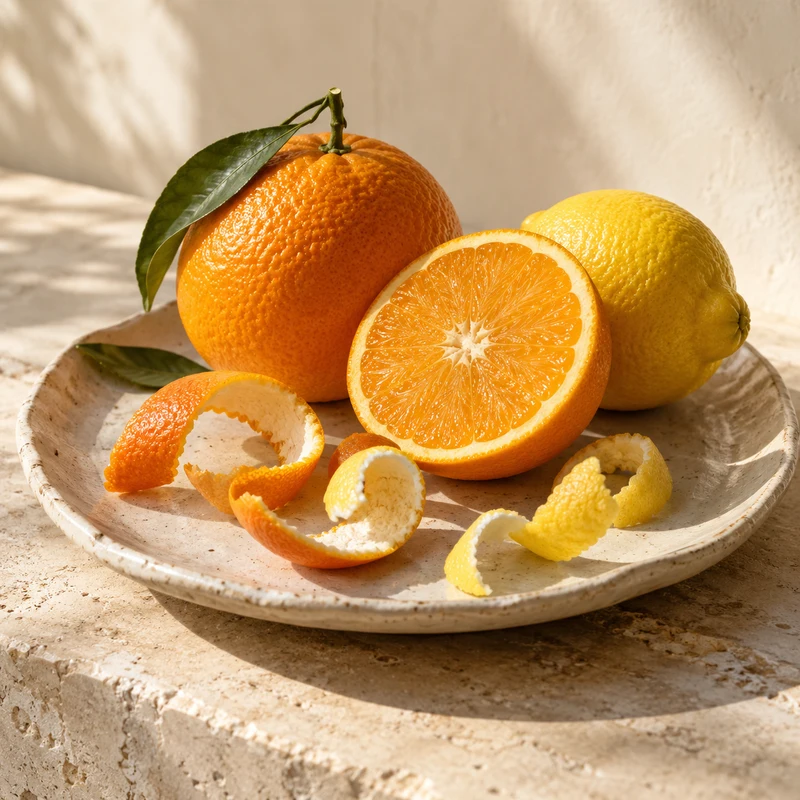
Citrus illustrates the sensory connection; it is not presented as a rich zinc source.
Which foods provide zinc?
04 · Zinc across the diet
Familiar Foods.
Different Dietary Sources.
Seafood and several plant foods contain zinc. The amount absorbed differs across foods and diets.(1)
Oysters
A seafood source of zinc
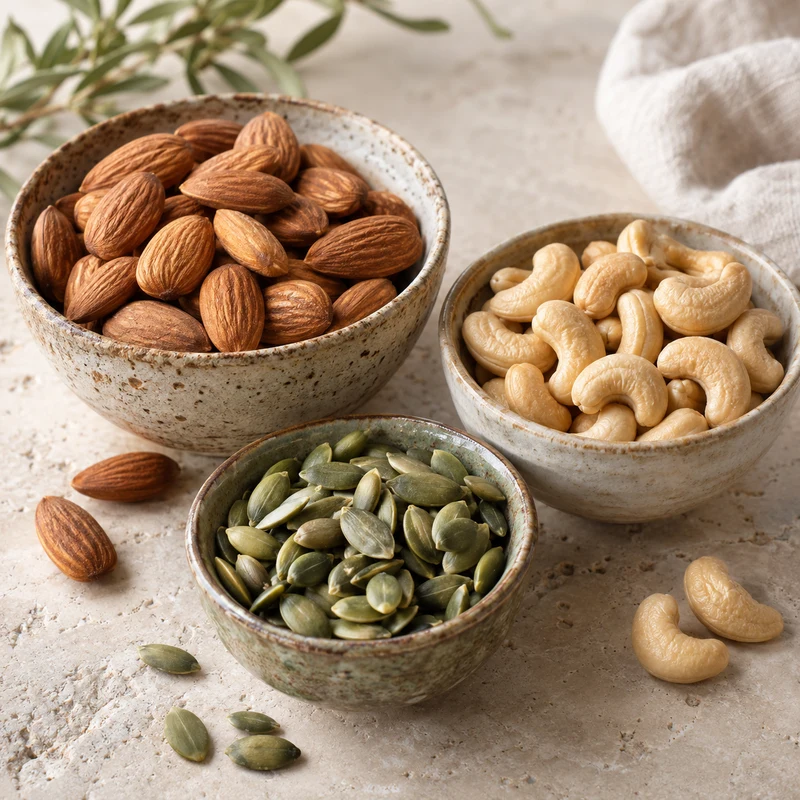
Nuts & seeds
Pumpkin seeds and other varieties
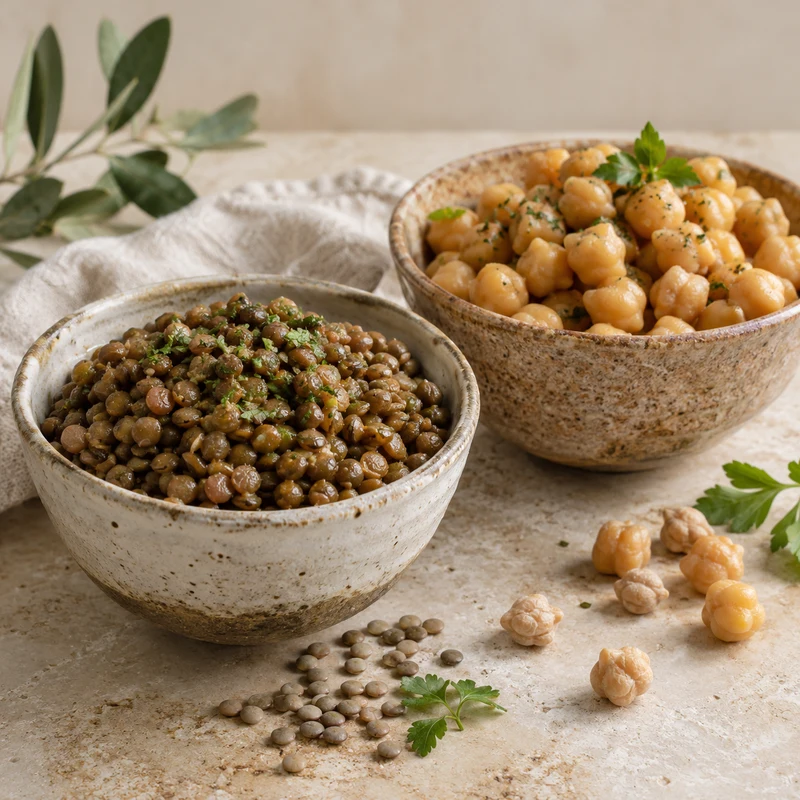
Legumes
Lentils and beans
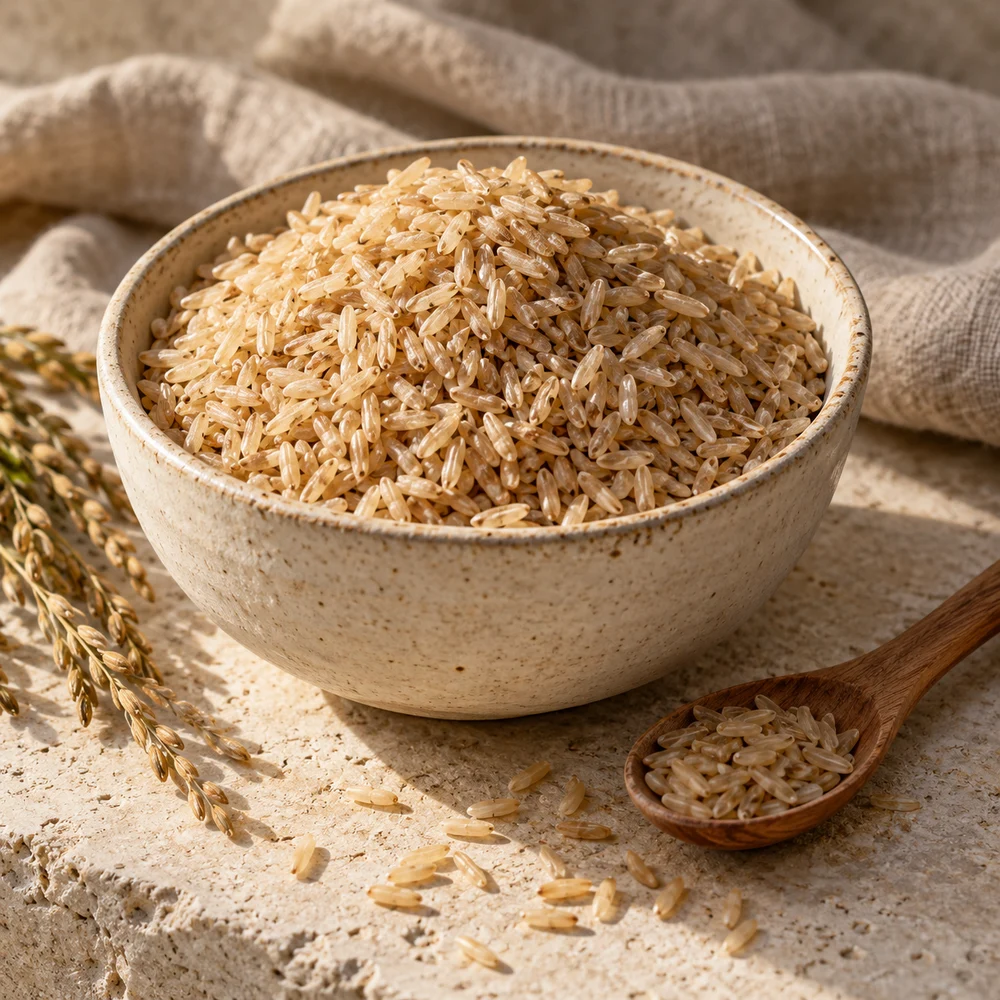
Whole grains
Brown rice and whole-wheat foods
Phytates in plant foods can reduce zinc absorption. Food zinc content and the amount absorbed are different questions.(1)
Plants also need zinc for growth and normal enzyme activity.
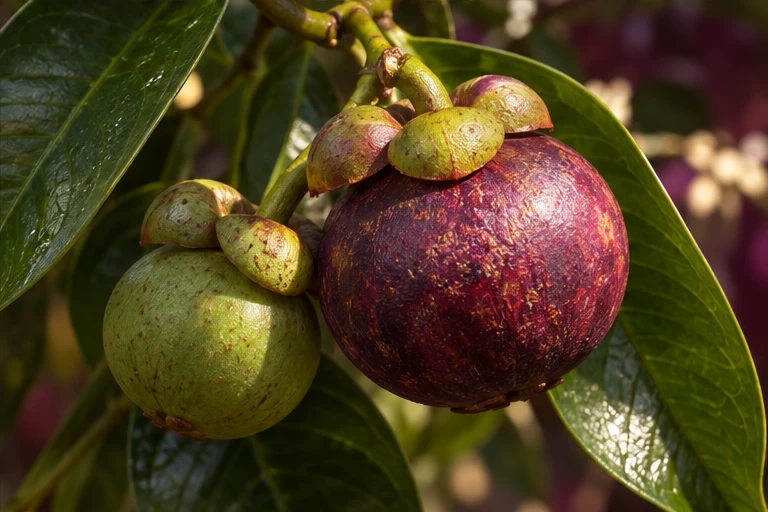
05 · Before the fruit is harvested
The Living Plant
Needs Zinc, Too.
Plants need zinc as a micronutrient for normal growth and the activity of many enzymes and proteins.(3)
General plant biology helps explain the mineral’s place in a living tree.
Researchers have measured zinc directly in mangosteen pericarp.
06 · Pericarp research
2.9mg per 100 g dry matterZinc measured in mangosteen pericarp: 2.9 ± 0.2 mg per 100 g dry matter.(2)A closer look at the pericarp
Zinc Measured in Mangosteen Pericarp
A 2026 study by Wilcaso and colleagues analyzed mangosteen leaves, pericarp, seeds and pulp separately. The pericarp contained 2.9 ± 0.2 milligrams of zinc per 100 grams of dry matter.(2)
Pericarp analyzed separately
The measurement comes from the outer pericarp, analyzed separately from the pulp.
Dry-matter basis
The result is expressed per 100 grams of dry matter.
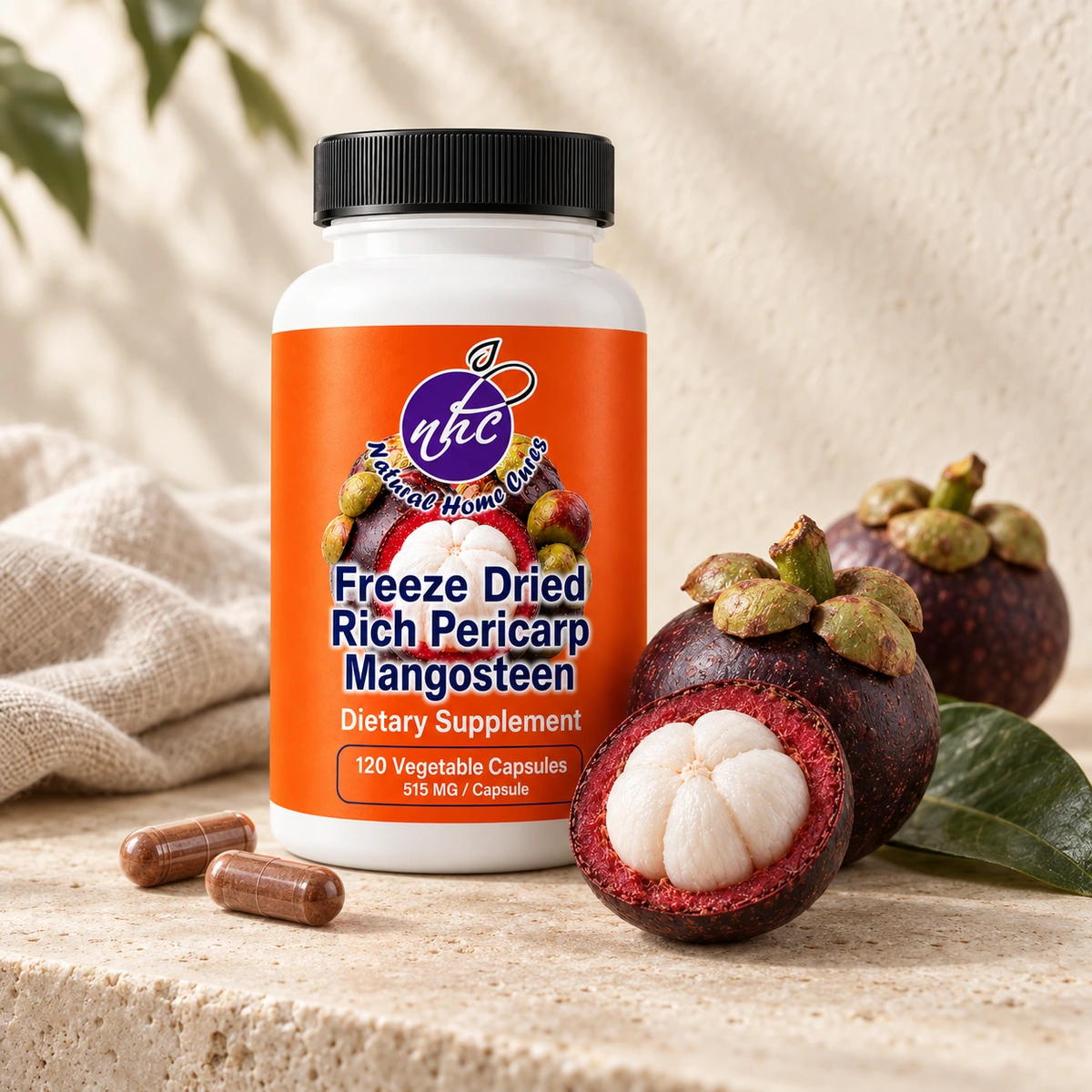
07 · The whole-pericarp perspective
Whole Mangosteen Pericarp, Freeze-Dried
Our Freeze-Dried Rich Pericarp Mangosteen Capsules begin with the thick outer pericarp of Garcinia mangostana.
After harvest, our pericarp is freeze-dried and prepared for capsules. It is used as a whole ingredient containing a mixture of minerals and plant compounds.
Explore our mangosteen →The research behind this articleSource References
- 01Nutrition referenceZincView source ↗
Full citation
National Institutes of Health, Office of Dietary Supplements. “Zinc — Fact Sheet for Health Professionals.”
- 02Pericarp composition studyNutritional and Functional Potential of Mangosteen By-productsView source ↗
Full citation
Wilcaso P, Landázuri AC, Castelló ML, Ortolá MD. “Nutritional and Functional Potential of Mangosteen (Garcinia mangostana L.) By-products: Compositional, Color and Antioxidant Analysis of Leaves, Pericarp, Seeds and Pulp.” Plant Foods for Human Nutrition. 2026;81:127. Table 2: mineral composition in mg/100 g dry matter. doi:10.1007/s11130-026-01575-0.
- 03Plant nutrition reviewZinc in PlantsView source ↗
Full citation
Broadley MR, White PJ, Hammond JP, Zelko I, Lux A. “Zinc in Plants.” New Phytologist. 2007;173(4):677–702.