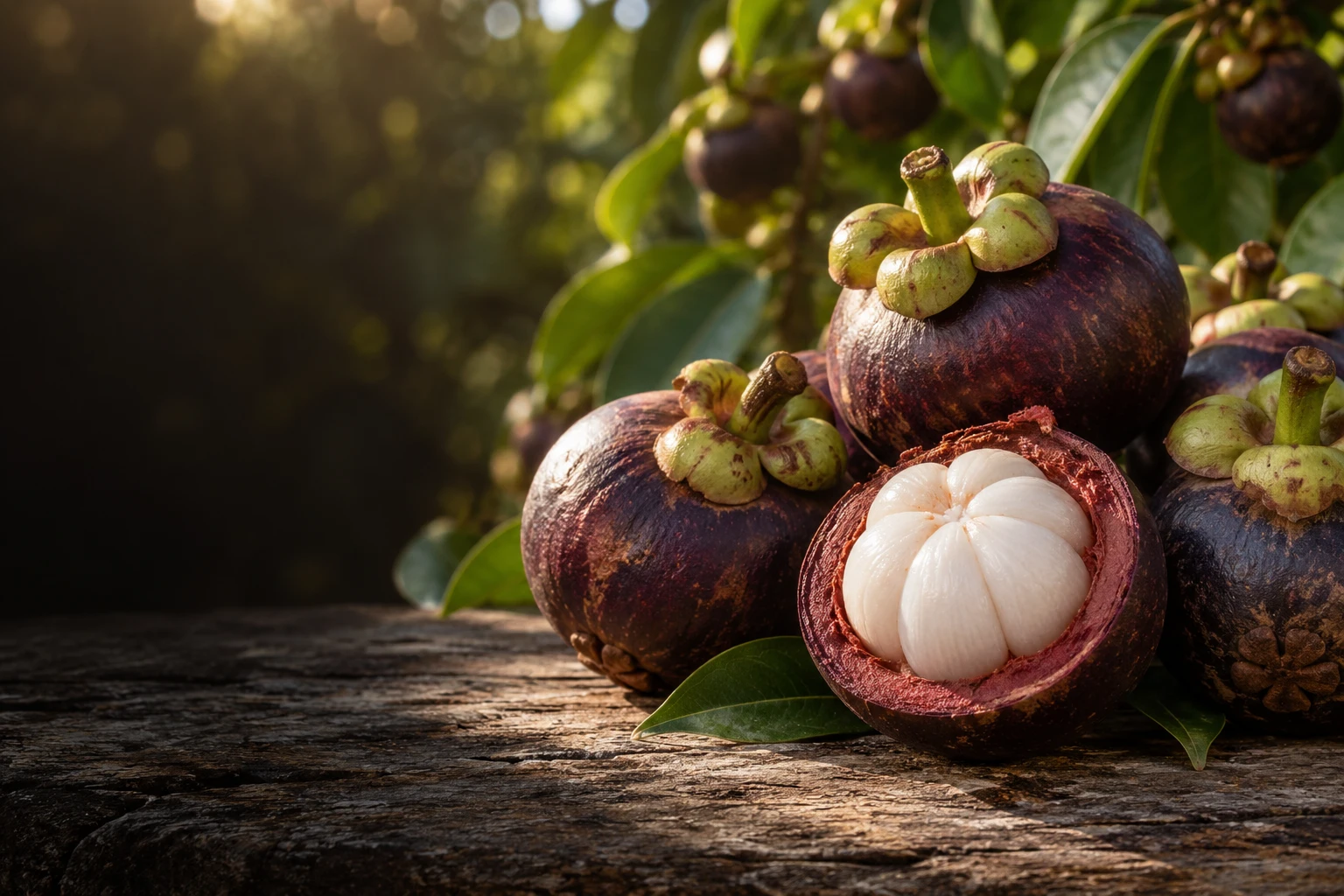
Natural Home Cures · Mangosteen science
Phosphorus
& Mangosteen
Phosphorus: Building Bones
and Helping Cells Use Energy
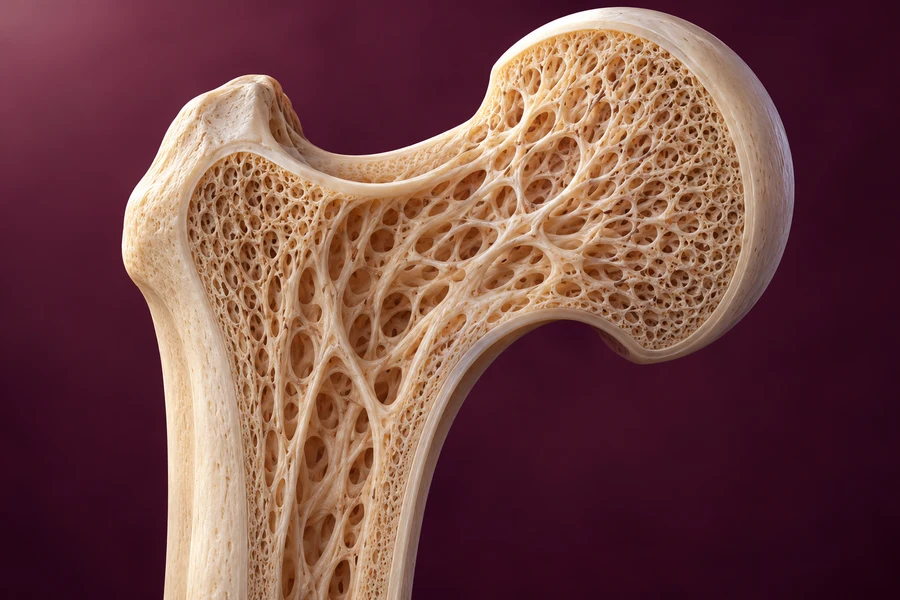
Phosphorus helps give bones strength, forms part of genetic material and helps cells transfer energy. It is also needed by plants. Here we explain these roles and research on mangosteen pericarp, the thick outer rind.
is in bones and teeth.(1)
01 · Begin with the essentials
Where the Body Uses Phosphorus
Much of the body’s phosphorus is in bones and teeth, where it combines with calcium. The remainder is used throughout blood and soft tissues in many kinds of molecules.(1)
02 · What does phosphorus do?
Phosphorus Helps Build
Bones and Cells
Bones and teeth.
Calcium and phosphorus combine in hydroxyapatite, the hard mineral that gives bones and tooth enamel strength.(1)
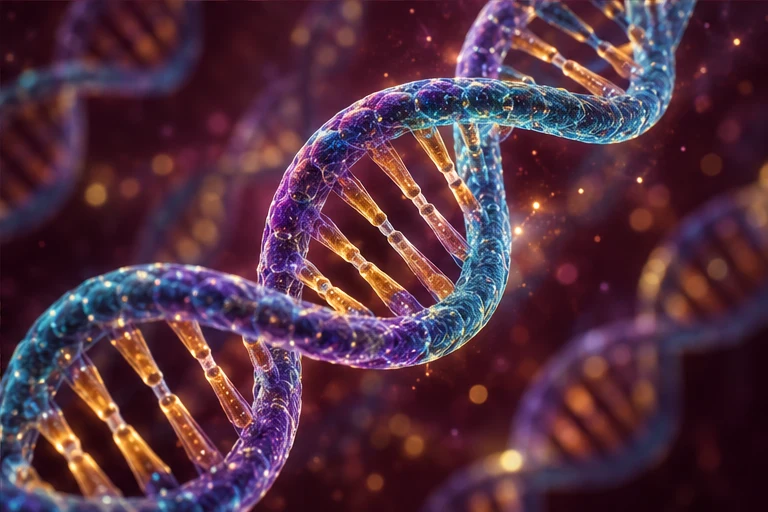
DNA and RNA.
DNA and RNA carry and use genetic instructions. Phosphate groups help link their building blocks into long chains.(1)
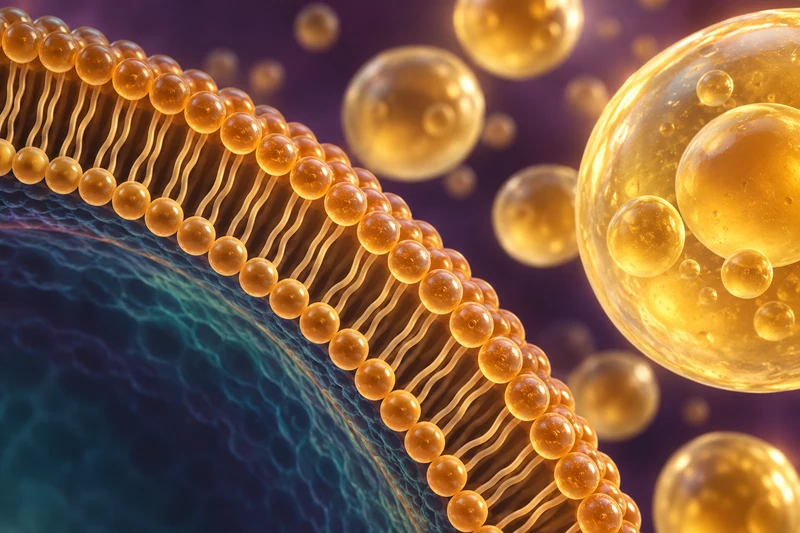
Cell membranes.
Phosphorus-containing fats called phospholipids help form the membranes surrounding cells.(1)
03 · The energy-transfer connection
ATP.
Three Phosphate Groups.
ATP, short for adenosine triphosphate, is a small energy carrier that cells continually make and use. Its phosphate groups are part of the reactions that transfer energy for cellular work.(1)
Phosphorus is available in many everyday foods.
04 · A mineral across the diet
Everyday Phosphorus Sources.
Dairy, fish, legumes and nuts are among the many foods that contain phosphorus.(1)
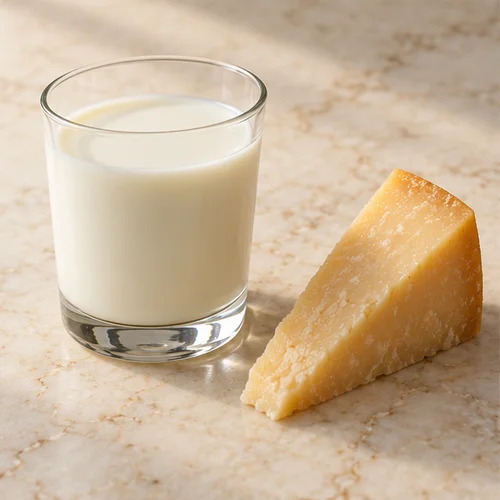
Dairy
Milk, cheese and yogurt
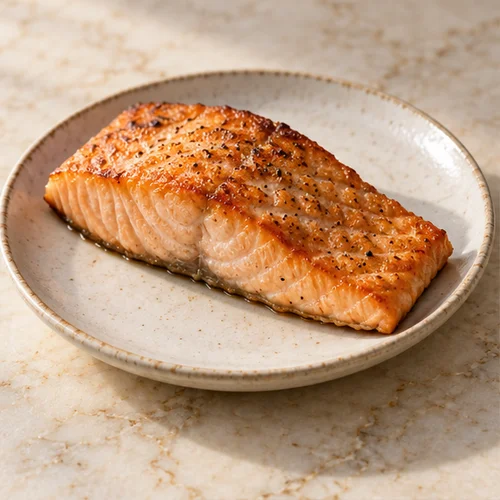
Fish
Salmon and other fish
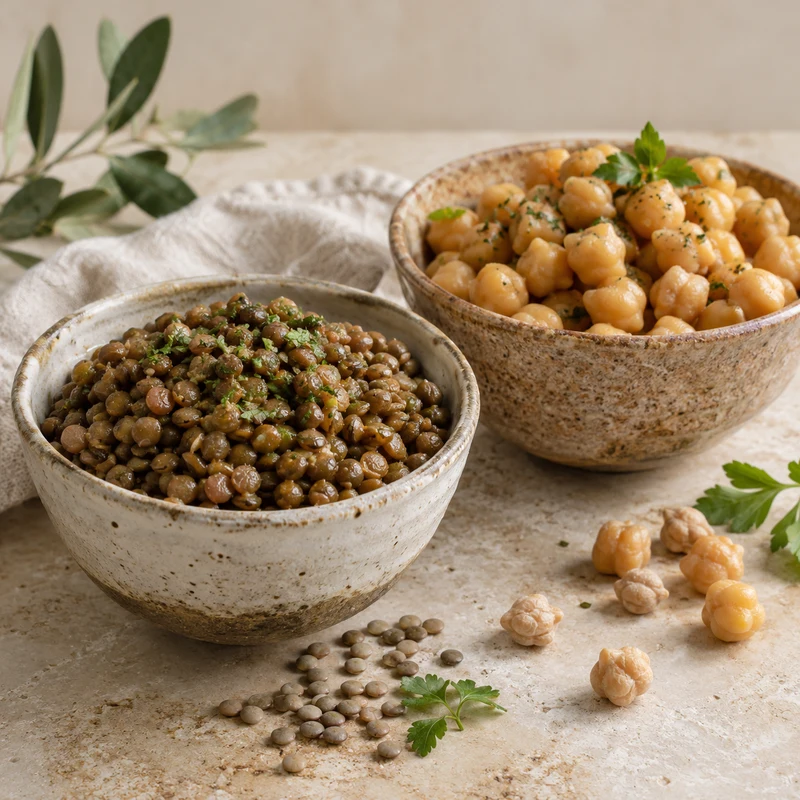
Legumes
Lentils and beans
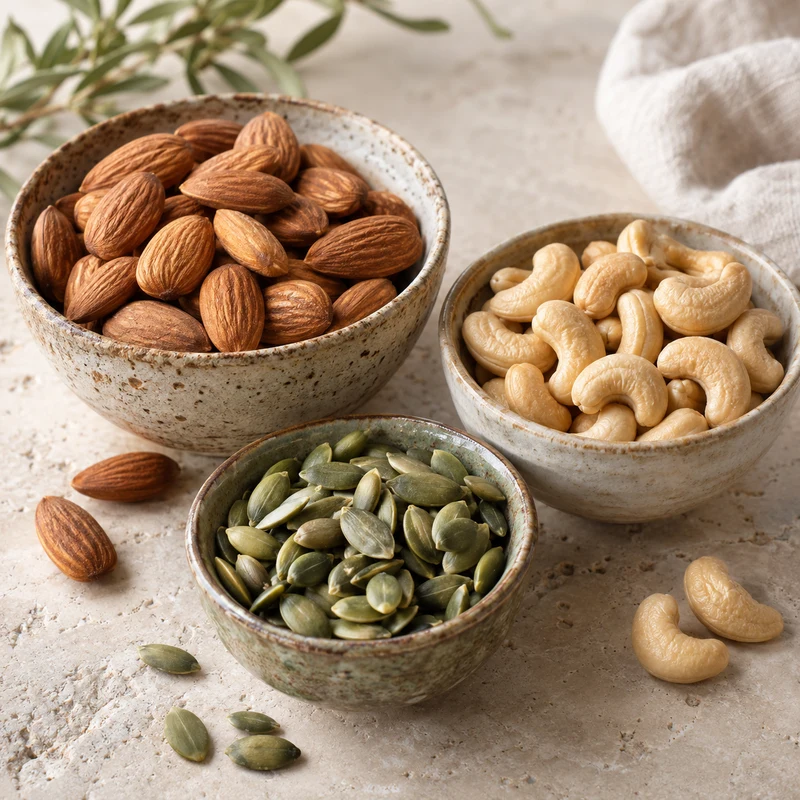
Nuts & seeds
Cashews and other varieties
The amount absorbed varies with the food and the chemical form of phosphorus.(1)
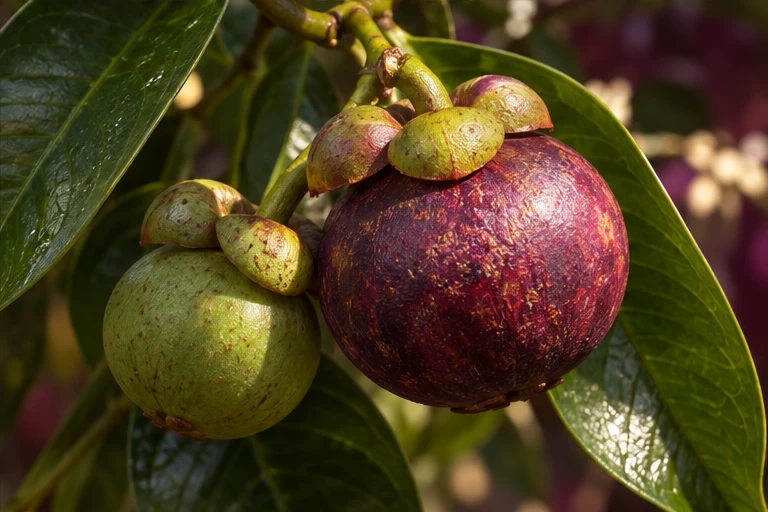
Plants also use phosphorus to build cells and transfer energy.
05 · Before the fruit is harvested
The Tree Needs
Phosphorus, Too.
Plants take up phosphorus from soil mainly as phosphate. They use it in energy transfer, nucleic acids and membranes.(2)
Researchers have also measured phosphorus in mangosteen pericarp.
06 · Direct research on the pericarp
Phosphorus Measured in Mangosteen Pericarp
What the researchers measured
Researchers compared several Indian Garcinia species. For the mineral analysis, they dried and finely powdered the fruit pericarp. They reported 7.45 milligrams of phosphorus per kilogram for Garcinia mangostana.(3)

07 · From fruit to product
Whole Mangosteen Pericarp, Freeze-Dried
Our Freeze-Dried Rich Pericarp Mangosteen Capsules begin with the whole pericarp of Garcinia mangostana.
After harvest, the pericarp is freeze-dried and prepared for capsules. It remains a whole botanical ingredient with a mixture of naturally occurring constituents.
Explore our mangosteen →The research behind this articleSource References
- 01Nutrition referencePhosphorus: Fact Sheet for Health Professionals.View source
- 02Research referencePhosphorus Acquisition and Use: Critical Adaptations by Plants for Securing a Nonrenewable ResourceView source
- 03View source