Natural Home Cures · Mangosteen science
Alpha & Gamma
Mangosteen Xanthones
Meet two prominent plant compounds in mangosteen’s thick outer pericarp.
Understanding the research behind mangosteen, one study and one health question at a time.
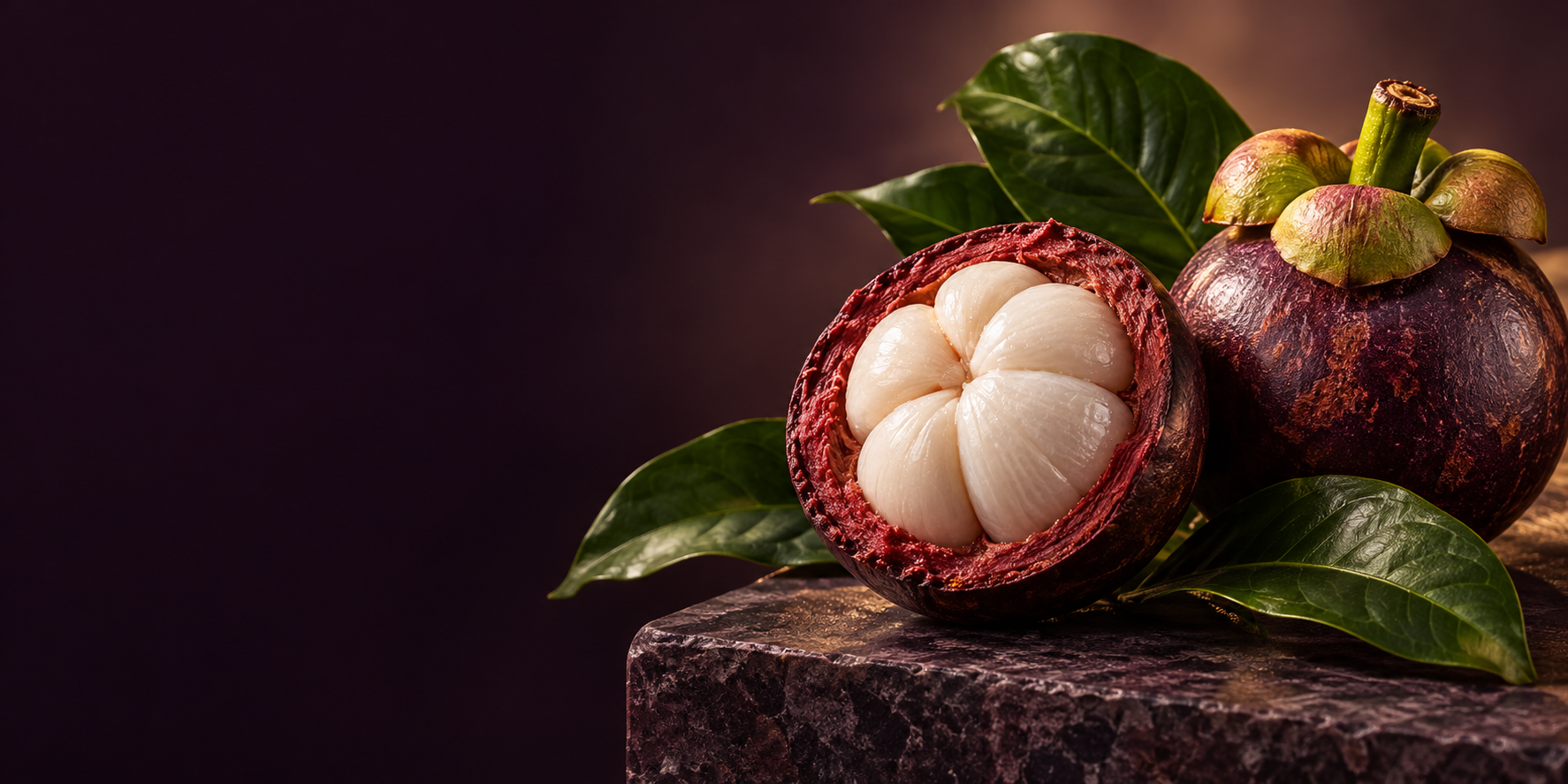
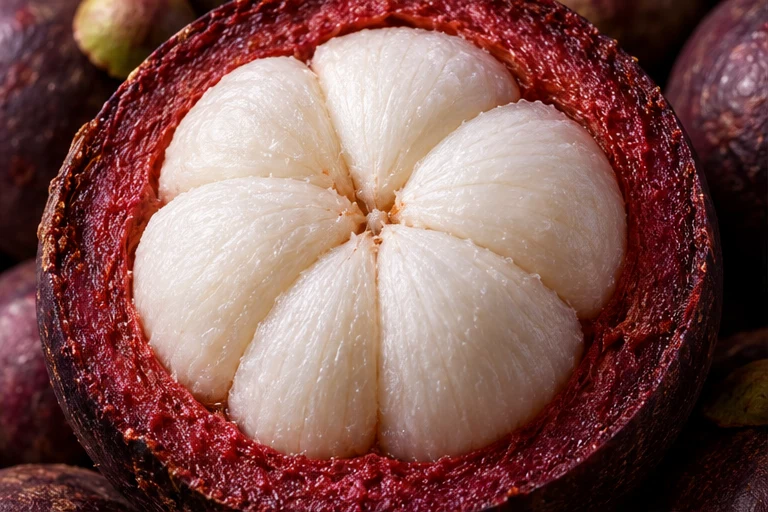
Mangosteen’s thick outer pericarp contains a group of naturally occurring plant compounds called xanthones. Two of the most widely studied are alpha-mangostin and gamma-mangostin.
Their names sound technical, but the questions scientists ask about them are familiar: Can they influence inflammation? How do they affect cells exposed to oxidative stress? Could their biological activity help researchers develop new approaches to particular health conditions?
Alpha and gamma have closely related chemical structures, yet small differences between them can change how they behave. Researchers therefore study them separately as well as together. Experiments involving cancer cells, for example, have found differences in how individual mangosteen xanthones affect cell growth.
The research includes experiments with isolated compounds, animal studies and a number of trials involving mangosteen preparations in people. Understanding these different approaches helps explain both the promise of the findings and the questions that remain.(1)
01 · Compare the compounds
What Makes Alpha and Gamma Different?
Alpha-mangostin
The most studied mangosteen xanthone.
A methoxy group at the compared position.(1)
Gamma-mangostin
A close relative with a different attached group.
A hydroxyl group at that same position.(1)
Shared Framework
One group changes. That difference helps explain why researchers examine each compound separately.
Both are prenylated xanthones.(1)
The group comparison is simplified; it is not a complete molecular structure.
Chapter 01 / Inflammation & metabolic health
Following the body’s chemical messages.
Begin with the signals that help sustain inflammation, then follow the research into blood markers and insulin response.
01 / Laboratory · human fat cells
Turning down inflammatory messages
Alpha & gammaInflammation involves a network of chemical messages. Researchers studying mangosteen want to understand whether alpha and gamma can influence some of those messages.
In a 2009 study, scientists grew human fat cells in a laboratory and exposed them to a substance that triggers inflammation. They then examined what happened when alpha- or gamma-mangostin was present.
Both compounds reduced the activation of several inflammatory genes. These included genes involved in producing chemical messengers that attract immune cells and help maintain an inflammatory response.
Gamma was more effective than alpha at equal concentrations in that experiment. Gamma also affected an additional signaling pathway called NF-κB, which helps control the activity of numerous inflammation-related genes.
In everyday language, the compounds influenced some of the instructions telling the cells to continue their inflammatory response. This provides a biological explanation for researchers’ interest in mangosteen, although the experiment itself did not measure pain relief or improvement in arthritis.(4)
A closer look at the experiment
Following the inflammatory message.
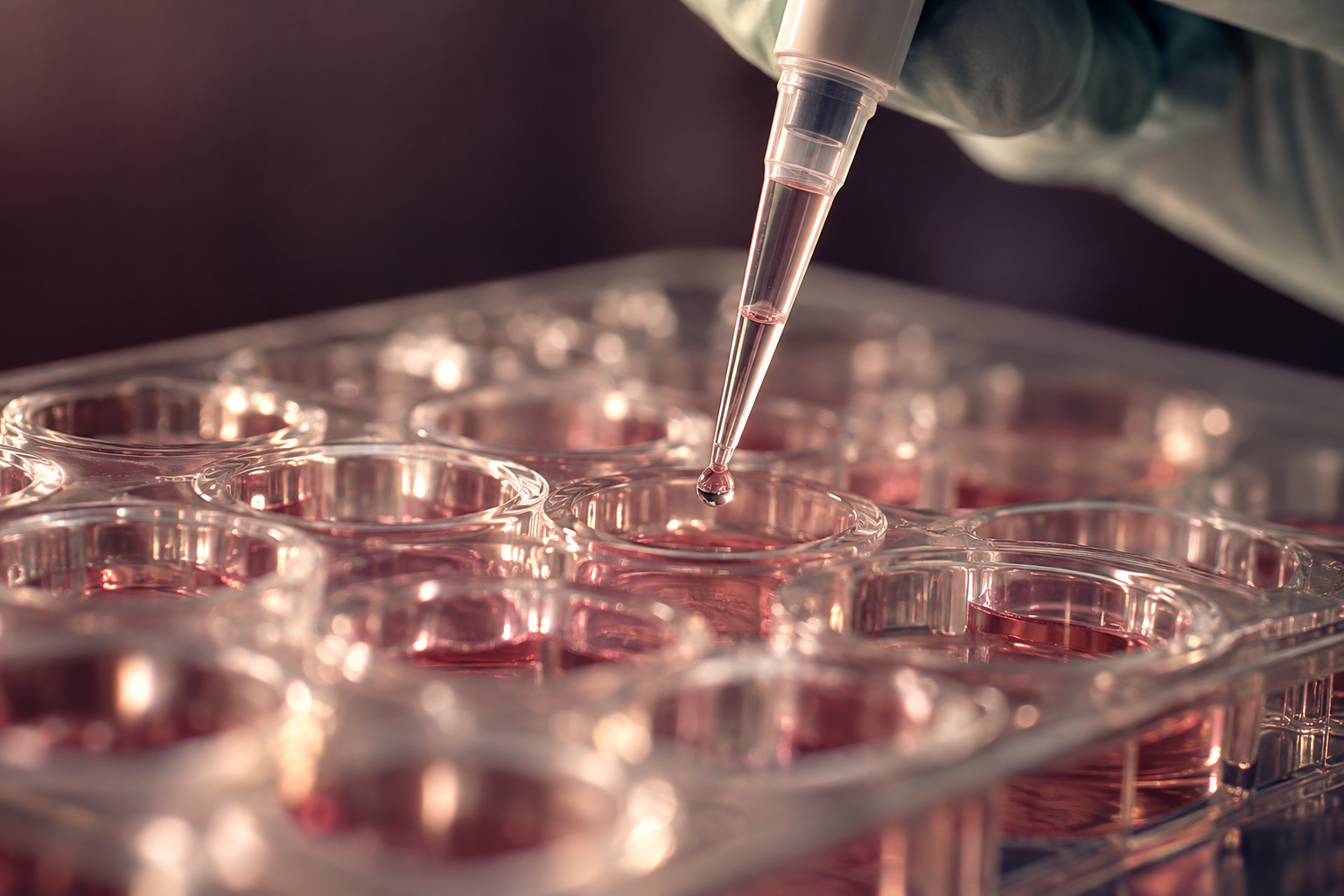
Researchers added LPS, a substance used to stimulate an inflammatory response.
Alpha or gamma was introduced, allowing each compound’s effects to be compared.
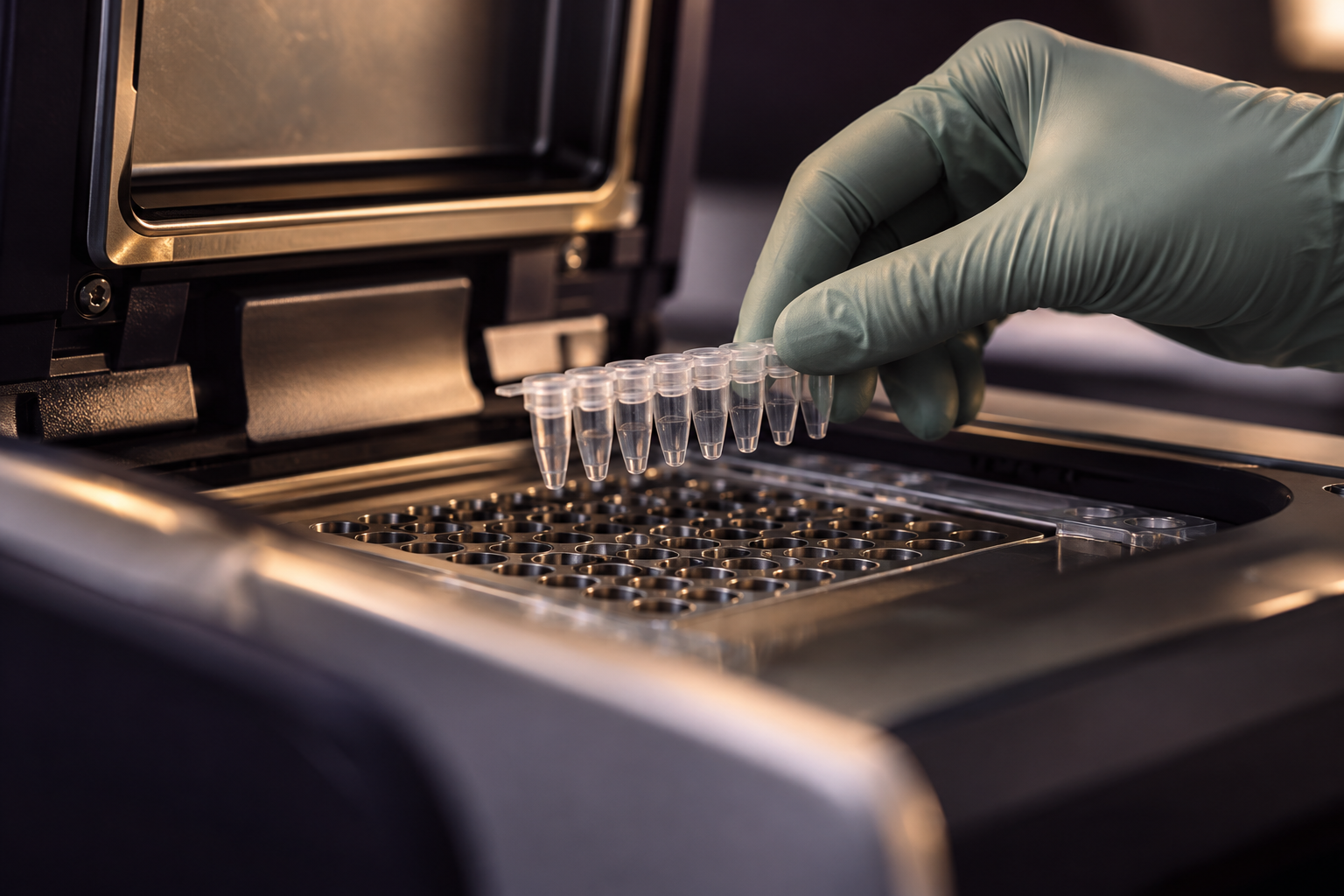
Both compounds reduced several responses; gamma had stronger effects at equal concentrations.
02 / Laboratory · rat-derived cells
Gamma and the COX-2 pathway
Purified gammaAnother line of research focuses on COX-2, an enzyme involved in making prostaglandins—chemical messengers associated with inflammatory responses.
In a 2004 experiment using rat-derived cells, scientists investigated how gamma-mangostin affected COX-2 production. Gamma reduced the cells’ production of COX-2 and reduced the release of a prostaglandin called PGE₂.
The scientists also examined the signaling steps leading to these changes. Their findings suggested that gamma acted upstream, influencing part of the process that switches on inflammation-related genes.
This matters because it gives researchers a more specific explanation than simply saying a compound is “anti-inflammatory.” It identifies a pathway that can be investigated further.(6)
03 / Human pilot trial · 8 weeks
Inflammation markers in people
Juice blendA 2009 clinical trial examined a different question: could a mangosteen-containing juice blend affect blood markers of inflammation?
Forty participants completed the eight-week study. They received either a placebo or one of three amounts of a proprietary mangosteen juice blend.
The main measurement was C-reactive protein, usually shortened to CRP. CRP is a blood marker used to assess inflammation; it is not itself a measurement of pain or joint function.
The group drinking the highest amount of the juice blend had a more favorable change in CRP than the placebo group. Other measured inflammatory markers did not significantly differ from placebo.(7)
04 / Human pilot trial · 26 weeks
Insulin response and blood sugar
Mangosteen extractThe relationship between mangosteen and metabolic health has also been investigated in people.
A 2018 pilot study enrolled women with obesity and insulin resistance. Insulin resistance means the body does not respond as effectively to insulin, the hormone that helps regulate blood glucose.
Participants received lifestyle intervention either alone or alongside mangosteen extract over 26 weeks.
The researchers found a greater improvement in an estimate of insulin resistance called HOMA-IR in the mangosteen group. The reported reduction was approximately 53%, compared with approximately 15% in the lifestyle-only group.(8)
Chapter 02 / Oxidative stress & organ systems
From a chemical reaction to a health question.
The next studies explore LDL oxidation, airway responses and nerve-tissue preparations. Each experiment focuses on a different part of the biological picture.
05 / Laboratory · isolated human LDL
What happens to LDL under oxidative stress?
Isolated mangostinOne area of mangosteen research concerns what happens to LDL when it is exposed to oxidative damage.
LDL carries cholesterol in the blood. Researchers have investigated whether mangostin can influence the oxidation of LDL—a chemical change relevant to the study of atherosclerosis.
In a 1995 experiment, scientists isolated human LDL and exposed it to conditions that promote oxidation. Adding mangostin delayed the beginning of oxidation in a concentration-dependent manner: the response changed with the amount used. Some other measurements also suggested reduced oxidative damage.(9)
Conceptual LDL particle
Isolated sample
The cardiovascular research question
Oxidation is a chemical change.
Scientists isolated LDL and exposed it to conditions that promote oxidation. They then examined how mangostin changed the response.
This was an antioxidant-mechanism experiment. It did not measure a reduction in a person’s cholesterol.
06 / Animal study · mouse model
Inside an allergic-airway model
Purified alpha & gammaResearchers have also studied alpha and gamma in an experimental model of allergic asthma.
In a 2012 study, mice were exposed to ovalbumin, an egg protein used to trigger an allergic airway response. The animals received purified alpha- or gamma-mangostin before the challenge.
Both compounds reduced several features of the response. These included the movement of inflammatory cells into the airways, levels of certain allergy-related chemical messengers and excessive airway responsiveness.
Airway responsiveness describes how readily the airways react to a stimulus. In this experiment, the researchers were examining several parts of the allergic response rather than a single laboratory marker.
These results support further investigation into how mangosteen xanthones interact with airway inflammation.(10)
07 / Laboratory · rat brain preparations
Nerve tissue under oxidative stress
Alpha-mangostinAnother research question concerns how nerve tissue responds to damaging chemical conditions.
In a 2009 study, researchers used preparations made from rat brain tissue. They exposed these preparations to substances that produce oxidative damage or interfere with normal cellular processes, then examined the effects of alpha-mangostin.
Alpha reduced damage to lipids—the fats that form important parts of cell membranes. It also helped preserve a measure of mitochondrial function under the experimental conditions.
Mitochondria are structures involved in supplying cells with usable energy. Examining them helps researchers understand whether a compound influences more than one aspect of a cell’s response to stress.(11)
Chapter 03 / Microbes, cell biology & oral health
New questions. Different experimental tools.
Researchers also examine bacteria, viral enzymes and cell division. A human dental trial then shows how the preparation and where it is applied shape the question being tested.
08 / Laboratory · bacterial cultures
Testing resistant bacteria
Alpha-mangostinSome experiments investigate whether alpha-mangostin can inhibit bacteria that are difficult to treat with existing antibiotics.
A 2005 study tested alpha against vancomycin-resistant enterococci, known as VRE, and methicillin-resistant Staphylococcus aureus, known as MRSA.
Alpha inhibited bacterial growth under laboratory conditions. Researchers also tested combinations with antibiotics and found that certain combinations produced enhanced antibacterial activity.
This type of work can help scientists identify compounds worth exploring in drug development. A substance might be investigated on its own or as a starting point for approaches that improve another treatment’s activity.(12)
09 / Laboratory · modified compounds
Changing the molecule
Alpha-mangostin analogsResearch involving tuberculosis illustrates another way natural compounds can be useful to scientists.
In a study published in 2013, researchers prepared chemically modified versions of alpha-mangostin. These related compounds are called analogs.
They tested the analogs against tuberculosis bacteria in the laboratory. Some modifications increased antibacterial activity compared with the original alpha-mangostin molecule. One modified compound also showed activity against multidrug-resistant strains.(13)
10 / Laboratory · enzyme assay
Examining a viral enzyme
Mangostin & gammaAn early study published in 1996 investigated mangosteen compounds against HIV-1 protease.
Protease is an enzyme—a biological tool that carries out a particular chemical task. HIV-1 protease is involved in processing viral proteins.
Researchers separated compounds from a mangosteen extract and identified mangostin and gamma-mangostin as inhibitors of the enzyme in a laboratory assay.
This helps explain why the paper appears in discussions of mangosteen’s biological activity: it identified a specific interaction with a viral enzyme.
However, enzyme inhibition is an early research step. It does not demonstrate that consuming mangosteen suppresses HIV in the body or provides an effective treatment. Such findings belong in a discussion of experimental mechanisms, with the exact target clearly explained.(14)
11 / Laboratory · cancer cell lines
When cancer cells stop dividing
Individual xanthonesCancer research involving mangosteen xanthones often examines two questions: can a compound slow the multiplication of cancer cells, and can it trigger their programmed cell-death process?
That process is called apoptosis. Rather than simply bursting or breaking down, a cell activates an organized sequence that leads to its destruction.
In a 2003 study, scientists tested six mangosteen xanthones against a human leukemia cell line called HL60. Alpha-mangostin inhibited cell growth and triggered apoptosis under the conditions studied.
The phrase “human leukemia cells” describes the origin of the cells. It does not mean the experiment was conducted in people with leukemia. The cells were grown and treated in a laboratory.
The finding is useful because it identifies a biological response that researchers can investigate further, including which cellular processes are involved and whether useful activity can be achieved without unacceptable toxicity.(15)
Related experiments with colon cancer cells have examined how alpha, gamma and other xanthones influence the cell cycle—the sequence of steps a cell follows as it grows and divides.
The compounds did not all act in the same way. Alpha and gamma interrupted cell-cycle progression at different stages in the experiments described by the researchers.
These differences help explain why scientists investigate individual xanthones rather than assuming every compound in mangosteen has the same effects.(15), (16)
Inside the colon cancer-cell experiments
Same cell cycle.
Different stopping points.
A dividing cell passes through several stages. In the DLD-1 experiments described by the researchers, alpha and gamma interrupted progression at different points.
Alpha-mangostin
Arrest in G1, the growth stage.
Gamma-mangostin
Arrest in S, the DNA-copying stage.
12 / Human trial · local application
A closer look at gum health
4% mangosteen gelSome human research involves applying a mangosteen preparation directly to the tissue being studied.
A 2022 trial included people with periodontitis, a condition affecting the tissues that support the teeth. Researchers compared treatment sites within participants’ mouths.
All sites received scaling and root planing, a professional cleaning procedure. Some then received a 4% mangosteen gel beneath the gums, while comparison sites received a placebo gel.
After three months, the mangosteen-treated sites showed greater improvements in measurements of pocket depth and attachment, alongside changes in local antioxidant capacity.
Pocket depth measures the space between the tooth and gum; attachment measurements help assess the supporting tissues.
The study suggests a possible additional benefit from the particular gel alongside professional treatment.(17)
Explore the digestion-model research
04 · Digestion models
Digestion Is Part of the Story
Stability and bioaccessibility are different questions.
Of both xanthones remained after simulated digestion.
Became incorporated into mixed micelles in digestive fluids.(3)
These are laboratory-model results, not the percentage absorbed by a person. The study establishes no human dose or meal recommendation.(3)
From fruit to product
From Mangosteen Pericarp
to Natural Home Cures
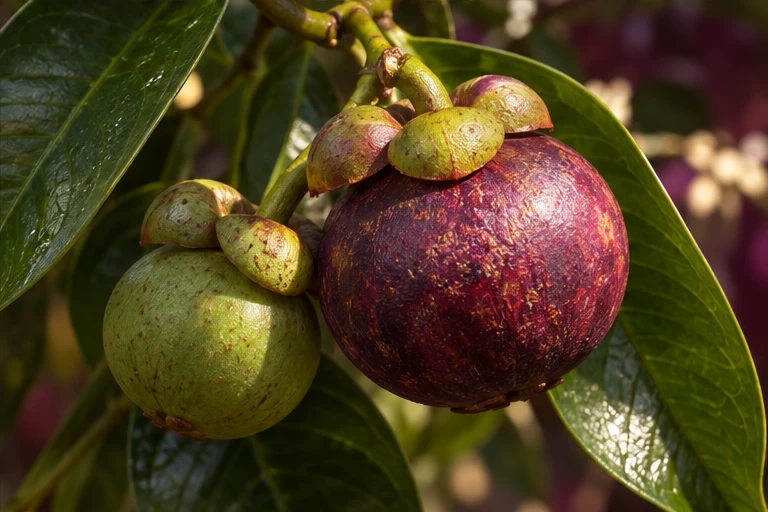
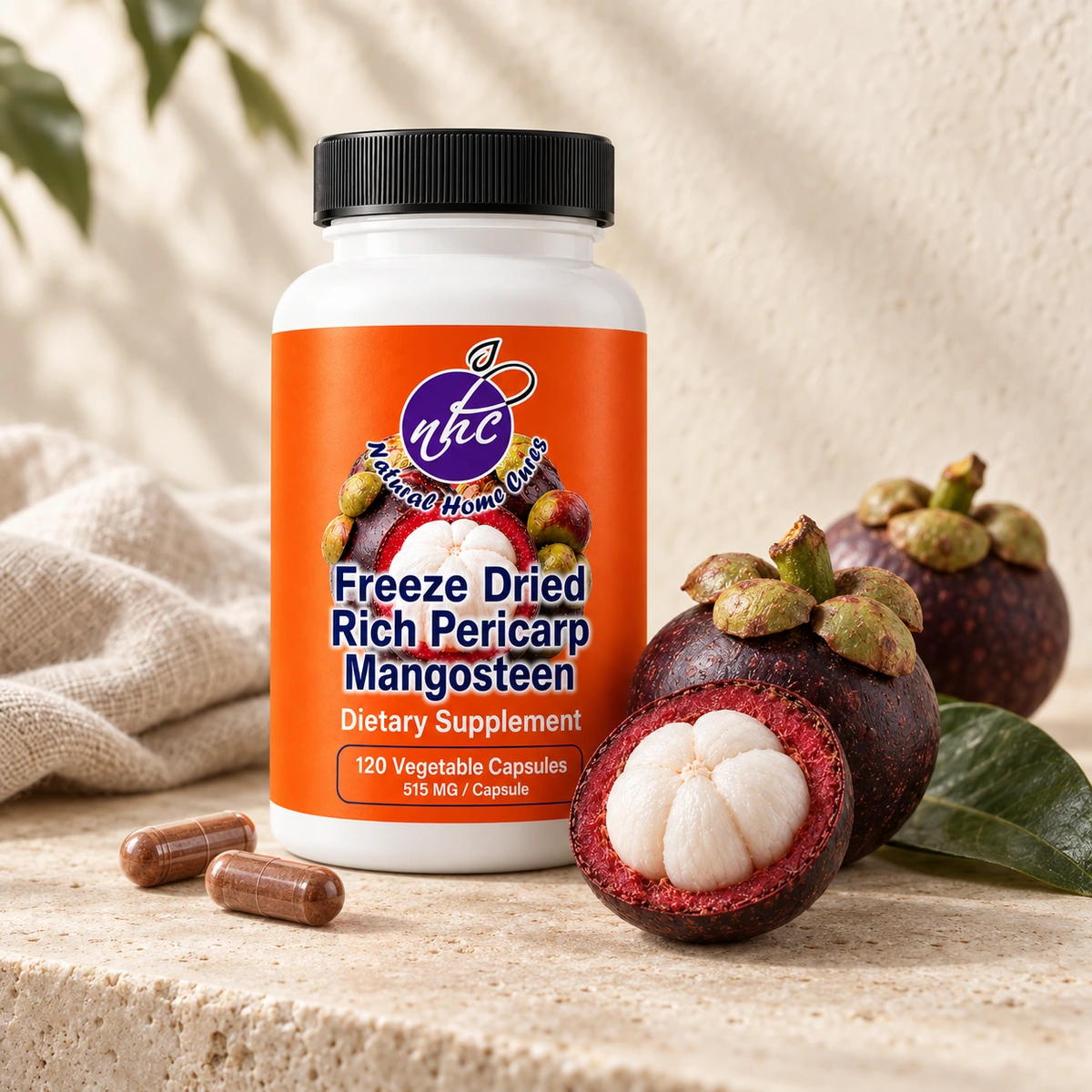
Our Freeze-Dried Rich Pericarp Mangosteen Capsules begin with the thick outer pericarp of Garcinia mangostana.
After harvest, the pericarp is freeze-dried and prepared for capsules. It remains whole botanical material, with a broader composition than one purified xanthone.
Explore our mangosteen →120 vegetable capsules · 515 mg of botanical material per capsule.
This is a whole-pericarp amount, not a measured amount of individual xanthones.The research behind this articleSource References
- 01Mangosteen reviewBiological Activities and Bioavailability of Mangosteen Xanthones: A Critical ReviewView source
- 02Research referencePreparative Separation of Major Xanthones from Mangosteen PericarpView source
- 03Research referenceBioaccessibility, Biotransformation, and Transport of Alpha-Mangostin Using Simulated Digestion and Caco-2 CellsView source
- 04Research referenceXanthones from Mangosteen Prevent Lipopolysaccharide-Mediated Inflammation and Insulin Resistance in Cultured Human AdipocytesView source
- 05View source
- 06View source
- 07View source
- 08View source
- 09View source
- 10Research studyMangosteen Xanthones in a Mouse Model of Allergic AsthmaView source
- 11Research studyAlpha-Mangostin and Oxidative Damage in Rat Brain TissueView source
- 12View source
- 13Research studyAlpha-Mangostin Analogs Against Tuberculosis BacteriaView source
- 14Research studyMangosteen Constituents Against HIV-1 ProteaseView source
- 15View source
- 16View source
- 17Research studyLocal 4% Mangosteen Gel Alongside Periodontal TreatmentView source