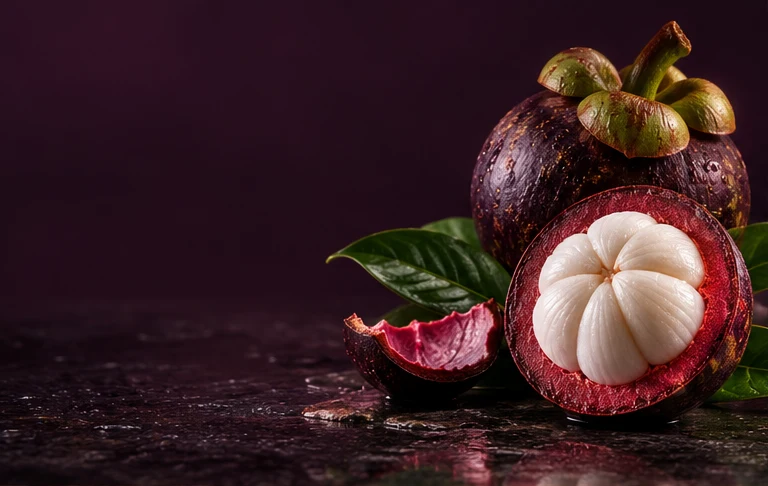
Natural Home Cures · Mangosteen science
Copper
& Mangosteen
A trace mineral with a supporting role
in our bodies and in living plants.
Copper helps enzymes carry out essential work in the body and in plants. Explore its everyday roles and food sources, then see what researchers found in mangosteen pericarp—the ingredient used in our freeze-dried capsules.
01 · Begin with the essentials
A Trace Mineral That Helps Enzymes Work
Copper is a trace mineral: the body needs only small amounts. It helps enzymes, the proteins that carry out chemical reactions, do their jobs.(1)
02 · Normal biological roles
What Does Copper Do?
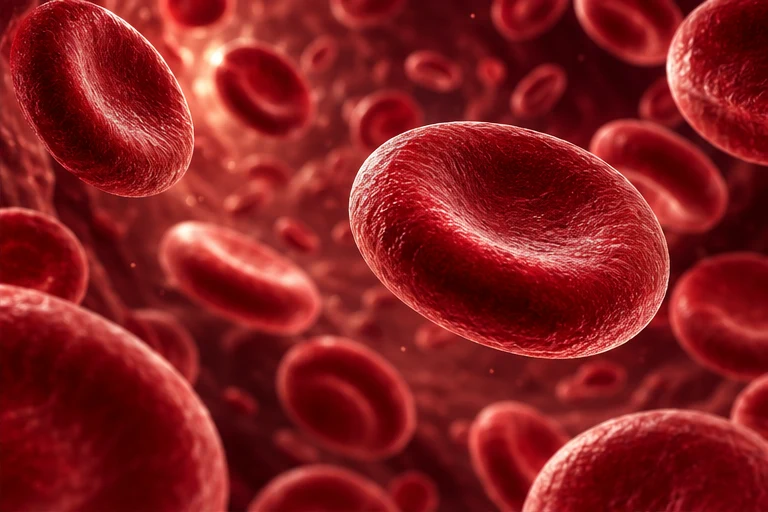
Helps iron find its role.
Copper-containing proteins help move and process iron so the body can use it. Iron is needed for hemoglobin, the protein that carries oxygen in blood.(1)
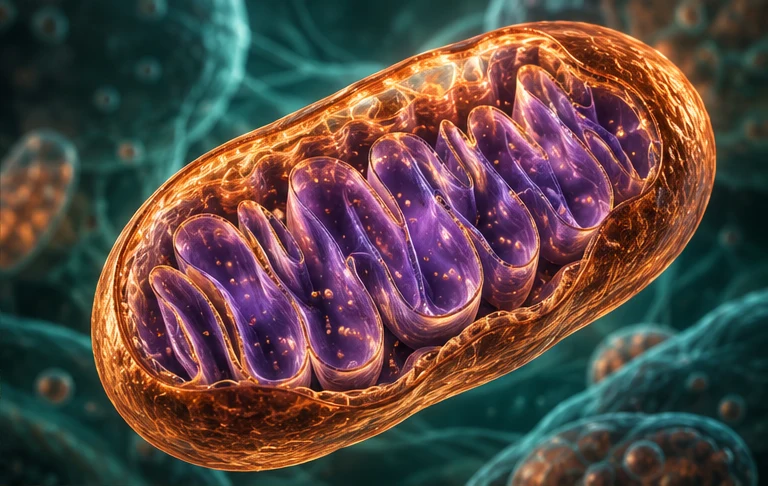
Supports cellular energy.
Cells use copper-containing enzymes in the reactions that turn food into usable energy.(1)
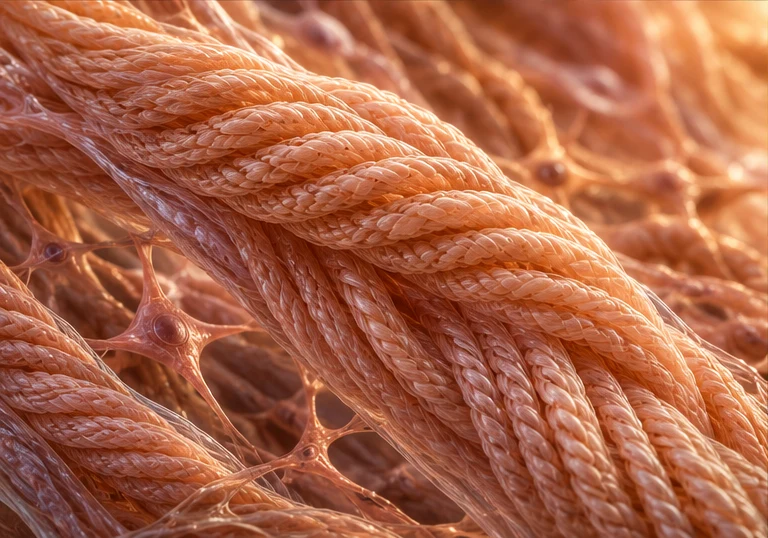
Builds structure and flexibility.
Copper helps enzymes form links within collagen and elastin, proteins that give tissues strength and flexibility.(1)
03 · Copper and iron
Helping Iron Reach Its Job
Copper helps proteins prepare iron for transport and use. One of these proteins is called ceruloplasmin. Its work helps make iron available for hemoglobin, the oxygen-carrying protein in red blood cells.(1)
This explains why a copper deficiency can cause anemia even when iron is available. The two minerals do different jobs: iron binds oxygen, while copper helps the body handle iron properly.(1)
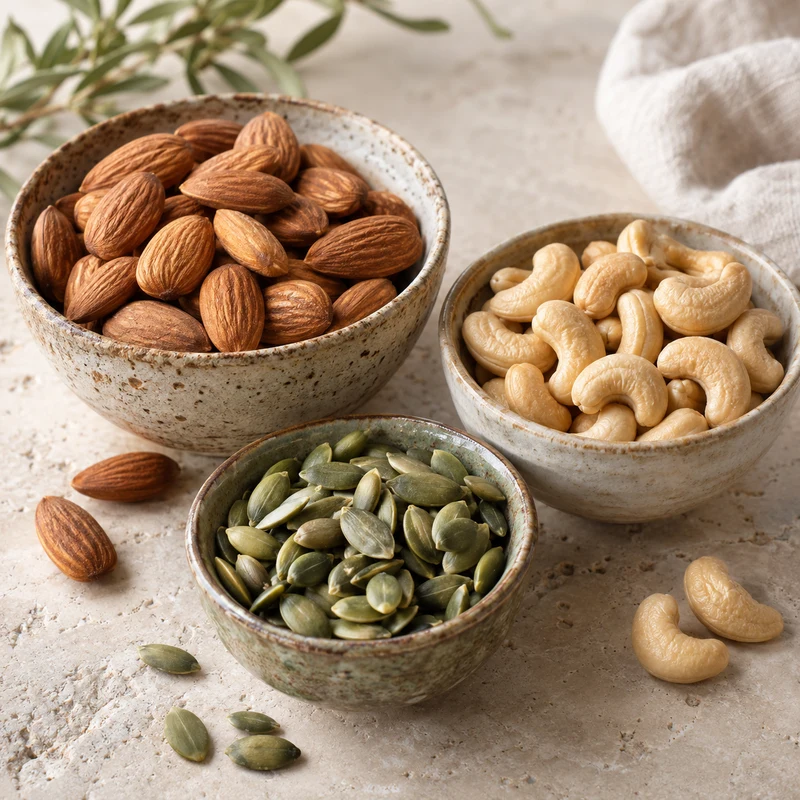
Copper comes from a variety of familiar foods.
04 · Everyday food sources
Copper on the Table.
Copper occurs in a variety of plant and animal foods.(1)
Nuts & seeds
Cashews and seeds
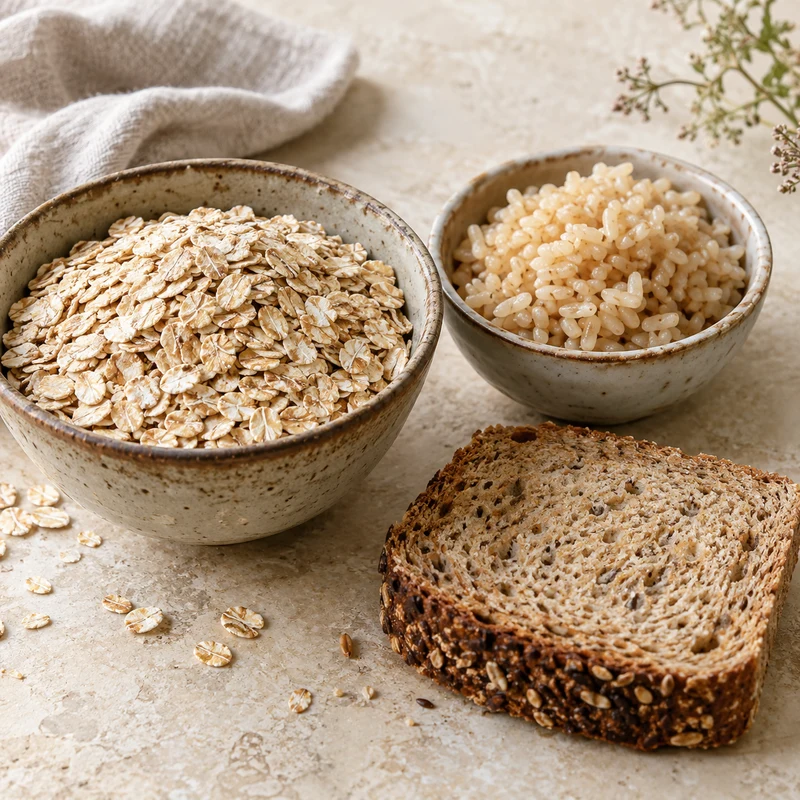
Whole grains
Wholegrain bread and cereals
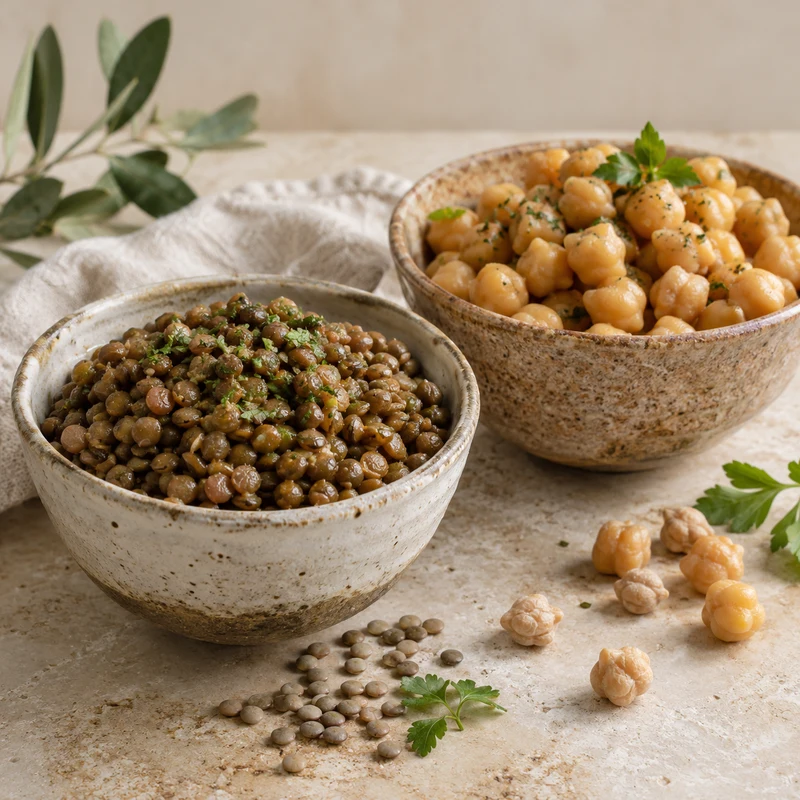
Legumes
Chickpeas and other beans
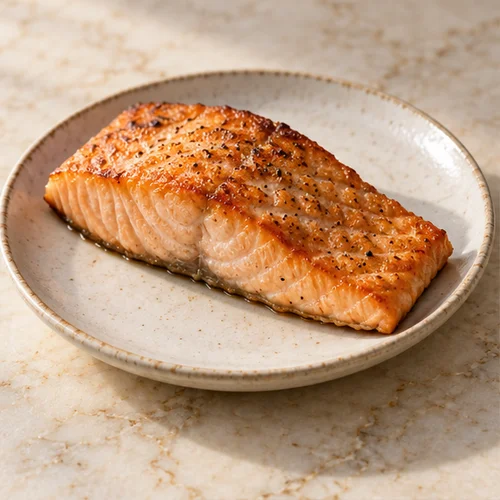
Seafood
Salmon is one example
In plants, copper helps carry out another essential process: photosynthesis.
05 · The living plant
Copper helps plants
use sunlight.
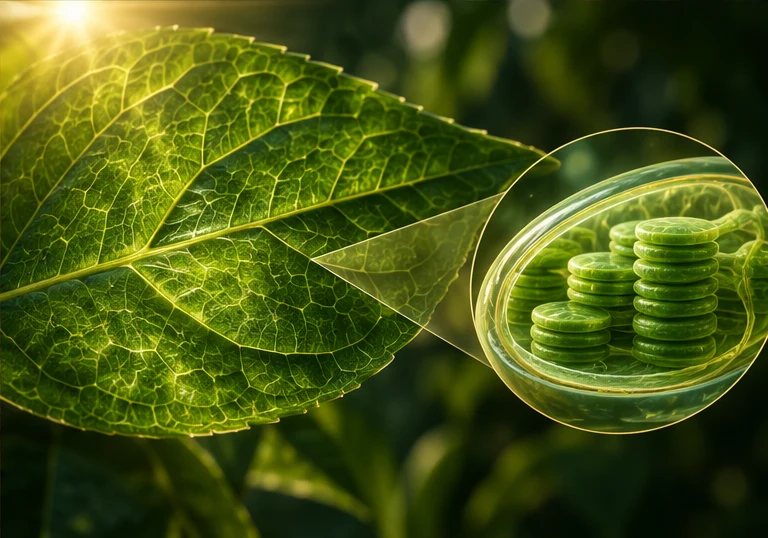
Leaves contain tiny structures called chloroplasts that capture sunlight. Inside them, a copper-containing protein called plastocyanin passes electrons between parts of the light-capturing system. This transfer helps the plant turn light into chemical energy.(4)
Conceptual leaf and chloroplast illustration.06 · Copper at work in the pericarp
Why Fruit Can Turn Brown After Cutting
Some fruits darken after being cut or bruised. An enzyme helps natural substances in the fruit react with oxygen, producing brown compounds. One enzyme involved is called polyphenol oxidase, or PPO. It needs copper to work.(4)
Researchers have studied PPO in mangosteen’s outer pericarp. A 2016 study examined how brief heat treatment affected this enzyme and changes in the pericarp’s color. This is a practical example of copper’s role in plant chemistry.(3)
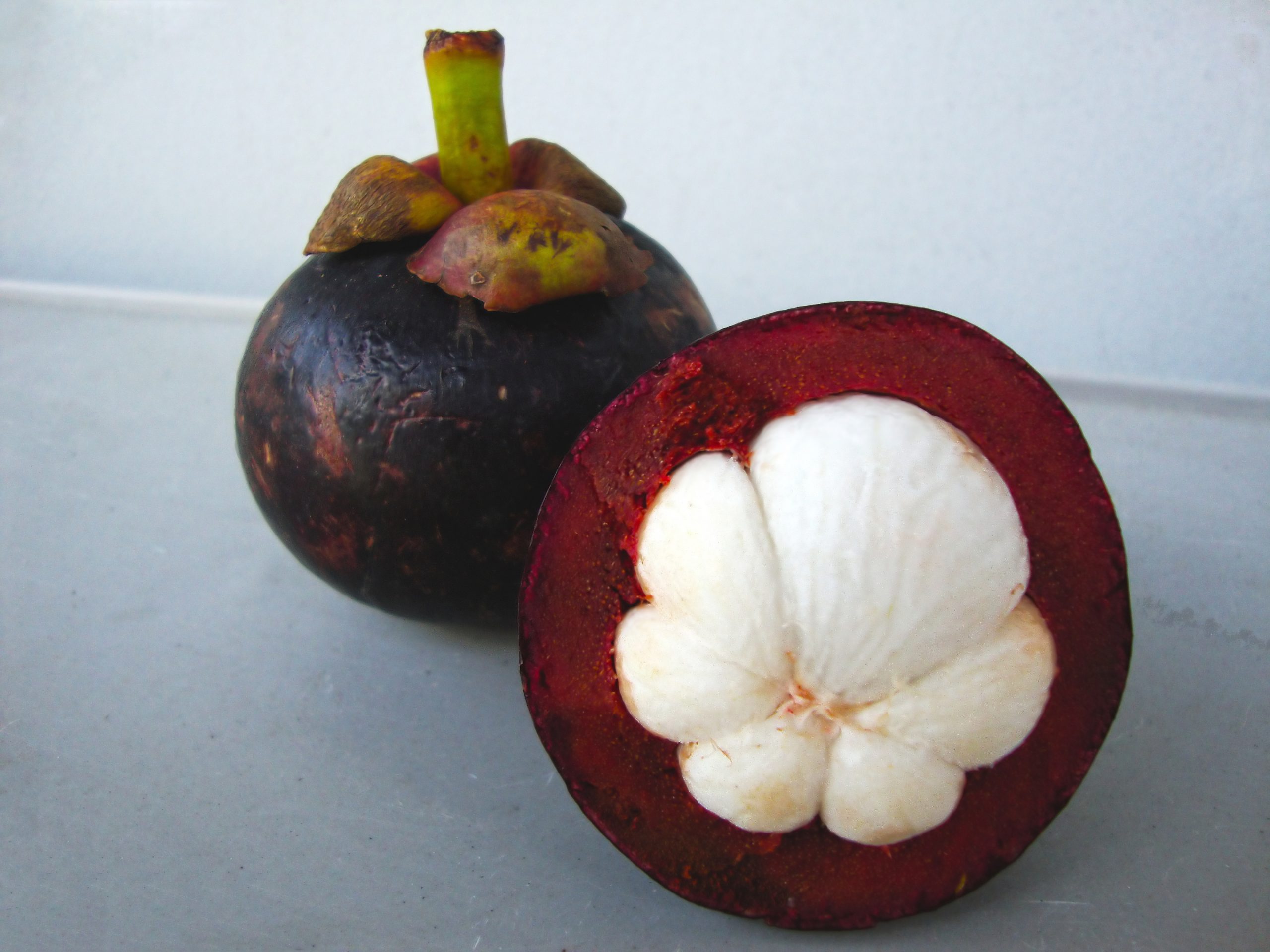
Researchers have also measured copper in mangosteen’s outer pericarp.
07 · Copper in the pericarp
Copper Has Been Measured in Mangosteen Pericarp
A study published in October 2026 tested mangosteen’s pericarp (the thick outer rind). The researchers reported 0.082 milligrams of copper per 100 grams of dried pericarp. This shows that copper was present in the pericarp they tested.(2)
08 · From fruit to product
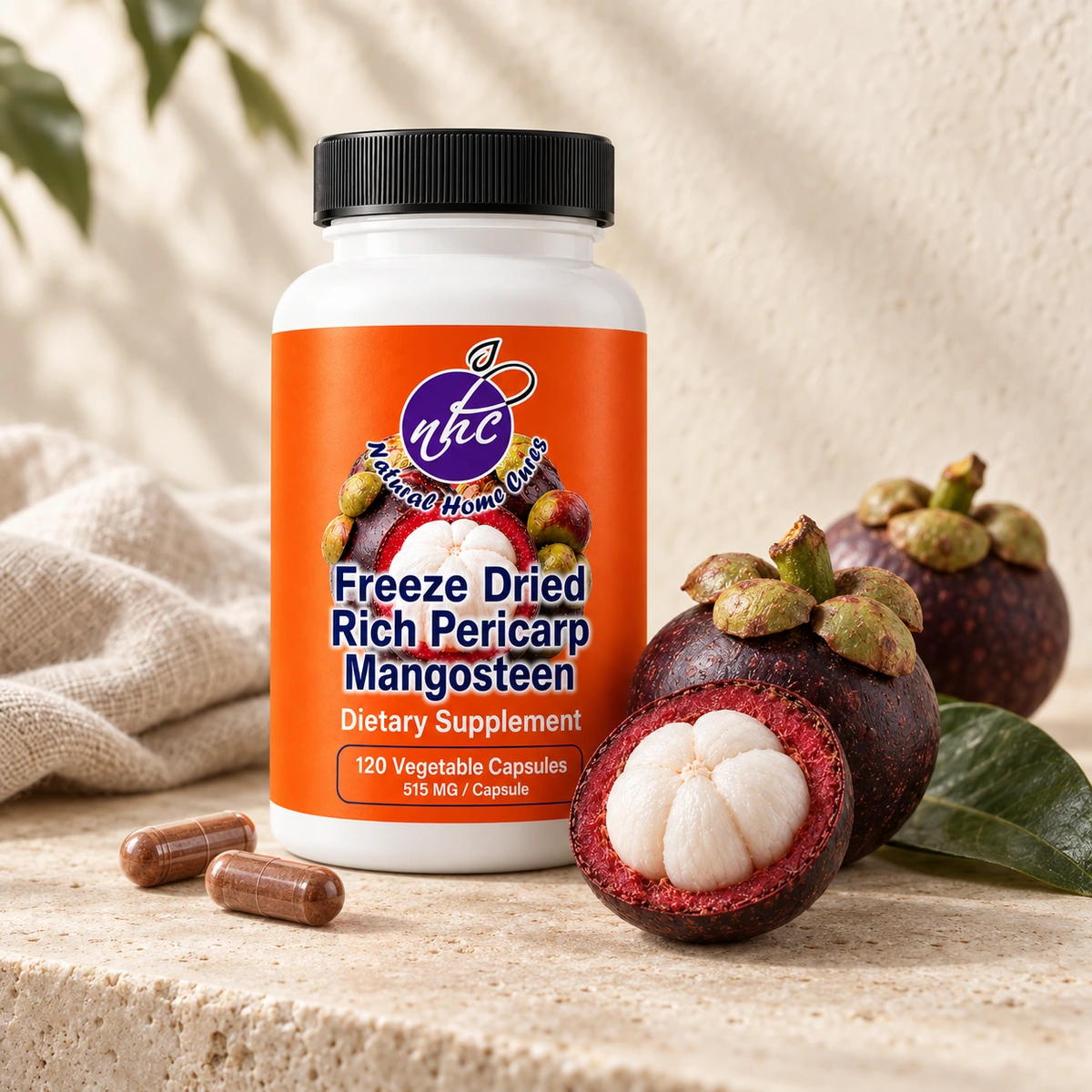
Whole Mangosteen Pericarp, Freeze-Dried
Our Freeze-Dried Rich Pericarp Mangosteen Capsules are made from the whole pericarp of Garcinia mangostana. After harvest, the pericarp is freeze-dried and prepared for capsules.
Explore our mangosteen →The research behind this articleSource References
- 01View source
- 02Rind composition studyNutritional and Functional Potential of Mangosteen (Garcinia mangostana L.) By-products: Compositional, Color and Antioxidant Analysis of Leaves, Pericarp, Seeds and PulpView source
- 03Research referenceEffect of Blanching on Enzyme Activity, Color Changes, Anthocyanin Stability and Extractability of Mangosteen Pericarp: A Kinetic StudyView source
- 04Research referenceCopper Delivery to Chloroplast Proteins and Its Regulation. Frontiers in Plant Science 6:1250.View source