The Dirty Little Secret About Mangosteen: How Clean Is Yours?
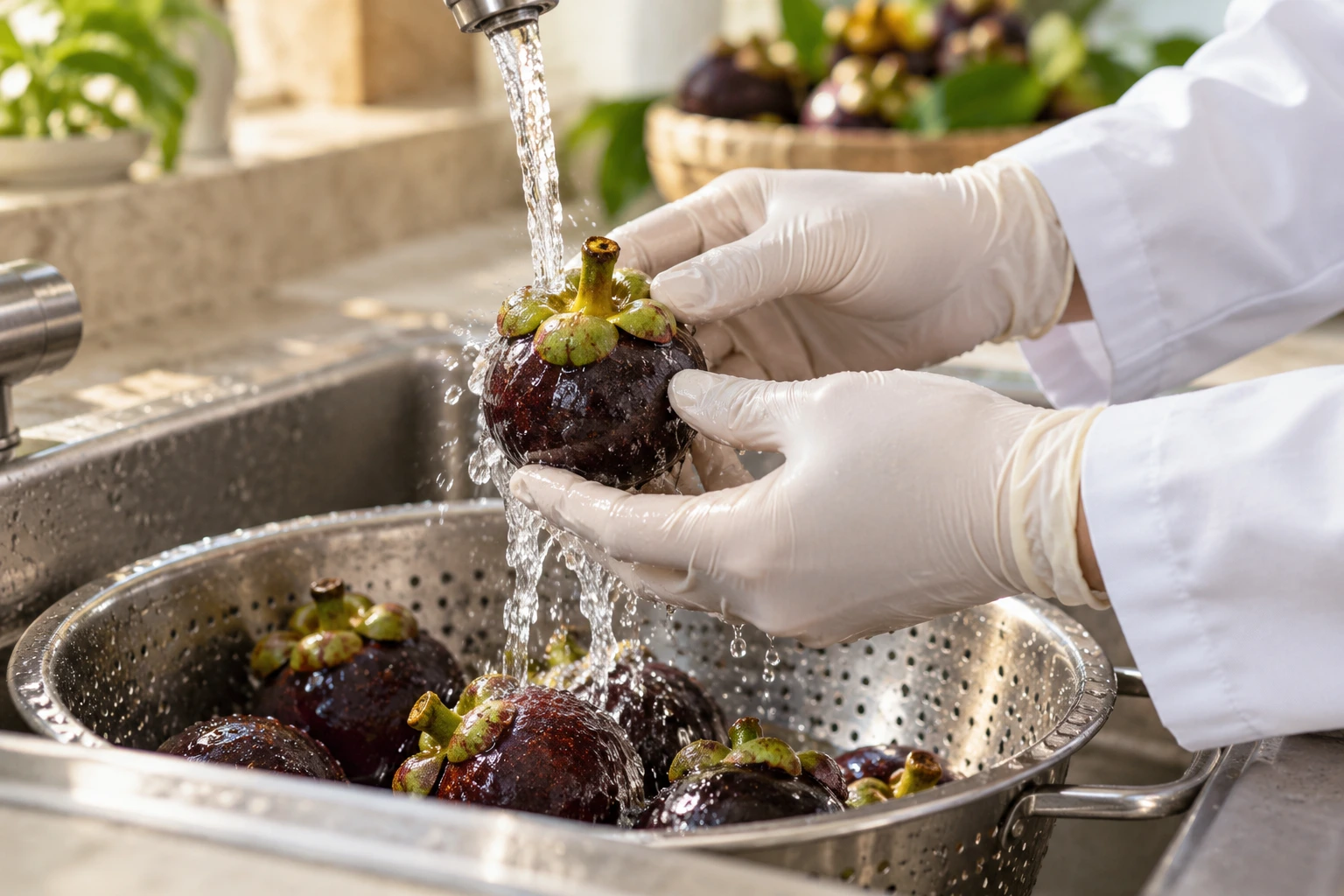
A bottle of mangosteen capsules tells you what the product is called. Your mangosteen’s story tells you where it was grown, how it was cared for, and what happened before it became part of your daily routine.
Before choosing a mangosteen product, ask one simple question: “How clean is my mangosteen?” Clear answers begin at the farm and continue through processing, testing, and packaging.
Why the Pericarp Deserves Your Attention
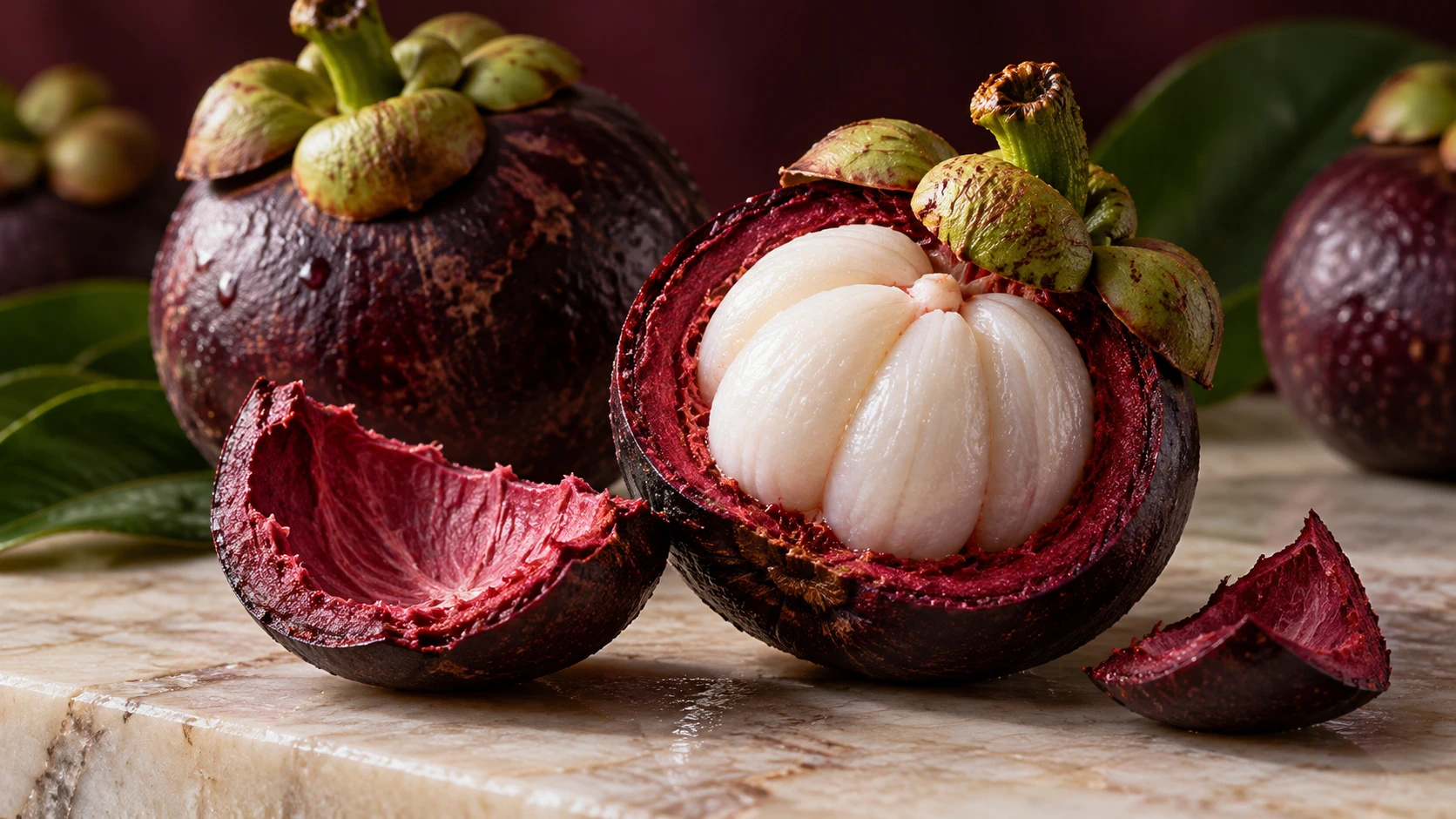
Mangosteen is famous for its sweet white flesh, but the thick purple pericarp, also called the rind, has a different story. Researchers have studied natural compounds in the pericarp, including alpha- and gamma-mangostin. That’s part of why it’s used in supplements.(1)
When mangosteen becomes part of your routine, where it was grown and how the rind was cared for matter. You deserve clear answers about how it was handled.
Quality Begins With Growing Practices
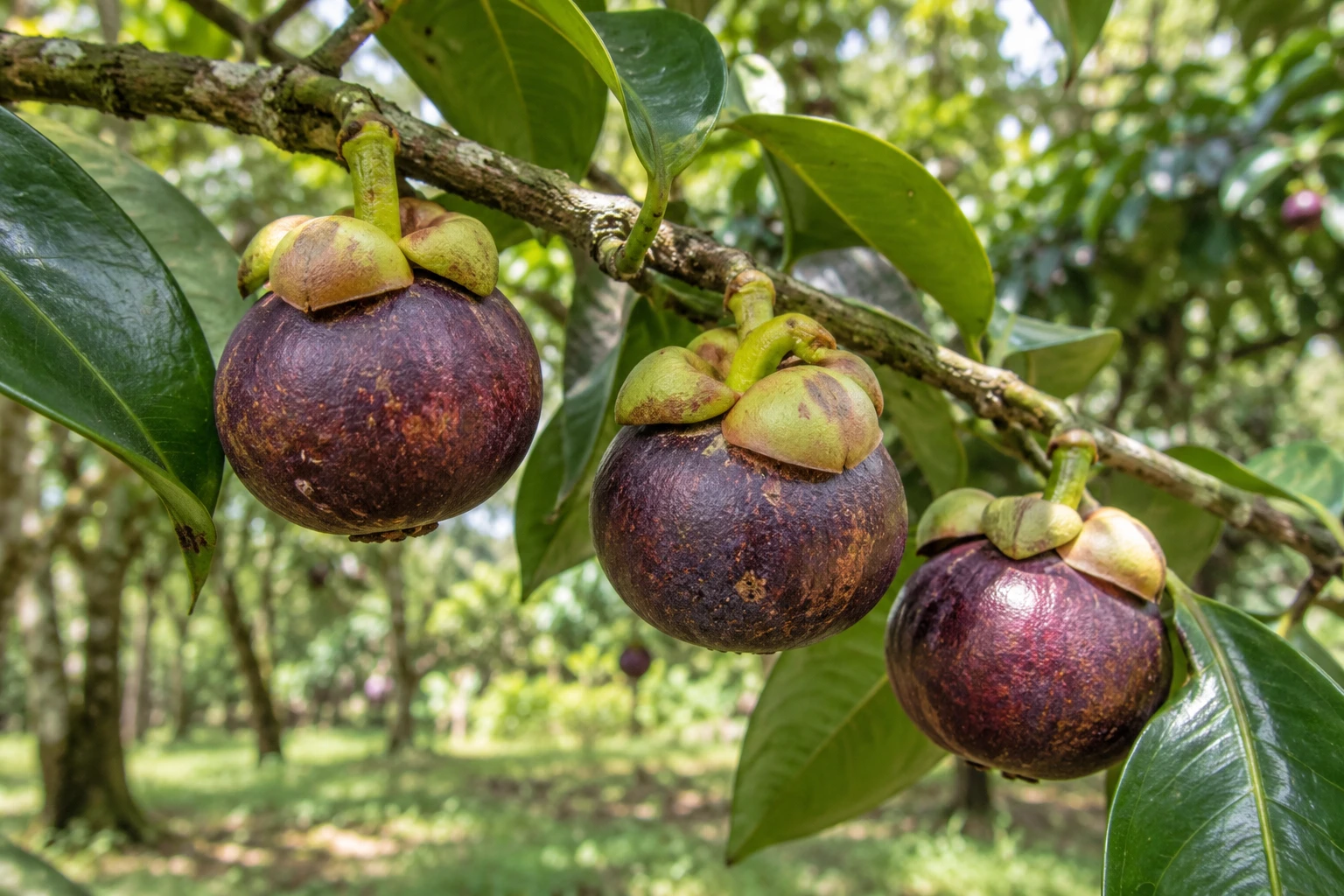
Pesticides are used in agriculture to control insects, weeds, and other pests. Residues can remain in or on food, and their significance depends on the substance and the level of exposure. The World Health Organization emphasizes good agricultural practices, residue monitoring, and limits designed to protect consumers.(2)
For a mangosteen buyer, that broad concern becomes practical questions: Where was it grown? What crop treatments are used? Can the supplier explain its growing practices and provide relevant quality information? Knowing the source gives those questions a clear starting point.
Call It What It Is: Mangosteen Pericarp, Not Just ‘Capsule’ or ‘Extract’
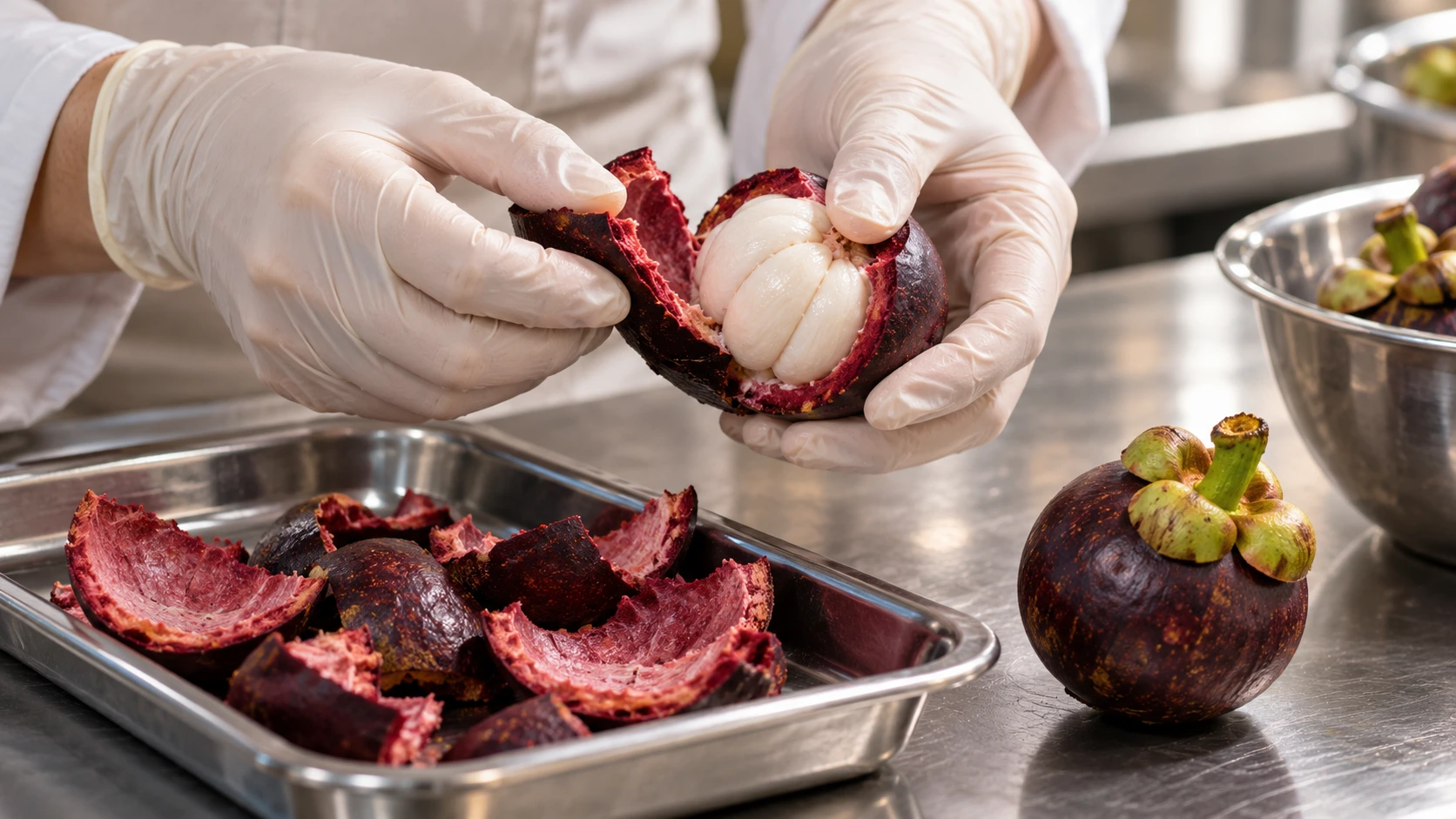
Think of the pericarp’s journey as a chain of care. It begins with harvesting the fruit, separating the flesh, and collecting the rind. That care continues through drying, storage, and encapsulation. Traceability helps connect your mangosteen with its source and preparation history.
U.S. dietary supplement manufacturing requirements address ingredient identity, purity, strength, composition, and limits on contamination. They also include controls for facilities, equipment, manufacturing, and records. Together, those controls support consistent production and help protect the mangosteen pericarp throughout its preparation.(3)
The Natural Home Cures Approach
At Natural Home Cures, our mangosteen comes from our family orchards in Thailand. We grow it without applying pesticides, herbicides, or synthetic fertilizers, and we keep it clean from orchard to capsule.
That connection to the source is central to our Freeze-Dried Rich Pericarp Mangosteen Capsules. From growing and handling the fruit to preparing the rind, we want you to understand the care behind the mangosteen you choose.
Quality Information You Can Put to Use
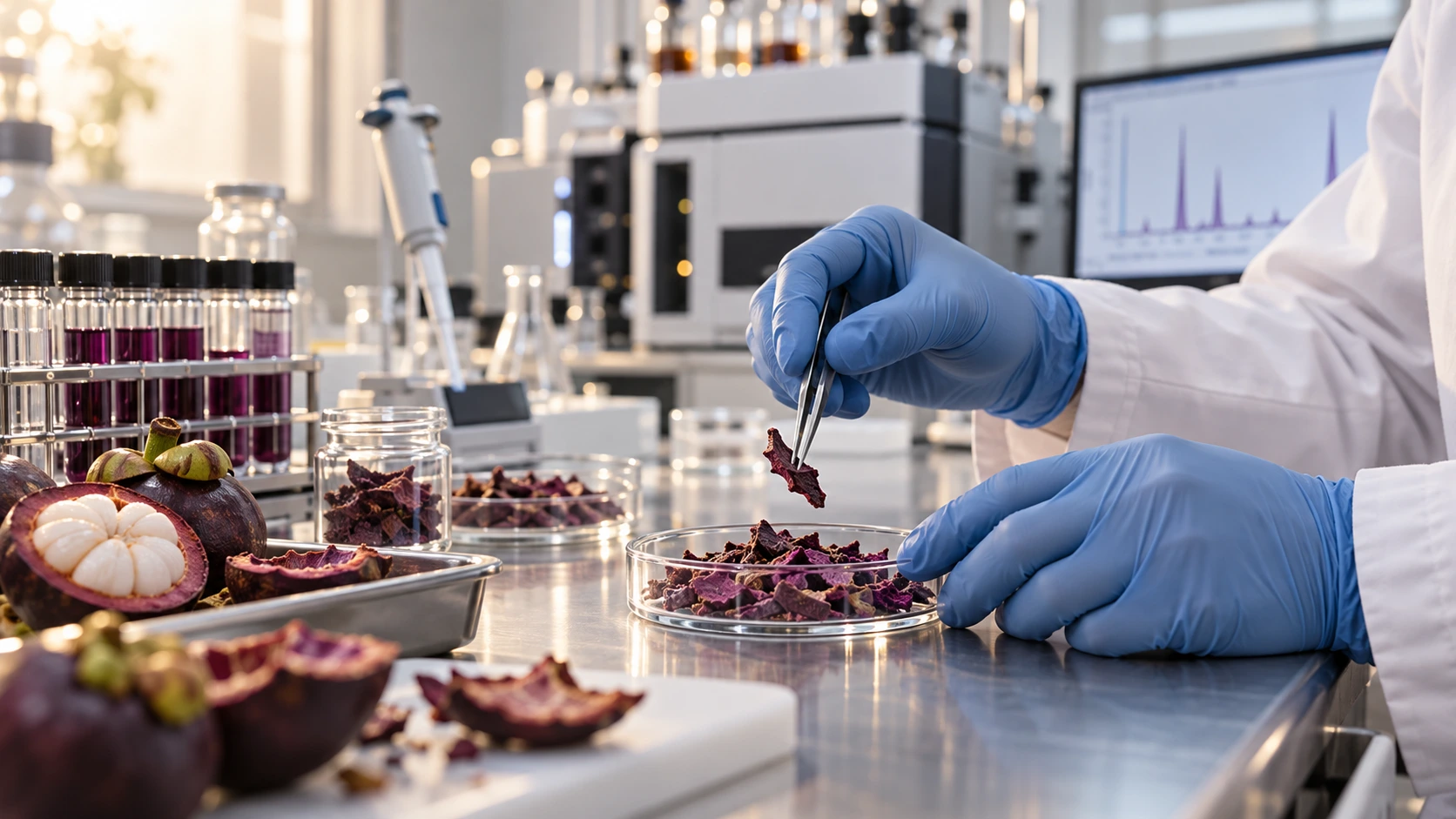
Ask what testing has been performed and which quality specifications apply. Useful information identifies the batch, the tests carried out, and the reported results. For pesticide concerns, ask specifically about pesticide-residue testing. Microbial testing checks for unwanted organisms. Elemental testing can check for heavy metals and other elements.
A clear report helps turn a general assurance into information you can review. If a result needs explanation, ask what was measured and how it relates to the product’s specifications. Those are reasonable questions when choosing mangosteen for your daily routine.
Understanding Organic Certification
Organic certifications give growing and handling claims a clear framework. When you see one, check the operation name, what product or activity it covers, who certified it, and which standard applies. USDA Organic can include eligible farms and businesses outside the U.S.(4)
Japan’s Organic JAS system also uses accredited certifiers. Look for documentation that applies to that specific operation and product. That makes what a certification means easier to understand.(5)
Choose Mangosteen With a Story You Can Follow
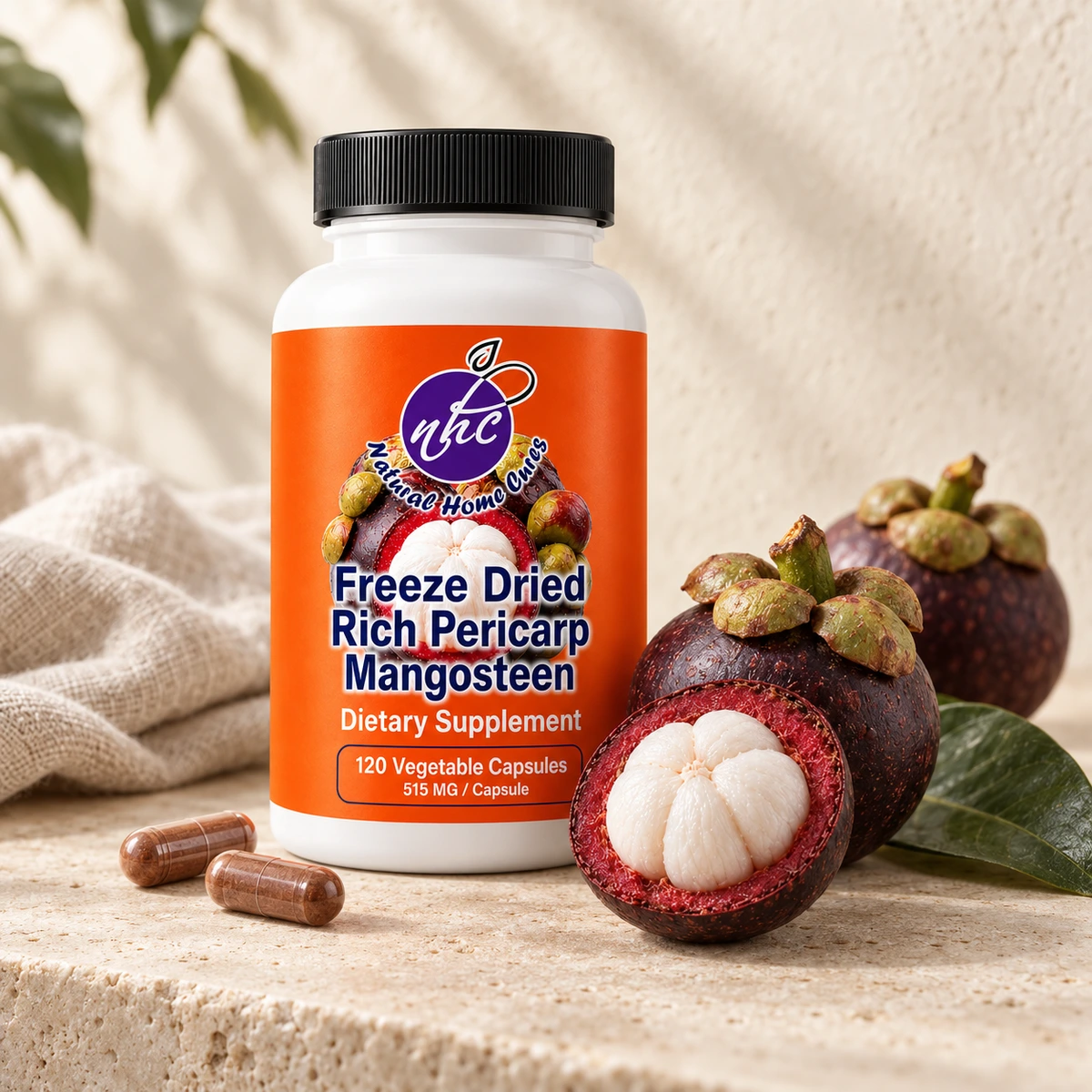
A thoughtful purchase starts with clear information: what part of the fruit is used, where it was grown, how it was cared for, and what quality checks were done.
At Natural Home Cures, that story begins in our family orchards in Thailand and continues through preparation of our freeze-dried capsules. Take a closer look at the label and ask us what quality information is available.
Can you follow the story behind what’s in your bottle?
The research behind this articleSource References
- 01Research & guidanceXanthones from the Pericarp of Garcinia mangostana (2017). Primary research identifying xanthones in mangosteen pericarp.View source
Full citation
Xanthones from the Pericarp of Garcinia mangostana (2017). Primary research identifying xanthones in mangosteen pericarp.
View original source ↗ - 02Research & guidanceWorld Health Organization: Pesticide residues in food. Exposure, residue limits, monitoring, and agricultural practices.View source
Full citation
World Health Organization: Pesticide residues in food. Exposure, residue limits, monitoring, and agricultural practices.
View original source ↗ - 03Research & guidanceU.S. Food and Drug Administration: Small Entity Compliance Guide—Current Good Manufacturing Practice for Dietary Supplements. Ingredient specifications, contamination controls, facilities, and records.View source
Full citation
U.S. Food and Drug Administration: Small Entity Compliance Guide—Current Good Manufacturing Practice for Dietary Supplements. Ingredient specifications, contamination controls, facilities, and records.
View original source ↗ - 04Research & guidanceUSDA Agricultural Marketing Service: Organic Transitioning. Eligibility for organic certification, including operations outside the United States.View source
Full citation
USDA Agricultural Marketing Service: Organic Transitioning. Eligibility for organic certification, including operations outside the United States.
View original source ↗ - 05Research & guidanceJapan Ministry of Agriculture, Forestry and Fisheries: Organic JAS. Certification and use of the Organic JAS mark.View source
Full citation
Japan Ministry of Agriculture, Forestry and Fisheries: Organic JAS. Certification and use of the Organic JAS mark.
View original source ↗