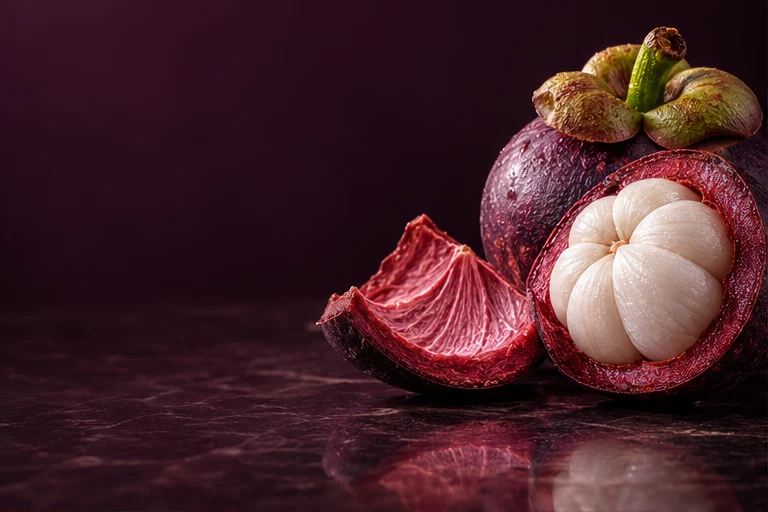
Natural Home Cures · Mangosteen science
Dietary Fiber
& Mangosteen
Beyond xanthones.
Discover the plant structure
within the pericarp.
Fiber helps give plants their structure and behaves in different ways during digestion. Mangosteen’s firm pericarp provides a useful example, with research examining both its composition and what happens to isolated pericarp fiber in the laboratory.
matrixStructure + naturally associated compounds
01 · Begin with the essentials
More Than Roughage
Dietary fiber includes plant materials that are not fully broken down in the small intestine. Some add bulk, some hold water, and some can be fermented by microbes in the large intestine.(1), (2)
Fiber is part of the plant’s framework. Its behavior depends on its structure, how it holds water and how accessible it is to gut microbes. A whole plant ingredient therefore contains a more complex mixture than a single purified fiber.(1)
02 · A closer look
How Different Fibers Behave
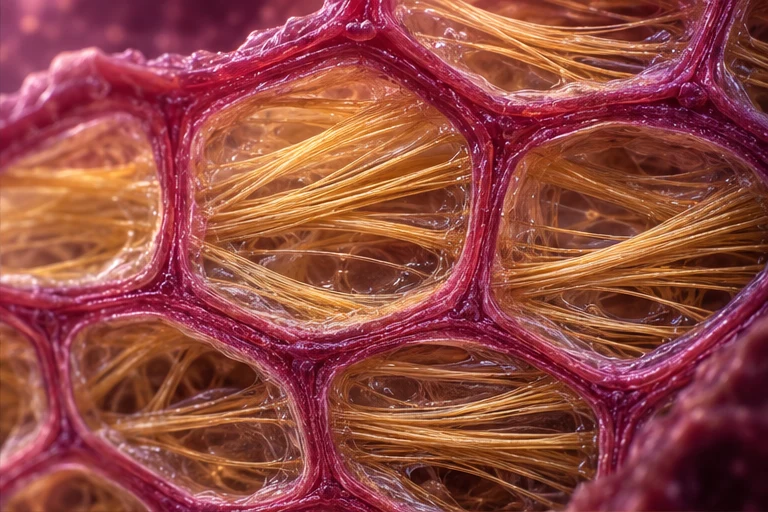
Give plants structure.
Cellulose, hemicellulose and pectin help form the thick, firm structure of mangosteen pericarp.(2)
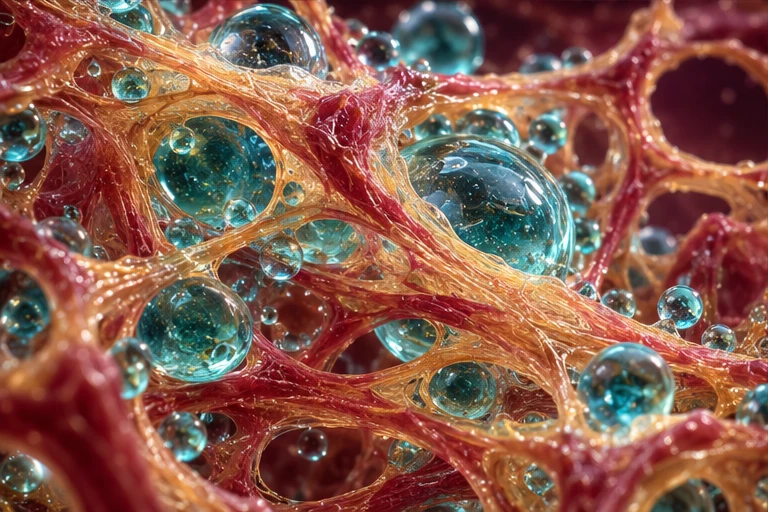
Interact with water.
Some fibers absorb water or make a mixture thicker. Others add bulk without forming a gel.(1)
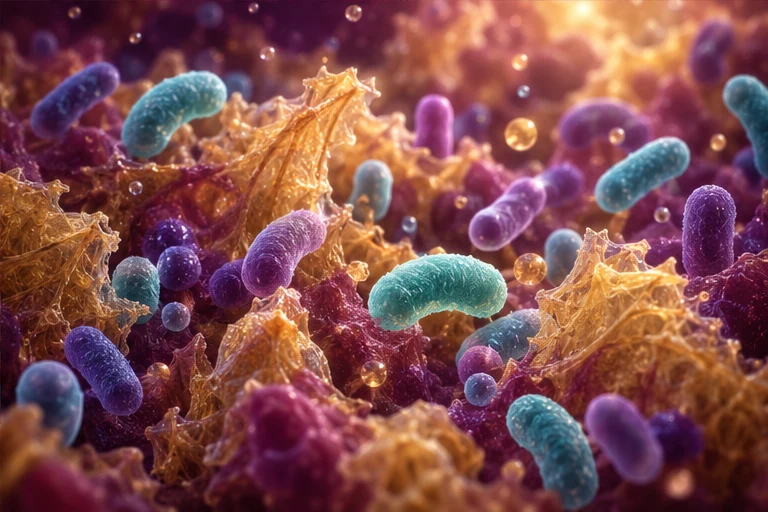
Feed fermentation.
Microbes in the large intestine can break down fermentable fibers and produce short-chain fatty acids.(1)
Solubility describes how fiber interacts with water. Fermentability describes whether gut microbes can break it down. These are different properties.(1)
A third property is viscosity: how much a fiber thickens a liquid. Dissolving, thickening and fermenting are separate characteristics. A soluble fiber does not necessarily form a thick gel, and some insoluble material can still be fermented. These distinctions help explain why different fibers have different effects.(1)
A varied plant-based diet provides a mixture of fibers.
03 · Everyday food sources
Fiber Starts with Plant Foods.
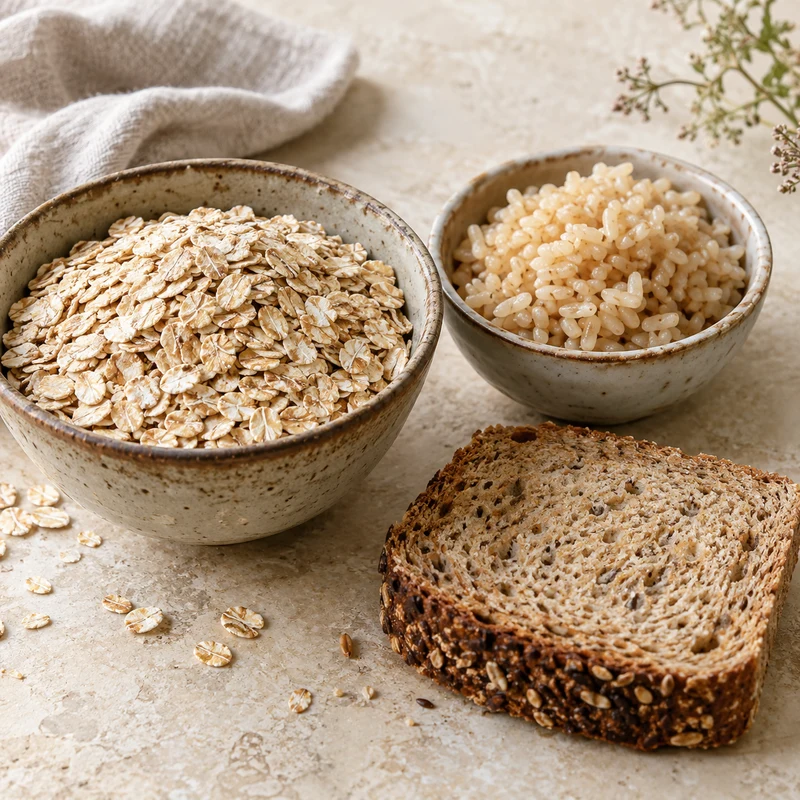
Different plant foods contribute a mix of fibers.Source
Whole grains
Oats and wholegrain bread
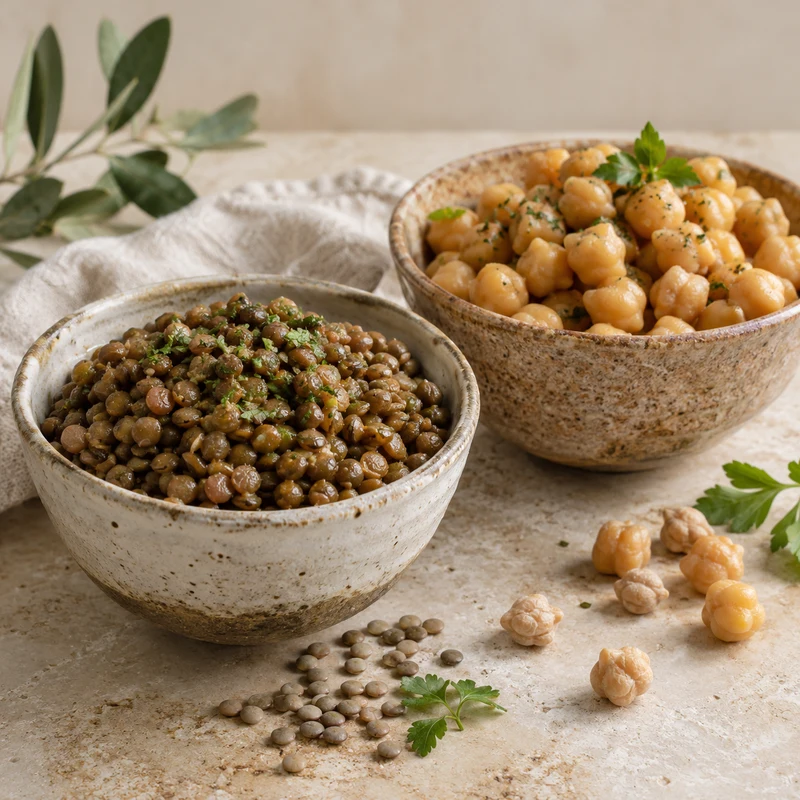
Beans & lentils
Everyday legumes
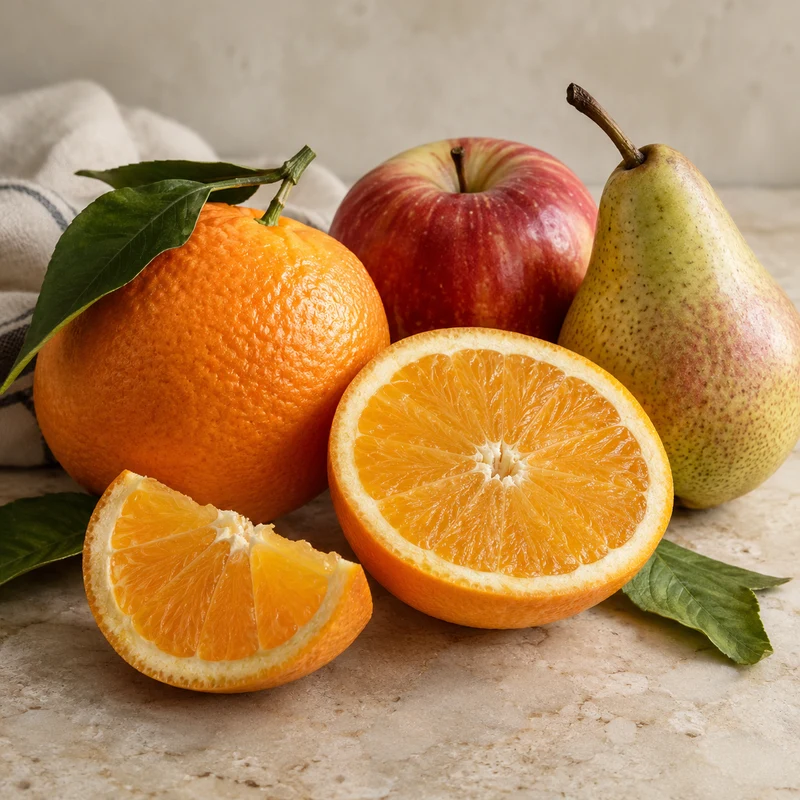
Whole fruits
Apples, pears and oranges
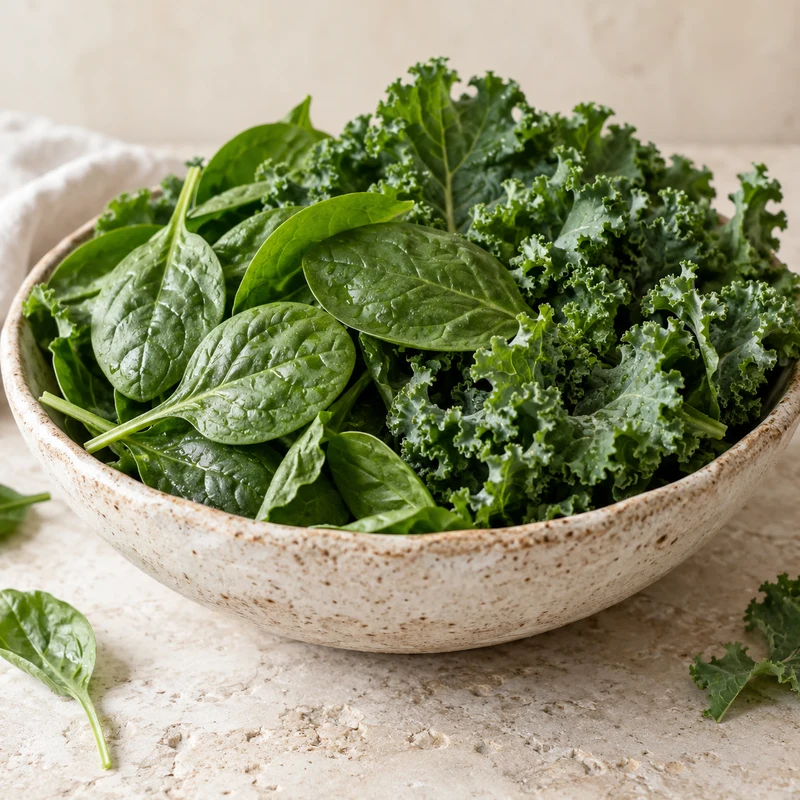
Vegetables
Leafy greens and other vegetables
How does mangosteen’s pericarp compare with its edible pulp?
04 · Reported in a 2026 review
23.52 gfiber per 100 g
of fresh mangosteen pericarp(2)
The Pericarp Has
a Different Composition.
The review reports considerably less fiber in the soft edible pulp. This difference helps explain why the pericarp feels firm and fibrous while the white flesh is soft.(2)
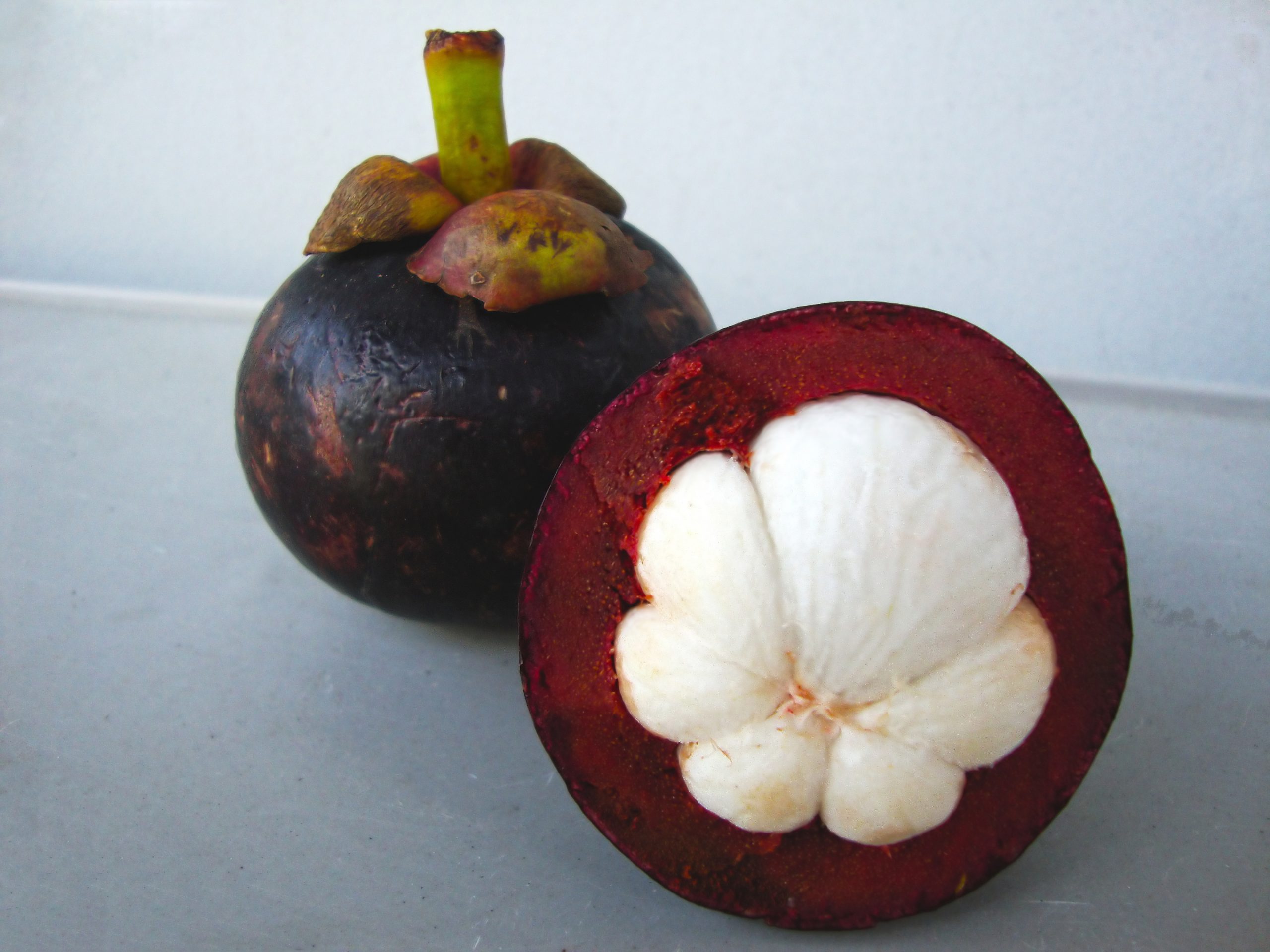
Researchers then asked what happens to a prepared pericarp-fiber sample during digestion.
06 · The 2025 laboratory study
What Happens
in a Digestion Model?
A 2025 study used isolated mangosteen-pericarp fiber in a laboratory model that simulated digestion followed by fermentation in the colon. The sequence below shows what happened to that prepared material.(3)
The researchers first freeze-dried and ground the pericarp, then used enzymes and washing steps to isolate its dietary fiber. Their experiment examined that prepared fraction and its associated phenolics.(3)
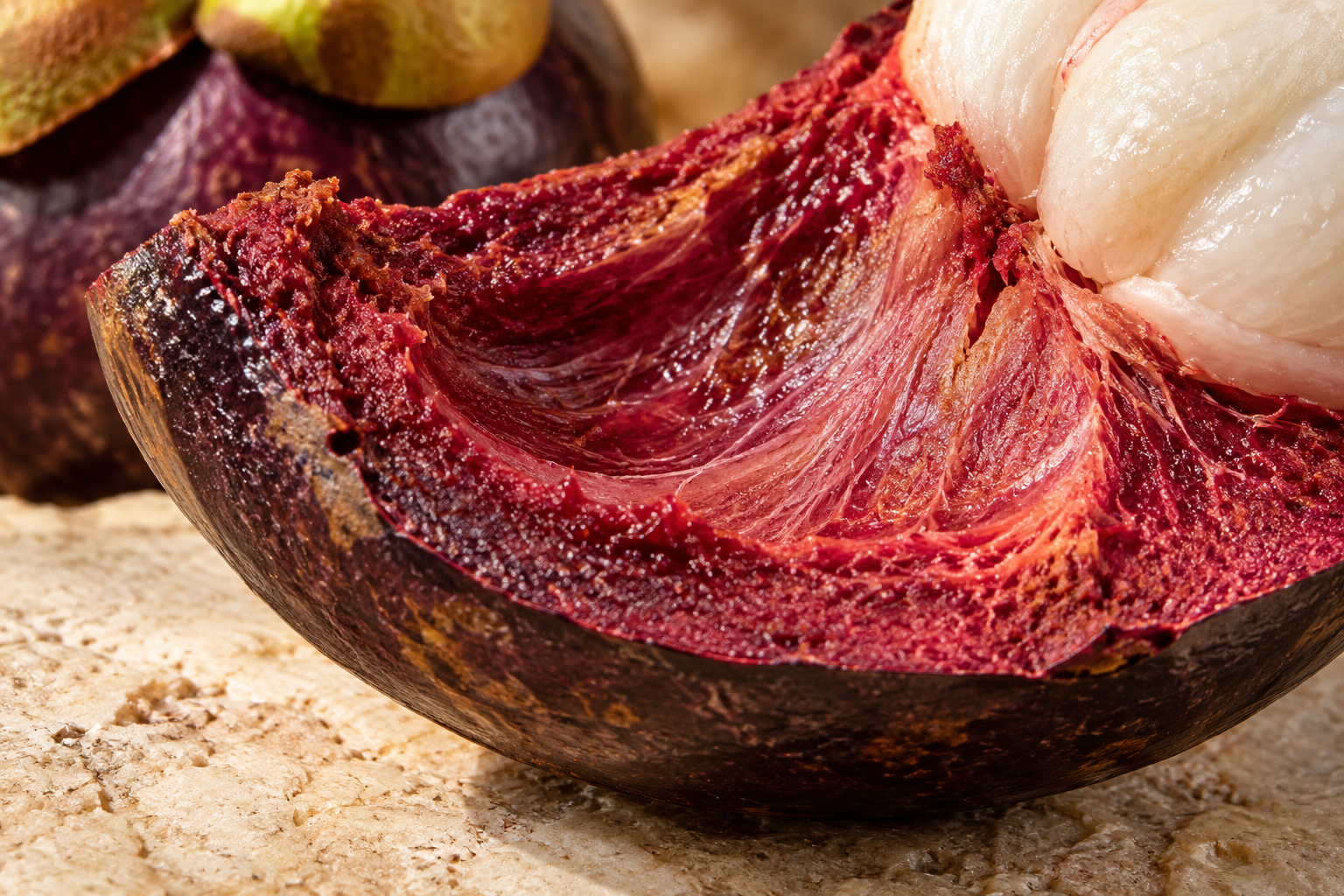
The starting material
Inside the Pericarp
Some phenolics remained bound to fiber during simulated digestion.
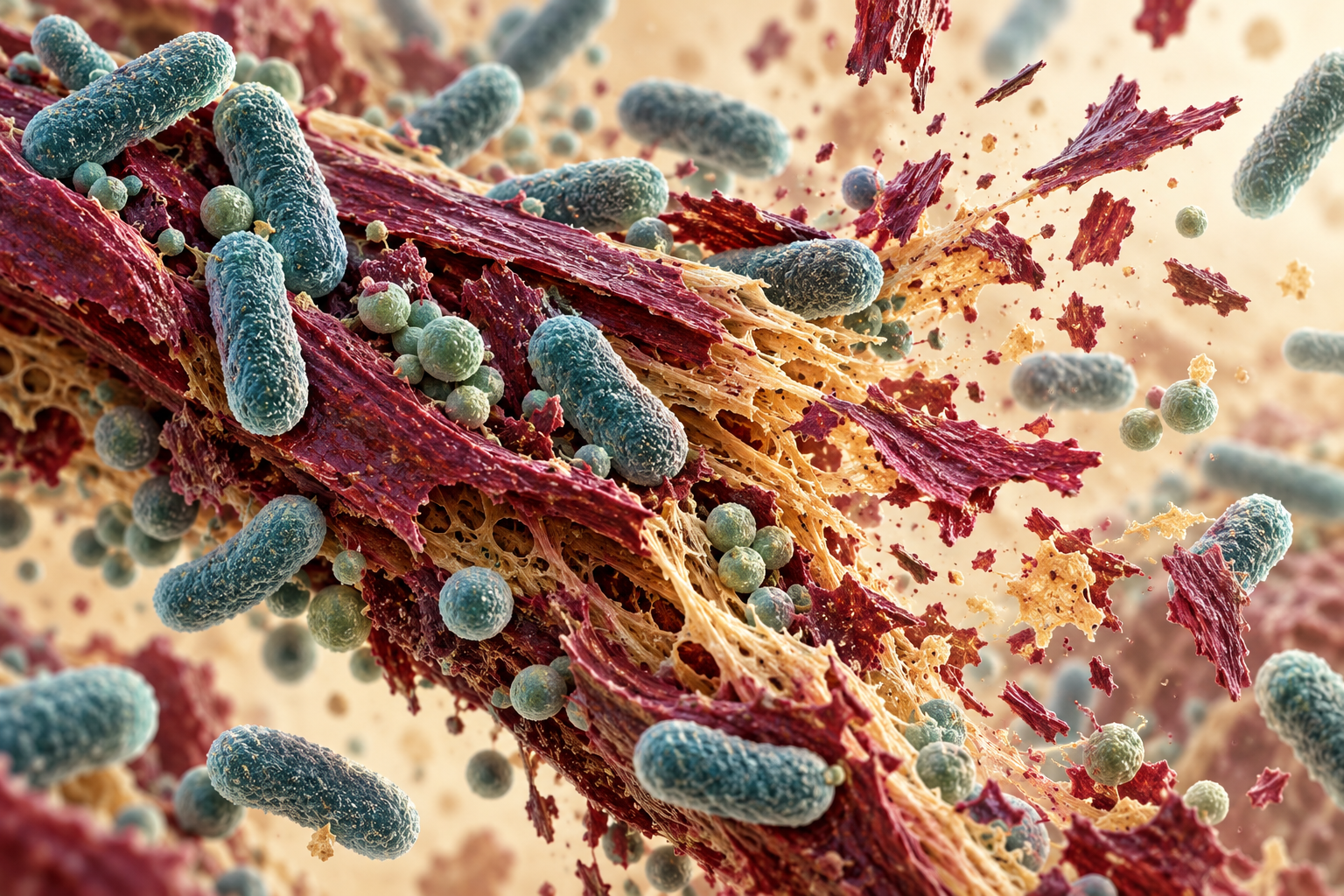
The fermentation stage
Microbes at Work
During fermentation with gut microbes, the model showed release of some bound phenolics.
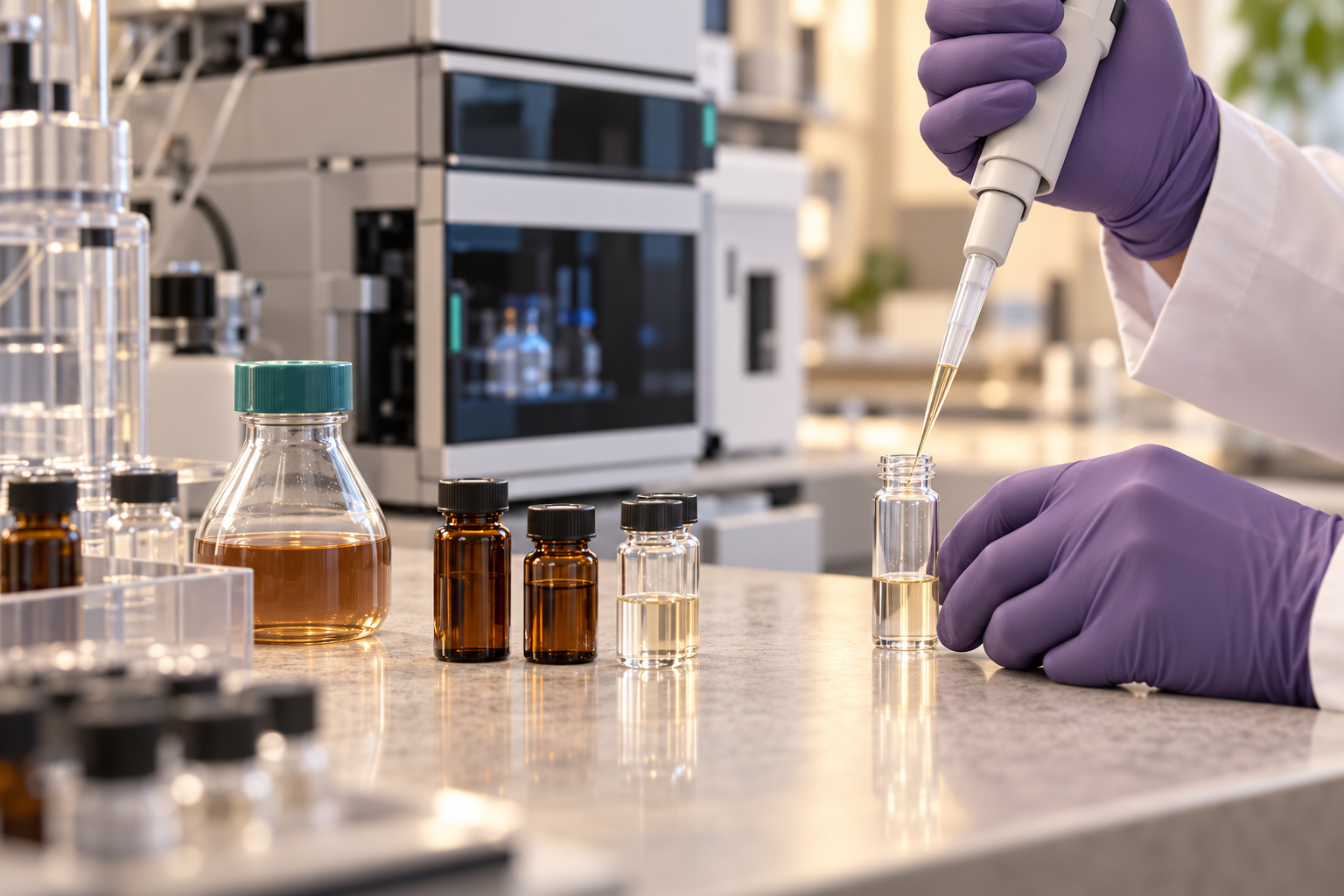
The measured products
What Fermentation Produces
Short-chain fatty acids were produced in the laboratory model.
07 · From fruit to product
Mangosteen Pericarp, Freeze-Dried
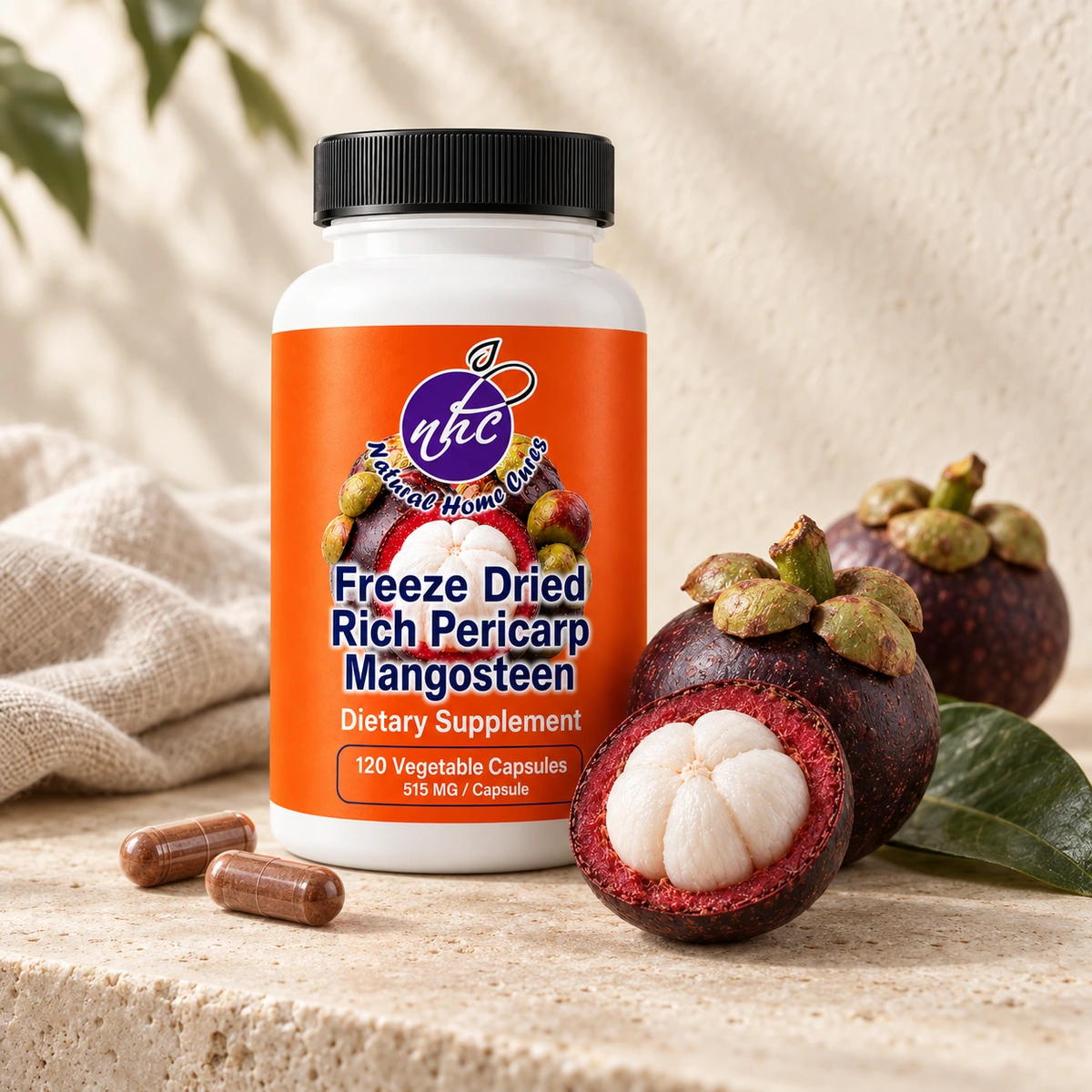
Our Freeze-Dried Rich Pericarp Mangosteen Capsules are made from the thick outer pericarp of Garcinia mangostana.
After harvest, the pericarp is freeze-dried and prepared for capsules. This uses the pericarp as a whole ingredient, including its structural material and associated plant compounds.
Discover our mangosteen →The research behind this articleSource References
- 01Research referenceDietary fibre: moving beyond the soluble/insoluble classification for monogastric nutrition, with an emphasis on humans and pigsView source
- 02View source
- 03Research referenceIn vitro releasing characteristics of bound phenolics from mangosteen pericarp dietary fiber and its role in gut microbiota regulationView source
- 04Research referenceNIDDK. Eating, Diet, & Nutrition for Constipation — examples of foods containing fiber.View source
- 05Nutrition researchMedlinePlus Medical Encyclopedia: FiberView source ↗
- 06Nutrition researchReynolds et al. (2022): Dietary fibre in hypertension and cardiovascular disease management: systematic review and meta-analysesView source ↗