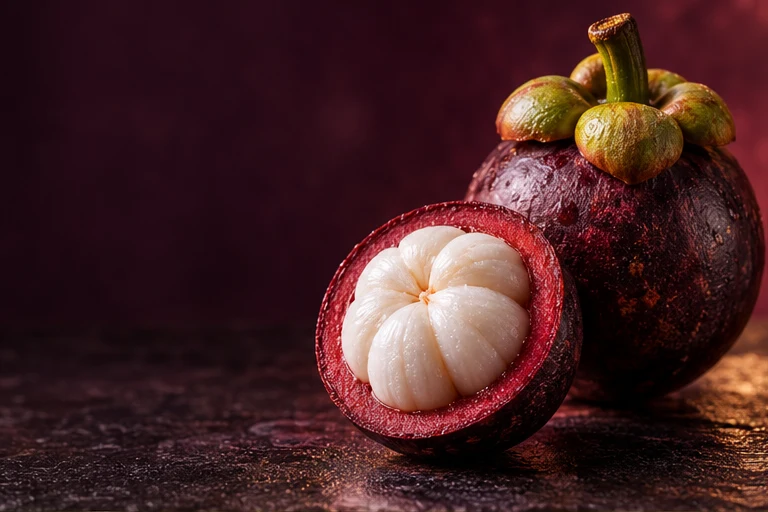
Natural Home Cures · Mangosteen science
Iron
& Mangosteen
Iron: Essential for Oxygen Transport and Cellular Function
Iron helps your blood carry oxygen and supports the work of muscles and cells. Start with its role in the body, explore its food sources, then look at what researchers have measured in mangosteen.
01 · Begin with the essentials
How Oxygen Reaches Your Cells
Oxygen enters your lungs when you breathe. To reach the rest of your body, it travels in the blood attached to hemoglobin, a protein in red blood cells. Iron is an essential part of that protein and helps it carry oxygen.(1)
02 · Normal biological roles
Iron at Work in the Body
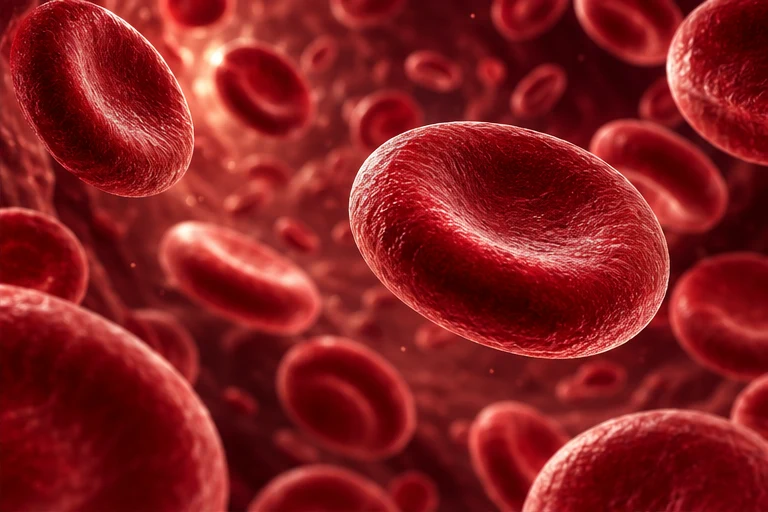
Carry oxygen.
Hemoglobin picks up oxygen in the lungs and carries it through the bloodstream to tissues.(1)
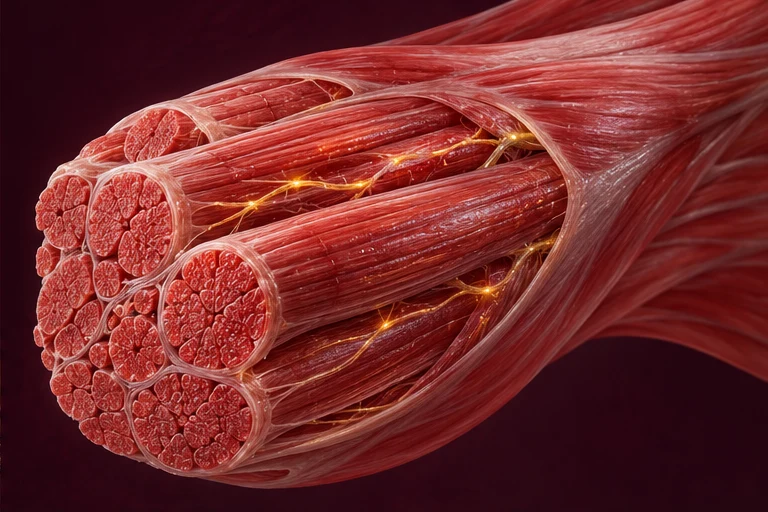
Supply oxygen to muscles.
Myoglobin is an iron-containing protein that helps supply oxygen within muscle tissue.(1)
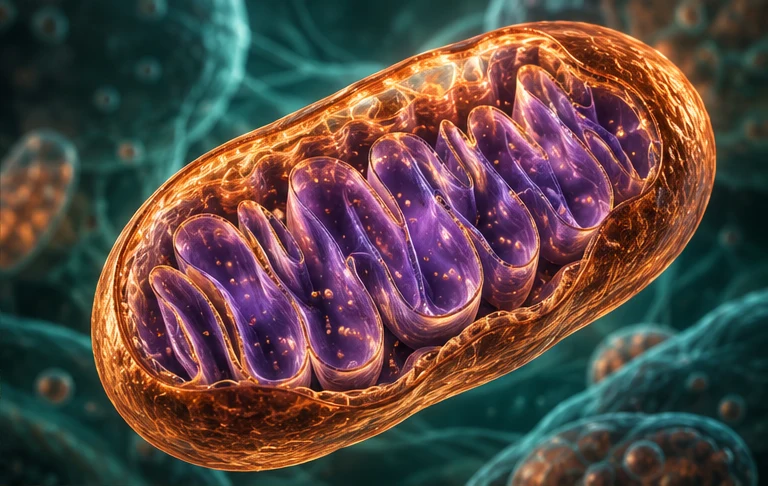
Support cellular energy.
Iron-containing proteins contribute to energy processes and enzyme reactions.(1)
03 · The oxygen connection
How Iron Binds Oxygen
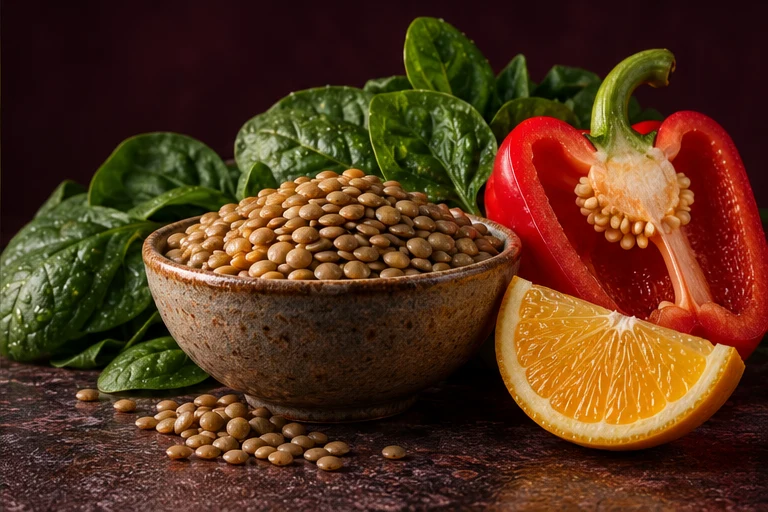
Hemoglobin contains small structures called heme groups. At the center of each is an iron atom that can bind oxygen. This allows hemoglobin to pick up oxygen in the lungs and release it where it is needed.(1)
05 · Everyday food sources
Iron in Everyday Foods
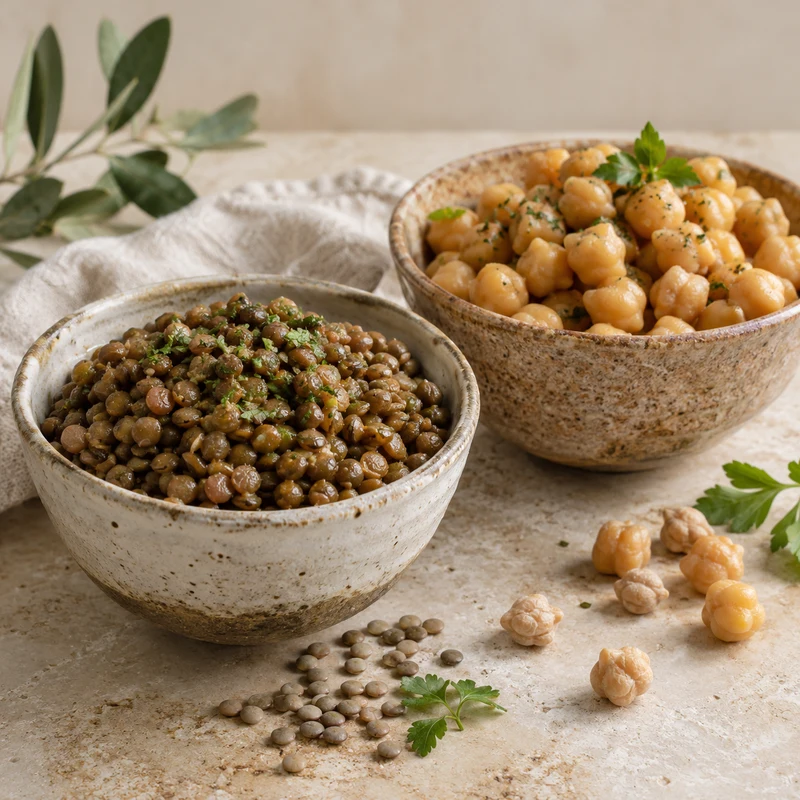
Seafood, legumes, leafy greens and fortified cereals provide iron in different forms and amounts.(1)
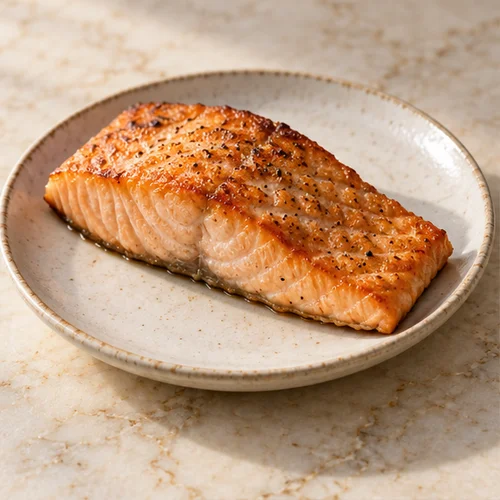
Seafood
Contains heme and non-heme iron
Beans & lentils
Plant-based non-heme iron
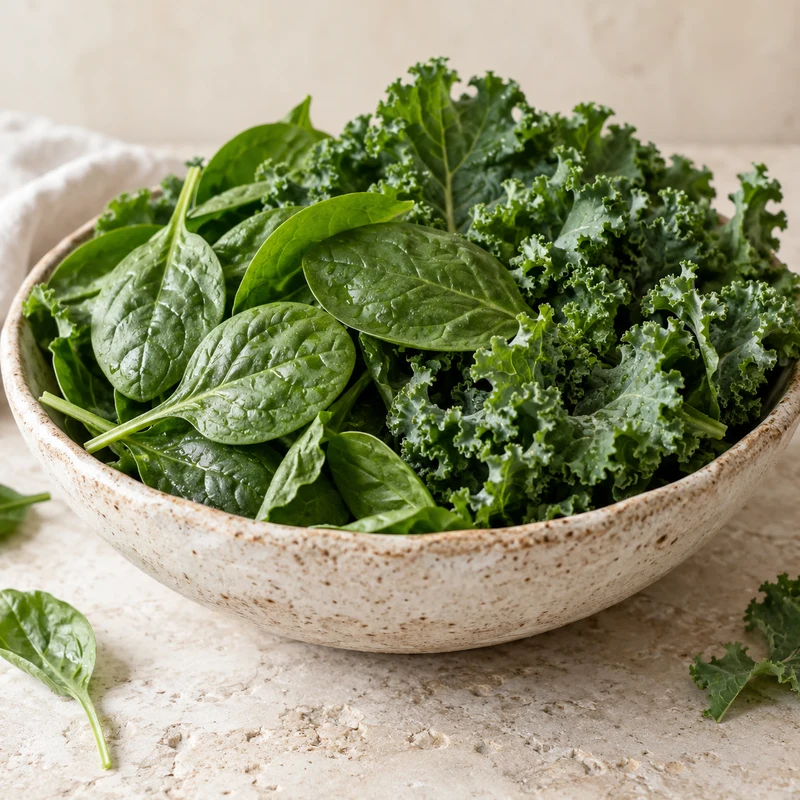
Leafy greens
Plant-based non-heme iron
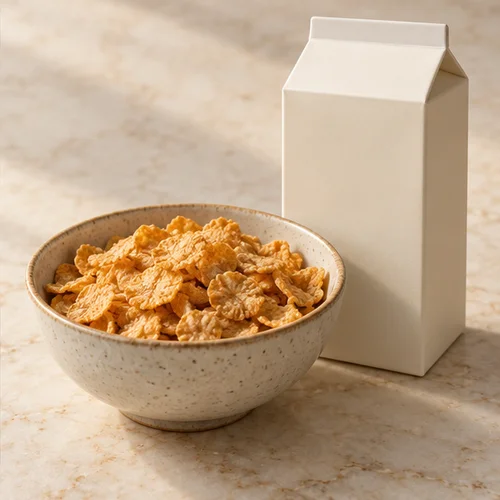
Fortified cereals
Check for added iron
Plants also use iron, including in the reactions that support photosynthesis.
06 · Before harvest
The Tree Needs
Iron Too.
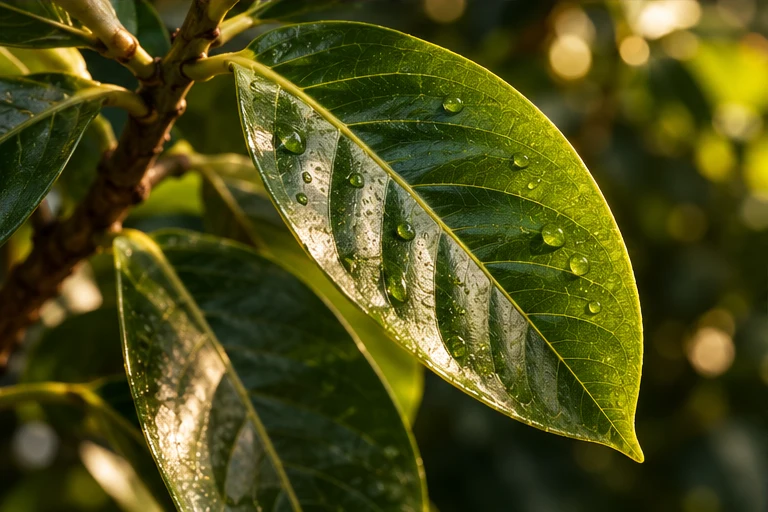
In plants, iron-containing proteins help transfer electrons during photosynthesis, the process that captures energy from sunlight. Iron also supports the reactions that release usable energy during respiration.(4)
Researchers have measured iron separately in the edible flesh and the outer pericarp.
07 · Measurements need context
Iron in Mangosteen Flesh and Pericarp
Two studies examined different parts of the fruit using different sample preparations. Read each figure alongside the material that was tested.
mg per 100 g, as reported
2014 mineral analysis using a dried pericarp sample.(5)The flesh and pericarp results describe different tissues. Region, season and sample preparation also need to be considered before comparing the numbers.(3), (5)
08 · From fruit to product
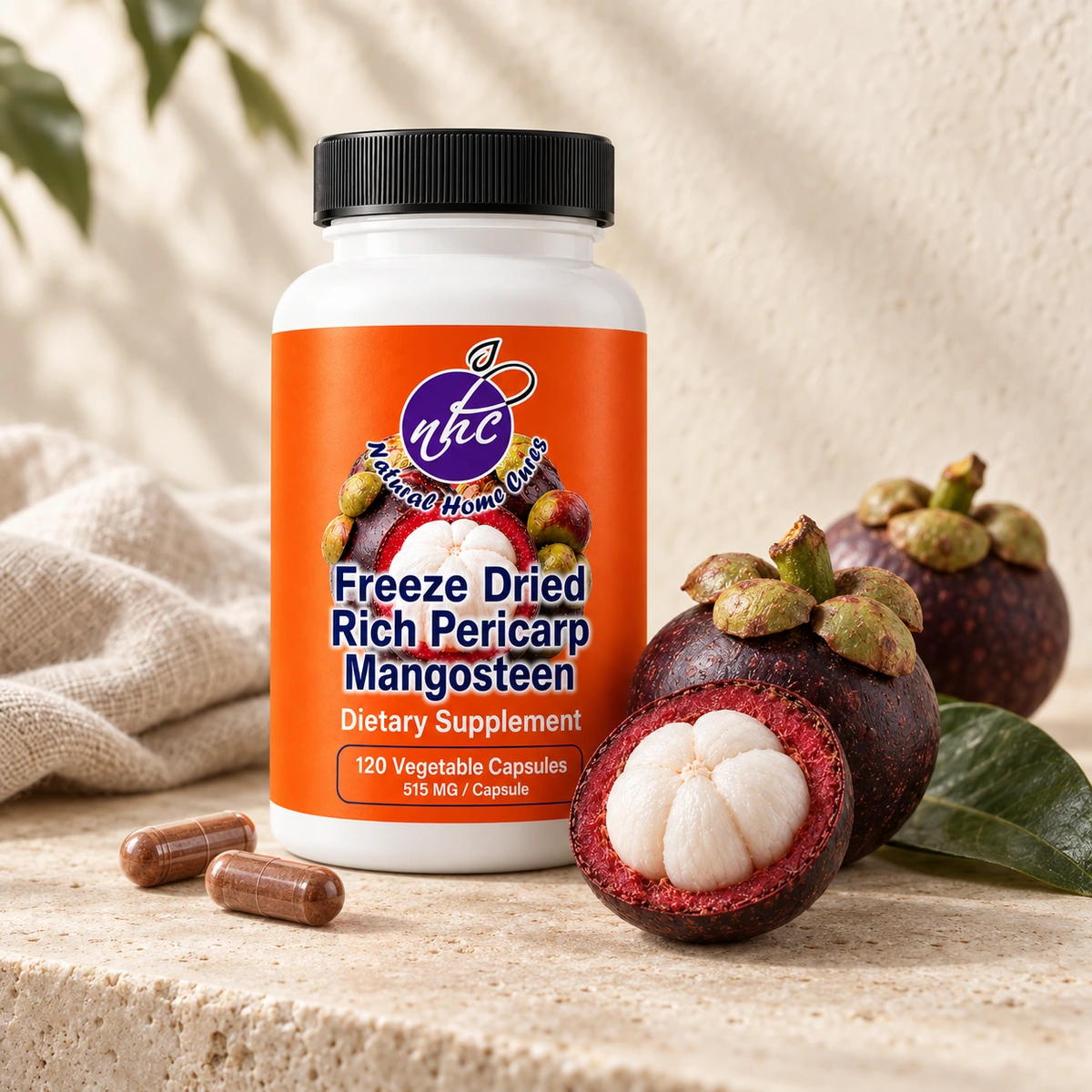
Whole Mangosteen Pericarp, Freeze-Dried
Our Freeze-Dried Rich Pericarp Mangosteen Capsules begin with the thick outer pericarp of Garcinia mangostana. After harvest, that pericarp is freeze-dried for our capsules.
The pericarp is used as a whole plant ingredient, with its structural material and naturally associated compounds.
Explore our mangosteen →The research behind this articleSource References
- 01Nutrition referenceIron: Fact Sheet for Health Professionals.View source
- 02View source
- 03View source
- 04Research referenceA quick journey into the diversity of iron uptake strategies in photosynthetic organisms. Plant Signaling & Behavior 16(11):1975088.View source
- 05View source
- 06Nutrition researchVaucher et al. (2012): Effect of iron supplementation on fatigue in nonanemic menstruating women with low ferritin: a randomized controlled trialView source ↗