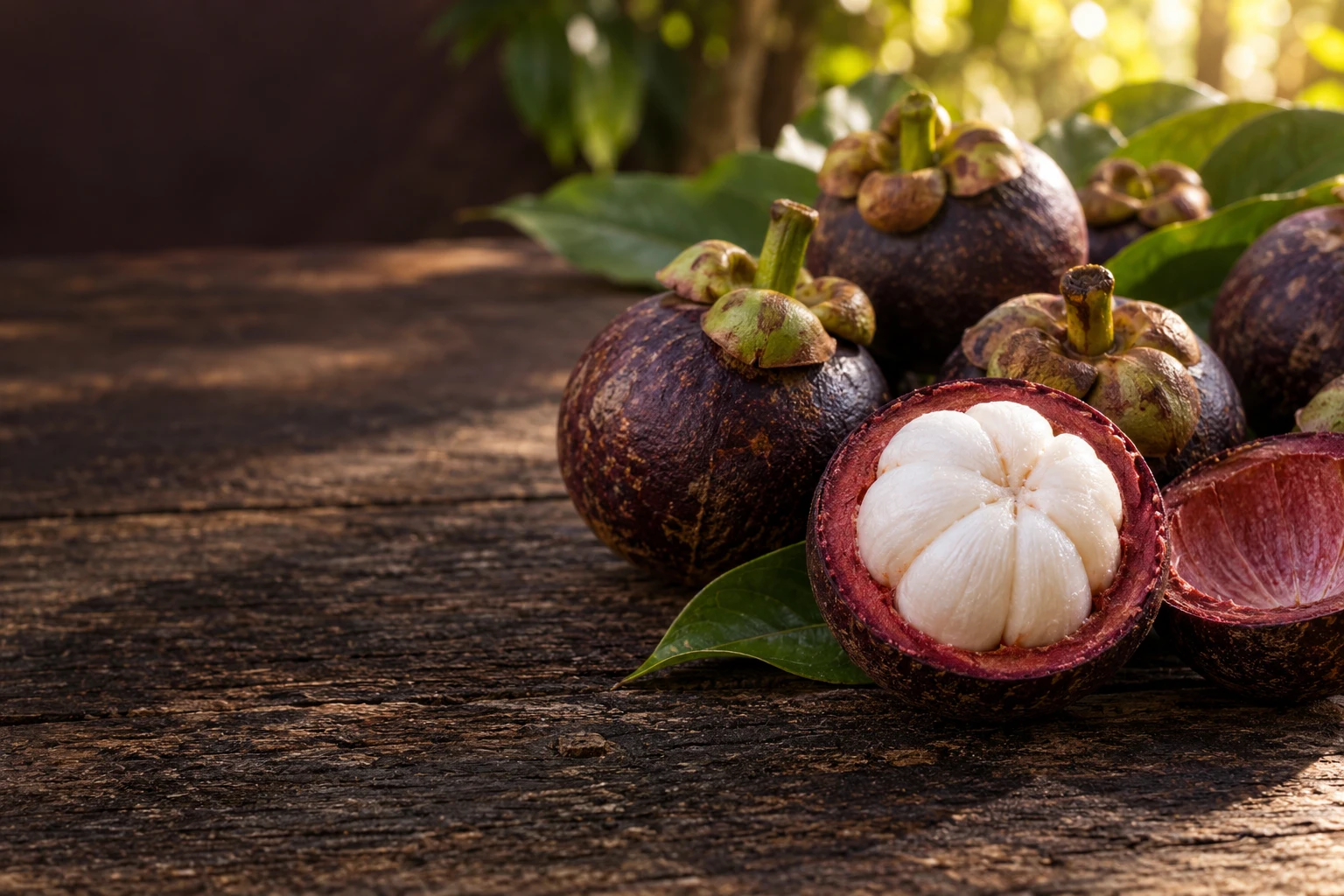
Natural Home Cures · Growing & Harvesting
Mangosteen’s
Pests &
Diseases
Look closely.
Protect the tree and fruit.
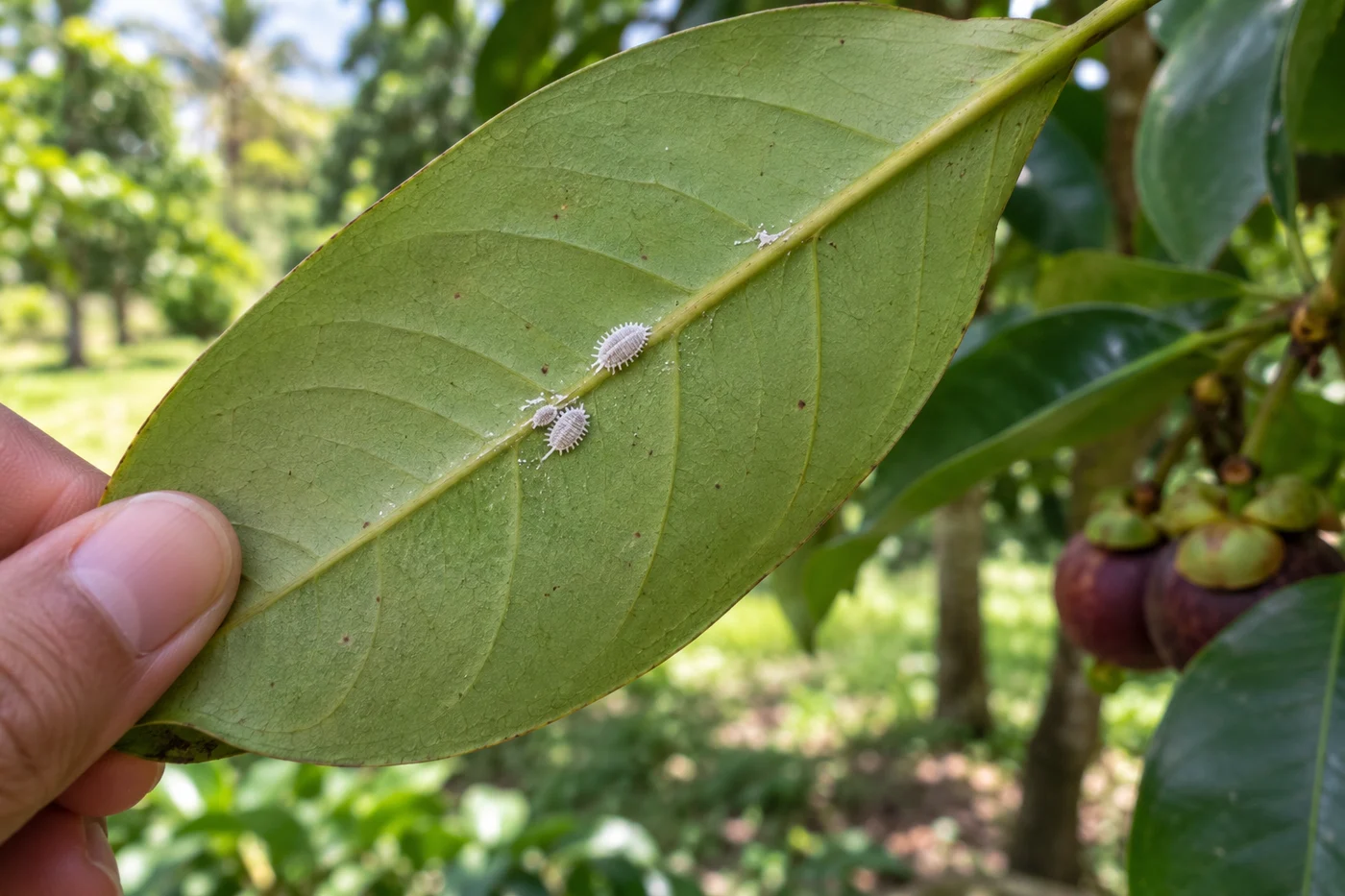
Clues worth noticing.Illustrative pest scene—not a species-identification photograph.
A mark on a leaf or a change in fruit texture can have several causes. Begin by separating pests, disease and physical damage, then follow the signs from the orchard through harvest.
01 · Start with the cause
Pests, Disease or Damage?
Start With the Cause.
Infectious disease.
Fungi can cause decay; anthracnose is reported in production guidance.(1)(2)
Injury or stress.
Hard pericarp and altered flesh can occur without an infectious cause.(2)
Several problems can occur together. A visible symptom alone does not identify its cause.
Start the inspection with the tree itself, especially young growth and leaf undersides.
02 · Reported orchard pests
Inspect Leaves,
Young Growth and Fruit.
The Philippine production guide lists these pests.(1) Their presence and impact vary between orchards.
Mites
Aphids
Mealybugs
Coconut scales
Tussock caterpillars
Fructifier ants
Some insects also leave a second clue: a sugary coating that supports sooty mold.
03 · A clue on the leaf surface
How Sap-Feeding Insects
Lead to Sooty Mold.
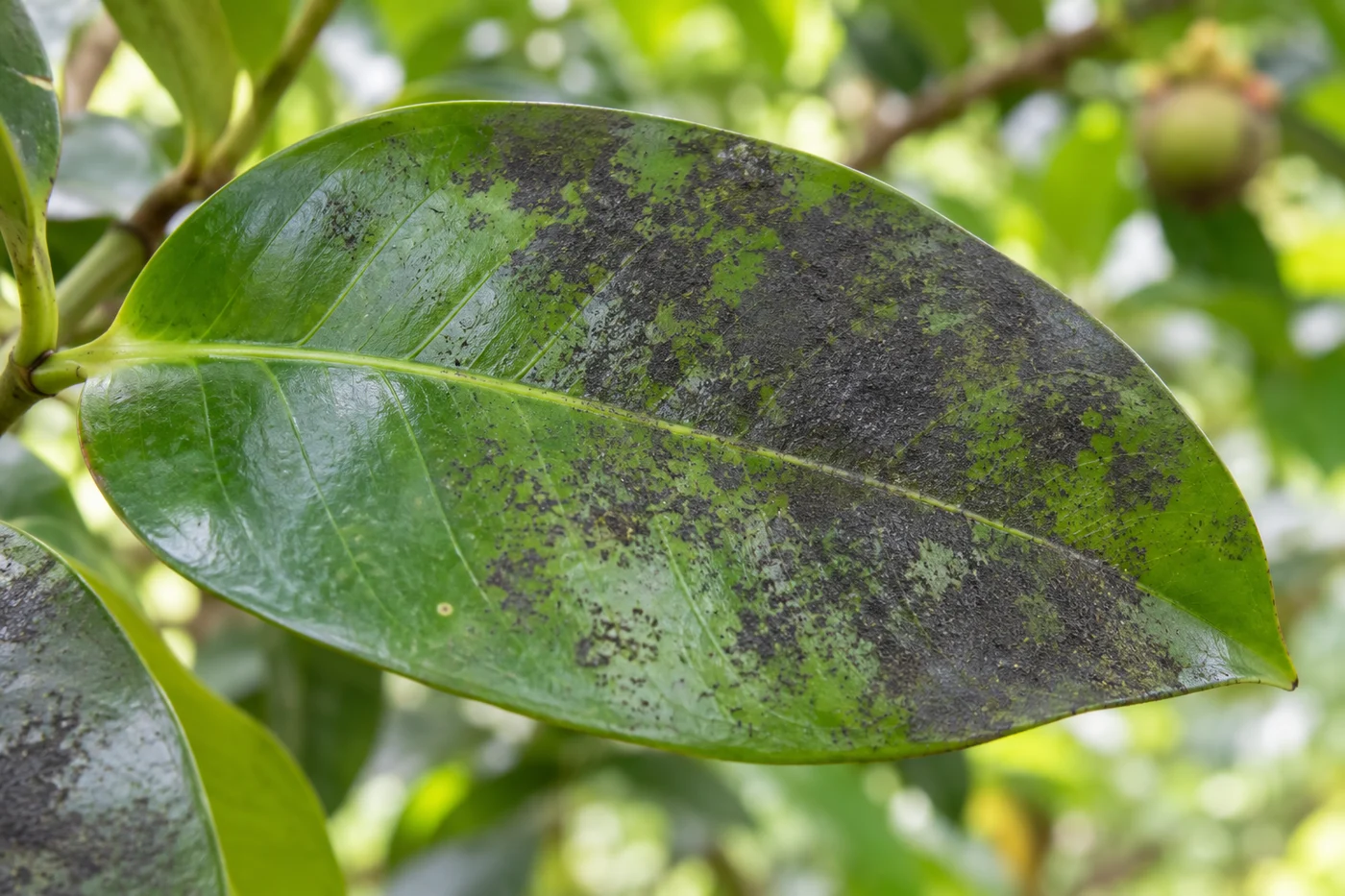
Sap-feeders such as aphids and mealybugs can leave sugary honeydew. Sooty mold grows on that material, forming a dark surface coating.(4)
Production guidance reports sooty mold on mangosteen.(1) Inspect for the insect activity behind the coating.
Fruit symptoms need the same careful separation of causes. Some arise from injury or internal changes rather than infection.
04 · Fruit damage can have another explanation
When Fruit Damage
Isn’t an Infection.
Gamboge / yellow latex
Physical injury can release yellow latex from the fruit.(3) Gamboge is latex, not the name of a pathogen.
Pericarp hardening
Compression or impact can harden the pericarp.(2)
Translucent flesh
The University of California, Davis (UC Davis), lists possible links with injury, nutrient imbalance or excessive water uptake.(2)
Cracking & blemishes
Surface defects warrant closer inspection; appearance alone does not establish infection.(2)
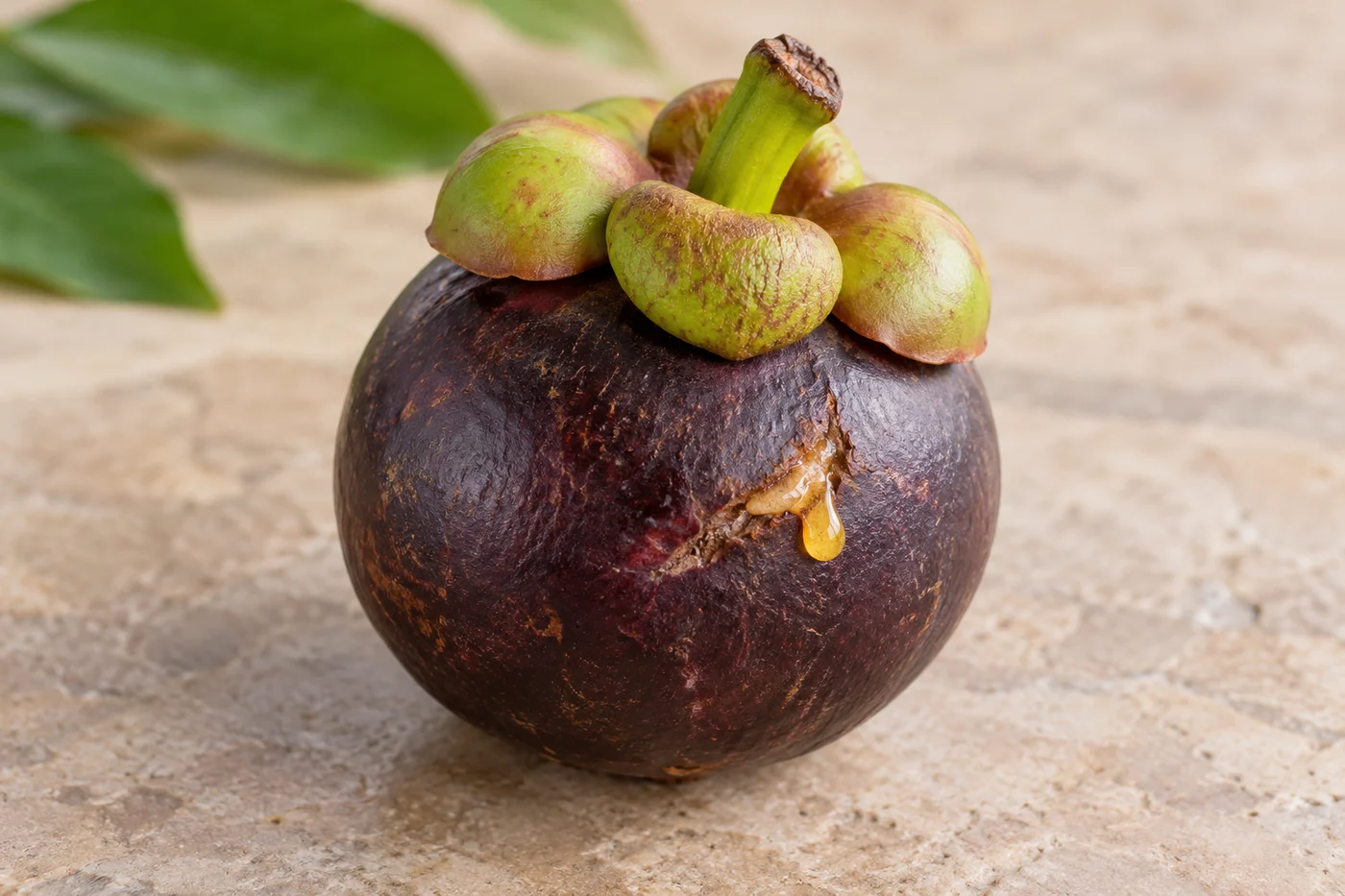
Physical disorders and fungal decay are separate concerns, even when both affect the same harvest.
05 · After harvest
Recognize Decay
After Harvest.
UC Davis identifies several fungi associated with mangosteen decay.(2) Gentle handling matters because physical injury can also compromise fruit quality.
Fungi listed in the UC Davis fact sheet
Botryodiplodia theobromae, Diplodia species, Pestalotia flagisettula, Phomopsis species and Rhizopus species. Names are retained as listed in the 2001 fact sheet.
06 · Prevention and observation first
Observe, Protect
and Confirm the Cause.
07 · Quality begins in the orchard
Care Before
the Processing Step.
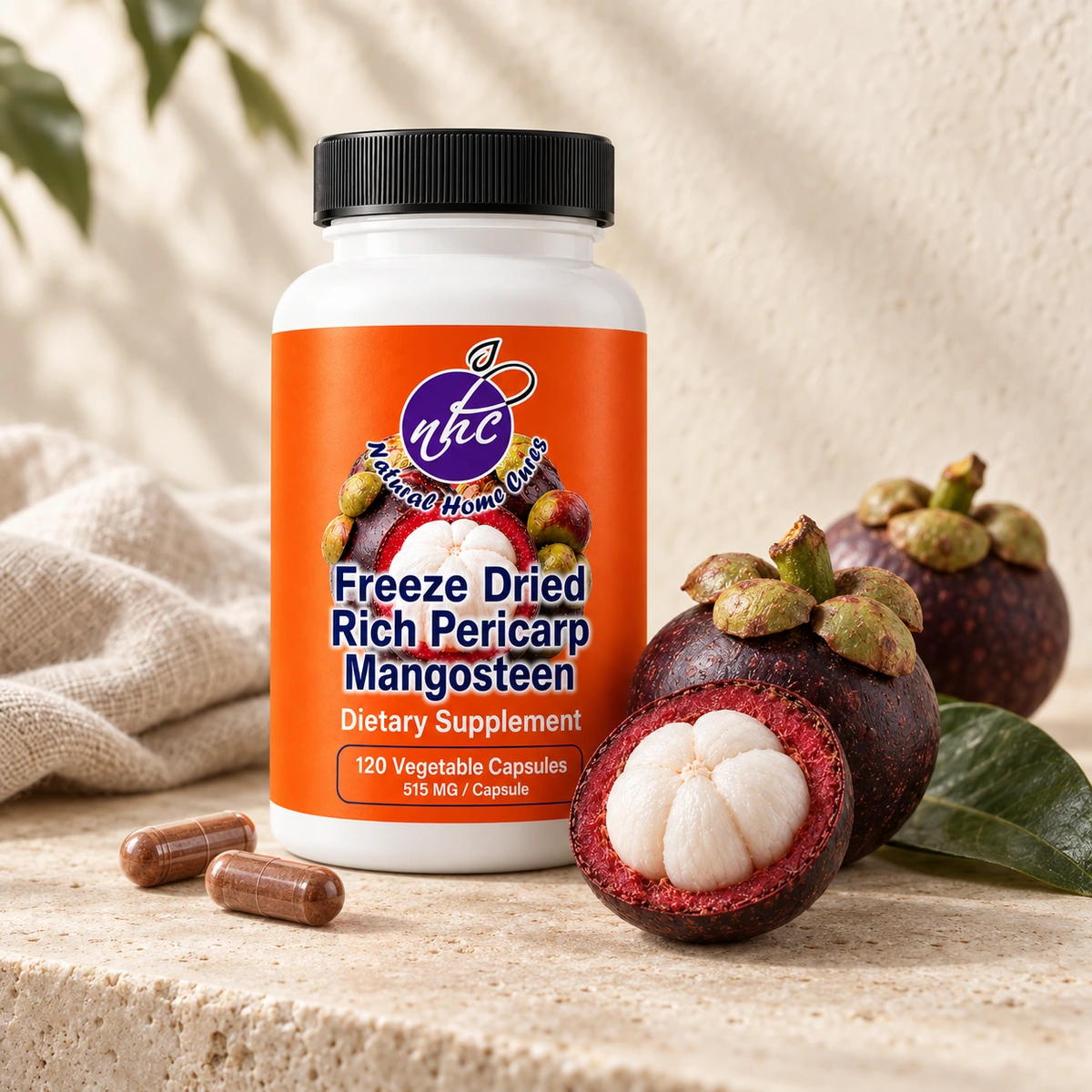
Our Freeze-Dried Rich Pericarp Mangosteen Capsules use the thick pericarp of Garcinia mangostana.
Fruit condition, careful harvest and clean handling all belong to the botanical quality story.
Explore our mangosteen →The research behind this articleSource References
- 01Orchard production guideMangosteen Production GuideView source ↗
Full citation
Philippine Department of Agriculture, High Value Crops Development Program. Mangosteen Production Guide. Reported pests, diseases and harvest handling. Older chemical-control schedules are not reproduced here.
- 02Postharvest fact sheetMangosteen — Produce FactsView source ↗
Full citation
Kader AA. Mangosteen. Produce Facts. UC Davis Postharvest Research and Extension Center. Updated May 2001. Physiological, physical and pathological disorders. Accessed October 14, 2026.
- 03Fruit injury & latexFruits of Vietnam — MangosteenView source ↗
Full citation
Food and Agriculture Organization of the United Nations. Fruits of Vietnam, section 4.6: Mangosteen. Physical injury, yellow latex exudation and fruit quality.
- 04General pest–mold relationshipSooty MoldView source ↗
Full citation
University of California Statewide Integrated Pest Management Program. Sooty Mold. Home and Landscape. General explanation of honeydew-producing insects and superficial sooty mold; not a mangosteen-specific diagnosis.