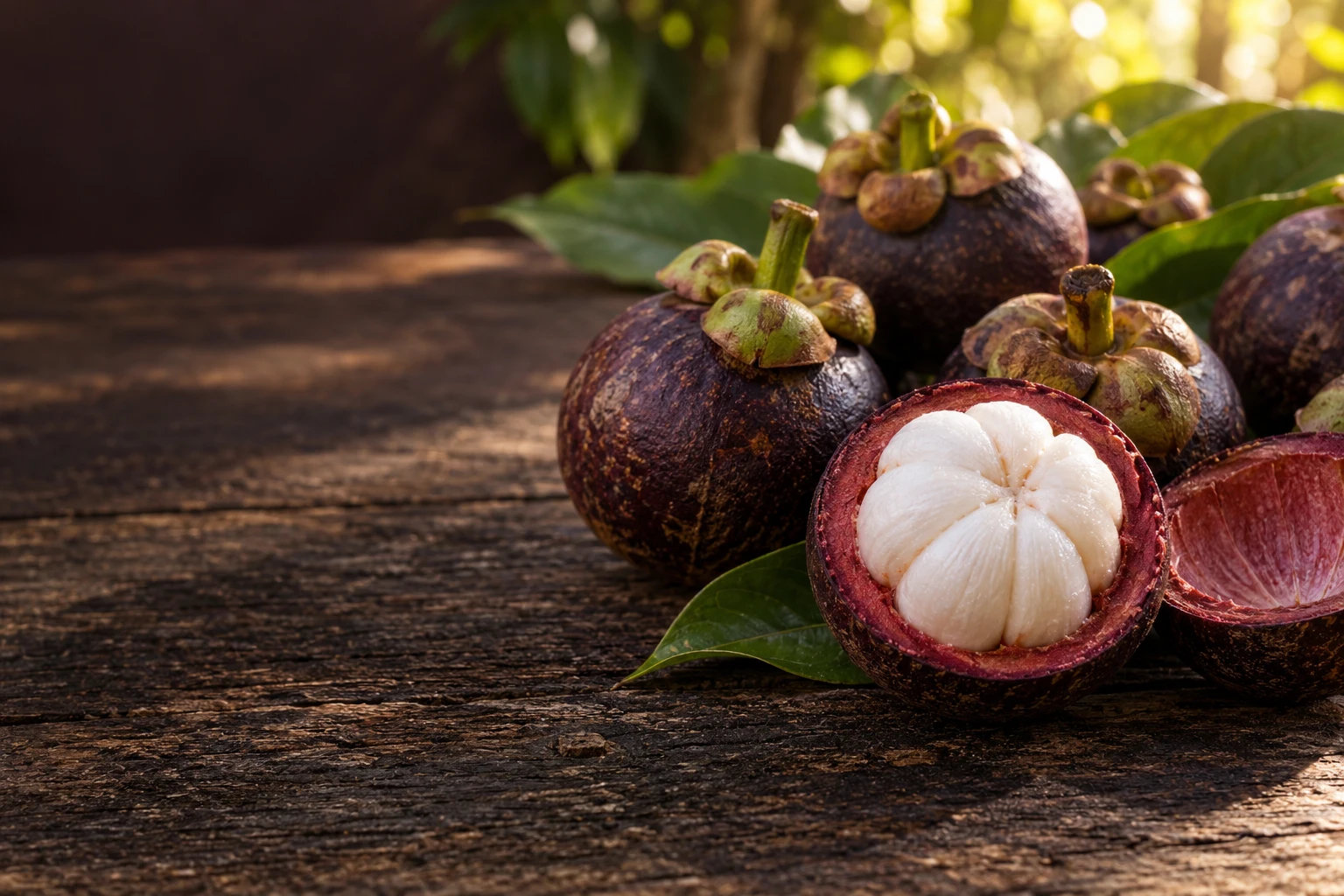
Natural Home Cures · Mangosteen science
Thiamine
& Mangosteen
Vitamin B1.
A small helper behind cellular energy.
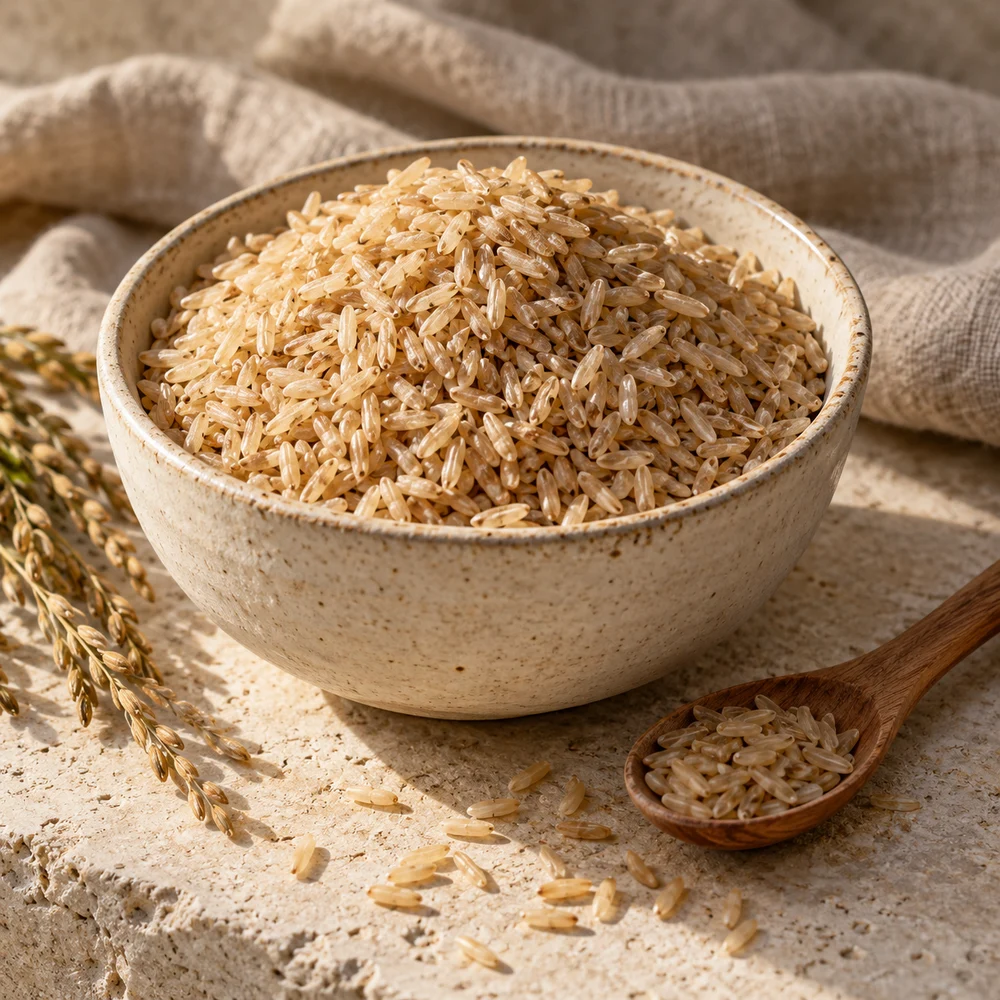
Everyday thiamine.Brown rice is one dietary B1 source. Mangosteen research describes different materials.
Thiamine is vitamin B1. It helps cells use fuel and supports normal nerve function. We explain its active form before exploring food sources, mangosteen measurements and the effects of processing.
A water-soluble vitamin.
01 · Begin with the essentials
Helping Cells Use
the Energy in Food.
Your cells need thiamine to help process nutrients into usable energy. The vitamin acts as a helper in these reactions; it does not supply calories.(1)
02 · From vitamin to active coenzyme
Meet TPP.
A Helper for Enzymes.
The body converts thiamine into thiamine pyrophosphate, shortened to TPP. Enzymes use TPP to help carry out reactions involved in using fuel.(1)
You may also see the name thiamine diphosphate, or TDP. It refers to the same active form shown in this simplified diagram.
03 · Connected systems
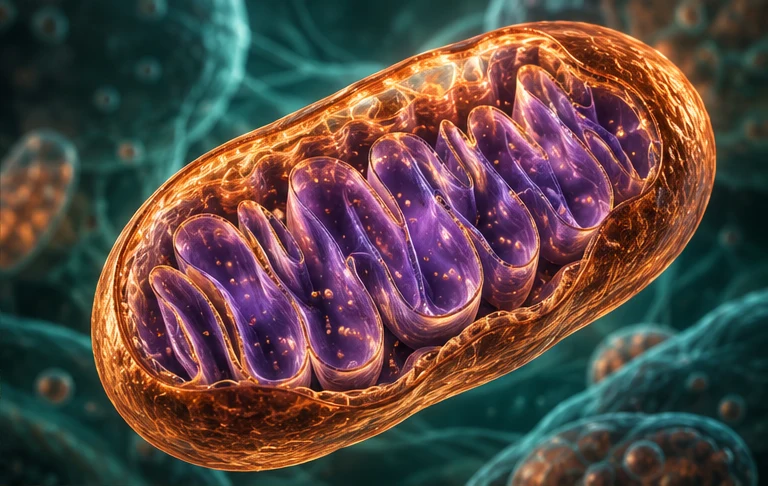
Cellular Energy.
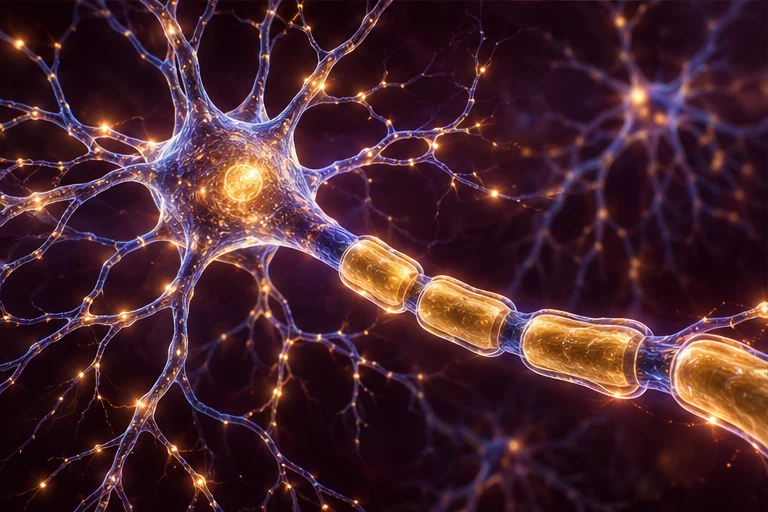
Normal Nerve Function.
Which foods contribute thiamine?
04 · Thiamine across the diet
Everyday Foods.
More Than One Source.
Whole grains, legumes, seeds and enriched or fortified foods contribute thiamine.(1)
Whole grains
Brown rice and whole-wheat foods
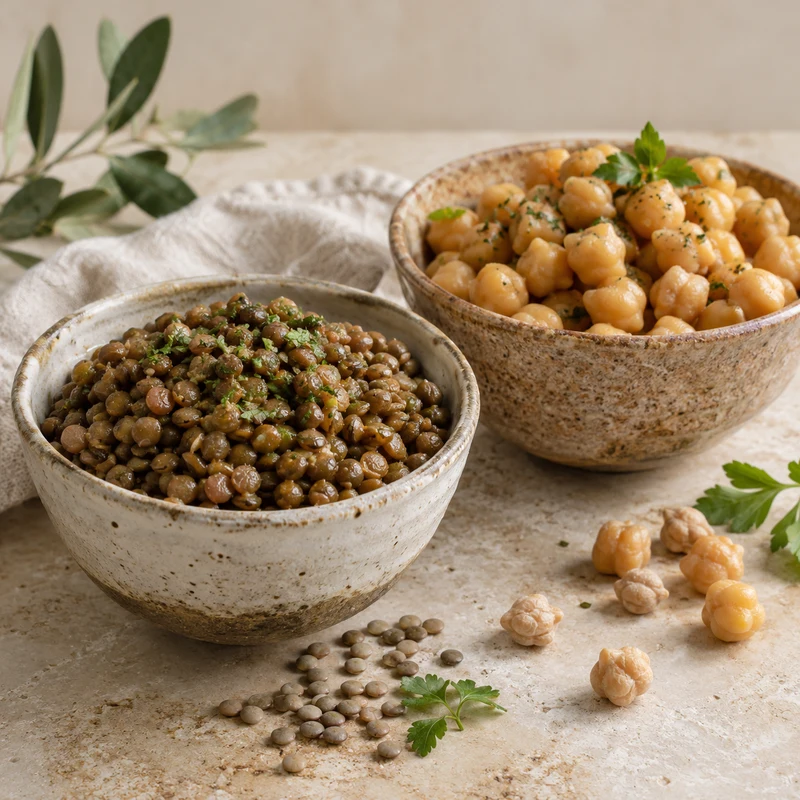
Legumes
Beans and other varieties
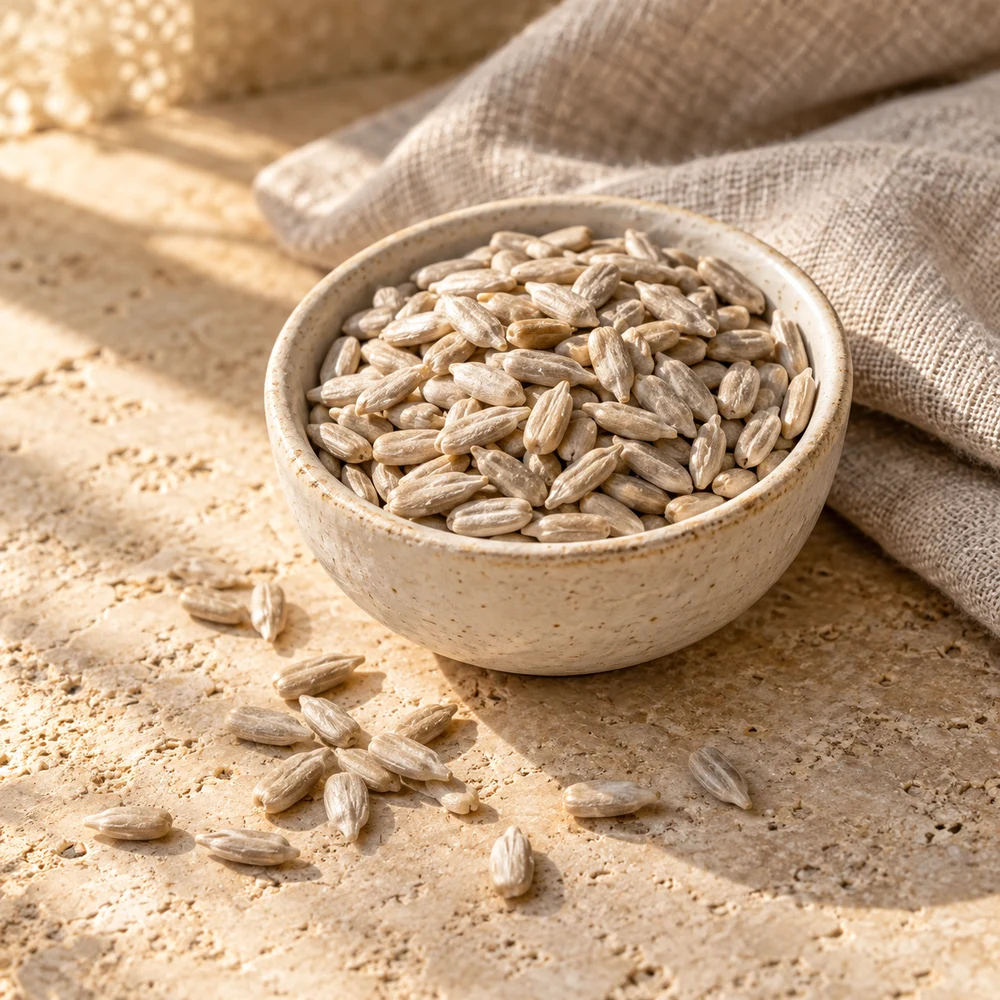
Sunflower seeds
One of several seed sources
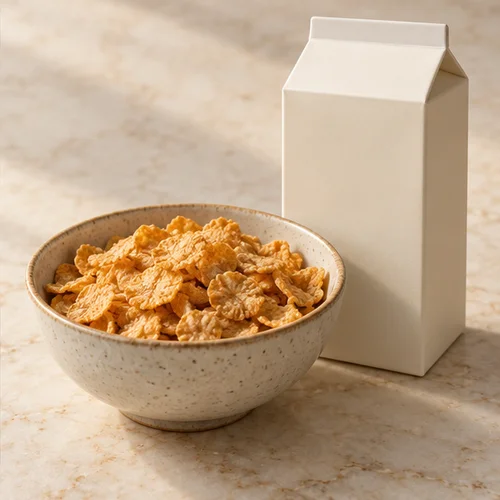
Fortified foods
Check the thiamine label
Researchers have also measured thiamine in mangosteen.
05 · Research on the pericarp
Thiamine Measured in Mangosteen Pericarp
An earlier Garcinia study reported 50 micrograms of thiamine per 100 grams of mangosteen pericarp. The figures below show that same measurement in two units.(2), (3)
The amount reported in the earlier pericarp analysis.
1 milligram equals 1,000 micrograms.
Handling after harvest can change how much thiamine remains.
06 · Water-soluble · handling-sensitive
How Processing Can Affect B1
Thiamine can be lost during processing or storage. Heat can damage it, and because it dissolves in water, some can leave food when cooking water is discarded.(1)
Heat
Temperature and processing conditions matter.
Water
Water-soluble vitamins can leave food with discarded cooking water.
Storage
Handling influences how much remains after harvest.
Temperature, moisture and storage conditions influence how much B1 remains.
07 · The whole-pericarp perspective
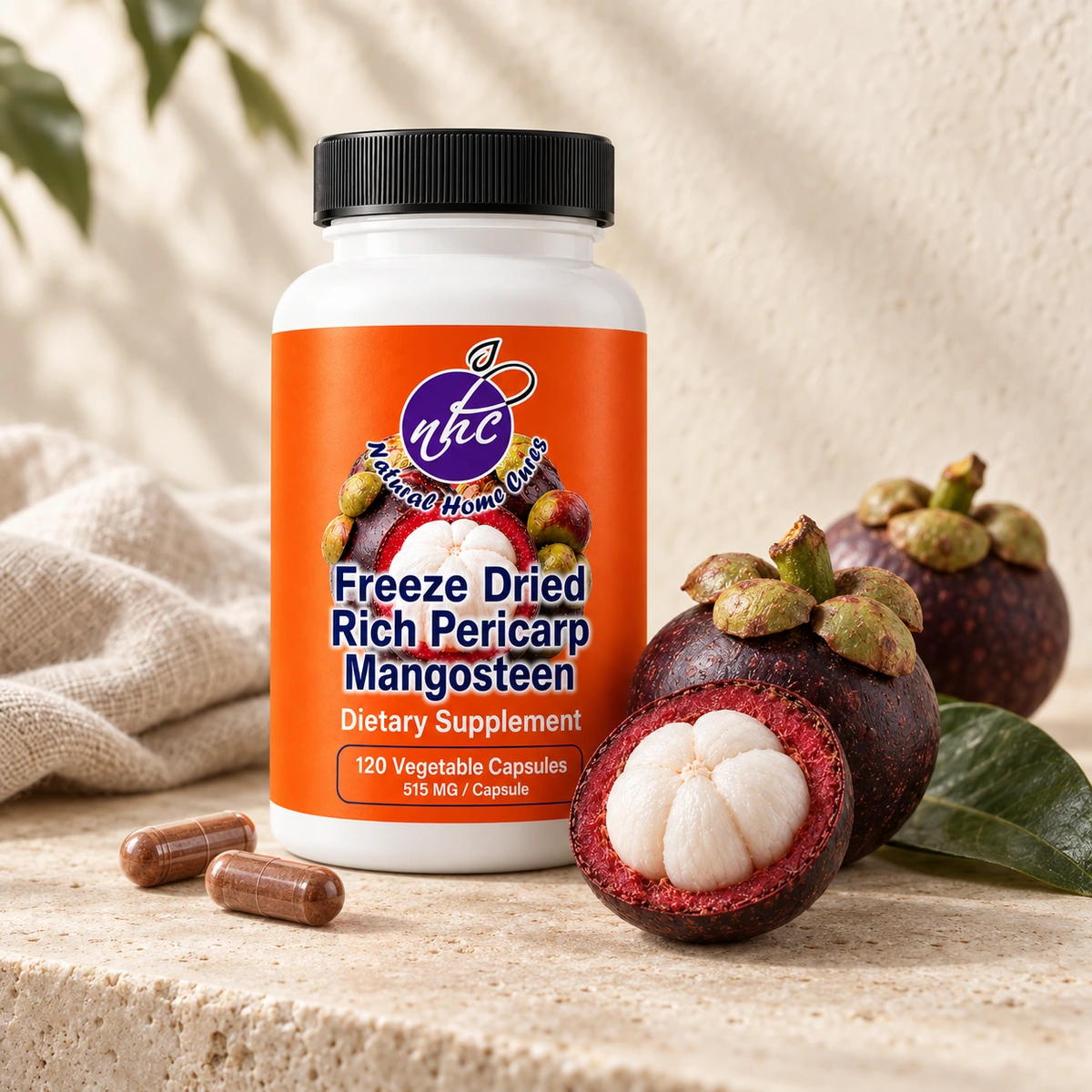
Whole Mangosteen Pericarp, Freeze-Dried
Our Freeze-Dried Rich Pericarp Mangosteen Capsules begin with the thick outer pericarp of Garcinia mangostana.
Studies have reported thiamine in pericarp. After harvest, our pericarp is freeze-dried and prepared for capsules as a whole botanical ingredient.(2), (3)
Explore our mangosteen →The research behind this articleSource References
- 01Nutrition referenceThiaminView source ↗
Full citation
National Institutes of Health, Office of Dietary Supplements. “Thiamin — Fact Sheet for Health Professionals.”
- 02Mangosteen reviewPhytochemicals and Bioactive Properties of MangosteenView source ↗
Full citation
Yan M, Hou W, Wang H, Beyatli A, Arshad MS, Suleria HAR. “Phytochemicals and Bioactive Properties of Mangosteen (Garcinia mangostana L.): A Comprehensive Review.” Food Bioscience. 2026;79:108569.
- 03Fruit composition studyNutrient and Medicinal Compositions of Selected Indian Garcinia SpeciesView source ↗
Full citation
Parthsarathy U, Nandakishore OP. “A Study on Nutrient and Medicinal Compositions of Selected Indian Garcinia Species.” Current Bioactive Compounds. 2014;10(1):55–61.
- 04Nutrition researchNIH Office of Dietary Supplements: Thiamin — ConsumerView source ↗