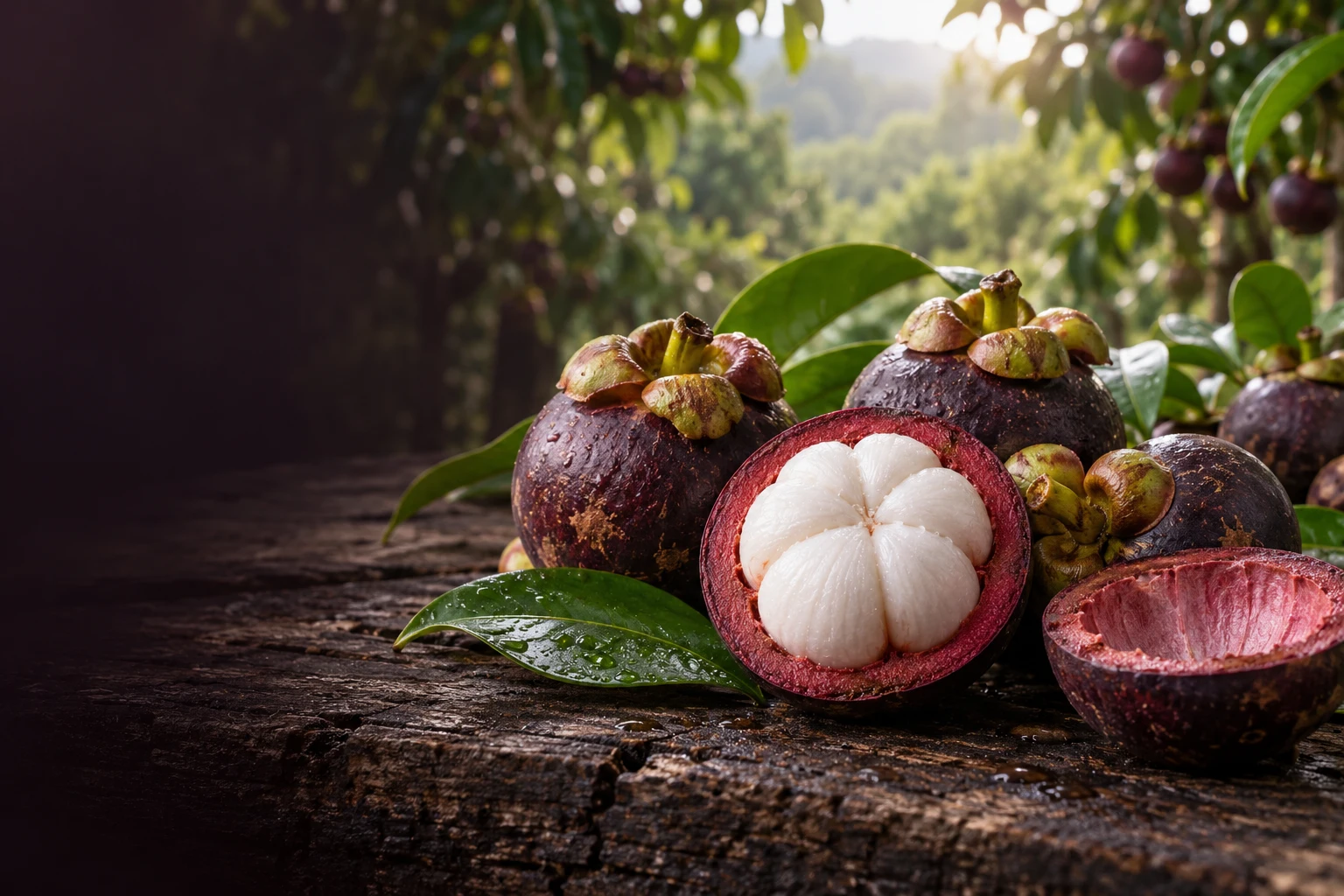
Natural Home Cures · Mangosteen science
Vitamin A
& Mangosteen
Vitamin A supports sight, healthy tissues and development. Some plant pigments can become this essential vitamin.
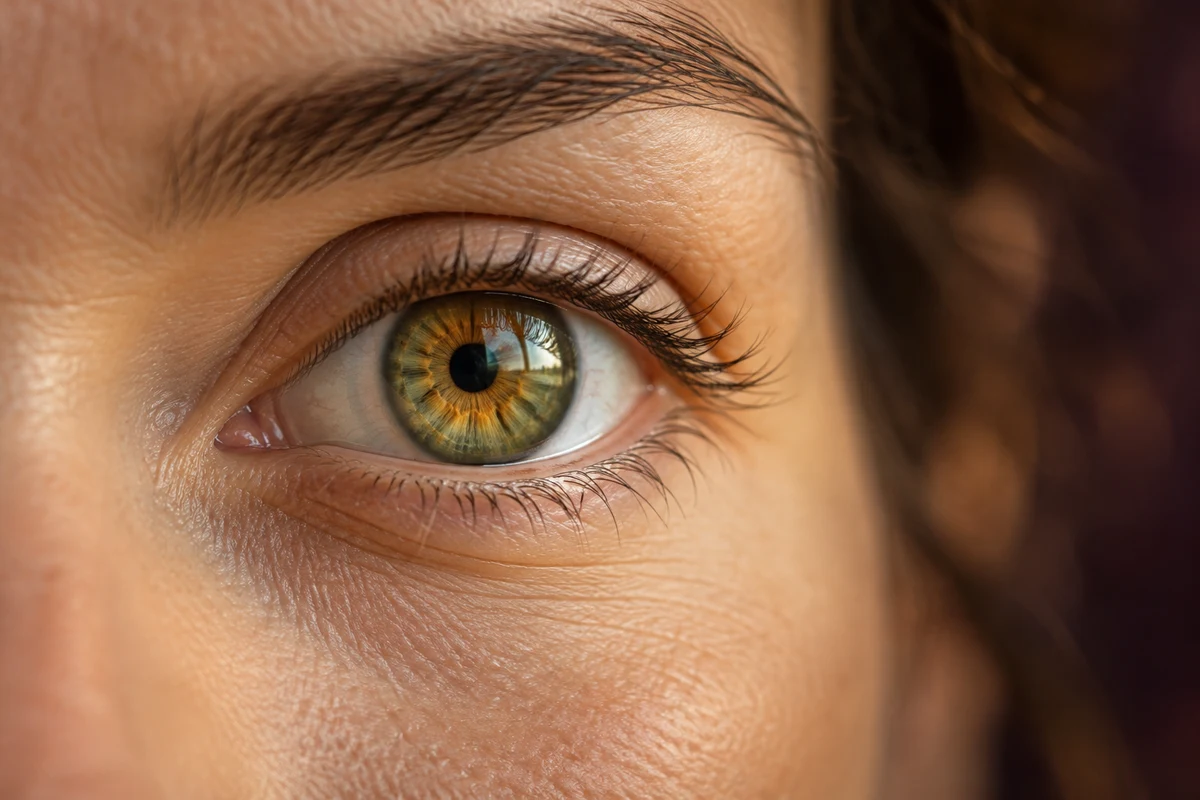
Seeing the connection.Vitamin A participates in normal vision—not a demonstrated effect of mangosteen capsules.
Vitamin A comes from foods in two ways: as ready-made vitamin A, or as certain plant pigments that the body converts. Understanding those forms helps explain the connection with mangosteen.
with more than one role.
01 · Begin with the essentials
Why Vitamin A Matters
Vitamin A helps maintain sight, immune function and healthy tissues. It also helps cells grow and develop into specialized types.(1)
02 · Two dietary forms
Two Ways Foods Provide Vitamin A
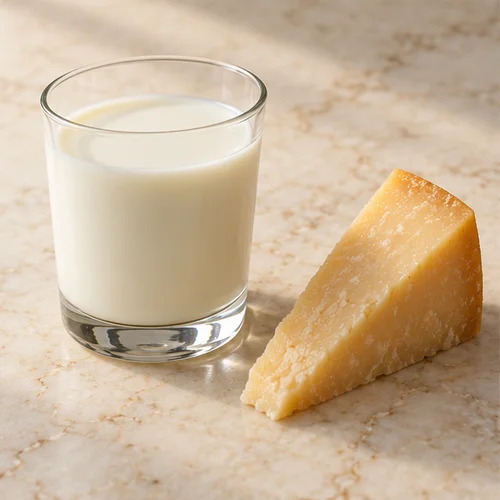
Preformed vitamin A
Animal foods can contain retinol and retinyl esters, forms already usable as vitamin A.(1)
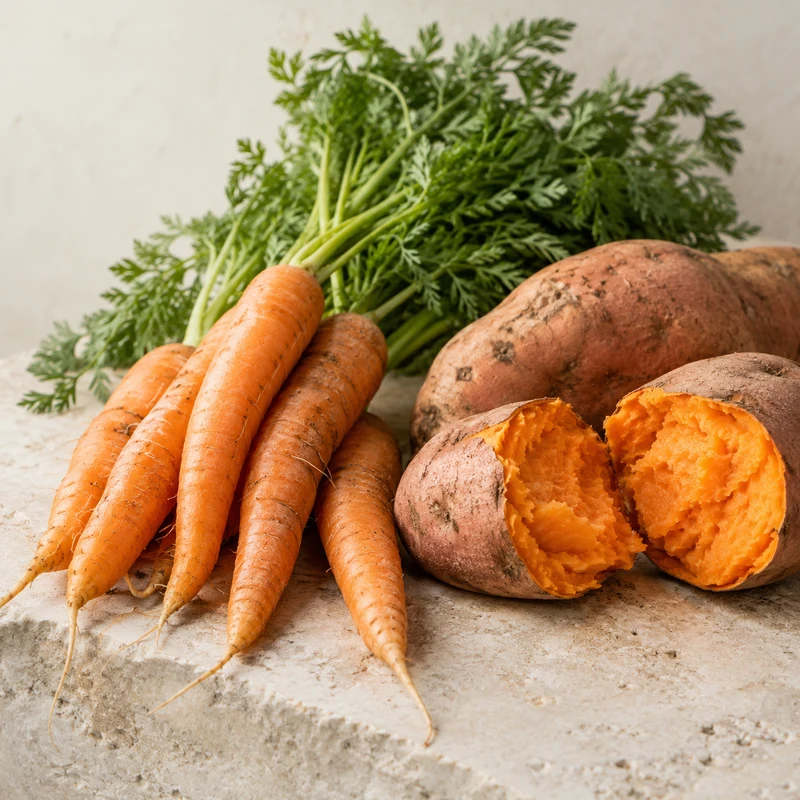
Provitamin A carotenoids
The body can turn certain plant pigments, including beta-carotene, into vitamin A. These are called provitamin A carotenoids.(1)
Simplified dietary pathways. Different forms do not provide equal vitamin A activity.
03 · An essential nutrient
Light. Tissues. Growth.
Normal vision.
In the retina at the back of the eye, a vitamin A-derived molecule helps detect light.(1)
Tissue maintenance.
Vitamin A helps maintain surface and lining tissues, including those in the respiratory and digestive tracts. It also supports normal immune function.(1)
Growth and development.
Cells use vitamin A in the processes that guide normal growth and specialization.(1)
04 · The distinction that matters
Which Plant Pigments Can Become Vitamin A?
Food examples make the two sources easier to recognize.
05 · Vitamin A across the diet
Familiar Foods. Different Forms.
Plant foods provide provitamin A pigments; animal foods can provide preformed vitamin A.(1)
Orange vegetables
Provitamin A carotenoids
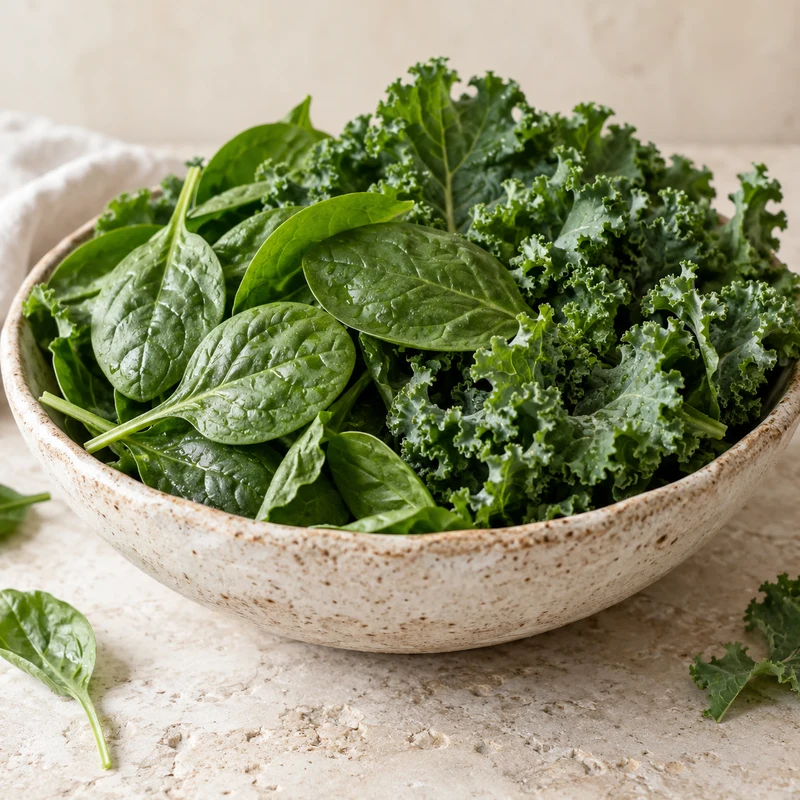
Leafy greens
Provitamin A carotenoids
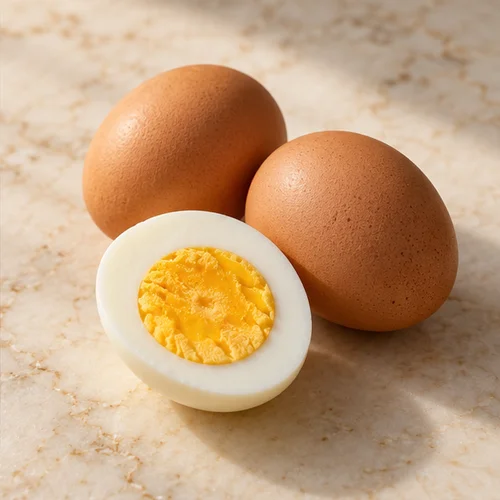
Eggs
Preformed vitamin A
Dairy
Preformed vitamin A
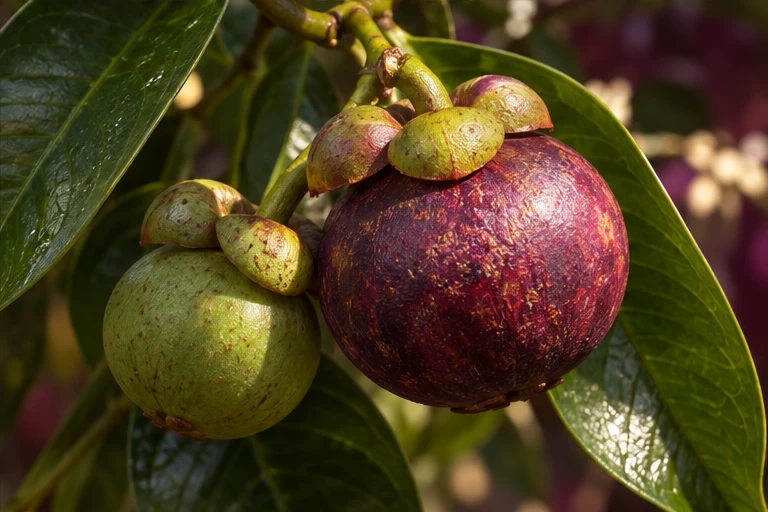
Which of these pigments have been described in mangosteen?
06 · Mangosteen’s pigment chemistry
A Connection
Through Beta-Carotene.
Mangosteen research describes beta-carotene, lutein and zeaxanthin. Their amounts can change as the fruit ripens.(2)
Beta-carotene provides the link to vitamin A. Lutein and zeaxanthin do not. Measuring the pigments is still necessary to determine the vitamin A activity of a serving.
Vitamin A amounts are expressed as retinol activity equivalents, or RAE, to account for differences between forms.(1)
07 · The whole-pericarp perspective
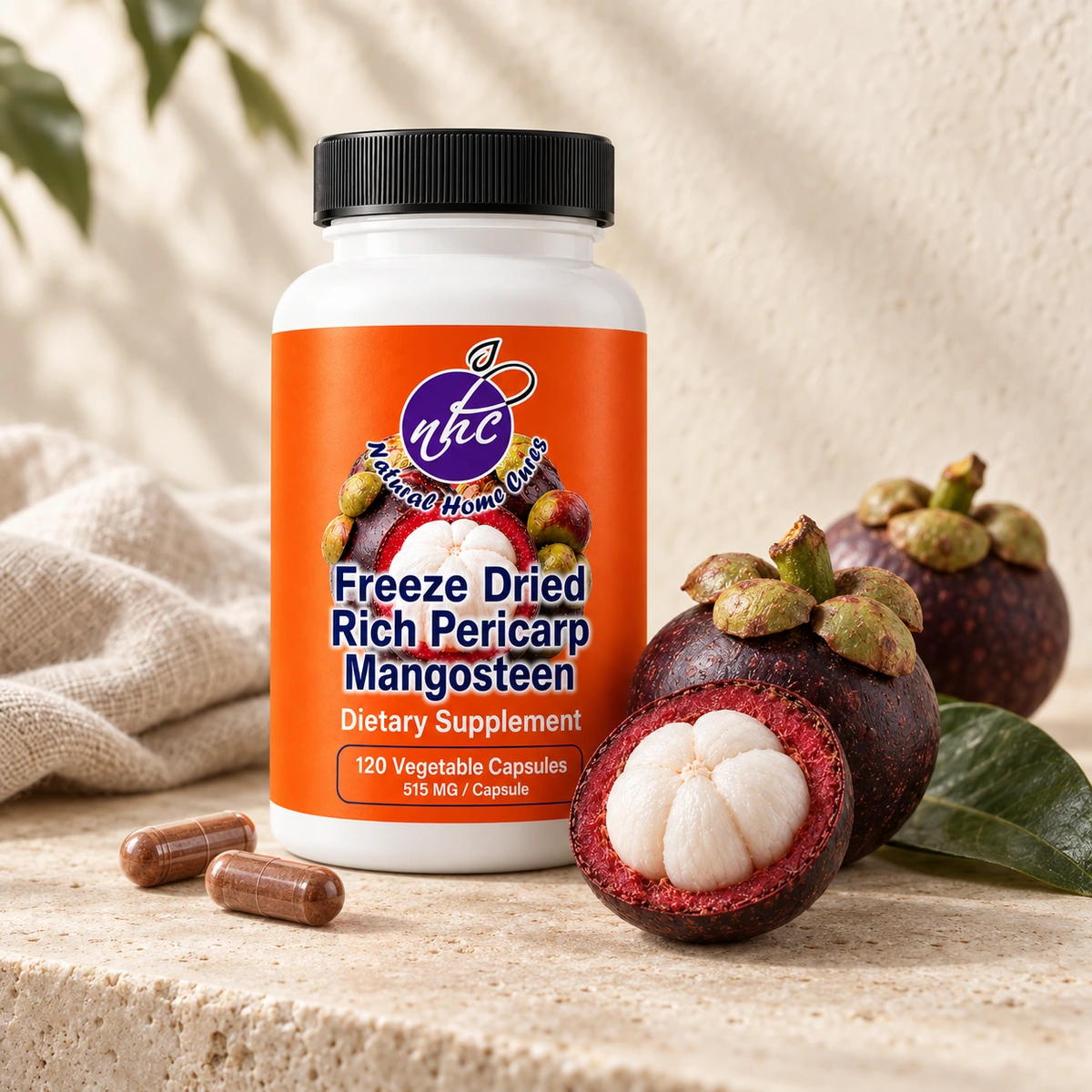
Whole Mangosteen Pericarp, Freeze-Dried
Our Freeze-Dried Rich Pericarp Mangosteen Capsules begin with the thick outer pericarp of Garcinia mangostana.
After harvest, our pericarp is freeze-dried and prepared for capsules as a whole botanical ingredient.
Explore our mangosteen →The research behind this articleSource References
- 01Nutrition referenceVitamin A and CarotenoidsView source ↗
Full citation
National Institutes of Health, Office of Dietary Supplements. “Vitamin A and Carotenoids — Fact Sheet for Health Professionals.”
- 02Mangosteen reviewPhytochemicals and Bioactive Properties of MangosteenView source ↗
Full citation
Yan M, Hou W, Wang H, Beyatli A, Arshad MS, Suleria HAR. “Phytochemicals and Bioactive Properties of Mangosteen (Garcinia mangostana L.): A Comprehensive Review.” Food Bioscience. 2026;79:108569.
- 03Nutrition researchMedlinePlus Medical Encyclopedia: Vitamin AView source ↗