Natural Home Cures · Mangosteen science
Manganese
& Mangosteen
Manganese: Supporting Enzymes, Bone Formation and Cellular Defenses
Manganese is needed in small amounts to help enzymes work. It supports human nutrition and also takes part in the plant process that releases oxygen during photosynthesis.
An essential trace mineral
01 · Begin with the essentials
What Is a Trace Mineral?
Manganese is a trace mineral, meaning the body needs only a small amount. It helps enzymes carry out reactions involved in using nutrients, forming bone and maintaining antioxidant defenses.(1)
02 · What does manganese do?
How the Body Uses Manganese
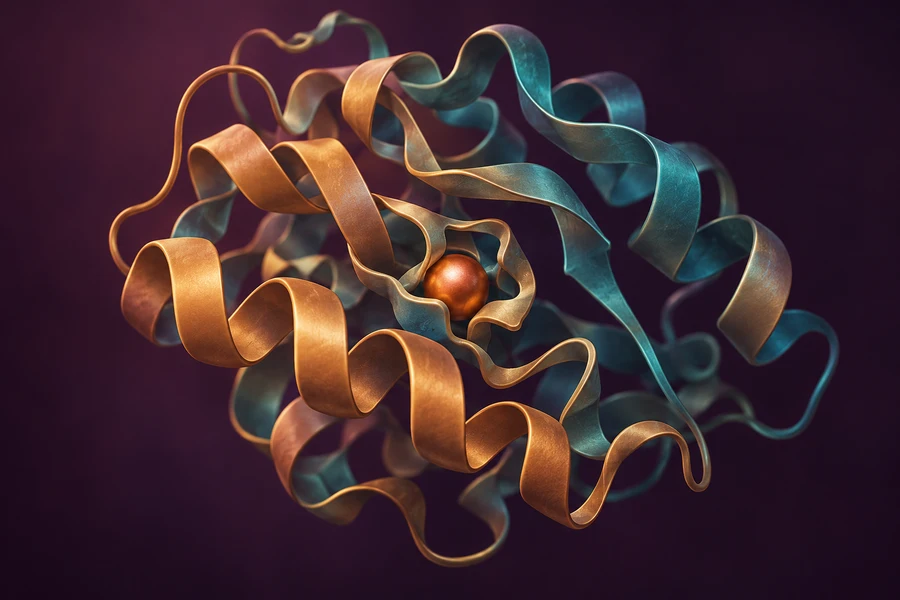
Helps the body use nutrients.
Manganese helps enzymes process carbohydrates, amino acids and cholesterol so the body can use them.(1)
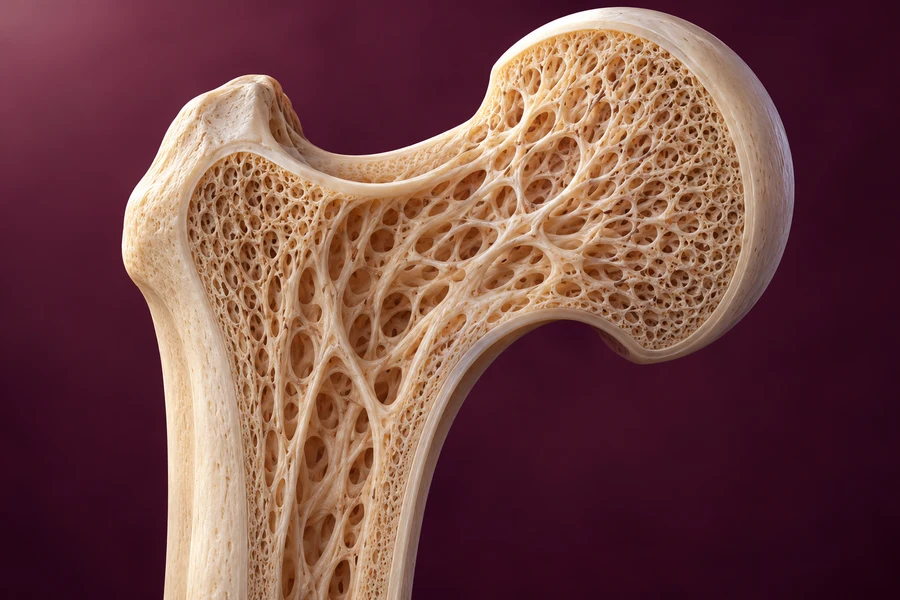
Contribute to bone formation.
Normal bone formation is another part of manganese’s enzyme-related work.(1)
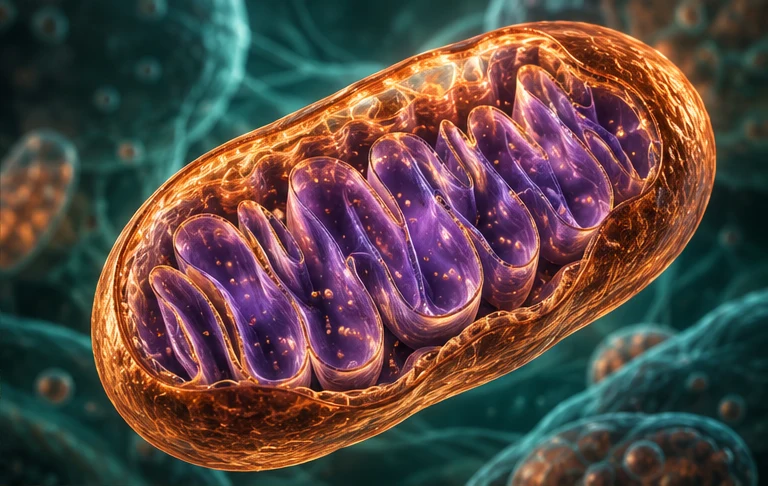
Support antioxidant defenses.
Inside mitochondria, the structures that help cells produce energy, an enzyme called manganese superoxide dismutase, or MnSOD, helps manage reactive molecules formed during normal metabolism.(1)
Manganese is present in many familiar plant foods.
03 · Everyday food sources
Manganese on the Table.
Whole grains, nuts, legumes and leafy vegetables are established food sources.(1)
Whole grains
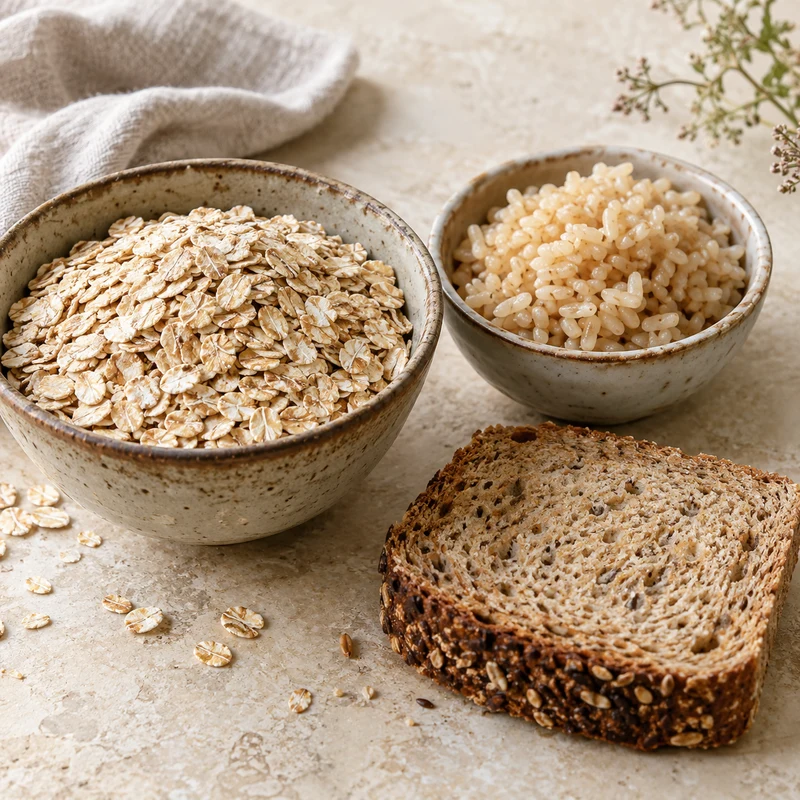
Oats, brown rice and wholegrain bread
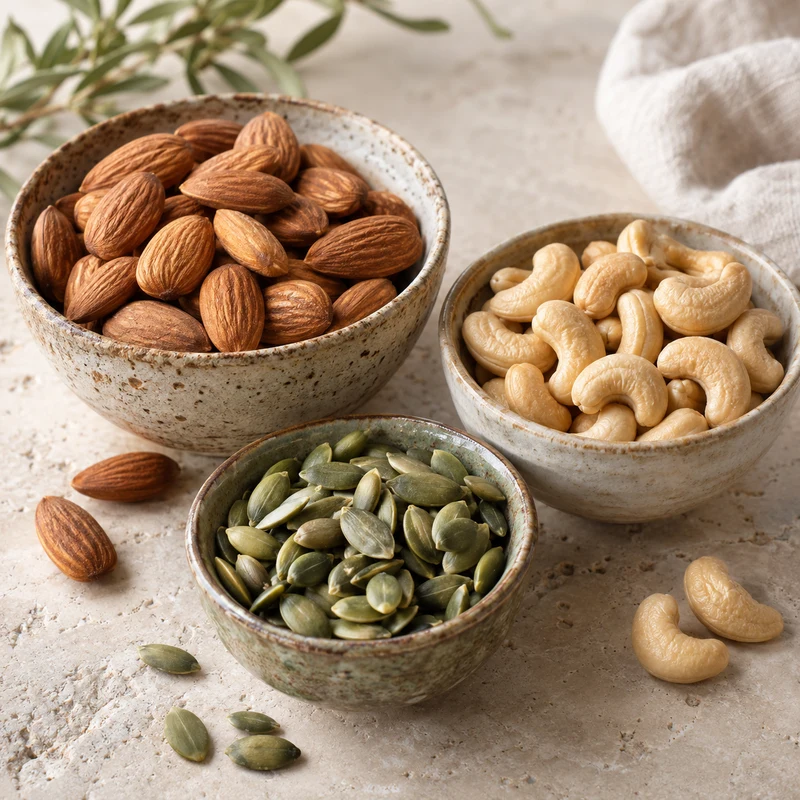
Nuts & seeds
Plant foods that contribute manganese
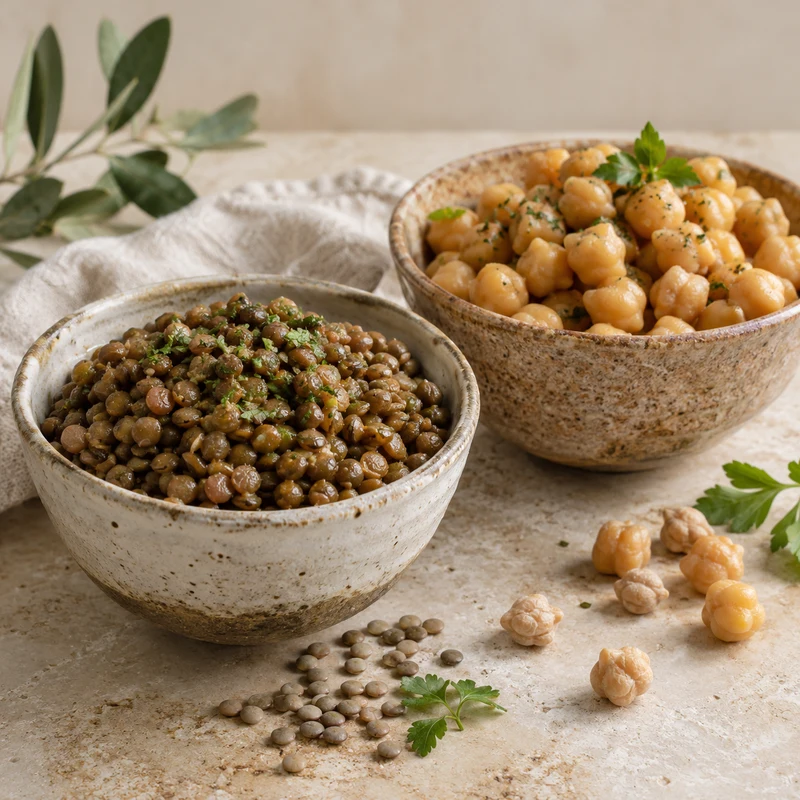
Beans & lentils
Chickpeas, lentils and other legumes
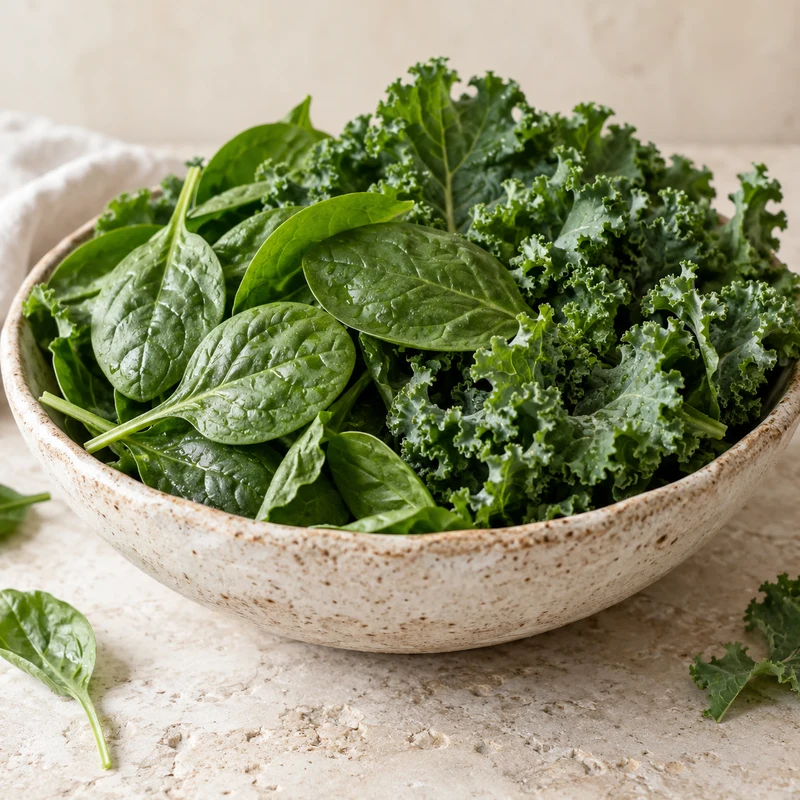
Leafy greens
Spinach and other leafy vegetables
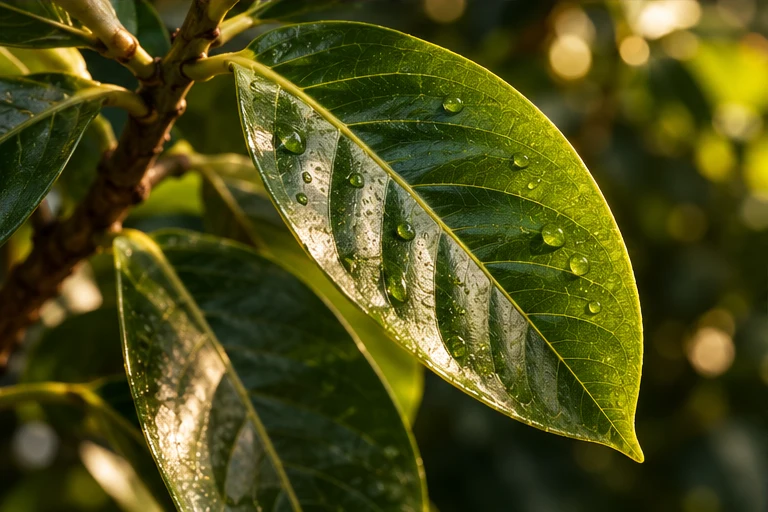
Plants use manganese for a very different task: releasing oxygen from water.
04 · Inside the living plant
How Plants Release Oxygen
During photosynthesis, plants split water and release oxygen. A tiny cluster containing manganese and calcium helps this reaction happen inside a system called photosystem II.(3)
The oxygen connection
Four Manganese Atoms and One Calcium Atom
Metal composition—not the atomic arrangement or complete structure.
Researchers have also measured manganese directly in mangosteen pericarp.
05 · Manganese in mangosteen
Manganese Measured in Mangosteen Pericarp
mg per 100 g dry matter
Pericarp result reported as 0.072 ± 0.002 in a 2026 study.(2)Which part was measured?
Researchers tested leaves, pericarp, seeds and pulp separately. They reported the manganese content of dried pericarp.(2)
What does dry matter mean?
Dry matter means the plant material without its water. The result is reported for 100 grams of that dry material.

06 · From fruit to product
Mangosteen Pericarp, Freeze-Dried
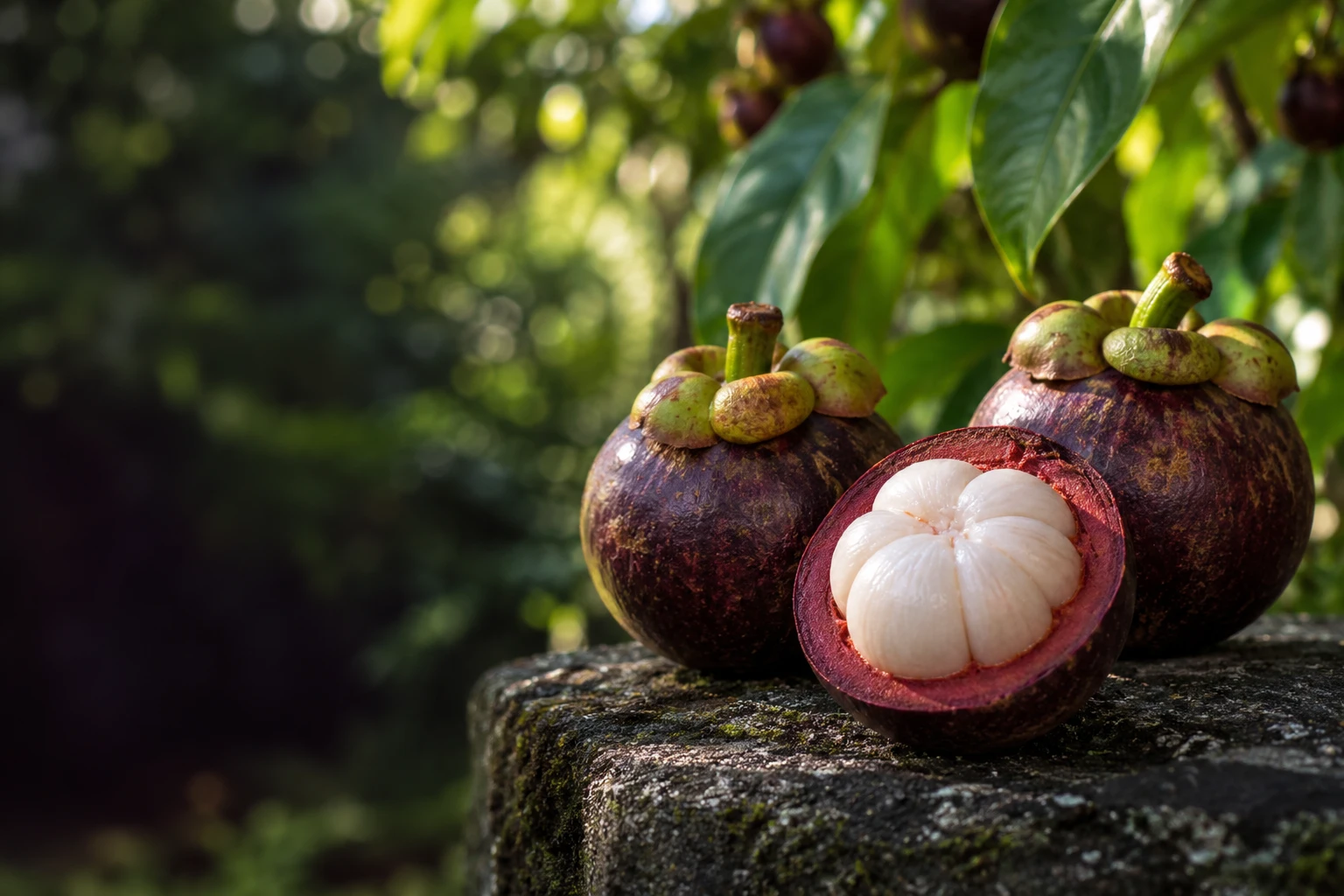
Our Freeze-Dried Rich Pericarp Mangosteen Capsules begin with the thick outer pericarp of Garcinia mangostana.
After harvest, the pericarp is freeze-dried and prepared for capsules. This uses the pericarp as a whole ingredient.
Explore our mangosteen →The research behind this articleSource References
- 01Nutrition referenceManganese: Fact Sheet for Health Professionals.View source
- 02Pericarp composition studyWilcaso et al. (2026): Mineral composition of mangosteen tissuesView source ↗
- 03Research referenceWater oxidation chemistry of photosystem II. Philosophical Transactions of the Royal Society B 357:1395–1404.View source
- 04Nutrition researchOregon State University, Linus Pauling Institute: ManganeseView source ↗