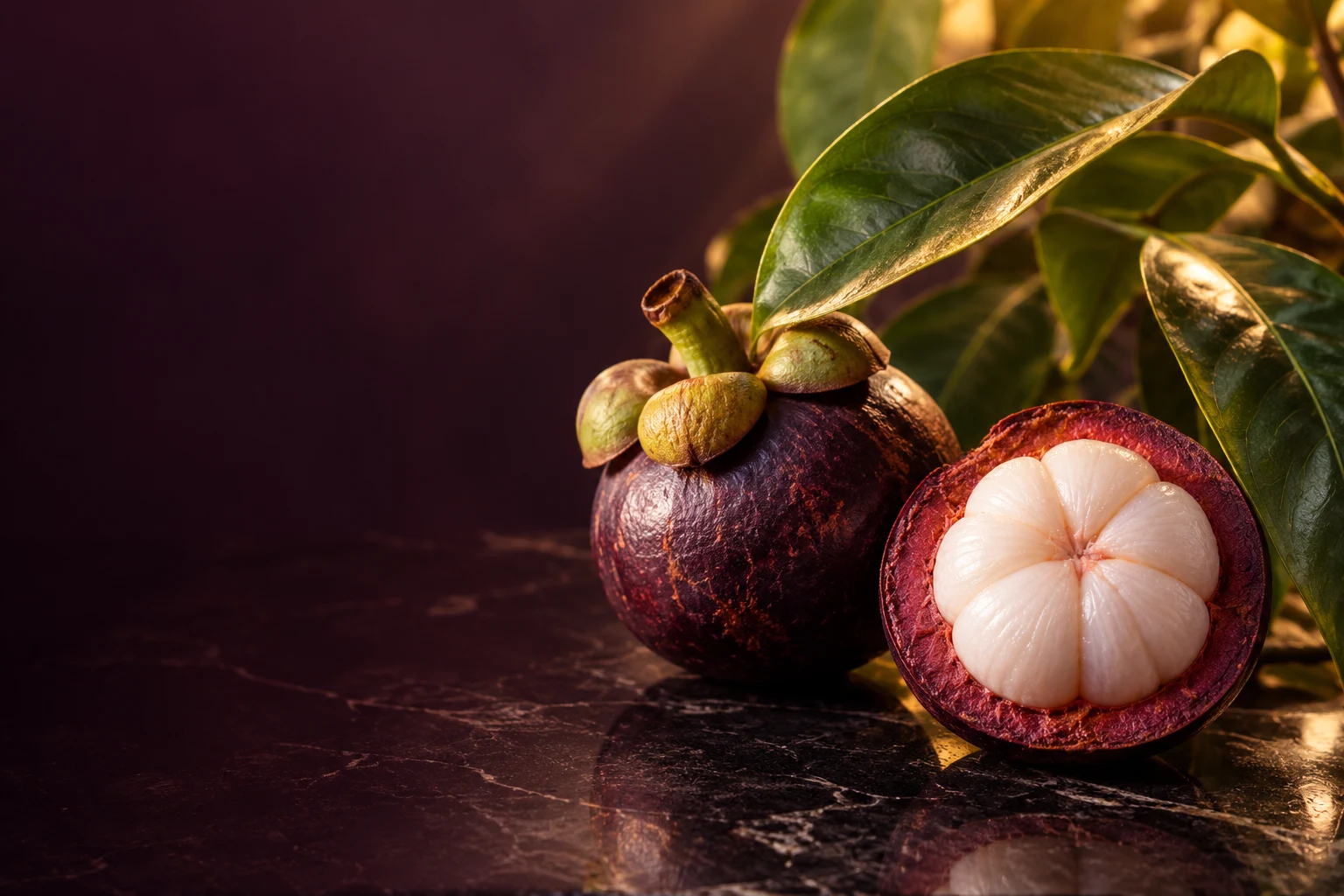
Natural Home Cures · Mangosteen science
Magnesium
& Mangosteen
Magnesium: Supporting Energy Production, Muscles and Nerves
Magnesium helps cells use energy and maintain normal signals. It is also central to the green pigment in leaves. We follow these roles before examining the amount measured in mangosteen pericarp.
01 · Begin with the essentials
A Mineral Used Throughout the Body
Magnesium helps enzymes carry out many everyday reactions. These include using energy from food, making proteins and maintaining normal muscle and nerve function.(1)
02 · A closer look
How Cells Use Magnesium
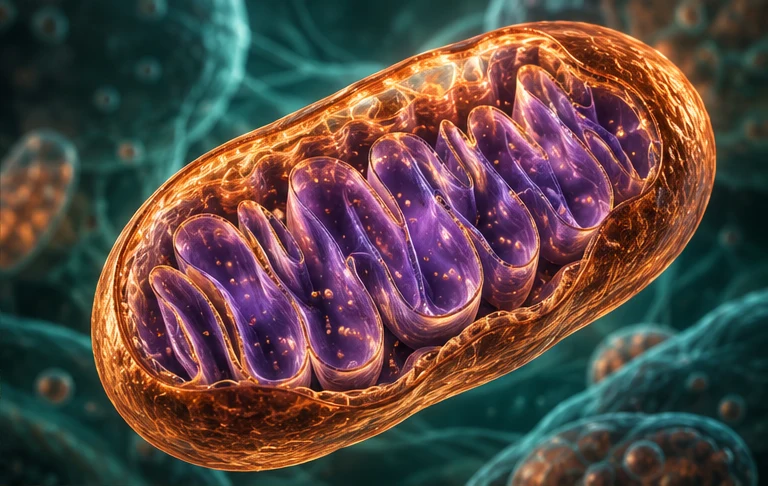
Help cells use energy.
ATP is a molecule that carries energy for cellular work. Magnesium helps enzymes use ATP and carry out the reactions that make energy available.(1)
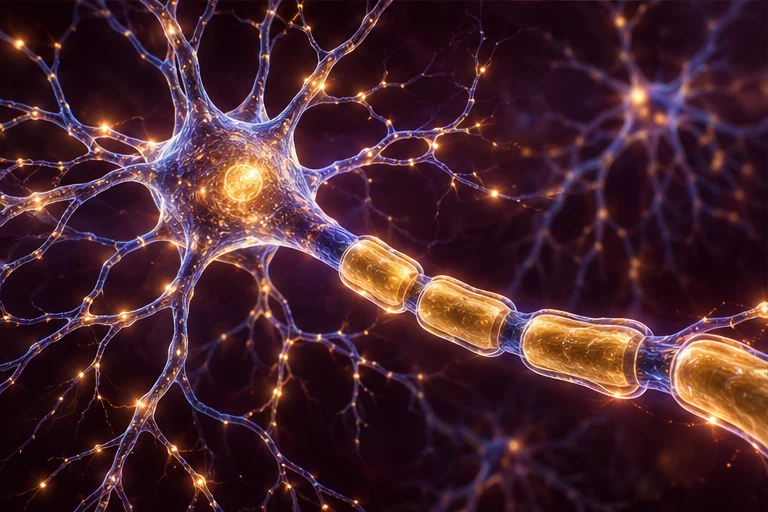
Support nerve and muscle signals.
It supports nerve impulses, muscle contraction and normal heart rhythm.(1)
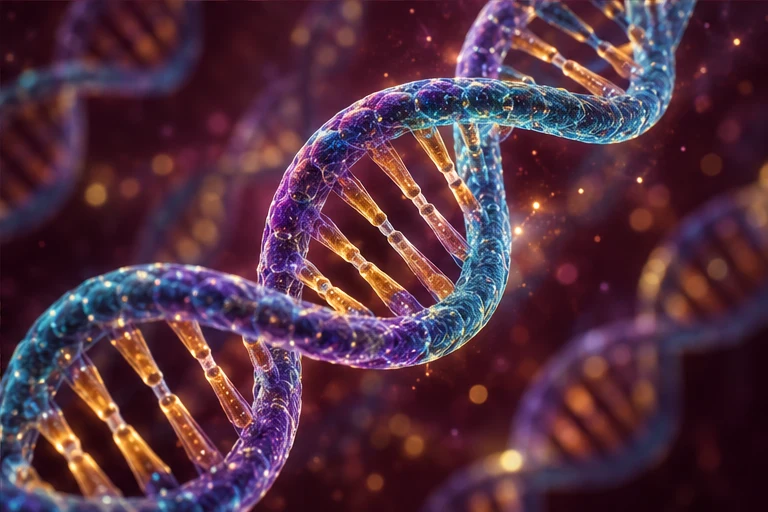
Support proteins, DNA and bones.
Cells need magnesium to make proteins and genetic material. It also contributes to the mineral structure of bones.(1)
Shared cellular systems
03 · Nutrients work together
How Magnesium Works with Other Minerals
Magnesium contributes to the movement of calcium and potassium across cell membranes. These movements help nerves and muscles function.(1)
Signals
Moving charged minerals across a membrane helps nerves generate electrical signals.
Movement
Muscles, including the heart, rely on these carefully controlled movements.
Which foods provide magnesium?
04 · Everyday food sources
Magnesium on the Table.
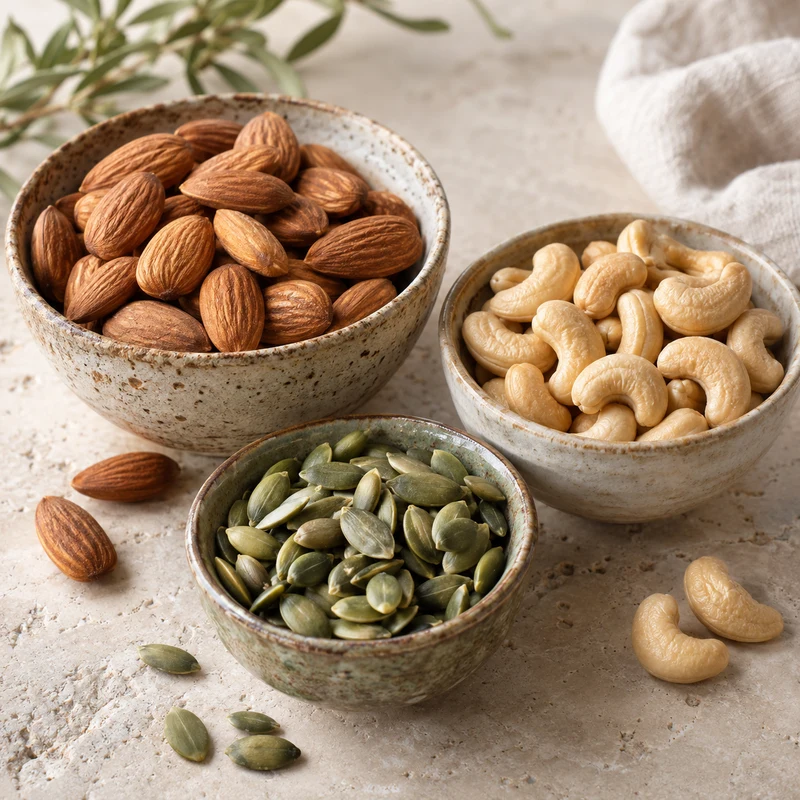
Leafy greens, legumes, nuts, seeds and whole grains are established dietary sources.(1)
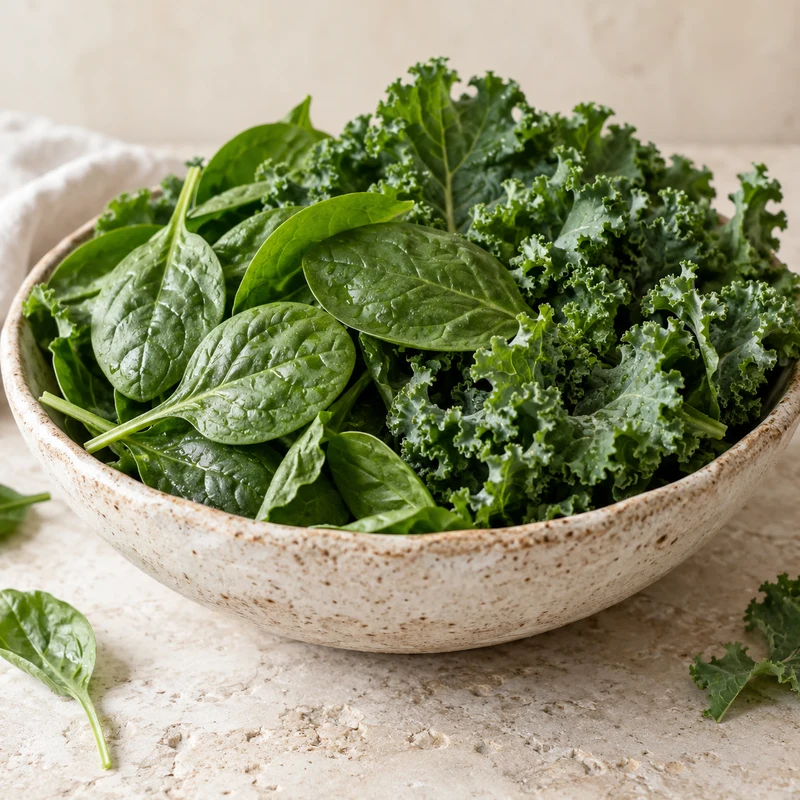
Leafy greens
Spinach and other greens
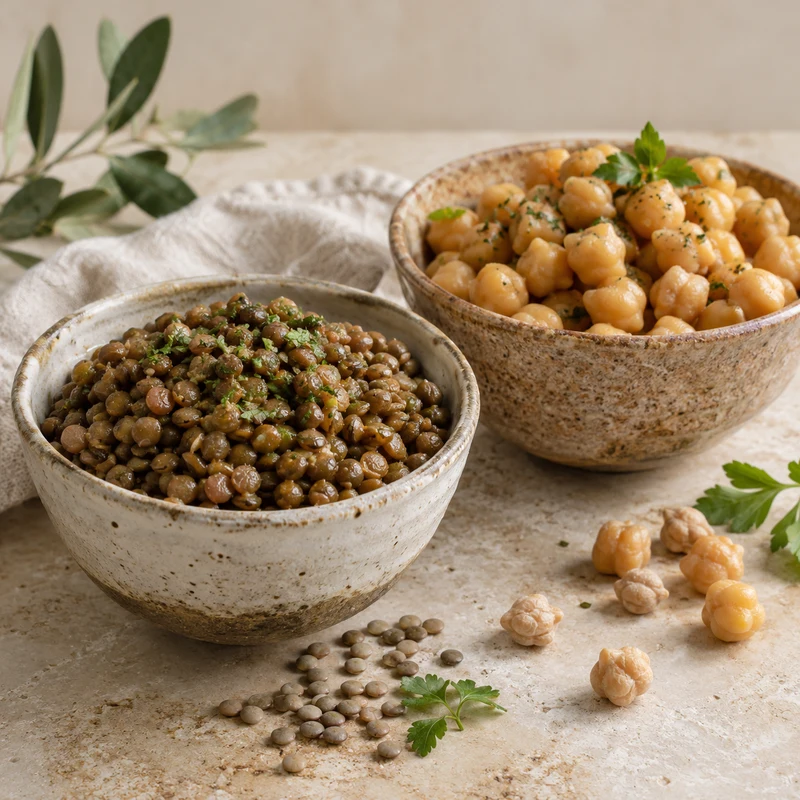
Beans & lentils
Magnesium in plant foods
Nuts & seeds
Almonds, cashews and pumpkin seeds
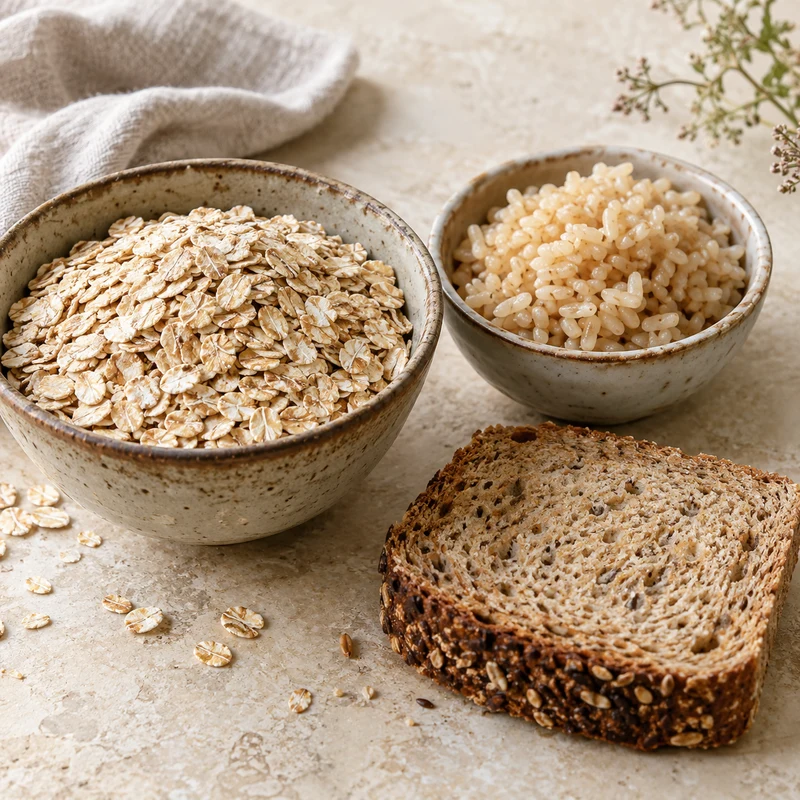
Whole grains
Oats, brown rice and wholegrain bread
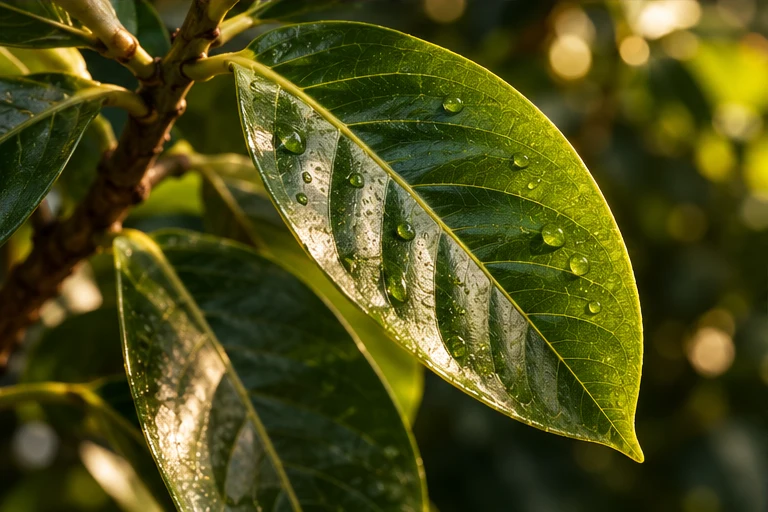
The green color of leaves reveals another role for magnesium.
05 · The green connection
At the Center
of Chlorophyll.
Magnesium sits at the center of chlorophyll, the green pigment that captures light for photosynthesis.(3)
N = nitrogen · Mg = magnesium
Simplified central coordination—not the complete chlorophyll structure.It also helps plant enzymes and energy processes. Long before harvest, magnesium is already part of the tree’s work.(3)
The tree uses magnesium as it grows. Researchers have also measured it directly in the pericarp.
06 · Magnesium in mangosteen
Magnesium Measured in Mangosteen Pericarp
2014 pericarp mineral analysis(4)

07 · From fruit to product
Whole Mangosteen Pericarp, Freeze-Dried
Our Freeze-Dried Rich Pericarp Mangosteen Capsules begin with the thick outer pericarp of Garcinia mangostana.
After harvest, the pericarp is freeze-dried and prepared for capsules. Magnesium is one of the minerals described in studies of this fruit part.(2), (4)
Explore our mangosteen →The research behind this articleSource References
- 01Nutrition referenceMagnesium: Fact Sheet for Health Professionals.View source
- 02View source
- 03Research referenceCritical Leaf Magnesium Thresholds and the Impact of Magnesium on Plant Growth and Photo-Oxidative Defense. Frontiers in Plant Science 10:766.View source
- 04View source
- 05View source ↗
- 06Pericarp composition studyWilcaso et al. (2026): Mineral composition of mangosteen tissuesView source ↗